United Airlines CEO Discusses Impact of Rising Fuel Prices
Written by Emily J. Thompson, Senior Investment Analyst
Updated: Mar 06 2026
0mins


Source: CNBC
- Fuel Price Surge: Following the U.S. and Israel's attack on Iran, United Airlines has seen jet fuel prices spike by 58% to $3.95 per gallon, which is expected to have a “meaningful” impact on the airline's financial results this quarter, despite resilient demand.
- Demand Resilience: Despite rising fuel costs, United Airlines reported a 20% year-over-year increase in booked revenue, indicating strong travel demand, with CEO Scott Kirby stating that demand “has not taken even a tiny step back.”
- Flight Cancellations Impact: The ongoing tensions in the Middle East have led to over 25,000 flight cancellations, creating challenges for global airlines; United Airlines is responding by offering new routing options, particularly increasing bookings from Australia and New Zealand to Europe significantly.
- Government Collaboration Plans: United Airlines is in discussions with the Trump administration regarding potential charter flights to evacuate U.S. citizens from the Middle East, although specific plans have yet to be finalized, demonstrating the company's adaptability in crisis situations.
Trade with 70% Backtested Accuracy
Stop guessing "Should I Buy UAL?" and start using high-conviction signals backed by rigorous historical data.
Sign up today to access powerful investing tools and make smarter, data-driven decisions.
Analyst Views on UAL
Wall Street analysts forecast UAL stock price to rise
16 Analyst Rating
15 Buy
1 Hold
0 Sell
Strong Buy
Current: 90.280

Low
115.00
Averages
139.07
High
156.00
Current: 90.280
Low
115.00
Averages
139.07
High
156.00
About UAL
United Airlines Holdings, Inc. is a holding company. The Company transports people and cargo throughout North America and to destinations in Asia, Europe, Africa, the Pacific, the Middle East and Latin America. The Company, through United Airlines, Inc., and its regional carriers, operates across six continents, with hubs at Chicago O'Hare International Airport (ORD), Denver International Airport (DEN), George Bush Intercontinental Airport (IAH), Los Angeles International Airport (LAX), Newark Liberty International Airport (EWR), San Francisco International Airport (SFO), Washington Dulles International Airport (IAD) and A.B. Won Pat International Airport (GUM). Its hub and spoke system allow it to transport passengers between a large number of destinations with frequent services. The Company has contractual relationships with various regional carriers to provide regional aircraft service branded as United Express. It provides freight and mail transportation services (Air Cargo).
About the author

Emily J. Thompson
Emily J. Thompson, a Chartered Financial Analyst (CFA) with 12 years in investment research, graduated with honors from the Wharton School. Specializing in industrial and technology stocks, she provides in-depth analysis for Intellectia’s earnings and market brief reports.
Iran War Drives Oil Prices Up, Exacerbating Economic Inequality


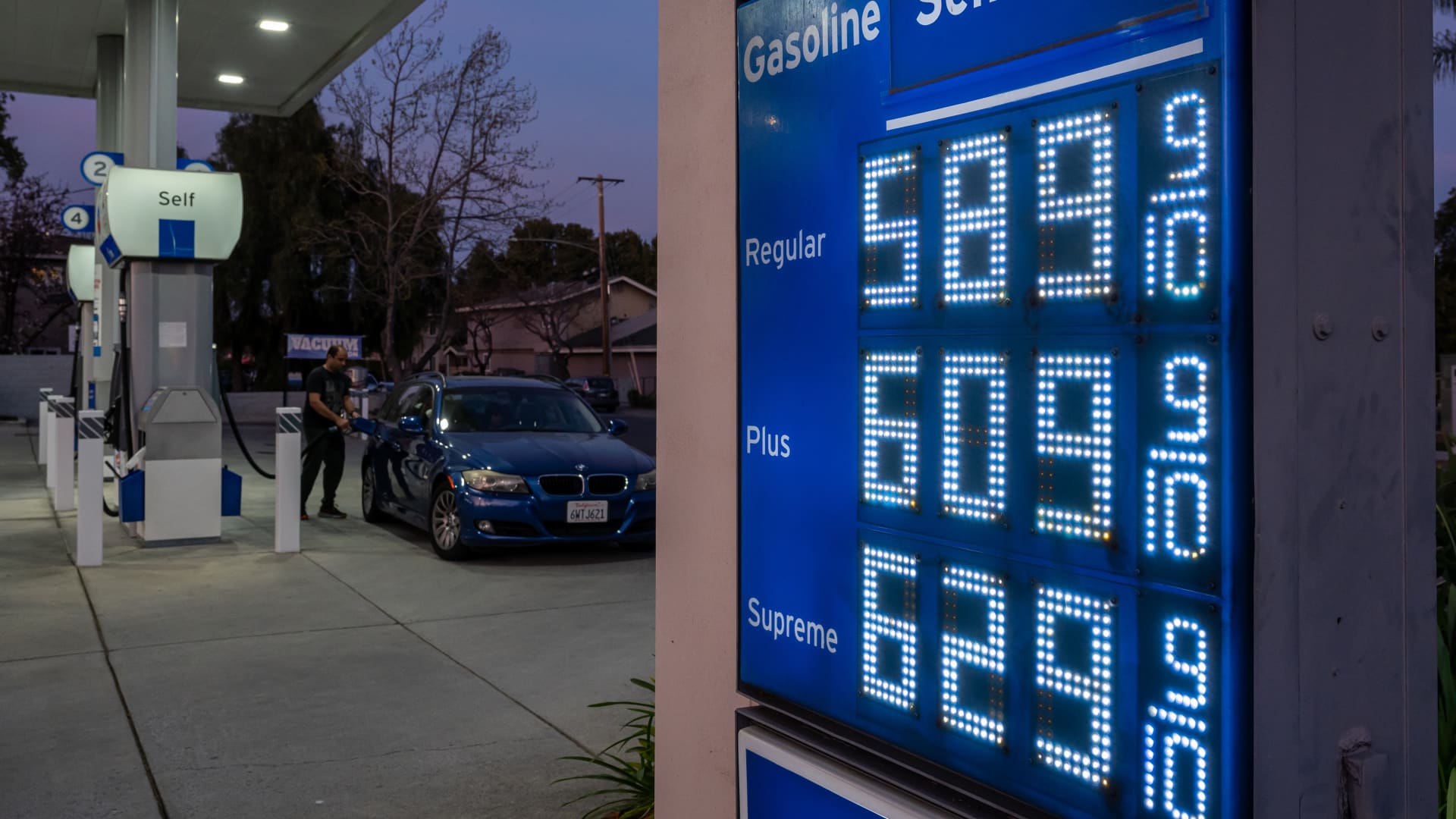
- Surge in Oil Prices: Since the onset of the Iran war on February 28, Brent crude prices have risen over 40% to approximately $102 per barrel, pushing the national average gasoline price to $3.79 per gallon, an increase of about 87 cents from a month ago, significantly burdening household spending, particularly for low-income families.
- Worsening Economic Inequality: Economists highlight that rising oil prices act as a tax on household spending power, forcing low-income households to allocate more of their income to fuel, which exacerbates the K-shaped economy phenomenon, where the wealthy continue to prosper while the poor fall further behind.
- Pressure on Consumer Spending: As households spend more on fuel, their disposable income for other goods and services diminishes, and this shift in consumer behavior could negatively impact the U.S. economy, given that consumer spending constitutes a significant portion of the nation's GDP.
- Rising Industry Costs: The volatility in oil prices is also driving up costs in other sectors, with U.S. diesel prices surpassing $5 per gallon for the first time since 2022, increasing transportation costs that could, in turn, elevate food and other goods prices, thereby intensifying economic pressure on consumers.
See More

US Stocks Rise Amid Oil Price Surge and Economic Data


- Market Performance: The S&P 500 Index rose by 0.64%, the Dow Jones Industrial Average increased by 0.59%, and the Nasdaq 100 Index climbed by 0.80%, indicating strong support from chipmakers and travel stocks, reflecting investor confidence in economic recovery.
- Employment Data Impact: The ADP report revealed an increase of only 9,000 jobs in February, the smallest gain in five weeks, signaling a slowdown in hiring by US employers, which contributed to a 2 basis point drop in the 10-year T-note yield to 4.20%, providing support for stocks.
- Oil Price Volatility: WTI crude oil prices surged over 1% due to Iranian attacks on key energy infrastructure in the Middle East, with the IEA warning that the conflict could disrupt global oil supply by 8 million barrels per day, further driving up prices.
- Fed Policy Expectations: The market widely anticipates that the Federal Reserve will keep interest rates unchanged at the upcoming FOMC meeting, despite the core PCE price index exceeding target levels, indicating persistent inflation pressures that may influence future monetary policy.
See More

U.S. Stocks Rise on Employment Data Impact

- Employment Data Impact: The ADP report indicates a mere 9,000 jobs added for the four weeks ending February 28, the lowest in five weeks, leading to a drop in the 10-year T-note yield to 4.20%, signaling a slowdown in the U.S. labor market that may influence Fed policy.
- Rising Oil Prices: Crude oil prices surged over 1% due to Iranian attacks on key energy infrastructure in the Middle East, potentially tightening global supply and impacting market sentiment and inflation expectations, especially ahead of the Fed's upcoming meeting.
- Market Reactions: While U.S. stocks generally rose with strong performances from tech and software stocks like Intuit and Datadog, which gained over 3%, the rise in oil prices heightened concerns about future inflation, potentially affecting investor confidence.
- Fed Policy Expectations: The market widely anticipates that the Fed will keep rates unchanged at the upcoming FOMC meeting, despite the core PCE price index standing at 3.1%, significantly above the 2.0% target, indicating a likely continued wait-and-see approach in response to economic slowdown.
See More

Delta Air Lines Maintains Profit Guidance, Raises Revenue Expectations

- Profit Guidance Stability: Delta Air Lines maintains its earnings per share guidance of 50 to 90 cents for Q1, despite rising jet fuel costs since the Iran war, indicating strong confidence in market demand.
- Revenue Expectations Raised: The airline has raised its revenue expectations due to robust demand, forecasting sales growth of up to 7%, which highlights the support from high-spending and corporate customers driving revenue beyond initial forecasts.
- Strongest Financial Position: Delta reports its strongest balance sheet in history, with a 25% year-over-year increase in revenue and bookings, reflecting strong market demand driven by high-spending customers.
- Positive Market Reaction: Delta's stock rose 5% in premarket trading, reflecting investor optimism regarding the company's profitability and future growth potential, despite external challenges.
See More
UAE Reopens Airspace Amid Ongoing Conflict and Attacks
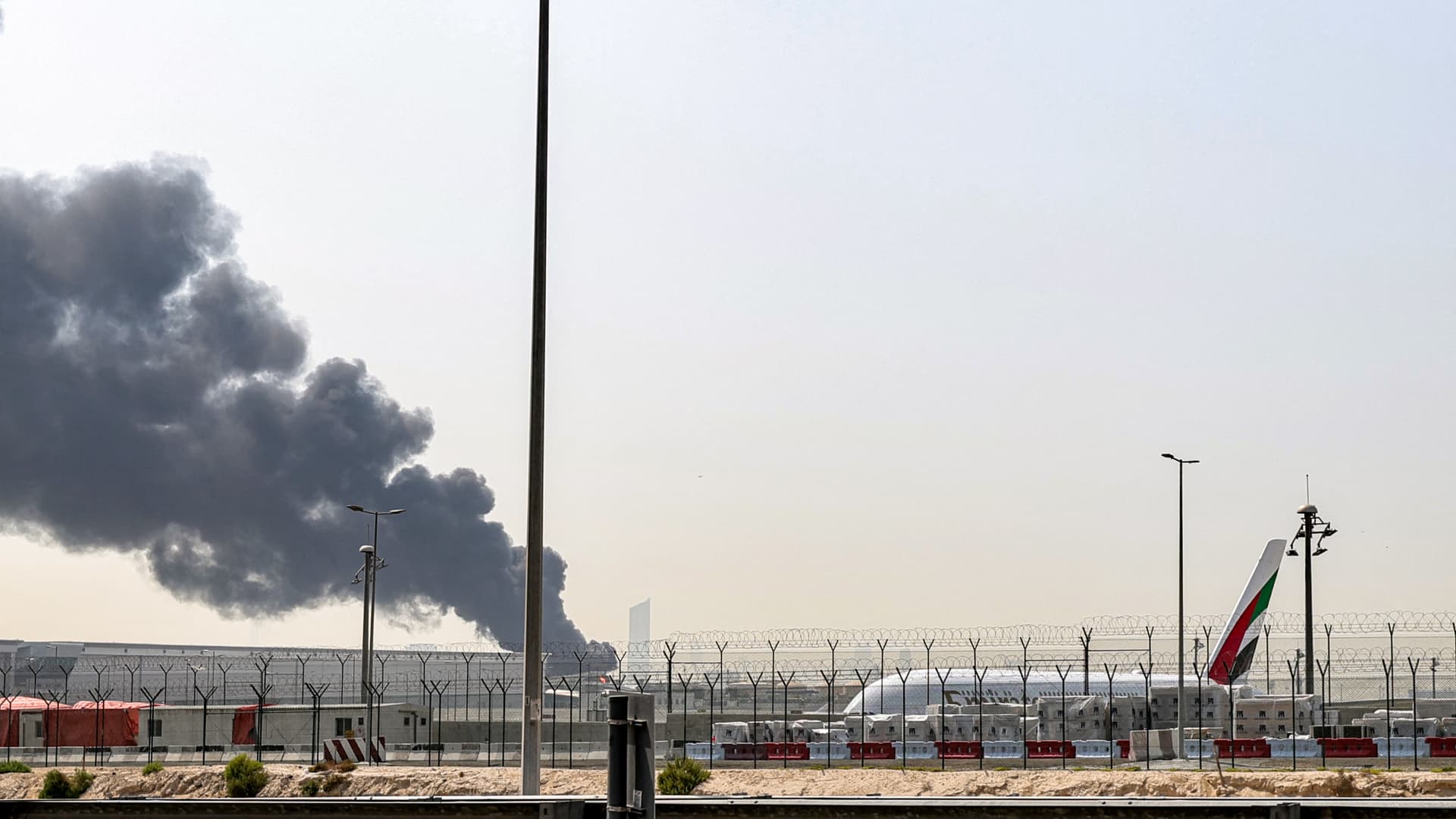
- Airspace Reopening: The UAE reopened its airspace on Tuesday after a nearly two-hour full closure due to escalating missile and drone attacks from Iran against the U.S. and Israel, highlighting the region's tense security situation.
- Defense System Performance: The UAE's Defense Ministry reported intercepting over 300 ballistic missiles and 1,600 drones to date, indicating that its defense capabilities are crucial in ensuring national security amid the ongoing conflict.
- Flight Resumption Status: Dubai International Airport resumed a limited flight schedule following a drone strike, despite facing multiple drone-related incidents, demonstrating airlines' adaptability in the face of uncertainty.
- Airline Response Measures: British Airways has extended its temporary reduction in Middle East flights due to ongoing uncertainty, affecting routes from Abu Dhabi, Amman, Bahrain, Doha, Dubai, and Tel Aviv, reflecting the airline industry's strategic adjustments in turbulent conditions.
See More

US Stocks Rise as Oil Prices Drop, Boosting Market Sentiment

- Oil Price Drop Fuels Market Rally: The S&P 500 rose 1.01%, the Dow Jones increased by 0.83%, and the Nasdaq 100 climbed 1.13% as crude oil prices fell over 5% due to hopes of tanker passage through the Strait of Hormuz, reflecting positive market sentiment towards lower energy costs.
- Mixed Economic Data: February manufacturing production in the US rose 0.2% month-over-month, surpassing expectations of 0.1%, and January's figure was revised up to 0.8%, indicating a recovery in manufacturing; however, the Empire State manufacturing index fell 7.3 points to -0.2, highlighting economic uncertainty.
- China's Economic Indicators Impact Global Outlook: China's February industrial production grew 6.3% year-on-year, exceeding expectations of 5.3%, while retail sales rose 2.8%, above the 2.5% forecast; however, the unemployment rate increased to 5.3%, indicating labor market pressures that could challenge global economic recovery.
- Airline and Cruise Stocks Surge: With falling oil prices, airline and cruise line stocks rallied, with Norwegian Cruise Line up over 5% and United Airlines up over 4%, suggesting optimistic market expectations for improved profitability due to lower fuel costs.
See More
Iran War Drives Oil Prices Up, Exacerbating Economic Inequality
- Surge in Oil Prices: Since the onset of the Iran war on February 28, Brent crude prices have risen over 40% to approximately $102 per barrel, pushing the national average gasoline price to $3.79 per gallon, an increase of about 87 cents from a month ago, significantly burdening household spending, particularly for low-income families.
- Worsening Economic Inequality: Economists highlight that rising oil prices act as a tax on household spending power, forcing low-income households to allocate more of their income to fuel, which exacerbates the K-shaped economy phenomenon, where the wealthy continue to prosper while the poor fall further behind.
- Pressure on Consumer Spending: As households spend more on fuel, their disposable income for other goods and services diminishes, and this shift in consumer behavior could negatively impact the U.S. economy, given that consumer spending constitutes a significant portion of the nation's GDP.
- Rising Industry Costs: The volatility in oil prices is also driving up costs in other sectors, with U.S. diesel prices surpassing $5 per gallon for the first time since 2022, increasing transportation costs that could, in turn, elevate food and other goods prices, thereby intensifying economic pressure on consumers.
See More
US Stocks Rise Amid Oil Price Surge and Economic Data
- Market Performance: The S&P 500 Index rose by 0.64%, the Dow Jones Industrial Average increased by 0.59%, and the Nasdaq 100 Index climbed by 0.80%, indicating strong support from chipmakers and travel stocks, reflecting investor confidence in economic recovery.
- Employment Data Impact: The ADP report revealed an increase of only 9,000 jobs in February, the smallest gain in five weeks, signaling a slowdown in hiring by US employers, which contributed to a 2 basis point drop in the 10-year T-note yield to 4.20%, providing support for stocks.
- Oil Price Volatility: WTI crude oil prices surged over 1% due to Iranian attacks on key energy infrastructure in the Middle East, with the IEA warning that the conflict could disrupt global oil supply by 8 million barrels per day, further driving up prices.
- Fed Policy Expectations: The market widely anticipates that the Federal Reserve will keep interest rates unchanged at the upcoming FOMC meeting, despite the core PCE price index exceeding target levels, indicating persistent inflation pressures that may influence future monetary policy.
See More
U.S. Stocks Rise on Employment Data Impact
- Employment Data Impact: The ADP report indicates a mere 9,000 jobs added for the four weeks ending February 28, the lowest in five weeks, leading to a drop in the 10-year T-note yield to 4.20%, signaling a slowdown in the U.S. labor market that may influence Fed policy.
- Rising Oil Prices: Crude oil prices surged over 1% due to Iranian attacks on key energy infrastructure in the Middle East, potentially tightening global supply and impacting market sentiment and inflation expectations, especially ahead of the Fed's upcoming meeting.
- Market Reactions: While U.S. stocks generally rose with strong performances from tech and software stocks like Intuit and Datadog, which gained over 3%, the rise in oil prices heightened concerns about future inflation, potentially affecting investor confidence.
- Fed Policy Expectations: The market widely anticipates that the Fed will keep rates unchanged at the upcoming FOMC meeting, despite the core PCE price index standing at 3.1%, significantly above the 2.0% target, indicating a likely continued wait-and-see approach in response to economic slowdown.
See More
Delta Air Lines Maintains Profit Guidance, Raises Revenue Expectations
- Profit Guidance Stability: Delta Air Lines maintains its earnings per share guidance of 50 to 90 cents for Q1, despite rising jet fuel costs since the Iran war, indicating strong confidence in market demand.
- Revenue Expectations Raised: The airline has raised its revenue expectations due to robust demand, forecasting sales growth of up to 7%, which highlights the support from high-spending and corporate customers driving revenue beyond initial forecasts.
- Strongest Financial Position: Delta reports its strongest balance sheet in history, with a 25% year-over-year increase in revenue and bookings, reflecting strong market demand driven by high-spending customers.
- Positive Market Reaction: Delta's stock rose 5% in premarket trading, reflecting investor optimism regarding the company's profitability and future growth potential, despite external challenges.
See More
UAE Reopens Airspace Amid Ongoing Conflict and Attacks
- Airspace Reopening: The UAE reopened its airspace on Tuesday after a nearly two-hour full closure due to escalating missile and drone attacks from Iran against the U.S. and Israel, highlighting the region's tense security situation.
- Defense System Performance: The UAE's Defense Ministry reported intercepting over 300 ballistic missiles and 1,600 drones to date, indicating that its defense capabilities are crucial in ensuring national security amid the ongoing conflict.
- Flight Resumption Status: Dubai International Airport resumed a limited flight schedule following a drone strike, despite facing multiple drone-related incidents, demonstrating airlines' adaptability in the face of uncertainty.
- Airline Response Measures: British Airways has extended its temporary reduction in Middle East flights due to ongoing uncertainty, affecting routes from Abu Dhabi, Amman, Bahrain, Doha, Dubai, and Tel Aviv, reflecting the airline industry's strategic adjustments in turbulent conditions.
See More
US Stocks Rise as Oil Prices Drop, Boosting Market Sentiment
- Oil Price Drop Fuels Market Rally: The S&P 500 rose 1.01%, the Dow Jones increased by 0.83%, and the Nasdaq 100 climbed 1.13% as crude oil prices fell over 5% due to hopes of tanker passage through the Strait of Hormuz, reflecting positive market sentiment towards lower energy costs.
- Mixed Economic Data: February manufacturing production in the US rose 0.2% month-over-month, surpassing expectations of 0.1%, and January's figure was revised up to 0.8%, indicating a recovery in manufacturing; however, the Empire State manufacturing index fell 7.3 points to -0.2, highlighting economic uncertainty.
- China's Economic Indicators Impact Global Outlook: China's February industrial production grew 6.3% year-on-year, exceeding expectations of 5.3%, while retail sales rose 2.8%, above the 2.5% forecast; however, the unemployment rate increased to 5.3%, indicating labor market pressures that could challenge global economic recovery.
- Airline and Cruise Stocks Surge: With falling oil prices, airline and cruise line stocks rallied, with Norwegian Cruise Line up over 5% and United Airlines up over 4%, suggesting optimistic market expectations for improved profitability due to lower fuel costs.
See More