Under Armour and On Holding Stocks Rise Approximately 4% Each
Written by Emily J. Thompson, Senior Investment Analyst
Updated: Feb 20 2026
0mins


Should l Buy NKE?
Source: moomoo
- Market Performance: Shares of Under Armour and On Holding have each seen a rise of about 4%.
- Investor Sentiment: The increase in share prices reflects positive investor sentiment towards both companies.
Trade with 70% Backtested Accuracy
Stop guessing "Should I Buy NKE?" and start using high-conviction signals backed by rigorous historical data.
Sign up today to access powerful investing tools and make smarter, data-driven decisions.
Analyst Views on NKE
Wall Street analysts forecast NKE stock price to rise
21 Analyst Rating
14 Buy
7 Hold
0 Sell
Moderate Buy
Current: 51.240

Low
62.00
Averages
76.11
High
110.00
Current: 51.240
Low
62.00
Averages
76.11
High
110.00
About NKE
NIKE, Inc. is engaged in the designing, marketing and distributing of athletic footwear, apparel, equipment and accessories and services for sports and fitness activities. The Company's operating segments include North America; Europe, Middle East & Africa (EMEA); Greater China; and Asia Pacific & Latin America (APLA). It sells a line of equipment and accessories under the NIKE Brand name, including bags, socks, sport balls, eyewear, timepieces, digital devices, bats, gloves, protective equipment and other equipment designed for sports activities. It also designs products specifically for the Jordan Brand and Converse. The Jordan Brand designs, distributes and licenses athletic and casual footwear, apparel and accessories predominantly focused on basketball performance and culture using the Jumpman trademark. The Company also designs, distributes and licenses casual sneakers, apparel and accessories under the Chuck Taylor, All Star, One Star, Star Chevron and Jack Purcell trademarks.
About the author

Emily J. Thompson
Emily J. Thompson, a Chartered Financial Analyst (CFA) with 12 years in investment research, graduated with honors from the Wharton School. Specializing in industrial and technology stocks, she provides in-depth analysis for Intellectia’s earnings and market brief reports.

Nike, Inc. Q3 Earnings Forecast

- Earnings Release Date: Nike, Inc. is set to release its Q3 earnings on March 31, generating significant anticipation in the market as it is expected to reveal the company's performance amid current economic conditions.
- Earnings Expectations: Analysts forecast an EPS of 28 cents and revenue of $11.23 billion for Q3, reflecting strong consumer demand for the Nike brand and confidence in the company's market position.
- Consistent Outperformance: Nike has exceeded EPS estimates for 10 consecutive quarters, demonstrating the company's resilience in a competitive market and effective operational strategies, which further solidifies investor confidence in its future growth.
- Market Reaction: As the earnings report approaches, investor interest in Nike is rising, likely to positively impact its stock price, especially given the company's ongoing demonstration of strong profitability and market leadership.
See More

Nike Faces Turnaround Challenges and Opportunities
- Executive Change: Nike appointed Elliott Hill as the new CEO in Fall 2024, aiming to rebuild relationships with partners to drive growth; however, increasing market competition and changing consumer behaviors pose significant challenges to this goal.
- Weak Performance: For the six months ending November 30, 2025, Nike's revenue grew only 1% while cost of sales rose by 6%, leading to a 31% drop in profits, indicating that even under new leadership, the company struggles to reverse its fortunes, highlighting the difficulties of the turnaround path.
- Significant Stock Decline: Over the past five years, Nike's stock has plummeted by 61%, currently trading at a price-to-earnings ratio of 30, with a forward P/E expected to drop to 20, but analysts remain cautious about the company's turnaround progress, which may impact future stock performance.
- Investor Confidence Issues: Despite Nike's iconic brand, current economic conditions and market uncertainties have weakened investor confidence in its growth potential, suggesting a wait-and-see approach is prudent until clearer turnaround results emerge.
See More

Nike Earnings Preview: Focus on Speed and Execution
- Operational Turnaround Focus: Nike's upcoming earnings call is expected to emphasize the “express lane” strategy, with a 67% probability that executives will mention it, indicating growing investor confidence in the company's operational turnaround efforts.
- Declining Financial Expectations: Wall Street analysts forecast Nike's quarterly revenue at $11.2 billion and EPS at $0.28, down from last year's $0.54, reflecting concerns about the company's future growth prospects.
- Demand Trend Monitoring: Investors will closely watch for updates on current demand trends in China and the outlook for margins amid new headwinds, which will directly influence market sentiment towards Nike's stock.
- World Cup Catalyst: The upcoming World Cup in the U.S. this summer could serve as a catalyst for Nike's performance, potentially boosting brand exposure and sales growth, particularly in the athletic apparel sector.
See More

Nike Options Traders Anticipate Significant Price Movement Post-Earnings
- Active Options Trading: Following Nike's earnings report, options traders are positioning for a significant price movement, with an expected swing of 8% to 9%, translating to about $4.30, indicating heightened market interest in future price direction.
- Concentration in Call Options: There is a notable concentration of call options above the current stock price, with 6,050 contracts at the $54 strike, reflecting strong investor confidence in a price increase, alongside significant open interest at the $55 and $60 strikes.
- Bullish Market Sentiment: The overall volume and open interest in call options significantly outpace puts, suggesting traders are leaning towards upside participation rather than merely hedging against downside risks, which reflects a positive outlook on Nike's future performance.
- Demand Trends in Focus: Investors will closely monitor Nike's updates on current demand trends, particularly in China, and the outlook for margins amid new challenges, as these factors could significantly influence stock price movements.
See More
Major Earnings Reports Expected After Tuesday's Close

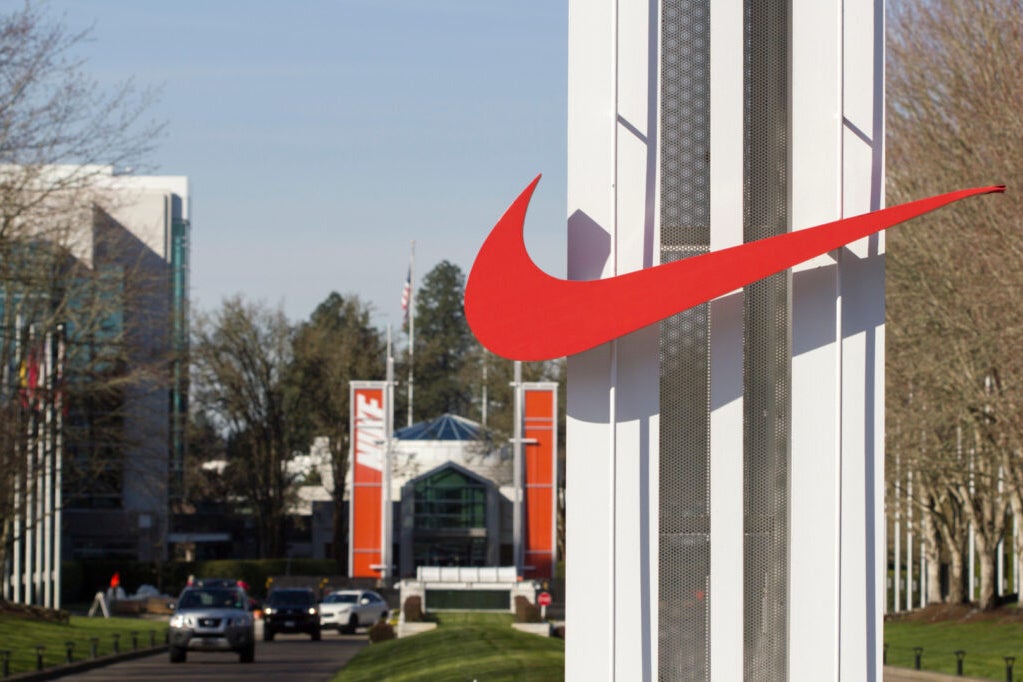
- Earnings Release Preview: Major companies including Nike (NKE), Beyond Meat (BYND), Workhorse Group (WKHS), and Nano Dimension Ltd. (NNDM) are set to report earnings after Tuesday's close, with market participants keenly awaiting insights into their performance and future market guidance.
- Market Reaction Expectations: Investors are particularly focused on Nike's earnings due to its leadership position in the global athletic apparel market, which could significantly influence overall industry sentiment and the short-term performance of related stocks.
- Additional Earnings Reports: In addition to the major players, several other companies such as AGPU, AQMS, and BIRD will also release earnings, which may impact the small-cap market, prompting investors to stay alert for potential shifts.
- Earnings Season Schedule: As the earnings season progresses, market participants should closely monitor the specific data released by each company to adjust their investment strategies and capitalize on opportunities in a volatile market environment.
See More

Stock Index Futures Rise as Investors Eye Four Key Companies
- Nike Earnings Focus: Nike (NKE) is set to report its fiscal third-quarter results after the market closes, with analysts expecting revenue of $11.2 billion and earnings per share of $0.28, down from last year's $0.54, prompting investors to closely monitor demand trends in China and margin outlook amid new challenges.
- Novo Nordisk Subscription Program: Novo Nordisk (NVO) slipped 0.14% in premarket trading after announcing a first-of-its-kind subscription program for its weight loss therapy Wegovy, allowing cash-paying patients to choose 3-, 6-, or 12-month subscriptions starting March 31, with longer terms offering lower monthly prices.
- Marvell Technology Surge: Marvell Technology (MRVL) jumped over 10% in premarket trading following Nvidia's announcement of a $2 billion investment and a strategic partnership to connect Marvell to Nvidia's AI factory and AI-RAN ecosystem, enhancing its market position in AI technologies.
- Eli Lilly Acquires Centessa: Eli Lilly (LLY) gained 0.86% before the opening bell after announcing a definitive agreement to acquire Centessa Pharmaceuticals for $38.00 per share in cash, which will bolster Lilly's portfolio in treating excessive daytime sleepiness and other neurological conditions.
See More
Nike, Inc. Q3 Earnings Forecast
- Earnings Release Date: Nike, Inc. is set to release its Q3 earnings on March 31, generating significant anticipation in the market as it is expected to reveal the company's performance amid current economic conditions.
- Earnings Expectations: Analysts forecast an EPS of 28 cents and revenue of $11.23 billion for Q3, reflecting strong consumer demand for the Nike brand and confidence in the company's market position.
- Consistent Outperformance: Nike has exceeded EPS estimates for 10 consecutive quarters, demonstrating the company's resilience in a competitive market and effective operational strategies, which further solidifies investor confidence in its future growth.
- Market Reaction: As the earnings report approaches, investor interest in Nike is rising, likely to positively impact its stock price, especially given the company's ongoing demonstration of strong profitability and market leadership.
See More
Nike Faces Turnaround Challenges and Opportunities
- Executive Change: Nike appointed Elliott Hill as the new CEO in Fall 2024, aiming to rebuild relationships with partners to drive growth; however, increasing market competition and changing consumer behaviors pose significant challenges to this goal.
- Weak Performance: For the six months ending November 30, 2025, Nike's revenue grew only 1% while cost of sales rose by 6%, leading to a 31% drop in profits, indicating that even under new leadership, the company struggles to reverse its fortunes, highlighting the difficulties of the turnaround path.
- Significant Stock Decline: Over the past five years, Nike's stock has plummeted by 61%, currently trading at a price-to-earnings ratio of 30, with a forward P/E expected to drop to 20, but analysts remain cautious about the company's turnaround progress, which may impact future stock performance.
- Investor Confidence Issues: Despite Nike's iconic brand, current economic conditions and market uncertainties have weakened investor confidence in its growth potential, suggesting a wait-and-see approach is prudent until clearer turnaround results emerge.
See More
Nike Earnings Preview: Focus on Speed and Execution
- Operational Turnaround Focus: Nike's upcoming earnings call is expected to emphasize the “express lane” strategy, with a 67% probability that executives will mention it, indicating growing investor confidence in the company's operational turnaround efforts.
- Declining Financial Expectations: Wall Street analysts forecast Nike's quarterly revenue at $11.2 billion and EPS at $0.28, down from last year's $0.54, reflecting concerns about the company's future growth prospects.
- Demand Trend Monitoring: Investors will closely watch for updates on current demand trends in China and the outlook for margins amid new headwinds, which will directly influence market sentiment towards Nike's stock.
- World Cup Catalyst: The upcoming World Cup in the U.S. this summer could serve as a catalyst for Nike's performance, potentially boosting brand exposure and sales growth, particularly in the athletic apparel sector.
See More
Nike Options Traders Anticipate Significant Price Movement Post-Earnings
- Active Options Trading: Following Nike's earnings report, options traders are positioning for a significant price movement, with an expected swing of 8% to 9%, translating to about $4.30, indicating heightened market interest in future price direction.
- Concentration in Call Options: There is a notable concentration of call options above the current stock price, with 6,050 contracts at the $54 strike, reflecting strong investor confidence in a price increase, alongside significant open interest at the $55 and $60 strikes.
- Bullish Market Sentiment: The overall volume and open interest in call options significantly outpace puts, suggesting traders are leaning towards upside participation rather than merely hedging against downside risks, which reflects a positive outlook on Nike's future performance.
- Demand Trends in Focus: Investors will closely monitor Nike's updates on current demand trends, particularly in China, and the outlook for margins amid new challenges, as these factors could significantly influence stock price movements.
See More
Major Earnings Reports Expected After Tuesday's Close
- Earnings Release Preview: Major companies including Nike (NKE), Beyond Meat (BYND), Workhorse Group (WKHS), and Nano Dimension Ltd. (NNDM) are set to report earnings after Tuesday's close, with market participants keenly awaiting insights into their performance and future market guidance.
- Market Reaction Expectations: Investors are particularly focused on Nike's earnings due to its leadership position in the global athletic apparel market, which could significantly influence overall industry sentiment and the short-term performance of related stocks.
- Additional Earnings Reports: In addition to the major players, several other companies such as AGPU, AQMS, and BIRD will also release earnings, which may impact the small-cap market, prompting investors to stay alert for potential shifts.
- Earnings Season Schedule: As the earnings season progresses, market participants should closely monitor the specific data released by each company to adjust their investment strategies and capitalize on opportunities in a volatile market environment.
See More
Stock Index Futures Rise as Investors Eye Four Key Companies
- Nike Earnings Focus: Nike (NKE) is set to report its fiscal third-quarter results after the market closes, with analysts expecting revenue of $11.2 billion and earnings per share of $0.28, down from last year's $0.54, prompting investors to closely monitor demand trends in China and margin outlook amid new challenges.
- Novo Nordisk Subscription Program: Novo Nordisk (NVO) slipped 0.14% in premarket trading after announcing a first-of-its-kind subscription program for its weight loss therapy Wegovy, allowing cash-paying patients to choose 3-, 6-, or 12-month subscriptions starting March 31, with longer terms offering lower monthly prices.
- Marvell Technology Surge: Marvell Technology (MRVL) jumped over 10% in premarket trading following Nvidia's announcement of a $2 billion investment and a strategic partnership to connect Marvell to Nvidia's AI factory and AI-RAN ecosystem, enhancing its market position in AI technologies.
- Eli Lilly Acquires Centessa: Eli Lilly (LLY) gained 0.86% before the opening bell after announcing a definitive agreement to acquire Centessa Pharmaceuticals for $38.00 per share in cash, which will bolster Lilly's portfolio in treating excessive daytime sleepiness and other neurological conditions.
See More