Ulta's Q4 Results Fall Short of Expectations Amid Stock Sell-Off
Written by Emily J. Thompson, Senior Investment Analyst
Updated: 1 hour ago
0mins
Should l Buy ULTA?
Source: seekingalpha
- Performance Analysis: Ulta's fourth-quarter results were broadly positive with strong comparable store sales and market share gains; however, higher SG&A costs led to a roughly $1 decline in EPS, falling short of Wall Street expectations.
- Cost Pressure Impact: Analysts noted that about half of the SG&A costs were driven by incentive compensation and increased marketing expenses, which, while boosting Q4 sales, also intensified profit pressure and unsettled investor confidence.
- Cautious Future Outlook: Although Ulta projects sales growth of 6% to 7% and comparable sales growth of 2.5% to 3.5% for FY26, market concerns linger regarding its conservative profit growth outlook, especially amid a deceleration in industry growth.
- Investor Sentiment Volatility: While Oppenheimer analysts view the current stock pullback as a buying opportunity, Ulta's shares gapped lower at Friday's open due to geopolitical uncertainties and concerns over discretionary spending, maintaining support at the 200-day moving average.
Trade with 70% Backtested Accuracy
Stop guessing "Should I Buy ULTA?" and start using high-conviction signals backed by rigorous historical data.
Sign up today to access powerful investing tools and make smarter, data-driven decisions.
Analyst Views on ULTA
Wall Street analysts forecast ULTA stock price to rise
22 Analyst Rating
15 Buy
6 Hold
1 Sell
Moderate Buy
Current: 624.700

Low
450.00
Averages
647.83
High
780.00
Current: 624.700
Low
450.00
Averages
647.83
High
780.00
About ULTA
Ulta Beauty, Inc. is a specialty United States beauty retailer and the premier beauty destination for cosmetics, fragrance, skincare products, haircare products and salon services. The Company operates approximately 1,451 retail stores across 50 states and distributes products through its Website, which includes a collection of tips, tutorials, and social content. The Company’s business includes a differentiated assortment of approximately 29,000 beauty products across a variety of categories and price points, as well as a variety of beauty services, including salon services, in more than 1,400 stores predominantly located in convenient, high-traffic locations. It also offers digital experiences delivered through its Website, Ulta.com, and its mobile applications. The Company’s brands include Ulta Beauty Collection, about-face, Ariana Grande, CHANEL, FENTY BEAUTY by Rihanna, It Cosmetics, LolaVie, OUAI, PAT McGRATH LABS, Tula, and NYX Professional Makeup.
About the author

Emily J. Thompson
Emily J. Thompson, a Chartered Financial Analyst (CFA) with 12 years in investment research, graduated with honors from the Wharton School. Specializing in industrial and technology stocks, she provides in-depth analysis for Intellectia’s earnings and market brief reports.

Ulta Beauty Reports Strong Q4 2025 Earnings and Strategic Outlook
- Strong Financial Performance: Ulta Beauty reported nearly 10% net sales growth for fiscal 2025, reaching $12.4 billion, with operating income of $1.5 billion or 12.4% of sales, and EPS of $25.64, indicating robust market share and profitability.
- Market Expansion Strategy: The company expanded its assortment with over 100 new brands this year, acquired Space NK, opened new stores in Mexico and the Middle East, and launched an online marketplace featuring over 200 brands and 5,000 SKUs, enhancing its competitive edge.
- Loyalty Program Growth: Ulta's loyalty program grew by 5% to a record 46.7 million active members, demonstrating significant success in increasing customer loyalty and brand recognition, which will support future sales growth.
- Optimistic Future Outlook: Management anticipates net sales growth of 6% to 7% for fiscal 2026, with EPS expected between $28.05 and $28.55, reflecting confidence in future market conditions and a commitment to ongoing investments.
See More

Mixed US Stocks as Oil Prices Rebound Amid Geopolitical Tensions


- Oil Price Rebound: WTI crude oil prices increased by 0.33%, recovering from earlier lows as the US granted a waiver for buyers to import Russian oil cargoes already at sea, covering approximately 19 million barrels, indicating market concerns over supply chains and future price expectations.
- Geopolitical Risks: US officials warned that Iran has begun laying mines in the Strait of Hormuz, with smaller boats being used for operations despite the US destroying most large vessels, potentially complicating energy transport in the region and increasing global oil price volatility risks.
- Mixed Economic Data: US personal spending rose by 0.4% month-over-month in January, exceeding expectations, while non-defense capital goods new orders were unchanged, falling short of the anticipated 0.5%, highlighting the fragility of economic recovery.
- Strong Corporate Earnings: Over 98% of S&P 500 companies have reported earnings, with 74% exceeding expectations, and fourth-quarter earnings growth is projected at 8.4%, reflecting sustained corporate profitability that may support the stock market.
See More
Ulta Beauty Stock Volatility and Future Outlook
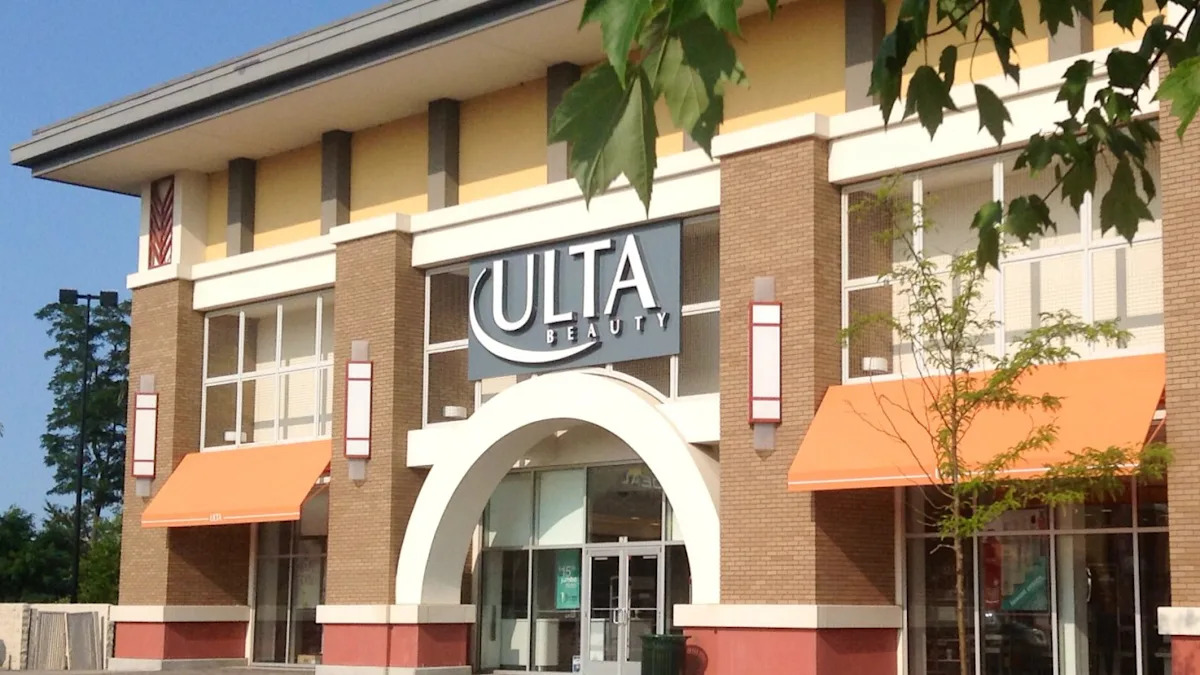
- Stock Volatility: Ulta Beauty's stock has dropped over 14% in the past week and more than 11% year-to-date, currently trading at $624.70, significantly below its 52-week high of $714.97, indicating market caution regarding its future performance.
- Analyst Rating: JPMorgan rates Ulta as Overweight with a price target lowered from $800 to $750, suggesting that the post-earnings selloff presents a buying opportunity, especially given management's conservative guidance and strong sales growth.
- Growth Drivers: Ulta's FY2026 diluted EPS guidance of $28.05 to $28.55 may be too cautious if quarterly sales remain strong, and the Unleashed strategy is expected to enhance market share in a competitive beauty landscape.
- International Expansion Potential: The acquisition of Space NK and ventures in Mexico and the Middle East are opening new growth avenues for Ulta, which historically attracts long-term investors despite potential short-term risks of operating margin contraction.
See More
U.S. Stocks Fluctuate Amid Downward Revision of Economic Growth


- Economic Growth Revision: The Bureau of Economic Analysis revised the fourth-quarter 2025 GDP growth to 0.7%, down 0.7 percentage points from its advance estimate, indicating signs of economic slowdown that may affect investor confidence.
- Persistent Inflation Pressure: The January Core Personal Consumption Expenditure price index showed a 3.1% annual increase, up from the previous 3%, further deviating from the Fed's 2% target, potentially prompting the Fed to adopt tighter monetary policies to combat inflation.
- Oil Market Volatility: While Washington temporarily eased sanctions on Russian crude to expand global supply, tensions between Iran and the U.S. continue to threaten Persian Gulf energy flows, keeping West Texas Intermediate prices near $95 a barrel.
- Major Indices Performance: By midday in New York, the Dow Jones Industrial Average rose 0.3% to 46,820, the S&P 500 held flat at 6,670, and the Nasdaq 100 was little changed at 24,530, reflecting market uncertainty.
See More

Iran War Disrupts Global Supply Chain and Retail Prices

- Supply Chain Disruption: Iran's effective closure of the Strait of Hormuz has significantly disrupted the global supply chain, affecting a range of goods from fertilizers to fuels, which may lead to rising retail prices, particularly for food items.
- Declining Consumer Confidence: The war has negatively impacted consumer confidence; although the latest consumer price index met expectations, rising gas prices are likely to suppress discretionary spending, further affecting retailers' sales.
- Retailer Strategies: Retailers facing input cost and demand pressures may raise prices to offset declining unit sales, especially for discretionary retailers like Target and Five Below, which are more vulnerable to shifts in consumer spending.
- Value Retailers Benefit: In the current economic climate, value retailers such as Walmart and Kroger may find it easier to navigate challenges as consumers increasingly seek value-priced items amidst rising costs.
See More

Impact of Iran War on Retail Sector


- Supply Chain Disruption: Iran's effective closure of the Strait of Hormuz has significantly disrupted the global supply chain, affecting a range of goods from fertilizers to metals, which may lead to higher prices for consumers at grocery stores, particularly for food items that have less flexible supply chains.
- Declining Consumer Confidence: The rise in gas prices due to the war is impacting consumer confidence, likely affecting discretionary spending, with retailers heavily reliant on non-essential goods, such as Five Below and Target, facing greater pressure.
- Retailer Response Strategies: Retailers may maintain resilience by raising prices to offset potential declines in unit sales, a strategy that has proven effective in 2022 and 2023 despite the risk of reduced sales volumes.
- Uncertain Economic Growth Outlook: As challenges mount for the retail sector, overall growth has been mediocre, and the uncertainty within the industry may begin to affect GDP growth, particularly as budget constraints for lower-income consumers intensify this trend.
See More
Ulta Beauty Reports Strong Q4 2025 Earnings and Strategic Outlook
- Strong Financial Performance: Ulta Beauty reported nearly 10% net sales growth for fiscal 2025, reaching $12.4 billion, with operating income of $1.5 billion or 12.4% of sales, and EPS of $25.64, indicating robust market share and profitability.
- Market Expansion Strategy: The company expanded its assortment with over 100 new brands this year, acquired Space NK, opened new stores in Mexico and the Middle East, and launched an online marketplace featuring over 200 brands and 5,000 SKUs, enhancing its competitive edge.
- Loyalty Program Growth: Ulta's loyalty program grew by 5% to a record 46.7 million active members, demonstrating significant success in increasing customer loyalty and brand recognition, which will support future sales growth.
- Optimistic Future Outlook: Management anticipates net sales growth of 6% to 7% for fiscal 2026, with EPS expected between $28.05 and $28.55, reflecting confidence in future market conditions and a commitment to ongoing investments.
See More
Mixed US Stocks as Oil Prices Rebound Amid Geopolitical Tensions
- Oil Price Rebound: WTI crude oil prices increased by 0.33%, recovering from earlier lows as the US granted a waiver for buyers to import Russian oil cargoes already at sea, covering approximately 19 million barrels, indicating market concerns over supply chains and future price expectations.
- Geopolitical Risks: US officials warned that Iran has begun laying mines in the Strait of Hormuz, with smaller boats being used for operations despite the US destroying most large vessels, potentially complicating energy transport in the region and increasing global oil price volatility risks.
- Mixed Economic Data: US personal spending rose by 0.4% month-over-month in January, exceeding expectations, while non-defense capital goods new orders were unchanged, falling short of the anticipated 0.5%, highlighting the fragility of economic recovery.
- Strong Corporate Earnings: Over 98% of S&P 500 companies have reported earnings, with 74% exceeding expectations, and fourth-quarter earnings growth is projected at 8.4%, reflecting sustained corporate profitability that may support the stock market.
See More
Ulta Beauty Stock Volatility and Future Outlook
- Stock Volatility: Ulta Beauty's stock has dropped over 14% in the past week and more than 11% year-to-date, currently trading at $624.70, significantly below its 52-week high of $714.97, indicating market caution regarding its future performance.
- Analyst Rating: JPMorgan rates Ulta as Overweight with a price target lowered from $800 to $750, suggesting that the post-earnings selloff presents a buying opportunity, especially given management's conservative guidance and strong sales growth.
- Growth Drivers: Ulta's FY2026 diluted EPS guidance of $28.05 to $28.55 may be too cautious if quarterly sales remain strong, and the Unleashed strategy is expected to enhance market share in a competitive beauty landscape.
- International Expansion Potential: The acquisition of Space NK and ventures in Mexico and the Middle East are opening new growth avenues for Ulta, which historically attracts long-term investors despite potential short-term risks of operating margin contraction.
See More
U.S. Stocks Fluctuate Amid Downward Revision of Economic Growth
- Economic Growth Revision: The Bureau of Economic Analysis revised the fourth-quarter 2025 GDP growth to 0.7%, down 0.7 percentage points from its advance estimate, indicating signs of economic slowdown that may affect investor confidence.
- Persistent Inflation Pressure: The January Core Personal Consumption Expenditure price index showed a 3.1% annual increase, up from the previous 3%, further deviating from the Fed's 2% target, potentially prompting the Fed to adopt tighter monetary policies to combat inflation.
- Oil Market Volatility: While Washington temporarily eased sanctions on Russian crude to expand global supply, tensions between Iran and the U.S. continue to threaten Persian Gulf energy flows, keeping West Texas Intermediate prices near $95 a barrel.
- Major Indices Performance: By midday in New York, the Dow Jones Industrial Average rose 0.3% to 46,820, the S&P 500 held flat at 6,670, and the Nasdaq 100 was little changed at 24,530, reflecting market uncertainty.
See More
Iran War Disrupts Global Supply Chain and Retail Prices
- Supply Chain Disruption: Iran's effective closure of the Strait of Hormuz has significantly disrupted the global supply chain, affecting a range of goods from fertilizers to fuels, which may lead to rising retail prices, particularly for food items.
- Declining Consumer Confidence: The war has negatively impacted consumer confidence; although the latest consumer price index met expectations, rising gas prices are likely to suppress discretionary spending, further affecting retailers' sales.
- Retailer Strategies: Retailers facing input cost and demand pressures may raise prices to offset declining unit sales, especially for discretionary retailers like Target and Five Below, which are more vulnerable to shifts in consumer spending.
- Value Retailers Benefit: In the current economic climate, value retailers such as Walmart and Kroger may find it easier to navigate challenges as consumers increasingly seek value-priced items amidst rising costs.
See More
Impact of Iran War on Retail Sector
- Supply Chain Disruption: Iran's effective closure of the Strait of Hormuz has significantly disrupted the global supply chain, affecting a range of goods from fertilizers to metals, which may lead to higher prices for consumers at grocery stores, particularly for food items that have less flexible supply chains.
- Declining Consumer Confidence: The rise in gas prices due to the war is impacting consumer confidence, likely affecting discretionary spending, with retailers heavily reliant on non-essential goods, such as Five Below and Target, facing greater pressure.
- Retailer Response Strategies: Retailers may maintain resilience by raising prices to offset potential declines in unit sales, a strategy that has proven effective in 2022 and 2023 despite the risk of reduced sales volumes.
- Uncertain Economic Growth Outlook: As challenges mount for the retail sector, overall growth has been mediocre, and the uncertainty within the industry may begin to affect GDP growth, particularly as budget constraints for lower-income consumers intensify this trend.
See More