UBS Maintains Neutral Rating and Price Target for Apple
Written by Emily J. Thompson, Senior Investment Analyst
Updated: 2 days ago
0mins
Should l Buy AAPL?
Source: stocktwits
- Services Growth Outlook: UBS maintains its Services growth outlook at approximately 14.4% year-on-year for Q1 2026, while App Store revenue growth is modest at 7%, indicating potential challenges for Apple's long-term revenue expectations.
- Apple Rating and Price Target: UBS reaffirms a ‘Neutral’ rating on Apple with a price target of $280, as the stock trades around $248, reflecting a market capitalization of approximately $3.61 trillion, which suggests cautious optimism about Apple's future performance.
- Foldable iPhone Engineering Challenges: Apple faces technical obstacles in early engineering tests of its first foldable iPhone, potentially delaying production timelines, with initial rollout expectations reduced to 7-8 million units, impacting the overall product line for 2026.
- Retail Trader Sentiment: Retail sentiment on Stocktwits remains in ‘extremely bullish’ territory, with message volume surging 210% in 24 hours, indicating an overreaction to the foldable iPhone delay, as some users view the dip as a buying opportunity.
Trade with 70% Backtested Accuracy
Stop guessing "Should I Buy AAPL?" and start using high-conviction signals backed by rigorous historical data.
Sign up today to access powerful investing tools and make smarter, data-driven decisions.
Analyst Views on AAPL
Wall Street analysts forecast AAPL stock price to rise
27 Analyst Rating
17 Buy
9 Hold
1 Sell
Moderate Buy
Current: 258.900

Low
239.00
Averages
306.89
High
350.00
Current: 258.900
Low
239.00
Averages
306.89
High
350.00
About AAPL
Apple Inc. designs, manufactures and markets smartphones, personal computers, tablets, wearables and accessories, and sells a variety of related services. Its product categories include iPhone, Mac, iPad, and Wearables, Home and Accessories. Its software platforms include iOS, iPadOS, macOS, watchOS, visionOS, and tvOS. Its services include advertising, AppleCare, cloud services, digital content and payment services. The Company operates various platforms, including the App Store, that allow customers to discover and download applications and digital content, such as books, music, video, games and podcasts. It also offers digital content through subscription-based services, including Apple Arcade, Apple Fitness+, Apple Music, Apple News+, and Apple TV+. Its products include iPhone 16 Pro, iPhone 16, iPhone 15, iPhone 14, iPhone SE, MacBook Air, MacBook Pro, iMac, Mac mini, Mac Studio, Mac Pro, iPad Pro, iPad Air, AirPods, AirPods Pro, AirPods Max, Apple TV, Apple Vision Pro and others.
About the author

Emily J. Thompson
Emily J. Thompson, a Chartered Financial Analyst (CFA) with 12 years in investment research, graduated with honors from the Wharton School. Specializing in industrial and technology stocks, she provides in-depth analysis for Intellectia’s earnings and market brief reports.

OpenAI Launches Pro ChatGPT Subscription Tier to Compete with Anthropic

- New Subscription Tier: OpenAI announced the launch of a $100 per month Pro ChatGPT subscription tier on Wednesday, which offers five times the Codex usage compared to the $20 Plus tier, aiming to cater to high-effort coding needs and enhance its competitive edge in the AI coding assistant market.
- User Growth Strategy: With Codex reaching three million weekly users, OpenAI plans to reset usage limits for every million new users, a strategy expected to drive user growth and increase the platform's market share.
- Significant Revenue Growth: As of February, Codex's run-rate revenue exceeded $2.5 billion, reflecting over 100% growth since the beginning of 2026, indicating strong market demand for AI coding tools and OpenAI's profitability potential.
- Product Diversification: The introduction of the Pro tier brings the total number of ChatGPT subscription tiers to five, further enriching user options, as OpenAI aims to attract more users and enhance customer loyalty through varied service levels.
See More

Apple Captures Top Global Smartphone Market Share for the First Time
- Market Share Growth: According to Counterpoint Research, global smartphone shipments fell 6% year-over-year in Q1 2026; however, Apple captured a 21% market share with a 5% increase in shipments, marking its first time leading the global market, demonstrating resilience in a competitive landscape.
- Supply Chain Management Advantage: Apple effectively navigated critical memory component shortages through efficient supply chain management and strong demand for its latest iPhone lineup, outperforming competitors like Samsung and Xiaomi, thereby solidifying its position in major Asian markets such as China and India.
- Competitive Pressure: Samsung Electronics slipped to a 20% market share with a 6% decline in shipments, while Xiaomi recorded a steep 13% drop due to its reliance on budget-conscious consumers, highlighting the pressures and challenges faced by major brands amid a global memory crunch.
- Changing Consumer Demand: Economic uncertainty linked to tensions in the Middle East and rising energy and transportation costs have dampened consumer appetite for new devices, leading OEMs to face compressed margins and forcing them to pass increased costs onto consumers, further impacting shipment volumes.
See More
TSMC Reports Record Revenue in Q1 Driven by AI Chip Demand

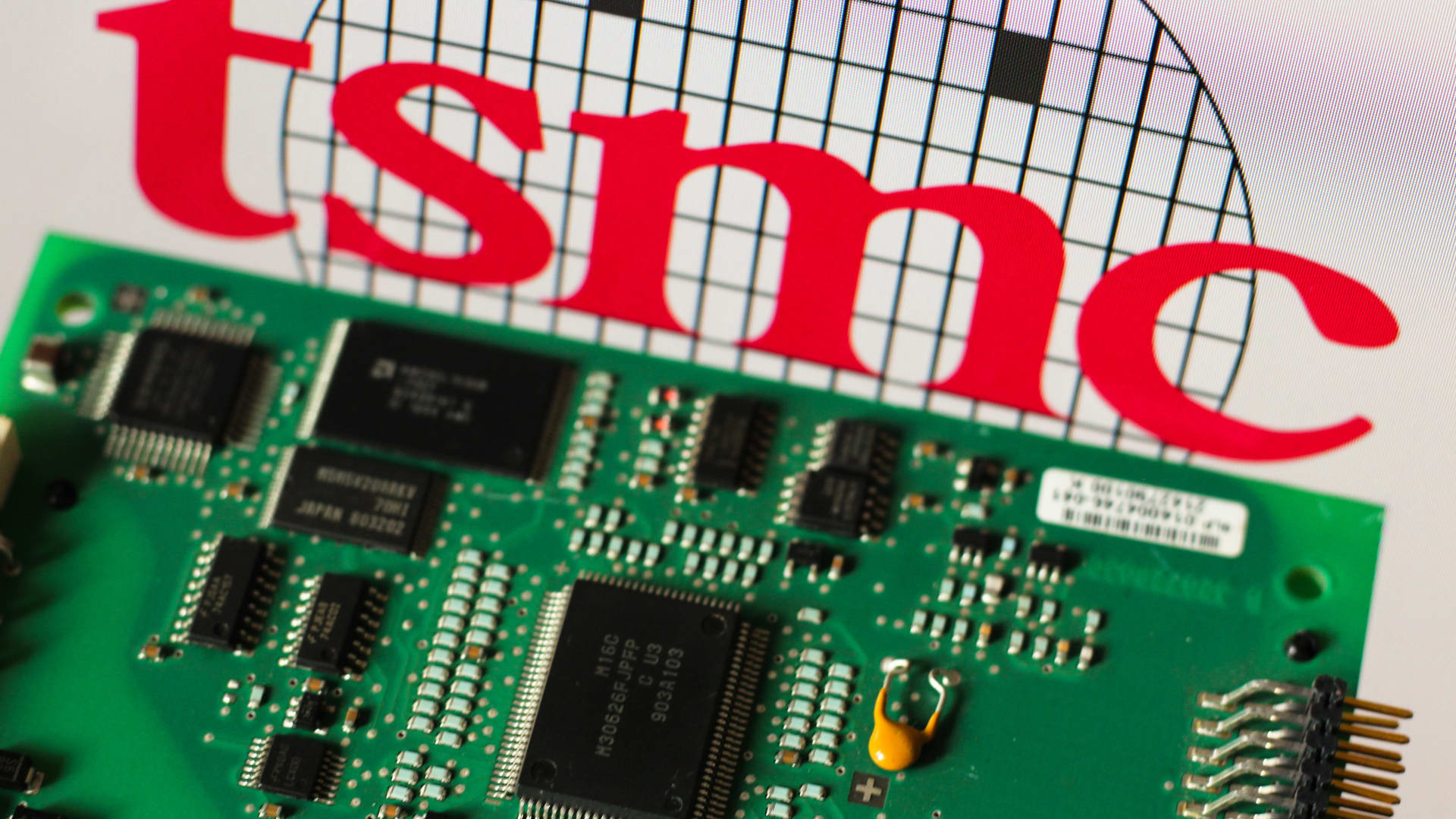
- Record Revenue: TSMC reported a record revenue of NT$1.13 trillion (approximately $35.6 billion) for Q1 2023, surpassing analyst expectations of NT$1.12 trillion, reflecting a robust 35% year-on-year growth driven by strong market demand.
- AI Chip Demand: Despite challenges in the smartphone and PC markets due to memory shortages, the sustained demand for AI chips has been a key driver of TSMC's performance, with analysts predicting the company will easily exceed its 30% annual growth target.
- Price Increases Impact Sales: TSMC's decision to raise prices for its most advanced chips is seen as a significant factor behind the first-quarter sales beat, with analysts forecasting gross margins of 64% for the quarter, indicating strong profitability.
- Intensifying Market Competition: As more companies begin designing their own chips, TSMC, being one of the few capable of manufacturing cutting-edge chips, is poised to benefit from the substantial investments in AI infrastructure, solidifying its competitive position in the market.
See More

TSMC Reports Record Q1 Revenue Driven by AI Demand

- Significant Revenue Growth: TSMC reported Q1 revenue of NT$1.13 trillion ($35.6 billion), a 35% year-on-year increase that surpassed analyst expectations of NT$1.12 trillion, highlighting the company's robust performance in the semiconductor market.
- Strong AI Chip Demand: Despite challenges in the smartphone and PC markets due to memory shortages, demand for AI chips has driven TSMC's performance, with analysts predicting it will easily exceed its 30% annual growth target, indicating that ongoing investments in AI are yielding returns.
- Price Increases Boost Performance: TSMC has raised prices for its most advanced chips, which is seen as a key factor behind the first-quarter sales beat, with analysts forecasting a gross margin of 64% for Q1, further solidifying its market position.
- Intensifying Market Competition: As more companies begin designing their own chips, TSMC's role as a manufacturer becomes increasingly critical, particularly in the AI inference space, and it is expected to continue benefiting from rising investments and demand in the industry.
See More

EU Imposes Over $7B in Fines on U.S. Tech Giants

- Total Fines: Since 2024, the EU has imposed over €6 billion (approximately $7 billion) in fines on U.S. tech companies, reflecting a stringent enforcement of antitrust and competition laws that could impact these companies' market strategies and innovation capabilities.
- Key Fine Cases: In March 2024, Apple was fined €1.84 billion for abusing its dominant market position; in November 2024, Meta faced a €797 million fine for improper practices; in September 2025, Google was fined €2.9 billion for anti-competitive behavior, indicating significant financial repercussions and potential adjustments in their business models.
- Policy Impact: The EU's tough stance is perceived as a threat to innovation, particularly amid escalating tensions between the U.S. government and tech firms, which may prompt these companies to reassess their operational strategies in the European market.
- Future Regulatory Trends: The EU is investigating Snap for compliance and imposing interim measures on Meta, demonstrating an increasing regulatory focus on the Digital Services Act and online child safety, which could have far-reaching implications for the entire industry.
See More

Apple to Close First Unionized Retail Store in U.S.
- Closure Reason: Apple plans to close its first unionized retail store in Towson, Maryland, in June 2026, citing “worsening conditions” at the mall and the exit of other retailers, indicating the company's strategic response to a challenging retail environment.
- Union Reaction: The International Association of Machinists & Aerospace Workers (IAM) expressed outrage over Apple's decision, claiming it could harm unionized employees and is exploring legal options, highlighting the strong opposition from the union against the company's actions.
- Employee Placement Policy: Apple stated that despite the store closure, employees will be able to apply for other roles within the company in accordance with its policies and union agreements, demonstrating a sense of responsibility in managing employee transitions.
- Union Agreement Dispute: IAM criticized Apple's assertion that the collective bargaining agreement prevents relocation as false, raising concerns about the company's motives behind the closure, which reflects the ongoing tension and potential legal disputes between the union and the company.
See More
OpenAI Launches Pro ChatGPT Subscription Tier to Compete with Anthropic
- New Subscription Tier: OpenAI announced the launch of a $100 per month Pro ChatGPT subscription tier on Wednesday, which offers five times the Codex usage compared to the $20 Plus tier, aiming to cater to high-effort coding needs and enhance its competitive edge in the AI coding assistant market.
- User Growth Strategy: With Codex reaching three million weekly users, OpenAI plans to reset usage limits for every million new users, a strategy expected to drive user growth and increase the platform's market share.
- Significant Revenue Growth: As of February, Codex's run-rate revenue exceeded $2.5 billion, reflecting over 100% growth since the beginning of 2026, indicating strong market demand for AI coding tools and OpenAI's profitability potential.
- Product Diversification: The introduction of the Pro tier brings the total number of ChatGPT subscription tiers to five, further enriching user options, as OpenAI aims to attract more users and enhance customer loyalty through varied service levels.
See More
Apple Captures Top Global Smartphone Market Share for the First Time
- Market Share Growth: According to Counterpoint Research, global smartphone shipments fell 6% year-over-year in Q1 2026; however, Apple captured a 21% market share with a 5% increase in shipments, marking its first time leading the global market, demonstrating resilience in a competitive landscape.
- Supply Chain Management Advantage: Apple effectively navigated critical memory component shortages through efficient supply chain management and strong demand for its latest iPhone lineup, outperforming competitors like Samsung and Xiaomi, thereby solidifying its position in major Asian markets such as China and India.
- Competitive Pressure: Samsung Electronics slipped to a 20% market share with a 6% decline in shipments, while Xiaomi recorded a steep 13% drop due to its reliance on budget-conscious consumers, highlighting the pressures and challenges faced by major brands amid a global memory crunch.
- Changing Consumer Demand: Economic uncertainty linked to tensions in the Middle East and rising energy and transportation costs have dampened consumer appetite for new devices, leading OEMs to face compressed margins and forcing them to pass increased costs onto consumers, further impacting shipment volumes.
See More
TSMC Reports Record Revenue in Q1 Driven by AI Chip Demand
- Record Revenue: TSMC reported a record revenue of NT$1.13 trillion (approximately $35.6 billion) for Q1 2023, surpassing analyst expectations of NT$1.12 trillion, reflecting a robust 35% year-on-year growth driven by strong market demand.
- AI Chip Demand: Despite challenges in the smartphone and PC markets due to memory shortages, the sustained demand for AI chips has been a key driver of TSMC's performance, with analysts predicting the company will easily exceed its 30% annual growth target.
- Price Increases Impact Sales: TSMC's decision to raise prices for its most advanced chips is seen as a significant factor behind the first-quarter sales beat, with analysts forecasting gross margins of 64% for the quarter, indicating strong profitability.
- Intensifying Market Competition: As more companies begin designing their own chips, TSMC, being one of the few capable of manufacturing cutting-edge chips, is poised to benefit from the substantial investments in AI infrastructure, solidifying its competitive position in the market.
See More
TSMC Reports Record Q1 Revenue Driven by AI Demand
- Significant Revenue Growth: TSMC reported Q1 revenue of NT$1.13 trillion ($35.6 billion), a 35% year-on-year increase that surpassed analyst expectations of NT$1.12 trillion, highlighting the company's robust performance in the semiconductor market.
- Strong AI Chip Demand: Despite challenges in the smartphone and PC markets due to memory shortages, demand for AI chips has driven TSMC's performance, with analysts predicting it will easily exceed its 30% annual growth target, indicating that ongoing investments in AI are yielding returns.
- Price Increases Boost Performance: TSMC has raised prices for its most advanced chips, which is seen as a key factor behind the first-quarter sales beat, with analysts forecasting a gross margin of 64% for Q1, further solidifying its market position.
- Intensifying Market Competition: As more companies begin designing their own chips, TSMC's role as a manufacturer becomes increasingly critical, particularly in the AI inference space, and it is expected to continue benefiting from rising investments and demand in the industry.
See More
EU Imposes Over $7B in Fines on U.S. Tech Giants
- Total Fines: Since 2024, the EU has imposed over €6 billion (approximately $7 billion) in fines on U.S. tech companies, reflecting a stringent enforcement of antitrust and competition laws that could impact these companies' market strategies and innovation capabilities.
- Key Fine Cases: In March 2024, Apple was fined €1.84 billion for abusing its dominant market position; in November 2024, Meta faced a €797 million fine for improper practices; in September 2025, Google was fined €2.9 billion for anti-competitive behavior, indicating significant financial repercussions and potential adjustments in their business models.
- Policy Impact: The EU's tough stance is perceived as a threat to innovation, particularly amid escalating tensions between the U.S. government and tech firms, which may prompt these companies to reassess their operational strategies in the European market.
- Future Regulatory Trends: The EU is investigating Snap for compliance and imposing interim measures on Meta, demonstrating an increasing regulatory focus on the Digital Services Act and online child safety, which could have far-reaching implications for the entire industry.
See More
Apple to Close First Unionized Retail Store in U.S.
- Closure Reason: Apple plans to close its first unionized retail store in Towson, Maryland, in June 2026, citing “worsening conditions” at the mall and the exit of other retailers, indicating the company's strategic response to a challenging retail environment.
- Union Reaction: The International Association of Machinists & Aerospace Workers (IAM) expressed outrage over Apple's decision, claiming it could harm unionized employees and is exploring legal options, highlighting the strong opposition from the union against the company's actions.
- Employee Placement Policy: Apple stated that despite the store closure, employees will be able to apply for other roles within the company in accordance with its policies and union agreements, demonstrating a sense of responsibility in managing employee transitions.
- Union Agreement Dispute: IAM criticized Apple's assertion that the collective bargaining agreement prevents relocation as false, raising concerns about the company's motives behind the closure, which reflects the ongoing tension and potential legal disputes between the union and the company.
See More