Two Lesser-Known Photonics Companies Could Have a Significant Impact on AI

Impact of the Iran War on AI Industry: The uncertainty surrounding the Iran war has not significantly disrupted the rapid growth of the artificial intelligence industry, with losses in the sector not outpacing the broader S&P 500's 4% year-to-date loss.
NVIDIA's Investment in Photonics: NVIDIA's recent $2 billion investment in smaller photonics companies, Lumentum Holdings and Coherent Inc., indicates a strategic focus on this developing branch of AI-adjacent technology, potentially enhancing AI infrastructure.
Cohere's Performance and Valuation: Cohere's shares have surged over 45% year-to-date, exceeding analyst price targets, and the company has shown strong revenue growth, indicating a favorable outlook among analysts despite concerns about its high valuation.
Nova's Growth in the AI Market: Nova Ltd. has reported significant revenue growth and is positioned to benefit from long-term partnerships in the semiconductor manufacturing space, contributing to its strong performance in the booming AI market.
Trade with 70% Backtested Accuracy
Analyst Views on COHR

About COHR
About the author


Market Dynamics: The Tug-of-War Between Bonds and Oil Prices


- Bond Market Stability: The slight decline in bond yields indicates a stable market outlook, which helps support the stock market, particularly amid oil price fluctuations, thereby reducing investor panic.
- Tech Stock Recovery: The so-called 'Magnificent Seven' tech companies, including Alphabet and Amazon, are beginning to reap benefits from their previous high expenditures, enhancing market confidence in their future profitability, which could drive further market gains.
- Rise of the AI Economy: The emergence of AI agents is expected to significantly reduce hiring and operational costs for enterprises, driving demand for chips like Nvidia's, which will further boost growth for related companies.
- Improved Investor Sentiment: Despite ongoing market uncertainties, the combination of low bond yields and strong performance from tech stocks fosters an optimistic outlook among investors, potentially attracting more capital into the stock market.
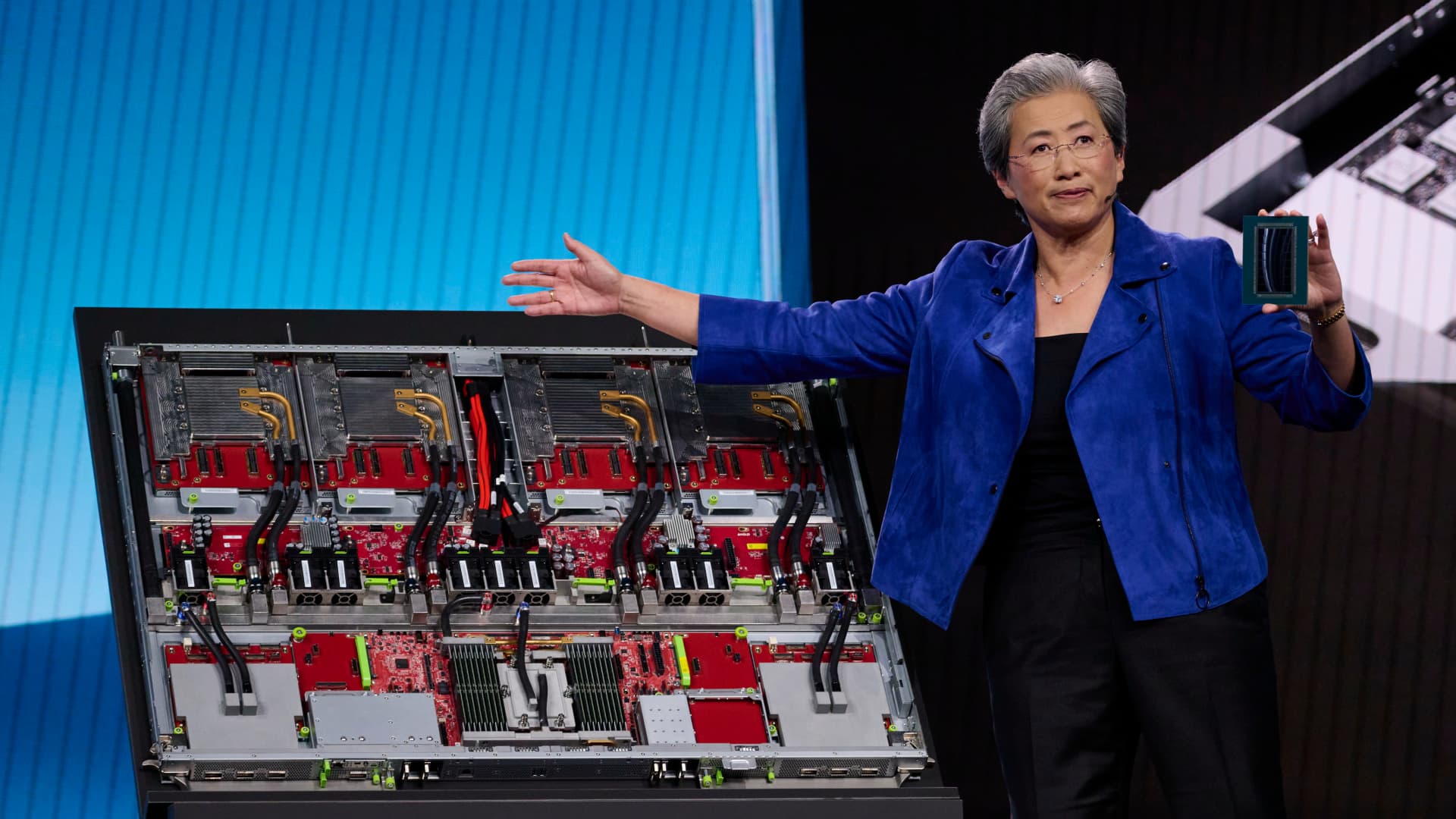
AMD Shares Surge 7% Following Price Target Increase


- AMD Stock Surge: AMD shares rose over 7% after Bernstein raised its price target from $235 to $265, with analyst Stacy Rasgon highlighting the company's benefits from strong server CPU demand, which is expected to enhance its market performance further.
- Intel Price Target Increase: Bernstein also lifted Intel's price target from $36 to $60, resulting in a nearly 5% stock increase, reflecting growing market confidence in Intel's future growth potential, which may attract more investor interest.
- Aehr Test Systems Order Boost: Aehr Test Systems announced a $41 million production order from a leading hyperscale AI customer, leading to an 11% stock increase, which not only strengthens the company's market position but also potentially drives future earnings growth.
- PPG Global Price Hike: PPG Industries announced a global price increase of up to 20% across its product portfolio, resulting in about a 5% stock rise, as this move addresses rising raw material and packaging costs, demonstrating the company's proactive strategy in navigating market challenges.

Investor Sentiment Rebounds as Market Approaches New Highs


- Market Sentiment Rebounds: Despite a correction over the past six months, investor sentiment is gradually improving, as evidenced by institutional investors reducing their risk exposure from 95% earlier this year to 69%, indicating a growing confidence in future market trends.
- Potential for Capital Flows: With over $8 trillion in money market funds yet to significantly rotate into equities, if stocks continue to rise, institutional investors may be forced to increase their risk exposure, potentially driving the market higher and creating strong capital flows.
- AI Stocks Leading the Charge: Stocks tied to infrastructure buildout, such as Coherent Corp., Bloom Energy, and Nebius Group, have already seen significant rallies, indicating robust demand for these high-quality stocks, which may lead future market trends.
- Investor Strategy Adjustments: In a strong bull market, investors should focus on diversified exposure across the AI ecosystem and related themes to manage potential market volatility while prioritizing risk management to ensure sustained returns in the market.

Market Faces Multiple Challenges and Opportunities


- Impact of Iran War: Since the onset of the Iran war, oil prices have doubled, and despite a significant drop following the two-week ceasefire news, the S&P 500 remains only 2.3% below its all-time high, indicating market resilience and adaptability to rising oil prices.
- Tech Stock Turmoil: Software stocks like ServiceNow and Salesforce have plummeted by 30% to 40% despite strong profitability due to fears of AI's impact, while hardware stocks have surged by 50% to 150%, reflecting a stark divergence in market sentiment towards the tech sector.
- Bond Market Stability: The 10-year Treasury yield peaked at 4.5% on March 27 before settling at 4.32%, with the low-rate environment providing support for the stock market, even as discussions about Federal Reserve policies remain prevalent.
- Bank Earnings Season: Goldman Sachs is set to report earnings, expected to showcase a stronger narrative than traditional banks, while Wells Fargo's performance may be influenced by market underestimations of its historical issues, potentially leading to more realistic expectations.

Mixed Close for US Stocks as Nasdaq Hits Six-Week High


- Market Volatility: On Friday, the S&P 500 closed down 0.11%, the Dow Jones Industrial Average fell 0.56%, while the Nasdaq 100 rose 0.14%, reflecting a tug-of-war between software stock weakness and inflation concerns.
- Inflation Data Impact: The US March CPI rose 3.3% year-on-year, slightly below the expected 3.4%, marking the largest increase in two years but failing to boost market confidence, as the consumer sentiment index dropped to a record low of 47.6.
- Geopolitical Factors: Optimism surrounding US-Iran diplomatic negotiations has increased market sentiment regarding Middle Eastern tensions, although President Trump's comments about military readiness have raised concerns, putting pressure on stocks.
- Sector Performance Divergence: Software stocks faced declines due to AI disruption fears, with ServiceNow and Cadence Design Systems down over 7% and 5%, respectively, while chipmakers like Broadcom and AMD rose over 4% and 3% due to increased market demand.
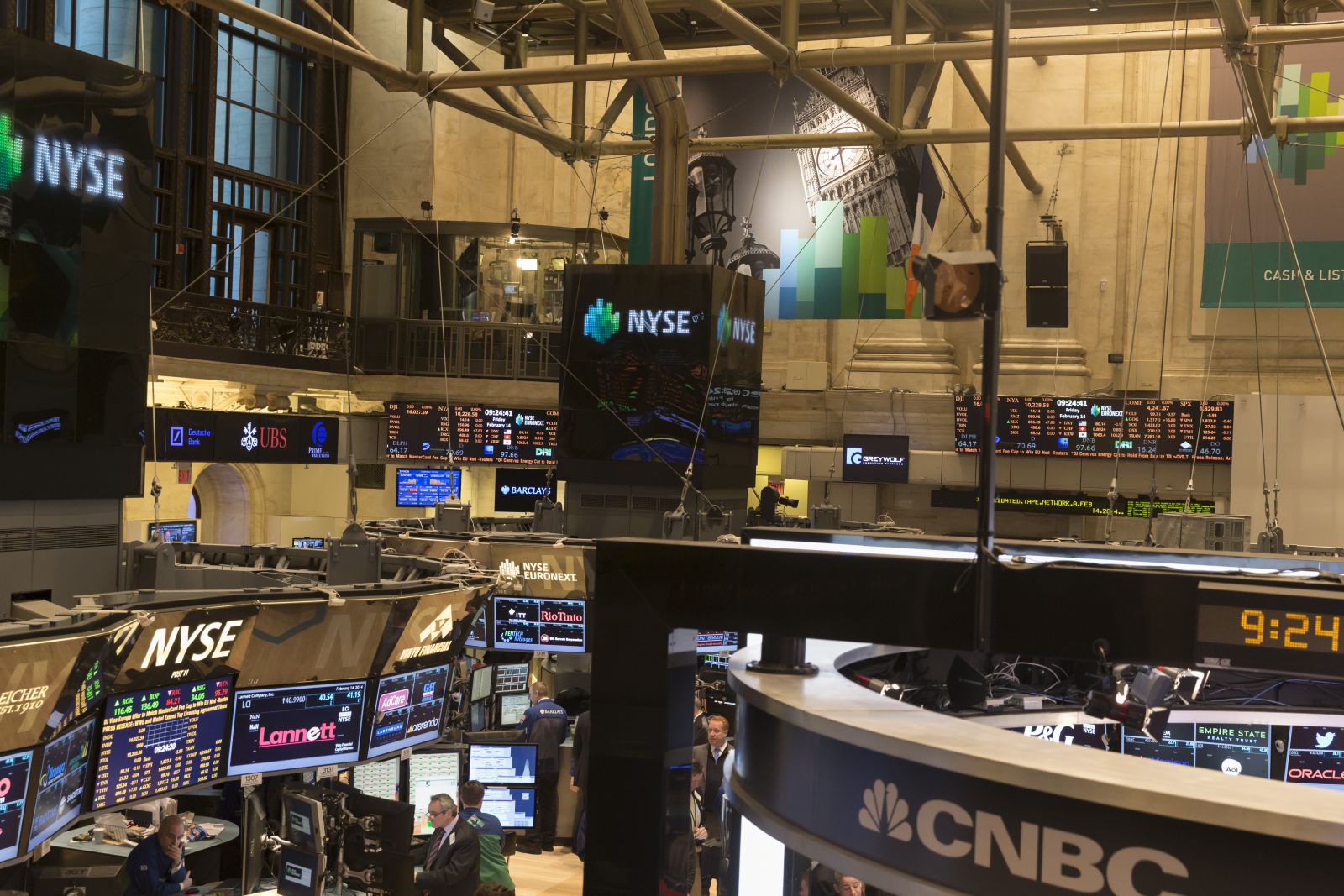
US Stocks Fluctuate Amid Inflation Concerns Impacting Markets

- Market Performance: The S&P 500 Index rose by 0.15%, reaching a five-week high, while the Nasdaq 100 Index increased by 0.35%, marking a six-week high, indicating market resilience amid easing inflation concerns.
- Consumer Sentiment Decline: The University of Michigan's consumer sentiment index fell to a record low of 47.6, significantly below the expected 51.5, reflecting pessimism about the economic outlook that could negatively impact future consumer spending.
- Oil Price Volatility: Despite the Strait of Hormuz remaining closed, WTI crude oil prices are experiencing volatility due to ongoing concerns about the situation in Iran, with over 800 vessels trapped, affecting global energy supply.
- Tech Stock Pressure: Software stocks are under pressure due to fears of AI disruption, with ServiceNow and Datadog both down over 7%, highlighting uncertainty in the tech sector's future, which may affect investor confidence.
Market Dynamics: The Tug-of-War Between Bonds and Oil Prices
- Bond Market Stability: The slight decline in bond yields indicates a stable market outlook, which helps support the stock market, particularly amid oil price fluctuations, thereby reducing investor panic.
- Tech Stock Recovery: The so-called 'Magnificent Seven' tech companies, including Alphabet and Amazon, are beginning to reap benefits from their previous high expenditures, enhancing market confidence in their future profitability, which could drive further market gains.
- Rise of the AI Economy: The emergence of AI agents is expected to significantly reduce hiring and operational costs for enterprises, driving demand for chips like Nvidia's, which will further boost growth for related companies.
- Improved Investor Sentiment: Despite ongoing market uncertainties, the combination of low bond yields and strong performance from tech stocks fosters an optimistic outlook among investors, potentially attracting more capital into the stock market.
AMD Shares Surge 7% Following Price Target Increase
- AMD Stock Surge: AMD shares rose over 7% after Bernstein raised its price target from $235 to $265, with analyst Stacy Rasgon highlighting the company's benefits from strong server CPU demand, which is expected to enhance its market performance further.
- Intel Price Target Increase: Bernstein also lifted Intel's price target from $36 to $60, resulting in a nearly 5% stock increase, reflecting growing market confidence in Intel's future growth potential, which may attract more investor interest.
- Aehr Test Systems Order Boost: Aehr Test Systems announced a $41 million production order from a leading hyperscale AI customer, leading to an 11% stock increase, which not only strengthens the company's market position but also potentially drives future earnings growth.
- PPG Global Price Hike: PPG Industries announced a global price increase of up to 20% across its product portfolio, resulting in about a 5% stock rise, as this move addresses rising raw material and packaging costs, demonstrating the company's proactive strategy in navigating market challenges.
Investor Sentiment Rebounds as Market Approaches New Highs
- Market Sentiment Rebounds: Despite a correction over the past six months, investor sentiment is gradually improving, as evidenced by institutional investors reducing their risk exposure from 95% earlier this year to 69%, indicating a growing confidence in future market trends.
- Potential for Capital Flows: With over $8 trillion in money market funds yet to significantly rotate into equities, if stocks continue to rise, institutional investors may be forced to increase their risk exposure, potentially driving the market higher and creating strong capital flows.
- AI Stocks Leading the Charge: Stocks tied to infrastructure buildout, such as Coherent Corp., Bloom Energy, and Nebius Group, have already seen significant rallies, indicating robust demand for these high-quality stocks, which may lead future market trends.
- Investor Strategy Adjustments: In a strong bull market, investors should focus on diversified exposure across the AI ecosystem and related themes to manage potential market volatility while prioritizing risk management to ensure sustained returns in the market.
Market Faces Multiple Challenges and Opportunities
- Impact of Iran War: Since the onset of the Iran war, oil prices have doubled, and despite a significant drop following the two-week ceasefire news, the S&P 500 remains only 2.3% below its all-time high, indicating market resilience and adaptability to rising oil prices.
- Tech Stock Turmoil: Software stocks like ServiceNow and Salesforce have plummeted by 30% to 40% despite strong profitability due to fears of AI's impact, while hardware stocks have surged by 50% to 150%, reflecting a stark divergence in market sentiment towards the tech sector.
- Bond Market Stability: The 10-year Treasury yield peaked at 4.5% on March 27 before settling at 4.32%, with the low-rate environment providing support for the stock market, even as discussions about Federal Reserve policies remain prevalent.
- Bank Earnings Season: Goldman Sachs is set to report earnings, expected to showcase a stronger narrative than traditional banks, while Wells Fargo's performance may be influenced by market underestimations of its historical issues, potentially leading to more realistic expectations.
Mixed Close for US Stocks as Nasdaq Hits Six-Week High
- Market Volatility: On Friday, the S&P 500 closed down 0.11%, the Dow Jones Industrial Average fell 0.56%, while the Nasdaq 100 rose 0.14%, reflecting a tug-of-war between software stock weakness and inflation concerns.
- Inflation Data Impact: The US March CPI rose 3.3% year-on-year, slightly below the expected 3.4%, marking the largest increase in two years but failing to boost market confidence, as the consumer sentiment index dropped to a record low of 47.6.
- Geopolitical Factors: Optimism surrounding US-Iran diplomatic negotiations has increased market sentiment regarding Middle Eastern tensions, although President Trump's comments about military readiness have raised concerns, putting pressure on stocks.
- Sector Performance Divergence: Software stocks faced declines due to AI disruption fears, with ServiceNow and Cadence Design Systems down over 7% and 5%, respectively, while chipmakers like Broadcom and AMD rose over 4% and 3% due to increased market demand.
US Stocks Fluctuate Amid Inflation Concerns Impacting Markets
- Market Performance: The S&P 500 Index rose by 0.15%, reaching a five-week high, while the Nasdaq 100 Index increased by 0.35%, marking a six-week high, indicating market resilience amid easing inflation concerns.
- Consumer Sentiment Decline: The University of Michigan's consumer sentiment index fell to a record low of 47.6, significantly below the expected 51.5, reflecting pessimism about the economic outlook that could negatively impact future consumer spending.
- Oil Price Volatility: Despite the Strait of Hormuz remaining closed, WTI crude oil prices are experiencing volatility due to ongoing concerns about the situation in Iran, with over 800 vessels trapped, affecting global energy supply.
- Tech Stock Pressure: Software stocks are under pressure due to fears of AI disruption, with ServiceNow and Datadog both down over 7%, highlighting uncertainty in the tech sector's future, which may affect investor confidence.