Two Companies Propose Purchase of Shares in Three Blue Owl Private Credit Funds
Written by Emily J. Thompson, Senior Investment Analyst
Updated: Feb 20 2026
0mins


Should l Buy ARES?
Source: Barron's
- Investment Firms' Strategy: Two investment firms plan to initiate a tender offer for three nontraded Blue Owl private-credit BDCs.
- Market Conditions: The offer is being made at a significant discount to the net asset values due to increasing investor concerns regarding the private credit market.
Trade with 70% Backtested Accuracy
Stop guessing "Should I Buy ARES?" and start using high-conviction signals backed by rigorous historical data.
Sign up today to access powerful investing tools and make smarter, data-driven decisions.
Analyst Views on ARES
Wall Street analysts forecast ARES stock price to rise
10 Analyst Rating
8 Buy
2 Hold
0 Sell
Strong Buy
Current: 96.500

Low
155.00
Averages
191.40
High
223.00
Current: 96.500
Low
155.00
Averages
191.40
High
223.00
About ARES
Ares Management Corporation is an alternative investment manager offering clients complementary primary and secondary investment solutions across various asset classes. Its segments include Credit Group, Private Equity Group, Real Assets Group, Secondaries Group, and Other. The Credit Group segment manages credit strategies across the liquid and illiquid spectrum, including liquid credit, alternative credit, direct lending and APAC credit. The Private Equity Group segment categorizes its investment strategies as corporate private equity, special opportunities and APAC private equity. The Real Assets Group segment manages comprehensive equity and debt strategies across real estate and infrastructure investments. The Secondaries Group segment invests in secondary markets across a range of alternative asset class strategies, including private equity, real estate, infrastructure and credit. It has operations across North America, South America, Europe, Asia Pacific and the Middle East.
About the author

Emily J. Thompson
Emily J. Thompson, a Chartered Financial Analyst (CFA) with 12 years in investment research, graduated with honors from the Wharton School. Specializing in industrial and technology stocks, she provides in-depth analysis for Intellectia’s earnings and market brief reports.

Apollo Sports Capital Becomes Majority Shareholder of Atlético de Madrid

- Change in Control: Apollo Sports Capital has completed its investment to become the majority shareholder of Atlético de Madrid, with Quantum Pacific Group retaining a substantial stake as the second-largest shareholder, reflecting confidence in the club's future development.
- Capital Injection Plan: The Atlético de Madrid Board has approved an increase of up to €100 million in equity and strategic capital to support the club's investment plans, including team enhancements and infrastructure projects, aimed at boosting competitiveness and financial stability.
- Continued Leadership: CEO Miguel Ángel Gil and Chairman Enrique Cerezo will continue to lead Atlético de Madrid, ensuring that the club's traditions and spirit are upheld with the support of the new investors.
- Enhanced Community Impact: Apollo Sports Capital is committed to partnering with the club's management to strengthen Atlético de Madrid's community impact, aiming to enhance the club's social responsibility and brand value through long-term investments.
See More

ETF Trading Update: Divergent Performance in Treasury ETFs

- Highest Volume ETF: On Friday, the Ishares 20+ Year Treasury Bond ETF traded over 15.6 million shares, declining about 0.5%, indicating market caution towards long-term bonds.
- Treasury ETF Performance: The Ishares U.S. Treasury Bond ETF saw over 13.0 million shares traded, down approximately 0.1%, reflecting stable demand for short-term bonds despite overall weak market sentiment.
- Ares Management Outperformance: Ares Management rose about 4.7% on Friday, becoming the best-performing component of the TrueShares Active Yield ETF, demonstrating resilience amid market volatility.
- Southern Copper Underperformance: Southern Copper fell about 3.6% within the TrueShares Active Yield ETF, indicating challenges faced by the company in the current economic environment, which may impact its future investment appeal.
See More
U.S. Stocks Fluctuate Amid Downward Revision of Economic Growth

- Economic Growth Revision: The Bureau of Economic Analysis revised the fourth-quarter 2025 GDP growth to 0.7%, down 0.7 percentage points from its advance estimate, indicating signs of economic slowdown that may affect investor confidence.
- Persistent Inflation Pressure: The January Core Personal Consumption Expenditure price index showed a 3.1% annual increase, up from the previous 3%, further deviating from the Fed's 2% target, potentially prompting the Fed to adopt tighter monetary policies to combat inflation.
- Oil Market Volatility: While Washington temporarily eased sanctions on Russian crude to expand global supply, tensions between Iran and the U.S. continue to threaten Persian Gulf energy flows, keeping West Texas Intermediate prices near $95 a barrel.
- Major Indices Performance: By midday in New York, the Dow Jones Industrial Average rose 0.3% to 46,820, the S&P 500 held flat at 6,670, and the Nasdaq 100 was little changed at 24,530, reflecting market uncertainty.
See More

US Stocks Plummet as Oil Prices Surge Amid Iran Conflict


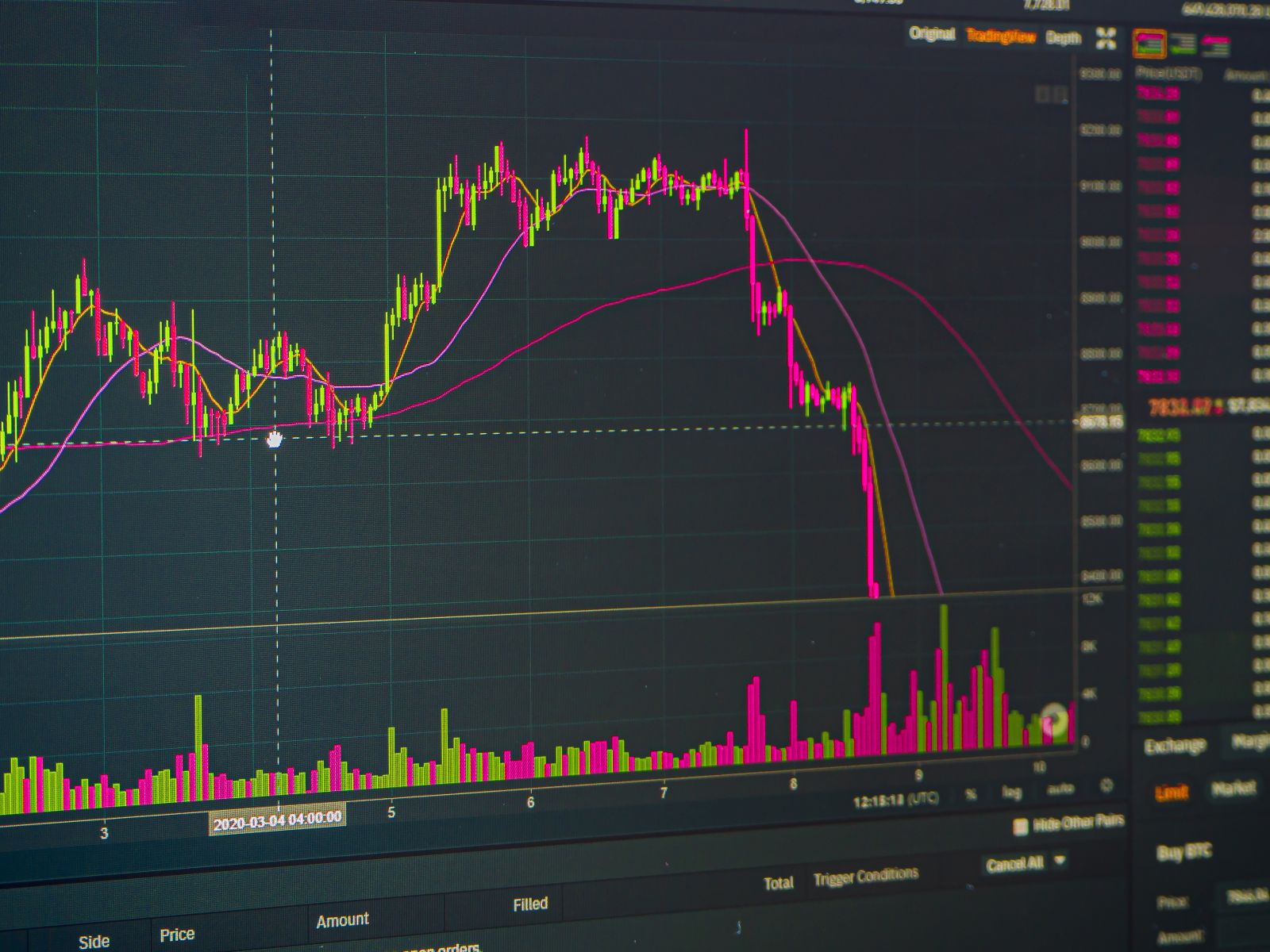
- Oil Price Surge Impacts Markets: WTI crude oil prices soared over 9% on Thursday due to fears surrounding the Iran conflict, leading the S&P 500 to drop 1.52%, the Dow Jones by 1.56%, and the Nasdaq 100 by 1.73%, indicating heightened market anxiety over rising inflation.
- Bank Stocks Under Pressure: Morgan Stanley and Cliffwater LLC capped withdrawals from their private credit funds amid high investor redemption requests, causing Ares Management to fall over 6% and Goldman Sachs to drop more than 4%, reflecting growing concerns about credit quality in the market.
- Mixed Economic Data: Initial jobless claims in the US fell to 213,000, better than the expected 215,000, indicating labor market strength; however, January building permits fell 5.4% to 1.376 million, suggesting potential slowdowns in future construction activity, which could dampen market confidence.
- International Tensions Affecting Outlook: Comments from Iran's Supreme Leader heightened concerns about ongoing tensions in the Middle East, with expectations that if the situation remains tense, global oil supply could decrease by 8 million barrels per day, further driving up oil prices and potentially leading to a global economic slowdown.
See More
US Stocks Decline Amid Rising Oil Prices
- Oil Price Surge Impacts Market: WTI crude oil prices surged over 9% today following Iraq's suspension of oil terminal activities due to Iranian attacks on tankers, leading the S&P 500 to drop 1.22%, the Dow Jones by 1.32%, and the Nasdaq 100 by 1.46%, indicating market sensitivity to rising energy costs.
- Bank Stocks Under Pressure: Morgan Stanley and Cliffwater LLC capped withdrawals from their private credit funds amid investor redemption demands exceeding fund limits, causing both Morgan Stanley and KKR to decline over 4%, reflecting growing concerns about credit quality in the market.
- Mixed Economic Data: Initial jobless claims in the US fell by 1,000 to 213,000, indicating labor market strength, while January housing starts unexpectedly rose 7.2% to 1.487 million, despite building permits dropping 5.4% to 1.376 million, suggesting potential slowdowns in future construction activity.
- Optimistic Earnings Outlook: Despite market volatility, over 95% of S&P 500 companies have reported earnings, with 74% exceeding expectations, and Q4 earnings growth is projected at 8.4%, providing some support to the market, although overall sentiment remains pressured by rising oil prices.
See More

JPMorgan Positioned to Weather Private Credit Market Stress


- Risk Management Strategy: JPMorgan's proactive decision to mark down the value of certain software-related loans reflects its active risk management approach, reducing exposure to specific private credit funds and indicating no expected losses, showcasing its ability to manage underlying collateral effectively.
- Industry Growth Comparison: With revenue growth approximately double that of the industry over the past decade, JPMorgan has lessened its reliance on riskier deals, highlighting its competitive position and market strength amid increasing scrutiny in the private credit sector.
- Complexity of Credit Structures: While the private credit industry faces risks from increasingly complex loan structures, JPMorgan typically lends through senior financing structures that historically yield lower loan losses, demonstrating its superior credit management capabilities compared to smaller lenders.
- Market Performance Volatility: Despite JPMorgan's shares falling over 6% this month and declining for the third consecutive month, with a nearly 13% drop in 2026, analysts believe the bank remains well-positioned to withstand market pressures due to its robust monitoring and risk management practices.
See More
Apollo Sports Capital Becomes Majority Shareholder of Atlético de Madrid
- Change in Control: Apollo Sports Capital has completed its investment to become the majority shareholder of Atlético de Madrid, with Quantum Pacific Group retaining a substantial stake as the second-largest shareholder, reflecting confidence in the club's future development.
- Capital Injection Plan: The Atlético de Madrid Board has approved an increase of up to €100 million in equity and strategic capital to support the club's investment plans, including team enhancements and infrastructure projects, aimed at boosting competitiveness and financial stability.
- Continued Leadership: CEO Miguel Ángel Gil and Chairman Enrique Cerezo will continue to lead Atlético de Madrid, ensuring that the club's traditions and spirit are upheld with the support of the new investors.
- Enhanced Community Impact: Apollo Sports Capital is committed to partnering with the club's management to strengthen Atlético de Madrid's community impact, aiming to enhance the club's social responsibility and brand value through long-term investments.
See More
ETF Trading Update: Divergent Performance in Treasury ETFs
- Highest Volume ETF: On Friday, the Ishares 20+ Year Treasury Bond ETF traded over 15.6 million shares, declining about 0.5%, indicating market caution towards long-term bonds.
- Treasury ETF Performance: The Ishares U.S. Treasury Bond ETF saw over 13.0 million shares traded, down approximately 0.1%, reflecting stable demand for short-term bonds despite overall weak market sentiment.
- Ares Management Outperformance: Ares Management rose about 4.7% on Friday, becoming the best-performing component of the TrueShares Active Yield ETF, demonstrating resilience amid market volatility.
- Southern Copper Underperformance: Southern Copper fell about 3.6% within the TrueShares Active Yield ETF, indicating challenges faced by the company in the current economic environment, which may impact its future investment appeal.
See More
U.S. Stocks Fluctuate Amid Downward Revision of Economic Growth
- Economic Growth Revision: The Bureau of Economic Analysis revised the fourth-quarter 2025 GDP growth to 0.7%, down 0.7 percentage points from its advance estimate, indicating signs of economic slowdown that may affect investor confidence.
- Persistent Inflation Pressure: The January Core Personal Consumption Expenditure price index showed a 3.1% annual increase, up from the previous 3%, further deviating from the Fed's 2% target, potentially prompting the Fed to adopt tighter monetary policies to combat inflation.
- Oil Market Volatility: While Washington temporarily eased sanctions on Russian crude to expand global supply, tensions between Iran and the U.S. continue to threaten Persian Gulf energy flows, keeping West Texas Intermediate prices near $95 a barrel.
- Major Indices Performance: By midday in New York, the Dow Jones Industrial Average rose 0.3% to 46,820, the S&P 500 held flat at 6,670, and the Nasdaq 100 was little changed at 24,530, reflecting market uncertainty.
See More
US Stocks Plummet as Oil Prices Surge Amid Iran Conflict
- Oil Price Surge Impacts Markets: WTI crude oil prices soared over 9% on Thursday due to fears surrounding the Iran conflict, leading the S&P 500 to drop 1.52%, the Dow Jones by 1.56%, and the Nasdaq 100 by 1.73%, indicating heightened market anxiety over rising inflation.
- Bank Stocks Under Pressure: Morgan Stanley and Cliffwater LLC capped withdrawals from their private credit funds amid high investor redemption requests, causing Ares Management to fall over 6% and Goldman Sachs to drop more than 4%, reflecting growing concerns about credit quality in the market.
- Mixed Economic Data: Initial jobless claims in the US fell to 213,000, better than the expected 215,000, indicating labor market strength; however, January building permits fell 5.4% to 1.376 million, suggesting potential slowdowns in future construction activity, which could dampen market confidence.
- International Tensions Affecting Outlook: Comments from Iran's Supreme Leader heightened concerns about ongoing tensions in the Middle East, with expectations that if the situation remains tense, global oil supply could decrease by 8 million barrels per day, further driving up oil prices and potentially leading to a global economic slowdown.
See More
US Stocks Decline Amid Rising Oil Prices
- Oil Price Surge Impacts Market: WTI crude oil prices surged over 9% today following Iraq's suspension of oil terminal activities due to Iranian attacks on tankers, leading the S&P 500 to drop 1.22%, the Dow Jones by 1.32%, and the Nasdaq 100 by 1.46%, indicating market sensitivity to rising energy costs.
- Bank Stocks Under Pressure: Morgan Stanley and Cliffwater LLC capped withdrawals from their private credit funds amid investor redemption demands exceeding fund limits, causing both Morgan Stanley and KKR to decline over 4%, reflecting growing concerns about credit quality in the market.
- Mixed Economic Data: Initial jobless claims in the US fell by 1,000 to 213,000, indicating labor market strength, while January housing starts unexpectedly rose 7.2% to 1.487 million, despite building permits dropping 5.4% to 1.376 million, suggesting potential slowdowns in future construction activity.
- Optimistic Earnings Outlook: Despite market volatility, over 95% of S&P 500 companies have reported earnings, with 74% exceeding expectations, and Q4 earnings growth is projected at 8.4%, providing some support to the market, although overall sentiment remains pressured by rising oil prices.
See More
JPMorgan Positioned to Weather Private Credit Market Stress
- Risk Management Strategy: JPMorgan's proactive decision to mark down the value of certain software-related loans reflects its active risk management approach, reducing exposure to specific private credit funds and indicating no expected losses, showcasing its ability to manage underlying collateral effectively.
- Industry Growth Comparison: With revenue growth approximately double that of the industry over the past decade, JPMorgan has lessened its reliance on riskier deals, highlighting its competitive position and market strength amid increasing scrutiny in the private credit sector.
- Complexity of Credit Structures: While the private credit industry faces risks from increasingly complex loan structures, JPMorgan typically lends through senior financing structures that historically yield lower loan losses, demonstrating its superior credit management capabilities compared to smaller lenders.
- Market Performance Volatility: Despite JPMorgan's shares falling over 6% this month and declining for the third consecutive month, with a nearly 13% drop in 2026, analysts believe the bank remains well-positioned to withstand market pressures due to its robust monitoring and risk management practices.
See More