Turnaround Opportunities for UPS and Hormel Foods
Written by Emily J. Thompson, Senior Investment Analyst
Updated: Apr 01 2026
0mins

Source: Fool
- UPS Transformation Progress: In 2025, UPS closed 93 buildings and deployed automation at 57 locations, successfully saving $3.5 billion, with 2026 expected to be an inflection point as the second half is projected to outperform the first, indicating positive results from its turnaround efforts.
- Revenue Growth Potential: Despite a year-over-year decline in revenue and earnings in 2025, UPS saw a 7.1% increase in revenue per piece in the U.S. market, suggesting that its turnaround initiatives are yielding expected outcomes, likely attracting more investor interest in the future.
- Hormel's Strong Sales: Hormel achieved organic sales growth for five consecutive quarters in 2025, with adjusted earnings expected to rise between 4% and 10% in 2026, demonstrating the company's successful transformation towards value-added products.
- High Dividend Appeal: Hormel offers a dividend yield of 5%, significantly higher than the 1.1% from the S&P 500 index, and with over 50 years of annual dividend increases, it stands out as a strong option for income investors.
Trade with 70% Backtested Accuracy
Stop guessing "Should I Buy UPS?" and start using high-conviction signals backed by rigorous historical data.
Sign up today to access powerful investing tools and make smarter, data-driven decisions.
Analyst Views on UPS
Wall Street analysts forecast UPS stock price to rise
19 Analyst Rating
9 Buy
9 Hold
1 Sell
Moderate Buy
Current: 106.440

Low
80.00
Averages
107.06
High
126.00
Current: 106.440
Low
80.00
Averages
107.06
High
126.00
About UPS
United Parcel Service, Inc. is a global package delivery and logistics provider. Its U.S. Domestic Package segment offers a full spectrum of air and ground package transportation services. Its air portfolio offers time-definite, same-day, next-day, two-day and three-day delivery alternatives as well as air cargo services. Its ground network enables customers to ship using its day-definite ground service. Ground Saver provides residential ground service for customers with non-urgent, lightweight residential shipments. Its International Package segment consists of small package operations in Europe, Middle East and Africa, Canada and Latin America and Asia. It offers a selection of guaranteed day and time-definite international transportation services supported by its brokerage capabilities that facilitate cross-border clearance for international shipments. Its supply chain solutions consist of customized third-party logistics and specialized cold chain transportation solutions.
About the author

Emily J. Thompson
Emily J. Thompson, a Chartered Financial Analyst (CFA) with 12 years in investment research, graduated with honors from the Wharton School. Specializing in industrial and technology stocks, she provides in-depth analysis for Intellectia’s earnings and market brief reports.

UPS Anticipates Financial Improvement in H2 2026

- Financial Outlook: UPS anticipates improved financial results in the second half of 2026, primarily due to the nearing completion of its business repositioning efforts, which will start yielding benefits for long-term income potential.
- Dividend Support: The company's 2026 guidance includes $5.4 billion in dividends, the same as in 2025, reflecting management's confidence in sustaining a 6.1% dividend yield, even as overall performance is expected to remain flat compared to 2025.
- Business Transformation: UPS has streamlined its operations through staff reductions, increased technology use, and asset sales, incurring significant upfront costs, but this shift is expected to enhance overall profitability, particularly by moving towards higher-margin customers.
- Market Skepticism: Despite UPS upgrading its business for better future competitiveness, Wall Street remains skeptical about its recent performance, with the stock still 50% below its 2022 peak, although investors can benefit from substantial dividends during this transition period.
See More

UPS Nears Completion of Corporate Overhaul
- Positive Financial Outlook: UPS anticipates improved financial performance in the second half of 2026, primarily due to the completion of its restructuring efforts, which will lay the groundwork for future profit growth, although the first half may still experience weak performance.
- Dividend Stability: The company expects to pay $5.4 billion in dividends in 2026, the same as in 2025, demonstrating management's confidence in maintaining a 6.1% dividend yield, which could attract long-term investors.
- Customer Structure Adjustment: UPS is gradually reducing its reliance on low-margin high-volume customers like Amazon, focusing instead on higher-margin clients in sectors such as healthcare, thereby enhancing overall profitability, even though this may impact short-term revenues.
- Enhanced Market Competitiveness: By streamlining operations through layoffs, technology upgrades, and asset sales, UPS has strengthened its competitive position for the future, and investors entering before the completion of the company's transformation may reap substantial rewards.
See More
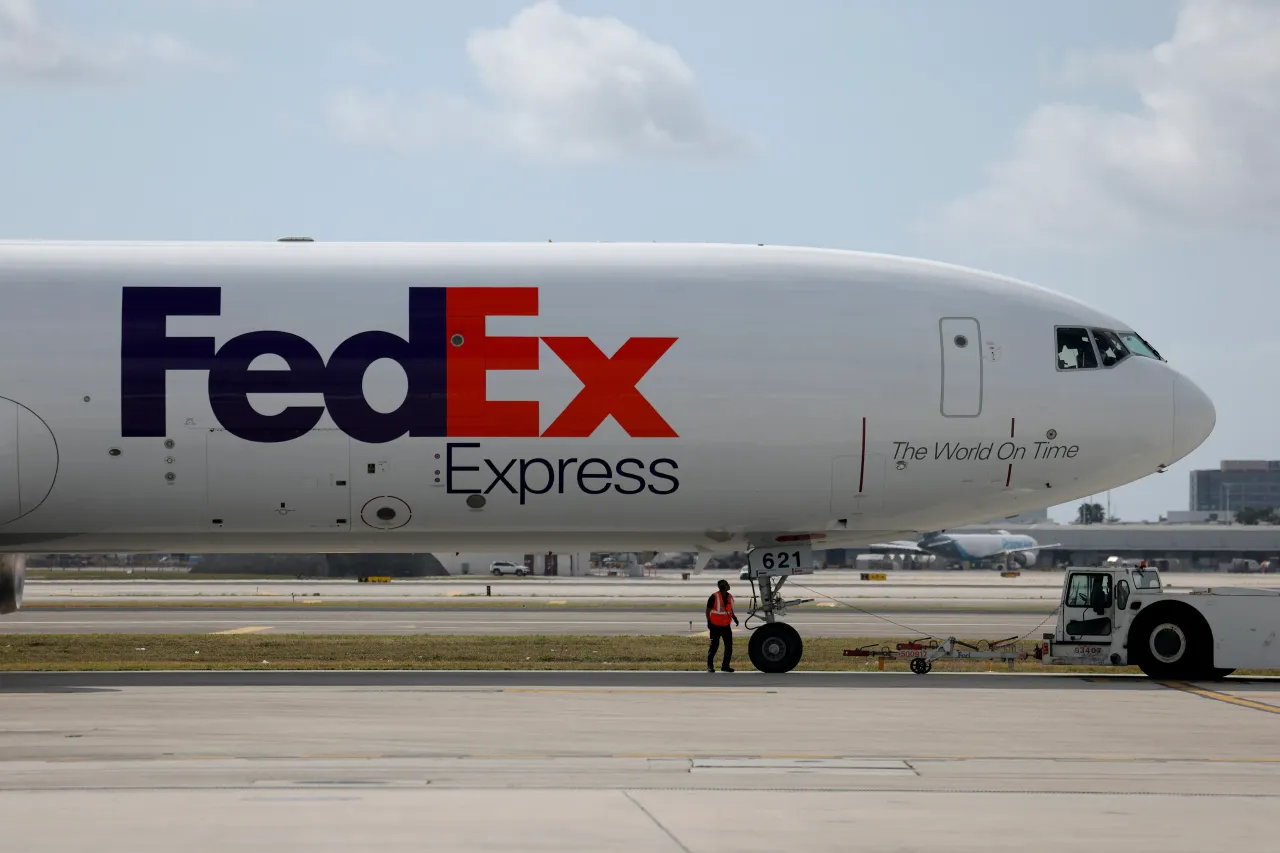
Trump Administration Initiates $166 Billion Tariff Refunds Following Supreme Court Ruling
- Tariff Refund Initiation: The Trump administration is set to initiate $166 billion in tariff refunds following a Supreme Court ruling, impacting over 53 million shipments and potentially alleviating financial pressure on importers.
- Lawsuit Surge: Major U.S. importers, including FedEx, Costco, and UPS, are facing lawsuits from consumers seeking compensation for increased costs due to tariffs, which could negatively affect these companies' market performance.
- Market Reaction: Following the acceptance of tariff refund claims, FedEx shares surged to record highs, gaining 35% year-to-date, while Costco shares also rose 17%, indicating a positive market response to the refund news.
- Retailer Strategies: FedEx has committed to returning tariff refunds to customers, while Costco plans to pass on refunds through lower prices and better values, showcasing differing strategies among retailers in response to tariff pressures.
See More

The Pros and Cons of Portfolio Rebalancing


- Portfolio Growth: Over the past decade, the S&P 500 has surged approximately 240%, which is excellent news for long-term investors; however, failing to adjust portfolios may lead to individual stocks representing a disproportionately high percentage, increasing risk exposure.
- Risks of Rebalancing: Annual rebalancing may force investors to sell top-performing stocks, potentially missing out on significant long-term gains, particularly for stocks like Nvidia, which have excelled over the past decade, leading to regret if sold prematurely.
- Tax Implications: Selling stocks that have appreciated significantly can trigger substantial capital gains taxes, especially for stocks held for less than a year, thereby increasing the tax burden on investors.
- Investment Strategy Choices: While rebalancing helps manage risk, long-term holding of high-performing stocks often yields better returns, prompting investors to choose strategies that align with their individual circumstances and risk tolerance.
See More
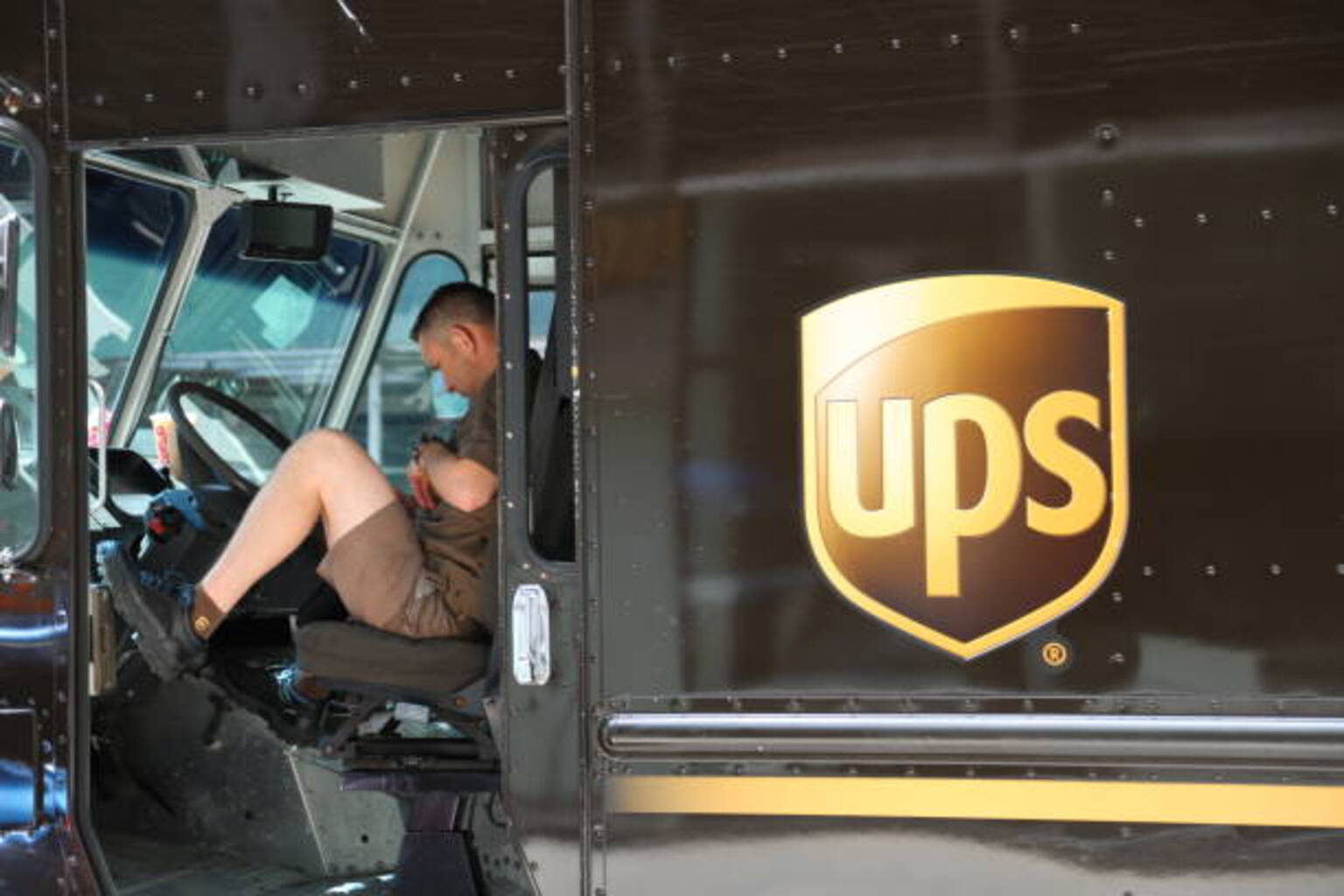
UPS Stock Rises for Ten Consecutive Days Amid Market Volatility
- Stock Performance: UPS shares have risen for ten consecutive trading days, closing up 0.6% at $107.03 on Monday, with a year-to-date increase of over 7%, outperforming the S&P 500's 4% rise, indicating strong market confidence in its business.
- Strong Monthly Gains: The stock has gained nearly 11% over the past month, with 11 out of 13 trading days in April showing gains, reflecting the company's robust performance in the current market environment and enhancing investor expectations for future growth.
- Analyst Rating Divergence: According to Seeking Alpha's Quant Rating, UPS holds a 3.24 Hold rating, with an A+ in profitability prospects but a D- in growth factors, indicating analysts' cautious stance on its growth potential despite strong fundamentals.
- Future Growth Potential: Barron anticipates that if UPS continues its operational excellence, shareholders could see approximately 30% gains over the next 12 months, reflecting the market's underestimation of its recovery potential, even amid macroeconomic volatility and geopolitical tensions.
See More

UPS Turnaround Outlook: Inflection Point in 2026
- Financial Restructuring Challenges: UPS has seen its stock price decline over 50% in the past two years, yet management suggests that the troubling financial results may soon come to an end, indicating a difficult turnaround process for the company.
- Customer Structure Adjustment: By cutting costs and focusing on more profitable customers, UPS has experienced a revenue decline; however, revenue per piece in the U.S. market rose 7.1% in 2025, reflecting the initial success of the company's strategic shift.
- 2026 Outlook: Management anticipates that financial results will improve in the second half of 2026, despite the first half continuing recent trends of declining revenues and pressured margins, marking a potential turning point for the company.
- Investment Opportunity: With UPS's stock down significantly, market expectations are low, suggesting that if management's projections materialize, the financial reports in Q3 and Q4 could substantially boost the stock price, making preemptive buying a potentially lucrative decision.
See More
UPS Anticipates Financial Improvement in H2 2026
- Financial Outlook: UPS anticipates improved financial results in the second half of 2026, primarily due to the nearing completion of its business repositioning efforts, which will start yielding benefits for long-term income potential.
- Dividend Support: The company's 2026 guidance includes $5.4 billion in dividends, the same as in 2025, reflecting management's confidence in sustaining a 6.1% dividend yield, even as overall performance is expected to remain flat compared to 2025.
- Business Transformation: UPS has streamlined its operations through staff reductions, increased technology use, and asset sales, incurring significant upfront costs, but this shift is expected to enhance overall profitability, particularly by moving towards higher-margin customers.
- Market Skepticism: Despite UPS upgrading its business for better future competitiveness, Wall Street remains skeptical about its recent performance, with the stock still 50% below its 2022 peak, although investors can benefit from substantial dividends during this transition period.
See More
UPS Nears Completion of Corporate Overhaul
- Positive Financial Outlook: UPS anticipates improved financial performance in the second half of 2026, primarily due to the completion of its restructuring efforts, which will lay the groundwork for future profit growth, although the first half may still experience weak performance.
- Dividend Stability: The company expects to pay $5.4 billion in dividends in 2026, the same as in 2025, demonstrating management's confidence in maintaining a 6.1% dividend yield, which could attract long-term investors.
- Customer Structure Adjustment: UPS is gradually reducing its reliance on low-margin high-volume customers like Amazon, focusing instead on higher-margin clients in sectors such as healthcare, thereby enhancing overall profitability, even though this may impact short-term revenues.
- Enhanced Market Competitiveness: By streamlining operations through layoffs, technology upgrades, and asset sales, UPS has strengthened its competitive position for the future, and investors entering before the completion of the company's transformation may reap substantial rewards.
See More
Trump Administration Initiates $166 Billion Tariff Refunds Following Supreme Court Ruling
- Tariff Refund Initiation: The Trump administration is set to initiate $166 billion in tariff refunds following a Supreme Court ruling, impacting over 53 million shipments and potentially alleviating financial pressure on importers.
- Lawsuit Surge: Major U.S. importers, including FedEx, Costco, and UPS, are facing lawsuits from consumers seeking compensation for increased costs due to tariffs, which could negatively affect these companies' market performance.
- Market Reaction: Following the acceptance of tariff refund claims, FedEx shares surged to record highs, gaining 35% year-to-date, while Costco shares also rose 17%, indicating a positive market response to the refund news.
- Retailer Strategies: FedEx has committed to returning tariff refunds to customers, while Costco plans to pass on refunds through lower prices and better values, showcasing differing strategies among retailers in response to tariff pressures.
See More
The Pros and Cons of Portfolio Rebalancing
- Portfolio Growth: Over the past decade, the S&P 500 has surged approximately 240%, which is excellent news for long-term investors; however, failing to adjust portfolios may lead to individual stocks representing a disproportionately high percentage, increasing risk exposure.
- Risks of Rebalancing: Annual rebalancing may force investors to sell top-performing stocks, potentially missing out on significant long-term gains, particularly for stocks like Nvidia, which have excelled over the past decade, leading to regret if sold prematurely.
- Tax Implications: Selling stocks that have appreciated significantly can trigger substantial capital gains taxes, especially for stocks held for less than a year, thereby increasing the tax burden on investors.
- Investment Strategy Choices: While rebalancing helps manage risk, long-term holding of high-performing stocks often yields better returns, prompting investors to choose strategies that align with their individual circumstances and risk tolerance.
See More
UPS Stock Rises for Ten Consecutive Days Amid Market Volatility
- Stock Performance: UPS shares have risen for ten consecutive trading days, closing up 0.6% at $107.03 on Monday, with a year-to-date increase of over 7%, outperforming the S&P 500's 4% rise, indicating strong market confidence in its business.
- Strong Monthly Gains: The stock has gained nearly 11% over the past month, with 11 out of 13 trading days in April showing gains, reflecting the company's robust performance in the current market environment and enhancing investor expectations for future growth.
- Analyst Rating Divergence: According to Seeking Alpha's Quant Rating, UPS holds a 3.24 Hold rating, with an A+ in profitability prospects but a D- in growth factors, indicating analysts' cautious stance on its growth potential despite strong fundamentals.
- Future Growth Potential: Barron anticipates that if UPS continues its operational excellence, shareholders could see approximately 30% gains over the next 12 months, reflecting the market's underestimation of its recovery potential, even amid macroeconomic volatility and geopolitical tensions.
See More
UPS Turnaround Outlook: Inflection Point in 2026
- Financial Restructuring Challenges: UPS has seen its stock price decline over 50% in the past two years, yet management suggests that the troubling financial results may soon come to an end, indicating a difficult turnaround process for the company.
- Customer Structure Adjustment: By cutting costs and focusing on more profitable customers, UPS has experienced a revenue decline; however, revenue per piece in the U.S. market rose 7.1% in 2025, reflecting the initial success of the company's strategic shift.
- 2026 Outlook: Management anticipates that financial results will improve in the second half of 2026, despite the first half continuing recent trends of declining revenues and pressured margins, marking a potential turning point for the company.
- Investment Opportunity: With UPS's stock down significantly, market expectations are low, suggesting that if management's projections materialize, the financial reports in Q3 and Q4 could substantially boost the stock price, making preemptive buying a potentially lucrative decision.
See More