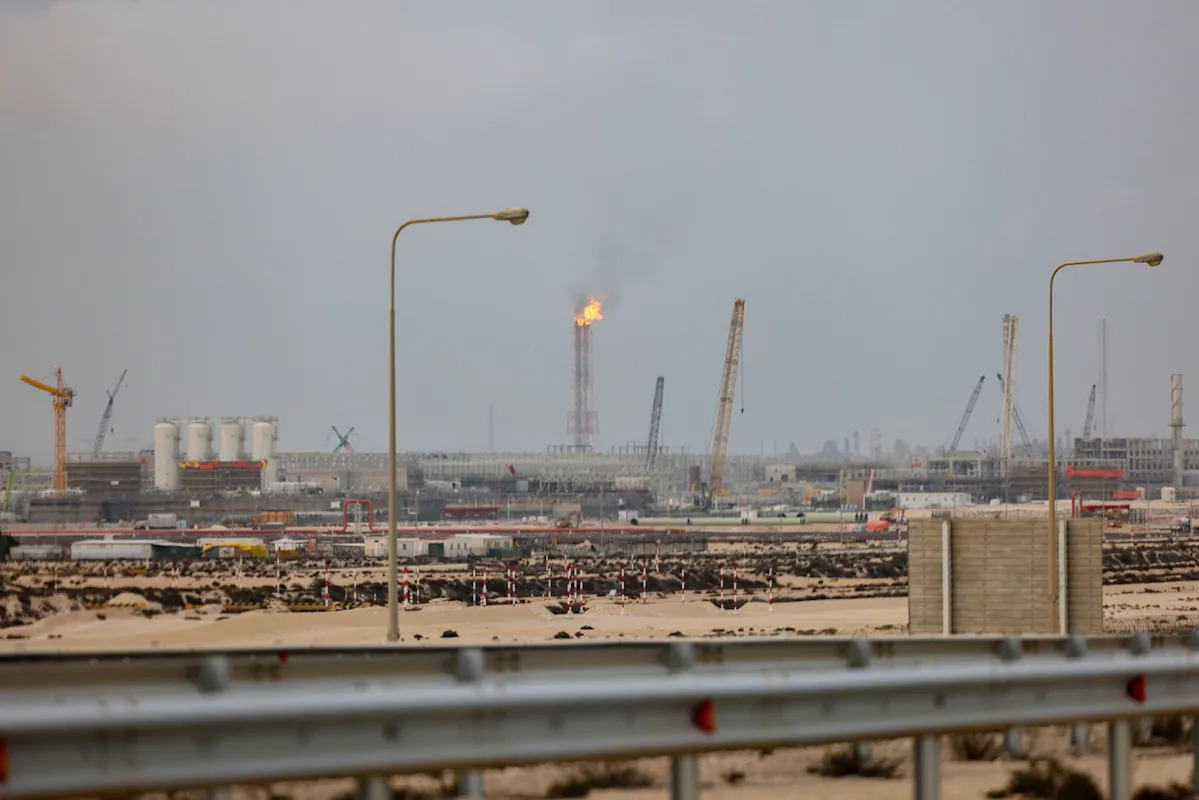
TSMC Faces Geopolitical Challenges Amid Tensions
Written by Emily J. Thompson, Senior Investment Analyst
Updated: 8 hours ago
0mins
Should l Buy TSM?
Source: Fool
- Market Concerns Intensify: Investors are increasingly nervous about TSMC's stock due to U.S. focus on Iran and the ongoing tensions between Taiwan and China, as TSMC produces over 90% of the world's advanced semiconductors, which could impact its market performance.
- Investor Confidence Fluctuates: Despite Berkshire Hathaway's initial investment in TSMC, Warren Buffett's concerns over geopolitical risks led to a withdrawal within months, reflecting market apprehension as TSMC's P/E ratio of 31 exceeds its five-year average of 24, indicating wavering investor confidence in its future.
- Revenue Growth Potential: TSMC generated over $122 billion in revenue in 2025, a 32% increase year-over-year, underscoring its significance in the global semiconductor market, particularly with North America contributing 74% of its revenue.
- Ongoing International Support: Despite U.S. focus on Iran, the Navy maintains a presence in the Taiwan Strait, with market predictions estimating a 16% chance of military conflict, suggesting TSMC's operational environment remains relatively stable, alleviating immediate sell-off pressures for investors.
Trade with 70% Backtested Accuracy
Stop guessing "Should I Buy TSM?" and start using high-conviction signals backed by rigorous historical data.
Sign up today to access powerful investing tools and make smarter, data-driven decisions.
Analyst Views on TSM
Wall Street analysts forecast TSM stock price to fall
8 Analyst Rating
7 Buy
1 Hold
0 Sell
Strong Buy
Current: 338.790

Low
63.24
Averages
313.46
High
390.00
Current: 338.790
Low
63.24
Averages
313.46
High
390.00
About TSM
Taiwan Semiconductor Manufacturing Co Ltd is a Taiwan-based integrated circuit foundry service provider. The Company is primarily engaged in integrated circuit manufacturing services. It offers advanced process technologies, specialised process solutions, advanced photomask and silicon stacking, and packaging-related technologies, while supporting a comprehensive design ecosystem. The Company's products serve diverse electronic sectors including artificial intelligence, high-performance computing, wired and wireless communications, automotive and industrial equipment, personal computing, information applications, consumer electronics, smart internet of things, and wearable devices.
About the author

Emily J. Thompson
Emily J. Thompson, a Chartered Financial Analyst (CFA) with 12 years in investment research, graduated with honors from the Wharton School. Specializing in industrial and technology stocks, she provides in-depth analysis for Intellectia’s earnings and market brief reports.

Taiwan Semiconductor: The Ultimate AI Investment

- Strong Market Demand: The big four AI hyperscalers are projected to spend around $650 billion in capital expenditures in 2023, indicating a massive demand for chips, with Taiwan Semiconductor positioned to benefit significantly from this growth, solidifying its market position.
- Long-Term Growth Potential: Taiwan Semiconductor anticipates a compound annual growth rate (CAGR) of mid- to high-50% for AI-related chips from 2024 to 2029, while planning to invest between $52 billion and $56 billion in 2023 to expand capacity to meet the surging market demand.
- Global Expansion: Although Taiwan remains the primary production site, the establishment of fabrication facilities in the U.S., Germany, and Japan significantly mitigates geopolitical risks and enhances the resilience of its global supply chain.
- Industry Leadership: Taiwan Semiconductor's dominant position in the AI chip market makes it a focal point for investors; despite geopolitical concerns, its robust market demand and expansion plans indicate strong growth potential in the coming years.
See More
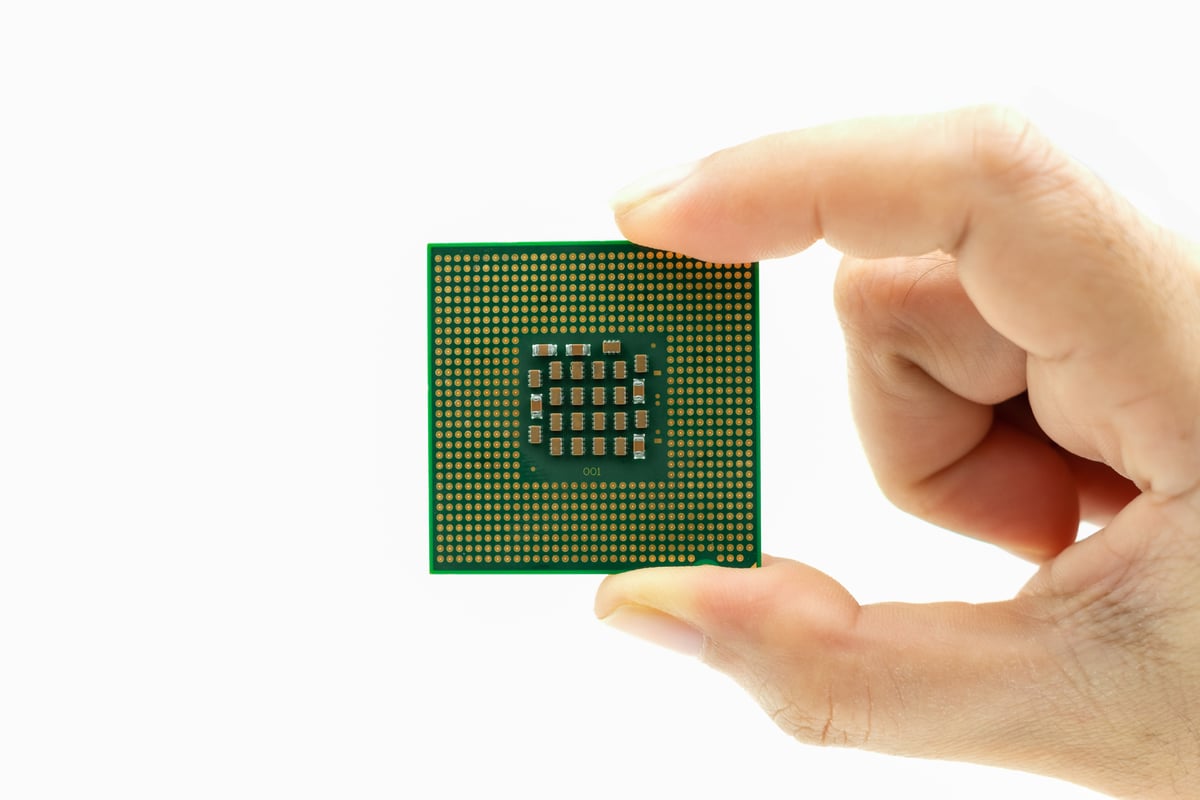
Taiwan Semiconductor: The Dominant Force in the Semiconductor Industry

- Market Share Dominance: As of Q3 2025, Taiwan Semiconductor controls 72% of the pure foundry market, significantly outpacing its nearest competitor, Samsung, at 7%, establishing a near-monopoly that ensures client dependency and market leadership.
- Massive Investment Expansion: Taiwan Semiconductor's initial $12 billion investment in its Arizona factory has ballooned to $165 billion for the construction of three factories, set to be completed by 2030, further solidifying its production capabilities and competitive edge in the market.
- Robust Financial Performance: The company generated $122.4 billion in revenue for 2025, a 35.9% increase year-over-year, with diluted earnings per share rising by 46.4%, reflecting a strong net profit margin of 45% despite high operational costs, showcasing its profitability and market demand.
- Future Growth Outlook: Taiwan Semiconductor anticipates a 30% revenue increase in 2026 compared to 2025 and projects a compound annual growth rate of 25% through 2029, indicating that its leadership in the semiconductor industry is likely to persist, with expectations for long-term stable growth.
See More

Taiwan Semiconductor Controls 72% of Semiconductor Market
- Market Dominance: As of Q3 2025, Taiwan Semiconductor holds a commanding 72% share of the pure foundry market, significantly outpacing its nearest competitor Samsung at 7%, which underscores its absolute dominance in the global semiconductor industry and ensures long-term profitability and market influence.
- Diverse Client Base: Taiwan Semiconductor manufactures chips for all major chip designers, including Apple and Nvidia, which diversifies its revenue streams and stabilizes its market position amid fluctuations, further solidifying its competitive edge.
- Massive Investment Expansion: The initial investment for its Arizona factory was $12 billion, which has ballooned to $165 billion for expansion, with production in the second factory expected by 2028, demonstrating its ongoing commitment to technology and capacity investment that enhances competitive barriers.
- Robust Financial Performance: In 2025, Taiwan Semiconductor generated $122.4 billion in revenue, a 35.9% increase year-over-year, with a net profit margin of 45%, and it anticipates a further 30% revenue growth in 2026, showcasing its strong growth potential and profitability in the semiconductor sector.
See More

TSMC Stock Rises Amid Geopolitical Concerns
- Geopolitical Risks: TSMC's stock price has risen, yet investors are concerned about its future due to tensions between Taiwan and China, especially considering TSMC's dominance in global semiconductor production, manufacturing over 90% of advanced chips.
- Financial Performance: In 2025, TSMC generated over $122 billion in revenue, a 32% increase year-over-year, demonstrating resilience and growth potential despite geopolitical risks that could affect investor sentiment.
- Market Expectations: With only 9% of TSMC's revenue coming from China in 2025, the market remains optimistic about its future, anticipating more good times in 2026, indicating that investors should not rush to sell.
- Investor Confidence: Despite the U.S. focusing on Iran, the international community has not abandoned Taiwan, and the investment risks associated with TSMC have not significantly increased, with a P/E ratio of 31 considered relatively low for a fast-growing company in the semiconductor industry.
See More

TSMC Faces Geopolitical Challenges Amid Tensions
- Market Concerns Intensify: Investors are increasingly nervous about TSMC's stock due to U.S. focus on Iran and the ongoing tensions between Taiwan and China, as TSMC produces over 90% of the world's advanced semiconductors, which could impact its market performance.
- Investor Confidence Fluctuates: Despite Berkshire Hathaway's initial investment in TSMC, Warren Buffett's concerns over geopolitical risks led to a withdrawal within months, reflecting market apprehension as TSMC's P/E ratio of 31 exceeds its five-year average of 24, indicating wavering investor confidence in its future.
- Revenue Growth Potential: TSMC generated over $122 billion in revenue in 2025, a 32% increase year-over-year, underscoring its significance in the global semiconductor market, particularly with North America contributing 74% of its revenue.
- Ongoing International Support: Despite U.S. focus on Iran, the Navy maintains a presence in the Taiwan Strait, with market predictions estimating a 16% chance of military conflict, suggesting TSMC's operational environment remains relatively stable, alleviating immediate sell-off pressures for investors.
See More

AI Technology Expected to Generate $15.7 Trillion Economic Value


- Market Value Warning: Following their latest earnings reports, Nvidia and AMD collectively lost $711 billion in market value, indicating that investors' lofty AI expectations may lead to future stock price pressures.
- Significant Sales Growth: Nvidia's data center segment reported $193.7 billion in sales last year, up 68%, while AMD's data center revenue reached $16.6 billion, up 32%, showcasing both companies' strong performance in the AI sector.
- Monopoly Position: Nvidia has maintained a virtual monopoly in the enterprise data center market for years and plans to introduce a new advanced AI chip annually, further solidifying its market leadership, although AMD is also working to close the gap.
- Increased Internal Competition: Many large customers are developing their own GPUs, which could weaken demand for Nvidia and AMD's products, potentially squeezing prices and profit margins, thereby impacting future profitability.
See More
Taiwan Semiconductor: The Ultimate AI Investment
- Strong Market Demand: The big four AI hyperscalers are projected to spend around $650 billion in capital expenditures in 2023, indicating a massive demand for chips, with Taiwan Semiconductor positioned to benefit significantly from this growth, solidifying its market position.
- Long-Term Growth Potential: Taiwan Semiconductor anticipates a compound annual growth rate (CAGR) of mid- to high-50% for AI-related chips from 2024 to 2029, while planning to invest between $52 billion and $56 billion in 2023 to expand capacity to meet the surging market demand.
- Global Expansion: Although Taiwan remains the primary production site, the establishment of fabrication facilities in the U.S., Germany, and Japan significantly mitigates geopolitical risks and enhances the resilience of its global supply chain.
- Industry Leadership: Taiwan Semiconductor's dominant position in the AI chip market makes it a focal point for investors; despite geopolitical concerns, its robust market demand and expansion plans indicate strong growth potential in the coming years.
See More
Taiwan Semiconductor: The Dominant Force in the Semiconductor Industry
- Market Share Dominance: As of Q3 2025, Taiwan Semiconductor controls 72% of the pure foundry market, significantly outpacing its nearest competitor, Samsung, at 7%, establishing a near-monopoly that ensures client dependency and market leadership.
- Massive Investment Expansion: Taiwan Semiconductor's initial $12 billion investment in its Arizona factory has ballooned to $165 billion for the construction of three factories, set to be completed by 2030, further solidifying its production capabilities and competitive edge in the market.
- Robust Financial Performance: The company generated $122.4 billion in revenue for 2025, a 35.9% increase year-over-year, with diluted earnings per share rising by 46.4%, reflecting a strong net profit margin of 45% despite high operational costs, showcasing its profitability and market demand.
- Future Growth Outlook: Taiwan Semiconductor anticipates a 30% revenue increase in 2026 compared to 2025 and projects a compound annual growth rate of 25% through 2029, indicating that its leadership in the semiconductor industry is likely to persist, with expectations for long-term stable growth.
See More
Taiwan Semiconductor Controls 72% of Semiconductor Market
- Market Dominance: As of Q3 2025, Taiwan Semiconductor holds a commanding 72% share of the pure foundry market, significantly outpacing its nearest competitor Samsung at 7%, which underscores its absolute dominance in the global semiconductor industry and ensures long-term profitability and market influence.
- Diverse Client Base: Taiwan Semiconductor manufactures chips for all major chip designers, including Apple and Nvidia, which diversifies its revenue streams and stabilizes its market position amid fluctuations, further solidifying its competitive edge.
- Massive Investment Expansion: The initial investment for its Arizona factory was $12 billion, which has ballooned to $165 billion for expansion, with production in the second factory expected by 2028, demonstrating its ongoing commitment to technology and capacity investment that enhances competitive barriers.
- Robust Financial Performance: In 2025, Taiwan Semiconductor generated $122.4 billion in revenue, a 35.9% increase year-over-year, with a net profit margin of 45%, and it anticipates a further 30% revenue growth in 2026, showcasing its strong growth potential and profitability in the semiconductor sector.
See More
TSMC Stock Rises Amid Geopolitical Concerns
- Geopolitical Risks: TSMC's stock price has risen, yet investors are concerned about its future due to tensions between Taiwan and China, especially considering TSMC's dominance in global semiconductor production, manufacturing over 90% of advanced chips.
- Financial Performance: In 2025, TSMC generated over $122 billion in revenue, a 32% increase year-over-year, demonstrating resilience and growth potential despite geopolitical risks that could affect investor sentiment.
- Market Expectations: With only 9% of TSMC's revenue coming from China in 2025, the market remains optimistic about its future, anticipating more good times in 2026, indicating that investors should not rush to sell.
- Investor Confidence: Despite the U.S. focusing on Iran, the international community has not abandoned Taiwan, and the investment risks associated with TSMC have not significantly increased, with a P/E ratio of 31 considered relatively low for a fast-growing company in the semiconductor industry.
See More
TSMC Faces Geopolitical Challenges Amid Tensions
- Market Concerns Intensify: Investors are increasingly nervous about TSMC's stock due to U.S. focus on Iran and the ongoing tensions between Taiwan and China, as TSMC produces over 90% of the world's advanced semiconductors, which could impact its market performance.
- Investor Confidence Fluctuates: Despite Berkshire Hathaway's initial investment in TSMC, Warren Buffett's concerns over geopolitical risks led to a withdrawal within months, reflecting market apprehension as TSMC's P/E ratio of 31 exceeds its five-year average of 24, indicating wavering investor confidence in its future.
- Revenue Growth Potential: TSMC generated over $122 billion in revenue in 2025, a 32% increase year-over-year, underscoring its significance in the global semiconductor market, particularly with North America contributing 74% of its revenue.
- Ongoing International Support: Despite U.S. focus on Iran, the Navy maintains a presence in the Taiwan Strait, with market predictions estimating a 16% chance of military conflict, suggesting TSMC's operational environment remains relatively stable, alleviating immediate sell-off pressures for investors.
See More
AI Technology Expected to Generate $15.7 Trillion Economic Value
- Market Value Warning: Following their latest earnings reports, Nvidia and AMD collectively lost $711 billion in market value, indicating that investors' lofty AI expectations may lead to future stock price pressures.
- Significant Sales Growth: Nvidia's data center segment reported $193.7 billion in sales last year, up 68%, while AMD's data center revenue reached $16.6 billion, up 32%, showcasing both companies' strong performance in the AI sector.
- Monopoly Position: Nvidia has maintained a virtual monopoly in the enterprise data center market for years and plans to introduce a new advanced AI chip annually, further solidifying its market leadership, although AMD is also working to close the gap.
- Increased Internal Competition: Many large customers are developing their own GPUs, which could weaken demand for Nvidia and AMD's products, potentially squeezing prices and profit margins, thereby impacting future profitability.
See More