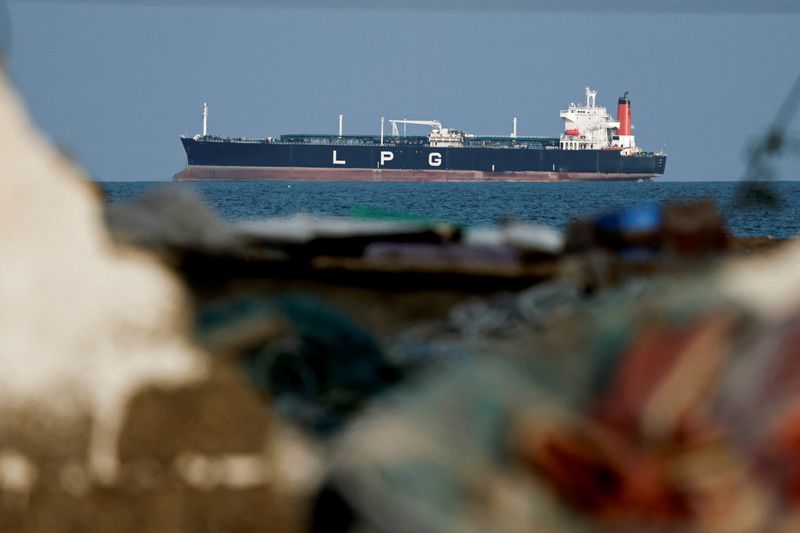
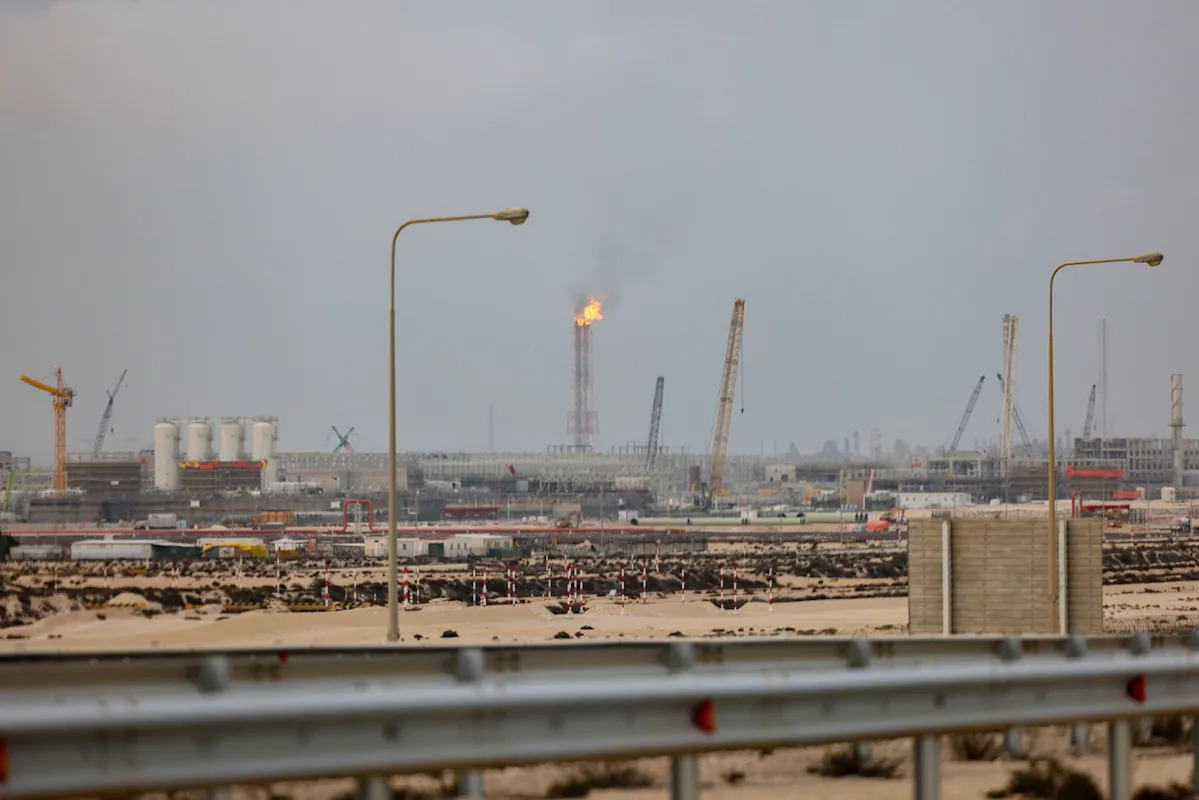
Rising Oil Prices Due to Middle East Conflict Impacting Various Sectors
Written by Emily J. Thompson, Senior Investment Analyst
Updated: 1 hour ago
0mins

Source: Fool
- Rising Travel Costs: Companies like Carnival and JetBlue are likely to see their profit margins compressed due to rising oil prices, and while they may delay price hikes, sustained high oil prices will force them to pass costs onto consumers, impacting overall travel demand.
- Pressure on Delivery Services: UPS and FedEx have raised fuel surcharges due to increased fuel costs, which helps protect their margins but ultimately means consumers will pay higher delivery fees, potentially leading to increased logistics costs across the board.
- Consumer Goods Manufacturers Affected: Companies such as Procter & Gamble and Conagra Brands face rising transportation costs and will also be impacted by higher raw material prices, particularly in the production of plastics and fertilizers, which could lead to increased product prices.
- Consumer Spending Strain: As energy prices rise, consumers will see increased spending across travel, delivery, and food sectors, potentially tightening household budgets and affecting overall economic consumption levels.
Trade with 70% Backtested Accuracy
Stop guessing "Should I Buy UPS?" and start using high-conviction signals backed by rigorous historical data.
Sign up today to access powerful investing tools and make smarter, data-driven decisions.
Analyst Views on UPS
Wall Street analysts forecast UPS stock price to rise
19 Analyst Rating
9 Buy
9 Hold
1 Sell
Moderate Buy
Current: 96.560

Low
80.00
Averages
107.06
High
126.00
Current: 96.560
Low
80.00
Averages
107.06
High
126.00
About UPS
United Parcel Service, Inc. provides a range of integrated logistics solutions for customers in more than 200 countries and territories. Its U.S. Domestic Package segment offers a range of United States domestic air and ground package transportation services. Its air portfolio offers time-definite, same-day, next-day, two-day and three-day delivery alternatives as well as air cargo services. Its ground network enables customers to ship using its day-definite ground service. UPS SurePost provides residential ground service for customers with non-urgent, lightweight residential shipments. Its International Package segment consists of small package operations in Europe, Indian sub-continent, Middle East and Africa, Canada and Latin America and Asia. It offers a selection of guaranteed day- and time-definite international shipping services. Its supply chain solutions consist of forwarding, logistics, customized third-party logistics and specialized cold chain transportation solutions.
About the author

Emily J. Thompson
Emily J. Thompson, a Chartered Financial Analyst (CFA) with 12 years in investment research, graduated with honors from the Wharton School. Specializing in industrial and technology stocks, she provides in-depth analysis for Intellectia’s earnings and market brief reports.

Impact of Rising Energy Costs on Multiple Companies

- Travel Industry Pressure: With rising oil prices, travel companies like Carnival and JetBlue are facing increased operating costs, likely leading them to raise ticket prices or add fuel surcharges to protect margins, thereby impacting consumer travel expenses.
- Parcel Delivery Cost Increase: UPS and FedEx implemented higher fuel surcharges on March 2 and March 16, respectively; while this helps protect margins, consumers will ultimately bear the brunt of higher delivery charges, affecting overall consumer spending.
- Consumer Goods Manufacturers Under Strain: Companies like Procter & Gamble and Conagra Brands will face dual pressures from rising raw material and shipping costs, potentially resorting to shrinkflation strategies to cope with increased expenses, which will affect consumer purchasing experiences.
- Rising Electricity Costs: Increased natural gas prices will lead to higher electricity production costs, with utilities like Duke Energy passing these costs onto customers, further exacerbating operational costs for UPS and FedEx and impacting their service pricing.
See More

Rising Oil Prices Due to Middle East Conflict Impacting Various Sectors
- Rising Travel Costs: Companies like Carnival and JetBlue are likely to see their profit margins compressed due to rising oil prices, and while they may delay price hikes, sustained high oil prices will force them to pass costs onto consumers, impacting overall travel demand.
- Pressure on Delivery Services: UPS and FedEx have raised fuel surcharges due to increased fuel costs, which helps protect their margins but ultimately means consumers will pay higher delivery fees, potentially leading to increased logistics costs across the board.
- Consumer Goods Manufacturers Affected: Companies such as Procter & Gamble and Conagra Brands face rising transportation costs and will also be impacted by higher raw material prices, particularly in the production of plastics and fertilizers, which could lead to increased product prices.
- Consumer Spending Strain: As energy prices rise, consumers will see increased spending across travel, delivery, and food sectors, potentially tightening household budgets and affecting overall economic consumption levels.
See More
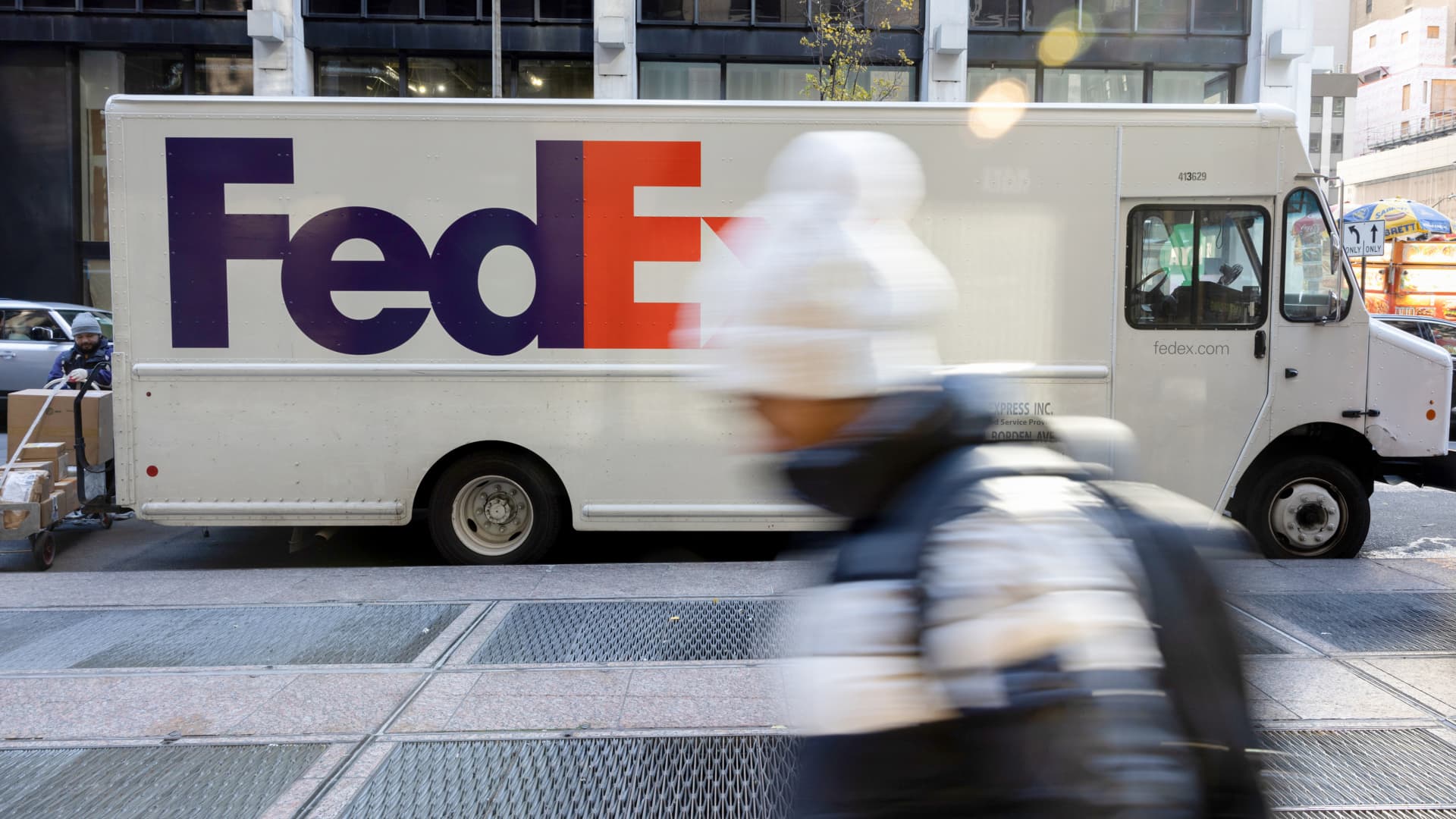
FedEx Launches Comprehensive AI Literacy Initiative
- AI Literacy Initiative Launched: FedEx, in partnership with Accenture, launched an enterprise-wide AI literacy initiative in early December aimed at enhancing the knowledge and efficiency of its nearly 440,000 employees, thereby boosting the company's innovation capabilities in the competitive logistics sector.
- Flexible Training Model: The program offers personalized, role-based training through Accenture's LearnVantage platform, allowing employees to participate in interactive sessions during work hours or at their convenience, ensuring that training content remains relevant as technology evolves and enhancing career advancement opportunities.
- Executive Buy-In: FedEx's entire C-suite participated in a two-day learning event to ensure partnerships with the most compatible companies, fostering a culture of humility and collective learning that enhances the organization's overall technological adaptability.
- Initial Positive Outcomes: Although the initiative is still in its infancy, FedEx has already observed an increase in frontline employees seeking internal advancement opportunities, indicating a positive impact of enhanced AI literacy on employee career development.
See More

Amazon Faces Rising Delivery Cost Challenges Amid Contract Negotiations

- Contract Negotiation Breakdown: The breakdown in negotiations between USPS and Amazon follows UPS's decision to cut its package volume for Amazon by 50%, indicating a broader industry pushback against low-margin customers, which may lead to increased delivery costs for Amazon in the last mile.
- UPS's Strategic Shift: UPS's reduction in its relationship with Amazon aims to decrease reliance on high-volume, low-profit customers, directly impacting Amazon's delivery network and forcing it to seek new solutions in smaller markets to maintain service levels.
- Pressure on Delivery Network Expansion: While Amazon has invested heavily in its own delivery services, it still faces limitations in certain smaller markets, and UPS's contraction makes USPS a potential alternative in hard-to-reach areas, thereby increasing Amazon's operational costs.
- Intensified Industry Competition: USPS's tough stance against Amazon could theoretically lead to higher delivery rates, which would benefit UPS and FedEx; however, both companies are unlikely to increase their exposure to Amazon, leaving Amazon at a disadvantage in this evolving landscape.
See More

USPS Breaks Off Contract Talks with Amazon
- Contract Negotiation Breakdown: The U.S. Postal Service (USPS) has broken off contract talks with Amazon, highlighting the challenges Amazon faces in last-mile delivery, which may force it to raise delivery costs to maintain service levels.
- UPS Volume Reduction Impact: UPS's decision to cut the number of packages it carries for Amazon by 50% by 2025 directly affects Amazon's delivery network, indicating large carriers' resistance to low-margin customers.
- Increased Market Competition: USPS's move may compel Amazon to compete with other retailers through a new 'last mile' bidding system, potentially impacting its market share and delivery efficiency.
- Limited Future Options: Amazon faces two choices: rapidly expand its own delivery network or pay higher delivery rates, which could have long-term implications for its profitability, especially in smaller markets.
See More
Significant Stock Movements for Multiple Companies


- SolarEdge Stock Surge: SolarEdge Technologies saw a 14% increase in stock price after Jefferies upgraded its rating from underperform to hold, with analysts noting that the escalating Middle East conflict is likely to trigger a repeat of the European energy security dynamics that previously boosted its business during the Russia-Ukraine war.
- Insperity Shareholder Purchase: Insperity's shares rallied nearly 11% after Chairman and CEO Paul Sarvadi disclosed the purchase of 205,000 shares this week, reflecting confidence in the company's future and potentially attracting more investor interest.
- OneOK Rating Upgrade: OneOK's stock gained almost 4% as Jefferies upgraded its rating to buy and raised its price target to $98 per share, with analysts highlighting the Iranian conflict as a catalyst for reassessing crude oil structural dynamics, suggesting a more positive outlook.
- York Space Systems Revenue Beat: York Space Systems' shares surged 22% after reporting full-year revenue of $386.2 million, exceeding analyst expectations of $383.5 million, indicating strong performance in the aerospace and defense sector that may draw increased investor attention.
See More
Impact of Rising Energy Costs on Multiple Companies
- Travel Industry Pressure: With rising oil prices, travel companies like Carnival and JetBlue are facing increased operating costs, likely leading them to raise ticket prices or add fuel surcharges to protect margins, thereby impacting consumer travel expenses.
- Parcel Delivery Cost Increase: UPS and FedEx implemented higher fuel surcharges on March 2 and March 16, respectively; while this helps protect margins, consumers will ultimately bear the brunt of higher delivery charges, affecting overall consumer spending.
- Consumer Goods Manufacturers Under Strain: Companies like Procter & Gamble and Conagra Brands will face dual pressures from rising raw material and shipping costs, potentially resorting to shrinkflation strategies to cope with increased expenses, which will affect consumer purchasing experiences.
- Rising Electricity Costs: Increased natural gas prices will lead to higher electricity production costs, with utilities like Duke Energy passing these costs onto customers, further exacerbating operational costs for UPS and FedEx and impacting their service pricing.
See More
Rising Oil Prices Due to Middle East Conflict Impacting Various Sectors
- Rising Travel Costs: Companies like Carnival and JetBlue are likely to see their profit margins compressed due to rising oil prices, and while they may delay price hikes, sustained high oil prices will force them to pass costs onto consumers, impacting overall travel demand.
- Pressure on Delivery Services: UPS and FedEx have raised fuel surcharges due to increased fuel costs, which helps protect their margins but ultimately means consumers will pay higher delivery fees, potentially leading to increased logistics costs across the board.
- Consumer Goods Manufacturers Affected: Companies such as Procter & Gamble and Conagra Brands face rising transportation costs and will also be impacted by higher raw material prices, particularly in the production of plastics and fertilizers, which could lead to increased product prices.
- Consumer Spending Strain: As energy prices rise, consumers will see increased spending across travel, delivery, and food sectors, potentially tightening household budgets and affecting overall economic consumption levels.
See More
FedEx Launches Comprehensive AI Literacy Initiative
- AI Literacy Initiative Launched: FedEx, in partnership with Accenture, launched an enterprise-wide AI literacy initiative in early December aimed at enhancing the knowledge and efficiency of its nearly 440,000 employees, thereby boosting the company's innovation capabilities in the competitive logistics sector.
- Flexible Training Model: The program offers personalized, role-based training through Accenture's LearnVantage platform, allowing employees to participate in interactive sessions during work hours or at their convenience, ensuring that training content remains relevant as technology evolves and enhancing career advancement opportunities.
- Executive Buy-In: FedEx's entire C-suite participated in a two-day learning event to ensure partnerships with the most compatible companies, fostering a culture of humility and collective learning that enhances the organization's overall technological adaptability.
- Initial Positive Outcomes: Although the initiative is still in its infancy, FedEx has already observed an increase in frontline employees seeking internal advancement opportunities, indicating a positive impact of enhanced AI literacy on employee career development.
See More
Amazon Faces Rising Delivery Cost Challenges Amid Contract Negotiations
- Contract Negotiation Breakdown: The breakdown in negotiations between USPS and Amazon follows UPS's decision to cut its package volume for Amazon by 50%, indicating a broader industry pushback against low-margin customers, which may lead to increased delivery costs for Amazon in the last mile.
- UPS's Strategic Shift: UPS's reduction in its relationship with Amazon aims to decrease reliance on high-volume, low-profit customers, directly impacting Amazon's delivery network and forcing it to seek new solutions in smaller markets to maintain service levels.
- Pressure on Delivery Network Expansion: While Amazon has invested heavily in its own delivery services, it still faces limitations in certain smaller markets, and UPS's contraction makes USPS a potential alternative in hard-to-reach areas, thereby increasing Amazon's operational costs.
- Intensified Industry Competition: USPS's tough stance against Amazon could theoretically lead to higher delivery rates, which would benefit UPS and FedEx; however, both companies are unlikely to increase their exposure to Amazon, leaving Amazon at a disadvantage in this evolving landscape.
See More
USPS Breaks Off Contract Talks with Amazon
- Contract Negotiation Breakdown: The U.S. Postal Service (USPS) has broken off contract talks with Amazon, highlighting the challenges Amazon faces in last-mile delivery, which may force it to raise delivery costs to maintain service levels.
- UPS Volume Reduction Impact: UPS's decision to cut the number of packages it carries for Amazon by 50% by 2025 directly affects Amazon's delivery network, indicating large carriers' resistance to low-margin customers.
- Increased Market Competition: USPS's move may compel Amazon to compete with other retailers through a new 'last mile' bidding system, potentially impacting its market share and delivery efficiency.
- Limited Future Options: Amazon faces two choices: rapidly expand its own delivery network or pay higher delivery rates, which could have long-term implications for its profitability, especially in smaller markets.
See More
Significant Stock Movements for Multiple Companies
- SolarEdge Stock Surge: SolarEdge Technologies saw a 14% increase in stock price after Jefferies upgraded its rating from underperform to hold, with analysts noting that the escalating Middle East conflict is likely to trigger a repeat of the European energy security dynamics that previously boosted its business during the Russia-Ukraine war.
- Insperity Shareholder Purchase: Insperity's shares rallied nearly 11% after Chairman and CEO Paul Sarvadi disclosed the purchase of 205,000 shares this week, reflecting confidence in the company's future and potentially attracting more investor interest.
- OneOK Rating Upgrade: OneOK's stock gained almost 4% as Jefferies upgraded its rating to buy and raised its price target to $98 per share, with analysts highlighting the Iranian conflict as a catalyst for reassessing crude oil structural dynamics, suggesting a more positive outlook.
- York Space Systems Revenue Beat: York Space Systems' shares surged 22% after reporting full-year revenue of $386.2 million, exceeding analyst expectations of $383.5 million, indicating strong performance in the aerospace and defense sector that may draw increased investor attention.
See More