Trump's State of the Union Boosts Market Sentiment
Written by Emily J. Thompson, Senior Investment Analyst
Updated: Feb 25 2026
0mins

Source: CNBC
- Trump's Economic Declaration: In his State of the Union address, Trump claimed the U.S. economy is 'roaring like never before,' despite polls indicating the opposite sentiment among Americans, with the 107-minute speech marking a historic length that underscores his focus on economic issues, potentially influencing investor confidence.
- AI Tool Updates: AI startup Anthropic announced enhancements to its Claude Cowork tool, allowing integration with platforms like Google Drive, which, despite initial market fears, led to a recovery in software stocks and a 350-point rise in the Dow Jones Industrial Average, demonstrating market resilience.
- Lowe's Earnings Beat: Lowe's reported over 10% sales growth in Q4, surpassing Wall Street expectations, yet its weaker-than-expected full-year earnings outlook caused a 3% drop in premarket trading, reflecting cautious market sentiment regarding future growth.
- Netflix Financing Plan: Netflix lined up $59 billion in financing to support its $72 billion acquisition of Warner Bros. Discovery, marking one of the largest loans in history, while facing competition from Paramount's new offer, highlighting the fierce competition in the media merger landscape.
Trade with 70% Backtested Accuracy
Stop guessing "Should I Buy BAC?" and start using high-conviction signals backed by rigorous historical data.
Sign up today to access powerful investing tools and make smarter, data-driven decisions.
Analyst Views on BAC
Wall Street analysts forecast BAC stock price to rise
19 Analyst Rating
15 Buy
4 Hold
0 Sell
Strong Buy
Current: 47.230

Low
55.00
Averages
61.64
High
71.00
Current: 47.230
Low
55.00
Averages
61.64
High
71.00
About BAC
Bank of America Corporation is a bank holding company and a financial holding company. Its segments include Consumer Banking, Global Wealth & Investment Management (GWIM), Global Banking and Global Markets. Consumer Banking segment offers a range of credit, banking and investment products and services to consumers and small businesses. The GWIM includes two businesses: Merrill Wealth Management, which provides tailored solutions to meet clients' needs through a full set of investment management, brokerage, banking and retirement products and Bank of America Private Bank, which provides comprehensive wealth management solutions. Global Banking segment provides a range of lending-related products and services, integrated working capital management and treasury solutions, and underwriting and advisory services. Global Markets segment offers sales and trading services and research services to institutional clients across fixed-income, credit, currency, commodity, and equity businesses.
About the author

Emily J. Thompson
Emily J. Thompson, a Chartered Financial Analyst (CFA) with 12 years in investment research, graduated with honors from the Wharton School. Specializing in industrial and technology stocks, she provides in-depth analysis for Intellectia’s earnings and market brief reports.
Latest Wall Street Ratings Overview


- Boeing Rating: Wells Fargo initiates coverage of Boeing with a Buy rating, forecasting a significant recovery in free cash flow as production normalizes, setting a price target of $250 based on a 20x FCF multiple on its 2028 forecast, indicating strong confidence in future growth.
- Disney Upgrade: Raymond James upgrades Disney from Market Perform to Outperform with a price target of $115, viewing the current macro backdrop and international visitation challenges as an attractive investment opportunity, reflecting optimism about its valuation.
- Microsoft Buy Rating: Benchmark initiates Microsoft with a Buy rating and a price target of $450, describing it as a juggernaut in artificial intelligence, leveraging its comprehensive portfolio of digital applications and cloud services to drive enterprise and consumer transformation, showcasing its strong market position.
- Algonquin Power Rating: Barclays initiates coverage of Algonquin Power & Utilities with an Overweight rating, citing the company's undervaluation and strong turnaround potential, indicating market confidence in its future performance.
See More

Nike's Weak Sales Guidance Leads to Downgrades


- Sales Guidance Downgrade: Nike expects a sales drop of 2% to 4% in Q4, significantly below Wall Street's 1.9% growth forecast, indicating that its new corporate strategy has not quickly improved product demand, resulting in an almost 11% share price decline.
- Analyst Downgrades: Bank of America downgraded Nike from Buy to Neutral and cut its price target from $73 to $55, suggesting a 4% upside, reflecting a pessimistic outlook on future sales growth amid disappointing guidance.
- Delayed Strategic Execution: Nike's 'Win Now' roadmap aimed at reversing declining sales through new wholesale deals and performance innovation has seen slow progress, leading to diminished investor confidence and a shift towards bearish market sentiment.
- Poor Market Performance: Nike's shares have fallen 17% year-to-date, underperforming the broader market, with analysts noting ongoing pressures in international markets (like EMEA and China) and an extended timeline for sales recovery.
See More
Nike Shares Drop 10% Despite Beating Earnings Expectations


- Nike's Revenue Decline: Nike's North American revenue of $5.03 billion fell short of the $5.04 billion expected by analysts, leading to a 10% drop in stock price; however, the company reported fiscal third-quarter earnings of 35 cents per share and $11.28 billion in revenue, exceeding expectations of 28 cents and $11.24 billion, showcasing resilience amid challenges.
- Dave & Buster's Positive Outlook: Dave & Buster's shares rose 7% as management anticipates increases in same-store sales, revenue, and adjusted EBITDA in 2026, despite posting a fourth-quarter adjusted loss of 35 cents per share and revenue of $529.6 million, below the expected profit of 39 cents and revenue of $555.9 million, indicating future growth potential.
- PVH Strong Performance: PVH's stock increased by 1% after reporting fourth-quarter adjusted earnings of $3.82 per share and revenue of $2.51 billion, both surpassing analyst expectations of $3.31 per share and $2.43 billion, reflecting successful brand management.
- NCino Stock Surge: NCino shares surged 22% after providing first-quarter revenue guidance of $154.5 million to $156.4 million, exceeding the $152.7 million consensus, with fourth-quarter revenue also surpassing expectations at $149.7 million, indicating strong performance in the cloud software market.
See More
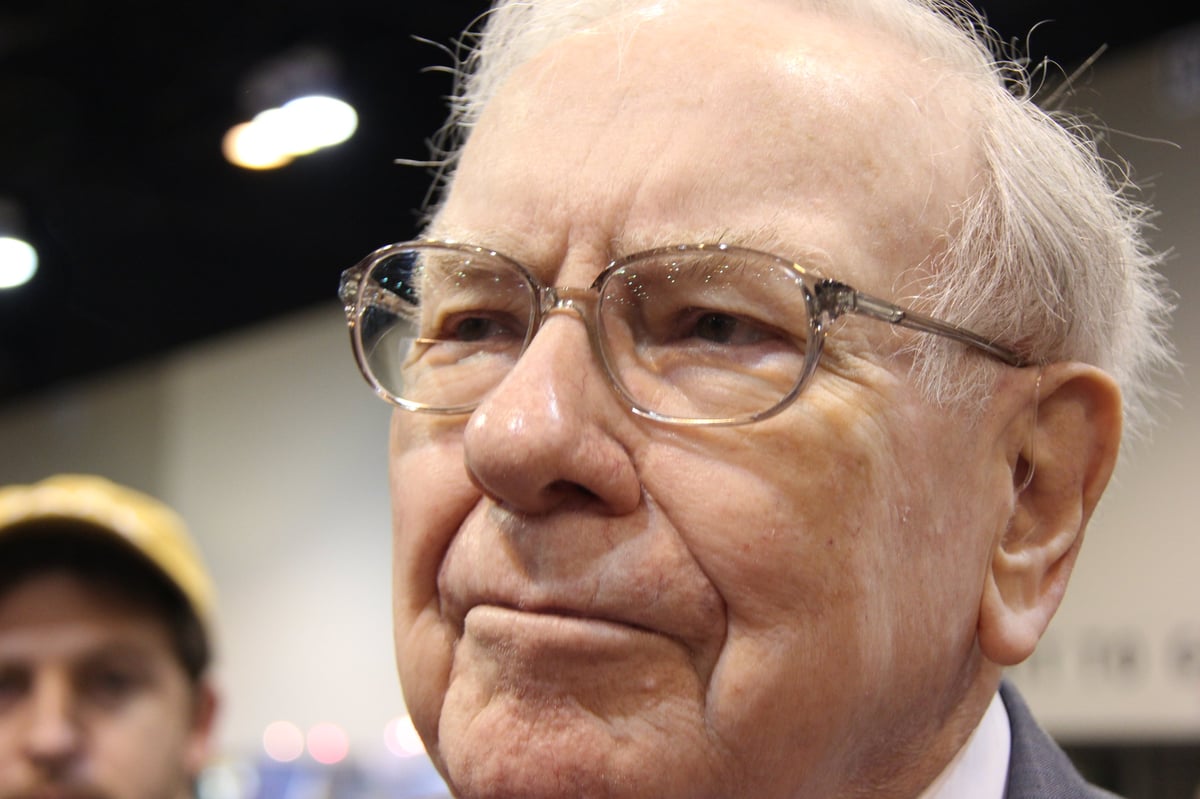
Berkshire Hathaway's New Direction Post-Buffett Retirement


- Buffett's Retirement Impact: Warren Buffett officially retired on December 31, and although he remains on the board, his departure has left a significant mark on Berkshire's investment portfolio, particularly with its active $312 billion investment strategy leading up to his retirement.
- Bank Stock Reduction Strategy: Over the 18 months prior to his retirement, Buffett cut his stake in Bank of America by 50%, selling a total of 515,556,072 shares, which reflects his deep consideration of the company's valuation and interest rate sensitivity, even as it remains a core holding for Berkshire.
- Oil Stock Acquisition Move: In his final quarter as CEO, Buffett invested approximately $1.2 billion to increase Berkshire's stake in Chevron by purchasing 8,091,570 shares, demonstrating confidence in the company's robust capital return program and integrated operating model, especially amid global energy supply chain disruptions.
- Market Environment Changes: The ongoing conflict in Iran has led to a 36% increase in Chevron's stock price since the beginning of the year, presenting a positive market outlook for Berkshire's investment while reflecting Buffett's continued optimism regarding high-margin drilling operations.
See More

Buffett's Retirement Marks New Era for Berkshire Hathaway
- Buffett's Retirement: Warren Buffett officially retired on December 31, concluding over 50 years as CEO of Berkshire Hathaway, although he remains on the board, ensuring his strategic influence continues to shape the company's future.
- Stock Trading Dynamics: In the quarters leading up to his retirement, Buffett persistently sold shares of Bank of America, offloading over 515 million shares, which represented roughly half of Berkshire's peak stake, indicating concerns over the bank's valuation.
- New Investment Direction: In his final quarter, Buffett invested approximately $1.2 billion in integrated oil and gas giant Chevron, reflecting optimism about the energy market, particularly amid supply chain disruptions caused by the Iran war.
- Dividend and Buyback Strategy: Chevron has increased its dividend for 39 consecutive years and has reduced its outstanding share count through buybacks, a capital return strategy that may enhance earnings per share, aligning with Buffett's investment philosophy.
See More
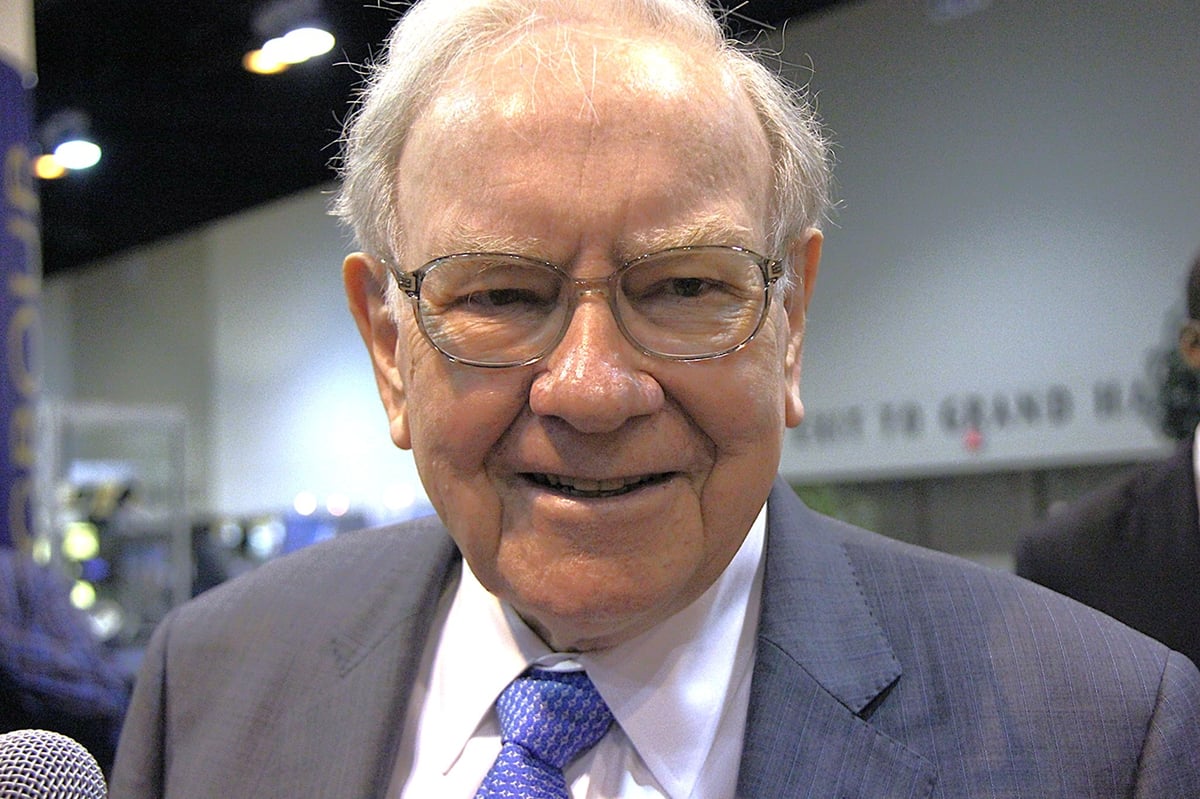
Buffett's Final Bold Investment in Chevron

- Major Investment: In his final quarter, Buffett invested over $1 billion to acquire 8 million shares of Chevron (CVX), raising Berkshire Hathaway's total stake to $19.8 billion, demonstrating his ongoing confidence in the oil and gas sector.
- Market Performance: Despite Chevron's stock lagging the S&P 500 by over 10% in 2025, Buffett's average purchase price of about $132 per share reflects his commitment to value investing principles.
- Future Potential: The capture of Venezuelan President Maduro may open new long-term opportunities for Chevron, which is the only U.S. oil major actively drilling in the country, although the situation remains unpredictable.
- Substantial Returns: With global energy prices soaring, Chevron's stock has risen 37% in 2026, resulting in a 58% return on Berkshire's latest investment, marking a final masterstroke by Buffett that is likely to yield dividends in the years to come.
See More
Latest Wall Street Ratings Overview
- Boeing Rating: Wells Fargo initiates coverage of Boeing with a Buy rating, forecasting a significant recovery in free cash flow as production normalizes, setting a price target of $250 based on a 20x FCF multiple on its 2028 forecast, indicating strong confidence in future growth.
- Disney Upgrade: Raymond James upgrades Disney from Market Perform to Outperform with a price target of $115, viewing the current macro backdrop and international visitation challenges as an attractive investment opportunity, reflecting optimism about its valuation.
- Microsoft Buy Rating: Benchmark initiates Microsoft with a Buy rating and a price target of $450, describing it as a juggernaut in artificial intelligence, leveraging its comprehensive portfolio of digital applications and cloud services to drive enterprise and consumer transformation, showcasing its strong market position.
- Algonquin Power Rating: Barclays initiates coverage of Algonquin Power & Utilities with an Overweight rating, citing the company's undervaluation and strong turnaround potential, indicating market confidence in its future performance.
See More
Nike's Weak Sales Guidance Leads to Downgrades
- Sales Guidance Downgrade: Nike expects a sales drop of 2% to 4% in Q4, significantly below Wall Street's 1.9% growth forecast, indicating that its new corporate strategy has not quickly improved product demand, resulting in an almost 11% share price decline.
- Analyst Downgrades: Bank of America downgraded Nike from Buy to Neutral and cut its price target from $73 to $55, suggesting a 4% upside, reflecting a pessimistic outlook on future sales growth amid disappointing guidance.
- Delayed Strategic Execution: Nike's 'Win Now' roadmap aimed at reversing declining sales through new wholesale deals and performance innovation has seen slow progress, leading to diminished investor confidence and a shift towards bearish market sentiment.
- Poor Market Performance: Nike's shares have fallen 17% year-to-date, underperforming the broader market, with analysts noting ongoing pressures in international markets (like EMEA and China) and an extended timeline for sales recovery.
See More
Nike Shares Drop 10% Despite Beating Earnings Expectations
- Nike's Revenue Decline: Nike's North American revenue of $5.03 billion fell short of the $5.04 billion expected by analysts, leading to a 10% drop in stock price; however, the company reported fiscal third-quarter earnings of 35 cents per share and $11.28 billion in revenue, exceeding expectations of 28 cents and $11.24 billion, showcasing resilience amid challenges.
- Dave & Buster's Positive Outlook: Dave & Buster's shares rose 7% as management anticipates increases in same-store sales, revenue, and adjusted EBITDA in 2026, despite posting a fourth-quarter adjusted loss of 35 cents per share and revenue of $529.6 million, below the expected profit of 39 cents and revenue of $555.9 million, indicating future growth potential.
- PVH Strong Performance: PVH's stock increased by 1% after reporting fourth-quarter adjusted earnings of $3.82 per share and revenue of $2.51 billion, both surpassing analyst expectations of $3.31 per share and $2.43 billion, reflecting successful brand management.
- NCino Stock Surge: NCino shares surged 22% after providing first-quarter revenue guidance of $154.5 million to $156.4 million, exceeding the $152.7 million consensus, with fourth-quarter revenue also surpassing expectations at $149.7 million, indicating strong performance in the cloud software market.
See More
Berkshire Hathaway's New Direction Post-Buffett Retirement
- Buffett's Retirement Impact: Warren Buffett officially retired on December 31, and although he remains on the board, his departure has left a significant mark on Berkshire's investment portfolio, particularly with its active $312 billion investment strategy leading up to his retirement.
- Bank Stock Reduction Strategy: Over the 18 months prior to his retirement, Buffett cut his stake in Bank of America by 50%, selling a total of 515,556,072 shares, which reflects his deep consideration of the company's valuation and interest rate sensitivity, even as it remains a core holding for Berkshire.
- Oil Stock Acquisition Move: In his final quarter as CEO, Buffett invested approximately $1.2 billion to increase Berkshire's stake in Chevron by purchasing 8,091,570 shares, demonstrating confidence in the company's robust capital return program and integrated operating model, especially amid global energy supply chain disruptions.
- Market Environment Changes: The ongoing conflict in Iran has led to a 36% increase in Chevron's stock price since the beginning of the year, presenting a positive market outlook for Berkshire's investment while reflecting Buffett's continued optimism regarding high-margin drilling operations.
See More
Buffett's Retirement Marks New Era for Berkshire Hathaway
- Buffett's Retirement: Warren Buffett officially retired on December 31, concluding over 50 years as CEO of Berkshire Hathaway, although he remains on the board, ensuring his strategic influence continues to shape the company's future.
- Stock Trading Dynamics: In the quarters leading up to his retirement, Buffett persistently sold shares of Bank of America, offloading over 515 million shares, which represented roughly half of Berkshire's peak stake, indicating concerns over the bank's valuation.
- New Investment Direction: In his final quarter, Buffett invested approximately $1.2 billion in integrated oil and gas giant Chevron, reflecting optimism about the energy market, particularly amid supply chain disruptions caused by the Iran war.
- Dividend and Buyback Strategy: Chevron has increased its dividend for 39 consecutive years and has reduced its outstanding share count through buybacks, a capital return strategy that may enhance earnings per share, aligning with Buffett's investment philosophy.
See More
Buffett's Final Bold Investment in Chevron
- Major Investment: In his final quarter, Buffett invested over $1 billion to acquire 8 million shares of Chevron (CVX), raising Berkshire Hathaway's total stake to $19.8 billion, demonstrating his ongoing confidence in the oil and gas sector.
- Market Performance: Despite Chevron's stock lagging the S&P 500 by over 10% in 2025, Buffett's average purchase price of about $132 per share reflects his commitment to value investing principles.
- Future Potential: The capture of Venezuelan President Maduro may open new long-term opportunities for Chevron, which is the only U.S. oil major actively drilling in the country, although the situation remains unpredictable.
- Substantial Returns: With global energy prices soaring, Chevron's stock has risen 37% in 2026, resulting in a 58% return on Berkshire's latest investment, marking a final masterstroke by Buffett that is likely to yield dividends in the years to come.
See More