Trump Signs Executive Order to Boost Phosphorus and Glyphosate Production
Written by Emily J. Thompson, Senior Investment Analyst
Updated: Feb 19 2026
0mins

Should l Buy MOS?
Source: CNBC
- National Security Focus: Trump signed an executive order invoking the Defense Production Act to promote domestic production of phosphorus and glyphosate, emphasizing their critical importance for U.S. economic and national security, thereby ensuring stability in agricultural and defense supply chains.
- Chemical Controversy: Glyphosate has been controversial due to its alleged links to cancer, and Trump's support aligns with the withdrawal of Health Secretary Kennedy from the election, highlighting the administration's focus on agricultural policy.
- Regulatory Implementation Requirement: The order mandates Agriculture Secretary Brooke Rollins to issue regulations to increase the supply of phosphorus and glyphosate, ensuring U.S. self-sufficiency in these critical chemicals and reducing reliance on foreign sources.
- Industry Response: Monsanto stated it will comply with the order, underscoring the urgent need for U.S. farmers to access domestically produced crop protection tools like glyphosate, reflecting the policy's direct impact on the agricultural sector.
Trade with 70% Backtested Accuracy
Stop guessing "Should I Buy MOS?" and start using high-conviction signals backed by rigorous historical data.
Sign up today to access powerful investing tools and make smarter, data-driven decisions.
Analyst Views on MOS
Wall Street analysts forecast MOS stock price to rise
13 Analyst Rating
6 Buy
7 Hold
0 Sell
Moderate Buy
Current: 26.480

Low
24.00
Averages
32.38
High
43.00
Current: 26.480
Low
24.00
Averages
32.38
High
43.00
About MOS
The Mosaic Company is a producer and marketer of concentrated phosphate and potash crop nutrients. The Company’s segments include Phosphates, Potash and Mosaic Fertilizantes. The Phosphates segment sells phosphate-based crop nutrients and animal feed ingredients throughout North America and internationally. The Potash business segment owns and operates potash mines and production facilities in Canada and the United States, which produces potash-based crop nutrients, animal feed ingredients and industrial products, and is sold both in domestic and international. The Mosaic Fertilizantes Segment produces and sells phosphate- and potash-based crop nutrients, and animal feed ingredients, in Brazil. In addition to phosphate rock mines and chemical plants, this segment consists of sales offices, crop nutrient blending and bagging facilities, port terminals and warehouses in Brazil and Paraguay. This segment also serves as a distribution outlet for its Phosphates and Potash segments.
About the author

Emily J. Thompson
Emily J. Thompson, a Chartered Financial Analyst (CFA) with 12 years in investment research, graduated with honors from the Wharton School. Specializing in industrial and technology stocks, she provides in-depth analysis for Intellectia’s earnings and market brief reports.

Mosaic Partners with Rainbow to Advance Brazil's Rare Earth Project
- Joint Project Agreement: Mosaic has signed a joint development agreement with Rainbow Rare Earths to advance the Uberaba rare earth project in Brazil, with plans to conduct a prefeasibility study to assess the project's commercial viability.
- Production Capacity Planning: The project aims to construct a processing facility with a capacity to treat approximately 2.7 million metric tons of phosphogypsum annually, designed to produce 1,900 tons of separated neodymium and praseodymium oxide, along with 600 tons of products containing medium and heavy rare earth elements, significantly enhancing supply capabilities.
- Strategic Importance: Mosaic's CEO Bruce Bodine emphasized that Brazil is emerging as a strategically important jurisdiction for rare earth development in the Americas, with this partnership combining Mosaic's Brazilian operations and Rainbow's rare earth expertise to strengthen market competitiveness.
- Future Development Plans: Should the prefeasibility study yield favorable results, Mosaic and Rainbow will seek to establish a jointly owned project company, with construction of the processing facility targeted to commence in 2027, further advancing the development and utilization of rare earth resources.
See More

Iran War Drives Inflation Surge in the U.S.


- Persistent Inflation: The Consumer Price Index (CPI) rose 2.4% year-over-year in February, unchanged from January, indicating that inflation remains stubbornly high, particularly for necessities like electricity and food, which continues to strain household budgets.
- Surge in Energy Prices: The war in Iran has caused global oil prices to spike, with Brent crude rising from about $70 to $119.50 per barrel, while average gasoline prices hit $3.50 per gallon, a 19% increase in just two weeks, exacerbating economic pressures on consumers.
- Uncertain Long-term Impact: Economists predict that if the conflict persists, oil prices could average around $100 per barrel in 2026, potentially pushing CPI inflation to 3.5%, complicating the Federal Reserve's interest rate policy and increasing market uncertainty.
- Significant Tariff Effects: Prior to the Iran conflict, tariffs imposed by the Trump administration were a major inflation driver, with the current effective tariff rate at 10.5%, the highest since 1943, leading economists to believe that consumers will struggle to find relief from inflation in the short term.
See More
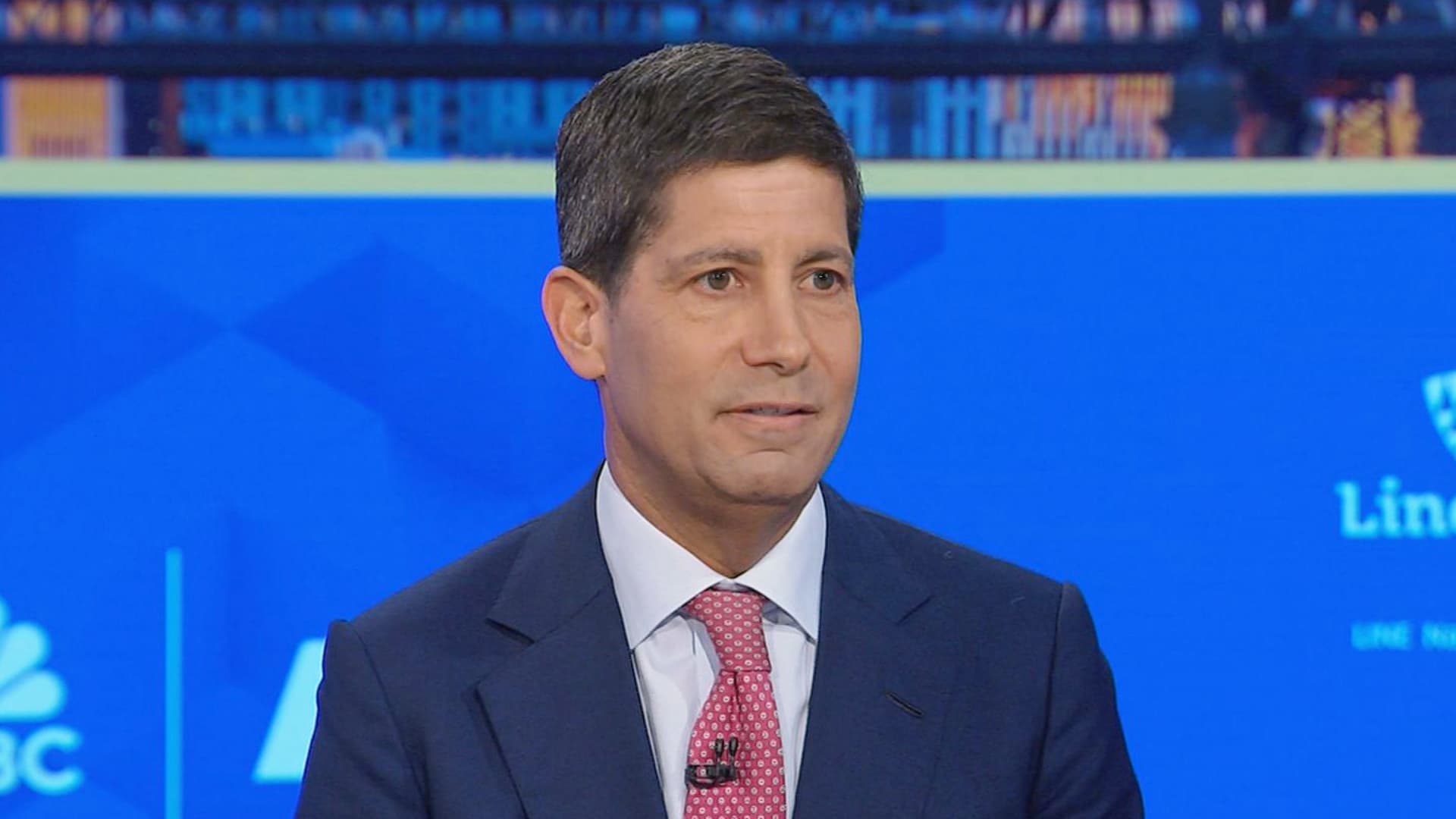
Kevin Warsh Faces Challenges as Fed Chair Amid Inflation and Labor Market Pressures

- Challenging Economic Landscape: Kevin Warsh is set to take over as Fed Chair amid dual pressures of high inflation and a weakening labor market, particularly as the Iran war has driven energy prices sharply higher, with U.S. crude oil briefly exceeding $100 a barrel, potentially exacerbating stagflation risks.
- Policy Dilemma: Warsh faces tough choices between raising rates to combat inflation and lowering them to support economic growth, especially as manufacturing costs continue to rise, which could lead to divisions within the Fed regarding future policy directions.
- Consumer Spending Surge: Despite these challenges, consumer spending rose 3.2% year-over-year in February, marking the largest increase in over three years; however, the disparity in after-tax wage growth—4.2% for high earners versus just 0.6% for low earners—highlights the worsening issue of income inequality.
- Shifting Market Expectations: Market expectations for Fed rate cuts have diminished, with traders now anticipating the first cut not until September and some even believing there will be no further cuts until 2027, reflecting concerns over a potentially hawkish stance from the Fed in response to inflation pressures.
See More
Bank Stocks Decline While Fertilizer Stocks Rally Amid Supply Concerns

- Bank Stocks Decline: All 101 stocks in the State Street SPDR S&P Bank ETF (KBE) fell on Friday as the spread between the 2- and 10-year Treasury yields widened, with Western Alliance Bancorp down nearly 12%, indicating rising future inflation expectations that could compress banks' net interest margins and increase credit risk.
- Fertilizer Stocks Rally: Fertilizer stocks surged again due to tight supplies from the Iran conflict, with CF Industries climbing 5% to a new 52-week high and a week-to-date gain of about 17%, reflecting strong market expectations for fertilizer demand amid geopolitical tensions.
- Airline Stocks Under Pressure: United Airlines shares tumbled nearly 4% after CEO Scott Kirby warned that rising fuel prices would have a
See More

High Dividend Stocks Attract Investor Attention

- Investment Strategy in Turbulent Markets: During times of market turbulence and uncertainty, many investors turn to high dividend stocks, which typically have high free cash flows and reward shareholders with substantial dividends, thereby enhancing investor confidence and market stability.
- Analyst Rating Overview: Analysts have provided accurate ratings for three high-yielding stocks in the materials sector, including Mosaic Co (NYSE:MOS), Kronos Worldwide, Inc. (NYSE:KRO), and Barrick Mining Corp (NYSE:B), indicating their attractiveness in the current market environment.
- Attraction of High Dividend Stocks: High dividend stocks serve as a safe haven for investors due to their stable cash flows and return capabilities, especially during economic fluctuations, leading to a significant increase in demand for such stocks.
- Boost in Investor Confidence: As market attention on high dividend stocks rises, investor confidence in these companies strengthens, potentially driving their stock prices up and attracting more capital into the materials sector.
See More

Surge in Options Trading Volume for UHS and KHC

- UHS Options Volume: Universal Health Services, Inc. recorded an options trading volume of 4,225 contracts, equating to approximately 422,500 shares, which represents about 51.4% of its average daily trading volume of 822,370 shares over the past month, indicating heightened market interest in the company's future performance.
- High-Frequency Trading Analysis: Within UHS, the $200 strike put option saw a trading volume of 2,079 contracts today, representing around 207,900 shares, suggesting an increased bearish sentiment among investors regarding the stock's potential decline, which could impact its short-term price performance.
- KHC Options Trading Dynamics: Kraft Heinz Co's options trading volume reached 76,420 contracts, approximately 7.6 million shares, accounting for about 47% of its average daily trading volume of 16.3 million shares over the past month, reflecting active trading sentiment regarding its future performance.
- Bullish Call Options Focus: For KHC, the $24.50 strike call option recorded a trading volume of 18,351 contracts today, equating to approximately 1.8 million shares, indicating a bullish outlook among investors regarding the company's stock price, which may drive upward price movements.
See More
Mosaic Partners with Rainbow to Advance Brazil's Rare Earth Project
- Joint Project Agreement: Mosaic has signed a joint development agreement with Rainbow Rare Earths to advance the Uberaba rare earth project in Brazil, with plans to conduct a prefeasibility study to assess the project's commercial viability.
- Production Capacity Planning: The project aims to construct a processing facility with a capacity to treat approximately 2.7 million metric tons of phosphogypsum annually, designed to produce 1,900 tons of separated neodymium and praseodymium oxide, along with 600 tons of products containing medium and heavy rare earth elements, significantly enhancing supply capabilities.
- Strategic Importance: Mosaic's CEO Bruce Bodine emphasized that Brazil is emerging as a strategically important jurisdiction for rare earth development in the Americas, with this partnership combining Mosaic's Brazilian operations and Rainbow's rare earth expertise to strengthen market competitiveness.
- Future Development Plans: Should the prefeasibility study yield favorable results, Mosaic and Rainbow will seek to establish a jointly owned project company, with construction of the processing facility targeted to commence in 2027, further advancing the development and utilization of rare earth resources.
See More
Iran War Drives Inflation Surge in the U.S.
- Persistent Inflation: The Consumer Price Index (CPI) rose 2.4% year-over-year in February, unchanged from January, indicating that inflation remains stubbornly high, particularly for necessities like electricity and food, which continues to strain household budgets.
- Surge in Energy Prices: The war in Iran has caused global oil prices to spike, with Brent crude rising from about $70 to $119.50 per barrel, while average gasoline prices hit $3.50 per gallon, a 19% increase in just two weeks, exacerbating economic pressures on consumers.
- Uncertain Long-term Impact: Economists predict that if the conflict persists, oil prices could average around $100 per barrel in 2026, potentially pushing CPI inflation to 3.5%, complicating the Federal Reserve's interest rate policy and increasing market uncertainty.
- Significant Tariff Effects: Prior to the Iran conflict, tariffs imposed by the Trump administration were a major inflation driver, with the current effective tariff rate at 10.5%, the highest since 1943, leading economists to believe that consumers will struggle to find relief from inflation in the short term.
See More
Kevin Warsh Faces Challenges as Fed Chair Amid Inflation and Labor Market Pressures
- Challenging Economic Landscape: Kevin Warsh is set to take over as Fed Chair amid dual pressures of high inflation and a weakening labor market, particularly as the Iran war has driven energy prices sharply higher, with U.S. crude oil briefly exceeding $100 a barrel, potentially exacerbating stagflation risks.
- Policy Dilemma: Warsh faces tough choices between raising rates to combat inflation and lowering them to support economic growth, especially as manufacturing costs continue to rise, which could lead to divisions within the Fed regarding future policy directions.
- Consumer Spending Surge: Despite these challenges, consumer spending rose 3.2% year-over-year in February, marking the largest increase in over three years; however, the disparity in after-tax wage growth—4.2% for high earners versus just 0.6% for low earners—highlights the worsening issue of income inequality.
- Shifting Market Expectations: Market expectations for Fed rate cuts have diminished, with traders now anticipating the first cut not until September and some even believing there will be no further cuts until 2027, reflecting concerns over a potentially hawkish stance from the Fed in response to inflation pressures.
See More
Bank Stocks Decline While Fertilizer Stocks Rally Amid Supply Concerns
- Bank Stocks Decline: All 101 stocks in the State Street SPDR S&P Bank ETF (KBE) fell on Friday as the spread between the 2- and 10-year Treasury yields widened, with Western Alliance Bancorp down nearly 12%, indicating rising future inflation expectations that could compress banks' net interest margins and increase credit risk.
- Fertilizer Stocks Rally: Fertilizer stocks surged again due to tight supplies from the Iran conflict, with CF Industries climbing 5% to a new 52-week high and a week-to-date gain of about 17%, reflecting strong market expectations for fertilizer demand amid geopolitical tensions.
- Airline Stocks Under Pressure: United Airlines shares tumbled nearly 4% after CEO Scott Kirby warned that rising fuel prices would have a
See More
High Dividend Stocks Attract Investor Attention
- Investment Strategy in Turbulent Markets: During times of market turbulence and uncertainty, many investors turn to high dividend stocks, which typically have high free cash flows and reward shareholders with substantial dividends, thereby enhancing investor confidence and market stability.
- Analyst Rating Overview: Analysts have provided accurate ratings for three high-yielding stocks in the materials sector, including Mosaic Co (NYSE:MOS), Kronos Worldwide, Inc. (NYSE:KRO), and Barrick Mining Corp (NYSE:B), indicating their attractiveness in the current market environment.
- Attraction of High Dividend Stocks: High dividend stocks serve as a safe haven for investors due to their stable cash flows and return capabilities, especially during economic fluctuations, leading to a significant increase in demand for such stocks.
- Boost in Investor Confidence: As market attention on high dividend stocks rises, investor confidence in these companies strengthens, potentially driving their stock prices up and attracting more capital into the materials sector.
See More
Surge in Options Trading Volume for UHS and KHC
- UHS Options Volume: Universal Health Services, Inc. recorded an options trading volume of 4,225 contracts, equating to approximately 422,500 shares, which represents about 51.4% of its average daily trading volume of 822,370 shares over the past month, indicating heightened market interest in the company's future performance.
- High-Frequency Trading Analysis: Within UHS, the $200 strike put option saw a trading volume of 2,079 contracts today, representing around 207,900 shares, suggesting an increased bearish sentiment among investors regarding the stock's potential decline, which could impact its short-term price performance.
- KHC Options Trading Dynamics: Kraft Heinz Co's options trading volume reached 76,420 contracts, approximately 7.6 million shares, accounting for about 47% of its average daily trading volume of 16.3 million shares over the past month, reflecting active trading sentiment regarding its future performance.
- Bullish Call Options Focus: For KHC, the $24.50 strike call option recorded a trading volume of 18,351 contracts today, equating to approximately 1.8 million shares, indicating a bullish outlook among investors regarding the company's stock price, which may drive upward price movements.
See More