Trump Signs Executive Order Blocking Claims on Venezuelan Oil Revenue
Written by Emily J. Thompson, Senior Investment Analyst
Updated: Jan 12 2026
0mins

Source: seekingalpha
- Investment Caution: Following Trump's meeting with executives from over 20 U.S. energy companies, Exxon Mobil (XOM) CEO Darren Woods stated that Venezuela is currently deemed 'uninvestable' without significant changes to its legal and commercial frameworks, highlighting deep industry skepticism about the investment climate there.
- Market Dynamics Impact: The executive order signed by Trump, based on the 1977 International Emergency Economic Powers Act and the 1976 National Emergencies Act, blocks creditors from making legal claims on Venezuelan oil revenue held in U.S. Treasury accounts, a move that could influence global energy market investment decisions.
- Energy Stock Performance: Among large-cap energy stocks, Cenovus Energy (CVE) and Neste Oyj (NTOIY) received A+ EPS revision grades, indicating optimistic earnings expectations that may attract more investor interest in these companies.
- Renewable Energy Investment: Egypt has signed $1.8 billion in renewable energy deals to expand solar and storage capacity, signaling an accelerating trend in global energy transition that could create new growth opportunities for related companies.
Trade with 70% Backtested Accuracy
Stop guessing "Should I Buy COP?" and start using high-conviction signals backed by rigorous historical data.
Sign up today to access powerful investing tools and make smarter, data-driven decisions.
Analyst Views on COP
Wall Street analysts forecast COP stock price to fall
19 Analyst Rating
15 Buy
3 Hold
1 Sell
Moderate Buy
Current: 123.650

Low
98.00
Averages
115.67
High
133.00
Current: 123.650
Low
98.00
Averages
115.67
High
133.00
About COP
ConocoPhillips is an exploration and production company. Its Alaska segment primarily explores for, produces, transports and markets crude oil, natural gas and NGLs. The Lower 48 segment consists of operations located in the 48 contiguous states in the United States and the Gulf of Mexico. Canadian operations consist of the Surmont oil sands development in Alberta, the liquids-rich Montney unconventional play in British Columbia and commercial operations. The Europe, Middle East and North Africa segment consists of operations principally located in the Norwegian sector of the North Sea, the Norwegian Sea, Qatar, Libya, Equatorial Guinea and commercial and terminalling operations in the United Kingdom. Asia Pacific segment has exploration and production operations in China, Malaysia, Australia and commercial operations in China, Singapore and Japan. Other International segment includes interests in Colombia as well as contingencies associated with prior operations in other countries.
About the author

Emily J. Thompson
Emily J. Thompson, a Chartered Financial Analyst (CFA) with 12 years in investment research, graduated with honors from the Wharton School. Specializing in industrial and technology stocks, she provides in-depth analysis for Intellectia’s earnings and market brief reports.
Oil Nears $100, Energy Stocks Positioned for Gains


- Oil Price Impact: With oil prices nearing $100 and crossing the three-digit mark multiple times in the past two weeks, the favorable market environment is expected to benefit energy giants like ExxonMobil, Chevron, and ConocoPhillips.
- Performance Review: Despite facing lower earnings in 2025, ExxonMobil's net income fell 14% to $28.84 billion, yet it achieved a record production level of 4.7 million oil-equivalent barrels per day, showcasing its robust production capacity.
- Dividend Stability: Among the three companies, ExxonMobil exhibits the best dividend stability with 43 consecutive years of growth and a 2.64% yield, while its $51.97 billion in annual operating cash flow supports both buyback programs and capital investments, enhancing its financial health.
- Market Outlook: In the context of rising oil prices, ConocoPhillips targets an incremental free cash flow of $7 billion by 2029, while Chevron's acquisition has driven global production growth, indicating potential profitability in a high-price environment.
See More

Stocks Decline as Oil Prices Surge Following Iran's Attack


- Oil Price Surge Impact: Stocks fell as Brent crude briefly hit $119 per barrel following Iran's attack on a key LNG facility in Qatar, causing the S&P 500 to slip below its 200-day moving average for the first time since last May, raising concerns among long-term investors.
- Eli Lilly Drug Study Update: Eli Lilly reported that its Phase 3 study of retatrutide for type 2 diabetes showed superior weight loss compared to Mounjaro over 40 weeks, yet the stock remained stagnant as investors are more focused on the anticipated approval of its new GLP-1 pill next month.
- Nvidia Stock Analysis: Jim Cramer reiterated his
See More
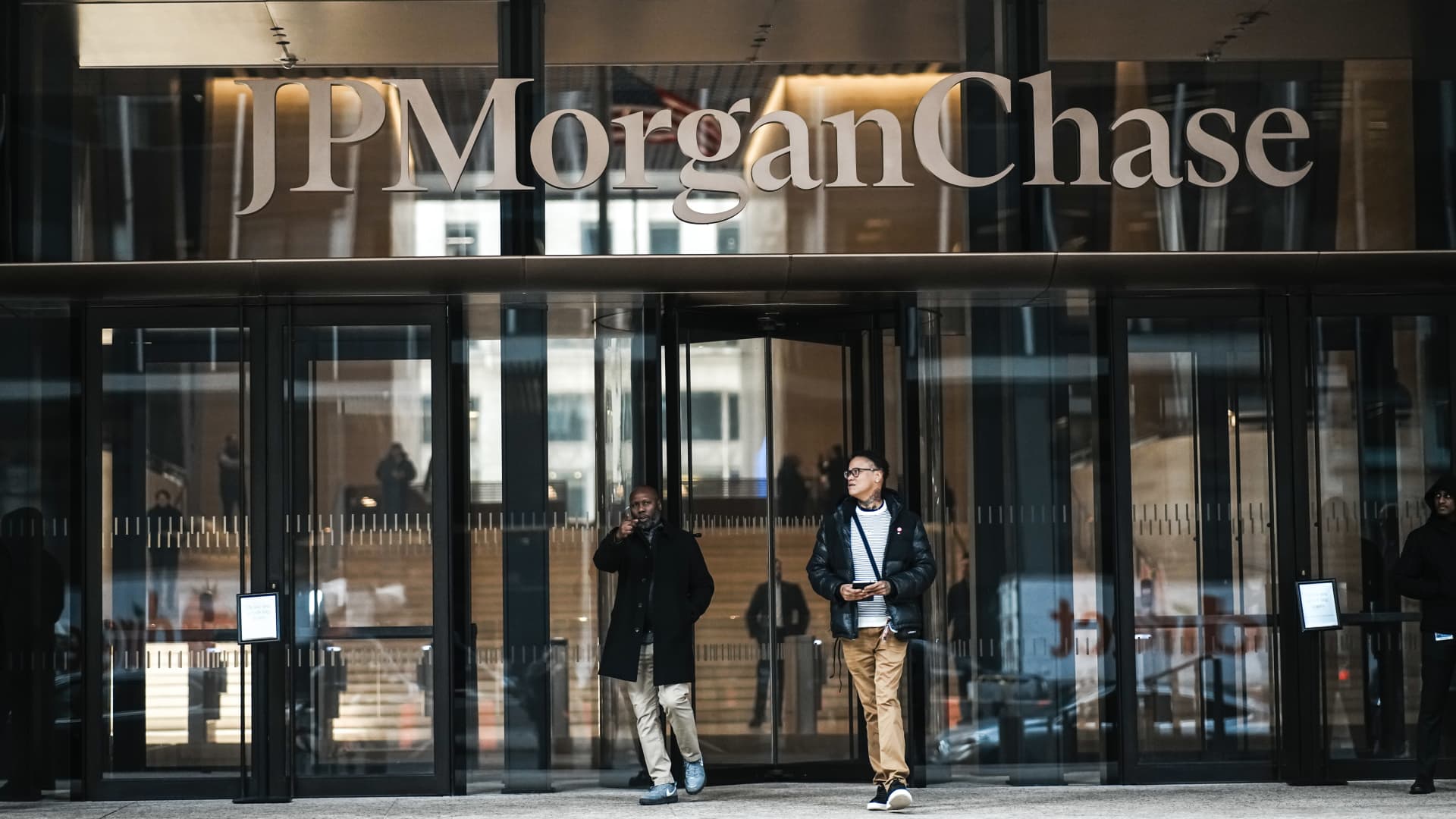
JPMorgan Lowers S&P 500 Year-End Forecast Amid Oil Surge

- S&P 500 Forecast Cut: JPMorgan has revised its year-end S&P 500 forecast down from 7,500 to 7,200, indicating over an 8% upside from Wednesday's close, yet this new target ranks as the second lowest in CNBC's strategist survey, only above Bank of America's 7,100, reflecting a fragile market sentiment.
- Oil Price Surge Risks: Amid the ongoing war in Iran, oil prices have surged to around $111 per barrel, prompting strategist Lakos-Bujas to warn that a spike exceeding 30% typically exacerbates the negative correlation between S&P 500 and oil prices, potentially increasing recession risks.
- Consumer Demand Pressure: Lakos-Bujas emphasizes that investors are underestimating the impact of high oil prices on consumer demand, suggesting that rising prices not only affect inflation but also weaken consumer spending, which historically has led to corporate earnings pressure and recession following oil shocks.
- Technical Weakness: The S&P 500 has fallen below its 200-day moving average, indicating a negative long-term trend, and if investors do not step in, support may only be found between 6,000 and 6,200, representing a potential drop of 6% to 9% from Wednesday's close.
See More
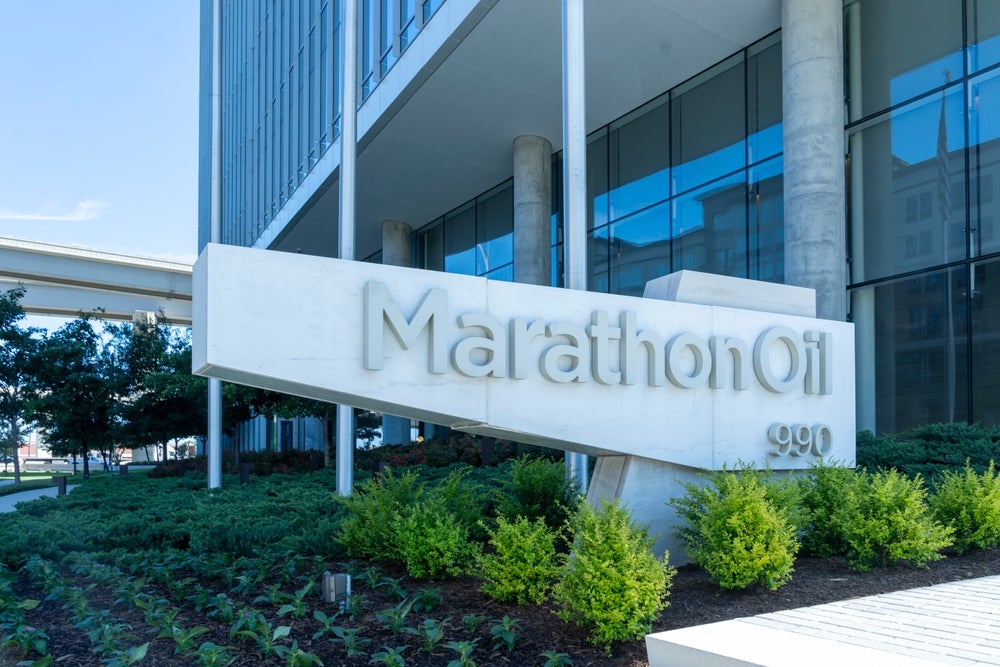
ConocoPhillips to Host Q1 2026 Earnings Call
- Earnings Call Schedule: ConocoPhillips is set to host a conference call on April 30, 2026, at 12:00 p.m. Eastern Time to discuss its Q1 2026 financial and operational results, with the financial data being released before market open to ensure timely information for investors.
- Webcast Access: Investors can register for the webcast through ConocoPhillips' Investor Relations site, with a requirement to register at least 15 minutes prior to the start, facilitating real-time updates and subsequent replays for those unable to attend live.
- Replay and Transcript: The event will be archived for replay later the same day, with a transcript available the following day, ensuring that investors who miss the live session can still access comprehensive information, thereby enhancing transparency and information accessibility.
- Company Background: As a leading global exploration and production company, ConocoPhillips is committed to delivering reliable and responsibly produced oil and gas, with a diverse portfolio and advanced technology positioning the company to meet growing global energy demands and demonstrate sustained financial performance potential.
See More
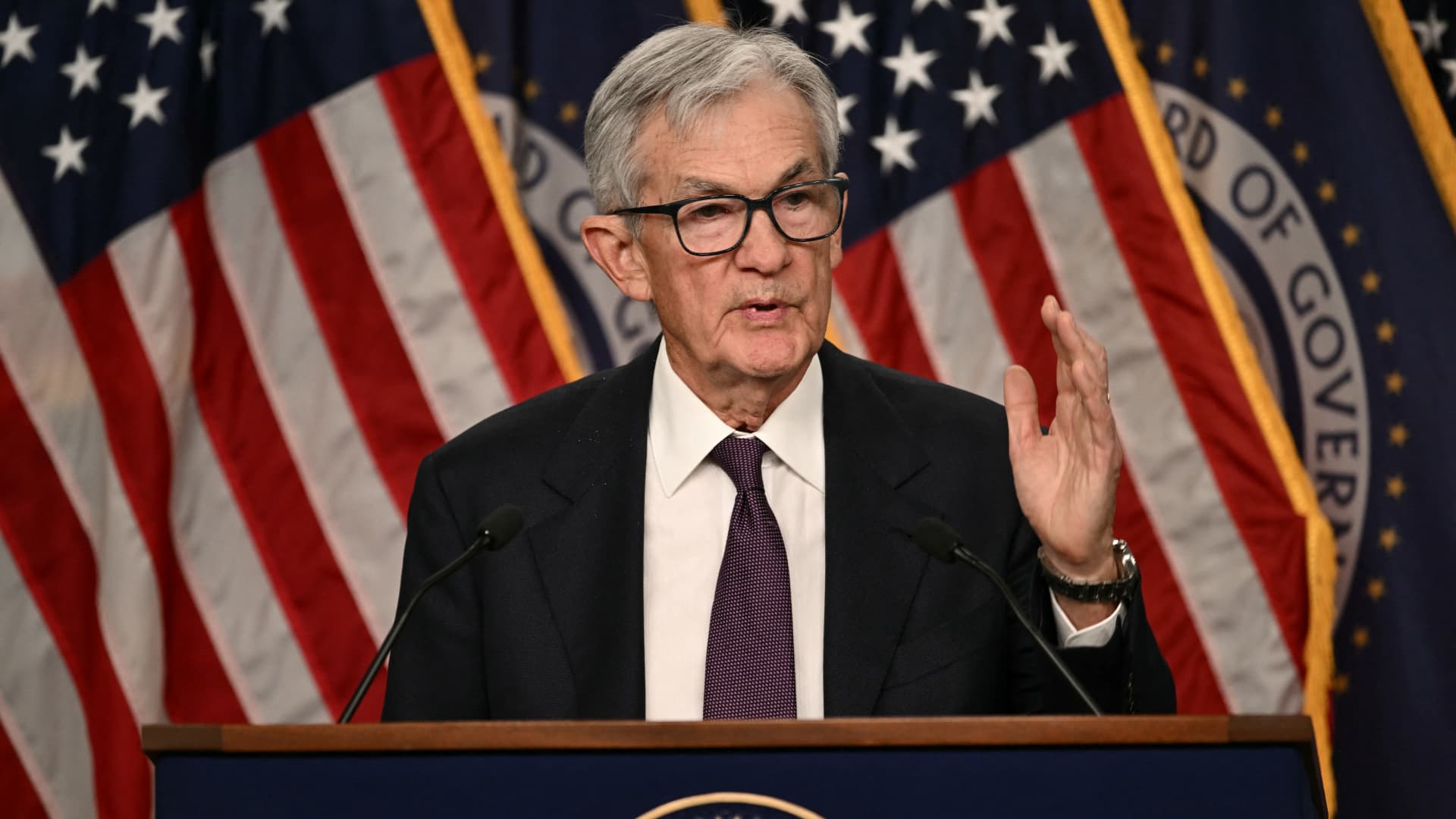
Federal Reserve Holds Rates Steady Amid Inflation Concerns


- Fed Policy Update: The Federal Reserve decided to keep interest rates unchanged at its latest monetary policy meeting, with Chair Powell expressing concerns that inflation has not retreated as hoped, which led to a drop in the Dow Jones to its lowest level of the year, indicating market caution regarding economic outlook.
- Oil Price Volatility: Brent crude futures briefly topped $119 due to Iranian strikes on key energy infrastructure in the Middle East, prompting President Trump to issue a 60-day waiver of the Jones Act to stabilize the volatile oil markets, highlighting government concern over oil price fluctuations.
- Micron's Earnings Surprise: Micron's quarterly revenue nearly tripled year-over-year and is expected to grow over 200% in the current quarter, yet shares fell more than 5% as investors took profits after a 350% stock run, reflecting mixed market sentiment about its future growth potential.
- Amazon-Postal Service Negotiations: Amazon clarified its position regarding reports of reducing package volumes through the U.S. Postal Service, stating it aims to increase volumes under a new agreement, while the Postal Service's contract with Amazon is set to expire at the end of September, indicating tension in their negotiations.
See More

U.S. Treasury Yields Rise Amid Inflation Fears Linked to Iran Conflict

- Yield Increase: On Thursday, U.S. Treasury yields rose across the board, with the 10-year yield up 2 basis points to 4.279% and the 30-year yield increasing by 1 basis point to 4.893%, indicating heightened market concerns over inflation.
- Short-Term Bond Volatility: The 2-year Treasury yield surged by 6 basis points to 3.807%, reflecting investors' sensitivity to the Federal Reserve's interest rate policy and the geopolitical tensions in the Middle East, which may lead to future rate adjustments.
- Fed Policy Impact: The Federal Reserve's decision to hold its key interest rate steady, while expressing uncertainty about the implications of Middle Eastern developments on the U.S. economy, has led to rising expectations for future rate hikes as investors digest this information.
- Global Market Response: The ongoing conflict and surging oil prices prompted major central banks, including those in Japan, Switzerland, and Sweden, to also maintain their interest rates, reflecting a shared concern over energy shocks and inflationary pressures.
See More
Oil Nears $100, Energy Stocks Positioned for Gains
- Oil Price Impact: With oil prices nearing $100 and crossing the three-digit mark multiple times in the past two weeks, the favorable market environment is expected to benefit energy giants like ExxonMobil, Chevron, and ConocoPhillips.
- Performance Review: Despite facing lower earnings in 2025, ExxonMobil's net income fell 14% to $28.84 billion, yet it achieved a record production level of 4.7 million oil-equivalent barrels per day, showcasing its robust production capacity.
- Dividend Stability: Among the three companies, ExxonMobil exhibits the best dividend stability with 43 consecutive years of growth and a 2.64% yield, while its $51.97 billion in annual operating cash flow supports both buyback programs and capital investments, enhancing its financial health.
- Market Outlook: In the context of rising oil prices, ConocoPhillips targets an incremental free cash flow of $7 billion by 2029, while Chevron's acquisition has driven global production growth, indicating potential profitability in a high-price environment.
See More
Stocks Decline as Oil Prices Surge Following Iran's Attack
- Oil Price Surge Impact: Stocks fell as Brent crude briefly hit $119 per barrel following Iran's attack on a key LNG facility in Qatar, causing the S&P 500 to slip below its 200-day moving average for the first time since last May, raising concerns among long-term investors.
- Eli Lilly Drug Study Update: Eli Lilly reported that its Phase 3 study of retatrutide for type 2 diabetes showed superior weight loss compared to Mounjaro over 40 weeks, yet the stock remained stagnant as investors are more focused on the anticipated approval of its new GLP-1 pill next month.
- Nvidia Stock Analysis: Jim Cramer reiterated his
See More
JPMorgan Lowers S&P 500 Year-End Forecast Amid Oil Surge
- S&P 500 Forecast Cut: JPMorgan has revised its year-end S&P 500 forecast down from 7,500 to 7,200, indicating over an 8% upside from Wednesday's close, yet this new target ranks as the second lowest in CNBC's strategist survey, only above Bank of America's 7,100, reflecting a fragile market sentiment.
- Oil Price Surge Risks: Amid the ongoing war in Iran, oil prices have surged to around $111 per barrel, prompting strategist Lakos-Bujas to warn that a spike exceeding 30% typically exacerbates the negative correlation between S&P 500 and oil prices, potentially increasing recession risks.
- Consumer Demand Pressure: Lakos-Bujas emphasizes that investors are underestimating the impact of high oil prices on consumer demand, suggesting that rising prices not only affect inflation but also weaken consumer spending, which historically has led to corporate earnings pressure and recession following oil shocks.
- Technical Weakness: The S&P 500 has fallen below its 200-day moving average, indicating a negative long-term trend, and if investors do not step in, support may only be found between 6,000 and 6,200, representing a potential drop of 6% to 9% from Wednesday's close.
See More
ConocoPhillips to Host Q1 2026 Earnings Call
- Earnings Call Schedule: ConocoPhillips is set to host a conference call on April 30, 2026, at 12:00 p.m. Eastern Time to discuss its Q1 2026 financial and operational results, with the financial data being released before market open to ensure timely information for investors.
- Webcast Access: Investors can register for the webcast through ConocoPhillips' Investor Relations site, with a requirement to register at least 15 minutes prior to the start, facilitating real-time updates and subsequent replays for those unable to attend live.
- Replay and Transcript: The event will be archived for replay later the same day, with a transcript available the following day, ensuring that investors who miss the live session can still access comprehensive information, thereby enhancing transparency and information accessibility.
- Company Background: As a leading global exploration and production company, ConocoPhillips is committed to delivering reliable and responsibly produced oil and gas, with a diverse portfolio and advanced technology positioning the company to meet growing global energy demands and demonstrate sustained financial performance potential.
See More
Federal Reserve Holds Rates Steady Amid Inflation Concerns
- Fed Policy Update: The Federal Reserve decided to keep interest rates unchanged at its latest monetary policy meeting, with Chair Powell expressing concerns that inflation has not retreated as hoped, which led to a drop in the Dow Jones to its lowest level of the year, indicating market caution regarding economic outlook.
- Oil Price Volatility: Brent crude futures briefly topped $119 due to Iranian strikes on key energy infrastructure in the Middle East, prompting President Trump to issue a 60-day waiver of the Jones Act to stabilize the volatile oil markets, highlighting government concern over oil price fluctuations.
- Micron's Earnings Surprise: Micron's quarterly revenue nearly tripled year-over-year and is expected to grow over 200% in the current quarter, yet shares fell more than 5% as investors took profits after a 350% stock run, reflecting mixed market sentiment about its future growth potential.
- Amazon-Postal Service Negotiations: Amazon clarified its position regarding reports of reducing package volumes through the U.S. Postal Service, stating it aims to increase volumes under a new agreement, while the Postal Service's contract with Amazon is set to expire at the end of September, indicating tension in their negotiations.
See More
U.S. Treasury Yields Rise Amid Inflation Fears Linked to Iran Conflict
- Yield Increase: On Thursday, U.S. Treasury yields rose across the board, with the 10-year yield up 2 basis points to 4.279% and the 30-year yield increasing by 1 basis point to 4.893%, indicating heightened market concerns over inflation.
- Short-Term Bond Volatility: The 2-year Treasury yield surged by 6 basis points to 3.807%, reflecting investors' sensitivity to the Federal Reserve's interest rate policy and the geopolitical tensions in the Middle East, which may lead to future rate adjustments.
- Fed Policy Impact: The Federal Reserve's decision to hold its key interest rate steady, while expressing uncertainty about the implications of Middle Eastern developments on the U.S. economy, has led to rising expectations for future rate hikes as investors digest this information.
- Global Market Response: The ongoing conflict and surging oil prices prompted major central banks, including those in Japan, Switzerland, and Sweden, to also maintain their interest rates, reflecting a shared concern over energy shocks and inflationary pressures.
See More