Trade Desk CEO Jeff Green Invests $150M in Stock Purchase


"Yesterday, I announced that this week I made the biggest purchase of my life. I purchased ~$150M of TTD stock. Some called it a record. I said I'd explain why. In short, I'm putting my money where my mouth is," Trade Desk CEO, founder and Chairman Jeff Green said in a blog post. "At The Trade Desk, we have strong convictions about where value in digital marketing is shifting and why... I've never been more convinced that our approach is the right one, and that our people - our greatest asset - will deliver on that promise. That conviction and that promise are what I'm investing in. Let me go a click deeper on why I'm so convinced that future is bright: 1. The AI present. 2. The bigger TAM. I believe in 2026 and 2027 the advertising industry will think about inventory differently - we already do. In addition to CTV and audio (the most effective forms of advertising today), over time TTD will also have access to two new types of highly effective inventory - chatbot inventory and sponsored shopping listings. 3. Wall Street is wrong... Right now, Wall Street has an unprovable bear thesis - "software is dead." There is fear that Claude and tools like it will enable developers to duplicate Salesforce or The Trade Desk. During a time when the market can't prove that thesis wrong, the market and the sector go down. What I think they're missing is that the best companies in the world work hard every day looking for an edge...Of course, there will be new companies and new innovation, but that will usher in new competition. Just as with the rise of the internet, not everything else went away. 4. The trade press is wrong... Some journalists in our industry are unfortunately trying to monetize struggling businesses - and in that environment, clicks are perhaps more important than a deep understanding of our admittedly esoteric industry... 5. Open will make a comeback... The chatbots and operating systems of the future will be more open than closed - in large part because of the innovation that AI ushers in. 6. Our innovation in OpenTTD and agentic. 7. Measurement. Measurement is the most important unsolved problem in advertising. And it's about to change. 8. Amazon DSP is overrated... Interestingly, I suspect Amazon has made more profit from TTD in AWS over the last 16 years than they've made buying non-O&O using their DSP. 9. Our people. 10. Clients and partners."
Trade with 70% Backtested Accuracy
Analyst Views on TTD

About TTD
About the author


The Trade Desk Faces Competitive Pressure but Remains Optimistic

- Increased Competitive Pressure: The Trade Desk's stock has plummeted 66% over the past year, primarily due to pressure from larger rivals like Amazon; despite exceeding Q4 2025 expectations, shares fell 5% due to weak guidance.
- Slowing Revenue Growth: The company's revenue growth for 2025 was only 18%, reaching $2.9 billion, significantly lower than the 26% growth recorded in 2024, indicating a slowdown in momentum amid fierce competition.
- Significant Market Potential: Despite current challenges, the programmatic advertising market is projected to reach $4.4 trillion by 2032, with an estimated annual growth rate of 23%, providing The Trade Desk with opportunities to regain market share.
- Emerging Investment Opportunity: With a price-to-sales ratio of 4, below the tech sector's average of 8.3, analysts suggest this could be an attractive entry point for investors, especially with a 12-month price target of $32 indicating a potential 34% upside.

A Successful Blue-Chip Fund Changes the Game in AI Investments


Performance of Schwab US Dividend Equity ETF: The $88 billion Schwab US Dividend Equity exchange-traded fund is experiencing significant growth this year, surprising many investors.
Investor Expectations: Investors in the fund likely did not anticipate such a dramatic increase in performance, indicating a positive shift in market conditions.
Nvidia Earnings Spark Market Reaction Amid Growth Concerns


- Nvidia Earnings Performance: Nvidia reported $216 billion in revenue for FY 2025, reflecting a 73% year-over-year growth, yet its stock fell 4%, indicating market skepticism about the sustainability of this growth, despite an expected acceleration to 77% next quarter.
- Revenue Growth Context: The company added $85 billion in revenue over the past year, with a net income of $120 billion; however, these impressive figures failed to impress investors, highlighting concerns over high valuations, with a current P/E ratio of 46.
- Competitive Pressure: Nvidia faces increasing competition from the CPU market as AI companies shift their demands, particularly with major firms like Alphabet developing proprietary processors, which could weaken Nvidia's pricing power and impact future market share.
- Mercado Libre Earnings Impact: Mercado Libre's latest earnings report showed a 47% revenue growth, but its net margin fell to 6.4%, leading to an 8% drop in stock price, reflecting market concerns over profitability, especially amid rising credit risks.

US Stocks Plunge Amid Rising Energy Prices and Labor Market Concerns


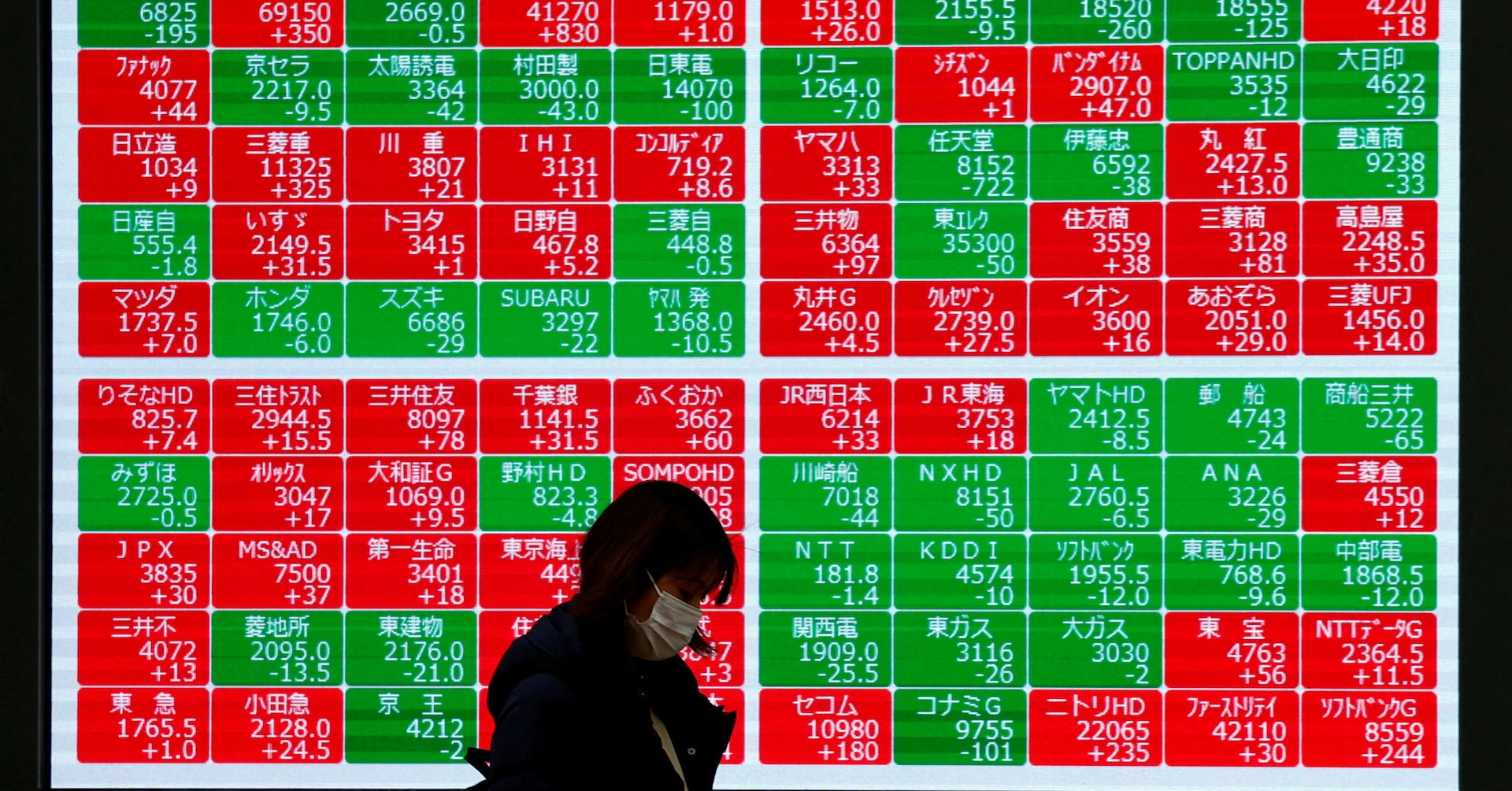
- Market Weakness: The S&P 500 index fell by 1.33%, and the Dow Jones Industrial Average hit a 3.5-month low, reflecting investor concerns over the Middle East conflict potentially driving energy prices higher and sparking inflation risks, which dampens market confidence.
- Disappointing Employment Data: The US nonfarm payrolls unexpectedly dropped by 92,000 in February, with the unemployment rate rising to 4.4%, indicating a weakening labor market that raises doubts about economic health and may lead the Fed to adopt a more cautious approach in future policy adjustments.
- Surge in Energy Prices: WTI crude oil prices surged over 12% to a 2.5-year high as the ongoing Middle East conflict exacerbates supply concerns, which is expected to push global oil prices even higher, impacting profitability across related sectors.
- Corporate Earnings Resilience: Despite the overall market decline, 74% of S&P 500 companies reported earnings that exceeded expectations, with Q4 earnings growth projected at 8.4%, demonstrating a degree of resilience among businesses that may support future market recovery.
NVIDIA Reports Strong Earnings Yet Stock Declines
- Significant Revenue Growth: NVIDIA reported a 73% year-over-year revenue increase in Q4, reaching $216 billion, adding $85 billion in revenue, showcasing strong market performance; however, the stock fell 4%, indicating investor concerns about future growth sustainability.
- Optimistic Future Outlook: NVIDIA expects revenue growth to accelerate to 77% next quarter, although the current growth rate is impressive, analysts express skepticism regarding its sustainability, especially amid increasing competition.
- Intensifying Market Competition: As AI companies shift towards more generalized computing needs, NVIDIA faces competitive pressure from companies like Alphabet, which could impact its pricing power and market share, particularly in the data center chip sector.
- Profitability Risks: Despite NVIDIA achieving $120 billion in net income, its high price-to-earnings ratio of 46 and price-to-sales ratio of 24 raise valuation concerns, prompting investors to carefully assess future profitability and market positioning.

Middle East War Triggers Market Turmoil
- Market Decline: The S&P 500 index fell by 0.95%, the Dow Jones Industrial Average by 1.00%, and the Nasdaq 100 by 0.76%, reflecting market concerns that the ongoing Middle East war could drive energy prices higher, leading to inflation.
- Weak Employment Data: U.S. nonfarm payrolls unexpectedly dropped by 92,000 in February, with the unemployment rate rising to 4.4%, indicating a deteriorating labor market and exacerbating fears of an economic slowdown.
- Surge in Energy Prices: WTI crude oil prices surged over 9% to a 2.25-year high due to the ongoing conflict in the Middle East, raising inflation expectations and diminishing investor confidence in the stock market.
- Corporate Earnings Performance: Despite the overall market weakness, 73% of S&P 500 companies exceeded earnings expectations, with Q4 earnings projected to grow by 8.4%, demonstrating resilience among some firms that may provide future market support.
The Trade Desk Faces Competitive Pressure but Remains Optimistic
- Increased Competitive Pressure: The Trade Desk's stock has plummeted 66% over the past year, primarily due to pressure from larger rivals like Amazon; despite exceeding Q4 2025 expectations, shares fell 5% due to weak guidance.
- Slowing Revenue Growth: The company's revenue growth for 2025 was only 18%, reaching $2.9 billion, significantly lower than the 26% growth recorded in 2024, indicating a slowdown in momentum amid fierce competition.
- Significant Market Potential: Despite current challenges, the programmatic advertising market is projected to reach $4.4 trillion by 2032, with an estimated annual growth rate of 23%, providing The Trade Desk with opportunities to regain market share.
- Emerging Investment Opportunity: With a price-to-sales ratio of 4, below the tech sector's average of 8.3, analysts suggest this could be an attractive entry point for investors, especially with a 12-month price target of $32 indicating a potential 34% upside.
A Successful Blue-Chip Fund Changes the Game in AI Investments
Performance of Schwab US Dividend Equity ETF: The $88 billion Schwab US Dividend Equity exchange-traded fund is experiencing significant growth this year, surprising many investors.
Investor Expectations: Investors in the fund likely did not anticipate such a dramatic increase in performance, indicating a positive shift in market conditions.
Nvidia Earnings Spark Market Reaction Amid Growth Concerns
- Nvidia Earnings Performance: Nvidia reported $216 billion in revenue for FY 2025, reflecting a 73% year-over-year growth, yet its stock fell 4%, indicating market skepticism about the sustainability of this growth, despite an expected acceleration to 77% next quarter.
- Revenue Growth Context: The company added $85 billion in revenue over the past year, with a net income of $120 billion; however, these impressive figures failed to impress investors, highlighting concerns over high valuations, with a current P/E ratio of 46.
- Competitive Pressure: Nvidia faces increasing competition from the CPU market as AI companies shift their demands, particularly with major firms like Alphabet developing proprietary processors, which could weaken Nvidia's pricing power and impact future market share.
- Mercado Libre Earnings Impact: Mercado Libre's latest earnings report showed a 47% revenue growth, but its net margin fell to 6.4%, leading to an 8% drop in stock price, reflecting market concerns over profitability, especially amid rising credit risks.
US Stocks Plunge Amid Rising Energy Prices and Labor Market Concerns
- Market Weakness: The S&P 500 index fell by 1.33%, and the Dow Jones Industrial Average hit a 3.5-month low, reflecting investor concerns over the Middle East conflict potentially driving energy prices higher and sparking inflation risks, which dampens market confidence.
- Disappointing Employment Data: The US nonfarm payrolls unexpectedly dropped by 92,000 in February, with the unemployment rate rising to 4.4%, indicating a weakening labor market that raises doubts about economic health and may lead the Fed to adopt a more cautious approach in future policy adjustments.
- Surge in Energy Prices: WTI crude oil prices surged over 12% to a 2.5-year high as the ongoing Middle East conflict exacerbates supply concerns, which is expected to push global oil prices even higher, impacting profitability across related sectors.
- Corporate Earnings Resilience: Despite the overall market decline, 74% of S&P 500 companies reported earnings that exceeded expectations, with Q4 earnings growth projected at 8.4%, demonstrating a degree of resilience among businesses that may support future market recovery.
NVIDIA Reports Strong Earnings Yet Stock Declines
- Significant Revenue Growth: NVIDIA reported a 73% year-over-year revenue increase in Q4, reaching $216 billion, adding $85 billion in revenue, showcasing strong market performance; however, the stock fell 4%, indicating investor concerns about future growth sustainability.
- Optimistic Future Outlook: NVIDIA expects revenue growth to accelerate to 77% next quarter, although the current growth rate is impressive, analysts express skepticism regarding its sustainability, especially amid increasing competition.
- Intensifying Market Competition: As AI companies shift towards more generalized computing needs, NVIDIA faces competitive pressure from companies like Alphabet, which could impact its pricing power and market share, particularly in the data center chip sector.
- Profitability Risks: Despite NVIDIA achieving $120 billion in net income, its high price-to-earnings ratio of 46 and price-to-sales ratio of 24 raise valuation concerns, prompting investors to carefully assess future profitability and market positioning.
Middle East War Triggers Market Turmoil
- Market Decline: The S&P 500 index fell by 0.95%, the Dow Jones Industrial Average by 1.00%, and the Nasdaq 100 by 0.76%, reflecting market concerns that the ongoing Middle East war could drive energy prices higher, leading to inflation.
- Weak Employment Data: U.S. nonfarm payrolls unexpectedly dropped by 92,000 in February, with the unemployment rate rising to 4.4%, indicating a deteriorating labor market and exacerbating fears of an economic slowdown.
- Surge in Energy Prices: WTI crude oil prices surged over 9% to a 2.25-year high due to the ongoing conflict in the Middle East, raising inflation expectations and diminishing investor confidence in the stock market.
- Corporate Earnings Performance: Despite the overall market weakness, 73% of S&P 500 companies exceeded earnings expectations, with Q4 earnings projected to grow by 8.4%, demonstrating resilience among some firms that may provide future market support.