Toyota Invests $1 Billion to Expand Production in U.S.
Written by Emily J. Thompson, Senior Investment Analyst
Updated: Mar 23 2026
0mins


Should l Buy TM?
Source: CNBC
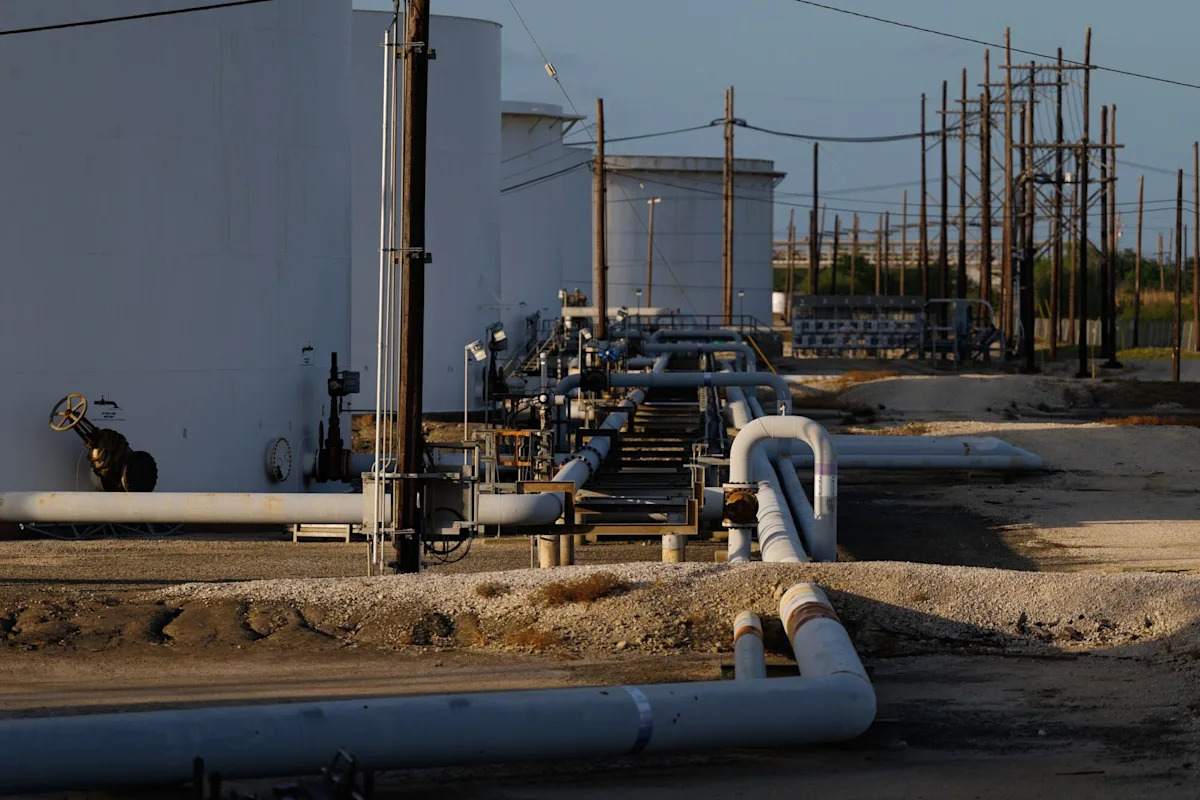
- Long-Term Investment: Toyota announced a $1 billion investment across two U.S. plants as part of a broader plan to invest up to $10 billion domestically over the next five years, reflecting its long-term commitment to the U.S. market.
- Capacity Enhancement: Of this, $800 million will be allocated to the Georgetown, Kentucky plant to boost production capacity for the Camry sedan and RAV4 crossover, which is expected to significantly increase market supply for these models.
- SUV Production Expansion: The remaining $200 million will be directed towards the Princeton, Indiana plant to enhance production capacity for the Toyota Grand Highlander SUV, further addressing the growing demand for larger SUVs in the market.
- Navigating Tariff Challenges: Amidst tariff and trade agreement changes during the Trump administration, which are projected to cost Toyota 1.4 trillion yen this fiscal year, this investment aims to strengthen its production capabilities in the U.S. to mitigate costs.
Trade with 70% Backtested Accuracy
Stop guessing "Should I Buy TM?" and start using high-conviction signals backed by rigorous historical data.
Sign up today to access powerful investing tools and make smarter, data-driven decisions.
Analyst Views on TM
About TM
Toyota Motor Corp is a Japan-based company mainly engaged in the automotive business, as well as financial services and other businesses. It operates through three business segments. The Automotive segment designs, manufactures, and sells automobiles, including sedans, minivans, compact cars, sport utility vehicles (SUVs), and trucks, as well as related parts and accessories. The Financial Services segment provides financing and vehicle leasing services to complement the sales of automobiles and other products manufactured by itself and its affiliates. The Other segment engages in information and communications services. It also oversees manufacturing and sales companies, conducts public relations and research activities, oversees financial companies, and develops various mobility products, primarily software.
About the author

Emily J. Thompson
Emily J. Thompson, a Chartered Financial Analyst (CFA) with 12 years in investment research, graduated with honors from the Wharton School. Specializing in industrial and technology stocks, she provides in-depth analysis for Intellectia’s earnings and market brief reports.
GM CEO Compensation Continues to Rise


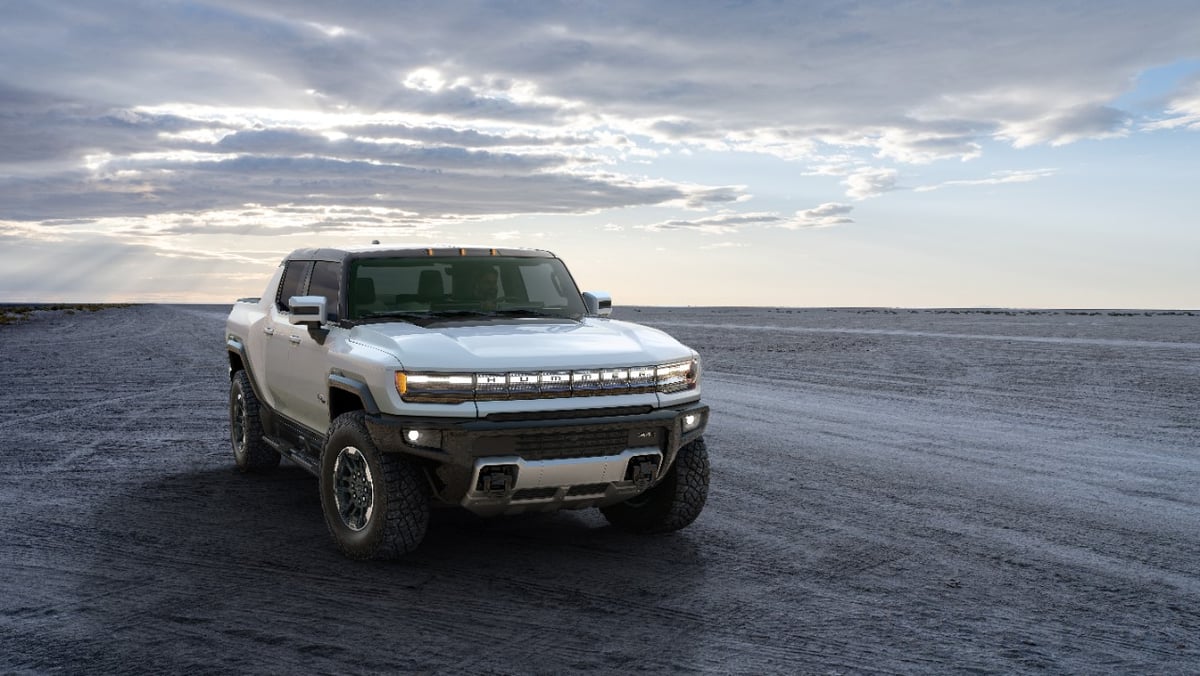
- Compensation Growth: GM CEO Mary Barra earned $29.9 million last year, reflecting a 1.4% increase from the previous year, with her base salary steady at $2.1 million and stock awards rising 11% to $21.6 million, indicating the company's strategy to attract top talent.
- Performance Comparison: Over the past three years, GM has significantly outperformed rivals, nearly tripling its closest competitor's value, particularly amidst volatile EV demand and uncertain trade policies, showcasing its strong market adaptability.
- Peer Compensation Analysis: Ford CEO Jim Farley's compensation also rose by 11% to $27.5 million, yet his performance only met 64% of earnings targets while facing record recalls, highlighting a disparity between executive pay and actual company performance.
- Aligning Shareholder Interests: GM has returned immense value to shareholders through tens of billions in stock buybacks, and while executive compensation may spark debate, the company's strong performance metrics and profitability provide robust justification for such pay.
See More

Mary Barra's $30 Million Pay in 2025 Surpasses Detroit Rivals
- Compensation Growth and Performance: GM CEO Mary Barra's 2025 compensation reached $29.9 million, reflecting a 1.4% increase from the previous year, with her base salary steady at $2.1 million and stock awards rising 11% to $21.6 million, demonstrating the company's commitment to attracting top talent in a competitive landscape.
- Incentive Structure Design: The targets set for GM's 2025 compensation program are designed to motivate management to navigate uncertainties, drive product innovation, and enhance profitability, thereby aligning with shareholder interests and emphasizing the company's focus on long-term value creation.
- Outstanding Market Performance: Over the past three years, GM has significantly outperformed its rivals, nearly tripling the market value of its closest competitor, showcasing the company's successful navigation of volatile electric vehicle demand and trade policy uncertainties, which further solidifies its market position.
- Peer Compensation Comparison: Compared to Ford CEO Jim Farley's $27.5 million compensation, which increased despite Ford only achieving 64% of its earnings targets, Barra's higher pay reflects differing market perceptions regarding executive compensation amidst varying company performances.
See More
Rapid Growth of Hybrid Vehicle Market in India


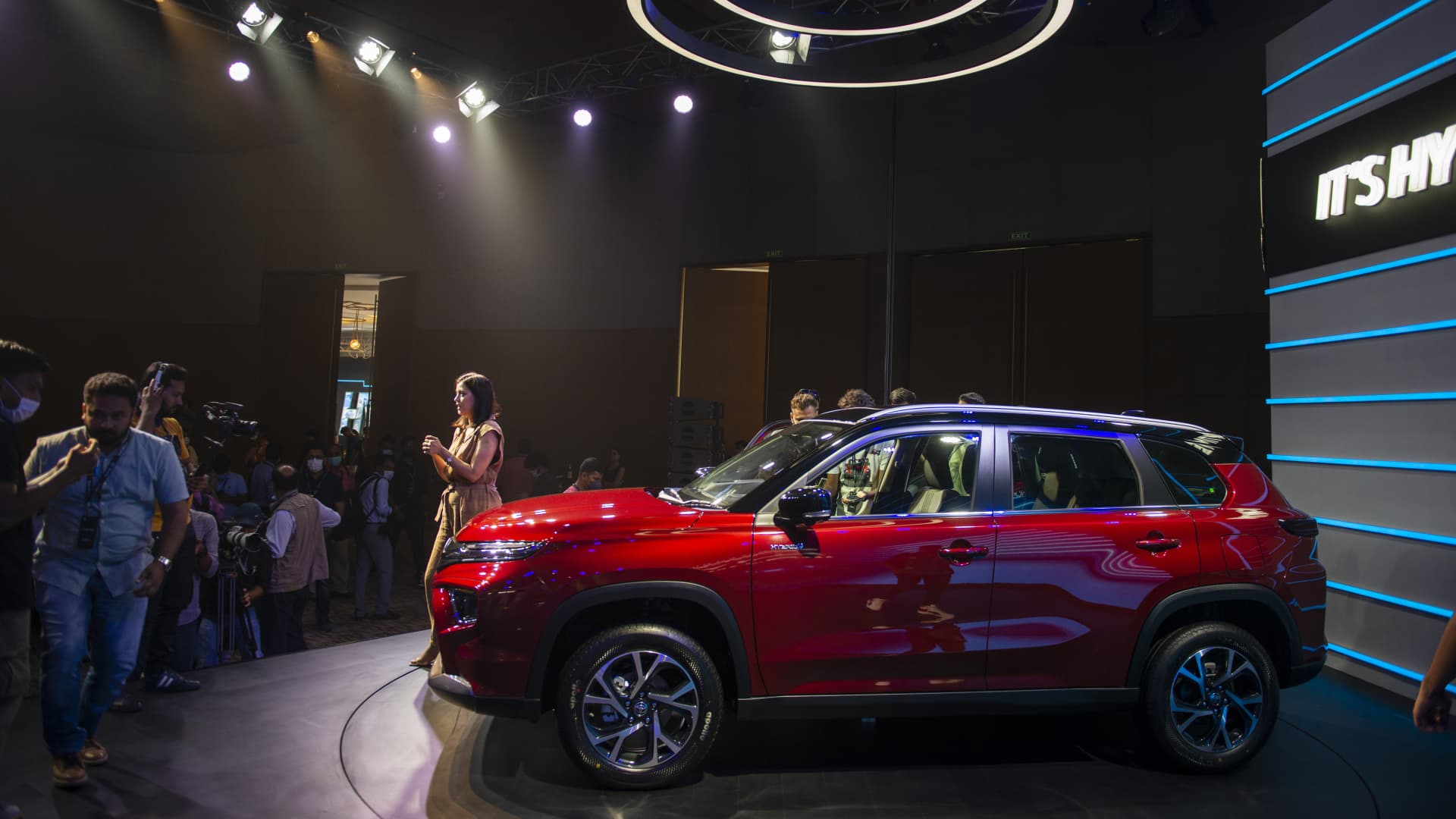
- Surge in Hybrid Sales: According to a report by Care Ratings, hybrid vehicle sales in India reached 362,866 units in the financial year ending March 2026, up nearly fourfold from 98,010 units in 2020, indicating a strong consumer demand for better fuel efficiency, with hybrids expected to account for 10% of total car sales by FY2027.
- Limited EV Market Share: Despite the rising demand for electric vehicles, only 131,865 units are projected to be sold by March 2026, reflecting a consumer preference for hybrids due to concerns over inadequate charging infrastructure.
- Market Leaders: Toyota and Maruti Suzuki dominate the hybrid vehicle market in India, with Toyota selling 366,896 cars including 91,536 strong hybrids in FY2026, while Maruti sold 20,466 strong hybrids, further solidifying their market positions.
- Future Model Launches: Experts predict that more hybrid models will be launched in the next 12 months than in the past five years combined, driven by increasing consumer acceptance of hybrids that require no change in refueling habits, thereby propelling market growth.
See More

Shareholders of HYSETCO Include HY24, Air Liquide, TotalEnergies, and Toyota
Shareholder Actions: Shareholders of HYSYETCO are taking action regarding their investments in the company.
Involvement of Other Companies: The situation involves companies like AIR LIQUIDE, TOTAL ENERGIES, and TOYOTA, indicating a broader industry impact.
See More
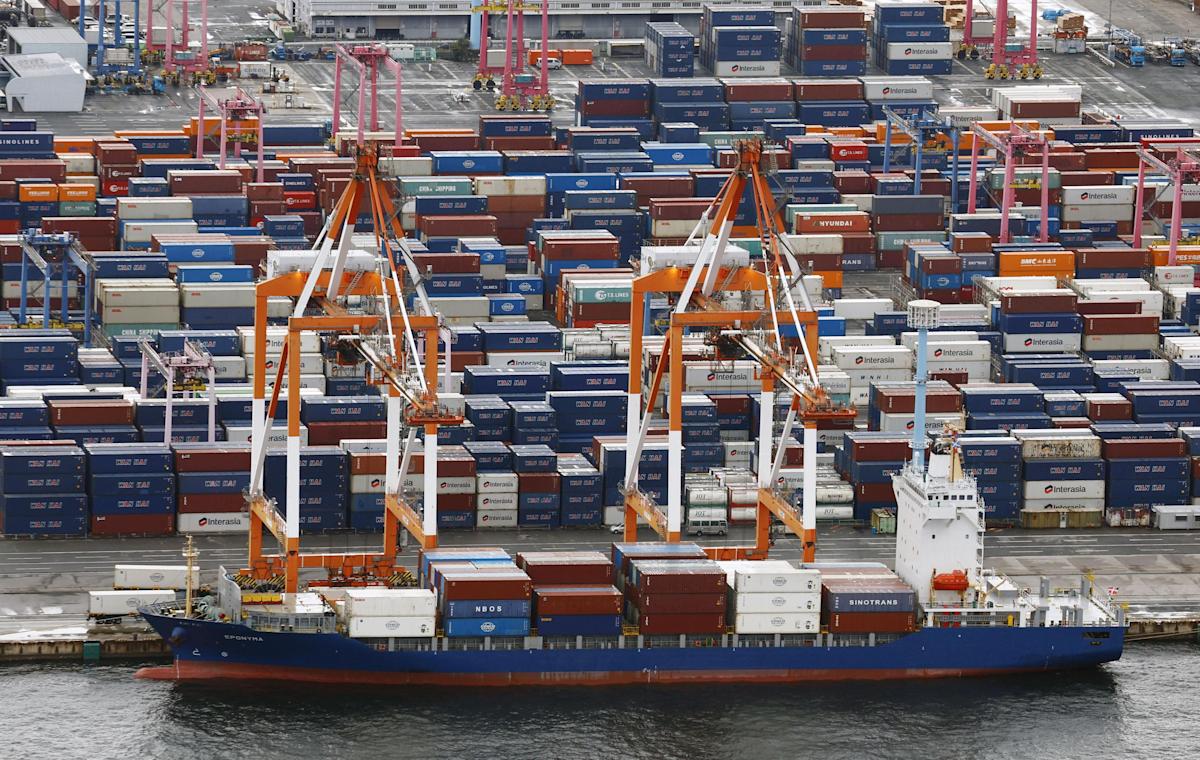
Japan Reports Fifth Consecutive Trade Deficit
- Continued Trade Deficit: Japan's trade deficit reached 1.7 trillion yen ($10.7 billion) for the fiscal year ending in March, marking the fifth consecutive year of deficits, indicating vulnerability in Japan's economy amid global trade challenges.
- Export and Import Trends: While exports rose by 4% year-on-year, imports only increased by 0.5%, suggesting that Japan's competitiveness in the global market is under pressure, particularly with poor performance in the U.S. market.
- Decline in Auto Exports: Overall exports to the U.S. fell by 6.6%, with auto shipments dropping 16%, reflecting the severe impact of President Trump's high tariffs on Japanese automakers, which have had to adapt their production strategies.
- Energy Supply Concerns: The ongoing conflict with Iran has raised uncertainties over oil shipments from the Middle East, prompting the Japanese government to release its 254-day oil reserves to stabilize supplies while exploring alternative routes outside the Strait of Hormuz to mitigate potential energy crises.
See More
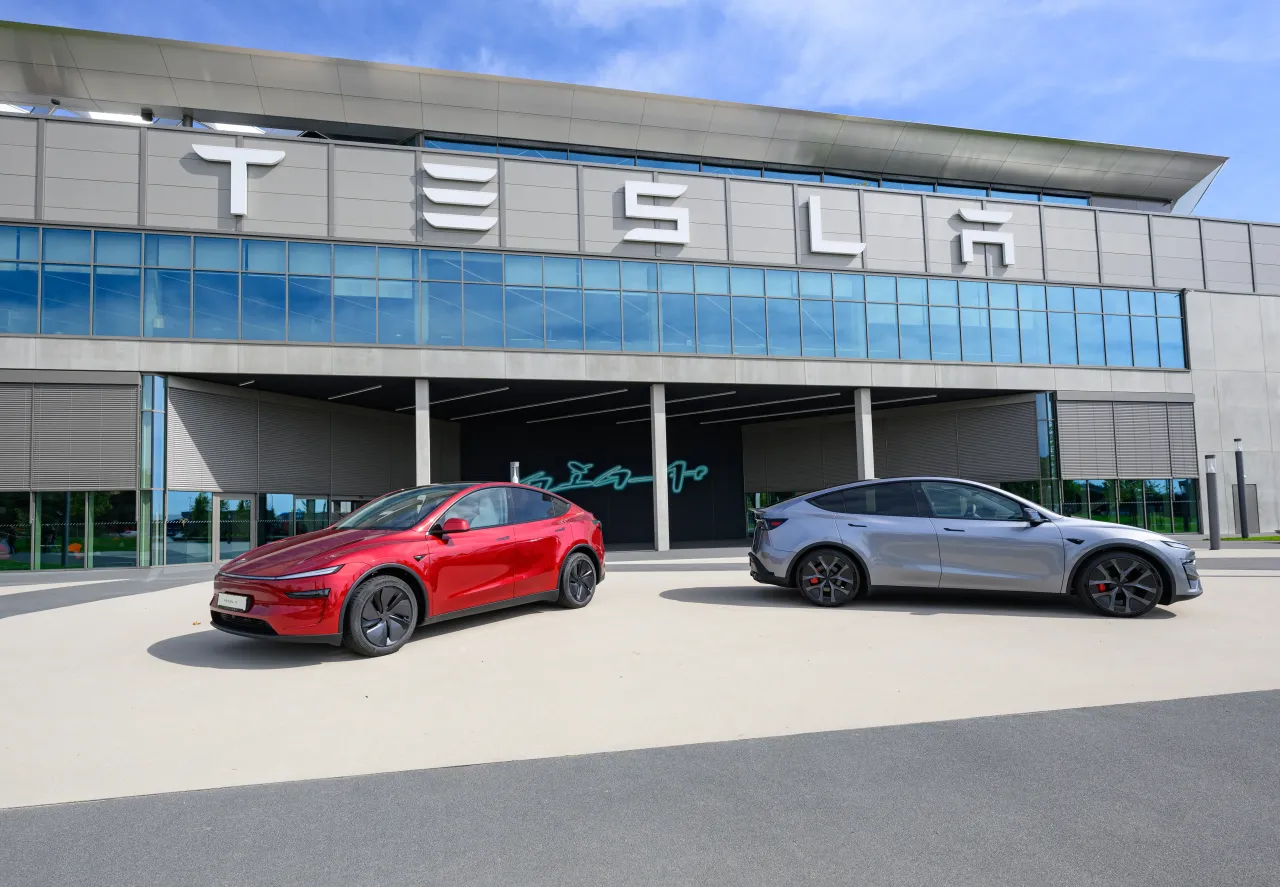
Tesla's Market Share Rises to 56% in California Amid EV Registration Decline

- Market Share Increase: Despite a 40.2% decline in overall EV registrations in California to 57,111 units, Tesla's market share rose to 56%, indicating its strong position in a competitive landscape.
- Registration Decline: According to the California New Car Dealers Association, Tesla's registrations fell to 31,958 vehicles in Q1, a 24% year-over-year drop, reflecting suppressed consumer demand due to the end of federal tax credits and rising purchase costs.
- Future Outlook: Total vehicle registrations in California are expected to decline to 1.74 million by 2026, primarily due to high transaction prices and low consumer confidence, which may exert pressure on Tesla's future sales.
- Retail Sentiment: Despite challenges, retail investor sentiment around Tesla remains in the 'extremely bullish' territory, with anticipation building for the upcoming Q1 earnings report, which is expected to show a 15% revenue increase to $22.34 billion compared to the same quarter last year.
See More
GM CEO Compensation Continues to Rise
- Compensation Growth: GM CEO Mary Barra earned $29.9 million last year, reflecting a 1.4% increase from the previous year, with her base salary steady at $2.1 million and stock awards rising 11% to $21.6 million, indicating the company's strategy to attract top talent.
- Performance Comparison: Over the past three years, GM has significantly outperformed rivals, nearly tripling its closest competitor's value, particularly amidst volatile EV demand and uncertain trade policies, showcasing its strong market adaptability.
- Peer Compensation Analysis: Ford CEO Jim Farley's compensation also rose by 11% to $27.5 million, yet his performance only met 64% of earnings targets while facing record recalls, highlighting a disparity between executive pay and actual company performance.
- Aligning Shareholder Interests: GM has returned immense value to shareholders through tens of billions in stock buybacks, and while executive compensation may spark debate, the company's strong performance metrics and profitability provide robust justification for such pay.
See More
Mary Barra's $30 Million Pay in 2025 Surpasses Detroit Rivals
- Compensation Growth and Performance: GM CEO Mary Barra's 2025 compensation reached $29.9 million, reflecting a 1.4% increase from the previous year, with her base salary steady at $2.1 million and stock awards rising 11% to $21.6 million, demonstrating the company's commitment to attracting top talent in a competitive landscape.
- Incentive Structure Design: The targets set for GM's 2025 compensation program are designed to motivate management to navigate uncertainties, drive product innovation, and enhance profitability, thereby aligning with shareholder interests and emphasizing the company's focus on long-term value creation.
- Outstanding Market Performance: Over the past three years, GM has significantly outperformed its rivals, nearly tripling the market value of its closest competitor, showcasing the company's successful navigation of volatile electric vehicle demand and trade policy uncertainties, which further solidifies its market position.
- Peer Compensation Comparison: Compared to Ford CEO Jim Farley's $27.5 million compensation, which increased despite Ford only achieving 64% of its earnings targets, Barra's higher pay reflects differing market perceptions regarding executive compensation amidst varying company performances.
See More
Rapid Growth of Hybrid Vehicle Market in India
- Surge in Hybrid Sales: According to a report by Care Ratings, hybrid vehicle sales in India reached 362,866 units in the financial year ending March 2026, up nearly fourfold from 98,010 units in 2020, indicating a strong consumer demand for better fuel efficiency, with hybrids expected to account for 10% of total car sales by FY2027.
- Limited EV Market Share: Despite the rising demand for electric vehicles, only 131,865 units are projected to be sold by March 2026, reflecting a consumer preference for hybrids due to concerns over inadequate charging infrastructure.
- Market Leaders: Toyota and Maruti Suzuki dominate the hybrid vehicle market in India, with Toyota selling 366,896 cars including 91,536 strong hybrids in FY2026, while Maruti sold 20,466 strong hybrids, further solidifying their market positions.
- Future Model Launches: Experts predict that more hybrid models will be launched in the next 12 months than in the past five years combined, driven by increasing consumer acceptance of hybrids that require no change in refueling habits, thereby propelling market growth.
See More
Shareholders of HYSETCO Include HY24, Air Liquide, TotalEnergies, and Toyota
Shareholder Actions: Shareholders of HYSYETCO are taking action regarding their investments in the company.
Involvement of Other Companies: The situation involves companies like AIR LIQUIDE, TOTAL ENERGIES, and TOYOTA, indicating a broader industry impact.
See More
Japan Reports Fifth Consecutive Trade Deficit
- Continued Trade Deficit: Japan's trade deficit reached 1.7 trillion yen ($10.7 billion) for the fiscal year ending in March, marking the fifth consecutive year of deficits, indicating vulnerability in Japan's economy amid global trade challenges.
- Export and Import Trends: While exports rose by 4% year-on-year, imports only increased by 0.5%, suggesting that Japan's competitiveness in the global market is under pressure, particularly with poor performance in the U.S. market.
- Decline in Auto Exports: Overall exports to the U.S. fell by 6.6%, with auto shipments dropping 16%, reflecting the severe impact of President Trump's high tariffs on Japanese automakers, which have had to adapt their production strategies.
- Energy Supply Concerns: The ongoing conflict with Iran has raised uncertainties over oil shipments from the Middle East, prompting the Japanese government to release its 254-day oil reserves to stabilize supplies while exploring alternative routes outside the Strait of Hormuz to mitigate potential energy crises.
See More
Tesla's Market Share Rises to 56% in California Amid EV Registration Decline
- Market Share Increase: Despite a 40.2% decline in overall EV registrations in California to 57,111 units, Tesla's market share rose to 56%, indicating its strong position in a competitive landscape.
- Registration Decline: According to the California New Car Dealers Association, Tesla's registrations fell to 31,958 vehicles in Q1, a 24% year-over-year drop, reflecting suppressed consumer demand due to the end of federal tax credits and rising purchase costs.
- Future Outlook: Total vehicle registrations in California are expected to decline to 1.74 million by 2026, primarily due to high transaction prices and low consumer confidence, which may exert pressure on Tesla's future sales.
- Retail Sentiment: Despite challenges, retail investor sentiment around Tesla remains in the 'extremely bullish' territory, with anticipation building for the upcoming Q1 earnings report, which is expected to show a 15% revenue increase to $22.34 billion compared to the same quarter last year.
See More