Western Union Co Reports Q3 Profit Decline, Exceeding Expectations
Written by Emily J. Thompson, Senior Investment Analyst
Updated: Oct 23 2025
0mins
Should l Buy WU?
Source: NASDAQ.COM
Earnings Report: Western Union Co reported third-quarter earnings of $139.6 million, or $0.43 per share, down from $264.8 million, or $0.78 per share, in the same period last year, but exceeded analysts' expectations.
Adjusted Earnings: Excluding special items, the company reported adjusted earnings of $151.2 million, or $0.47 per share, compared to an expected $0.43 per share by analysts.
Revenue Performance: The company's revenue slightly decreased by 0.4% to $1.032 billion from $1.036 billion in the previous year.
Future Guidance: Western Union provided full-year EPS guidance of $1.65 - $1.75 and revenue guidance of $4.085 - $4.185 billion.
Trade with 70% Backtested Accuracy
Stop guessing "Should I Buy WU?" and start using high-conviction signals backed by rigorous historical data.
Sign up today to access powerful investing tools and make smarter, data-driven decisions.
Analyst Views on WU
Wall Street analysts forecast WU stock price to rise
11 Analyst Rating
0 Buy
7 Hold
4 Sell
Moderate Sell
Current: 8.990

Low
7.00
Averages
9.00
High
10.00
Current: 8.990
Low
7.00
Averages
9.00
High
10.00
About WU
The Western Union Company is a provider of cross-border, cross-currency money movement, payments, and digital financial services, empowering consumers, businesses, financial institutions, and governments. Its segments include Consumer Money Transfer and Consumer Services. The Consumer Money Transfer segment facilitates money transfers, which are primarily sent from its retail agent and owned locations worldwide or through Websites and mobile devices. Its money transfer service is provided through one interconnected global network. This service is available for international cross-border transfers and, in certain countries, intra-country transfers. The Consumer Services segment includes the Company’s bill payment services, money order services, retail foreign exchange services, media network, prepaid cards, lending partnerships, and digital wallets. The Company provides its services primarily through a network of agent locations in more than 200 countries and territories.
About the author

Emily J. Thompson
Emily J. Thompson, a Chartered Financial Analyst (CFA) with 12 years in investment research, graduated with honors from the Wharton School. Specializing in industrial and technology stocks, she provides in-depth analysis for Intellectia’s earnings and market brief reports.

Surge in India's Gold Loan Market Driven by Households' $5 Trillion Reserves


- Gold Loan Surge: Indian households possess over 34,000 tons of gold valued at approximately $5 trillion, driving rapid growth in the gold loan industry, which is becoming a significant part of the retail credit market.
- Doubling Loan Volume: RBI data shows gold loans more than doubled in one year to 4 trillion rupees ($43.3 billion), making it the largest retail loan segment after home and vehicle loans.
- International Investor Interest: Global private equity firm Bain Capital plans to acquire a 41.7% stake in Manappuram Finance, indicating strong confidence and market potential in India's traditional assets from international investors.
- Credit Accessibility: Most non-banking financial companies (NBFCs) can disburse loans within an hour of customer arrival, allowing even borrowers with poor credit scores to access loans at better rates, reflecting the maturity of the financial market.
See More

Analysis of High-Yield Stock Investment Strategies


- Western Union's Transformation: Western Union has made significant strides in its digital transformation, with operating cash flow increasing from $406 million to $544 million last year, driving a 15% revenue growth in consumer services and a 72% increase in operating income, demonstrating its adaptability in the competitive fintech market.
- Stable High Dividend: With a dividend yield of 9.86%, Western Union has maintained its dividend at $0.235 per share since 2021 despite not raising it in five years, indicating the company's ability to sustain high dividend payments during its transition, with potential for future increases.
- HP's Dividend Commitment: HP Inc. offers a dividend yield of 6.39% and has raised its dividend for 15 consecutive years, reflecting a strong commitment to shareholder returns, while a payout ratio of 36% ensures the sustainability of its dividends.
- Cost Control and Growth Potential: HP plans to cut $1 billion in expenses by 2028, including $250 million in 2026, while robust sales growth of its new AI computers positions the company for future earnings growth, enhancing investor confidence in its financial outlook.
See More

Western Union and HP Show Strong Dividend Performance
- Western Union Dividend Advantage: Western Union boasts a dividend yield of 9.66%, and despite not raising its dividend in five years, its stability and digital transformation strategy suggest that this high yield is secure, likely continuing to attract income investors.
- HP Dividend Growth Potential: HP offers a dividend yield of 6.39% and has raised its dividend for 15 consecutive years, with a low payout ratio of 36% indicating strong sustainability; it anticipates free cash flow of $2.8 billion to $3 billion in 2026, supporting future dividend increases.
- Digital Transformation Drive: Western Union has made significant strides in its digital transformation, with consumer services revenue climbing 15% and operating income soaring 72%, demonstrating the company's adaptability and future growth potential amid fintech competition.
- HP Cost Control Strategy: HP plans to cut $1 billion in expenses by 2028, including $250 million in 2026, which will help enhance profitability and capitalize on growth opportunities during the five-year buying cycle in the PC market.
See More

Western Union Appoints Milind Pant as Independent Director
- New Board Member: Western Union has appointed Milind Pant, a 55-year-old distinguished global business leader, as an independent director effective immediately, bringing extensive experience across consumer goods, services, and health sectors to the board.
- Digital Transformation Expert: As the former CEO of Amway, Pant successfully shifted the company from legacy direct selling to a consumer health focus while championing digital commerce, empowering over a million micro-entrepreneurs, which is expected to significantly bolster Western Union's digital strategy.
- Global Perspective: Pant previously served as President of Pizza Hut International, where he led the brand's transition to a modern fast-casual delivery model, and as President and COO of Yum! China, managing a $6 billion business, providing valuable insights for Western Union's global expansion efforts.
- Strategic Committee Roles: Pant will also serve on the Audit and Compliance Committees effective immediately, and his experience in these critical areas is anticipated to enhance corporate governance and compliance, thereby strengthening shareholder and customer trust.
See More

India Reassesses Trade Corridors Amid U.S.-Israel War

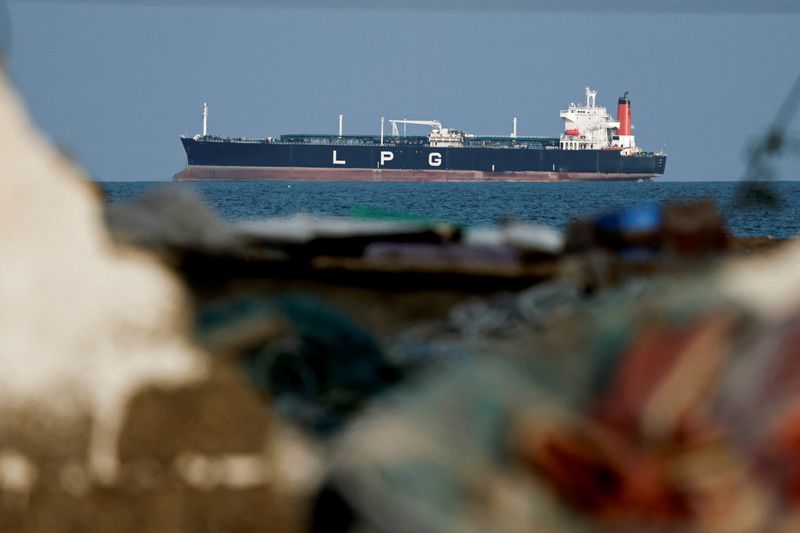
- Trade Corridor Reevaluation: In light of the U.S.-Israel war, India is reassessing its strategic trade corridors with Iran, particularly the International North-South Transport Corridor and the India-Middle East-Europe Economic Corridor, with the latter seen as having greater potential to support India's export ambitions.
- Support for IMEC: The IMEC corridor is backed by powerful allies, with former President Trump calling it 'one of the greatest trade routes in history' and Israeli Prime Minister Netanyahu describing it as 'the largest cooperation project in our history', highlighting its strategic significance.
- Cost and Time Advantages: IMEC is expected to reduce logistical costs by up to 30% and transportation time by 40% compared to traditional routes like the Suez Canal, which is particularly crucial given the current disruptions caused by the Middle East conflict.
- Challenges of Regional Stability: Despite the clear advantages of IMEC, experts warn that its success hinges on regional stability, which is currently in short supply, potentially impacting its future trajectory.
See More
India Faces Economic Fallout from Middle East Conflict
- Remittance Dependency: India is the largest recipient of remittances globally, accounting for 3.5% of GDP, which is higher than the 2% share from exports to the U.S., highlighting the critical role of remittances in supporting India's economy.
- Gulf Contribution: According to a Citi report, remittances from Gulf countries contribute 38% of India's total inflows, with $51.4 billion out of $135.4 billion in FY2025 coming from this region, underscoring its significance to India's financial stability.
- External Pressure Risks: Experts warn that a prolonged conflict in the Middle East could sharply reduce remittance inflows, and combined with rising oil prices, this would exacerbate India's external economic pressures, potentially impacting the rupee.
- Growth Outlook: Despite potential short-term shocks to remittances, experts believe that if the conflict does not persist, India's economy is expected to maintain growth, with a projected growth rate of 7.8% in 2025.
See More
Surge in India's Gold Loan Market Driven by Households' $5 Trillion Reserves
- Gold Loan Surge: Indian households possess over 34,000 tons of gold valued at approximately $5 trillion, driving rapid growth in the gold loan industry, which is becoming a significant part of the retail credit market.
- Doubling Loan Volume: RBI data shows gold loans more than doubled in one year to 4 trillion rupees ($43.3 billion), making it the largest retail loan segment after home and vehicle loans.
- International Investor Interest: Global private equity firm Bain Capital plans to acquire a 41.7% stake in Manappuram Finance, indicating strong confidence and market potential in India's traditional assets from international investors.
- Credit Accessibility: Most non-banking financial companies (NBFCs) can disburse loans within an hour of customer arrival, allowing even borrowers with poor credit scores to access loans at better rates, reflecting the maturity of the financial market.
See More
Analysis of High-Yield Stock Investment Strategies
- Western Union's Transformation: Western Union has made significant strides in its digital transformation, with operating cash flow increasing from $406 million to $544 million last year, driving a 15% revenue growth in consumer services and a 72% increase in operating income, demonstrating its adaptability in the competitive fintech market.
- Stable High Dividend: With a dividend yield of 9.86%, Western Union has maintained its dividend at $0.235 per share since 2021 despite not raising it in five years, indicating the company's ability to sustain high dividend payments during its transition, with potential for future increases.
- HP's Dividend Commitment: HP Inc. offers a dividend yield of 6.39% and has raised its dividend for 15 consecutive years, reflecting a strong commitment to shareholder returns, while a payout ratio of 36% ensures the sustainability of its dividends.
- Cost Control and Growth Potential: HP plans to cut $1 billion in expenses by 2028, including $250 million in 2026, while robust sales growth of its new AI computers positions the company for future earnings growth, enhancing investor confidence in its financial outlook.
See More
Western Union and HP Show Strong Dividend Performance
- Western Union Dividend Advantage: Western Union boasts a dividend yield of 9.66%, and despite not raising its dividend in five years, its stability and digital transformation strategy suggest that this high yield is secure, likely continuing to attract income investors.
- HP Dividend Growth Potential: HP offers a dividend yield of 6.39% and has raised its dividend for 15 consecutive years, with a low payout ratio of 36% indicating strong sustainability; it anticipates free cash flow of $2.8 billion to $3 billion in 2026, supporting future dividend increases.
- Digital Transformation Drive: Western Union has made significant strides in its digital transformation, with consumer services revenue climbing 15% and operating income soaring 72%, demonstrating the company's adaptability and future growth potential amid fintech competition.
- HP Cost Control Strategy: HP plans to cut $1 billion in expenses by 2028, including $250 million in 2026, which will help enhance profitability and capitalize on growth opportunities during the five-year buying cycle in the PC market.
See More
Western Union Appoints Milind Pant as Independent Director
- New Board Member: Western Union has appointed Milind Pant, a 55-year-old distinguished global business leader, as an independent director effective immediately, bringing extensive experience across consumer goods, services, and health sectors to the board.
- Digital Transformation Expert: As the former CEO of Amway, Pant successfully shifted the company from legacy direct selling to a consumer health focus while championing digital commerce, empowering over a million micro-entrepreneurs, which is expected to significantly bolster Western Union's digital strategy.
- Global Perspective: Pant previously served as President of Pizza Hut International, where he led the brand's transition to a modern fast-casual delivery model, and as President and COO of Yum! China, managing a $6 billion business, providing valuable insights for Western Union's global expansion efforts.
- Strategic Committee Roles: Pant will also serve on the Audit and Compliance Committees effective immediately, and his experience in these critical areas is anticipated to enhance corporate governance and compliance, thereby strengthening shareholder and customer trust.
See More
India Reassesses Trade Corridors Amid U.S.-Israel War
- Trade Corridor Reevaluation: In light of the U.S.-Israel war, India is reassessing its strategic trade corridors with Iran, particularly the International North-South Transport Corridor and the India-Middle East-Europe Economic Corridor, with the latter seen as having greater potential to support India's export ambitions.
- Support for IMEC: The IMEC corridor is backed by powerful allies, with former President Trump calling it 'one of the greatest trade routes in history' and Israeli Prime Minister Netanyahu describing it as 'the largest cooperation project in our history', highlighting its strategic significance.
- Cost and Time Advantages: IMEC is expected to reduce logistical costs by up to 30% and transportation time by 40% compared to traditional routes like the Suez Canal, which is particularly crucial given the current disruptions caused by the Middle East conflict.
- Challenges of Regional Stability: Despite the clear advantages of IMEC, experts warn that its success hinges on regional stability, which is currently in short supply, potentially impacting its future trajectory.
See More
India Faces Economic Fallout from Middle East Conflict
- Remittance Dependency: India is the largest recipient of remittances globally, accounting for 3.5% of GDP, which is higher than the 2% share from exports to the U.S., highlighting the critical role of remittances in supporting India's economy.
- Gulf Contribution: According to a Citi report, remittances from Gulf countries contribute 38% of India's total inflows, with $51.4 billion out of $135.4 billion in FY2025 coming from this region, underscoring its significance to India's financial stability.
- External Pressure Risks: Experts warn that a prolonged conflict in the Middle East could sharply reduce remittance inflows, and combined with rising oil prices, this would exacerbate India's external economic pressures, potentially impacting the rupee.
- Growth Outlook: Despite potential short-term shocks to remittances, experts believe that if the conflict does not persist, India's economy is expected to maintain growth, with a projected growth rate of 7.8% in 2025.
See More