Three Growth Stocks to Buy and Hold Long-Term
Written by Emily J. Thompson, Senior Investment Analyst
Updated: Feb 21 2026
0mins


Should l Buy AMZN?
Source: Fool
- Alphabet's Investment Outlook: Alphabet plans to significantly increase its AI infrastructure spending in 2026, and despite strong Q4 results, its stock declined due to market concerns over increased expenditures, highlighting a short-sighted view of future growth opportunities and a misunderstanding of the company's strategic direction.
- Amazon's Capital Expenditure: Amazon's projected capital expenditures of approximately $200 billion in 2026, primarily for expanding AI infrastructure at AWS, slightly missed Wall Street's expectations; however, CEO Andy Jassy emphasized the company's rapid monetization of capacity, indicating a deep understanding of market demand by management.
- BeOne Medicines' Growth Potential: BeOne Medicines continues to see skyrocketing sales of its blood cancer therapy, Brukinsa, with expectations to announce Phase 3 study results for MCL in the first half of 2026, showcasing the company's strong momentum in innovative drug development.
- Regulatory Approval Opportunities: BeOne also aims to secure U.S. regulatory approval for sonrotoclax in the first half of 2026 and plans to file for accelerated approval of BGB-16673 in the second half of 2026, reflecting the company's ongoing innovation and competitive edge in blood cancer treatment.
Trade with 70% Backtested Accuracy
Stop guessing "Should I Buy AMZN?" and start using high-conviction signals backed by rigorous historical data.
Sign up today to access powerful investing tools and make smarter, data-driven decisions.
Analyst Views on AMZN
Wall Street analysts forecast AMZN stock price to rise
44 Analyst Rating
41 Buy
3 Hold
0 Sell
Strong Buy
Current: 250.560

Low
175.00
Averages
280.01
High
325.00
Current: 250.560
Low
175.00
Averages
280.01
High
325.00
About AMZN
Amazon.com, Inc. provides a range of products and services to customers. The products offered through its stores include merchandise and content it has purchased for resale and products offered by third-party sellers. The Company’s segments include North America, International and Amazon Web Services (AWS). It serves consumers through its online and physical stores and focuses on selection, price, and convenience. Customers access its offerings through its websites, mobile apps, Alexa, devices, streaming, and physically visiting its stores. It also manufactures and sells electronic devices, including Kindle, Fire tablet, Fire TV, Echo, Ring, Blink, and eero, and develops and produces media content. It serves developers and enterprises of all sizes, including start-ups, government agencies, and academic institutions, through AWS, which offers a set of on-demand technology services, including compute, storage, database, analytics, and machine learning, and other services.
About the author

Emily J. Thompson
Emily J. Thompson, a Chartered Financial Analyst (CFA) with 12 years in investment research, graduated with honors from the Wharton School. Specializing in industrial and technology stocks, she provides in-depth analysis for Intellectia’s earnings and market brief reports.

Amazon's Cloud Computing Business Sees Strong Growth

- Profit Contribution from Cloud: In Q4, Amazon Web Services (AWS) accounted for 50% of Amazon's operating profits despite only representing 17% of total sales, highlighting its immense potential as a profit driver and expected acceleration in growth.
- Significant Revenue Growth: AWS achieved a 24% revenue growth in Q4, marking its best performance in over three years, indicating strong market demand and the likelihood of continued profit increases for Amazon.
- Capital Expenditure Plans: Amazon plans to invest up to $200 billion in infrastructure expansion, which has raised some concerns; however, the company asserts that the long-term benefits to free cash flow will be substantial as AWS grows rapidly.
- Valuation Advantage: Amazon's operating cash flow multiple stands at 19 times, significantly lower than Apple's 29 times and Alphabet's 25 times, suggesting that now remains an opportune time to invest in Amazon, especially with AWS poised for explosive growth.
See More
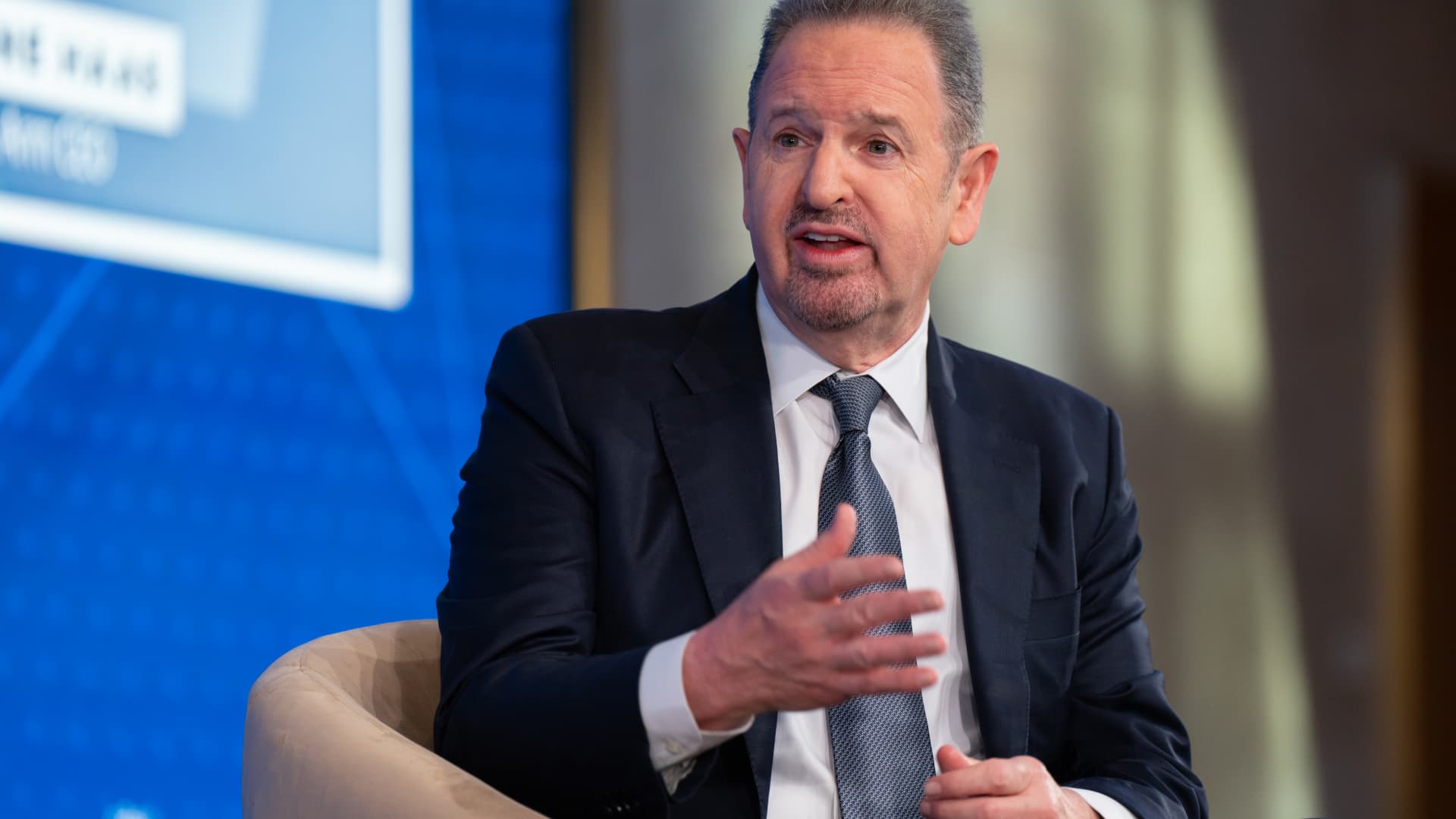
Jim Cramer's Trust Initiates Position in Arm Holdings


- Investment Initiation: Jim Cramer's Charitable Trust has purchased 225 shares of Arm Holdings, representing about 1% of the portfolio, indicating strong confidence in the company and potential stock price appreciation.
- Product Innovation: At the ARM Everywhere event, Arm unveiled its first in-house data center CPU, the AGI, marking a significant shift from solely licensing designs to manufacturing its own chips, which is expected to enhance its competitive position in the market.
- Surging Market Demand: With the rise in AI demand, Arm anticipates that data centers will require four times the number of CPU cores, highlighting the critical role of its products in the future AI ecosystem and potentially generating over $1 billion in chip demand.
- Optimistic Financial Outlook: Arm expects to achieve $25 billion in revenue by fiscal year 2031, with $15 billion coming from its newly launched chips, indicating strong growth potential, while management projects a 20% compound annual growth rate for royalty revenue over the next five years.
See More

California Sues Amazon for Alleged Price Fixing

- Price Fixing Allegations: California Attorney General Rob Bonta alleges that Amazon colluded with merchants like Levi Strauss to pressure competitors such as Walmart and Home Depot to raise prices, indicating Amazon's manipulative behavior in the market.
- Lawsuit Details Unveiled: In a 3.5-year antitrust lawsuit, numerous instances of alleged price-fixing were disclosed, including interventions on khaki pants, fertilizers, and pet food prices, demonstrating Amazon's tactics to maintain its market dominance through price manipulation.
- Profit Recovery Demands: Bonta's lawsuit seeks not only to halt Amazon's alleged price-fixing but also to recover what he termed
See More
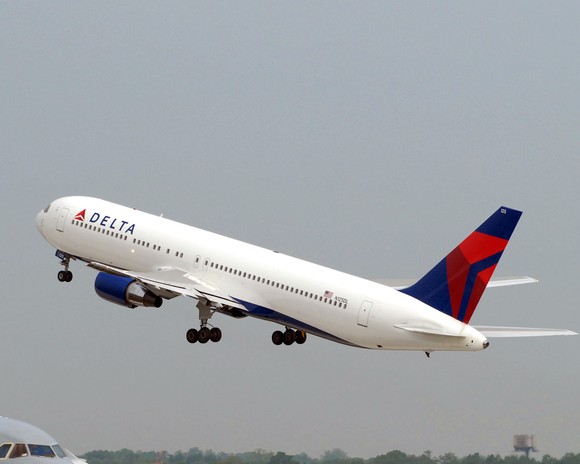
Amazon Partners with Delta for Satellite Broadband Service
- Partnership Announcement: Amazon has signed a deal with Delta Air Lines, making it the second major customer for its new satellite broadband service, Amazon Leo, indicating Amazon's proactive approach in the satellite internet market, although it still trails behind SpaceX's Starlink.
- Satellite Launch Progress: As of now, Amazon has successfully launched 241 Amazon Leo satellites and plans to conduct 18 more launches over the next 18 months to reach its goal of 3,000 satellites, a pace that is significantly slower than SpaceX's requirement of 800 satellites for beta service.
- Competitive Market Pressure: Delta anticipates rolling out Amazon Leo connectivity for its first 500 planes by 2028, while SpaceX has already secured partnerships with multiple airlines, highlighting its competitive advantage and the significant pressure Amazon faces in the market.
- Revenue Growth Potential: Despite Amazon's annual revenue of $717 billion, the success of its satellite internet business could add over $8 billion in revenue annually, potentially enhancing its overall growth rate, which is crucial for maintaining momentum in such a large enterprise.
See More

Cerebras Systems Plans IPO to Challenge Nvidia's Dominance

- IPO Plans: Cerebras Systems intends to go public on Nasdaq in mid-May, aiming to dethrone Nvidia's dominance in the AI sector, although details on share issuance and pricing remain undisclosed.
- Technological Innovation: The Wafer-Scale Engine (WSE) chip from Cerebras is 58 times larger than Nvidia's B200, featuring 900,000 compute cores that address latency issues in AI processing, thereby enhancing speed and efficiency.
- Customer Base: Cerebras has secured a $20 billion, 750 megawatt deal with OpenAI and a multi-year agreement with Amazon Web Services, indicating strong market validation and potential commercial value of its technology.
- Financial Status: While Cerebras reported $510 million in revenue for 2025, a 76% year-over-year increase, its $146 million operating loss and customer concentration risk, with two clients accounting for 86% of revenue, warrant caution for potential investors.
See More
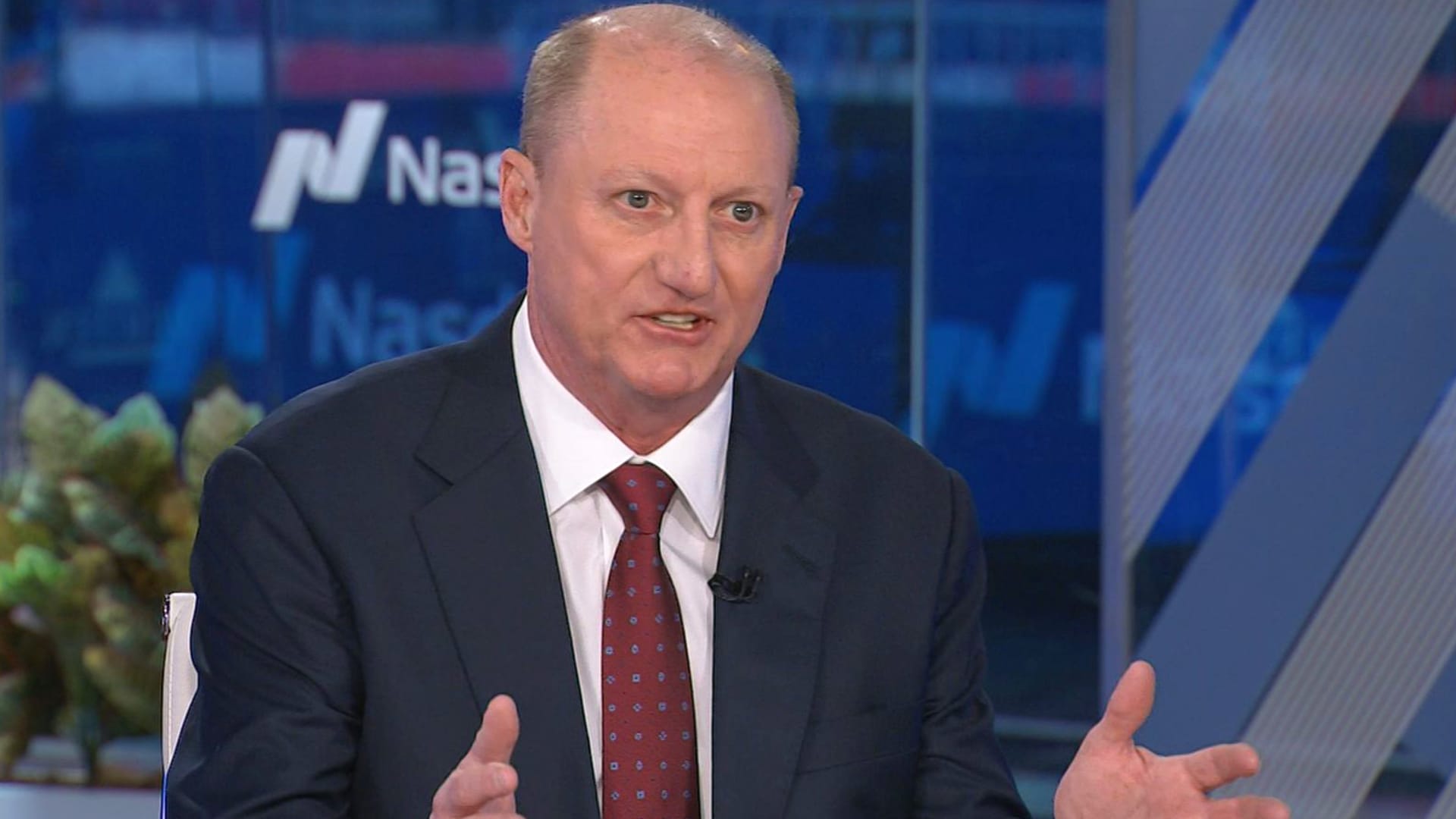
Abel Reshapes Berkshire Hathaway's Investment Portfolio


- Portfolio Restructuring: New CEO Greg Abel is swiftly reshaping Berkshire Hathaway's investment portfolio by selling stocks associated with former manager Todd Combs, demonstrating his control over the approximately $300 billion portfolio.
- Management Changes: Following Combs' departure at the end of 2025, Abel is unlikely to replace him, with Ted Weschler continuing to manage about 6% of the portfolio, indicating a preference for maintaining the existing management structure.
- Core Holdings Strategy: In his annual letter, Abel emphasized a focus on core holdings such as Apple, American Express, Coca-Cola, and Moody's, which are expected to compound value over decades, reflecting a long-term investment strategy.
- Amazon Stake Reduction: Berkshire nearly eliminated 80% of its stake in Amazon in Q4 2025, with market speculation linking this decision to Combs' investment style, raising further questions about the company's investment direction.
See More
Amazon's Cloud Computing Business Sees Strong Growth
- Profit Contribution from Cloud: In Q4, Amazon Web Services (AWS) accounted for 50% of Amazon's operating profits despite only representing 17% of total sales, highlighting its immense potential as a profit driver and expected acceleration in growth.
- Significant Revenue Growth: AWS achieved a 24% revenue growth in Q4, marking its best performance in over three years, indicating strong market demand and the likelihood of continued profit increases for Amazon.
- Capital Expenditure Plans: Amazon plans to invest up to $200 billion in infrastructure expansion, which has raised some concerns; however, the company asserts that the long-term benefits to free cash flow will be substantial as AWS grows rapidly.
- Valuation Advantage: Amazon's operating cash flow multiple stands at 19 times, significantly lower than Apple's 29 times and Alphabet's 25 times, suggesting that now remains an opportune time to invest in Amazon, especially with AWS poised for explosive growth.
See More
Jim Cramer's Trust Initiates Position in Arm Holdings
- Investment Initiation: Jim Cramer's Charitable Trust has purchased 225 shares of Arm Holdings, representing about 1% of the portfolio, indicating strong confidence in the company and potential stock price appreciation.
- Product Innovation: At the ARM Everywhere event, Arm unveiled its first in-house data center CPU, the AGI, marking a significant shift from solely licensing designs to manufacturing its own chips, which is expected to enhance its competitive position in the market.
- Surging Market Demand: With the rise in AI demand, Arm anticipates that data centers will require four times the number of CPU cores, highlighting the critical role of its products in the future AI ecosystem and potentially generating over $1 billion in chip demand.
- Optimistic Financial Outlook: Arm expects to achieve $25 billion in revenue by fiscal year 2031, with $15 billion coming from its newly launched chips, indicating strong growth potential, while management projects a 20% compound annual growth rate for royalty revenue over the next five years.
See More
California Sues Amazon for Alleged Price Fixing
- Price Fixing Allegations: California Attorney General Rob Bonta alleges that Amazon colluded with merchants like Levi Strauss to pressure competitors such as Walmart and Home Depot to raise prices, indicating Amazon's manipulative behavior in the market.
- Lawsuit Details Unveiled: In a 3.5-year antitrust lawsuit, numerous instances of alleged price-fixing were disclosed, including interventions on khaki pants, fertilizers, and pet food prices, demonstrating Amazon's tactics to maintain its market dominance through price manipulation.
- Profit Recovery Demands: Bonta's lawsuit seeks not only to halt Amazon's alleged price-fixing but also to recover what he termed
See More
Amazon Partners with Delta for Satellite Broadband Service
- Partnership Announcement: Amazon has signed a deal with Delta Air Lines, making it the second major customer for its new satellite broadband service, Amazon Leo, indicating Amazon's proactive approach in the satellite internet market, although it still trails behind SpaceX's Starlink.
- Satellite Launch Progress: As of now, Amazon has successfully launched 241 Amazon Leo satellites and plans to conduct 18 more launches over the next 18 months to reach its goal of 3,000 satellites, a pace that is significantly slower than SpaceX's requirement of 800 satellites for beta service.
- Competitive Market Pressure: Delta anticipates rolling out Amazon Leo connectivity for its first 500 planes by 2028, while SpaceX has already secured partnerships with multiple airlines, highlighting its competitive advantage and the significant pressure Amazon faces in the market.
- Revenue Growth Potential: Despite Amazon's annual revenue of $717 billion, the success of its satellite internet business could add over $8 billion in revenue annually, potentially enhancing its overall growth rate, which is crucial for maintaining momentum in such a large enterprise.
See More
Cerebras Systems Plans IPO to Challenge Nvidia's Dominance
- IPO Plans: Cerebras Systems intends to go public on Nasdaq in mid-May, aiming to dethrone Nvidia's dominance in the AI sector, although details on share issuance and pricing remain undisclosed.
- Technological Innovation: The Wafer-Scale Engine (WSE) chip from Cerebras is 58 times larger than Nvidia's B200, featuring 900,000 compute cores that address latency issues in AI processing, thereby enhancing speed and efficiency.
- Customer Base: Cerebras has secured a $20 billion, 750 megawatt deal with OpenAI and a multi-year agreement with Amazon Web Services, indicating strong market validation and potential commercial value of its technology.
- Financial Status: While Cerebras reported $510 million in revenue for 2025, a 76% year-over-year increase, its $146 million operating loss and customer concentration risk, with two clients accounting for 86% of revenue, warrant caution for potential investors.
See More
Abel Reshapes Berkshire Hathaway's Investment Portfolio
- Portfolio Restructuring: New CEO Greg Abel is swiftly reshaping Berkshire Hathaway's investment portfolio by selling stocks associated with former manager Todd Combs, demonstrating his control over the approximately $300 billion portfolio.
- Management Changes: Following Combs' departure at the end of 2025, Abel is unlikely to replace him, with Ted Weschler continuing to manage about 6% of the portfolio, indicating a preference for maintaining the existing management structure.
- Core Holdings Strategy: In his annual letter, Abel emphasized a focus on core holdings such as Apple, American Express, Coca-Cola, and Moody's, which are expected to compound value over decades, reflecting a long-term investment strategy.
- Amazon Stake Reduction: Berkshire nearly eliminated 80% of its stake in Amazon in Q4 2025, with market speculation linking this decision to Combs' investment style, raising further questions about the company's investment direction.
See More