Tesla May Drop Out of $1 Trillion Club by 2026
Written by Emily J. Thompson, Senior Investment Analyst
Updated: Mar 10 2026
0mins

Source: Yahoo Finance
- Declining Sales: Tesla delivered 1.63 million EVs in 2025, a 9% drop from 2024, leading to a 10% decline in automotive revenue and a significant 47% impact on earnings, highlighting the vulnerability of its core business.
- Intensifying Competition: By phasing out the Model X and Model S, Tesla aims to focus on higher-volume models like the Model Y and Model 3 to counter competition from low-cost manufacturers like BYD, which outsold Tesla globally for the first time in 2025.
- Future Product Potential: While Tesla's Cybercab and Optimus robots could generate high-margin revenue streams, regulatory hurdles for FSD technology may delay the Cybercab's rollout, impacting future revenue growth.
- Significant Valuation Risks: With a P/E ratio of 377, Tesla's stock is heavily overvalued compared to other trillion-dollar companies, and if EV sales continue to decline, a 34% drop in stock price could lead to its exit from the trillion-dollar club.
Trade with 70% Backtested Accuracy
Stop guessing "Should I Buy TSLA?" and start using high-conviction signals backed by rigorous historical data.
Sign up today to access powerful investing tools and make smarter, data-driven decisions.
Analyst Views on TSLA
Wall Street analysts forecast TSLA stock price to fall
30 Analyst Rating
12 Buy
11 Hold
7 Sell
Hold
Current: 418.450

Low
25.28
Averages
401.93
High
600.00
Current: 418.450
Low
25.28
Averages
401.93
High
600.00
About TSLA
Tesla, Inc. designs, develops, manufactures, sells and leases high-performance fully electric vehicles and energy generation and storage systems, and offers services related to its products. Its segments include automotive, and energy generation and storage. The automotive segment includes the design, development, manufacturing, sales and leasing of high-performance fully electric vehicles, and sales of automotive regulatory credits. It also includes sales of used vehicles, non-warranty maintenance services and collisions, part sales, paid supercharging, insurance services revenue and retail merchandise sales. The energy generation and storage segment include the design, manufacture, installation, sales and leasing of solar energy generation and energy storage products and related services and sales of solar energy systems incentives. Its consumer vehicles include the Model 3, Y, S, X and Cybertruck. Its lithium-ion battery energy storage products include Powerwall and Megapack.
About the author

Emily J. Thompson
Emily J. Thompson, a Chartered Financial Analyst (CFA) with 12 years in investment research, graduated with honors from the Wharton School. Specializing in industrial and technology stocks, she provides in-depth analysis for Intellectia’s earnings and market brief reports.
SpaceX IPO Valuation Hits $1.77 Trillion

- Historic IPO Valuation: SpaceX is set to launch its IPO on June 12 with a valuation of $1.77 trillion, which, while lower than the previously anticipated $2 trillion, will still mark the largest IPO in U.S. history, likely having a significant impact on the broader market.
- Stock Pricing and Fundraising Goals: The company plans to sell 555.6 million Class A shares at $135 each, aiming to raise approximately $75 billion, a figure that far exceeds Alibaba's $22 billion raised in 2014, indicating strong market interest in space technology.
- Market Reaction and Risk Factors: Although SpaceX's IPO is viewed as a powerful market move, the $200 billion reduction in valuation raises concerns about the company's future performance, especially following Blue Origin's recent rocket launch failure, which has heightened industry risks.
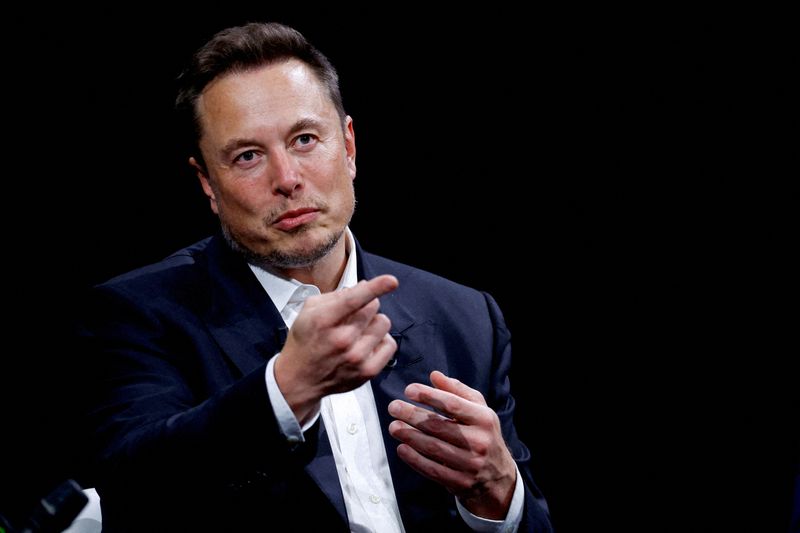
- Potential Merger Considerations: Reports suggest that CEO Elon Musk may be considering a merger between SpaceX and Tesla, a strategic move that could further influence investor perceptions of SpaceX, particularly in the current market climate.
See More
Tesla Delays Next-Gen Roadster Unveiling
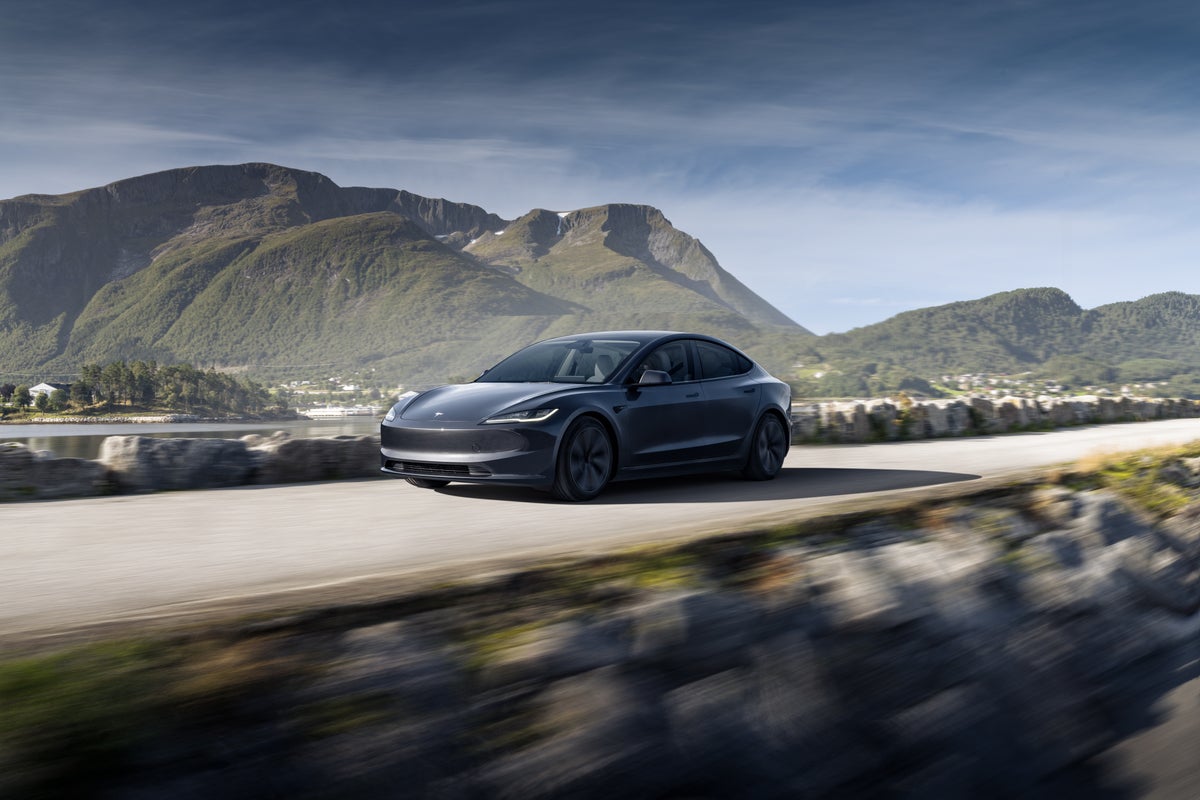
- Launch Delay: Tesla's planned unveiling of the next-generation Roadster, initially set for April 1 in Texas, has been postponed to August or later, resulting in a 5% drop in stock price on Friday, potentially marking the worst week since June 2025 if losses persist.
- Collaboration with SpaceX: Musk revealed that Tesla is collaborating with his rocket manufacturing company SpaceX to achieve acceleration from 0 to 60 mph in under one second, although safety is not the primary goal, which may attract high-end consumers looking for performance.
- Limited Financial Impact: While the new Roadster is seen as the latest addition to Tesla's lineup, Musk indicated that it will have a negligible impact on the company's finances, with an expected starting price of $200,000, significantly higher than the Cybertruck's $79,990 base price.
- Bearish Market Sentiment: On Stocktwits, retail sentiment around TSLA shares remains in the 'bearish' territory, with users generally viewing the stock as overvalued, reflecting investor concerns about Tesla's strategic pivot towards autonomous taxis and humanoid robots.
See More

Analysis of Potential Merger Between SpaceX and Tesla

- High Merger Probability: Wedbush analyst Dan Ives predicts over an 80% chance of a merger between SpaceX (SPCX) and Tesla (TSLA) next year, which would enhance Musk's control over the AI ecosystem and drive synergies between these disruptive tech giants.
- Musk's Control Dynamics: With approximately 85% voting control at SpaceX compared to only 12-15% at Tesla, a merger would grant Musk complete control over two large companies in different industries, potentially creating strategic synergies in engineering and innovation.
- Market Reaction Concerns: While the merger could restore Musk's decision-making power, Tesla shareholders may be wary due to SpaceX's current low revenue and profit margins, which could lead to shareholder unrest and market volatility if the merger proceeds unexpectedly.
- Bitcoin Asset Impact: Post-merger, Tesla and SpaceX would become the fifth-largest Bitcoin holders globally, with Tesla holding 11,509 Bitcoins and SpaceX holding 18,712, potentially enhancing their influence in the cryptocurrency market through this asset overlap.
See More
SpaceX IPO Raises Concerns Among Investors

- Valuation Challenges: SpaceX plans to issue 555.6 million shares at $135 each, leading to an expected market cap of $1.75 trillion, making it the eighth-largest public company, which may disappoint growth investors.
- Limited Growth Potential: Although market caps have no theoretical upper limit, a high valuation implies limited upside potential, as SpaceX would need to triple in value post-IPO to match Nvidia's current market cap.
- Investor Sentiment Shift: Since SpaceX is going public at a late stage, average investors may have missed significant gains, potentially dampening their enthusiasm for buying SpaceX stock and affecting demand.
- Expectation Adjustment: Investors must recalibrate their return expectations for SpaceX stock; while stocks can exceed market cap limits, the IPO's scale may disappoint growth investors compared to Tesla's earlier performance.
See More
SpaceX IPO Set to Become Eighth Largest Company
- Market Size Expectations: SpaceX plans to issue 555.6 million shares at $135 each, projecting a market cap of $1.75 trillion, which would make it the eighth-largest company, surpassing Tesla, highlighting its dominance in private space launches and satellite internet.
- Investor Sentiment Shift: While SpaceX's IPO is expected to attract many investors, its high market cap may dampen growth investors' expectations for future returns, especially when compared to Tesla's historical performance, which had a market cap of only $2.2 billion at its IPO.
- Growth Potential Limitations: The high valuation of SpaceX implies limited future growth potential, leading investors to potentially feel disappointed about the stock's return prospects, particularly when considering that it would need to triple in value to catch up with Nvidia's current $5.25 trillion market cap.
- Market Psychology Impact: By choosing to go public at a later stage in its development, average investors may miss out on significant early investment gains, which could further suppress demand for its stock and affect market performance post-IPO.
See More

Market Volatility Intensifies During Trump's Term

- Market Performance Review: During Trump's first term, the Dow Jones surged 57%, the S&P 500 rose 70%, and the Nasdaq soared 142%, indicating strong market performance; however, the 17% to 37% gains in his second term come with potential risks.
- Inflationary Pressures: The closure of the Strait of Hormuz due to the Iran war has halted the flow of 20 million barrels of oil daily, leading to an expected inflation rate jump from 2.4% to 4.18%, which may force the Federal Reserve to raise interest rates, putting pressure on the stock market.
- Valuation Warning: The Shiller P/E ratio for the S&P 500 has reached 42.66, nearing the historical high of 44.19, and historical data shows that bull markets with P/E ratios above 30 are often unsustainable, potentially leading to a market correction of 20% or more.
- SpaceX IPO Risks: SpaceX's upcoming IPO on June 12 aims to raise up to $75 billion, with a valuation of $1.8 trillion, resulting in a price-to-sales ratio of 96, which is unsustainable historically, raising concerns about a potential market crash.
See More
SpaceX IPO Valuation Hits $1.77 Trillion
- Historic IPO Valuation: SpaceX is set to launch its IPO on June 12 with a valuation of $1.77 trillion, which, while lower than the previously anticipated $2 trillion, will still mark the largest IPO in U.S. history, likely having a significant impact on the broader market.
- Stock Pricing and Fundraising Goals: The company plans to sell 555.6 million Class A shares at $135 each, aiming to raise approximately $75 billion, a figure that far exceeds Alibaba's $22 billion raised in 2014, indicating strong market interest in space technology.
- Market Reaction and Risk Factors: Although SpaceX's IPO is viewed as a powerful market move, the $200 billion reduction in valuation raises concerns about the company's future performance, especially following Blue Origin's recent rocket launch failure, which has heightened industry risks.
- Potential Merger Considerations: Reports suggest that CEO Elon Musk may be considering a merger between SpaceX and Tesla, a strategic move that could further influence investor perceptions of SpaceX, particularly in the current market climate.
See More
Tesla Delays Next-Gen Roadster Unveiling
- Launch Delay: Tesla's planned unveiling of the next-generation Roadster, initially set for April 1 in Texas, has been postponed to August or later, resulting in a 5% drop in stock price on Friday, potentially marking the worst week since June 2025 if losses persist.
- Collaboration with SpaceX: Musk revealed that Tesla is collaborating with his rocket manufacturing company SpaceX to achieve acceleration from 0 to 60 mph in under one second, although safety is not the primary goal, which may attract high-end consumers looking for performance.
- Limited Financial Impact: While the new Roadster is seen as the latest addition to Tesla's lineup, Musk indicated that it will have a negligible impact on the company's finances, with an expected starting price of $200,000, significantly higher than the Cybertruck's $79,990 base price.
- Bearish Market Sentiment: On Stocktwits, retail sentiment around TSLA shares remains in the 'bearish' territory, with users generally viewing the stock as overvalued, reflecting investor concerns about Tesla's strategic pivot towards autonomous taxis and humanoid robots.
See More
Analysis of Potential Merger Between SpaceX and Tesla
- High Merger Probability: Wedbush analyst Dan Ives predicts over an 80% chance of a merger between SpaceX (SPCX) and Tesla (TSLA) next year, which would enhance Musk's control over the AI ecosystem and drive synergies between these disruptive tech giants.
- Musk's Control Dynamics: With approximately 85% voting control at SpaceX compared to only 12-15% at Tesla, a merger would grant Musk complete control over two large companies in different industries, potentially creating strategic synergies in engineering and innovation.
- Market Reaction Concerns: While the merger could restore Musk's decision-making power, Tesla shareholders may be wary due to SpaceX's current low revenue and profit margins, which could lead to shareholder unrest and market volatility if the merger proceeds unexpectedly.
- Bitcoin Asset Impact: Post-merger, Tesla and SpaceX would become the fifth-largest Bitcoin holders globally, with Tesla holding 11,509 Bitcoins and SpaceX holding 18,712, potentially enhancing their influence in the cryptocurrency market through this asset overlap.
See More
SpaceX IPO Raises Concerns Among Investors
- Valuation Challenges: SpaceX plans to issue 555.6 million shares at $135 each, leading to an expected market cap of $1.75 trillion, making it the eighth-largest public company, which may disappoint growth investors.
- Limited Growth Potential: Although market caps have no theoretical upper limit, a high valuation implies limited upside potential, as SpaceX would need to triple in value post-IPO to match Nvidia's current market cap.
- Investor Sentiment Shift: Since SpaceX is going public at a late stage, average investors may have missed significant gains, potentially dampening their enthusiasm for buying SpaceX stock and affecting demand.
- Expectation Adjustment: Investors must recalibrate their return expectations for SpaceX stock; while stocks can exceed market cap limits, the IPO's scale may disappoint growth investors compared to Tesla's earlier performance.
See More
SpaceX IPO Set to Become Eighth Largest Company
- Market Size Expectations: SpaceX plans to issue 555.6 million shares at $135 each, projecting a market cap of $1.75 trillion, which would make it the eighth-largest company, surpassing Tesla, highlighting its dominance in private space launches and satellite internet.
- Investor Sentiment Shift: While SpaceX's IPO is expected to attract many investors, its high market cap may dampen growth investors' expectations for future returns, especially when compared to Tesla's historical performance, which had a market cap of only $2.2 billion at its IPO.
- Growth Potential Limitations: The high valuation of SpaceX implies limited future growth potential, leading investors to potentially feel disappointed about the stock's return prospects, particularly when considering that it would need to triple in value to catch up with Nvidia's current $5.25 trillion market cap.
- Market Psychology Impact: By choosing to go public at a later stage in its development, average investors may miss out on significant early investment gains, which could further suppress demand for its stock and affect market performance post-IPO.
See More
Market Volatility Intensifies During Trump's Term
- Market Performance Review: During Trump's first term, the Dow Jones surged 57%, the S&P 500 rose 70%, and the Nasdaq soared 142%, indicating strong market performance; however, the 17% to 37% gains in his second term come with potential risks.
- Inflationary Pressures: The closure of the Strait of Hormuz due to the Iran war has halted the flow of 20 million barrels of oil daily, leading to an expected inflation rate jump from 2.4% to 4.18%, which may force the Federal Reserve to raise interest rates, putting pressure on the stock market.
- Valuation Warning: The Shiller P/E ratio for the S&P 500 has reached 42.66, nearing the historical high of 44.19, and historical data shows that bull markets with P/E ratios above 30 are often unsustainable, potentially leading to a market correction of 20% or more.
- SpaceX IPO Risks: SpaceX's upcoming IPO on June 12 aims to raise up to $75 billion, with a valuation of $1.8 trillion, resulting in a price-to-sales ratio of 96, which is unsustainable historically, raising concerns about a potential market crash.
See More