Surging Oil Prices Propel ExxonMobil's Fortunes
Written by Emily J. Thompson, Senior Investment Analyst
Updated: 1 day ago
0mins
Should l Buy XOM?
Source: NASDAQ.COM
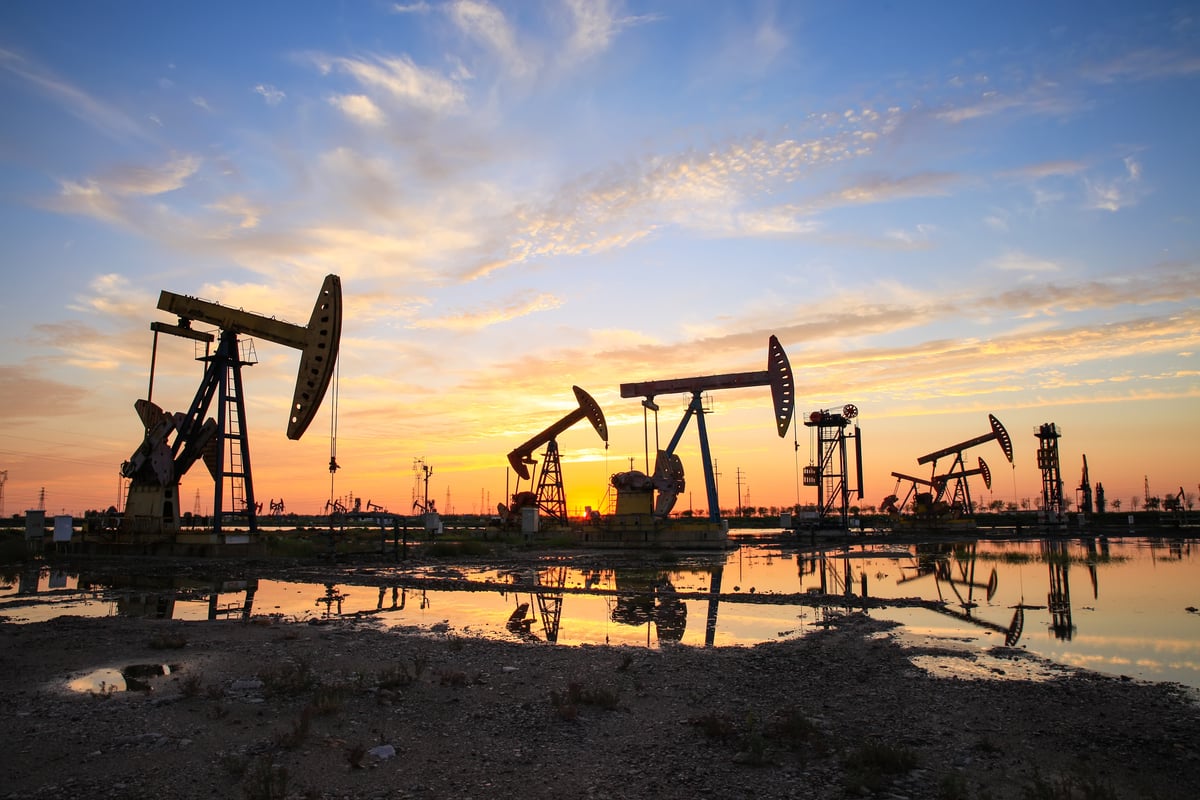
- Oil Price Surge: Brent crude oil prices have skyrocketed from around $60 at the beginning of the year to over $100, highlighting ExxonMobil's enhanced profitability in a high oil price environment due to market turmoil from the Iran conflict.
- Increased Earnings Outlook: Last December, ExxonMobil raised its 2030 earnings and cash flow growth estimates by $5 billion, now expecting to generate an additional $25 billion in annual earnings and $35 billion in cash flow compared to 2024 levels.
- Strong Financial Position: With an industry-leading leverage ratio of 11%, ExxonMobil boasts the best balance sheet in the sector, planning to repurchase $20 billion in shares under reasonable market conditions, further solidifying its financial strength.
- Shareholder Return Potential: As oil prices rise, ExxonMobil is poised to increase its share repurchase rate, enhancing its ability to sustain dividend growth, which it has achieved for an industry-leading 43 consecutive years.
Trade with 70% Backtested Accuracy
Stop guessing "Should I Buy XOM?" and start using high-conviction signals backed by rigorous historical data.
Sign up today to access powerful investing tools and make smarter, data-driven decisions.
Analyst Views on XOM
Wall Street analysts forecast XOM stock price to fall
19 Analyst Rating
12 Buy
7 Hold
0 Sell
Moderate Buy
Current: 165.430

Low
114.00
Averages
132.17
High
158.00
Current: 165.430
Low
114.00
Averages
132.17
High
158.00
About XOM
Exxon Mobil Corporation is an energy provider and chemical manufacturer. The Company’s principal business involves exploration for, and production of, crude oil and natural gas; the manufacture, trade, transport and sale of crude oil, natural gas, petroleum products, petrochemicals and a wide variety of specialty products; and pursuit of lower-emission and other new business opportunities, including carbon capture and storage, hydrogen, lower-emission fuels, Proxxima systems, carbon materials, and lithium. Its Upstream segment explores for and produces crude oil and natural gas. The Energy Products, Chemical Products, and Specialty Products segments manufacture and sell petroleum products and petrochemicals. Energy Products segment includes fuels, aromatics, and catalysts and licensing. Chemical Products segment consists of olefins, polyolefins, and intermediates. Specialty Products segment includes finished lubricants, basestocks and waxes, synthetics, and elastomers and resins.
About the author

Emily J. Thompson
Emily J. Thompson, a Chartered Financial Analyst (CFA) with 12 years in investment research, graduated with honors from the Wharton School. Specializing in industrial and technology stocks, she provides in-depth analysis for Intellectia’s earnings and market brief reports.

Soaring Oil Prices Present Opportunities for ExxonMobil

- Surging Oil Prices: Amid escalating tensions in the Middle East, crude oil prices have surged to around $100 per barrel over the past month, with projections suggesting they could reach $140 in severe disruption scenarios, significantly enhancing ExxonMobil's profit margins and competitive positioning.
- Accelerated Share Buybacks: Following its $59.5 billion acquisition of Pioneer Natural Resources in 2024, ExxonMobil continues to repurchase shares, and if oil prices remain high, it will gain more financial power to reduce share dilution, thereby enhancing future financial flexibility.
- Consistent Dividend Growth: ExxonMobil has increased its dividend for 43 consecutive years, demonstrating stability through oil and gas price cycles, with a current yield of 2.5%, and potential for more aggressive dividend hikes if oil prices stay elevated.
- Acquisition Opportunities: With increasing cash flow, ExxonMobil may reload its balance sheet for new acquisitions, further solidifying its leadership in the oil and gas industry, especially in the context of the ongoing energy crisis.
See More
Strait of Hormuz Blockade Drives Gas Prices Higher

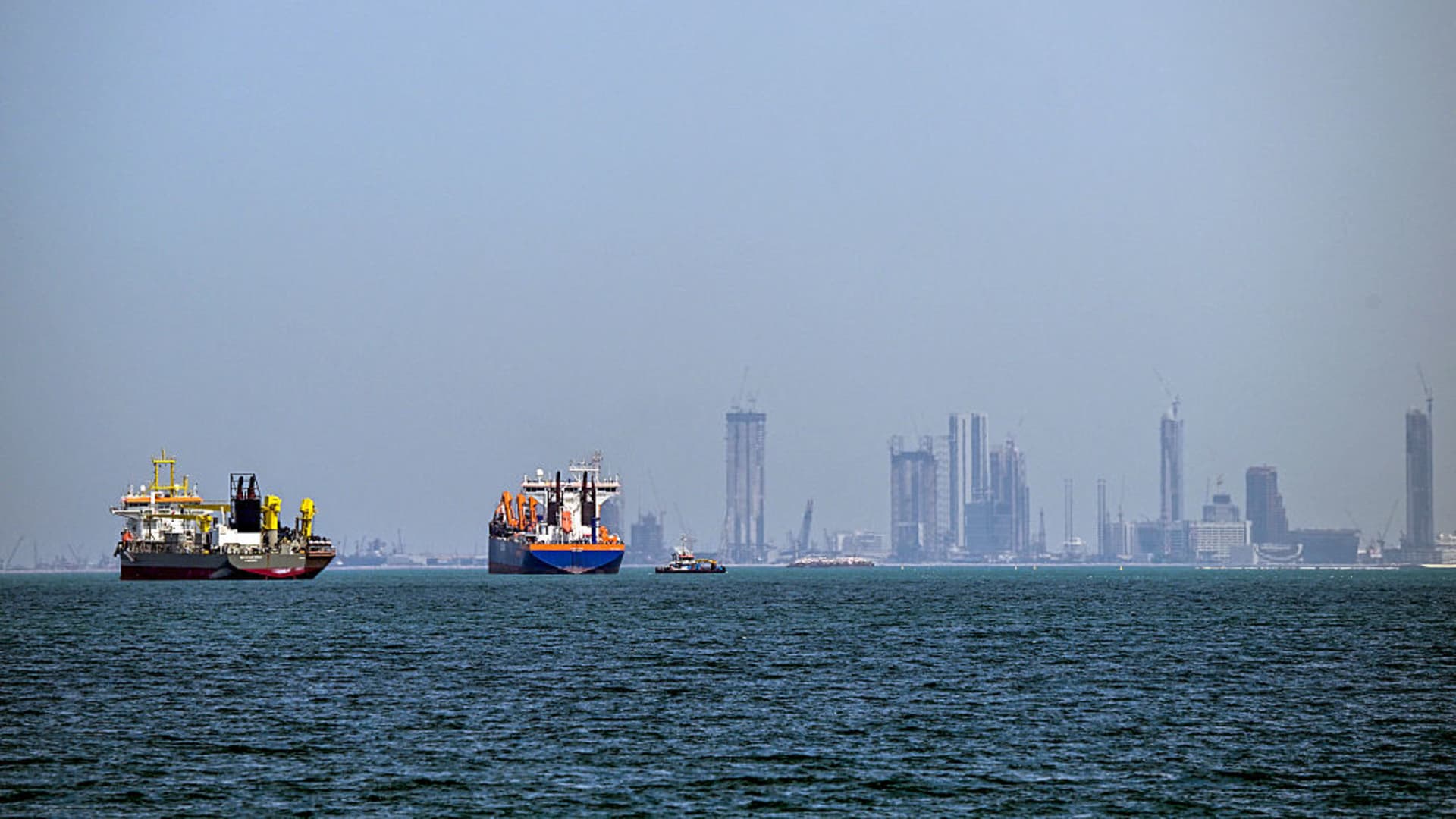
- Fertilizer Production Disruption: The blockade of the Strait of Hormuz has left over 1 million tons of fertilizer stranded in the Gulf, leading to shortages for farmers and driving up fertilizer prices, which impacts agricultural production and the food supply chain.
- Strong Performance by CF Industries: CF Industries reported a 19.2% year-over-year increase in net sales for 2025 and repurchased $1.34 billion worth of shares last year, reducing its outstanding shares by approximately 10%, enhancing potential earnings per share, while the current blockade does not affect its production.
- ExxonMobil Benefits from Rising Oil Prices: As the largest publicly traded oil company in the U.S., ExxonMobil saw its stock rise over 80% during the oil price surge in 2022, and it is expected to benefit again in 2026 if the Strait of Hormuz remains closed, despite a slight decline in earnings for 2025.
- Vaalco Energy's Market Advantage: Operating in Gabon, Egypt, and Côte d'Ivoire, Vaalco Energy is unaffected by the Strait of Hormuz blockade, with its stock price up nearly 70% year-to-date, and a dividend yield above 4% providing additional returns for investors.
See More
Iran War's Impact on Markets and Oil Prices


- Market Shock from War: Since the outbreak of the Iran war on February 28, West Texas Intermediate (WTI) crude oil prices have surged by 48.67% to $99.64 per barrel, raising inflation concerns and exposing investors to a potential 20% market decline risk.
- Rising Treasury Yields: The 10-year and 30-year Treasury yields are climbing due to war-driven inflation expectations, impacting borrowing costs and exacerbating investor panic, particularly for long-term investors facing a challenging environment.
- Tech Sector Turmoil: Amid market volatility, tech stocks, especially the 'Magnificent Seven', have faced significant declines, with Intuit, Applovin, and Gartner dropping 37%, 43.4%, and 38% respectively, highlighting the sector's vulnerability to changing market sentiments and AI competition.
- Shift in Investor Sentiment: As uncertainty looms over the market's future, investors feel increasingly helpless, with many opting to exit, particularly in light of the potential for rising oil prices, leading to a substantial loss of confidence in equities.
See More

Iran Tensions Spark Potential Energy Crisis
- Escalating Energy Crisis: With the Strait of Hormuz largely closed, approximately 20% of the world's oil and natural gas transport is severely impacted, potentially leading to the most serious energy crisis in decades, forcing nations to reassess their energy supply chains.
- Surging Oil Prices: Since the outbreak of war, crude oil prices have surged to around $100 per barrel, with estimates suggesting that WTI could rise to $140 per barrel in the event of prolonged attacks on Middle Eastern energy infrastructure, significantly boosting profit margins for oil companies.
- Strong Production from ExxonMobil: In 2025, ExxonMobil achieved an average production of 4.7 million barrels of oil equivalent per day, marking its best performance in over four decades, primarily driven by strategic assets in the Permian Basin and Guyana, showcasing the company's competitive edge amid the current crisis.
- Ongoing Buybacks and Dividends: ExxonMobil is repurchasing shares to offset those issued for its $59.5 billion acquisition of Pioneer Natural Resources, and with a 43-year streak of dividend increases, the company demonstrates strong financial resilience in navigating oil price cycles, positioning itself for potential future acquisitions.
See More

Iran War Effects Widen, Pressuring Stock Markets


- Oil Price Surge Impact: The ongoing war in Iran has led to a 5.5% increase in West Texas Intermediate crude to $99.64 per barrel and a 4.2% rise in Brent crude to $112.57, causing the Dow and Nasdaq to drop 1.7% and 2.2%, respectively, highlighting the market's sensitivity to rising oil prices.
- Tech Stocks Hit Hard: News regarding Anthropic's AI model has severely impacted enterprise software stocks, with CrowdStrike and Palo Alto Networks seeing declines of 6% and over 9%, respectively, reflecting investor concerns about AI potentially replacing traditional software companies and exacerbating market anxiety.
- Meta Platforms Legal Challenges: Meta's stock fell nearly 11.5% after losing two social media addiction lawsuits, raising concerns about the company's short-term performance and long-term legal risks, although analysts believe the company has a strong legal position.
- Costco's Resilience: Despite overall market pressures, Costco's shares rose 1.2% last week, driven by increased customer traffic from higher gas prices and a new standalone gas station initiative, demonstrating the company's ability to find growth opportunities even in challenging conditions.
See More

Energy Executives Warn of Middle East War Impact
- Oil Supply Crisis: CEOs of major energy companies warned at S&P Global's CERAWeek that the Iran war has disrupted 8 million barrels of oil and 20% of the LNG market daily, potentially leading to fuel shortages in Asia and Europe, severely impacting the global economy.
- Market Reaction Lag: ConocoPhillips CEO Ryan Lance noted that the market is not reflecting the scale of the supply disruption, with oil prices likely to remain high at $99.64 per barrel even after the conflict ends, as countries will need to restock depleted reserves.
- Geopolitical Risks Escalate: Kuwait Petroleum CEO Sheikh Nawaf al-Sabah stated that Iran's blockade of the Strait of Hormuz is not only an attack on Gulf nations but poses a threat to the global economy, potentially causing a domino effect throughout the supply chain.
- Fuel Shortages Spread: Shell CEO Wael Sawan highlighted that jet fuel and diesel prices have surged to $200 and $160 per barrel respectively, with the crisis expected to impact major Asian economies and reach Europe by April, prompting governments to stockpile and protect their supplies.
See More
Soaring Oil Prices Present Opportunities for ExxonMobil
- Surging Oil Prices: Amid escalating tensions in the Middle East, crude oil prices have surged to around $100 per barrel over the past month, with projections suggesting they could reach $140 in severe disruption scenarios, significantly enhancing ExxonMobil's profit margins and competitive positioning.
- Accelerated Share Buybacks: Following its $59.5 billion acquisition of Pioneer Natural Resources in 2024, ExxonMobil continues to repurchase shares, and if oil prices remain high, it will gain more financial power to reduce share dilution, thereby enhancing future financial flexibility.
- Consistent Dividend Growth: ExxonMobil has increased its dividend for 43 consecutive years, demonstrating stability through oil and gas price cycles, with a current yield of 2.5%, and potential for more aggressive dividend hikes if oil prices stay elevated.
- Acquisition Opportunities: With increasing cash flow, ExxonMobil may reload its balance sheet for new acquisitions, further solidifying its leadership in the oil and gas industry, especially in the context of the ongoing energy crisis.
See More
Strait of Hormuz Blockade Drives Gas Prices Higher
- Fertilizer Production Disruption: The blockade of the Strait of Hormuz has left over 1 million tons of fertilizer stranded in the Gulf, leading to shortages for farmers and driving up fertilizer prices, which impacts agricultural production and the food supply chain.
- Strong Performance by CF Industries: CF Industries reported a 19.2% year-over-year increase in net sales for 2025 and repurchased $1.34 billion worth of shares last year, reducing its outstanding shares by approximately 10%, enhancing potential earnings per share, while the current blockade does not affect its production.
- ExxonMobil Benefits from Rising Oil Prices: As the largest publicly traded oil company in the U.S., ExxonMobil saw its stock rise over 80% during the oil price surge in 2022, and it is expected to benefit again in 2026 if the Strait of Hormuz remains closed, despite a slight decline in earnings for 2025.
- Vaalco Energy's Market Advantage: Operating in Gabon, Egypt, and Côte d'Ivoire, Vaalco Energy is unaffected by the Strait of Hormuz blockade, with its stock price up nearly 70% year-to-date, and a dividend yield above 4% providing additional returns for investors.
See More
Iran War's Impact on Markets and Oil Prices
- Market Shock from War: Since the outbreak of the Iran war on February 28, West Texas Intermediate (WTI) crude oil prices have surged by 48.67% to $99.64 per barrel, raising inflation concerns and exposing investors to a potential 20% market decline risk.
- Rising Treasury Yields: The 10-year and 30-year Treasury yields are climbing due to war-driven inflation expectations, impacting borrowing costs and exacerbating investor panic, particularly for long-term investors facing a challenging environment.
- Tech Sector Turmoil: Amid market volatility, tech stocks, especially the 'Magnificent Seven', have faced significant declines, with Intuit, Applovin, and Gartner dropping 37%, 43.4%, and 38% respectively, highlighting the sector's vulnerability to changing market sentiments and AI competition.
- Shift in Investor Sentiment: As uncertainty looms over the market's future, investors feel increasingly helpless, with many opting to exit, particularly in light of the potential for rising oil prices, leading to a substantial loss of confidence in equities.
See More
Iran Tensions Spark Potential Energy Crisis
- Escalating Energy Crisis: With the Strait of Hormuz largely closed, approximately 20% of the world's oil and natural gas transport is severely impacted, potentially leading to the most serious energy crisis in decades, forcing nations to reassess their energy supply chains.
- Surging Oil Prices: Since the outbreak of war, crude oil prices have surged to around $100 per barrel, with estimates suggesting that WTI could rise to $140 per barrel in the event of prolonged attacks on Middle Eastern energy infrastructure, significantly boosting profit margins for oil companies.
- Strong Production from ExxonMobil: In 2025, ExxonMobil achieved an average production of 4.7 million barrels of oil equivalent per day, marking its best performance in over four decades, primarily driven by strategic assets in the Permian Basin and Guyana, showcasing the company's competitive edge amid the current crisis.
- Ongoing Buybacks and Dividends: ExxonMobil is repurchasing shares to offset those issued for its $59.5 billion acquisition of Pioneer Natural Resources, and with a 43-year streak of dividend increases, the company demonstrates strong financial resilience in navigating oil price cycles, positioning itself for potential future acquisitions.
See More
Iran War Effects Widen, Pressuring Stock Markets
- Oil Price Surge Impact: The ongoing war in Iran has led to a 5.5% increase in West Texas Intermediate crude to $99.64 per barrel and a 4.2% rise in Brent crude to $112.57, causing the Dow and Nasdaq to drop 1.7% and 2.2%, respectively, highlighting the market's sensitivity to rising oil prices.
- Tech Stocks Hit Hard: News regarding Anthropic's AI model has severely impacted enterprise software stocks, with CrowdStrike and Palo Alto Networks seeing declines of 6% and over 9%, respectively, reflecting investor concerns about AI potentially replacing traditional software companies and exacerbating market anxiety.
- Meta Platforms Legal Challenges: Meta's stock fell nearly 11.5% after losing two social media addiction lawsuits, raising concerns about the company's short-term performance and long-term legal risks, although analysts believe the company has a strong legal position.
- Costco's Resilience: Despite overall market pressures, Costco's shares rose 1.2% last week, driven by increased customer traffic from higher gas prices and a new standalone gas station initiative, demonstrating the company's ability to find growth opportunities even in challenging conditions.
See More
Energy Executives Warn of Middle East War Impact
- Oil Supply Crisis: CEOs of major energy companies warned at S&P Global's CERAWeek that the Iran war has disrupted 8 million barrels of oil and 20% of the LNG market daily, potentially leading to fuel shortages in Asia and Europe, severely impacting the global economy.
- Market Reaction Lag: ConocoPhillips CEO Ryan Lance noted that the market is not reflecting the scale of the supply disruption, with oil prices likely to remain high at $99.64 per barrel even after the conflict ends, as countries will need to restock depleted reserves.
- Geopolitical Risks Escalate: Kuwait Petroleum CEO Sheikh Nawaf al-Sabah stated that Iran's blockade of the Strait of Hormuz is not only an attack on Gulf nations but poses a threat to the global economy, potentially causing a domino effect throughout the supply chain.
- Fuel Shortages Spread: Shell CEO Wael Sawan highlighted that jet fuel and diesel prices have surged to $200 and $160 per barrel respectively, with the crisis expected to impact major Asian economies and reach Europe by April, prompting governments to stockpile and protect their supplies.
See More