Surge in Oil Prices and Market Implications
Written by Emily J. Thompson, Senior Investment Analyst
Updated: 14 hours ago
0mins
Source: Fool
- Oil Price Surge: Since the U.S. and Israel launched attacks on Iran, Brent crude has risen over 25% to more than $93 per barrel, while WTI has surged 35% to over $91, indicating the direct impact of geopolitical tensions on the market.
- Supply Chain Risks: Iran produces about 3.5 million barrels of oil per day, roughly 4% of global output, and if production halts due to the war, it will significantly impact global supply, particularly through the Strait of Hormuz, where shipments are down about 90%.
- Market Reaction Lag: Despite soaring oil prices, major oil companies like ConocoPhillips, Chevron, and ExxonMobil have seen only modest stock price increases, reflecting a lack of investor optimism regarding sustained high oil prices and concerns over future supply recovery.
- Long-Term Outlook: While oil prices may continue to rise in the short term, the three major oil companies expect robust cash flow growth through 2030 at an average oil price of around $70 per barrel, indicating a positive long-term investment outlook despite current market uncertainties.
Trade with 70% Backtested Accuracy
Stop guessing "Should I Buy COP?" and start using high-conviction signals backed by rigorous historical data.
Sign up today to access powerful investing tools and make smarter, data-driven decisions.
Analyst Views on COP
Wall Street analysts forecast COP stock price to fall
19 Analyst Rating
15 Buy
3 Hold
1 Sell
Moderate Buy
Current: 117.070

Low
98.00
Averages
115.67
High
133.00
Current: 117.070
Low
98.00
Averages
115.67
High
133.00
About COP
ConocoPhillips is an exploration and production company. Its Alaska segment primarily explores for, produces, transports and markets crude oil, natural gas and NGLs. The Lower 48 segment consists of operations located in the 48 contiguous states in the United States and the Gulf of Mexico. Canadian operations consist of the Surmont oil sands development in Alberta, the liquids-rich Montney unconventional play in British Columbia and commercial operations. The Europe, Middle East and North Africa segment consists of operations principally located in the Norwegian sector of the North Sea, the Norwegian Sea, Qatar, Libya, Equatorial Guinea and commercial and terminalling operations in the United Kingdom. Asia Pacific segment has exploration and production operations in China, Malaysia, Australia and commercial operations in China, Singapore and Japan. Other International segment includes interests in Colombia as well as contingencies associated with prior operations in other countries.
About the author

Emily J. Thompson
Emily J. Thompson, a Chartered Financial Analyst (CFA) with 12 years in investment research, graduated with honors from the Wharton School. Specializing in industrial and technology stocks, she provides in-depth analysis for Intellectia’s earnings and market brief reports.
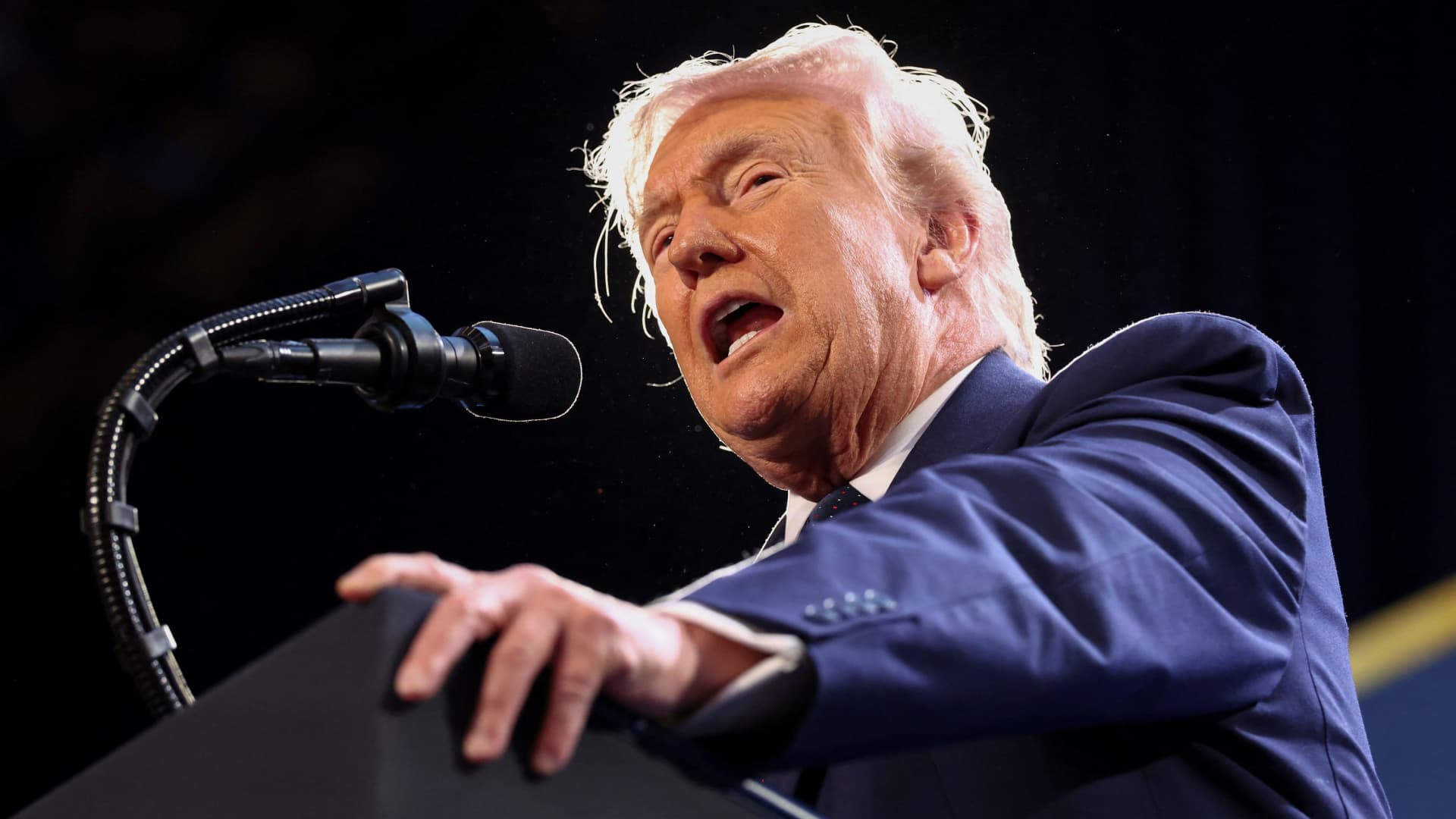
Trump Holds Press Conference Amid Iran Tensions

- Market Optimism: Ahead of Trump's press conference in Miami, his comments suggesting the Iran war could soon end led to a rise in U.S. stock market indices, indicating investor optimism about a potential de-escalation of tensions.
- Oil Price Volatility: Despite a spike in oil prices over the weekend due to war fears, Trump's consideration of seizing control of the Strait of Hormuz caused crude prices to fall in extended trading on Monday afternoon, reflecting market concerns over supply chain security.
- Geopolitical Risks Intensify: An Iranian Foreign Ministry spokesman warned that oil tankers passing through the Strait of Hormuz must be
See More

Oil Price Retreat Supports Market Recovery


- Market Impact of Oil Prices: Oil prices retreated from approximately $119 per barrel late Sunday to about $100 at market open on Monday, sliding further to around $95, which eased selling pressure in equities and highlighted the significance of crude during the Iran conflict.
- Government Response Measures: The Trump administration is reviewing options to stabilize the market, including potential strategic oil reserve releases in coordination with G7 countries; while these steps are positive, their effectiveness in offsetting supply disruptions from Gulf States remains uncertain.
- Pressure on Sensitive Sectors: Financials, consumer discretionary, and materials were the worst-performing sectors in the S&P 500, as rising oil prices typically lead to higher gasoline costs, reducing disposable income for consumers and putting pressure on economic growth.
- Tech Stocks Lead Recovery: Despite oil price volatility, technology and AI-related stocks are leading the market's recovery on Monday, indicating confidence in this investment cycle; Broadcom is up over 4%, reflecting strong post-earnings performance.
See More
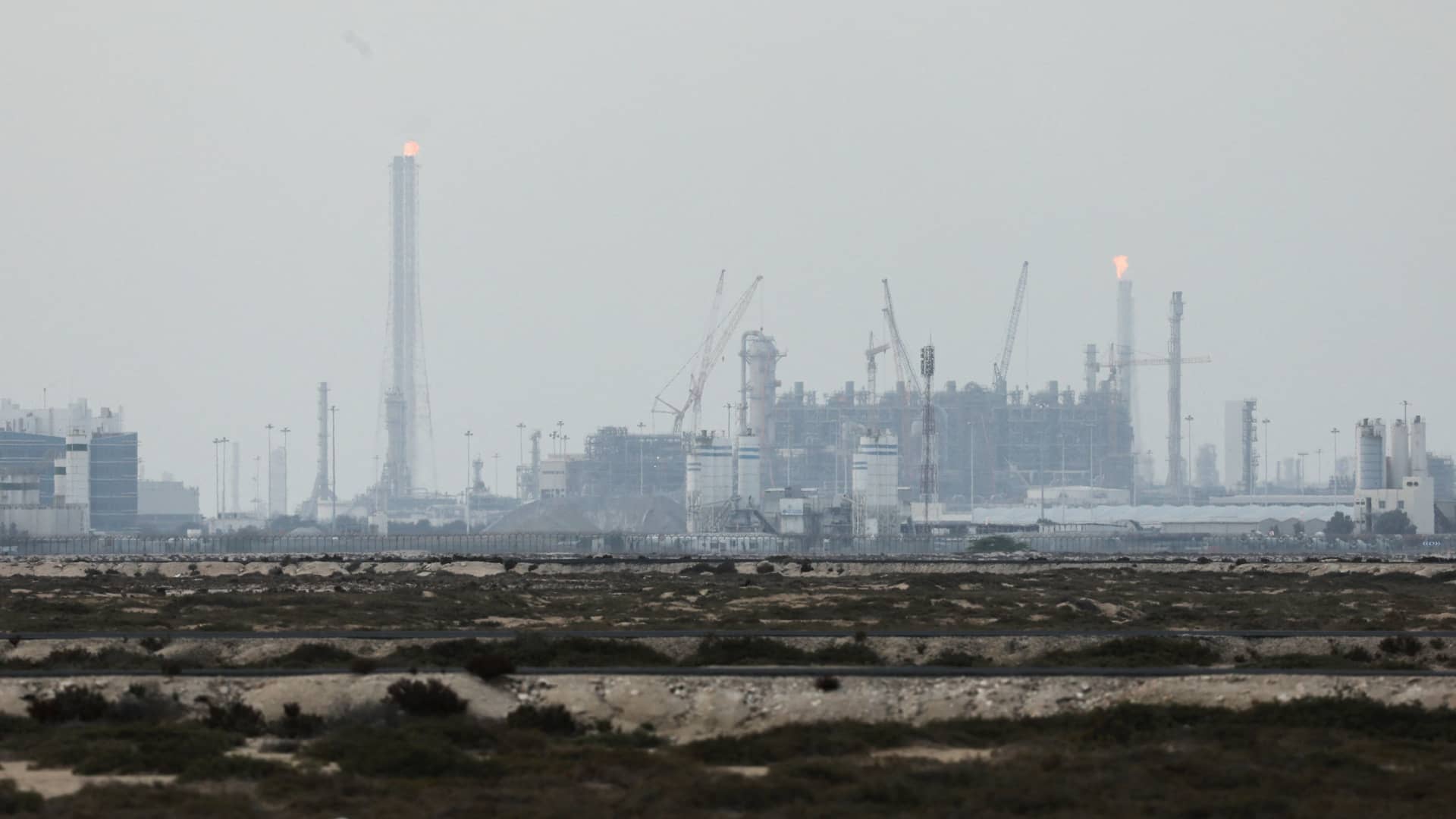
Qatar's LNG Market Faces Significant Risks Amid Strait Closure


- Supply-Demand Imbalance: With traffic in the Strait of Hormuz nearly at a standstill, global LNG prices have surged, particularly in Europe where natural gas prices rose 63% last week, marking the largest gain since March 2022, highlighting the market's increasing reliance on Qatari LNG.
- Production Restart Challenges: Qatar's LNG production facilities will remain offline until traffic in the Strait resumes, with estimates suggesting it could take weeks to return to normal production levels, which will have long-term implications for global supply chains amid current LNG shortages.
- Escalating Geopolitical Risks: Following Iranian attacks on Qatar's LNG infrastructure, concerns about potential escalation of hostilities have intensified, with Rapidan Energy warning that further conflict could severely damage Qatar's LNG production, destabilizing global markets.
- Expansion Plans Delayed: QatarEnergy has postponed its gas facility expansion plans until 2027, reflecting a cautious approach to future investments in an uncertain geopolitical environment, which may further constrain growth in global LNG supply.
See More
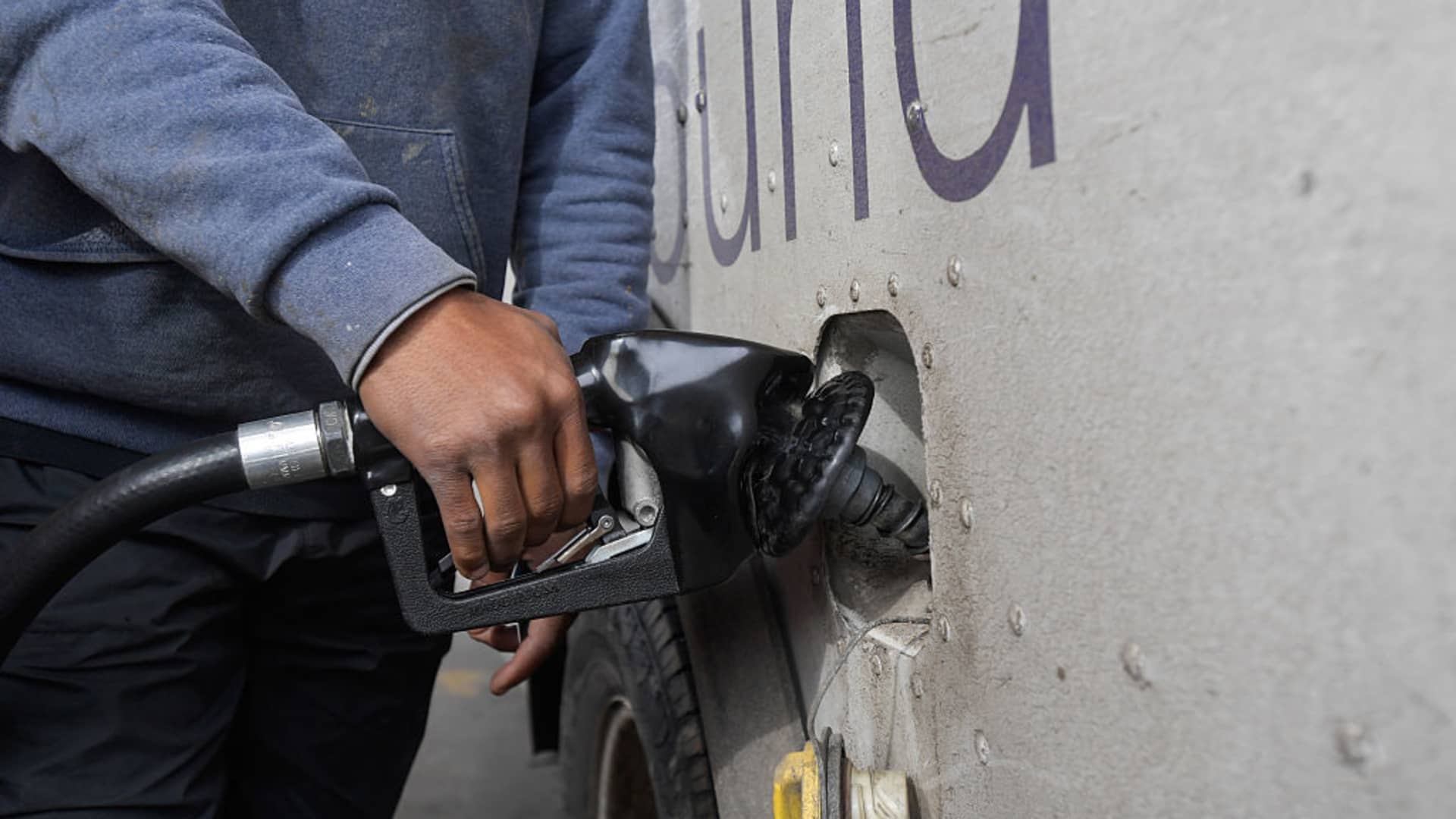
US Economy Faces Stagflation Threat Amid Oil Surge

- Oil Price Surge: US crude oil prices have surpassed $100 per barrel for the first time since 2022, intensifying market fears of stagflation, particularly as the unemployment rate rose to 4.4% in February, indicating economic fragility amidst stagnant job growth.
- Weak Job Market: The economy lost 92,000 jobs in February, with total job growth for 2025 at only 116,000, which is 5,000 below the previous year's monthly average, reflecting a lack of recovery that could dampen consumer spending.
- Inflationary Pressures: Core inflation stands at 3%, a full percentage point above the Federal Reserve's target, leading to reduced expectations for interest rate cuts as investors worry that rising oil prices will exacerbate food inflation and other costs.
- Delayed Policy Response: The Federal Reserve is likely to postpone interest rate adjustments, with no second cut expected in 2026, despite strong GDP growth signals; however, stagflation risks remain, potentially complicating future monetary policy decisions.
See More
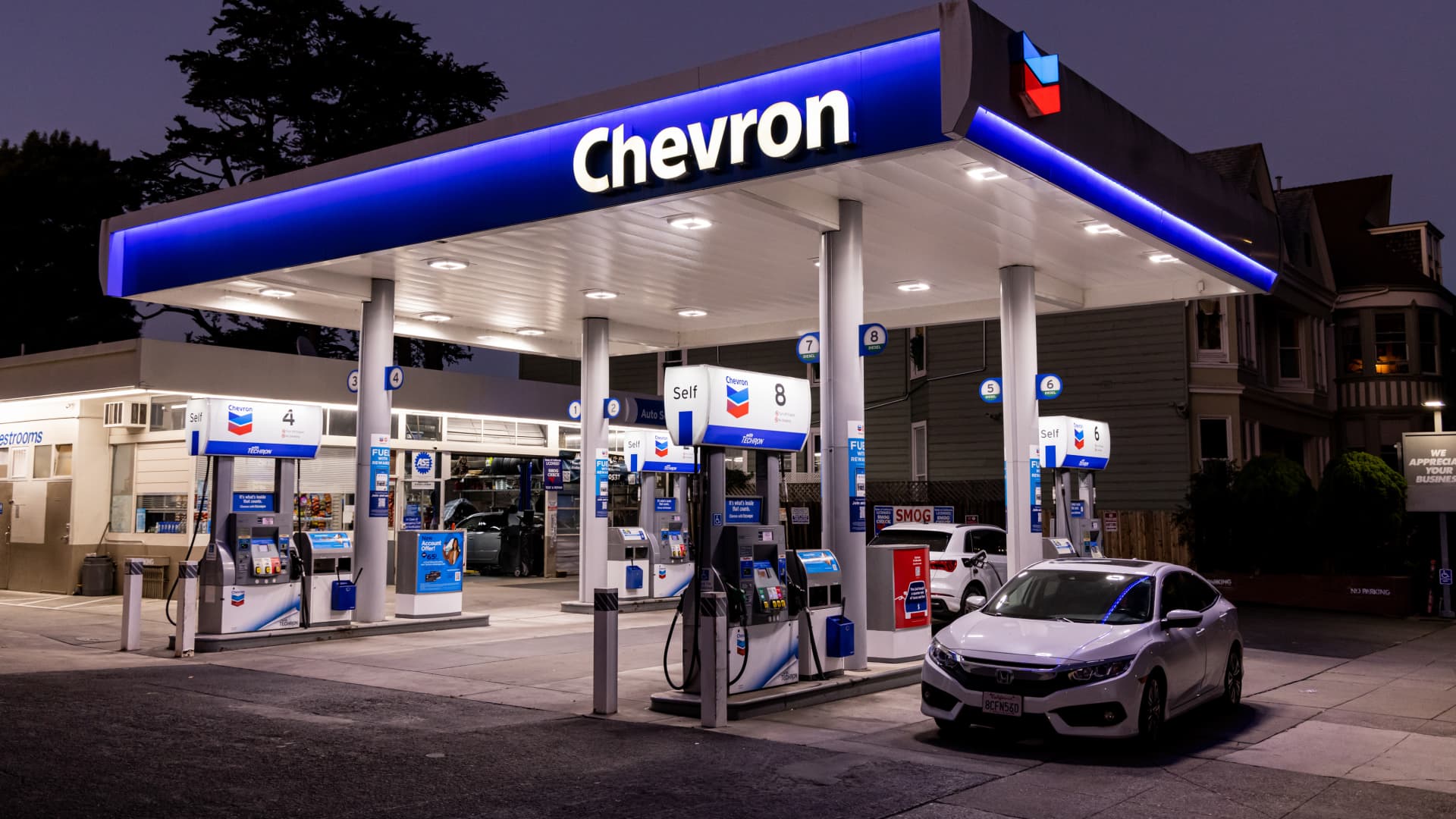
Oil Price Surge Drives Significant Stock Movements
- Oil Price Impact: Oil prices surged past $110 per barrel due to the ongoing Iran conflict, leading Chevron to hit an all-time high, while Talos Energy rose by 5%, and ConocoPhillips and Northern Oil gained 2% and 3% respectively, indicating strong performance among oil companies in a high-price environment.
- Hims & Hers Health Surge: The company's stock soared 39% after striking a deal with Novo Nordisk to sell its weight-loss drug, resolving a lawsuit over a copycat version, which is expected to significantly enhance its market share and brand reputation.
- Live Nation Settlement Near: Live Nation's shares rose 6% as it nears a settlement with the Department of Justice regarding monopoly allegations in the live concert industry, which, if successful, will stabilize and expand its future business operations.
- United Therapeutics Buyback Plan: The pharmaceutical company's shares increased by over 8% after its board authorized a $2 billion stock repurchase plan, with $1.5 billion allocated for accelerated buybacks, which is expected to boost investor confidence and enhance shareholder value.
See More
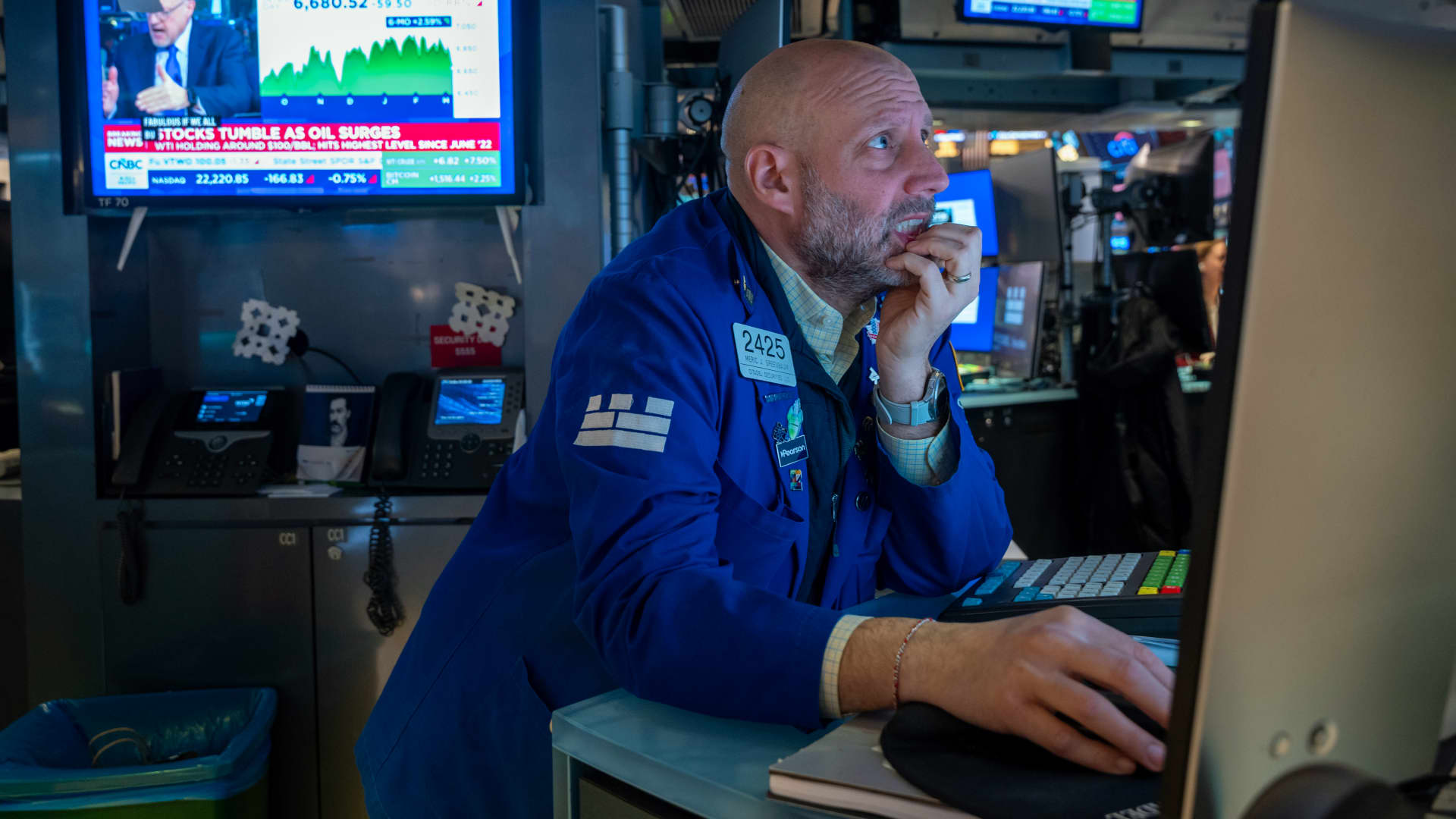
Investors Reshuffle Portfolios Amid Oil Price Surge

- Impact of Oil Price Surge: As crude oil prices surge past $100 per barrel, investors are reshuffling portfolios by rotating into commodity-related sectors and increasing hedges against geopolitical risks, which could trigger broader economic shocks.
- Market Volatility and Stock Resilience: Despite the S&P 500 falling for the third consecutive day and losing 2% last week, U.S. stocks have shown resilience, trading only about 4% off their record high, indicating the market's adaptability amid high volatility.
- Small Caps Benefiting from Rotation: Investors are increasingly looking towards smaller companies, believing that small caps could benefit from potential corporate tax relief and lower interest rates while being less exposed to tariffs and global trade frictions, signaling a shift in market leadership.
- Shift in Hedging Strategies: With rising geopolitical risks, portfolio managers are focusing on hedging strategies, utilizing options to protect against market downturns while generating income to lower volatility, reflecting the adaptability of investments in the current market environment.
See More
Trump Holds Press Conference Amid Iran Tensions
- Market Optimism: Ahead of Trump's press conference in Miami, his comments suggesting the Iran war could soon end led to a rise in U.S. stock market indices, indicating investor optimism about a potential de-escalation of tensions.
- Oil Price Volatility: Despite a spike in oil prices over the weekend due to war fears, Trump's consideration of seizing control of the Strait of Hormuz caused crude prices to fall in extended trading on Monday afternoon, reflecting market concerns over supply chain security.
- Geopolitical Risks Intensify: An Iranian Foreign Ministry spokesman warned that oil tankers passing through the Strait of Hormuz must be
See More
Oil Price Retreat Supports Market Recovery
- Market Impact of Oil Prices: Oil prices retreated from approximately $119 per barrel late Sunday to about $100 at market open on Monday, sliding further to around $95, which eased selling pressure in equities and highlighted the significance of crude during the Iran conflict.
- Government Response Measures: The Trump administration is reviewing options to stabilize the market, including potential strategic oil reserve releases in coordination with G7 countries; while these steps are positive, their effectiveness in offsetting supply disruptions from Gulf States remains uncertain.
- Pressure on Sensitive Sectors: Financials, consumer discretionary, and materials were the worst-performing sectors in the S&P 500, as rising oil prices typically lead to higher gasoline costs, reducing disposable income for consumers and putting pressure on economic growth.
- Tech Stocks Lead Recovery: Despite oil price volatility, technology and AI-related stocks are leading the market's recovery on Monday, indicating confidence in this investment cycle; Broadcom is up over 4%, reflecting strong post-earnings performance.
See More
Qatar's LNG Market Faces Significant Risks Amid Strait Closure
- Supply-Demand Imbalance: With traffic in the Strait of Hormuz nearly at a standstill, global LNG prices have surged, particularly in Europe where natural gas prices rose 63% last week, marking the largest gain since March 2022, highlighting the market's increasing reliance on Qatari LNG.
- Production Restart Challenges: Qatar's LNG production facilities will remain offline until traffic in the Strait resumes, with estimates suggesting it could take weeks to return to normal production levels, which will have long-term implications for global supply chains amid current LNG shortages.
- Escalating Geopolitical Risks: Following Iranian attacks on Qatar's LNG infrastructure, concerns about potential escalation of hostilities have intensified, with Rapidan Energy warning that further conflict could severely damage Qatar's LNG production, destabilizing global markets.
- Expansion Plans Delayed: QatarEnergy has postponed its gas facility expansion plans until 2027, reflecting a cautious approach to future investments in an uncertain geopolitical environment, which may further constrain growth in global LNG supply.
See More
US Economy Faces Stagflation Threat Amid Oil Surge
- Oil Price Surge: US crude oil prices have surpassed $100 per barrel for the first time since 2022, intensifying market fears of stagflation, particularly as the unemployment rate rose to 4.4% in February, indicating economic fragility amidst stagnant job growth.
- Weak Job Market: The economy lost 92,000 jobs in February, with total job growth for 2025 at only 116,000, which is 5,000 below the previous year's monthly average, reflecting a lack of recovery that could dampen consumer spending.
- Inflationary Pressures: Core inflation stands at 3%, a full percentage point above the Federal Reserve's target, leading to reduced expectations for interest rate cuts as investors worry that rising oil prices will exacerbate food inflation and other costs.
- Delayed Policy Response: The Federal Reserve is likely to postpone interest rate adjustments, with no second cut expected in 2026, despite strong GDP growth signals; however, stagflation risks remain, potentially complicating future monetary policy decisions.
See More
Oil Price Surge Drives Significant Stock Movements
- Oil Price Impact: Oil prices surged past $110 per barrel due to the ongoing Iran conflict, leading Chevron to hit an all-time high, while Talos Energy rose by 5%, and ConocoPhillips and Northern Oil gained 2% and 3% respectively, indicating strong performance among oil companies in a high-price environment.
- Hims & Hers Health Surge: The company's stock soared 39% after striking a deal with Novo Nordisk to sell its weight-loss drug, resolving a lawsuit over a copycat version, which is expected to significantly enhance its market share and brand reputation.
- Live Nation Settlement Near: Live Nation's shares rose 6% as it nears a settlement with the Department of Justice regarding monopoly allegations in the live concert industry, which, if successful, will stabilize and expand its future business operations.
- United Therapeutics Buyback Plan: The pharmaceutical company's shares increased by over 8% after its board authorized a $2 billion stock repurchase plan, with $1.5 billion allocated for accelerated buybacks, which is expected to boost investor confidence and enhance shareholder value.
See More
Investors Reshuffle Portfolios Amid Oil Price Surge
- Impact of Oil Price Surge: As crude oil prices surge past $100 per barrel, investors are reshuffling portfolios by rotating into commodity-related sectors and increasing hedges against geopolitical risks, which could trigger broader economic shocks.
- Market Volatility and Stock Resilience: Despite the S&P 500 falling for the third consecutive day and losing 2% last week, U.S. stocks have shown resilience, trading only about 4% off their record high, indicating the market's adaptability amid high volatility.
- Small Caps Benefiting from Rotation: Investors are increasingly looking towards smaller companies, believing that small caps could benefit from potential corporate tax relief and lower interest rates while being less exposed to tariffs and global trade frictions, signaling a shift in market leadership.
- Shift in Hedging Strategies: With rising geopolitical risks, portfolio managers are focusing on hedging strategies, utilizing options to protect against market downturns while generating income to lower volatility, reflecting the adaptability of investments in the current market environment.
See More