Class Action Reminder for Paysafe and Oracle Shareholders
Written by Emily J. Thompson, Senior Investment Analyst
Updated: Mar 09 2026
0mins

Should l Buy ORCL?
Source: Globenewswire
- Paysafe Class Action: A class action lawsuit has been initiated against Paysafe Limited (NYSE:PSFE), alleging that during the period from March 4 to November 12, 2025, the company failed to disclose significant financial risks associated with a high-risk client, which could negatively impact future revenue growth and expose investors to losses.
- Stock Price Plunge: On November 13, 2025, Paysafe reported third-quarter results that missed revenue and EPS estimates, leading to a stock price drop of $2.80, or 27.6%, closing at $7.36 per share, which directly affected investor confidence and asset value.
- Oracle Class Action: Oracle Corporation (NYSE:ORCL) is also facing a class action lawsuit, alleging that from June 12 to December 16, 2025, the company failed to disclose that its AI infrastructure strategy would lead to significant capital expenditure increases without corresponding near-term revenue growth, heightening financial risks.
- Financial Risk Warning: The lawsuit against Oracle highlights that increased spending could jeopardize its debt and credit rating, affecting free cash flow and project funding capabilities, prompting investors to be vigilant about these potential financial pitfalls.
Trade with 70% Backtested Accuracy
Stop guessing "Should I Buy ORCL?" and start using high-conviction signals backed by rigorous historical data.
Sign up today to access powerful investing tools and make smarter, data-driven decisions.
Analyst Views on ORCL
Wall Street analysts forecast ORCL stock price to rise
34 Analyst Rating
25 Buy
9 Hold
0 Sell
Moderate Buy
Current: 145.230

Low
180.00
Averages
309.59
High
400.00
Current: 145.230
Low
180.00
Averages
309.59
High
400.00
About ORCL
Oracle Corporation offers integrated suites of applications plus secure, autonomous infrastructure in the Oracle Cloud. The Company operates through three businesses: cloud and license, hardware and service. Its cloud and license business is engaged in the sale, marketing and delivery of its enterprise applications and infrastructure technologies through cloud and on-premise deployment models including its cloud services and license support offerings, and its cloud license and on-premise license offerings. Its hardware business provides infrastructure technologies including Oracle Engineered Systems, servers, storage, industry-specific hardware, operating systems, virtualization, management and other hardware-related software to support diverse IT environments. Its services business provides services to customers and partners to help maximize the performance of their investments in Oracle applications and infrastructure technologies.
About the author

Emily J. Thompson
Emily J. Thompson, a Chartered Financial Analyst (CFA) with 12 years in investment research, graduated with honors from the Wharton School. Specializing in industrial and technology stocks, she provides in-depth analysis for Intellectia’s earnings and market brief reports.

Oracle Corp. Cash Flow Tension Analysis

- Cash Flow Dilemma: Oracle Corp. generated $22 billion in operating cash flow last fiscal year but reported nearly zero free cash flow, indicating excessive capital expenditures that raise investor concerns about future profitability.
- Surge in Capital Expenditures: The company's infrastructure spending skyrocketed from $6.9 billion to $21.2 billion, resulting in a negative free cash flow of $394 million, highlighting financial pressures during its expansion that could impact future shareholder returns.
- Contract Revenue Surge: Oracle's remaining performance obligations reached $523 billion, a staggering 438% year-over-year increase, indicating strong market demand in the cloud infrastructure sector, yet the ability to convert this into cash flow remains uncertain.
- Market Valuation Fluctuations: Oracle's stock price plummeted from $326 to $145, with its price-to-earnings ratio dropping from 40x to 21.7x, reflecting a market reassessment of its future growth potential and sparking discussions on whether it is undervalued.
See More

Defense Tech Investment Soars Amid Geopolitical Tensions
- Funding Surge: The defense tech sector's funding skyrocketed from $869 million in 2020 to $11.2 billion by 2025, reflecting a more than tenfold increase driven by rising global geopolitical tensions, particularly amid the Iran war.
- Rising Demand: Since the U.S. and Israel's initial strikes on Iran at the end of February, defense tech startups have reported a significant uptick in demand from Department of Defense customers, with many offering to buy out capacity or requesting increased production to meet escalating military needs.
- Workforce Expansion: In response to the Iran war, European-headquartered defense startups are set to increase their workforce in the Middle East, with Estonian drone and missile interceptor startup Frankenburg and Ukrainian-UK Uforce both announcing plans to ramp up hiring in the region.
- Challenges and Opportunities: Despite the surge in demand, the U.S. government has not provided a steady flow of contracts, leaving firms divided over whether to scale up capacity at the risk of profitability or hold back, while European startups face tough decisions on resource allocation between Middle Eastern opportunities and their home markets.
See More
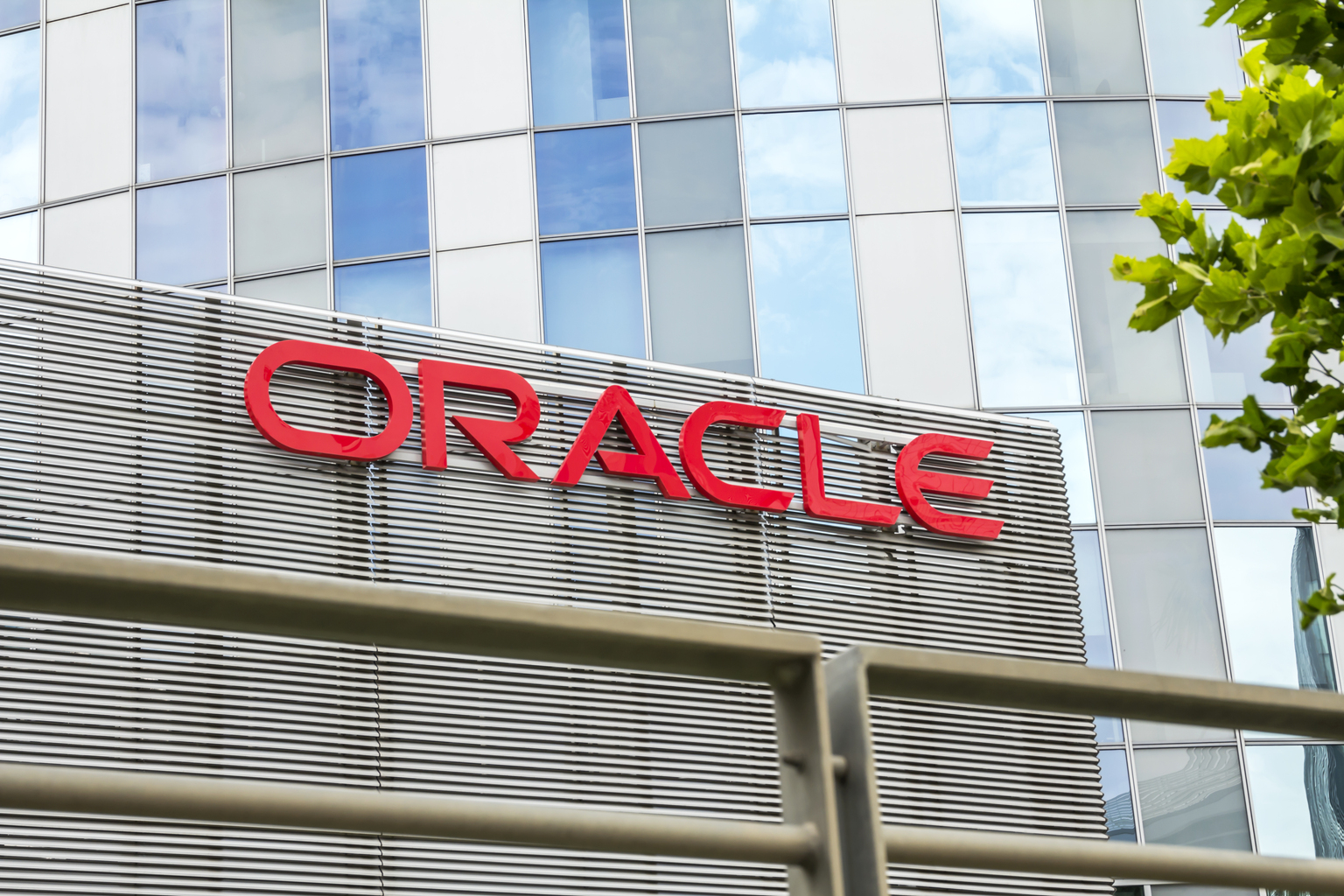
UAE Intercepted Missile Debris Falls on Oracle Building
- Missile Debris Incident: The UAE confirmed on Saturday that debris from an intercepted missile fell on the Oracle building in Dubai, highlighting the impact of the ongoing Middle Eastern conflict on Western tech firms, although no injuries were reported.
- Escalating Iranian Threats: The Iranian Revolutionary Guard Corps recently threatened to target multiple U.S. tech companies operating in the Middle East, including Oracle, indicating a significant escalation in regional tensions.
- Corporate Security Risks: This incident raises security risks for tech companies like Oracle, potentially affecting their operational and investment decisions in the Middle East amid the current geopolitical instability.
- Historical Context: Earlier in March, Iranian drone strikes had already damaged Amazon Web Services (AMZN) data centers in the UAE, causing outages in apps and digital services, underscoring the ongoing security threats.
See More

Oracle's Dubai Office Damaged Amid Rising Tensions in the Middle East

- Incident Overview: Oracle's office in Dubai was damaged by debris from an aerial interception, although no injuries were reported, highlighting the escalating tensions in the Middle East.
- Escalating Security Threats: Iran's Revolutionary Guard has designated 18 tech companies, including Oracle, as 'legitimate targets' in retaliation for U.S. and Israeli strikes, indicating the increasing significance of tech assets in conflicts.
- Industry Impact: James Henderson, CEO of risk management firm Healix, noted that the threats against tech companies are part of a sustained pattern, suggesting that future crises may target data centers and cloud platforms as much as traditional strategic sites.
- Historical Context: In March, Iran attacked Amazon Web Services data centers, causing outages in several apps and digital services in the UAE, underscoring the serious cybersecurity landscape in the region.
See More

Iran Threatens Attacks on U.S. Tech Firms Including Oracle

- Incident Overview: Oracle's building in Dubai sustained minor damage from debris due to an aerial interception, with no injuries reported; however, this incident highlights escalating tensions in the Middle East that could impact Oracle's operational safety in the region.
- Threats to Tech Companies: Iran's Revolutionary Guard has designated 18 U.S. tech firms, including Oracle, as 'legitimate targets' in retaliation for U.S. and Israeli strikes, which raises the operational risks for these companies in the Middle East.
- Rising Cybersecurity Risks: As threats against tech companies escalate, risk management expert James Henderson notes that tech assets are now viewed as integral to the conflict, suggesting future attacks may target data centers and cloud platforms, increasing security vulnerabilities in the industry.
- Historical Context: Iran previously attacked Amazon Web Services data centers in early March, causing outages in various apps and digital services in the UAE, and a repeat of such incidents could severely impact Oracle and other tech firms' operations.
See More

Why Oracle Could Outperform Nvidia Over Next Five Years

- Market Share Competition: Over the next five years, Oracle is expected to capture a larger share of the AI chip market, particularly as companies like Broadcom and AMD may dilute Nvidia's dominance, enhancing Oracle's competitive edge.
- Industry Trend Analysis: With the rising demand for AI, Oracle's technology and product offerings may align better with market needs, especially in enterprise solutions, which will help elevate its position in the industry.
- Investor Confidence Boost: Analysts are optimistic about Oracle's prospects, believing its performance will surpass Nvidia's over the next five years, potentially attracting more investor interest and driving stock price increases.
- Innovation Potential: Oracle's ongoing investments and R&D capabilities in the AI sector may allow it to lead in technological innovation over Nvidia, further solidifying its market position and driving long-term growth.
See More
Oracle Corp. Cash Flow Tension Analysis
- Cash Flow Dilemma: Oracle Corp. generated $22 billion in operating cash flow last fiscal year but reported nearly zero free cash flow, indicating excessive capital expenditures that raise investor concerns about future profitability.
- Surge in Capital Expenditures: The company's infrastructure spending skyrocketed from $6.9 billion to $21.2 billion, resulting in a negative free cash flow of $394 million, highlighting financial pressures during its expansion that could impact future shareholder returns.
- Contract Revenue Surge: Oracle's remaining performance obligations reached $523 billion, a staggering 438% year-over-year increase, indicating strong market demand in the cloud infrastructure sector, yet the ability to convert this into cash flow remains uncertain.
- Market Valuation Fluctuations: Oracle's stock price plummeted from $326 to $145, with its price-to-earnings ratio dropping from 40x to 21.7x, reflecting a market reassessment of its future growth potential and sparking discussions on whether it is undervalued.
See More
Defense Tech Investment Soars Amid Geopolitical Tensions
- Funding Surge: The defense tech sector's funding skyrocketed from $869 million in 2020 to $11.2 billion by 2025, reflecting a more than tenfold increase driven by rising global geopolitical tensions, particularly amid the Iran war.
- Rising Demand: Since the U.S. and Israel's initial strikes on Iran at the end of February, defense tech startups have reported a significant uptick in demand from Department of Defense customers, with many offering to buy out capacity or requesting increased production to meet escalating military needs.
- Workforce Expansion: In response to the Iran war, European-headquartered defense startups are set to increase their workforce in the Middle East, with Estonian drone and missile interceptor startup Frankenburg and Ukrainian-UK Uforce both announcing plans to ramp up hiring in the region.
- Challenges and Opportunities: Despite the surge in demand, the U.S. government has not provided a steady flow of contracts, leaving firms divided over whether to scale up capacity at the risk of profitability or hold back, while European startups face tough decisions on resource allocation between Middle Eastern opportunities and their home markets.
See More
UAE Intercepted Missile Debris Falls on Oracle Building
- Missile Debris Incident: The UAE confirmed on Saturday that debris from an intercepted missile fell on the Oracle building in Dubai, highlighting the impact of the ongoing Middle Eastern conflict on Western tech firms, although no injuries were reported.
- Escalating Iranian Threats: The Iranian Revolutionary Guard Corps recently threatened to target multiple U.S. tech companies operating in the Middle East, including Oracle, indicating a significant escalation in regional tensions.
- Corporate Security Risks: This incident raises security risks for tech companies like Oracle, potentially affecting their operational and investment decisions in the Middle East amid the current geopolitical instability.
- Historical Context: Earlier in March, Iranian drone strikes had already damaged Amazon Web Services (AMZN) data centers in the UAE, causing outages in apps and digital services, underscoring the ongoing security threats.
See More
Oracle's Dubai Office Damaged Amid Rising Tensions in the Middle East
- Incident Overview: Oracle's office in Dubai was damaged by debris from an aerial interception, although no injuries were reported, highlighting the escalating tensions in the Middle East.
- Escalating Security Threats: Iran's Revolutionary Guard has designated 18 tech companies, including Oracle, as 'legitimate targets' in retaliation for U.S. and Israeli strikes, indicating the increasing significance of tech assets in conflicts.
- Industry Impact: James Henderson, CEO of risk management firm Healix, noted that the threats against tech companies are part of a sustained pattern, suggesting that future crises may target data centers and cloud platforms as much as traditional strategic sites.
- Historical Context: In March, Iran attacked Amazon Web Services data centers, causing outages in several apps and digital services in the UAE, underscoring the serious cybersecurity landscape in the region.
See More
Iran Threatens Attacks on U.S. Tech Firms Including Oracle
- Incident Overview: Oracle's building in Dubai sustained minor damage from debris due to an aerial interception, with no injuries reported; however, this incident highlights escalating tensions in the Middle East that could impact Oracle's operational safety in the region.
- Threats to Tech Companies: Iran's Revolutionary Guard has designated 18 U.S. tech firms, including Oracle, as 'legitimate targets' in retaliation for U.S. and Israeli strikes, which raises the operational risks for these companies in the Middle East.
- Rising Cybersecurity Risks: As threats against tech companies escalate, risk management expert James Henderson notes that tech assets are now viewed as integral to the conflict, suggesting future attacks may target data centers and cloud platforms, increasing security vulnerabilities in the industry.
- Historical Context: Iran previously attacked Amazon Web Services data centers in early March, causing outages in various apps and digital services in the UAE, and a repeat of such incidents could severely impact Oracle and other tech firms' operations.
See More
Why Oracle Could Outperform Nvidia Over Next Five Years
- Market Share Competition: Over the next five years, Oracle is expected to capture a larger share of the AI chip market, particularly as companies like Broadcom and AMD may dilute Nvidia's dominance, enhancing Oracle's competitive edge.
- Industry Trend Analysis: With the rising demand for AI, Oracle's technology and product offerings may align better with market needs, especially in enterprise solutions, which will help elevate its position in the industry.
- Investor Confidence Boost: Analysts are optimistic about Oracle's prospects, believing its performance will surpass Nvidia's over the next five years, potentially attracting more investor interest and driving stock price increases.
- Innovation Potential: Oracle's ongoing investments and R&D capabilities in the AI sector may allow it to lead in technological innovation over Nvidia, further solidifying its market position and driving long-term growth.
See More