Sub-Saharan Africa's Energy Exporters Strengthen Fiscal Positions

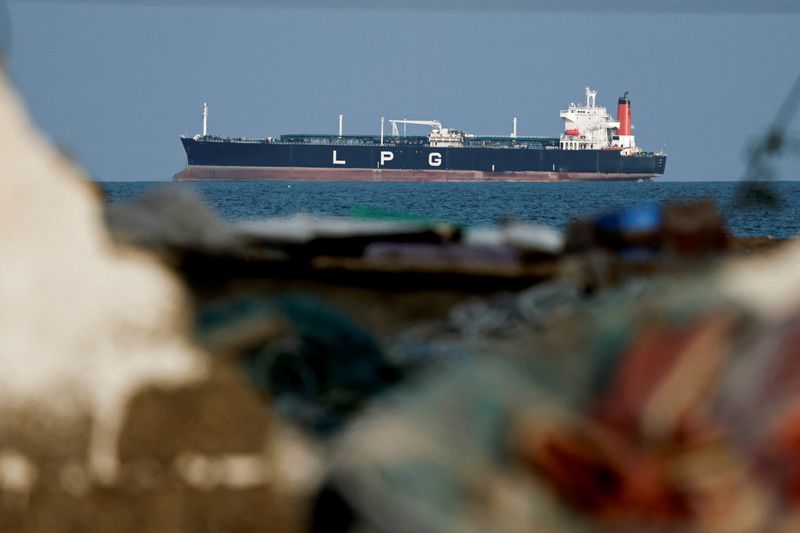
- Fiscal Improvement: According to BofA Global Research, Angola and Nigeria emerge as the largest beneficiaries of sustained high crude prices, demonstrating positive current-account effects and fiscal impacts, indicating significant progress in economic structural reforms.
- Subsidy Reform Dividend: Nigeria and Zambia have notably strengthened their fiscal positions by reducing state subsidy burdens, with analysts observing that the rollout of fuel subsidy reforms supports the fiscal outlook by decreasing costly state transfers.
- External Account Protection: Producers in the West African Economic and Monetary Union appear more protected than in 2022, as new production comes online and global demand remains strong, indicating enhanced competitiveness in the global market.
- Key Reform Momentum: Despite the optimistic outlook, the regional economy remains bifurcated, with Angola enjoying positive fiscal and current account impacts, while fuel-importing nations like Kenya and Zambia face external pressures, making the maintenance of reform momentum critical for sovereign bond performance.
Trade with 70% Backtested Accuracy
Analyst Views on TTE

About TTE
About the author

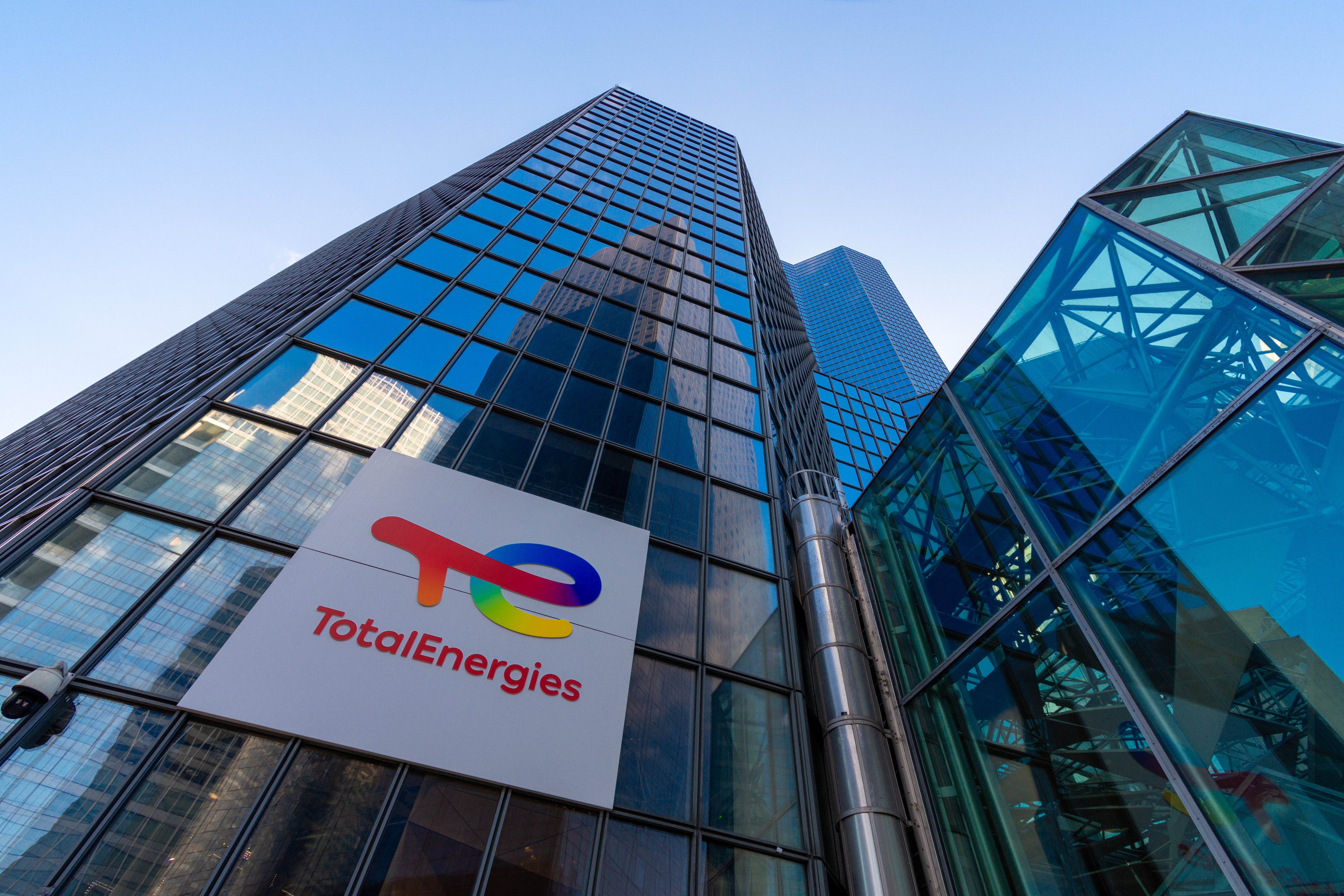
TotalEnergies Exits U.S. Offshore Wind Projects to Focus on Gas Production
- Project Withdrawal: TotalEnergies has signed settlement agreements with the U.S. Interior Department to relinquish offshore wind leases in New York and North Carolina, indicating a lack of confidence in U.S. offshore wind projects, which may impact its renewable energy strategy in the U.S.
- Reinvestment of Funds: Under the deal, TotalEnergies will recover lease fees paid and reinvest an equal amount into U.S. gas and power production, demonstrating the company's focus on traditional energy sources to meet the growing electricity demand.
- Strategic Shift: The CEO stated that investments will support the construction of the Rio Grande LNG plant and the development of oil and gas activities, indicating a pivot towards more cost-effective energy solutions to bolster energy supply for both the U.S. and Europe.
- Market Impact: This move may lead to reduced investment in the U.S. offshore wind market while strengthening TotalEnergies' competitiveness in the LNG sector, which is expected to negatively affect its future financial performance.

CERAWEEK: US and France's Total to Shift Almost $1 Billion from Offshore Wind Leases to US Natural Gas Production, Says Interior Secretary Doug Burgum
Total Energy Investment: France's Total has invested nearly $1 billion in offshore wind leases to boost natural gas production.
U.S. Government Involvement: The initiative is supported by U.S. Interior Secretary Doug Burgum, highlighting the government's role in renewable energy expansion.
CERAWEEK: TOTAL CEO Announces Plans to Reinvest $928 Million from Wind Lease Costs into US LNG, Natural Gas, and Oil
- Financial Recovery: CERAWEEK will recover $928 million in wind lease costs and investments in natural gas and oil.
- Leadership Insight: The CEO of Total emphasizes the importance of these investments for future energy strategies.
CERAWEEK: TOTAL CEO POUYANNE Claims Offshore Wind is Not the Most Cost-Effective Electricity Source in the U.S.
Offshore Wind Energy Costs: Offshore wind energy is not the most affordable method for producing electricity in the United States, according to Total CEO Pouyanne.
Industry Insights: The statement highlights the challenges and costs associated with offshore wind energy production compared to other energy sources.
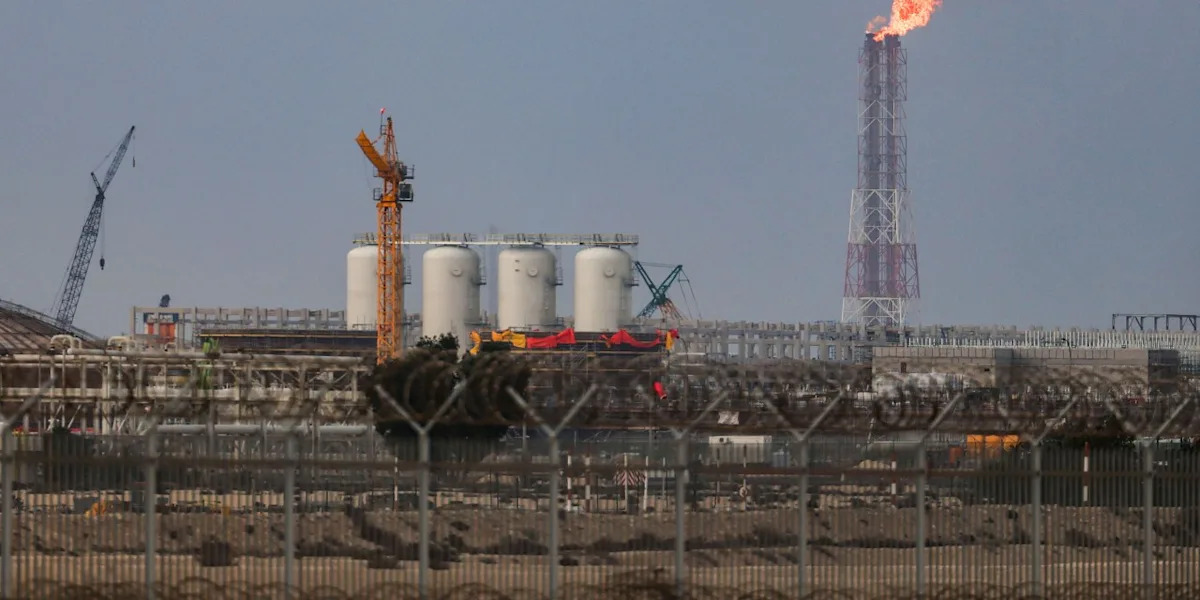
Damaged Energy Infrastructure Impacts Recovery Timeline


- Infrastructure Damage: The damaged energy infrastructure is expected to take years to come back online, which will have a long-term impact on the energy supply chain and could lead to future energy shortages.
- Surge in Oil and Gas Prices: Despite the damage, the surge in oil and gas prices is helping to offset some of the production losses in the short term, indicating the market's sensitivity and volatility regarding energy supply.
- Mitigated Production Losses: The current rise in oil and gas prices provides some relief for the lost production; however, the long-term recovery of infrastructure will be a critical factor affecting market stability.
- Uncertain Market Outlook: The future outlook for the energy market has become uncertain due to delays in infrastructure recovery, which may lead to decreased investor confidence in the energy sector, subsequently impacting the stock performance of related companies.

European Energy Resilience Faces Complex Challenges Amid Regional Instability

- Supply Chain Vulnerability: While only 11% of Europe's LNG and 12% of its oil comes from the Middle East, potential blockades could lead to financial repercussions, jeopardizing Europe's energy security.
- Increased Market Competition: The 'destination flexibility' in global energy contracts may force European buyers to outbid Asian markets, raising costs and undermining progress in diversifying imports away from Russia.
- Logistical Pressures: The shift in global energy flows places greater adjustment burdens on shipping infrastructure, particularly as rapid changes in oil contracts heighten market vulnerability, potentially impacting Europe's industrial recovery.
- Macroeconomic Stability: The ability of European utilities to manage price spikes will directly affect macroeconomic stability in the Eurozone, highlighting the critical role of financial capacity in ensuring energy security.
TotalEnergies Exits U.S. Offshore Wind Projects to Focus on Gas Production
- Project Withdrawal: TotalEnergies has signed settlement agreements with the U.S. Interior Department to relinquish offshore wind leases in New York and North Carolina, indicating a lack of confidence in U.S. offshore wind projects, which may impact its renewable energy strategy in the U.S.
- Reinvestment of Funds: Under the deal, TotalEnergies will recover lease fees paid and reinvest an equal amount into U.S. gas and power production, demonstrating the company's focus on traditional energy sources to meet the growing electricity demand.
- Strategic Shift: The CEO stated that investments will support the construction of the Rio Grande LNG plant and the development of oil and gas activities, indicating a pivot towards more cost-effective energy solutions to bolster energy supply for both the U.S. and Europe.
- Market Impact: This move may lead to reduced investment in the U.S. offshore wind market while strengthening TotalEnergies' competitiveness in the LNG sector, which is expected to negatively affect its future financial performance.
CERAWEEK: US and France's Total to Shift Almost $1 Billion from Offshore Wind Leases to US Natural Gas Production, Says Interior Secretary Doug Burgum
Total Energy Investment: France's Total has invested nearly $1 billion in offshore wind leases to boost natural gas production.
U.S. Government Involvement: The initiative is supported by U.S. Interior Secretary Doug Burgum, highlighting the government's role in renewable energy expansion.
CERAWEEK: TOTAL CEO Announces Plans to Reinvest $928 Million from Wind Lease Costs into US LNG, Natural Gas, and Oil
- Financial Recovery: CERAWEEK will recover $928 million in wind lease costs and investments in natural gas and oil.
- Leadership Insight: The CEO of Total emphasizes the importance of these investments for future energy strategies.
CERAWEEK: TOTAL CEO POUYANNE Claims Offshore Wind is Not the Most Cost-Effective Electricity Source in the U.S.
Offshore Wind Energy Costs: Offshore wind energy is not the most affordable method for producing electricity in the United States, according to Total CEO Pouyanne.
Industry Insights: The statement highlights the challenges and costs associated with offshore wind energy production compared to other energy sources.
Damaged Energy Infrastructure Impacts Recovery Timeline
- Infrastructure Damage: The damaged energy infrastructure is expected to take years to come back online, which will have a long-term impact on the energy supply chain and could lead to future energy shortages.
- Surge in Oil and Gas Prices: Despite the damage, the surge in oil and gas prices is helping to offset some of the production losses in the short term, indicating the market's sensitivity and volatility regarding energy supply.
- Mitigated Production Losses: The current rise in oil and gas prices provides some relief for the lost production; however, the long-term recovery of infrastructure will be a critical factor affecting market stability.
- Uncertain Market Outlook: The future outlook for the energy market has become uncertain due to delays in infrastructure recovery, which may lead to decreased investor confidence in the energy sector, subsequently impacting the stock performance of related companies.
European Energy Resilience Faces Complex Challenges Amid Regional Instability
- Supply Chain Vulnerability: While only 11% of Europe's LNG and 12% of its oil comes from the Middle East, potential blockades could lead to financial repercussions, jeopardizing Europe's energy security.
- Increased Market Competition: The 'destination flexibility' in global energy contracts may force European buyers to outbid Asian markets, raising costs and undermining progress in diversifying imports away from Russia.
- Logistical Pressures: The shift in global energy flows places greater adjustment burdens on shipping infrastructure, particularly as rapid changes in oil contracts heighten market vulnerability, potentially impacting Europe's industrial recovery.
- Macroeconomic Stability: The ability of European utilities to manage price spikes will directly affect macroeconomic stability in the Eurozone, highlighting the critical role of financial capacity in ensuring energy security.