Study Reveals Checkout Donation Requests Hurt Customer Satisfaction
Written by Emily J. Thompson, Senior Investment Analyst
Updated: Jan 15 2026
0mins
Should l Buy DPZ?
Source: Benzinga
- Customer Psychological Impact: A study from the University of Adelaide indicates that checkout donation requests can make customers feel anxious and rushed, leading to decreased purchase intentions and negative brand evaluations, which could hurt retailers' profitability.
- Significant Donation Outcomes: In 2024, 92 checkout charity campaigns raised over $275 million for charitable organizations, with Domino's Pizza raising more than $126 million for St. Jude Children's Research Hospital over the past two decades and anticipating an additional $174 million donation over the next ten years, highlighting the potential market value of donations.
- Complex Customer Reactions: While donations are expected to evoke a “warm glow” feeling, the time pressure instead leads customers to feel “doing good but feeling bad,” which may result in decreased brand loyalty.
- Retailer Strategies: The study suggests that retailers should inform customers about charity campaigns earlier in the shopping process rather than surprising them at checkout to reduce anxiety and increase willingness to donate.
Trade with 70% Backtested Accuracy
Stop guessing "Should I Buy DPZ?" and start using high-conviction signals backed by rigorous historical data.
Sign up today to access powerful investing tools and make smarter, data-driven decisions.
Analyst Views on DPZ
Wall Street analysts forecast DPZ stock price to rise
15 Analyst Rating
6 Buy
8 Hold
1 Sell
Moderate Buy
Current: 361.540

Low
370.00
Averages
464.83
High
556.00
Current: 361.540
Low
370.00
Averages
464.83
High
556.00
About DPZ
Domino’s Pizza, Inc. is a pizza company with a significant business in both delivery and carryout. The Company operates through three segments: U.S. stores, international franchise, and supply chain. The U.S. stores segment is comprised primarily of its franchise operations, which consists of franchised stores located in the United States. The segment also operates a network of United States Company-owned stores. The international franchise segment primarily includes operations related to the Company’s franchising business in foreign markets. The supply chain segment primarily includes the distribution of food, equipment and supplies to stores from the Company’s supply chain center operations in the United States and Canada. It is primarily a franchisor, with approximately 99% of its global stores owned and operated by its independent franchisees. In its international markets, the Company generally grants geographical rights to the Domino’s Pizza brand to master franchisees.
About the author

Emily J. Thompson
Emily J. Thompson, a Chartered Financial Analyst (CFA) with 12 years in investment research, graduated with honors from the Wharton School. Specializing in industrial and technology stocks, she provides in-depth analysis for Intellectia’s earnings and market brief reports.
Restaurant Brands International Shows Positive Outlook


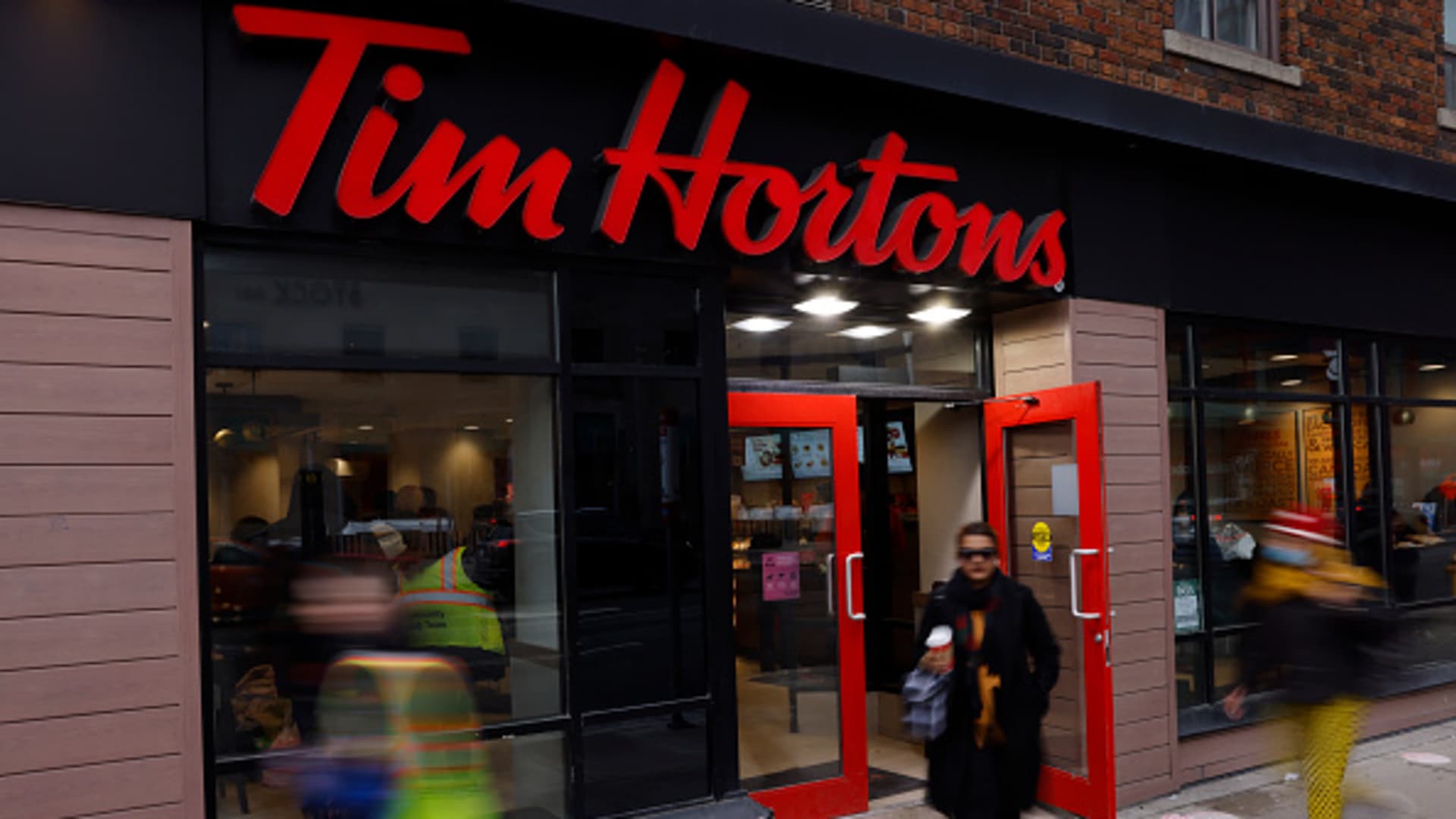
- Brand Diversity: Restaurant Brands International operates 33,000 restaurants across 125 markets under four major brands—Popeye's, Burger King, Tim Hortons, and Firehouse Subs—with over 95% being franchised, showcasing strong market penetration and brand value.
- Financial Growth Expectations: The upcoming May quarter is projected to achieve 6% revenue growth, 35% EBIT growth, and 10% EPS growth, indicating robust performance and enhanced profitability in international markets.
- International Expansion Strategy: The company plans to open 1,800 net new restaurants annually by 2028, with over 1,400 coming from outside North America, which will further boost overall royalty income and profitability, strengthening its competitive position globally.
- Management Changes: New Executive Chairman Patrick Doyle, leveraging his success at Domino's Pizza, aims to improve Burger King's store economics and execution, with early signs of positive same-store sales in the U.S., suggesting that management strategies are beginning to take effect.
See More

Restaurant Brands International Shows Strong Growth Potential
- Brand Diversity: Restaurant Brands International operates four major brands—Popeye's, Burger King, Tim Hortons, and Firehouse Subs—across 33,000 restaurants, with over 95% being franchised, showcasing strong market coverage and brand influence.
- Financial Growth Expectations: The upcoming May quarter is projected to achieve 6% revenue growth, 35% EBIT growth, and 10% EPS growth, indicating robust performance and profitability improvements in international markets.
- International Expansion Strategy: The company aims to open 1,800 new restaurants annually by 2028, with the majority coming from international markets, which will further enhance the overall royalty rate and increase revenue stability and sustainability.
- Management Transformation: New Executive Chairman Patrick Doyle leverages his successful experience at Domino's Pizza to drive the
See More
Coca-Cola Launches New Marketing Campaign to Boost Restaurant Sales

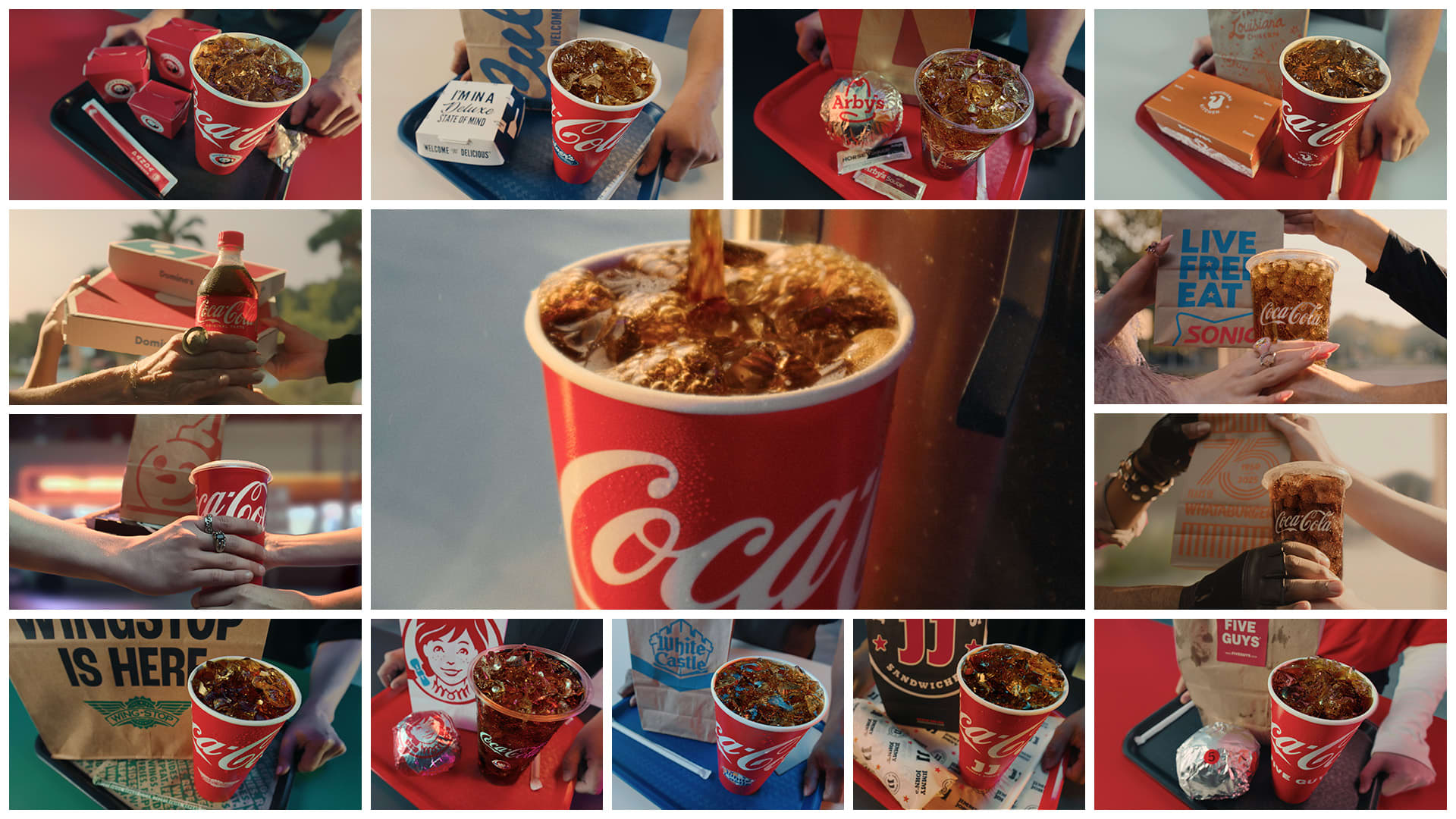
- Campaign Launch: Coca-Cola unveiled a new marketing campaign on Thursday aimed at boosting beverage sales in restaurants to tackle challenges posed by declining traffic and sluggish sales growth, marking the first time it has partnered with multiple restaurant chains for ads.
- Wide Advertising Reach: The campaign features commercials showcasing 13 different chains, including Arby's, Domino's, and Wendy's, emphasizing the importance of drinks as high-margin menu items, particularly as consumers cut back on dining out.
- Deepening Partnerships: Coca-Cola collaborates with restaurants to market combo meals, providing marketing funds to attract customers, especially amid intensified value competition in the fast-food sector, highlighting its role as a “business partner.”
- Sales Outlook: Despite a 4% organic sales growth in North America in 2025, Coca-Cola's domestic unit case volume fell by 1%, indicating weak demand, with modest sales growth projected for 2026, reflecting a challenging market environment.
See More

Coca-Cola Launches First Multi-Chain Restaurant Ad Campaign
- Advertising Innovation: Coca-Cola has launched its first advertising campaign featuring 13 restaurant chains, including Arby's and Domino's, aimed at boosting restaurant sales by highlighting the high margins of drinks, particularly as consumer dining frequency declines.
- Market Challenges: According to Black Box Intelligence, U.S. restaurant traffic fell by 2% in February, with 38% of consumers indicating reduced spending at restaurants in Q1 2026, making Coca-Cola's marketing efforts crucial in this challenging environment.
- Strategic Partnerships: Coca-Cola has collaborated with restaurant partners to market combo meals, leveraging marketing funds to enhance the appeal of $5 value meals, aiming to drive traffic and beverage sales for mutual benefit.
- Future Outlook: The advertising campaign will debut in theaters on Friday and expand to linear TV and digital channels by mid-April, underscoring Coca-Cola's strategic significance in the restaurant industry, especially amid economic slowdowns.
See More

Top Five Blue Chip Dividend Stocks for Steady Returns
- Coca-Cola's Stability: Coca-Cola (KO) has increased its dividend for 64 consecutive years, currently yielding 2.8%, with an expected annual growth of 7% over the next 3-5 years, providing investors with stable cash flow and long-term growth potential.
- McDonald's Resilience: McDonald's (MCD) excels during economic slowdowns with over 45,000 locations and a 2.4% dividend yield, while analysts project an 8% annual earnings growth, ensuring continued returns for shareholders.
- Procter & Gamble's Brand Loyalty: Procter & Gamble (PG) has demonstrated resilience with 69 years of dividend increases and a current yield of 3%, with expected annual earnings growth of 4%, ensuring the sustainability of its dividends during economic downturns.
- Walmart's Market Advantage: Walmart (WMT), the world's largest retailer, boasts a 53-year history of dividend growth, currently yielding 0.8%, with a projected annual growth of 9%, providing strong market adaptability and growth potential for investors.
See More

Analysis of Dividend Stocks in Consumer Goods
- Coca-Cola's Stability: Coca-Cola (NYSE: KO) has increased its dividend for 64 consecutive years, currently yielding 2.8%, with an expected annual growth rate of 7% over the next 3 to 5 years, which will fund future dividend increases and bolster investor confidence.
- McDonald's Resilience: McDonald's (NYSE: MCD) benefits from consumers opting for cheaper dining options during economic slowdowns, boasting a dividend yield of 2.4% and an expected 8% annual earnings growth in the coming years, ensuring its record of 49 consecutive annual dividend increases.
- Procter & Gamble's Brand Loyalty: Procter & Gamble (NYSE: PG) has achieved 69 consecutive years of dividend increases with a current yield of 3%, demonstrating strong brand loyalty during tough economic times, with analysts projecting a 4% annual earnings growth to support future dividend hikes.
- Walmart's Market Advantage: Walmart (NYSE: WMT), the world's largest retailer, has a track record of 53 consecutive annual dividend increases and a yield of 0.8%, with a projected 9% annual growth, leveraging its vast market presence to maintain competitiveness in e-commerce.
See More
Restaurant Brands International Shows Positive Outlook
- Brand Diversity: Restaurant Brands International operates 33,000 restaurants across 125 markets under four major brands—Popeye's, Burger King, Tim Hortons, and Firehouse Subs—with over 95% being franchised, showcasing strong market penetration and brand value.
- Financial Growth Expectations: The upcoming May quarter is projected to achieve 6% revenue growth, 35% EBIT growth, and 10% EPS growth, indicating robust performance and enhanced profitability in international markets.
- International Expansion Strategy: The company plans to open 1,800 net new restaurants annually by 2028, with over 1,400 coming from outside North America, which will further boost overall royalty income and profitability, strengthening its competitive position globally.
- Management Changes: New Executive Chairman Patrick Doyle, leveraging his success at Domino's Pizza, aims to improve Burger King's store economics and execution, with early signs of positive same-store sales in the U.S., suggesting that management strategies are beginning to take effect.
See More
Restaurant Brands International Shows Strong Growth Potential
- Brand Diversity: Restaurant Brands International operates four major brands—Popeye's, Burger King, Tim Hortons, and Firehouse Subs—across 33,000 restaurants, with over 95% being franchised, showcasing strong market coverage and brand influence.
- Financial Growth Expectations: The upcoming May quarter is projected to achieve 6% revenue growth, 35% EBIT growth, and 10% EPS growth, indicating robust performance and profitability improvements in international markets.
- International Expansion Strategy: The company aims to open 1,800 new restaurants annually by 2028, with the majority coming from international markets, which will further enhance the overall royalty rate and increase revenue stability and sustainability.
- Management Transformation: New Executive Chairman Patrick Doyle leverages his successful experience at Domino's Pizza to drive the
See More
Coca-Cola Launches New Marketing Campaign to Boost Restaurant Sales
- Campaign Launch: Coca-Cola unveiled a new marketing campaign on Thursday aimed at boosting beverage sales in restaurants to tackle challenges posed by declining traffic and sluggish sales growth, marking the first time it has partnered with multiple restaurant chains for ads.
- Wide Advertising Reach: The campaign features commercials showcasing 13 different chains, including Arby's, Domino's, and Wendy's, emphasizing the importance of drinks as high-margin menu items, particularly as consumers cut back on dining out.
- Deepening Partnerships: Coca-Cola collaborates with restaurants to market combo meals, providing marketing funds to attract customers, especially amid intensified value competition in the fast-food sector, highlighting its role as a “business partner.”
- Sales Outlook: Despite a 4% organic sales growth in North America in 2025, Coca-Cola's domestic unit case volume fell by 1%, indicating weak demand, with modest sales growth projected for 2026, reflecting a challenging market environment.
See More
Coca-Cola Launches First Multi-Chain Restaurant Ad Campaign
- Advertising Innovation: Coca-Cola has launched its first advertising campaign featuring 13 restaurant chains, including Arby's and Domino's, aimed at boosting restaurant sales by highlighting the high margins of drinks, particularly as consumer dining frequency declines.
- Market Challenges: According to Black Box Intelligence, U.S. restaurant traffic fell by 2% in February, with 38% of consumers indicating reduced spending at restaurants in Q1 2026, making Coca-Cola's marketing efforts crucial in this challenging environment.
- Strategic Partnerships: Coca-Cola has collaborated with restaurant partners to market combo meals, leveraging marketing funds to enhance the appeal of $5 value meals, aiming to drive traffic and beverage sales for mutual benefit.
- Future Outlook: The advertising campaign will debut in theaters on Friday and expand to linear TV and digital channels by mid-April, underscoring Coca-Cola's strategic significance in the restaurant industry, especially amid economic slowdowns.
See More
Top Five Blue Chip Dividend Stocks for Steady Returns
- Coca-Cola's Stability: Coca-Cola (KO) has increased its dividend for 64 consecutive years, currently yielding 2.8%, with an expected annual growth of 7% over the next 3-5 years, providing investors with stable cash flow and long-term growth potential.
- McDonald's Resilience: McDonald's (MCD) excels during economic slowdowns with over 45,000 locations and a 2.4% dividend yield, while analysts project an 8% annual earnings growth, ensuring continued returns for shareholders.
- Procter & Gamble's Brand Loyalty: Procter & Gamble (PG) has demonstrated resilience with 69 years of dividend increases and a current yield of 3%, with expected annual earnings growth of 4%, ensuring the sustainability of its dividends during economic downturns.
- Walmart's Market Advantage: Walmart (WMT), the world's largest retailer, boasts a 53-year history of dividend growth, currently yielding 0.8%, with a projected annual growth of 9%, providing strong market adaptability and growth potential for investors.
See More
Analysis of Dividend Stocks in Consumer Goods
- Coca-Cola's Stability: Coca-Cola (NYSE: KO) has increased its dividend for 64 consecutive years, currently yielding 2.8%, with an expected annual growth rate of 7% over the next 3 to 5 years, which will fund future dividend increases and bolster investor confidence.
- McDonald's Resilience: McDonald's (NYSE: MCD) benefits from consumers opting for cheaper dining options during economic slowdowns, boasting a dividend yield of 2.4% and an expected 8% annual earnings growth in the coming years, ensuring its record of 49 consecutive annual dividend increases.
- Procter & Gamble's Brand Loyalty: Procter & Gamble (NYSE: PG) has achieved 69 consecutive years of dividend increases with a current yield of 3%, demonstrating strong brand loyalty during tough economic times, with analysts projecting a 4% annual earnings growth to support future dividend hikes.
- Walmart's Market Advantage: Walmart (NYSE: WMT), the world's largest retailer, has a track record of 53 consecutive annual dividend increases and a yield of 0.8%, with a projected 9% annual growth, leveraging its vast market presence to maintain competitiveness in e-commerce.
See More