Stocks Fluctuate Near All-Time Highs, S&P 500 Slightly Declines


The post-Christmas session saw stocks fluctuate near all-time highs and the indexes close little changed following a day of thin trading. While the S&P 500 saw a very small daily drop, it still closed with its best week in a month.Get caught up quickly on the top news and calls moving stocks with this recap from The Fly.1. STOCK NEWS:Nvidialicensingand hiring top executives, including its CEO, in deal reported to be worth $20BTargetfacing pressure from activist investor Toms Capital,Biohavenannounced on Christmas Eve that its Phase 2 proof-of-concept study evaluating BHV-7000 for the treatment of major depressive disorderWALL STREET CALLS:Inhibikase Therapeuticswith a Buy at H.C. WainwrightCarter Bankshareswith a Buy at Freedom CapitalMDU Resourceswith a Hold at Freedom CapitalWalmartwith an Outperform at CICC3. AROUND THE WEB:Following the Trump administration's approval of a weapons sale to Taiwan, the Chinese government imposed sanctions on 20 U.S. defense companies and 10 of their executives, with targets including Northrop Grumman (NOC), Boeing'sdefense unit,A federal judge denied Masimo'srequest to block Apple Watchimports as part of its lawsuit over an earlier import ban related to patents covering blood-oxygen sensors,Hyattis developing collaborations with Chinese state-owned companies for joint-venture brands amid a slowdown in the region and an effort to expand outside Greater China to double properties in Asia,JPMorgan Chasein recent months has frozen accounts used by at least two fast-growing stablecoin startups, highlighting the risk that Cryptocurrency transactions pose for banks, which are required to know the people they do business with and the source of their cash,4. MOVERS:Coupanggained afterthe company identified the former employee responsible for the recent data leakNikerose after UBS said its recentfor the companyArcadia Biosciencesfell afterand resumption of its process of evaluating strategic alternativesMakers of wound-care products, including Organogenesis, declined after regional Medicare contractorsand tissue repair productsINDEXES:The Dow fell 0.04%, or 20.19, to 48,710.97, the Nasdaq slipped 0.09%, or 20.21, to 23,593.10, and the S&P 500 declined 0.03%, or 2.11, to 6,929.94.
Trade with 70% Backtested Accuracy
Analyst Views on NVDA

About NVDA
About the author

Nvidia's Earnings Report Shows Strong Growth

- Significant Revenue Growth: Nvidia's revenue in Q4 of fiscal 2026 surged 73% year-over-year to $68.1 billion, primarily driven by its data center segment, which generated $62.3 billion in revenue, up 75% year-over-year.
- Profitability Improvement: The company reported non-GAAP earnings per share of $1.62, an 82% increase year-over-year, while maintaining an impressive adjusted gross margin of 75.2%, showcasing its strong pricing power and production scale within its hardware ecosystem.
- Optimistic Future Outlook: Management anticipates first-quarter revenue for fiscal 2027 to be approximately $78 billion, indicating that the company's growth in the AI sector is still in its early stages, with the data center business expanding nearly 13 times since fiscal 2023.
- Valuation Outlook Analysis: Despite a current price-to-earnings ratio of about 36, the forward P/E ratio is expected to drop to 21 over the next four quarters, and if the company meets Wall Street's earnings expectations, the stock price could appreciate by 12% over the next year, reaching around $197.

Nvidia Reopens Key AI Market in China Amid Risks
- Market Reopening: Nvidia has reopened its operations in China, one of the world's most crucial AI markets, presenting potential for revenue growth despite existing policy risks that complicate the narrative.
- Policy Risks: While the opportunities in the Chinese market are significant, uncertainties surrounding government regulations and market access could impact Nvidia's long-term strategic positioning in the region.
- Investment Opportunities: Analysts suggest that despite the high costs associated with re-entering the market, Nvidia could leverage technological innovation and adaptability to capture growth opportunities in China, enhancing its global competitiveness.
- Future Outlook: As demand for AI technology continues to rise in China, Nvidia's market strategy will need to be agile to navigate the complex policy landscape and maximize returns on its investments in the region.
Investment and Growth of AI Chip Titans

- Surging Capital Expenditures: Total capital expenditures among top AI companies are projected to reach $700 billion in 2023, driving a chip supercycle that has significantly boosted Nvidia's growth and solidified its market leadership in AI GPU chips.
- Nvidia's Market Advantage: With a massive existing installation base and its proprietary CUDA parallel computing platform, Nvidia is poised to achieve over $1 trillion in sales from Blackwell and Vera Rubin by 2027, highlighting its substantial potential in AI inference applications.
- Broadcom's ASIC Strategy: By partnering with six major AI companies to design custom accelerator chips, Broadcom anticipates its AI chip sales will surge significantly over $100 billion in fiscal year 2027, underscoring its critical position in the rapidly expanding AI market.
- Investment Return Comparison: While Nvidia's focus on AI data center chips offers greater growth potential, Broadcom's diversified revenue streams and consistent dividend growth (increased for 14 consecutive years) make it more appealing for risk-averse investors seeking wealth-building opportunities.
Trump's Address Triggers Market Volatility


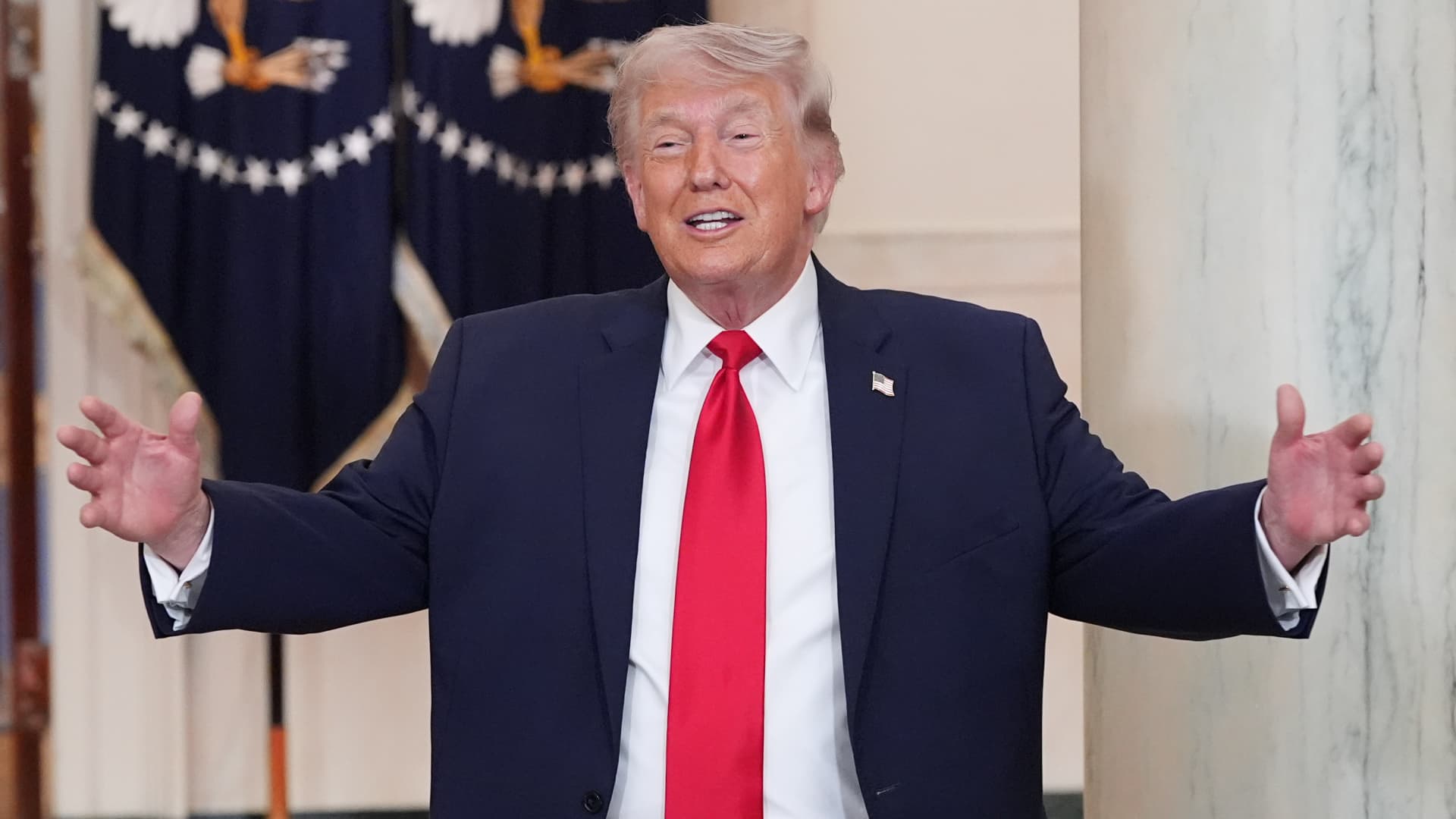
- War Progress Update: In his national address, Trump claimed unprecedented victories in the U.S. campaign dubbed 'Operation Epic Fury,' while forecasting the conflict to last another two to three weeks, heightening market concerns about future developments.
- Oil Price Surge: Following the speech, international benchmark Brent crude futures rose nearly 6%, with Trump attributing the price increase to Iranian attacks on commercial oil tankers, illustrating the direct impact of geopolitical tensions on energy markets.
- Negative Market Reaction: Asia-Pacific markets broadly declined after Trump's address, with major indices such as Hong Kong's Hang Seng, Japan's Nikkei 225, South Korea's Kospi, and Australia's S&P/ASX 200 all retreating, reflecting investor unease about the future situation.
- Escalating Tensions with Iran: Trump threatened that the U.S. would continue to strike Iran hard unless the Strait of Hormuz is 'open, free, and clear,' indicating a worsening relationship between the U.S. and Iran that could affect global energy supplies.
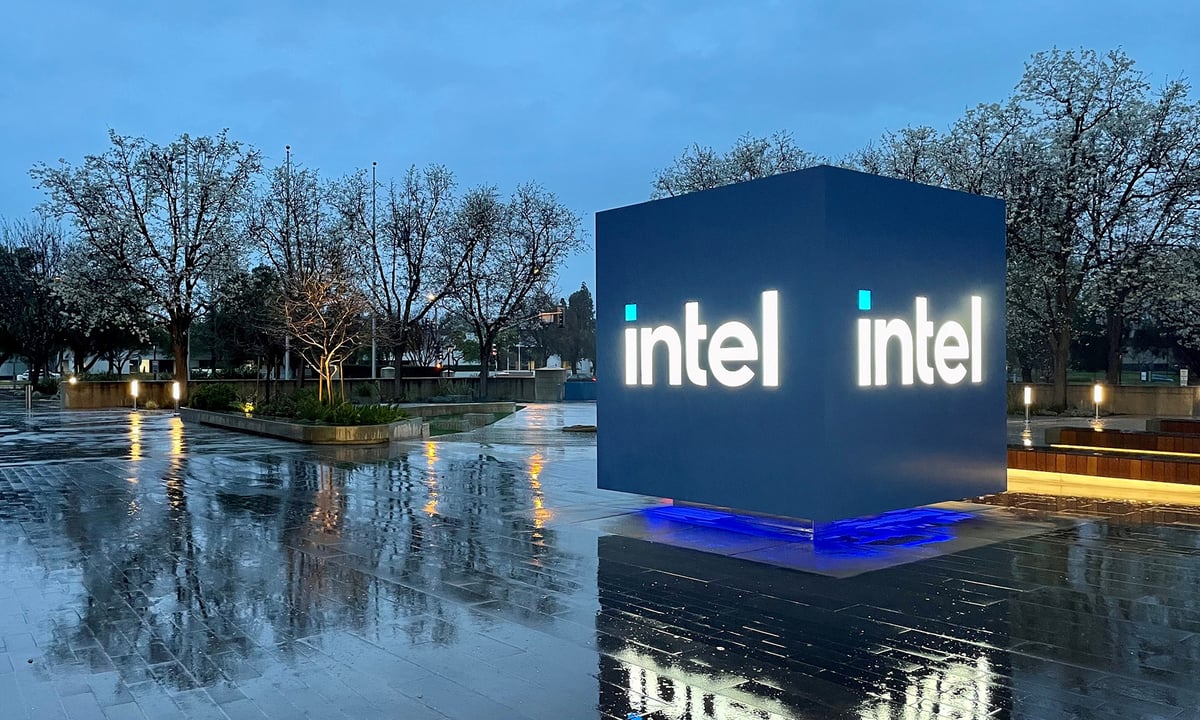
Intel Reacquires Key Manufacturing Site for $14.2 Billion

- Deal Details: Intel is reacquiring a 49% stake in its Fab 34 facility in Ireland for $14.2 billion, having previously sold it to Apollo Global Management for $11.2 billion in 2024, indicating a significant improvement in the company's financial and competitive position.
- Funding and Impact: The repurchase will be financed through Intel's cash reserves and approximately $6.5 billion in new debt, with management expecting a positive impact on earnings per share by 2027, thereby enhancing the company's profitability.
- AI Strategic Positioning: The Fab 34 facility is set to play a central role in Intel's AI-driven growth strategy, particularly in producing chips for AI-enabled personal computers and high-performance data center servers, catering to the increasing market demand.
- Market Competition Landscape: While Intel's outlook in the CPU market is optimistic, it faces fierce competition from Nvidia, AMD, and Arm Holdings, all of which are ramping up their CPU offerings to capture market share in this lucrative segment.
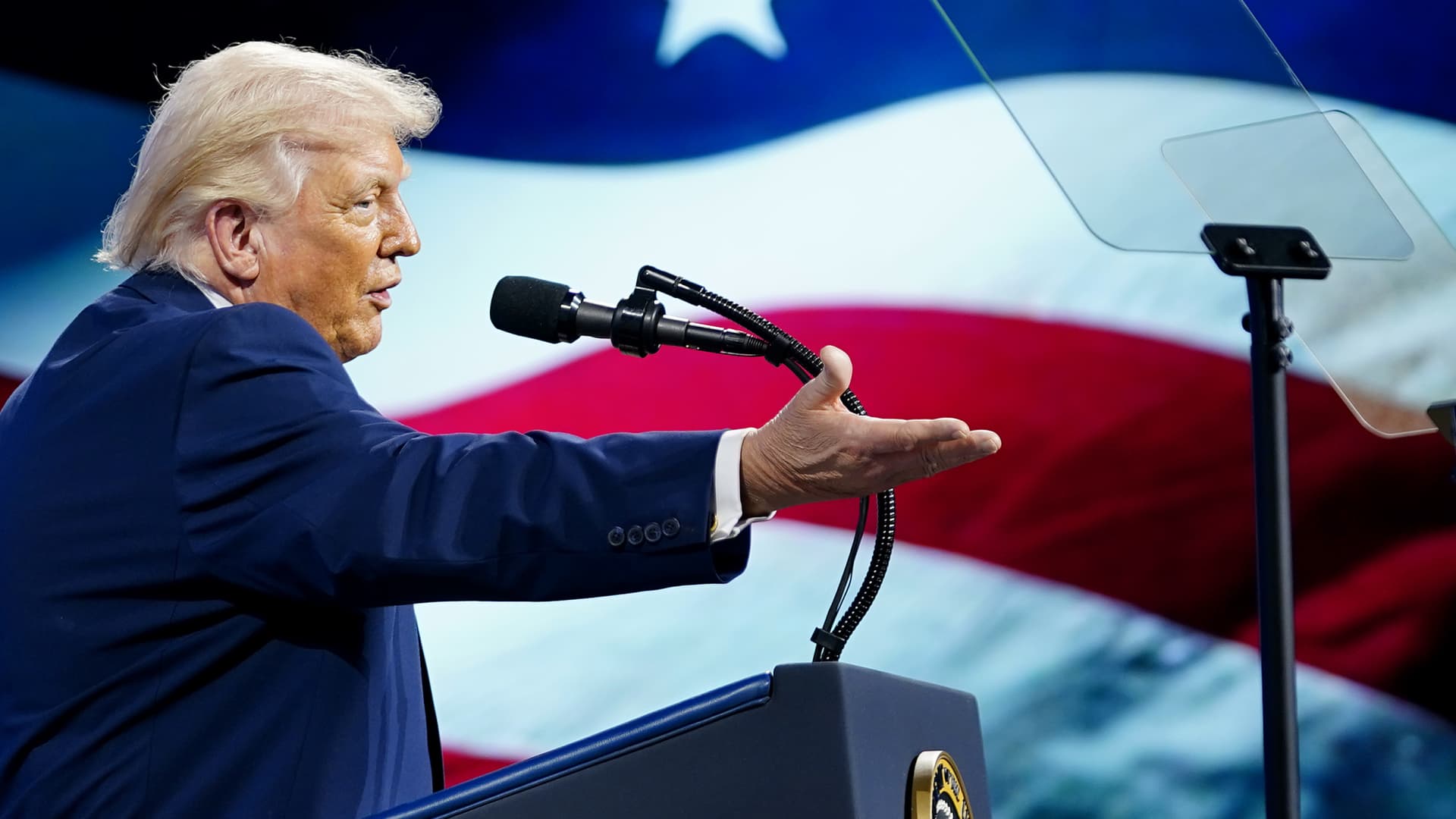
U.S. Markets Rise on Optimism Over Middle East Situation
- Market Optimism: All three major U.S. indexes rose on Wednesday, with the S&P 500 and Nasdaq Composite gaining 0.72% and 1.16%, respectively, while the Dow Jones Industrial Average increased by 224.23 points or 0.48%, reflecting heightened investor optimism regarding a potential end to the U.S.-Iran war.
- Trump's Address Anticipation: President Trump is expected to address the nation at 9 p.m. ET tonight to provide updates on the Iran ceasefire talks, with market participants closely monitoring the speech for potential impacts on stock prices.
- Iran's Response: Despite Trump's claim that Iran's new regime requested a ceasefire, Iranian officials denied this request, stating that there are currently no negotiations, which adds complexity and uncertainty to the situation and could affect market sentiment.
- Tech Company Developments: SpaceX has confidentially filed for an IPO, setting the stage for a record offering, following a significant funding round for OpenAI, indicating strong activity and investor confidence in the tech sector, which may drive related stock prices higher.
Nvidia's Earnings Report Shows Strong Growth
- Significant Revenue Growth: Nvidia's revenue in Q4 of fiscal 2026 surged 73% year-over-year to $68.1 billion, primarily driven by its data center segment, which generated $62.3 billion in revenue, up 75% year-over-year.
- Profitability Improvement: The company reported non-GAAP earnings per share of $1.62, an 82% increase year-over-year, while maintaining an impressive adjusted gross margin of 75.2%, showcasing its strong pricing power and production scale within its hardware ecosystem.
- Optimistic Future Outlook: Management anticipates first-quarter revenue for fiscal 2027 to be approximately $78 billion, indicating that the company's growth in the AI sector is still in its early stages, with the data center business expanding nearly 13 times since fiscal 2023.
- Valuation Outlook Analysis: Despite a current price-to-earnings ratio of about 36, the forward P/E ratio is expected to drop to 21 over the next four quarters, and if the company meets Wall Street's earnings expectations, the stock price could appreciate by 12% over the next year, reaching around $197.
Nvidia Reopens Key AI Market in China Amid Risks
- Market Reopening: Nvidia has reopened its operations in China, one of the world's most crucial AI markets, presenting potential for revenue growth despite existing policy risks that complicate the narrative.
- Policy Risks: While the opportunities in the Chinese market are significant, uncertainties surrounding government regulations and market access could impact Nvidia's long-term strategic positioning in the region.
- Investment Opportunities: Analysts suggest that despite the high costs associated with re-entering the market, Nvidia could leverage technological innovation and adaptability to capture growth opportunities in China, enhancing its global competitiveness.
- Future Outlook: As demand for AI technology continues to rise in China, Nvidia's market strategy will need to be agile to navigate the complex policy landscape and maximize returns on its investments in the region.
Investment and Growth of AI Chip Titans
- Surging Capital Expenditures: Total capital expenditures among top AI companies are projected to reach $700 billion in 2023, driving a chip supercycle that has significantly boosted Nvidia's growth and solidified its market leadership in AI GPU chips.
- Nvidia's Market Advantage: With a massive existing installation base and its proprietary CUDA parallel computing platform, Nvidia is poised to achieve over $1 trillion in sales from Blackwell and Vera Rubin by 2027, highlighting its substantial potential in AI inference applications.
- Broadcom's ASIC Strategy: By partnering with six major AI companies to design custom accelerator chips, Broadcom anticipates its AI chip sales will surge significantly over $100 billion in fiscal year 2027, underscoring its critical position in the rapidly expanding AI market.
- Investment Return Comparison: While Nvidia's focus on AI data center chips offers greater growth potential, Broadcom's diversified revenue streams and consistent dividend growth (increased for 14 consecutive years) make it more appealing for risk-averse investors seeking wealth-building opportunities.
Trump's Address Triggers Market Volatility
- War Progress Update: In his national address, Trump claimed unprecedented victories in the U.S. campaign dubbed 'Operation Epic Fury,' while forecasting the conflict to last another two to three weeks, heightening market concerns about future developments.
- Oil Price Surge: Following the speech, international benchmark Brent crude futures rose nearly 6%, with Trump attributing the price increase to Iranian attacks on commercial oil tankers, illustrating the direct impact of geopolitical tensions on energy markets.
- Negative Market Reaction: Asia-Pacific markets broadly declined after Trump's address, with major indices such as Hong Kong's Hang Seng, Japan's Nikkei 225, South Korea's Kospi, and Australia's S&P/ASX 200 all retreating, reflecting investor unease about the future situation.
- Escalating Tensions with Iran: Trump threatened that the U.S. would continue to strike Iran hard unless the Strait of Hormuz is 'open, free, and clear,' indicating a worsening relationship between the U.S. and Iran that could affect global energy supplies.
Intel Reacquires Key Manufacturing Site for $14.2 Billion
- Deal Details: Intel is reacquiring a 49% stake in its Fab 34 facility in Ireland for $14.2 billion, having previously sold it to Apollo Global Management for $11.2 billion in 2024, indicating a significant improvement in the company's financial and competitive position.
- Funding and Impact: The repurchase will be financed through Intel's cash reserves and approximately $6.5 billion in new debt, with management expecting a positive impact on earnings per share by 2027, thereby enhancing the company's profitability.
- AI Strategic Positioning: The Fab 34 facility is set to play a central role in Intel's AI-driven growth strategy, particularly in producing chips for AI-enabled personal computers and high-performance data center servers, catering to the increasing market demand.
- Market Competition Landscape: While Intel's outlook in the CPU market is optimistic, it faces fierce competition from Nvidia, AMD, and Arm Holdings, all of which are ramping up their CPU offerings to capture market share in this lucrative segment.
U.S. Markets Rise on Optimism Over Middle East Situation
- Market Optimism: All three major U.S. indexes rose on Wednesday, with the S&P 500 and Nasdaq Composite gaining 0.72% and 1.16%, respectively, while the Dow Jones Industrial Average increased by 224.23 points or 0.48%, reflecting heightened investor optimism regarding a potential end to the U.S.-Iran war.
- Trump's Address Anticipation: President Trump is expected to address the nation at 9 p.m. ET tonight to provide updates on the Iran ceasefire talks, with market participants closely monitoring the speech for potential impacts on stock prices.
- Iran's Response: Despite Trump's claim that Iran's new regime requested a ceasefire, Iranian officials denied this request, stating that there are currently no negotiations, which adds complexity and uncertainty to the situation and could affect market sentiment.
- Tech Company Developments: SpaceX has confidentially filed for an IPO, setting the stage for a record offering, following a significant funding round for OpenAI, indicating strong activity and investor confidence in the tech sector, which may drive related stock prices higher.