Starbucks to Invest $100M in Nashville Expansion Efforts
Written by Emily J. Thompson, Senior Investment Analyst
Updated: 1 day ago
0mins
Should l Buy SBUX?
Source: seekingalpha
- Expansion Investment: Starbucks plans to invest $100 million in Nashville, aiming to hire up to 2,000 employees over the next five years to support its coffeehouse expansion in the Southeast, highlighting the company's focus on the region's market potential.
- Tax Incentives: In addition to state tax breaks, Starbucks will receive a year of free rent at the new office location, which will further reduce operational costs and enhance its competitive position in Nashville.
- Headquarters Relocation: With the new facility expected to be completed by 2027, certain operations currently conducted at the Seattle headquarters will be moved to Nashville, including roles tied to the Southeast expansion, indicating a potential shift in the company's strategic focus.
- Technology Position Transfers: Some technology positions in Seattle will be transferred to Nashville to avoid the 6.5% Washington state tax on IT services, reflecting the company's pursuit of a more favorable business environment.
Trade with 70% Backtested Accuracy
Stop guessing "Should I Buy SBUX?" and start using high-conviction signals backed by rigorous historical data.
Sign up today to access powerful investing tools and make smarter, data-driven decisions.
Analyst Views on SBUX
Wall Street analysts forecast SBUX stock price to fall
21 Analyst Rating
12 Buy
7 Hold
2 Sell
Moderate Buy
Current: 99.540

Low
59.00
Averages
96.12
High
115.00
Current: 99.540
Low
59.00
Averages
96.12
High
115.00
About SBUX
Starbucks Corporations is a roaster, marketer, and retailer of specialty coffee globally. Its North America segment includes the United States and Canada. Its International segment includes China, Japan, Asia Pacific, Europe, Middle East and Africa, Latin America, and the Caribbean. Its North America and International segments include both Company-operated and licensed stores. The Channel Development segment includes roasted whole bean and ground coffees, Starbucks-branded single-serve products, a variety of ready-to-drink beverages, such as Frappuccino and Starbucks Doubleshot, foodservice products, and other branded products sold outside the Company-operated and licensed stores. A large portion of its Channel Development business operates under a licensed model of the Global Coffee Alliance with Nestle, while its global ready-to-drink businesses operate under collaborative relationships with PepsiCo, Inc., Tingyi-Ashi Beverages Holding Co., Ltd., Arla Foods amba, Nestle, and others.
About the author

Emily J. Thompson
Emily J. Thompson, a Chartered Financial Analyst (CFA) with 12 years in investment research, graduated with honors from the Wharton School. Specializing in industrial and technology stocks, she provides in-depth analysis for Intellectia’s earnings and market brief reports.

Starbucks Launches ChatGPT Drink Recommendation Service
- Sales Growth Strategy: Starbucks opened 128 net new stores in the first quarter of fiscal 2026, bringing its total to 41,000, with 18,000 in the U.S., demonstrating a commitment to expansion despite customer complaints about high prices and long wait times.
- Revenue Recovery Signs: After several years of sluggish growth, Starbucks reported a 6% year-over-year increase in total revenue and a 4% rise in comparable sales in the first quarter, with new CEO Brian Niccol expressing confidence in future profit recovery.
- AI Innovation Application: The newly launched ChatGPT drink recommendation service allows customers to select beverages based on personal preferences and moods, which, while unlikely to significantly impact sales in the short term, aids in rebranding and attracting AI users.
- Market Confidence Boost: Starbucks stock has risen 17% year-to-date, reflecting increased market confidence in its recovery, and investors should watch for the upcoming second-quarter earnings report to assess the company's future performance.
See More
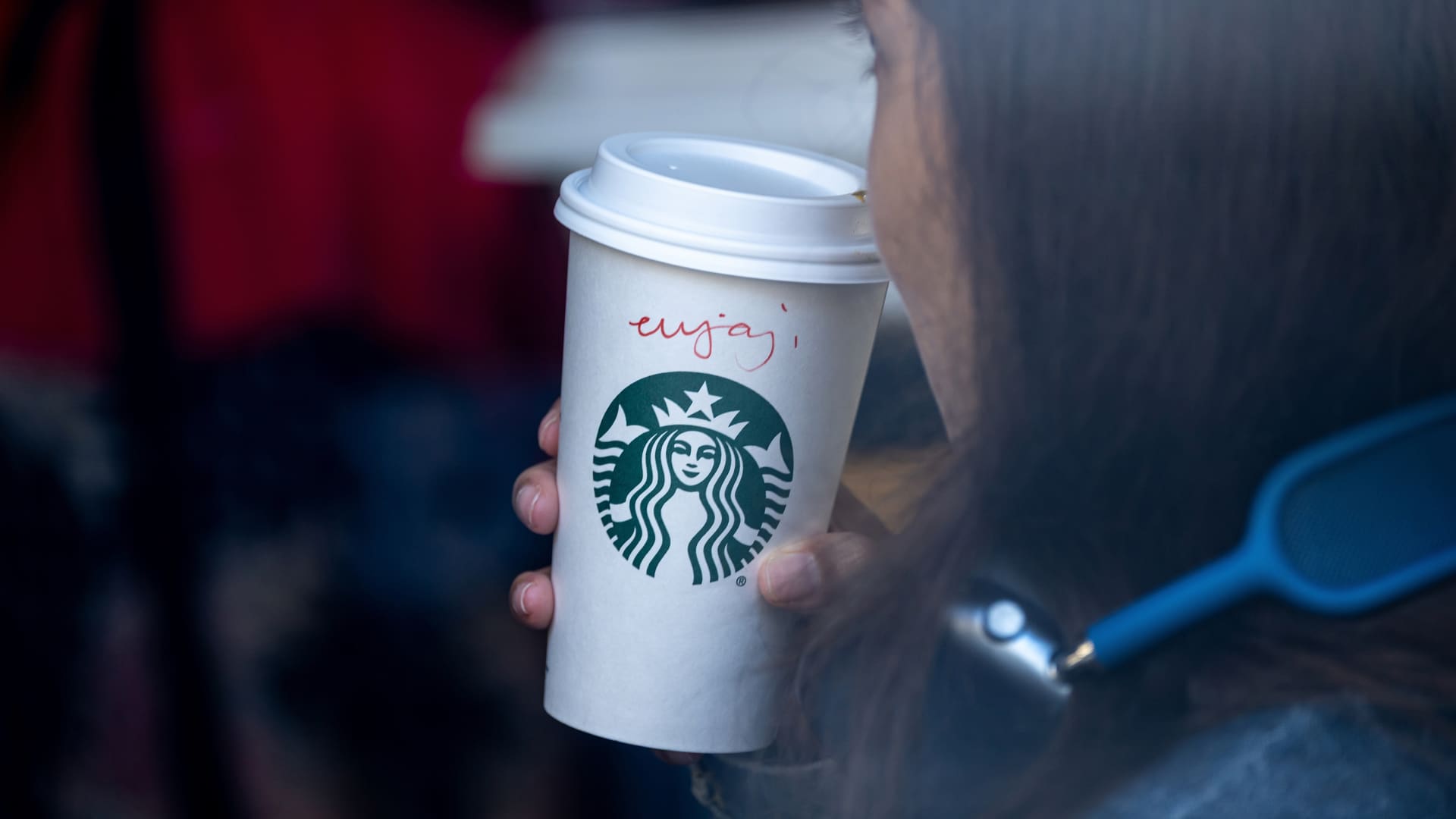
Starbucks Loyalty Program Shows Early Signs of Success
- Loyalty Program Revamp: Starbucks has reinstated tiers in its North American Rewards program and introduced 'Free Mod Mondays' for drink customization, attracting value-conscious consumers and likely boosting customer visit frequency and spending.
- Significant Revenue Contribution: In fiscal 2025, transactions linked to the loyalty program accounted for 60% of the company's revenue, highlighting the critical role of loyal customers in Starbucks' turnaround, especially amid declining traffic.
- Popular New Options: The newly introduced 60-star redemption option has become the most popular, with over a quarter of all redemptions opting for the $2 discount, indicating a positive customer response to the new deals.
- Increased Double Stars Usage: Since the loyalty program changes, the number of members using personal cups to earn double stars has seen a double-digit increase, reflecting customers' adaptation to and utilization of the new policies.
See More
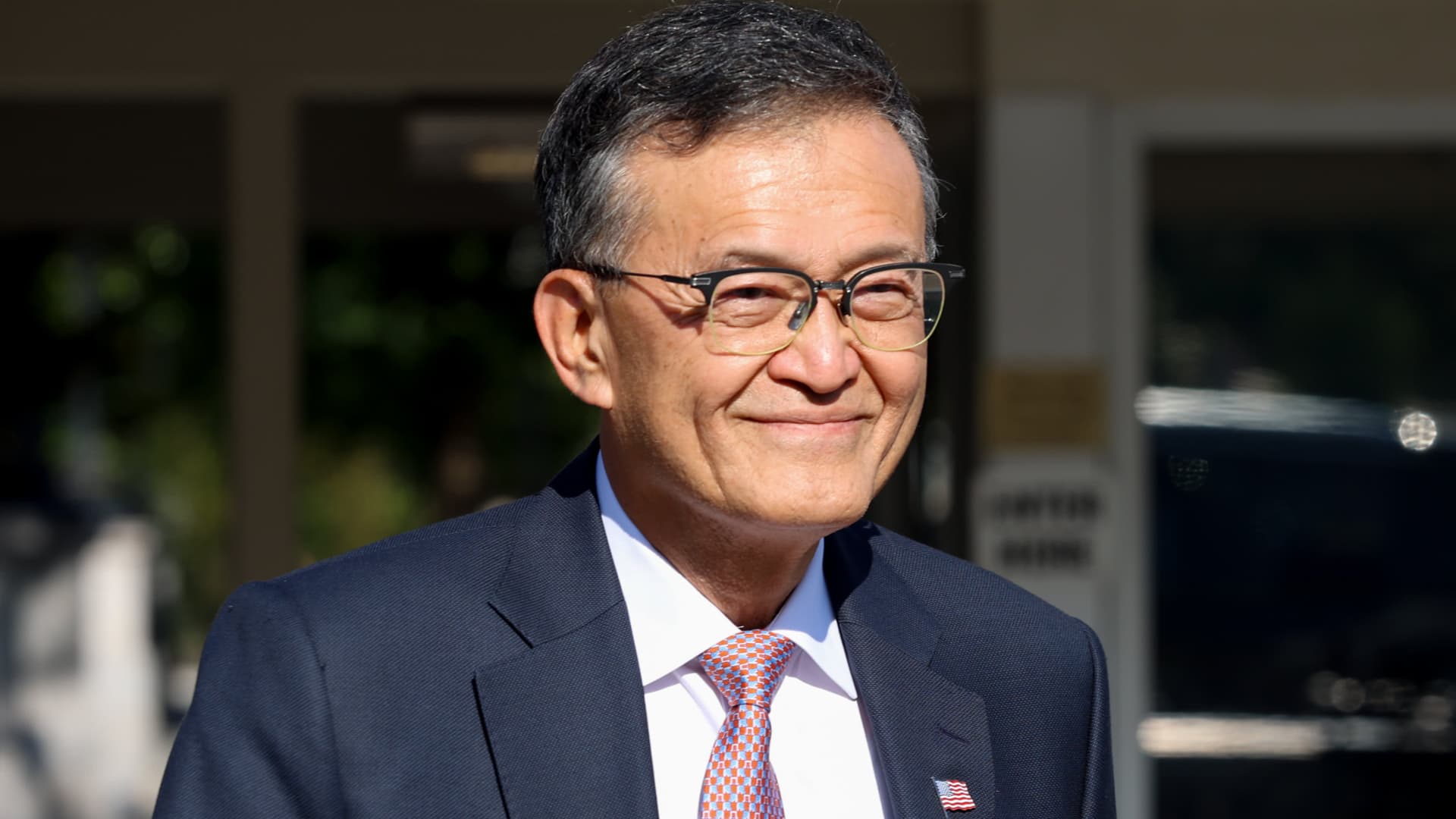
Stocks Set for Higher Open as Tech Stocks Surge on Intel Earnings

- Tech Stock Surge: Intel shares soared 25% this morning under CEO Lip Bu Tan's leadership, demonstrating a robust recovery over the past 13 months, which is likely to enhance investor confidence and attract further investments.
- Market Dynamics: With oil prices and bond yields declining, optimism surrounding potential peace talks between the U.S. and Iran has emerged, while President Trump announced an extension of the ceasefire between Israel and Lebanon, contributing to a positive market sentiment that may drive stock prices higher.
- Procter & Gamble's Strong Performance: Procter & Gamble reported better-than-expected quarterly earnings and revenue, with volume growth for the first time in a year, particularly in beauty products, leading to a more than 3% increase in stock price, indicating a recovery in consumer demand and the effectiveness of the company's strategic initiatives.
- Analyst Rating Adjustments: Barclays cut Honeywell's price target from $255 to $243, citing the need for improvement in its aerospace division to regain investor trust, while Dover's price target was raised to $230 due to strong Q1 results, reflecting market confidence in its future growth prospects.
See More
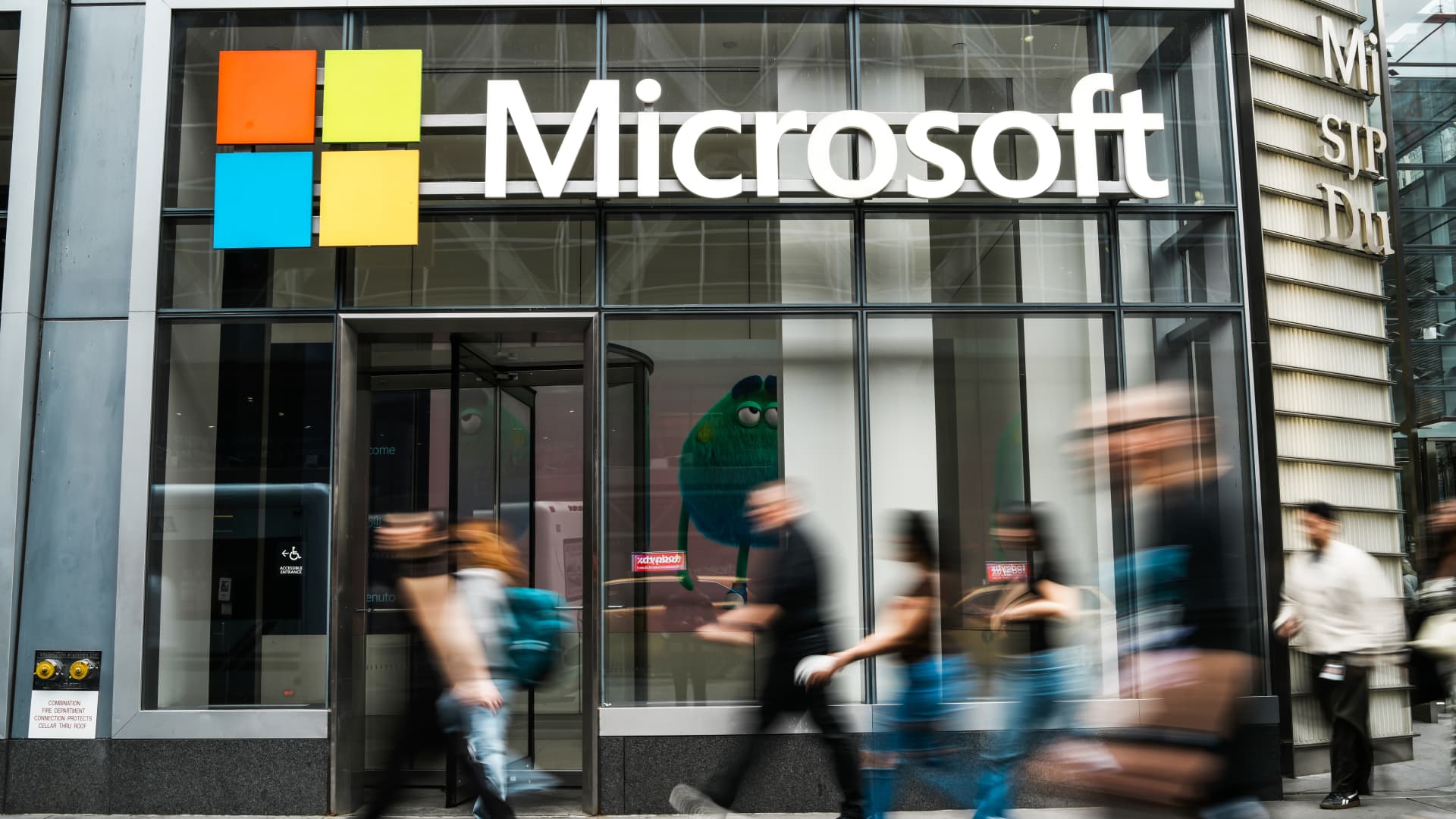
Tech Stocks Plunge Amid Peace Talks Progress


- Tech Stock Plunge: ServiceNow's stock plummeted over 17%, marking its worst single-day drop ever, as the company acknowledged business pressures from the Middle East conflict, contributing to the Nasdaq's worst performance since March, with investors concerned about AI threats to software firms.
- Oil Price Decline: Crude oil prices fell amid reports of Iranian negotiators heading to Pakistan, boosting market hopes for a resumption of U.S.-Iran peace talks, while an extended ceasefire between Israel and Lebanon also added to traders' optimism.
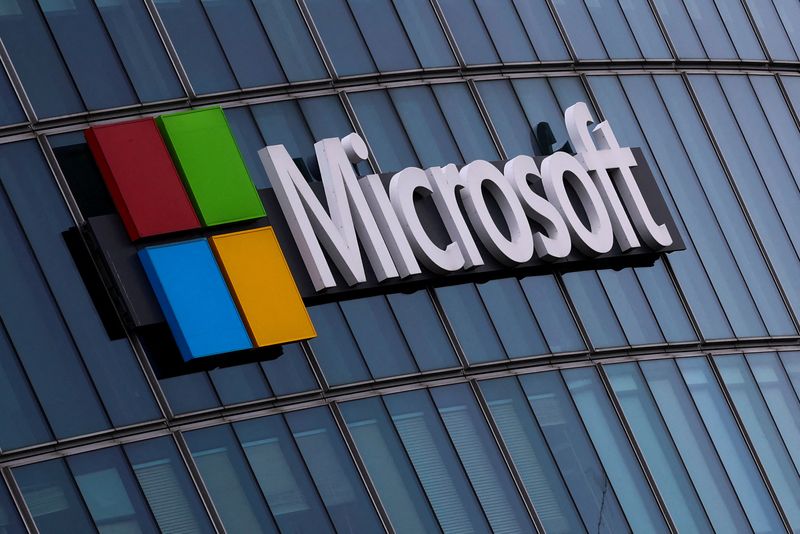
- Layoff Surge: Microsoft announced voluntary buyouts for about 7% of its U.S. workforce, while Meta plans to cut around 8,000 jobs, and Nike is eliminating 1,400 positions in its second round of layoffs this year, highlighting increasing pressures in the tech sector.
- Drug Price Agreements: Regeneron announced it will lower drug prices through deals with the White House and provide the first hearing-loss gene therapy for free to eligible U.S. patients, joining a growing number of pharmaceutical companies seeking exemptions from steep tariffs in exchange for price reductions.
See More

Tech Stocks Plunge, Market Sentiment Dims

- Tech Stock Plunge: The Nasdaq Composite experienced its worst day since March, driven by a more than 17% drop in ServiceNow's shares, reflecting investor concerns over AI's threat to software companies' business models.
- Oil Price Decline: Crude oil prices fell amid reports of Iranian negotiators heading to Pakistan, boosting investor hopes for the resumption of U.S.-Iran peace talks, which further fueled market optimism.
- Layoff Surge: Microsoft announced voluntary buyouts for about 7% of its U.S. workforce, while Meta and Nike plan to cut 8,000 and 1,400 jobs respectively, highlighting the increasing pressure on the tech sector.
- Drug Price Agreements: Regeneron has reached an agreement with the White House to lower drug prices and provide the first hearing-loss gene therapy for free to eligible U.S. patients, showcasing the pharmaceutical industry's response to Trump's tariff policies.
See More
Chipotle's CEO Change Triggers Stock Volatility

- Leadership Change: Chipotle announced CEO Brian Niccol's resignation in August 2024, with Scott Boatwright succeeding him; since then, the stock has plummeted 37%, indicating market concerns about the new leadership.
- Declining Financial Performance: After a 5.4% increase in same-store sales in Q4 2024 under Boatwright, sales fell by 1.7% in 2025, highlighting the company's vulnerability amid a deteriorating macroeconomic environment, disappointing investors.
- Macroeconomic Impact: With consumer confidence at an all-time low, the entire restaurant and retail sector has been affected, leading to a significant decline in Chipotle's foot traffic, exacerbating the stock's downward trend.
- Valuation Pressure: Chipotle's price-to-earnings ratio was 54.8 before Niccol's departure, indicating an overvaluation that raised expectations for the new CEO's performance, thereby increasing the risk of stock volatility.
See More
Starbucks Launches ChatGPT Drink Recommendation Service
- Sales Growth Strategy: Starbucks opened 128 net new stores in the first quarter of fiscal 2026, bringing its total to 41,000, with 18,000 in the U.S., demonstrating a commitment to expansion despite customer complaints about high prices and long wait times.
- Revenue Recovery Signs: After several years of sluggish growth, Starbucks reported a 6% year-over-year increase in total revenue and a 4% rise in comparable sales in the first quarter, with new CEO Brian Niccol expressing confidence in future profit recovery.
- AI Innovation Application: The newly launched ChatGPT drink recommendation service allows customers to select beverages based on personal preferences and moods, which, while unlikely to significantly impact sales in the short term, aids in rebranding and attracting AI users.
- Market Confidence Boost: Starbucks stock has risen 17% year-to-date, reflecting increased market confidence in its recovery, and investors should watch for the upcoming second-quarter earnings report to assess the company's future performance.
See More
Starbucks Loyalty Program Shows Early Signs of Success
- Loyalty Program Revamp: Starbucks has reinstated tiers in its North American Rewards program and introduced 'Free Mod Mondays' for drink customization, attracting value-conscious consumers and likely boosting customer visit frequency and spending.
- Significant Revenue Contribution: In fiscal 2025, transactions linked to the loyalty program accounted for 60% of the company's revenue, highlighting the critical role of loyal customers in Starbucks' turnaround, especially amid declining traffic.
- Popular New Options: The newly introduced 60-star redemption option has become the most popular, with over a quarter of all redemptions opting for the $2 discount, indicating a positive customer response to the new deals.
- Increased Double Stars Usage: Since the loyalty program changes, the number of members using personal cups to earn double stars has seen a double-digit increase, reflecting customers' adaptation to and utilization of the new policies.
See More
Stocks Set for Higher Open as Tech Stocks Surge on Intel Earnings
- Tech Stock Surge: Intel shares soared 25% this morning under CEO Lip Bu Tan's leadership, demonstrating a robust recovery over the past 13 months, which is likely to enhance investor confidence and attract further investments.
- Market Dynamics: With oil prices and bond yields declining, optimism surrounding potential peace talks between the U.S. and Iran has emerged, while President Trump announced an extension of the ceasefire between Israel and Lebanon, contributing to a positive market sentiment that may drive stock prices higher.
- Procter & Gamble's Strong Performance: Procter & Gamble reported better-than-expected quarterly earnings and revenue, with volume growth for the first time in a year, particularly in beauty products, leading to a more than 3% increase in stock price, indicating a recovery in consumer demand and the effectiveness of the company's strategic initiatives.
- Analyst Rating Adjustments: Barclays cut Honeywell's price target from $255 to $243, citing the need for improvement in its aerospace division to regain investor trust, while Dover's price target was raised to $230 due to strong Q1 results, reflecting market confidence in its future growth prospects.
See More
Tech Stocks Plunge Amid Peace Talks Progress
- Tech Stock Plunge: ServiceNow's stock plummeted over 17%, marking its worst single-day drop ever, as the company acknowledged business pressures from the Middle East conflict, contributing to the Nasdaq's worst performance since March, with investors concerned about AI threats to software firms.
- Oil Price Decline: Crude oil prices fell amid reports of Iranian negotiators heading to Pakistan, boosting market hopes for a resumption of U.S.-Iran peace talks, while an extended ceasefire between Israel and Lebanon also added to traders' optimism.
- Layoff Surge: Microsoft announced voluntary buyouts for about 7% of its U.S. workforce, while Meta plans to cut around 8,000 jobs, and Nike is eliminating 1,400 positions in its second round of layoffs this year, highlighting increasing pressures in the tech sector.
- Drug Price Agreements: Regeneron announced it will lower drug prices through deals with the White House and provide the first hearing-loss gene therapy for free to eligible U.S. patients, joining a growing number of pharmaceutical companies seeking exemptions from steep tariffs in exchange for price reductions.
See More
Tech Stocks Plunge, Market Sentiment Dims
- Tech Stock Plunge: The Nasdaq Composite experienced its worst day since March, driven by a more than 17% drop in ServiceNow's shares, reflecting investor concerns over AI's threat to software companies' business models.
- Oil Price Decline: Crude oil prices fell amid reports of Iranian negotiators heading to Pakistan, boosting investor hopes for the resumption of U.S.-Iran peace talks, which further fueled market optimism.
- Layoff Surge: Microsoft announced voluntary buyouts for about 7% of its U.S. workforce, while Meta and Nike plan to cut 8,000 and 1,400 jobs respectively, highlighting the increasing pressure on the tech sector.
- Drug Price Agreements: Regeneron has reached an agreement with the White House to lower drug prices and provide the first hearing-loss gene therapy for free to eligible U.S. patients, showcasing the pharmaceutical industry's response to Trump's tariff policies.
See More
Chipotle's CEO Change Triggers Stock Volatility
- Leadership Change: Chipotle announced CEO Brian Niccol's resignation in August 2024, with Scott Boatwright succeeding him; since then, the stock has plummeted 37%, indicating market concerns about the new leadership.
- Declining Financial Performance: After a 5.4% increase in same-store sales in Q4 2024 under Boatwright, sales fell by 1.7% in 2025, highlighting the company's vulnerability amid a deteriorating macroeconomic environment, disappointing investors.
- Macroeconomic Impact: With consumer confidence at an all-time low, the entire restaurant and retail sector has been affected, leading to a significant decline in Chipotle's foot traffic, exacerbating the stock's downward trend.
- Valuation Pressure: Chipotle's price-to-earnings ratio was 54.8 before Niccol's departure, indicating an overvaluation that raised expectations for the new CEO's performance, thereby increasing the risk of stock volatility.
See More