SpaceX's IPO Governance Structure Raises Concerns
Written by Emily J. Thompson, Senior Investment Analyst
Updated: 9 hours ago
0mins


Should l Buy TSLA?
Source: Newsfilter
- Erosion of Shareholder Rights: SpaceX's upcoming IPO incorporates supervoting shares, mandatory arbitration, and Texas corporate law, significantly diminishing shareholder voting rights and legal recourse, granting founder Elon Musk near-unchecked executive authority, which may lead to decreased governance transparency.
- Concentration of Supervoting Power: Musk will control 42.5% of the equity and 83.8% of the voting power, utilizing a dual-class equity structure that grants him absolute control over the board, potentially impacting future merger decisions, especially regarding a merger with Tesla.
- Mandatory Arbitration Policy: SpaceX's bylaws require shareholders to waive their rights to sue, mandating arbitration instead, which limits shareholders' ability to challenge management legally, potentially resulting in a lack of accountability in governance issues.
- Advantages of Texas Corporate Law: By relocating its incorporation from Delaware to Texas, SpaceX leverages newly enacted corporate laws that further restrict shareholder proposal rights, requiring shareholders to own at least $1 million or 3% of the company to force a vote, complicating corporate governance.
Trade with 70% Backtested Accuracy
Stop guessing "Should I Buy TSLA?" and start using high-conviction signals backed by rigorous historical data.
Sign up today to access powerful investing tools and make smarter, data-driven decisions.
Analyst Views on TSLA
Wall Street analysts forecast TSLA stock price to rise
30 Analyst Rating
12 Buy
11 Hold
7 Sell
Hold
Current: 389.370

Low
25.28
Averages
401.93
High
600.00
Current: 389.370
Low
25.28
Averages
401.93
High
600.00
About TSLA
Tesla, Inc. designs, develops, manufactures, sells and leases high-performance fully electric vehicles and energy generation and storage systems, and offers services related to its products. Its segments include automotive, and energy generation and storage. The automotive segment includes the design, development, manufacturing, sales and leasing of high-performance fully electric vehicles, and sales of automotive regulatory credits. It also includes sales of used vehicles, non-warranty maintenance services and collisions, part sales, paid supercharging, insurance services revenue and retail merchandise sales. The energy generation and storage segment include the design, manufacture, installation, sales and leasing of solar energy generation and energy storage products and related services and sales of solar energy systems incentives. Its consumer vehicles include the Model 3, Y, S, X and Cybertruck. Its lithium-ion battery energy storage products include Powerwall and Megapack.
About the author

Emily J. Thompson
Emily J. Thompson, a Chartered Financial Analyst (CFA) with 12 years in investment research, graduated with honors from the Wharton School. Specializing in industrial and technology stocks, she provides in-depth analysis for Intellectia’s earnings and market brief reports.
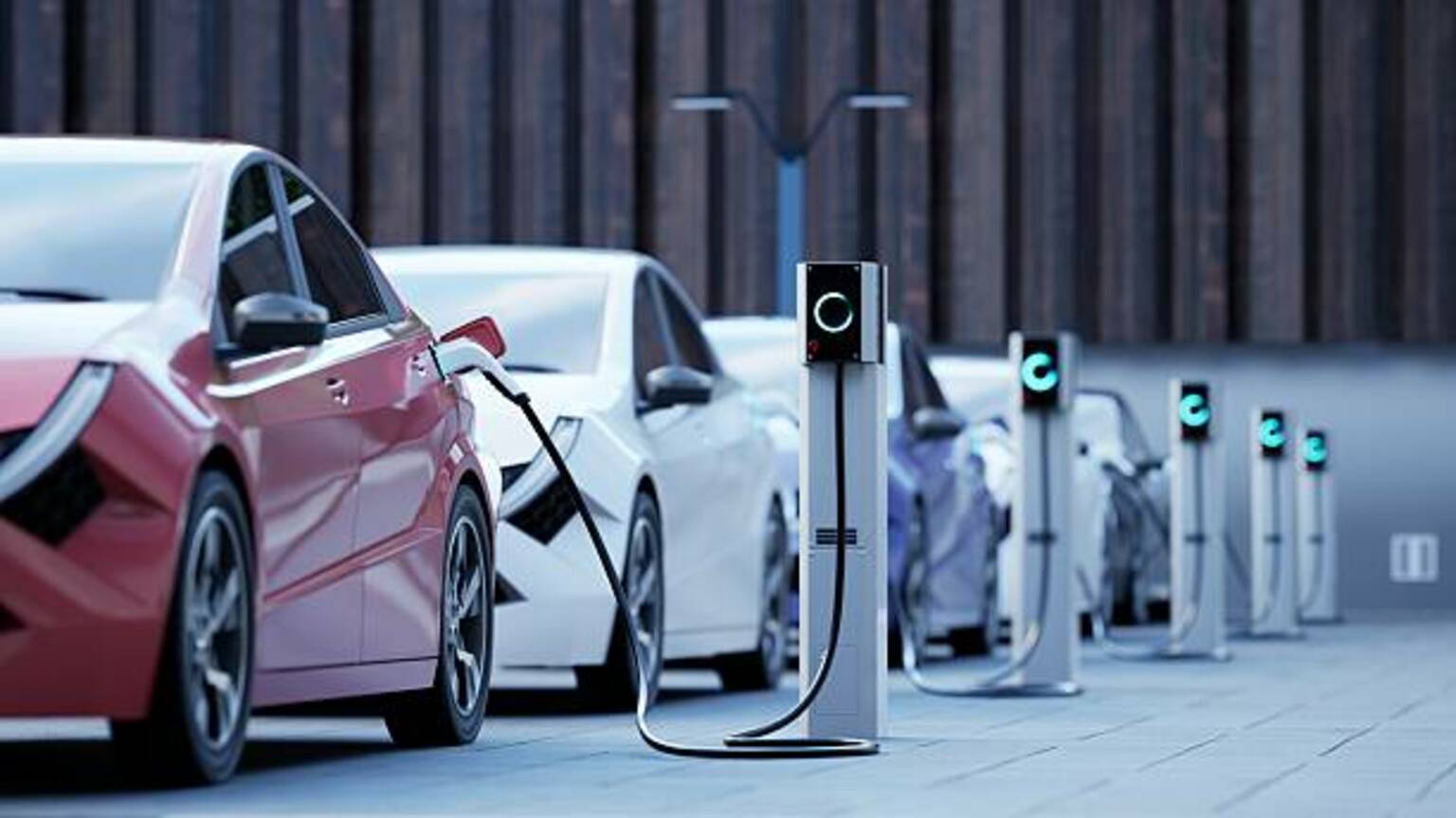
Tesla Recalls Over 218,800 Vehicles Due to Camera Issue

- Large Recall Scale: Tesla is recalling over 218,800 vehicles in the U.S. due to a rearview camera image issue, affecting 2024-2025 Model 3 and Model S, as well as 2023-2025 Model X and Model Y, highlighting ongoing challenges in quality control.
- Significant Safety Risk: The delay in rearview camera image appearance could impair driver visibility, increasing the risk of collisions, which may lead to decreased consumer confidence in Tesla's safety standards.
- Software Update Solution: Tesla typically resolves most issues through free over-the-air software updates, and this recall may again test its ability to respond quickly and provide customer service, although frequent recalls could impact brand image.
- Historical Recall Trends: Rearview camera faults have been a recurring recall category for Tesla in recent years, reflecting ongoing challenges in technological reliability that could negatively affect future sales and market share.
See More
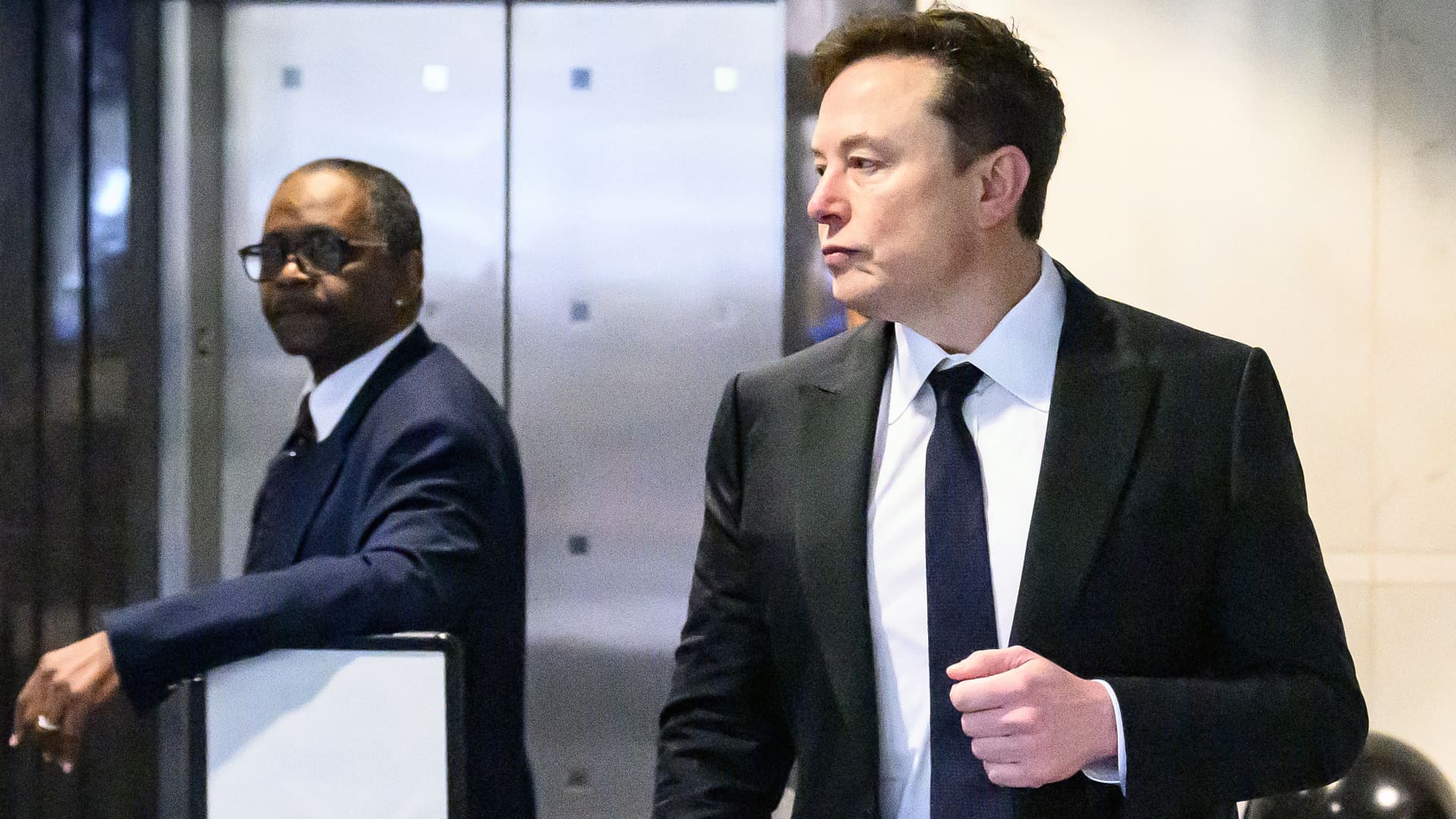
Musk's Texas Chip Plant to Cost $55 Billion Initially


- Massive Investment Plan: Musk's chip manufacturing plant in East Texas is projected to cost at least $55 billion for the first phase, potentially rising to $119 billion for full buildout, reflecting his ambition to control the chip supply chain.
- Tax Abatement Request: SpaceX is seeking a property tax abatement agreement from Grimes County, with a public hearing scheduled for June 3, which, if approved, could significantly reduce initial project costs and stimulate local economic growth.
- Partnership Development: Intel has joined the Terafab project to assist in designing and fabricating ultra-high-performance chips, marking its first major external commitment in capital-intensive foundry operations, which is expected to enhance its competitive position in the market.
- Strategic Positioning: Musk indicated that the Terafab initiative is part of a 15-year strategy aimed at securing priority in the global chip supply chain for Tesla and SpaceX, addressing geopolitical risks and meeting increasing demand.
See More
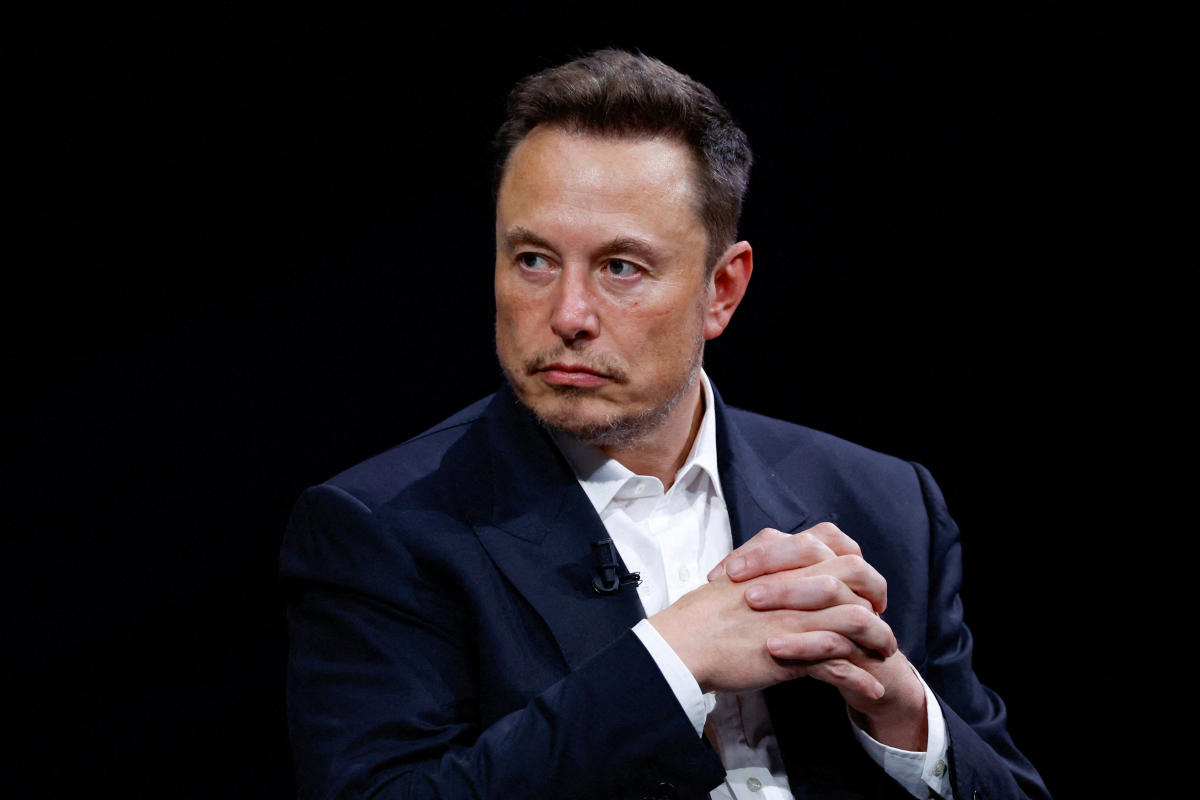
Musk Unveils Terafab Project Plans
- Investment Scale: Musk's Terafab project is set to cost at least $55 billion for its first phase, potentially scaling up to $119 billion for full buildout, significantly enhancing chip production capabilities for Tesla, SpaceX, and xAI, thereby ensuring their competitive edge in the global market.
- Strategic Partnership: Intel's commitment to join the Terafab project to design, fabricate, and package ultra-high-performance chips marks its first major external collaboration in the capital-intensive foundry sector, which is expected to further boost its market share in the AI domain.
- Supply Chain Control: Analysts highlight that Musk is embarking on a 15-year strategy to secure priority in the chip supply chain, particularly in light of capacity constraints at manufacturers like TSMC, which will provide Tesla and SpaceX with greater flexibility and security.
- Geopolitical Risk Management: Musk emphasized during a recent earnings call that establishing Terafab is crucial for protecting the company against geopolitical risks, a strategy that not only meets Tesla's chip demands but also strengthens its resilience in the global market.
See More

Uber Partners with Waymo to Advance Autonomous Driving

- Market Expansion Plan: Uber is currently offering autonomous rides in eight cities and aims to expand to 15 cities by the end of 2026, a strategy that will significantly enhance its market coverage and customer base, strengthening its competitive position in the autonomous driving sector.
- Strengthened Partnerships: In the first quarter, Uber announced 10 new or expanded autonomous vehicle partnerships, including with Rivian and Nvidia, which not only enhance its technological capabilities but also lay a solid foundation for future business growth.
- User Engagement Growth: Uber's monthly active platform customers reached 200 million, a 19% year-over-year increase, indicating that its platform's appeal and market penetration are continuously improving, with potential for increased revenue and market share in the future.
- Investor Sentiment Shift: Following Uber's first-quarter earnings report, retail investor sentiment around Uber jumped from 'bullish' to 'extremely bullish', reflecting market confidence and expectations regarding its autonomous driving strategy, which may drive stock price recovery.
See More

Rivian Partners with Uber to Accelerate Electric Vehicle Development


- Strategic Partnership: Rivian's new agreement with Uber is expected to bring over $1 billion in new capital, with Uber ordering 10,000 R2 SUVs and planning to purchase an additional 40,000 by 2030, significantly enhancing Rivian's position in the electric vehicle market.
- Technological Innovation: Rivian's in-house AI processors will form the foundation of its autonomy platform, with R2 vehicles expected to feature advanced cameras, radar arrays, and lidar by the end of this year, further strengthening its competitive edge.
- Market Reaction Anticipation: As Uber's R2 robotaxis are set to launch in 2028, investors will closely monitor the progress of this partnership, with Rivian's stock price likely to fluctuate significantly based on market feedback, particularly regarding R2 demand and retail sales.
- Challenging Tesla's Potential: The collaboration between Rivian and Uber not only poses a direct challenge to Tesla but may also accelerate Rivian's rapid development in autonomous driving through Uber's investment and technological support, thereby enhancing its market valuation and investment appeal.
See More
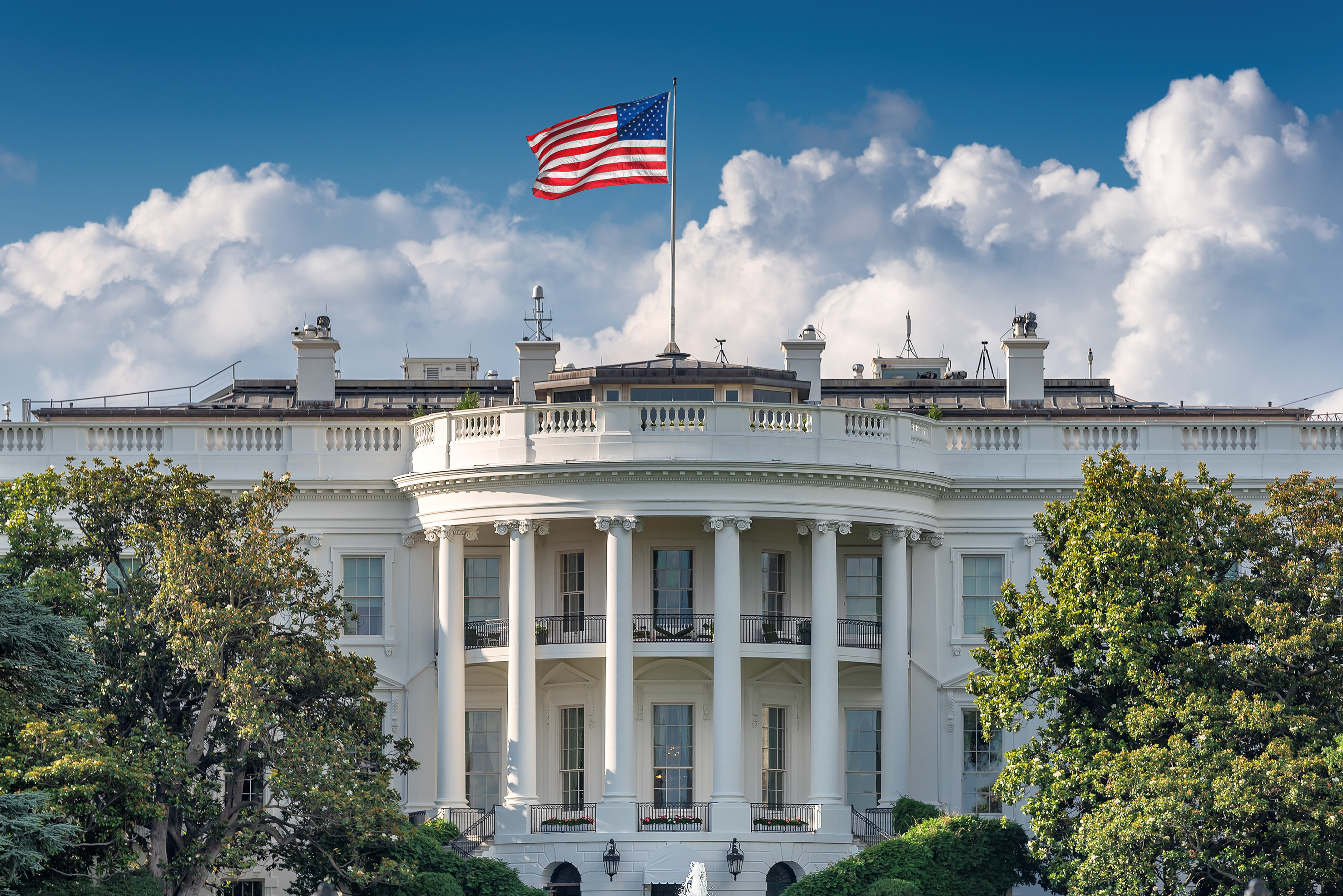
Expansion of Trump Accounts for Children Proposed
- Account Expansion Proposal: White House and Treasury officials are discussing the expansion of Trump Accounts for children to allow wealthy individuals to donate company stocks directly, potentially diversifying funding sources and attracting more high-net-worth donors.
- Diversified Funding Sources: Currently, 530A accounts are limited to cash investments in diversified index funds; allowing stock donations would enable billionaires like Elon Musk and Jensen Huang to donate billions in stock value, avoiding capital gains realization.
- Legislative Requirement: This expansion would require an amendment to existing statutes, although it may be possible to implement through new Treasury guidance or an executive order, necessitating clarity on the legal process to ensure compliance.
- Market Volatility Protection: The original restriction to diversified index funds was intended to protect children from dramatic market swings, and expanding to stock investments may raise concerns about investment risks for children, warranting careful assessment of long-term implications.
See More
Tesla Recalls Over 218,800 Vehicles Due to Camera Issue
- Large Recall Scale: Tesla is recalling over 218,800 vehicles in the U.S. due to a rearview camera image issue, affecting 2024-2025 Model 3 and Model S, as well as 2023-2025 Model X and Model Y, highlighting ongoing challenges in quality control.
- Significant Safety Risk: The delay in rearview camera image appearance could impair driver visibility, increasing the risk of collisions, which may lead to decreased consumer confidence in Tesla's safety standards.
- Software Update Solution: Tesla typically resolves most issues through free over-the-air software updates, and this recall may again test its ability to respond quickly and provide customer service, although frequent recalls could impact brand image.
- Historical Recall Trends: Rearview camera faults have been a recurring recall category for Tesla in recent years, reflecting ongoing challenges in technological reliability that could negatively affect future sales and market share.
See More
Musk's Texas Chip Plant to Cost $55 Billion Initially
- Massive Investment Plan: Musk's chip manufacturing plant in East Texas is projected to cost at least $55 billion for the first phase, potentially rising to $119 billion for full buildout, reflecting his ambition to control the chip supply chain.
- Tax Abatement Request: SpaceX is seeking a property tax abatement agreement from Grimes County, with a public hearing scheduled for June 3, which, if approved, could significantly reduce initial project costs and stimulate local economic growth.
- Partnership Development: Intel has joined the Terafab project to assist in designing and fabricating ultra-high-performance chips, marking its first major external commitment in capital-intensive foundry operations, which is expected to enhance its competitive position in the market.
- Strategic Positioning: Musk indicated that the Terafab initiative is part of a 15-year strategy aimed at securing priority in the global chip supply chain for Tesla and SpaceX, addressing geopolitical risks and meeting increasing demand.
See More
Musk Unveils Terafab Project Plans
- Investment Scale: Musk's Terafab project is set to cost at least $55 billion for its first phase, potentially scaling up to $119 billion for full buildout, significantly enhancing chip production capabilities for Tesla, SpaceX, and xAI, thereby ensuring their competitive edge in the global market.
- Strategic Partnership: Intel's commitment to join the Terafab project to design, fabricate, and package ultra-high-performance chips marks its first major external collaboration in the capital-intensive foundry sector, which is expected to further boost its market share in the AI domain.
- Supply Chain Control: Analysts highlight that Musk is embarking on a 15-year strategy to secure priority in the chip supply chain, particularly in light of capacity constraints at manufacturers like TSMC, which will provide Tesla and SpaceX with greater flexibility and security.
- Geopolitical Risk Management: Musk emphasized during a recent earnings call that establishing Terafab is crucial for protecting the company against geopolitical risks, a strategy that not only meets Tesla's chip demands but also strengthens its resilience in the global market.
See More
Uber Partners with Waymo to Advance Autonomous Driving
- Market Expansion Plan: Uber is currently offering autonomous rides in eight cities and aims to expand to 15 cities by the end of 2026, a strategy that will significantly enhance its market coverage and customer base, strengthening its competitive position in the autonomous driving sector.
- Strengthened Partnerships: In the first quarter, Uber announced 10 new or expanded autonomous vehicle partnerships, including with Rivian and Nvidia, which not only enhance its technological capabilities but also lay a solid foundation for future business growth.
- User Engagement Growth: Uber's monthly active platform customers reached 200 million, a 19% year-over-year increase, indicating that its platform's appeal and market penetration are continuously improving, with potential for increased revenue and market share in the future.
- Investor Sentiment Shift: Following Uber's first-quarter earnings report, retail investor sentiment around Uber jumped from 'bullish' to 'extremely bullish', reflecting market confidence and expectations regarding its autonomous driving strategy, which may drive stock price recovery.
See More
Rivian Partners with Uber to Accelerate Electric Vehicle Development
- Strategic Partnership: Rivian's new agreement with Uber is expected to bring over $1 billion in new capital, with Uber ordering 10,000 R2 SUVs and planning to purchase an additional 40,000 by 2030, significantly enhancing Rivian's position in the electric vehicle market.
- Technological Innovation: Rivian's in-house AI processors will form the foundation of its autonomy platform, with R2 vehicles expected to feature advanced cameras, radar arrays, and lidar by the end of this year, further strengthening its competitive edge.
- Market Reaction Anticipation: As Uber's R2 robotaxis are set to launch in 2028, investors will closely monitor the progress of this partnership, with Rivian's stock price likely to fluctuate significantly based on market feedback, particularly regarding R2 demand and retail sales.
- Challenging Tesla's Potential: The collaboration between Rivian and Uber not only poses a direct challenge to Tesla but may also accelerate Rivian's rapid development in autonomous driving through Uber's investment and technological support, thereby enhancing its market valuation and investment appeal.
See More
Expansion of Trump Accounts for Children Proposed
- Account Expansion Proposal: White House and Treasury officials are discussing the expansion of Trump Accounts for children to allow wealthy individuals to donate company stocks directly, potentially diversifying funding sources and attracting more high-net-worth donors.
- Diversified Funding Sources: Currently, 530A accounts are limited to cash investments in diversified index funds; allowing stock donations would enable billionaires like Elon Musk and Jensen Huang to donate billions in stock value, avoiding capital gains realization.
- Legislative Requirement: This expansion would require an amendment to existing statutes, although it may be possible to implement through new Treasury guidance or an executive order, necessitating clarity on the legal process to ensure compliance.
- Market Volatility Protection: The original restriction to diversified index funds was intended to protect children from dramatic market swings, and expanding to stock investments may raise concerns about investment risks for children, warranting careful assessment of long-term implications.
See More