SpaceX IPO Expected to Impact Bitcoin Market Significantly
Written by Emily J. Thompson, Senior Investment Analyst
Updated: Apr 19 2026
0mins


Should l Buy TSLA?
Source: NASDAQ.COM
- Bitcoin Holdings: SpaceX holds over $600 million in Bitcoin, specifically 8,285 BTC, making it the fourth-largest corporate holder globally, which may encourage other tech firms to consider Bitcoin as a treasury asset on their balance sheets.
- IPO Potential: With the SpaceX IPO approaching, its expected valuation of $1.75 trillion could lead to increased corporate adoption of Bitcoin, potentially driving its price higher and creating a new market trend in the tech sector.
- Dogecoin Impact: Elon Musk's past support for Dogecoin suggests that any social media mentions linking it to SpaceX could spark renewed interest and investment, further boosting its price, especially given Musk's comments about it possibly becoming the first interplanetary currency.
- Beware of Scam Coins: As the SpaceX IPO nears, scam coins claiming to be associated with the company, like SpaceXCoin with a $100,000 market cap, are emerging, highlighting the need for investor caution to avoid losses from these pump-and-dump schemes.
Trade with 70% Backtested Accuracy
Stop guessing "Should I Buy TSLA?" and start using high-conviction signals backed by rigorous historical data.
Sign up today to access powerful investing tools and make smarter, data-driven decisions.
Analyst Views on TSLA
Wall Street analysts forecast TSLA stock price to rise
30 Analyst Rating
12 Buy
11 Hold
7 Sell
Hold
Current: 392.510

Low
25.28
Averages
401.93
High
600.00
Current: 392.510
Low
25.28
Averages
401.93
High
600.00
About TSLA
Tesla, Inc. designs, develops, manufactures, sells and leases high-performance fully electric vehicles and energy generation and storage systems, and offers services related to its products. Its segments include automotive, and energy generation and storage. The automotive segment includes the design, development, manufacturing, sales and leasing of high-performance fully electric vehicles, and sales of automotive regulatory credits. It also includes sales of used vehicles, non-warranty maintenance services and collisions, part sales, paid supercharging, insurance services revenue and retail merchandise sales. The energy generation and storage segment include the design, manufacture, installation, sales and leasing of solar energy generation and energy storage products and related services and sales of solar energy systems incentives. Its consumer vehicles include the Model 3, Y, S, X and Cybertruck. Its lithium-ion battery energy storage products include Powerwall and Megapack.
About the author

Emily J. Thompson
Emily J. Thompson, a Chartered Financial Analyst (CFA) with 12 years in investment research, graduated with honors from the Wharton School. Specializing in industrial and technology stocks, she provides in-depth analysis for Intellectia’s earnings and market brief reports.
Tesla's FSD System Faces EU Approval Skepticism

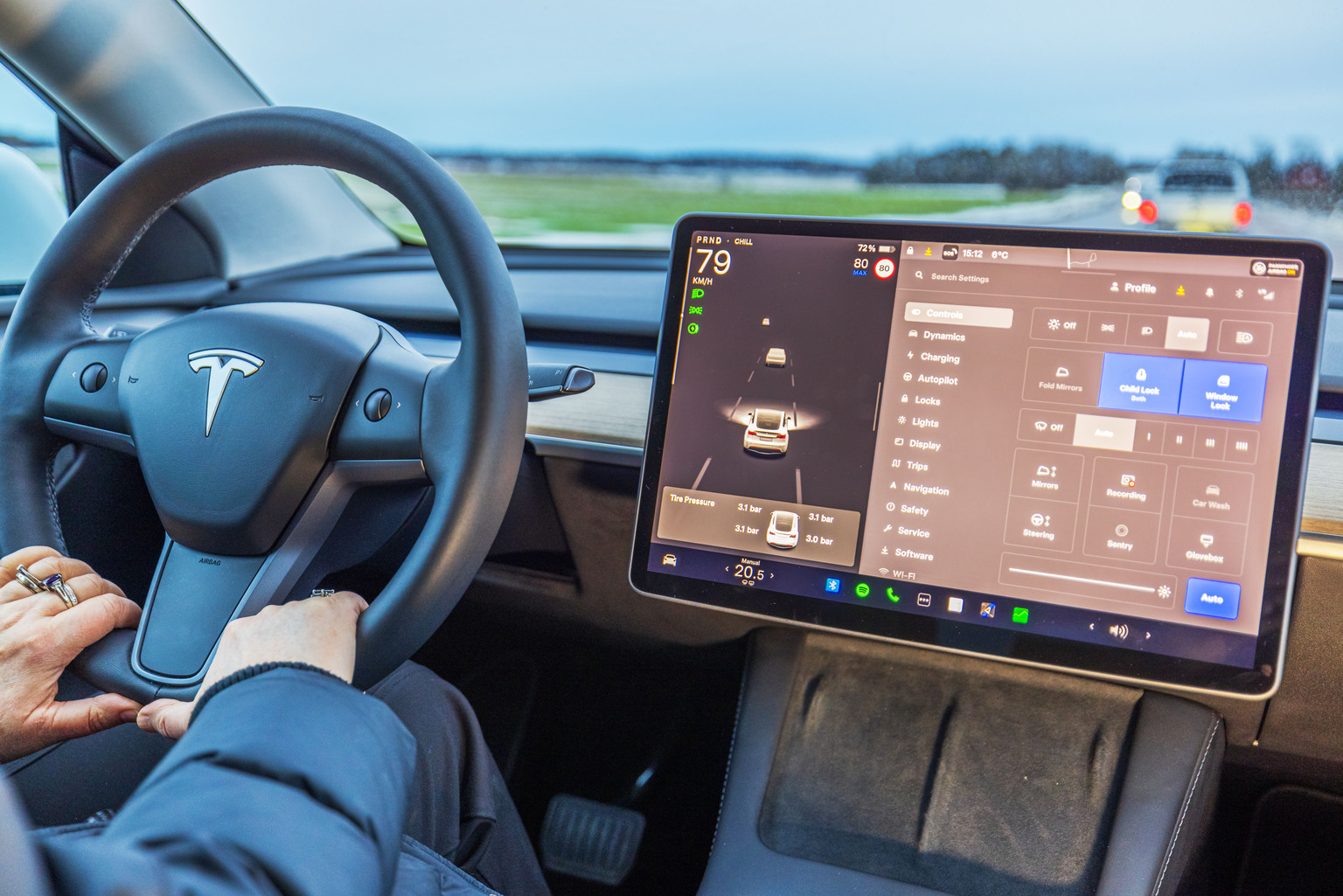
- Slow Approval Progress: Tesla's Full Self-Driving (FSD) system has received initial approval in the Netherlands, yet skepticism from EU regulators regarding its safety and technological capabilities, particularly in icy conditions, may hinder its rollout in the European market.
- Regulatory Concerns: Regulators from the Netherlands, Sweden, Finland, Denmark, and Norway have raised alarms about the FSD system's tendency to exceed speed limits and the ease with which drivers can bypass mobile phone usage restrictions, potentially leading to stricter regulatory requirements that could impact Tesla's market strategy.
- Public Pressure Strategy Backfires: Tesla's strategy of encouraging vehicle owners to pressure regulators for FSD approval has faced criticism, with regulators expressing frustration, which may complicate and prolong the approval process.
- Declining Market Share: Tesla's market share in the EU has sharply declined due to increasing competition, particularly from newer models and aggressive pricing strategies by companies like BYD and Volkswagen, which could adversely affect its future sales and profitability.
See More

Shifting Investment Trends in Tesla
- Investor Mindset Shift: Rising expenditures on autonomy, robotics, and energy are reshaping investor perceptions of Tesla, indicating a market reassessment of its future growth potential.
- Free Cash Flow Impact: The direction of Tesla's free cash flow is influenced by these new investment trends, which could lead to changes in its financial health, thereby affecting investor confidence and stock price volatility.
- Risk/Reward Reevaluation: Investors are beginning to factor in autonomy and energy innovation as critical elements in assessing Tesla's risk/reward profile, potentially altering their portfolio allocations.
- Market Outlook: As technological advancements and market demands evolve, Tesla's future market outlook may appear more optimistic, attracting greater attention from long-term investors regarding its stock performance.
See More
Ford Advances EV Strategy Despite Industry Setbacks


- Platform Innovation: Ford's Universal Electric Vehicle (UEV) platform aims for profitability through a clean-sheet design, with expectations to reduce annual losses from $4 billion to breakeven by 2029, demonstrating the company's long-term strategic commitment to the EV market.
- New Model Launch Plans: Ford plans to introduce a midsize pickup truck priced around $30,000 next year, expected to be unmatched in price and product form, targeting the U.S. market's demand for affordable electric vehicles to enhance competitive positioning.
- Market Competition Pressure: Despite fierce competition from Chinese EV brands, Ford remains confident in the UEV platform's competitiveness, emphasizing the need to align pricing with consumer expectations to ensure survival and growth in the U.S. market.
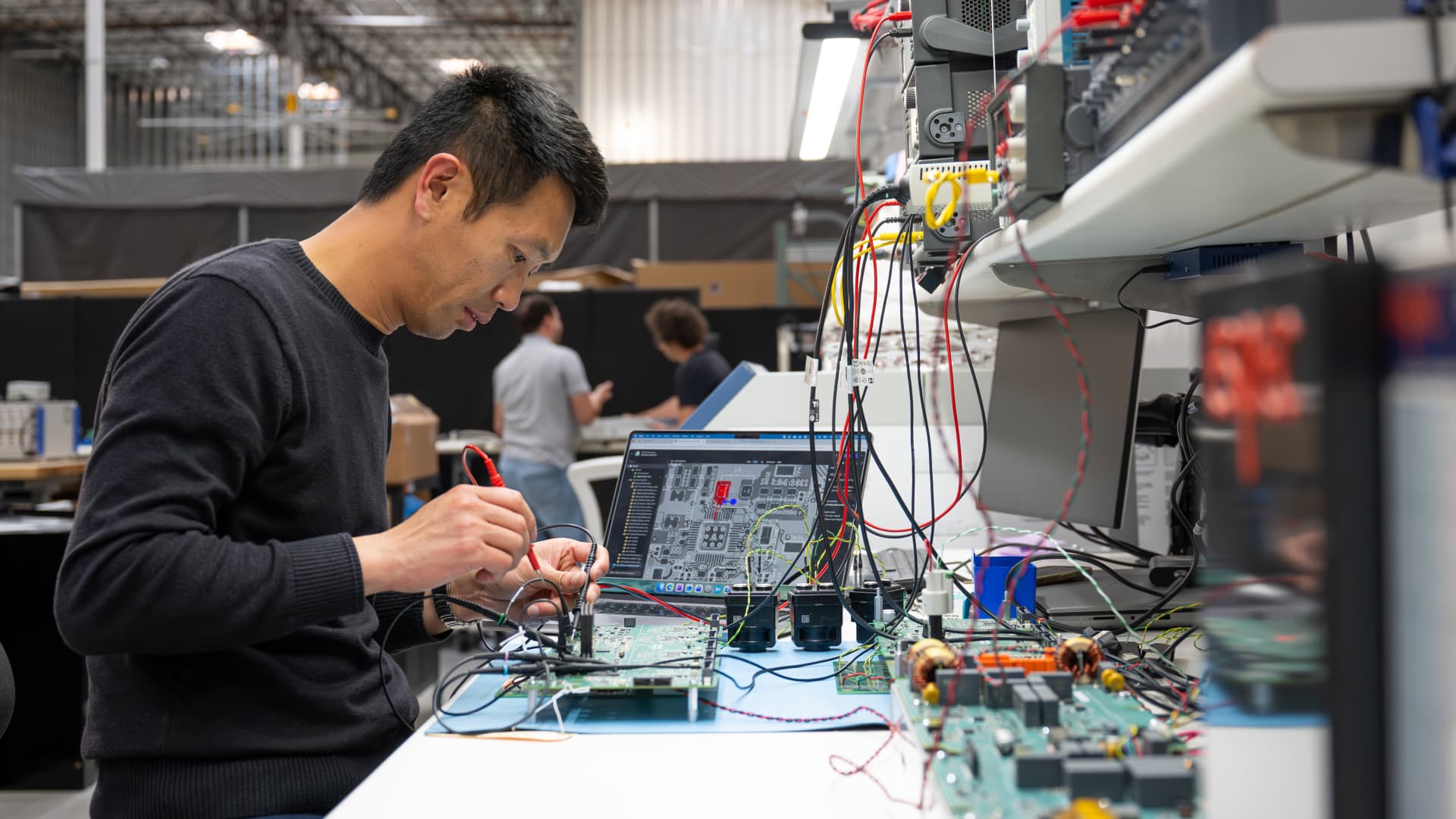
- New Development Center Construction: Ford's new Electric Vehicle Development Center in Long Beach, California, spans 270,000 square feet and employs 350 professionals from Tesla, aerospace, and other sectors, aimed at accelerating future EV research and production, reflecting the company's focus on the future of electric vehicles.
See More
Ford's New EV Platform Aims for Break-even by 2029
- Platform Innovation: Ford's newly launched 'Universal Electric Vehicle' (UEV) platform in Long Beach is expected to help its EV unit achieve breakeven by 2029, despite facing $19.5 billion in restructuring charges and industry challenges.
- New Model Launch: The automaker plans to introduce a midsize electric pickup truck priced around $30,000, which is anticipated to stand out in the market due to its competitive pricing and performance, aimed at attracting U.S. consumers.
- Competitive Market Pressure: Despite intense competition from Chinese EV manufacturers, Ford executives assert that the UEV platform will leverage new technologies and efficiencies to compete on price with Chinese brands, maintaining market share.
- R&D Center Development: Ford's new Electric Vehicle Development Center spans 270,000 square feet in Long Beach and is expected to employ 350 professionals, driving future EV research and innovation, reflecting Ford's long-term commitment to the EV market.
See More
Major Wall Street Rating Updates


- Chipotle Upgrade: Argus upgraded Chipotle Mexican Grill from Hold to Buy, indicating a return to growth, which reflects market optimism about the company's future performance.
- Full Truck Alliance Initiation: Bank of America initiated coverage on Full Truck Alliance (FTA) with a Buy rating and a price target of $11.3, implying a 33% total return potential, showcasing confidence in its business model.
- Alto Neuroscience Promising Outlook: Bank of America initiated coverage of Alto Neuroscience (ANRO) with a Buy rating and a $35 price target, emphasizing its innovative potential in treating psychiatric disorders, which may attract more investor interest.
- Amazon Supply Chain Expansion: Bank of America reiterated its Buy rating on Amazon, highlighting the significant market potential of Amazon Supply Chain Services, which offers comprehensive logistics solutions for all businesses, further solidifying its market leadership.
See More

Amazon's New Logistics Initiative Shakes Market

- Increased Market Competition: Amazon's announcement of a new initiative allowing external businesses to utilize its supply chain for deliveries led to significant stock declines for UPS and FedEx, dropping over 10% and 9% respectively, indicating investor concerns about intensified competition in the logistics sector.
- Strong Sales Growth: Palantir reported an impressive 85% revenue growth in Q1, with net income approximately quadrupling year-over-year, showcasing its robust performance in the defense technology sector and projecting a doubling of its U.S. business in the coming year.
- Tesla and SEC Settlement: Tesla CEO Elon Musk reached a settlement with the SEC, agreeing to pay $1.5 million in penalties over allegations of failing to disclose his Twitter stake prior to acquisition, although this minor fine is not expected to have a significant financial impact on the company.
- GLP-1 Market Dynamics: Novo Nordisk's Wegovy pill has rapidly gained tens of thousands of new users within four months of launch, while Eli Lilly's competing Foundayo has seen a more modest uptake, reflecting a shift in market demand for weight-loss medications.
See More
Tesla's FSD System Faces EU Approval Skepticism
- Slow Approval Progress: Tesla's Full Self-Driving (FSD) system has received initial approval in the Netherlands, yet skepticism from EU regulators regarding its safety and technological capabilities, particularly in icy conditions, may hinder its rollout in the European market.
- Regulatory Concerns: Regulators from the Netherlands, Sweden, Finland, Denmark, and Norway have raised alarms about the FSD system's tendency to exceed speed limits and the ease with which drivers can bypass mobile phone usage restrictions, potentially leading to stricter regulatory requirements that could impact Tesla's market strategy.
- Public Pressure Strategy Backfires: Tesla's strategy of encouraging vehicle owners to pressure regulators for FSD approval has faced criticism, with regulators expressing frustration, which may complicate and prolong the approval process.
- Declining Market Share: Tesla's market share in the EU has sharply declined due to increasing competition, particularly from newer models and aggressive pricing strategies by companies like BYD and Volkswagen, which could adversely affect its future sales and profitability.
See More
Shifting Investment Trends in Tesla
- Investor Mindset Shift: Rising expenditures on autonomy, robotics, and energy are reshaping investor perceptions of Tesla, indicating a market reassessment of its future growth potential.
- Free Cash Flow Impact: The direction of Tesla's free cash flow is influenced by these new investment trends, which could lead to changes in its financial health, thereby affecting investor confidence and stock price volatility.
- Risk/Reward Reevaluation: Investors are beginning to factor in autonomy and energy innovation as critical elements in assessing Tesla's risk/reward profile, potentially altering their portfolio allocations.
- Market Outlook: As technological advancements and market demands evolve, Tesla's future market outlook may appear more optimistic, attracting greater attention from long-term investors regarding its stock performance.
See More
Ford Advances EV Strategy Despite Industry Setbacks
- Platform Innovation: Ford's Universal Electric Vehicle (UEV) platform aims for profitability through a clean-sheet design, with expectations to reduce annual losses from $4 billion to breakeven by 2029, demonstrating the company's long-term strategic commitment to the EV market.
- New Model Launch Plans: Ford plans to introduce a midsize pickup truck priced around $30,000 next year, expected to be unmatched in price and product form, targeting the U.S. market's demand for affordable electric vehicles to enhance competitive positioning.
- Market Competition Pressure: Despite fierce competition from Chinese EV brands, Ford remains confident in the UEV platform's competitiveness, emphasizing the need to align pricing with consumer expectations to ensure survival and growth in the U.S. market.
- New Development Center Construction: Ford's new Electric Vehicle Development Center in Long Beach, California, spans 270,000 square feet and employs 350 professionals from Tesla, aerospace, and other sectors, aimed at accelerating future EV research and production, reflecting the company's focus on the future of electric vehicles.
See More
Ford's New EV Platform Aims for Break-even by 2029
- Platform Innovation: Ford's newly launched 'Universal Electric Vehicle' (UEV) platform in Long Beach is expected to help its EV unit achieve breakeven by 2029, despite facing $19.5 billion in restructuring charges and industry challenges.
- New Model Launch: The automaker plans to introduce a midsize electric pickup truck priced around $30,000, which is anticipated to stand out in the market due to its competitive pricing and performance, aimed at attracting U.S. consumers.
- Competitive Market Pressure: Despite intense competition from Chinese EV manufacturers, Ford executives assert that the UEV platform will leverage new technologies and efficiencies to compete on price with Chinese brands, maintaining market share.
- R&D Center Development: Ford's new Electric Vehicle Development Center spans 270,000 square feet in Long Beach and is expected to employ 350 professionals, driving future EV research and innovation, reflecting Ford's long-term commitment to the EV market.
See More
Major Wall Street Rating Updates
- Chipotle Upgrade: Argus upgraded Chipotle Mexican Grill from Hold to Buy, indicating a return to growth, which reflects market optimism about the company's future performance.
- Full Truck Alliance Initiation: Bank of America initiated coverage on Full Truck Alliance (FTA) with a Buy rating and a price target of $11.3, implying a 33% total return potential, showcasing confidence in its business model.
- Alto Neuroscience Promising Outlook: Bank of America initiated coverage of Alto Neuroscience (ANRO) with a Buy rating and a $35 price target, emphasizing its innovative potential in treating psychiatric disorders, which may attract more investor interest.
- Amazon Supply Chain Expansion: Bank of America reiterated its Buy rating on Amazon, highlighting the significant market potential of Amazon Supply Chain Services, which offers comprehensive logistics solutions for all businesses, further solidifying its market leadership.
See More
Amazon's New Logistics Initiative Shakes Market
- Increased Market Competition: Amazon's announcement of a new initiative allowing external businesses to utilize its supply chain for deliveries led to significant stock declines for UPS and FedEx, dropping over 10% and 9% respectively, indicating investor concerns about intensified competition in the logistics sector.
- Strong Sales Growth: Palantir reported an impressive 85% revenue growth in Q1, with net income approximately quadrupling year-over-year, showcasing its robust performance in the defense technology sector and projecting a doubling of its U.S. business in the coming year.
- Tesla and SEC Settlement: Tesla CEO Elon Musk reached a settlement with the SEC, agreeing to pay $1.5 million in penalties over allegations of failing to disclose his Twitter stake prior to acquisition, although this minor fine is not expected to have a significant financial impact on the company.
- GLP-1 Market Dynamics: Novo Nordisk's Wegovy pill has rapidly gained tens of thousands of new users within four months of launch, while Eli Lilly's competing Foundayo has seen a more modest uptake, reflecting a shift in market demand for weight-loss medications.
See More