Société Générale Considers Relocating HQ, Scouting 500K Sq Ft in Manhattan
Written by Emily J. Thompson, Senior Investment Analyst
Updated: Jan 16 2026
0mins


Source: seekingalpha
- Relocation Plans: Société Générale is considering relocating its New York headquarters from 245 Park Ave., scouting approximately 500,000 square feet of office space to accommodate future business needs and expansion.
- Potential New Locations: Media reports suggest that possible new office sites include Vornado Realty's 15 Penn Plaza, 175 Park Ave., and Hudson Boulevard, all situated in Manhattan's prime area, which could enhance the company's market presence.
- Lease Expiration: The bank's current lease at 245 Park Ave. expires in 2032, prompting early planning for new office space to ensure business continuity and flexibility.
- Market Dynamics: Recently, major financial firms like JPMorgan Chase and Moody's have also been actively seeking new office locations in Manhattan, indicating strong demand for premium office space in the financial sector, and Société Générale's relocation plans may further stimulate activity in the local real estate market.
Trade with 70% Backtested Accuracy
Stop guessing "Should I Buy JPM?" and start using high-conviction signals backed by rigorous historical data.
Sign up today to access powerful investing tools and make smarter, data-driven decisions.
Analyst Views on JPM
Wall Street analysts forecast JPM stock price to rise
19 Analyst Rating
11 Buy
7 Hold
1 Sell
Moderate Buy
Current: 295.380

Low
260.00
Averages
341.38
High
400.00
Current: 295.380
Low
260.00
Averages
341.38
High
400.00
About JPM
JPMorgan Chase & Co. is a financial holding company. The Company is engaged in investment banking, financial services for consumers and small businesses, commercial banking, financial transaction processing and asset management. The Company operates through three segments: Consumer & Community Banking (CCB), Commercial & Investment Bank (CIB), and Asset & Wealth Management (AWM). Its CCB segment offers products and services to consumers and small businesses through bank branches, ATMs, digital and telephone banking. Its CIB segment consists of banking and payments and markets and securities services, and offers a suite of investment banking, lending, payments, market-making, financing, custody and securities products and services to a global base of corporate and institutional clients. AWM segment offers investment and wealth management solutions. It offers multi-asset investment management solutions, retirement products and services, brokerage, custody, estate planning, and others.
About the author

Emily J. Thompson
Emily J. Thompson, a Chartered Financial Analyst (CFA) with 12 years in investment research, graduated with honors from the Wharton School. Specializing in industrial and technology stocks, she provides in-depth analysis for Intellectia’s earnings and market brief reports.
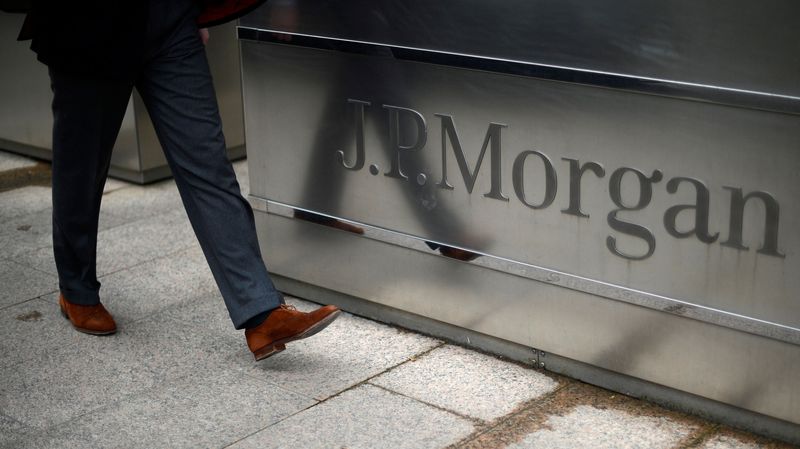
Georgia Cleantech Innovation Hub Receives $600,000 Grant for Clean Tech Initiatives
- Funding Amount: The Georgia Cleantech Innovation Hub has received a $600,000 grant from JPMorgan Chase aimed at building the workforce and infrastructure necessary for clean technology, thereby creating business opportunities that save energy, reduce emissions, and improve efficiency.
- Educational Programs: The funding will support the launch of real-world learning programs at Morehouse College, Georgia State University, and Spelman College, connecting students with leading clean tech entrepreneurs to cultivate the next generation of clean tech professionals.
- Incubator Development: The initiative will also fund site identification and feasibility planning for Atlanta's first clean tech hardware and testing incubator, addressing the urgent market need for small flexible industrial spaces that assist startups in product validation and team growth.
- Economic Impact: JPMorgan Chase's support not only accelerates the growth of clean tech businesses but also promotes economic diversification and long-term development in Atlanta by establishing a talent pipeline and innovation pipeline, enhancing the region's competitiveness in emerging industries.
See More

Trump's Speech Triggers Surge in Oil Prices


- Prolonged Conflict Impact: Trump's speech indicated that the war with Iran will continue for weeks, with nearly 1 billion barrels of oil expected to be lost by the end of the month, including 600 million barrels of crude and 350 million barrels of refined products, exacerbating deep disruptions to global energy supplies and causing oil prices to surge over 10%.
- Market Reaction: Brent crude prices jumped more than 6% to exceed $107 following Trump's remarks, as the market rapidly priced in expectations of a prolonged conflict, with buyers in Houston willing to pay nearly $120, reflecting concerns over future supply tightness.
- Inventory Pressure: With the ongoing war, a total loss of 630 million barrels of oil and products is forecasted by the end of June, leading to inventory pressures that could see onshore stocks drop to multi-year lows as early as August, intensifying physical tightness in the global market.
- Fuel Shortage Warning: Shell's CEO warned that fuel shortages will first hit South Asia, followed by Southeast Asia and Europe, with U.S. retail gasoline prices expected to surge to $4.25 to $4.45 per gallon in the next two weeks, while diesel prices could rise to $5.80 to $6.05.
See More

JPMorgan Updates Top Tech Stock Picks Amid Market Volatility


- New Tech Picks: JPMorgan added software companies JFrog and Palo Alto Networks to its top stock picks in April, indicating optimism for AI-related stocks, despite JFrog's 23% year-to-date decline, analysts believe it has significant AI growth potential.
- Market Rally: Following reports of a potential end to the Middle East conflict, all three major indexes posted gains on the last day of March, marking their best daily performance since May, even as oil prices fluctuated above $100 per barrel due to the war.
- Aramark's Return: JPMorgan reinstated food, uniform, and facilities provider Aramark to its top picks after the company provided a
See More
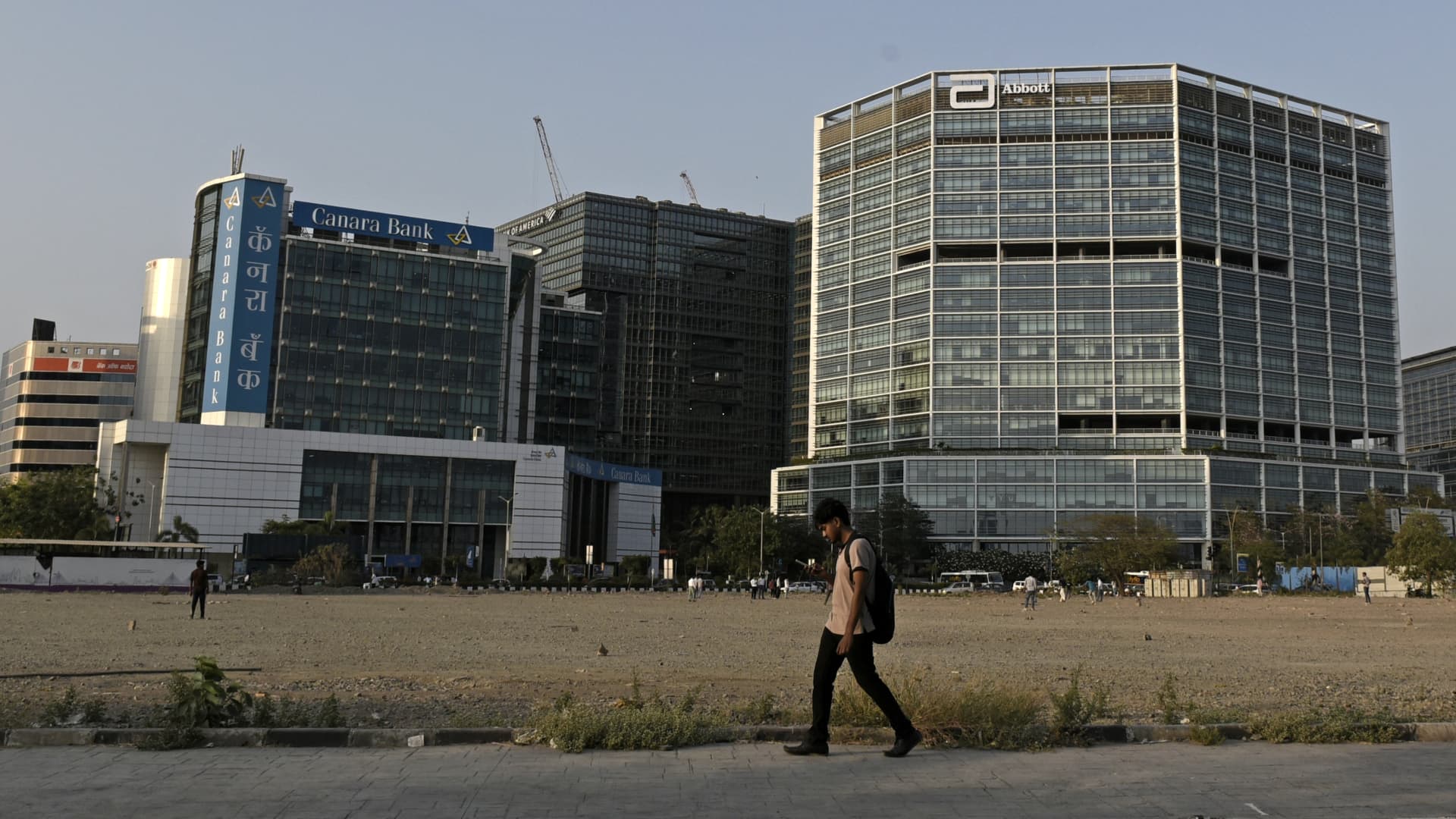
Indian Markets Rattle Amid Iran War Turmoil

- Foreign Capital Exodus: Amid the turmoil of the Iran war, Indian markets experienced a record foreign investor sell-off exceeding $12 billion in March, resulting in a more than 10% drop in the Nifty 50 index, highlighting significant concerns over future economic growth prospects.
- Diminished Growth Outlook: India's Chief Economic Advisor V. Anantha Nageswaran warned that rising energy costs and supply chain disruptions pose considerable downside risks to the forecasted 7.0%-7.4% growth for FY 2027, with expectations of a significant widening of the trade deficit exacerbating fiscal pressures.
- Government Intervention: In response to economic strains, the Indian government implemented two key measures, including limiting banks' currency-hedging positions and cutting excise duties on petrol and diesel by 10 rupees per liter, which will significantly impact tax revenues and potentially hinder government spending capabilities.
- Weak Job Market: While India's consumption narrative continues to attract foreign investment, the lack of white-collar job creation undermines this story, with reports indicating that only a small percentage of graduates secure stable employment within a year of graduation, posing a long-term challenge to economic growth.
See More

Gold Prices Could Soar to New Highs
- Historical High Review: In January 2023, gold prices reached approximately $5,600 per ounce, more than doubling from about $2,600 at the end of 2024, reflecting strong demand for gold as a safe-haven asset amid market volatility.
- Fed Policy Impact: The Federal Reserve's interest rate hikes in 2022 and 2023 aimed at curbing inflation strengthened the dollar and suppressed gold prices, but six rate cuts in 2024 and 2025 could weaken the dollar again, boosting gold's value.
- Geopolitical Drivers: The outbreak of the Iran War and the U.S. government's insolvency declaration have rattled markets, prompting more investors to flock to gold, which is expected to further increase demand and push prices higher.
- Future Outlook: While JPMorgan CEO Jamie Dimon believes gold could reach $10,000 per ounce in the future, market volatility and improvements in the macroeconomic environment may affect the timeline for achieving this target.
See More
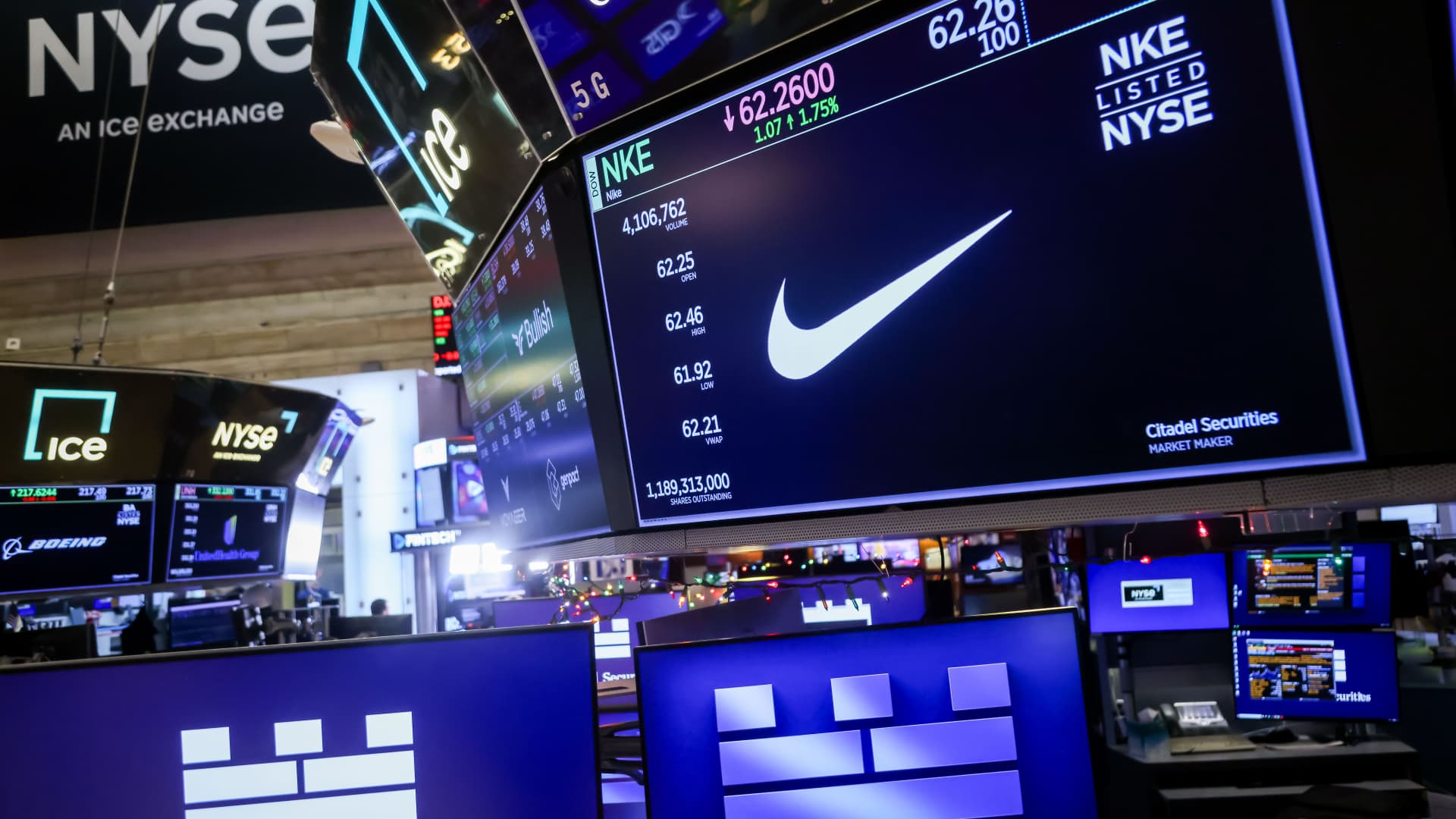
Nike's Earnings Miss Expectations, Shares Plunge 14%

- Sales Forecast Downgrade: Nike anticipates a sales decline of 2% to 4% for the current quarter, significantly worse than the 1.9% growth analysts expected, primarily due to a projected 20% drop in China, negatively impacting overall performance.
- Gross Margin Decline: Nike's gross margin has fallen for seven consecutive quarters, and rising input costs due to the Middle East conflict may complicate future margin recovery, potentially affecting profitability.
- Market Reaction: The slow turnaround has led to downgrades from three major Wall Street banks, indicating diminishing investor patience regarding the company's growth prospects, especially with an unclear timeline for sales recovery.
- Management's Lack of Confidence: Although management expresses optimism about recovery in North America, the vague timeline for achieving balanced growth suggests ongoing challenges, with CEO Hill acknowledging that the recovery process is more complex than anticipated.
See More
Georgia Cleantech Innovation Hub Receives $600,000 Grant for Clean Tech Initiatives
- Funding Amount: The Georgia Cleantech Innovation Hub has received a $600,000 grant from JPMorgan Chase aimed at building the workforce and infrastructure necessary for clean technology, thereby creating business opportunities that save energy, reduce emissions, and improve efficiency.
- Educational Programs: The funding will support the launch of real-world learning programs at Morehouse College, Georgia State University, and Spelman College, connecting students with leading clean tech entrepreneurs to cultivate the next generation of clean tech professionals.
- Incubator Development: The initiative will also fund site identification and feasibility planning for Atlanta's first clean tech hardware and testing incubator, addressing the urgent market need for small flexible industrial spaces that assist startups in product validation and team growth.
- Economic Impact: JPMorgan Chase's support not only accelerates the growth of clean tech businesses but also promotes economic diversification and long-term development in Atlanta by establishing a talent pipeline and innovation pipeline, enhancing the region's competitiveness in emerging industries.
See More
Trump's Speech Triggers Surge in Oil Prices
- Prolonged Conflict Impact: Trump's speech indicated that the war with Iran will continue for weeks, with nearly 1 billion barrels of oil expected to be lost by the end of the month, including 600 million barrels of crude and 350 million barrels of refined products, exacerbating deep disruptions to global energy supplies and causing oil prices to surge over 10%.
- Market Reaction: Brent crude prices jumped more than 6% to exceed $107 following Trump's remarks, as the market rapidly priced in expectations of a prolonged conflict, with buyers in Houston willing to pay nearly $120, reflecting concerns over future supply tightness.
- Inventory Pressure: With the ongoing war, a total loss of 630 million barrels of oil and products is forecasted by the end of June, leading to inventory pressures that could see onshore stocks drop to multi-year lows as early as August, intensifying physical tightness in the global market.
- Fuel Shortage Warning: Shell's CEO warned that fuel shortages will first hit South Asia, followed by Southeast Asia and Europe, with U.S. retail gasoline prices expected to surge to $4.25 to $4.45 per gallon in the next two weeks, while diesel prices could rise to $5.80 to $6.05.
See More
JPMorgan Updates Top Tech Stock Picks Amid Market Volatility
- New Tech Picks: JPMorgan added software companies JFrog and Palo Alto Networks to its top stock picks in April, indicating optimism for AI-related stocks, despite JFrog's 23% year-to-date decline, analysts believe it has significant AI growth potential.
- Market Rally: Following reports of a potential end to the Middle East conflict, all three major indexes posted gains on the last day of March, marking their best daily performance since May, even as oil prices fluctuated above $100 per barrel due to the war.
- Aramark's Return: JPMorgan reinstated food, uniform, and facilities provider Aramark to its top picks after the company provided a
See More
Indian Markets Rattle Amid Iran War Turmoil
- Foreign Capital Exodus: Amid the turmoil of the Iran war, Indian markets experienced a record foreign investor sell-off exceeding $12 billion in March, resulting in a more than 10% drop in the Nifty 50 index, highlighting significant concerns over future economic growth prospects.
- Diminished Growth Outlook: India's Chief Economic Advisor V. Anantha Nageswaran warned that rising energy costs and supply chain disruptions pose considerable downside risks to the forecasted 7.0%-7.4% growth for FY 2027, with expectations of a significant widening of the trade deficit exacerbating fiscal pressures.
- Government Intervention: In response to economic strains, the Indian government implemented two key measures, including limiting banks' currency-hedging positions and cutting excise duties on petrol and diesel by 10 rupees per liter, which will significantly impact tax revenues and potentially hinder government spending capabilities.
- Weak Job Market: While India's consumption narrative continues to attract foreign investment, the lack of white-collar job creation undermines this story, with reports indicating that only a small percentage of graduates secure stable employment within a year of graduation, posing a long-term challenge to economic growth.
See More
Gold Prices Could Soar to New Highs
- Historical High Review: In January 2023, gold prices reached approximately $5,600 per ounce, more than doubling from about $2,600 at the end of 2024, reflecting strong demand for gold as a safe-haven asset amid market volatility.
- Fed Policy Impact: The Federal Reserve's interest rate hikes in 2022 and 2023 aimed at curbing inflation strengthened the dollar and suppressed gold prices, but six rate cuts in 2024 and 2025 could weaken the dollar again, boosting gold's value.
- Geopolitical Drivers: The outbreak of the Iran War and the U.S. government's insolvency declaration have rattled markets, prompting more investors to flock to gold, which is expected to further increase demand and push prices higher.
- Future Outlook: While JPMorgan CEO Jamie Dimon believes gold could reach $10,000 per ounce in the future, market volatility and improvements in the macroeconomic environment may affect the timeline for achieving this target.
See More
Nike's Earnings Miss Expectations, Shares Plunge 14%
- Sales Forecast Downgrade: Nike anticipates a sales decline of 2% to 4% for the current quarter, significantly worse than the 1.9% growth analysts expected, primarily due to a projected 20% drop in China, negatively impacting overall performance.
- Gross Margin Decline: Nike's gross margin has fallen for seven consecutive quarters, and rising input costs due to the Middle East conflict may complicate future margin recovery, potentially affecting profitability.
- Market Reaction: The slow turnaround has led to downgrades from three major Wall Street banks, indicating diminishing investor patience regarding the company's growth prospects, especially with an unclear timeline for sales recovery.
- Management's Lack of Confidence: Although management expresses optimism about recovery in North America, the vague timeline for achieving balanced growth suggests ongoing challenges, with CEO Hill acknowledging that the recovery process is more complex than anticipated.
See More