

Significant ETF Withdrawals Observed - CGDV, SBUX, CARR, IP
Written by Emily J. Thompson, Senior Investment Analyst
Updated: Oct 21 2025
0mins


Source: NASDAQ.COM
52-Week Range of CGDV: CGDV's share price has a 52-week low of $30.94 and a high of $42.66, with the last trade recorded at $42.22.
Understanding ETFs: Exchange traded funds (ETFs) function like stocks, where investors buy and sell "units" that can be created or destroyed based on demand.
Monitoring ETF Flows: Weekly monitoring of shares outstanding helps identify ETFs with significant inflows (new units created) or outflows (units destroyed), impacting the underlying holdings.
Disclaimer: The views expressed in the article are those of the author and do not necessarily represent Nasdaq, Inc.
Trade with 70% Backtested Accuracy
Stop guessing "Should I Buy SBUX?" and start using high-conviction signals backed by rigorous historical data.
Sign up today to access powerful investing tools and make smarter, data-driven decisions.
Analyst Views on SBUX
Wall Street analysts forecast SBUX stock price to fall
21 Analyst Rating
12 Buy
7 Hold
2 Sell
Moderate Buy
Current: 104.270

Low
59.00
Averages
96.12
High
115.00
Current: 104.270
Low
59.00
Averages
96.12
High
115.00
About SBUX
Starbucks Corporations is a roaster, marketer, and retailer of specialty coffee globally. Its North America segment includes the United States and Canada. Its International segment includes China, Japan, Asia Pacific, Europe, Middle East and Africa, Latin America, and the Caribbean. Its North America and International segments include both Company-operated and licensed stores. The Channel Development segment includes roasted whole bean and ground coffees, Starbucks-branded single-serve products, a variety of ready-to-drink beverages, such as Frappuccino and Starbucks Doubleshot, foodservice products, and other branded products sold outside the Company-operated and licensed stores. A large portion of its Channel Development business operates under a licensed model of the Global Coffee Alliance with Nestle, while its global ready-to-drink businesses operate under collaborative relationships with PepsiCo, Inc., Tingyi-Ashi Beverages Holding Co., Ltd., Arla Foods amba, Nestle, and others.
About the author

Emily J. Thompson
Emily J. Thompson, a Chartered Financial Analyst (CFA) with 12 years in investment research, graduated with honors from the Wharton School. Specializing in industrial and technology stocks, she provides in-depth analysis for Intellectia’s earnings and market brief reports.
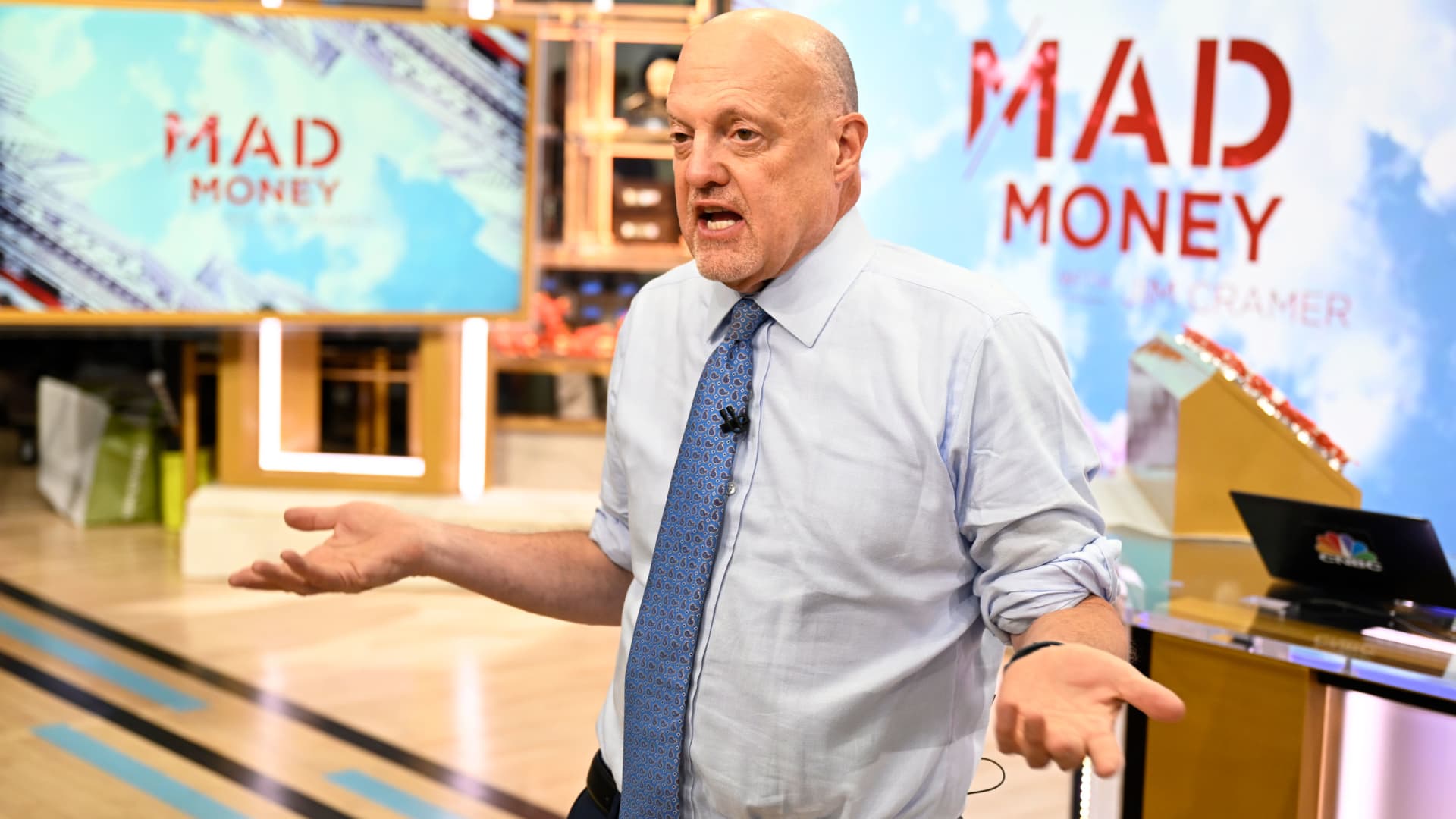
Market Rotation Creates Buying Opportunities, Says Jim Cramer

- Market Rotation Insight: Jim Cramer highlights that the recent market rotation has created buying opportunities for high-quality stocks, as many quality companies have been pulled lower by institutional selling despite their unchanged fundamentals, urging investors to seize this moment.
- Stock Recommendations: Cramer specifically points to PepsiCo, suggesting that its recent pullback offers a favorable entry point ahead of its July 9 earnings report, while he also sees potential in Starbucks as its CEO works on a successful turnaround.
- Risky Investment Opportunities: For investors willing to take on more risk, Cramer emphasizes Constellation Brands, noting that despite ongoing concerns about spirits, its beer business appears to be stabilizing, making it worth a look.
- Consumer and AI Dynamics: Cramer mentions that TJX Companies will benefit from weakened consumer spending as an off-price retailer capitalizes on excess inventory from traditional retailers, while a rebound in AI stocks has negatively impacted healthcare stocks, including Johnson & Johnson.
See More

Market Rotation Creates Buying Opportunities for Quality Stocks
- Investment Opportunity: CNBC's Jim Cramer highlighted that the latest market rotation presents buying opportunities for high-quality companies that have been unfairly dragged down by institutional selling, urging investors to seize this moment.
- Stock Recommendations: Cramer specifically mentioned Johnson & Johnson, PepsiCo, Starbucks, Constellation Brands, and TJX as stocks that are undervalued amid market fluctuations, making them worthy of investor attention.
- Market Dynamics: Following last week's jobs report indicating a slowdown in hiring, many large money managers repositioned their portfolios, leading to a drop in high-quality stock prices, which Cramer believes creates a favorable buying environment.
- Sector Impact: Cramer emphasized that discount retailers like TJX may benefit from weakened consumer spending, as excess inventory at traditional retailers provides them with more discounted merchandise, enhancing their competitive edge in the market.
See More
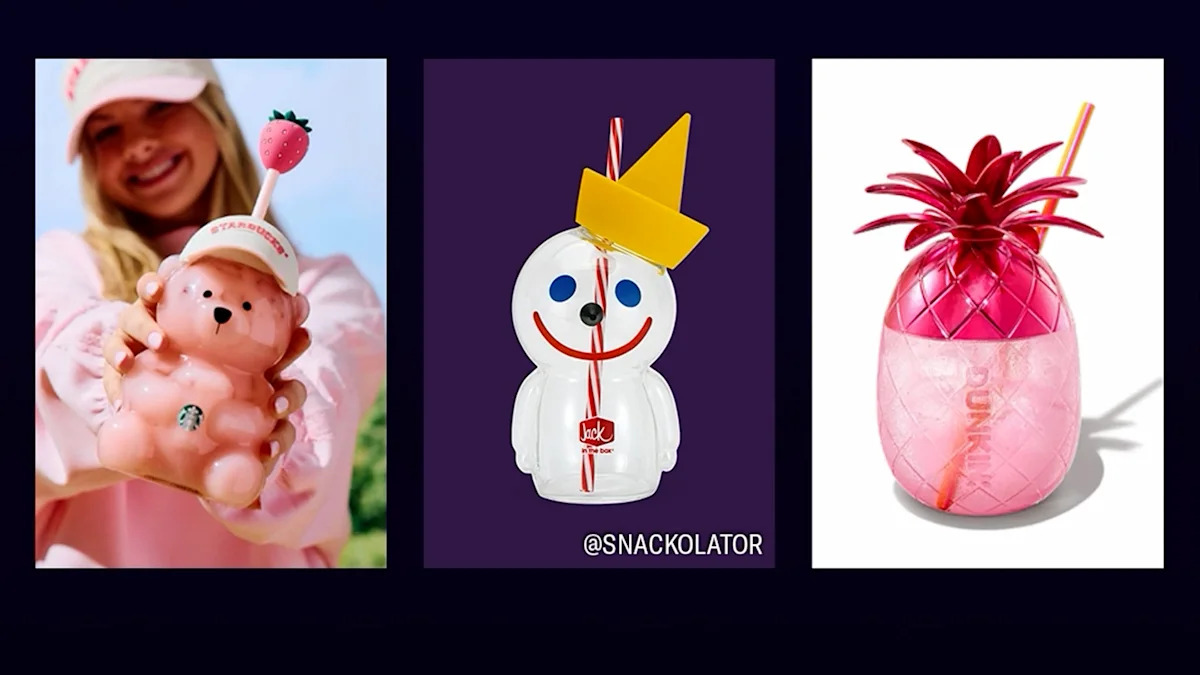
Fast Food Chains Leverage Collectibles to Boost Customer Loyalty
- Market Potential: The U.S. collectibles market was estimated at $32 billion last year and is projected to reach $48 billion by 2033, indicating strong consumer demand for limited-edition merchandise, which fast food chains are leveraging to enhance customer loyalty.
- High Margin Opportunities: Fast food chains are capitalizing on high-margin drink sales by offering collectible cups that cost only 5 cents to produce, thereby boosting profitability amidst a 30% increase in menu prices since 2019.
- Membership Strategy: For instance, Starbucks' limited-edition cups are exclusively available to rewards members, encouraging customer sign-ups and early access to products, which not only enhances brand loyalty but also increases purchase frequency.
- Short-Term Traffic Boost: While experts believe collectibles may not directly impact stock prices, they could attract customer traffic in the short term, especially for appealing limited items, necessitating continuous innovation from fast food brands to maintain competitiveness.
See More

Rivian's New SUV Challenges Tesla's Market Dominance


- Tesla Sales Figures: In Q2 2023, Tesla produced 451,758 vehicles and delivered 480,126, exceeding the market expectation of 406,600, yet the stock price fell, indicating concerns over its $1.5 trillion valuation.
- Rivian's New Model Launch: Rivian has introduced the mid-market SUV R2, directly targeting the Tesla Model Y, marking a strategic shift from high-end to mid-market, potentially attracting a broader consumer base.
- Shifting Competitive Landscape: With 96.9% of Tesla's sales coming from Model 3/Y, Rivian's previous focus on high-priced R1 models limited its market reach; the R2's launch allows it to compete more effectively in the larger SUV segment.
- Financial Condition Analysis: Rivian currently holds approximately $4.8 billion in cash but is expected to burn through about $9 billion before achieving positive cash flow, suggesting a need for dilutive financing in the future, increasing investor risk.
See More
Starbucks and Chipotle Performance Comparison

- Starbucks Recovery: Starbucks reported a 6.2% increase in global comparable store sales for Q2 FY2026, with transactions up 3.8% and revenue reaching $9.53 billion, an 8.79% year-over-year growth, indicating a successful turnaround under Brian Niccol's leadership.
- Chipotle's Challenges: Chipotle experienced a 2.5% decline in comparable restaurant sales in Q4 2025, with a 3.2% drop in transactions; although EPS of $0.25 slightly exceeded expectations, it marked the company's first full year of negative comparable sales, highlighting competitive pressures.
- Strategic Differentiation: Starbucks is attracting customers with a revamped three-tier Rewards program and restructuring its China joint venture, planning to open 600 to 650 new coffeehouses in FY26, while Chipotle aims to open 350 to 370 new locations in 2026, with 80% featuring Chipotlane.
- Market Valuation Comparison: Starbucks trades at a P/E of 79, reflecting market confidence in its recovery, while Chipotle's P/E is 32, indicating it is cheaper but facing declining traffic, showcasing a significant divergence in market sentiment between the two companies.
See More
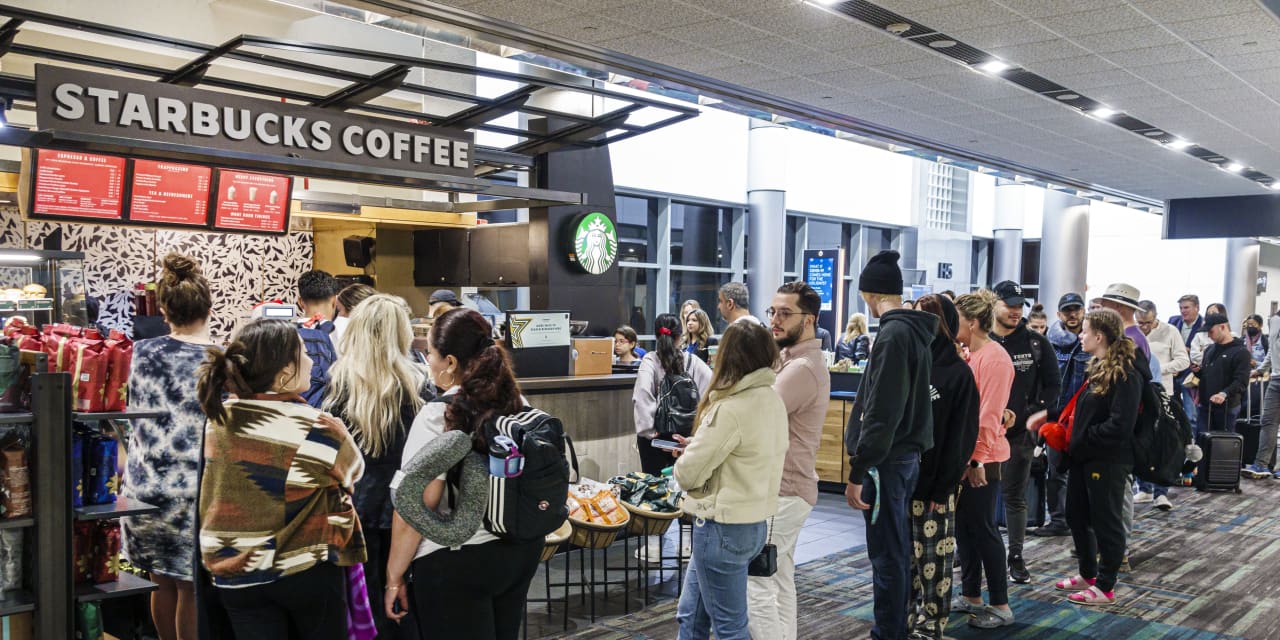
Dutch Bros Shows Steady Growth Amid Challenges

- Significant Revenue Growth: Dutch Bros achieved a 31% year-over-year revenue growth in the latest quarter, driven by new shop openings and an 8.3% increase in same-store sales, indicating balanced growth that enhances its market competitiveness.
- Upgraded Full-Year Guidance: Management raised its full-year revenue growth forecast to 25%-27%, plans to open at least 185 new locations, and expects same-store sales growth of 4%-6%, demonstrating confidence in future growth and effective strategic planning.
- Brand Culture and Employee Passion: Dutch Bros emphasizes friendly customer interactions and promotes new shop operators from within, which is seen as a vital factor for long-term success, particularly in the highly competitive restaurant industry.
- Significant Expansion Potential: As of March 31, 2026, Dutch Bros operates 1,177 shops across 25 states, targeting 2,029 shops by 2029, with a careful location scouting and clustering strategy that lays the groundwork for billions in annual revenue.
See More
Market Rotation Creates Buying Opportunities, Says Jim Cramer
- Market Rotation Insight: Jim Cramer highlights that the recent market rotation has created buying opportunities for high-quality stocks, as many quality companies have been pulled lower by institutional selling despite their unchanged fundamentals, urging investors to seize this moment.
- Stock Recommendations: Cramer specifically points to PepsiCo, suggesting that its recent pullback offers a favorable entry point ahead of its July 9 earnings report, while he also sees potential in Starbucks as its CEO works on a successful turnaround.
- Risky Investment Opportunities: For investors willing to take on more risk, Cramer emphasizes Constellation Brands, noting that despite ongoing concerns about spirits, its beer business appears to be stabilizing, making it worth a look.
- Consumer and AI Dynamics: Cramer mentions that TJX Companies will benefit from weakened consumer spending as an off-price retailer capitalizes on excess inventory from traditional retailers, while a rebound in AI stocks has negatively impacted healthcare stocks, including Johnson & Johnson.
See More
Market Rotation Creates Buying Opportunities for Quality Stocks
- Investment Opportunity: CNBC's Jim Cramer highlighted that the latest market rotation presents buying opportunities for high-quality companies that have been unfairly dragged down by institutional selling, urging investors to seize this moment.
- Stock Recommendations: Cramer specifically mentioned Johnson & Johnson, PepsiCo, Starbucks, Constellation Brands, and TJX as stocks that are undervalued amid market fluctuations, making them worthy of investor attention.
- Market Dynamics: Following last week's jobs report indicating a slowdown in hiring, many large money managers repositioned their portfolios, leading to a drop in high-quality stock prices, which Cramer believes creates a favorable buying environment.
- Sector Impact: Cramer emphasized that discount retailers like TJX may benefit from weakened consumer spending, as excess inventory at traditional retailers provides them with more discounted merchandise, enhancing their competitive edge in the market.
See More
Fast Food Chains Leverage Collectibles to Boost Customer Loyalty
- Market Potential: The U.S. collectibles market was estimated at $32 billion last year and is projected to reach $48 billion by 2033, indicating strong consumer demand for limited-edition merchandise, which fast food chains are leveraging to enhance customer loyalty.
- High Margin Opportunities: Fast food chains are capitalizing on high-margin drink sales by offering collectible cups that cost only 5 cents to produce, thereby boosting profitability amidst a 30% increase in menu prices since 2019.
- Membership Strategy: For instance, Starbucks' limited-edition cups are exclusively available to rewards members, encouraging customer sign-ups and early access to products, which not only enhances brand loyalty but also increases purchase frequency.
- Short-Term Traffic Boost: While experts believe collectibles may not directly impact stock prices, they could attract customer traffic in the short term, especially for appealing limited items, necessitating continuous innovation from fast food brands to maintain competitiveness.
See More
Rivian's New SUV Challenges Tesla's Market Dominance
- Tesla Sales Figures: In Q2 2023, Tesla produced 451,758 vehicles and delivered 480,126, exceeding the market expectation of 406,600, yet the stock price fell, indicating concerns over its $1.5 trillion valuation.
- Rivian's New Model Launch: Rivian has introduced the mid-market SUV R2, directly targeting the Tesla Model Y, marking a strategic shift from high-end to mid-market, potentially attracting a broader consumer base.
- Shifting Competitive Landscape: With 96.9% of Tesla's sales coming from Model 3/Y, Rivian's previous focus on high-priced R1 models limited its market reach; the R2's launch allows it to compete more effectively in the larger SUV segment.
- Financial Condition Analysis: Rivian currently holds approximately $4.8 billion in cash but is expected to burn through about $9 billion before achieving positive cash flow, suggesting a need for dilutive financing in the future, increasing investor risk.
See More
Starbucks and Chipotle Performance Comparison
- Starbucks Recovery: Starbucks reported a 6.2% increase in global comparable store sales for Q2 FY2026, with transactions up 3.8% and revenue reaching $9.53 billion, an 8.79% year-over-year growth, indicating a successful turnaround under Brian Niccol's leadership.
- Chipotle's Challenges: Chipotle experienced a 2.5% decline in comparable restaurant sales in Q4 2025, with a 3.2% drop in transactions; although EPS of $0.25 slightly exceeded expectations, it marked the company's first full year of negative comparable sales, highlighting competitive pressures.
- Strategic Differentiation: Starbucks is attracting customers with a revamped three-tier Rewards program and restructuring its China joint venture, planning to open 600 to 650 new coffeehouses in FY26, while Chipotle aims to open 350 to 370 new locations in 2026, with 80% featuring Chipotlane.
- Market Valuation Comparison: Starbucks trades at a P/E of 79, reflecting market confidence in its recovery, while Chipotle's P/E is 32, indicating it is cheaper but facing declining traffic, showcasing a significant divergence in market sentiment between the two companies.
See More
Dutch Bros Shows Steady Growth Amid Challenges
- Significant Revenue Growth: Dutch Bros achieved a 31% year-over-year revenue growth in the latest quarter, driven by new shop openings and an 8.3% increase in same-store sales, indicating balanced growth that enhances its market competitiveness.
- Upgraded Full-Year Guidance: Management raised its full-year revenue growth forecast to 25%-27%, plans to open at least 185 new locations, and expects same-store sales growth of 4%-6%, demonstrating confidence in future growth and effective strategic planning.
- Brand Culture and Employee Passion: Dutch Bros emphasizes friendly customer interactions and promotes new shop operators from within, which is seen as a vital factor for long-term success, particularly in the highly competitive restaurant industry.
- Significant Expansion Potential: As of March 31, 2026, Dutch Bros operates 1,177 shops across 25 states, targeting 2,029 shops by 2029, with a careful location scouting and clustering strategy that lays the groundwork for billions in annual revenue.
See More





