Shell and TotalEnergies Eye Majority Stake in U.S. Gulf Oil Field
Written by Emily J. Thompson, Senior Investment Analyst
Updated: 2 days ago
0mins
Should l Buy SHEL?
Source: seekingalpha
- Rising Market Interest: European energy giants Shell (SHEL) and TotalEnergies (TTE) are showing significant interest in potential investments in the U.S. Gulf due to the impact of the Middle East war, reflecting a strong focus on North American energy prospects.
- Acquisition Opportunity: Beacon Offshore Energy and HEQ Deepwater have recently launched a sale process for a 51% stake in the Shenandoah field, attracting interest from multiple companies including BP (BP) and Spain's Repsol (REPYF), which could drive competitive bidding for the deal.
- Valuation Uncertainty: The final valuation of the deal will depend on multiple factors, including the percentage of Shenandoah sold and fluctuations in oil prices, necessitating market participants to closely monitor these dynamics to assess investment risks.
- Deepwater Field Potential: Shenandoah is regarded as one of the most promising ultra-deepwater fields in the U.S. Gulf region, with industry experts highlighting its broad development prospects that could yield substantial returns for investors.
Trade with 70% Backtested Accuracy
Stop guessing "Should I Buy SHEL?" and start using high-conviction signals backed by rigorous historical data.
Sign up today to access powerful investing tools and make smarter, data-driven decisions.
Analyst Views on SHEL
Wall Street analysts forecast SHEL stock price to fall
10 Analyst Rating
5 Buy
5 Hold
0 Sell
Moderate Buy
Current: 94.150

Low
41.75
Averages
74.27
High
91.00
Current: 94.150
Low
41.75
Averages
74.27
High
91.00
About SHEL
Shell plc is an international energy company engaged in the principal aspects of the energy and petrochemical industries. The Company's segments include Integrated Gas, Upstream, Marketing, Chemicals and Products, Renewables and Energy Solutions, and Corporate. The Integrated Gas segment includes liquefied natural gas (LNG), conversion of natural gas into gas-to-liquids (GTL) fuels and other products. It includes natural gas and liquids exploration and extraction, and the operation of the upstream and midstream infrastructure. The Upstream segment includes exploration and extraction of crude oil, natural gas and natural gas liquids. It also markets and transports oil and gas and operates the infrastructure necessary to deliver them to the market. The Marketing segment comprises the Mobility, Lubricants, and Sectors & Decarbonization businesses. The Chemicals and Products segment includes chemicals manufacturing plants with their own marketing network, and refineries.
About the author

Emily J. Thompson
Emily J. Thompson, a Chartered Financial Analyst (CFA) with 12 years in investment research, graduated with honors from the Wharton School. Specializing in industrial and technology stocks, she provides in-depth analysis for Intellectia’s earnings and market brief reports.
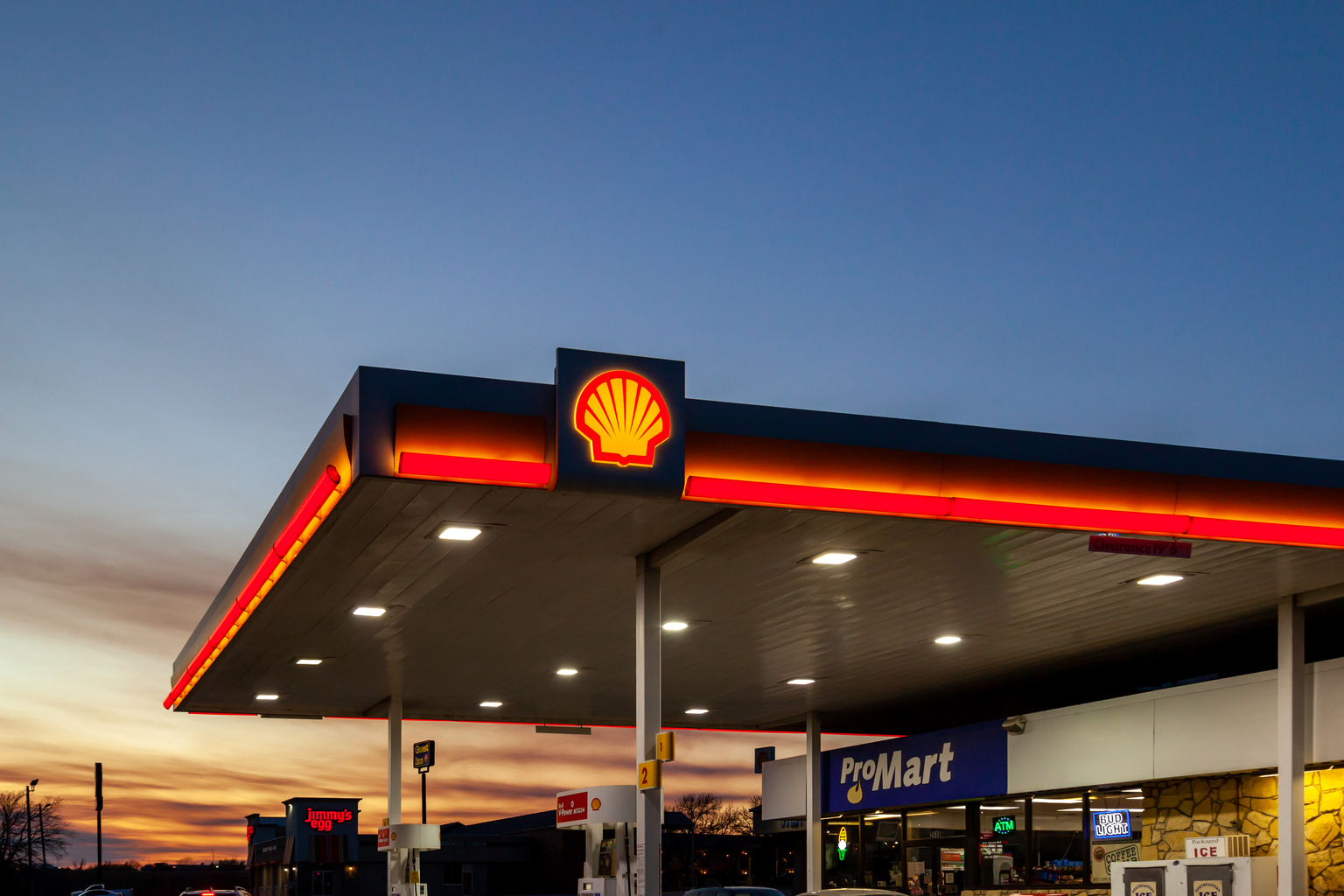
Shell's Q1 Results Boosted by Oil Trading Amid Middle East Challenges
- Strong Oil Trading: Shell (SHEL) reported a significant boost in its first-quarter trading results, with expectations that its chemicals and products business will see results “significantly higher” than the previous quarter, indicating the company's ability to capitalize on oil market volatility and enhance its competitive position.
- Gas Production Outlook Downgrade: Despite strong oil performance, Shell has lowered its integrated gas production outlook to approximately 880,000 to 920,000 barrels of oil equivalent per day, reflecting the impact of the Middle East conflict on Qatari volumes, highlighting the potential threats posed by geopolitical risks to its operations.
- Brent Crude Price Surge: Brent crude prices have surged to nearly $120 per barrel due to U.S.-Israel strikes on Iran disrupting the Strait of Hormuz, setting the stage for Big Oil to reap multibillion-dollar windfalls, which could further enhance Shell's profitability in the near term.
- Market Uncertainty: While Shell excels in the oil market, its overall growth faces challenges, with analysts downgrading its short-term trade rating, reflecting concerns over the uncertainty and volatility in the energy sector moving forward.
See More

Greenland Energy Company Advances Oil Exploration Efforts

- Urgency of Energy Security: Rising instability in the Middle East has highlighted the fragility of global energy supply chains, prompting Greenland Energy Company to explore the Jameson Land Basin, which is estimated to hold up to 1.3 billion barrels of oil, potentially impacting energy independence for Western economies significantly.
- Significant Exploration Progress: Greenland Energy has secured drilling capacity through a strategic agreement and plans to drill two key wells this year, which, if successful, will grant them rights to 70% of the Jameson Land Basin, greatly enhancing their resource development potential.
- Capital Structure Advantage: The company's enterprise value is estimated between $200 million and $220 million, with a market capitalization of approximately $300 million to $345 million, and its low-debt structure provides flexibility in capital-intensive exploration, attracting investor interest.
- Leadership Team Experience: The appointment of Joe Moglia is expected to provide strategic guidance, particularly in Arctic development and capital market engagement, as his extensive market experience will help the company navigate operational and financial challenges effectively.
See More

Greenland Energy Company Advances Energy Independence Efforts

- Geopolitical Tensions Rise: Recent instability in the Middle East highlights the fragility of global energy supply chains, with the Strait of Hormuz, a critical passage for 20% of the world's oil consumption, underscoring the urgency for policymakers to accelerate energy independence efforts.
- Significant Resource Potential: Greenland Energy Company's core asset in the Jameson Land Basin is estimated to hold up to 13 billion barrels of oil, which, if successfully developed, could become a crucial source of oil and gas supply, significantly enhancing energy security for Western economies.
- Strategic Partnerships Enhance Exploration: The company has secured drilling capacity through strategic agreements and plans to drill two key wells this year, which, if successful, will grant it rights to 70% of the Jameson Land Basin, further solidifying its position in the energy market.
- Experienced Leadership Team: The appointment of Joe Moglia as a leader brings extensive capital market experience, providing strategic guidance for Greenland Energy's Arctic development and capital market engagement, thereby enhancing the company's execution capabilities in a competitive energy sector.
See More
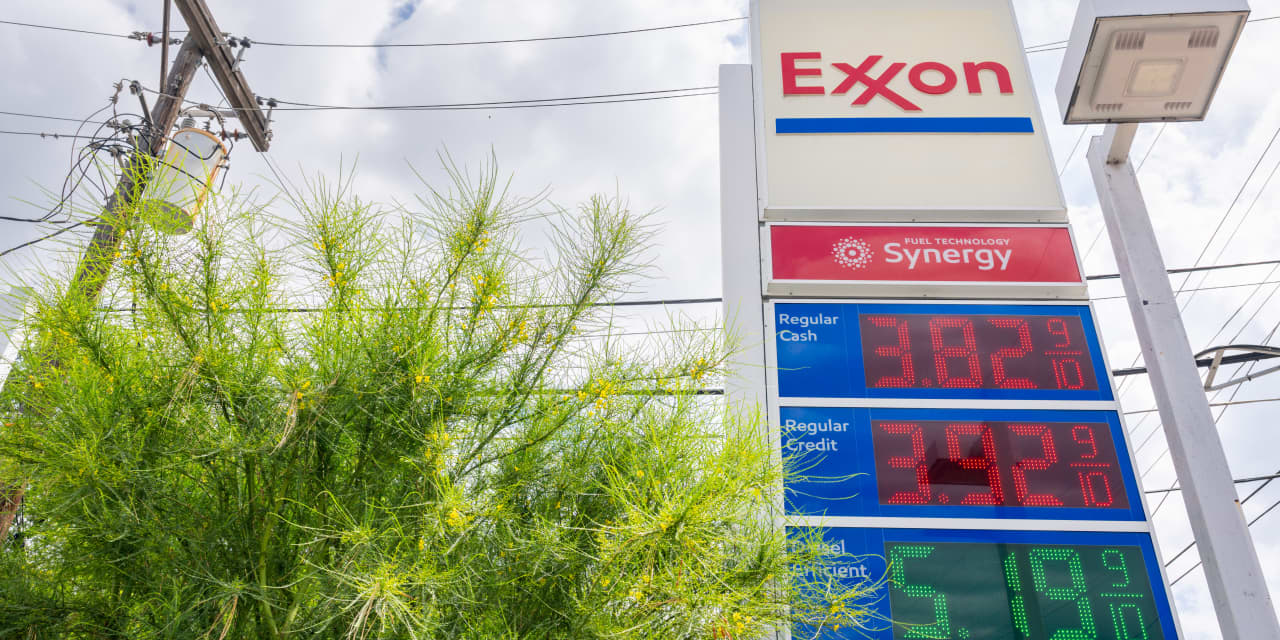
Exxon Mobil Shares Decline: Understanding the Shift from Record Energy Profits to a Significant Downturn.

- Market Outlook: The market is anticipated to experience a significant rally on Wednesday.
- Exxon Mobil Concerns: Exxon Mobil stock and the energy sector are expected to face challenges, raising concerns about a potentially poor quarter.
See More

Levi Strauss Reports Strong Q1 Earnings Growth Amid Market Movements

- Levi Strauss Earnings Growth: Levi Strauss (LEVI) reported a 14% year-over-year revenue increase in Q1, with 9% organic growth driven by broad-based regional performance, including 9% in the Americas, 24% in Europe, and 13% in Asia, particularly highlighted by a 23% organic growth in the Beyond Yoga segment, while direct-to-consumer sales rose 16% year-over-year, enhancing future market share prospects.
- Full-Year Guidance: The company projects full-year revenue growth between 5.5% and 6.5%, with expected EPS of $1.42 to $1.48, slightly above the consensus of $1.46, indicating strong confidence in future performance that may attract more investor interest.
- Tamboran Resources Financing: Tamboran Resources (TBN) priced a public offering of approximately 2.96 million shares at $35.00 each, aiming to raise about $103.5 million, with proceeds allocated for additional drilling in the Pilot Area and resource delineation, despite a 23% drop in share price, the financing plan supports its long-term development.
- Shell Performance Outlook: Shell (SHEL) anticipates significant earnings growth in its chemicals and products segment for Q1; however, shares fell 5% due to a cut in integrated gas production guidance, reflecting disruptions from the Iran-related Middle East conflict, which may impact investor confidence.
See More

Shell Updates Q1 2026 Outlook Amid Middle East Uncertainty
- Production Outlook Adjustment: Shell anticipates a decline in integrated gas production to 880-920 kboe/d for Q1 2026, down from 948 kboe/d in Q4 2025, primarily due to the impact of the Middle East conflict on Qatari volumes, which may lead to a decrease in overall revenue.
- LNG Production Changes: LNG production is expected to drop from 7.8 million tonnes in Q4 2025 to a range of 7.6-8.0 million tonnes, as the ramp-up of LNG Canada is offset by weather constraints in Australia and outages in Qatar, potentially affecting supply commitments.
- Upstream Production Forecast: Shell's upstream production is projected to decrease to 1,760-1,860 kboe/d in Q1 2026, reflecting reduced output following the incorporation of the Adura joint venture, which could impact the company's market share and profitability.
- Financial Metrics Outlook: The adjusted earnings for Shell are expected to range between $0.2-0.7 billion in Q1 2026, indicating resilience in the company's financial performance despite the adverse effects of market volatility on overall results.
See More
Shell's Q1 Results Boosted by Oil Trading Amid Middle East Challenges
- Strong Oil Trading: Shell (SHEL) reported a significant boost in its first-quarter trading results, with expectations that its chemicals and products business will see results “significantly higher” than the previous quarter, indicating the company's ability to capitalize on oil market volatility and enhance its competitive position.
- Gas Production Outlook Downgrade: Despite strong oil performance, Shell has lowered its integrated gas production outlook to approximately 880,000 to 920,000 barrels of oil equivalent per day, reflecting the impact of the Middle East conflict on Qatari volumes, highlighting the potential threats posed by geopolitical risks to its operations.
- Brent Crude Price Surge: Brent crude prices have surged to nearly $120 per barrel due to U.S.-Israel strikes on Iran disrupting the Strait of Hormuz, setting the stage for Big Oil to reap multibillion-dollar windfalls, which could further enhance Shell's profitability in the near term.
- Market Uncertainty: While Shell excels in the oil market, its overall growth faces challenges, with analysts downgrading its short-term trade rating, reflecting concerns over the uncertainty and volatility in the energy sector moving forward.
See More
Greenland Energy Company Advances Oil Exploration Efforts
- Urgency of Energy Security: Rising instability in the Middle East has highlighted the fragility of global energy supply chains, prompting Greenland Energy Company to explore the Jameson Land Basin, which is estimated to hold up to 1.3 billion barrels of oil, potentially impacting energy independence for Western economies significantly.
- Significant Exploration Progress: Greenland Energy has secured drilling capacity through a strategic agreement and plans to drill two key wells this year, which, if successful, will grant them rights to 70% of the Jameson Land Basin, greatly enhancing their resource development potential.
- Capital Structure Advantage: The company's enterprise value is estimated between $200 million and $220 million, with a market capitalization of approximately $300 million to $345 million, and its low-debt structure provides flexibility in capital-intensive exploration, attracting investor interest.
- Leadership Team Experience: The appointment of Joe Moglia is expected to provide strategic guidance, particularly in Arctic development and capital market engagement, as his extensive market experience will help the company navigate operational and financial challenges effectively.
See More
Greenland Energy Company Advances Energy Independence Efforts
- Geopolitical Tensions Rise: Recent instability in the Middle East highlights the fragility of global energy supply chains, with the Strait of Hormuz, a critical passage for 20% of the world's oil consumption, underscoring the urgency for policymakers to accelerate energy independence efforts.
- Significant Resource Potential: Greenland Energy Company's core asset in the Jameson Land Basin is estimated to hold up to 13 billion barrels of oil, which, if successfully developed, could become a crucial source of oil and gas supply, significantly enhancing energy security for Western economies.
- Strategic Partnerships Enhance Exploration: The company has secured drilling capacity through strategic agreements and plans to drill two key wells this year, which, if successful, will grant it rights to 70% of the Jameson Land Basin, further solidifying its position in the energy market.
- Experienced Leadership Team: The appointment of Joe Moglia as a leader brings extensive capital market experience, providing strategic guidance for Greenland Energy's Arctic development and capital market engagement, thereby enhancing the company's execution capabilities in a competitive energy sector.
See More
Exxon Mobil Shares Decline: Understanding the Shift from Record Energy Profits to a Significant Downturn.
- Market Outlook: The market is anticipated to experience a significant rally on Wednesday.
- Exxon Mobil Concerns: Exxon Mobil stock and the energy sector are expected to face challenges, raising concerns about a potentially poor quarter.
See More
Levi Strauss Reports Strong Q1 Earnings Growth Amid Market Movements
- Levi Strauss Earnings Growth: Levi Strauss (LEVI) reported a 14% year-over-year revenue increase in Q1, with 9% organic growth driven by broad-based regional performance, including 9% in the Americas, 24% in Europe, and 13% in Asia, particularly highlighted by a 23% organic growth in the Beyond Yoga segment, while direct-to-consumer sales rose 16% year-over-year, enhancing future market share prospects.
- Full-Year Guidance: The company projects full-year revenue growth between 5.5% and 6.5%, with expected EPS of $1.42 to $1.48, slightly above the consensus of $1.46, indicating strong confidence in future performance that may attract more investor interest.
- Tamboran Resources Financing: Tamboran Resources (TBN) priced a public offering of approximately 2.96 million shares at $35.00 each, aiming to raise about $103.5 million, with proceeds allocated for additional drilling in the Pilot Area and resource delineation, despite a 23% drop in share price, the financing plan supports its long-term development.
- Shell Performance Outlook: Shell (SHEL) anticipates significant earnings growth in its chemicals and products segment for Q1; however, shares fell 5% due to a cut in integrated gas production guidance, reflecting disruptions from the Iran-related Middle East conflict, which may impact investor confidence.
See More
Shell Updates Q1 2026 Outlook Amid Middle East Uncertainty
- Production Outlook Adjustment: Shell anticipates a decline in integrated gas production to 880-920 kboe/d for Q1 2026, down from 948 kboe/d in Q4 2025, primarily due to the impact of the Middle East conflict on Qatari volumes, which may lead to a decrease in overall revenue.
- LNG Production Changes: LNG production is expected to drop from 7.8 million tonnes in Q4 2025 to a range of 7.6-8.0 million tonnes, as the ramp-up of LNG Canada is offset by weather constraints in Australia and outages in Qatar, potentially affecting supply commitments.
- Upstream Production Forecast: Shell's upstream production is projected to decrease to 1,760-1,860 kboe/d in Q1 2026, reflecting reduced output following the incorporation of the Adura joint venture, which could impact the company's market share and profitability.
- Financial Metrics Outlook: The adjusted earnings for Shell are expected to range between $0.2-0.7 billion in Q1 2026, indicating resilience in the company's financial performance despite the adverse effects of market volatility on overall results.
See More