SaaS Stock Sell-Off May Present Generational Buying Opportunity

- Market Opportunity Analysis: Thoma Bravo suggests that the recent sell-off in SaaS stocks may create a generational buying opportunity, with an expected annual growth rate of 20% over the next few years indicating improving fundamentals despite current valuation declines.
- Industry Growth Comparison: SaaS companies within the S&P 500 are growing their revenues at three times the rate of firms in other sectors, coupled with significantly higher gross margins, which enhances their competitive edge in the market.
- Winners in the AI Era: Thoma Bravo emphasizes that while not all software companies will survive the AI disruption, those with deep domain expertise in SaaS are likely to emerge as winners in the forthcoming agentic AI age.
- Individual Stock Performance Analysis: Companies like ServiceNow, Salesforce, and Workday are strategically positioning themselves in the AI landscape and maintaining revenue growth, showing potential for future success, especially as their valuations have dropped to attractive levels.
Trade with 70% Backtested Accuracy
Analyst Views on NOW

About NOW
About the author


Iran War's Impact on Markets and Oil Prices


- Market Shock from War: Since the outbreak of the Iran war on February 28, West Texas Intermediate (WTI) crude oil prices have surged by 48.67% to $99.64 per barrel, raising inflation concerns and exposing investors to a potential 20% market decline risk.
- Rising Treasury Yields: The 10-year and 30-year Treasury yields are climbing due to war-driven inflation expectations, impacting borrowing costs and exacerbating investor panic, particularly for long-term investors facing a challenging environment.
- Tech Sector Turmoil: Amid market volatility, tech stocks, especially the 'Magnificent Seven', have faced significant declines, with Intuit, Applovin, and Gartner dropping 37%, 43.4%, and 38% respectively, highlighting the sector's vulnerability to changing market sentiments and AI competition.
- Shift in Investor Sentiment: As uncertainty looms over the market's future, investors feel increasingly helpless, with many opting to exit, particularly in light of the potential for rising oil prices, leading to a substantial loss of confidence in equities.

Investment Opportunities in the SaaS Sector


- Market Growth Potential: Thoma Bravo forecasts a 20% annual growth rate for the SaaS sector over the next few years, indicating that despite current valuation declines, fundamentals are improving, potentially offering a favorable buying opportunity for investors.
- ServiceNow's Competitive Edge: As a core tool for IT departments, ServiceNow continues to grow at a 20% rate through its generative AI suite, Now Assist, and the newly launched Control Tower platform, with an attractive forward P/E of 25 times, highlighting its valuation appeal.
- Salesforce's Market Positioning: Salesforce's leadership in customer relationship management is bolstered by its Data 360 feature, which integrates third-party data; despite a forward P/E of just 14 times, it is expected to achieve stable double-digit revenue growth, showcasing its potential in the AI era.
- Workday's Value Rebound: Although Workday's stock has dropped about 40% year-to-date, its forward P/E is only 12 times, and it maintains low double-digit revenue growth, suggesting that its investments in AI applications may lay the groundwork for future recovery.

SaaS Stock Sell-Off May Present Generational Buying Opportunity
- Market Opportunity Analysis: Thoma Bravo suggests that the recent sell-off in SaaS stocks may create a generational buying opportunity, with an expected annual growth rate of 20% over the next few years indicating improving fundamentals despite current valuation declines.
- Industry Growth Comparison: SaaS companies within the S&P 500 are growing their revenues at three times the rate of firms in other sectors, coupled with significantly higher gross margins, which enhances their competitive edge in the market.
- Winners in the AI Era: Thoma Bravo emphasizes that while not all software companies will survive the AI disruption, those with deep domain expertise in SaaS are likely to emerge as winners in the forthcoming agentic AI age.
- Individual Stock Performance Analysis: Companies like ServiceNow, Salesforce, and Workday are strategically positioning themselves in the AI landscape and maintaining revenue growth, showing potential for future success, especially as their valuations have dropped to attractive levels.
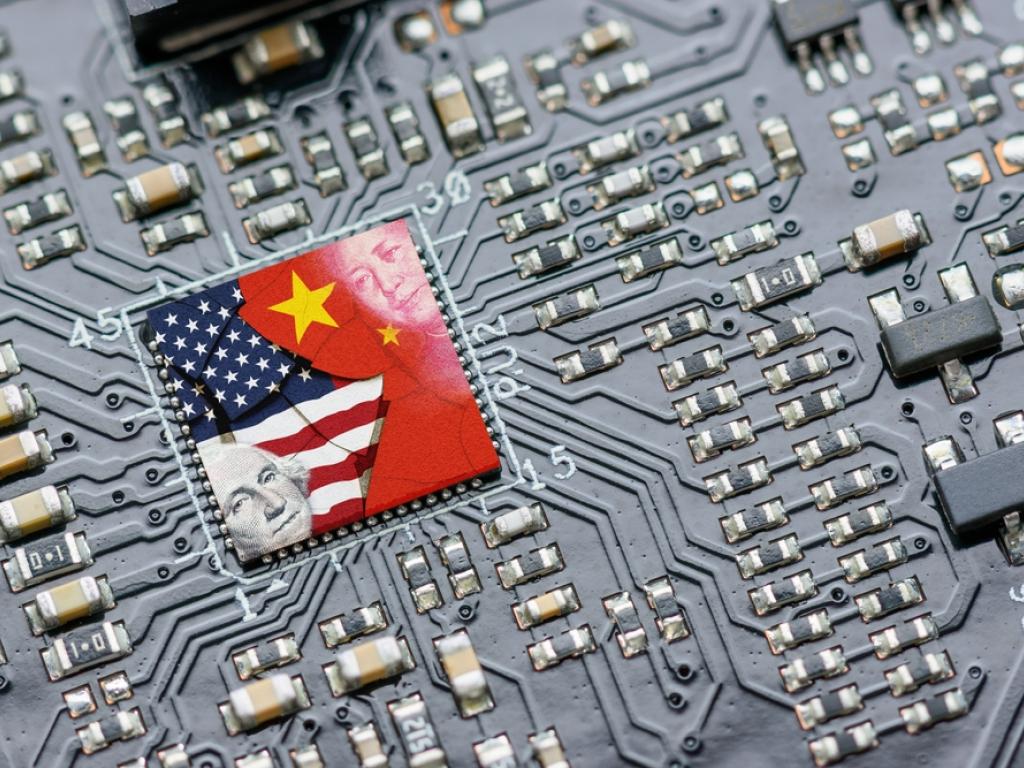
The Evolving Dynamics of a Market During Wartime


Market Impact of Iran Conflict: The ongoing Iran war has led to a correction in U.S. stock markets, with the Dow Jones Industrial Average experiencing its longest losing streak since May 2022, as investors grapple with the potential for a prolonged conflict and rising oil prices.
Cybersecurity Threats: U.S. companies, particularly in the tech sector, are facing increased cyberattacks linked to Iranian state-backed groups, which could disrupt operations and erode consumer trust, while also drawing attention to vulnerabilities in critical infrastructure.
Fertilizer Supply Concerns: The conflict has caused a significant rise in fertilizer prices and raised concerns about supply shortages for the upcoming planting season, potentially impacting crop yields and food prices globally.
Geopolitical Developments: Ongoing tensions in Ukraine and delayed U.S.-China talks highlight the complex geopolitical landscape, with implications for trade and international relations as the U.S. navigates multiple global conflicts.

US Stocks Plunge as Oil Prices Surge Amid Iran Conflict


- Market Decline: The S&P 500 index fell by 1.67%, marking a 7-month low, while the Nasdaq 100 and Dow Jones Industrial Average dropped by 1.93% and 1.73%, respectively, indicating heightened concerns over economic slowdown.
- Oil Price Surge: WTI crude oil prices surged over 5% due to fears surrounding the Iran conflict, which not only exacerbates inflation expectations but may also compel the Federal Reserve to tighten monetary policy, impacting overall economic growth.
- Consumer Sentiment Drop: The University of Michigan's consumer sentiment index was revised down to 53.3 from 55.5, below the expected 54.0, reflecting a pessimistic outlook among consumers regarding future economic conditions, potentially suppressing consumer spending.
- Escalating US-China Trade Tensions: China launched investigations into US trade practices targeting restrictions on Chinese goods, which could further disrupt global supply chains and increase market uncertainty.

US Stocks Decline as Oil Prices Surge Amid Iran Conflict
- Market Sentiment Declines: The S&P 500 and Nasdaq 100 fell by 0.79% and 1.12%, respectively, reaching 6.75-month lows, reflecting investor concerns about the global economic outlook amid escalating tensions in Iran.
- Rising Inflation Expectations: The University of Michigan's consumer sentiment index was revised down to 53.3 from 55.5, below expectations, while 1-year inflation expectations increased to 3.8%, indicating market fears of rising prices that could prompt the Fed to tighten monetary policy.
- Surging Energy Prices: Crude oil prices rose over 3% due to disruptions in global oil supply caused by the Iran conflict, with the IEA warning that the war could cut global oil supply by 8 million barrels per day, exacerbating inflationary pressures.
- US-China Trade Tensions: China launched investigations into US trade practices in retaliation for similar probes by the Trump administration, potentially impacting global supply chains and increasing market uncertainty, further undermining investor confidence.
Iran War's Impact on Markets and Oil Prices
- Market Shock from War: Since the outbreak of the Iran war on February 28, West Texas Intermediate (WTI) crude oil prices have surged by 48.67% to $99.64 per barrel, raising inflation concerns and exposing investors to a potential 20% market decline risk.
- Rising Treasury Yields: The 10-year and 30-year Treasury yields are climbing due to war-driven inflation expectations, impacting borrowing costs and exacerbating investor panic, particularly for long-term investors facing a challenging environment.
- Tech Sector Turmoil: Amid market volatility, tech stocks, especially the 'Magnificent Seven', have faced significant declines, with Intuit, Applovin, and Gartner dropping 37%, 43.4%, and 38% respectively, highlighting the sector's vulnerability to changing market sentiments and AI competition.
- Shift in Investor Sentiment: As uncertainty looms over the market's future, investors feel increasingly helpless, with many opting to exit, particularly in light of the potential for rising oil prices, leading to a substantial loss of confidence in equities.
Investment Opportunities in the SaaS Sector
- Market Growth Potential: Thoma Bravo forecasts a 20% annual growth rate for the SaaS sector over the next few years, indicating that despite current valuation declines, fundamentals are improving, potentially offering a favorable buying opportunity for investors.
- ServiceNow's Competitive Edge: As a core tool for IT departments, ServiceNow continues to grow at a 20% rate through its generative AI suite, Now Assist, and the newly launched Control Tower platform, with an attractive forward P/E of 25 times, highlighting its valuation appeal.
- Salesforce's Market Positioning: Salesforce's leadership in customer relationship management is bolstered by its Data 360 feature, which integrates third-party data; despite a forward P/E of just 14 times, it is expected to achieve stable double-digit revenue growth, showcasing its potential in the AI era.
- Workday's Value Rebound: Although Workday's stock has dropped about 40% year-to-date, its forward P/E is only 12 times, and it maintains low double-digit revenue growth, suggesting that its investments in AI applications may lay the groundwork for future recovery.
SaaS Stock Sell-Off May Present Generational Buying Opportunity
- Market Opportunity Analysis: Thoma Bravo suggests that the recent sell-off in SaaS stocks may create a generational buying opportunity, with an expected annual growth rate of 20% over the next few years indicating improving fundamentals despite current valuation declines.
- Industry Growth Comparison: SaaS companies within the S&P 500 are growing their revenues at three times the rate of firms in other sectors, coupled with significantly higher gross margins, which enhances their competitive edge in the market.
- Winners in the AI Era: Thoma Bravo emphasizes that while not all software companies will survive the AI disruption, those with deep domain expertise in SaaS are likely to emerge as winners in the forthcoming agentic AI age.
- Individual Stock Performance Analysis: Companies like ServiceNow, Salesforce, and Workday are strategically positioning themselves in the AI landscape and maintaining revenue growth, showing potential for future success, especially as their valuations have dropped to attractive levels.
The Evolving Dynamics of a Market During Wartime
Market Impact of Iran Conflict: The ongoing Iran war has led to a correction in U.S. stock markets, with the Dow Jones Industrial Average experiencing its longest losing streak since May 2022, as investors grapple with the potential for a prolonged conflict and rising oil prices.
Cybersecurity Threats: U.S. companies, particularly in the tech sector, are facing increased cyberattacks linked to Iranian state-backed groups, which could disrupt operations and erode consumer trust, while also drawing attention to vulnerabilities in critical infrastructure.
Fertilizer Supply Concerns: The conflict has caused a significant rise in fertilizer prices and raised concerns about supply shortages for the upcoming planting season, potentially impacting crop yields and food prices globally.
Geopolitical Developments: Ongoing tensions in Ukraine and delayed U.S.-China talks highlight the complex geopolitical landscape, with implications for trade and international relations as the U.S. navigates multiple global conflicts.
US Stocks Plunge as Oil Prices Surge Amid Iran Conflict
- Market Decline: The S&P 500 index fell by 1.67%, marking a 7-month low, while the Nasdaq 100 and Dow Jones Industrial Average dropped by 1.93% and 1.73%, respectively, indicating heightened concerns over economic slowdown.
- Oil Price Surge: WTI crude oil prices surged over 5% due to fears surrounding the Iran conflict, which not only exacerbates inflation expectations but may also compel the Federal Reserve to tighten monetary policy, impacting overall economic growth.
- Consumer Sentiment Drop: The University of Michigan's consumer sentiment index was revised down to 53.3 from 55.5, below the expected 54.0, reflecting a pessimistic outlook among consumers regarding future economic conditions, potentially suppressing consumer spending.
- Escalating US-China Trade Tensions: China launched investigations into US trade practices targeting restrictions on Chinese goods, which could further disrupt global supply chains and increase market uncertainty.
US Stocks Decline as Oil Prices Surge Amid Iran Conflict
- Market Sentiment Declines: The S&P 500 and Nasdaq 100 fell by 0.79% and 1.12%, respectively, reaching 6.75-month lows, reflecting investor concerns about the global economic outlook amid escalating tensions in Iran.
- Rising Inflation Expectations: The University of Michigan's consumer sentiment index was revised down to 53.3 from 55.5, below expectations, while 1-year inflation expectations increased to 3.8%, indicating market fears of rising prices that could prompt the Fed to tighten monetary policy.
- Surging Energy Prices: Crude oil prices rose over 3% due to disruptions in global oil supply caused by the Iran conflict, with the IEA warning that the war could cut global oil supply by 8 million barrels per day, exacerbating inflationary pressures.
- US-China Trade Tensions: China launched investigations into US trade practices in retaliation for similar probes by the Trump administration, potentially impacting global supply chains and increasing market uncertainty, further undermining investor confidence.