Rising Gas Prices Boost Costco Sales
Written by Emily J. Thompson, Senior Investment Analyst
Updated: Mar 20 2026
0mins

Should l Buy COST?
Source: CNBC
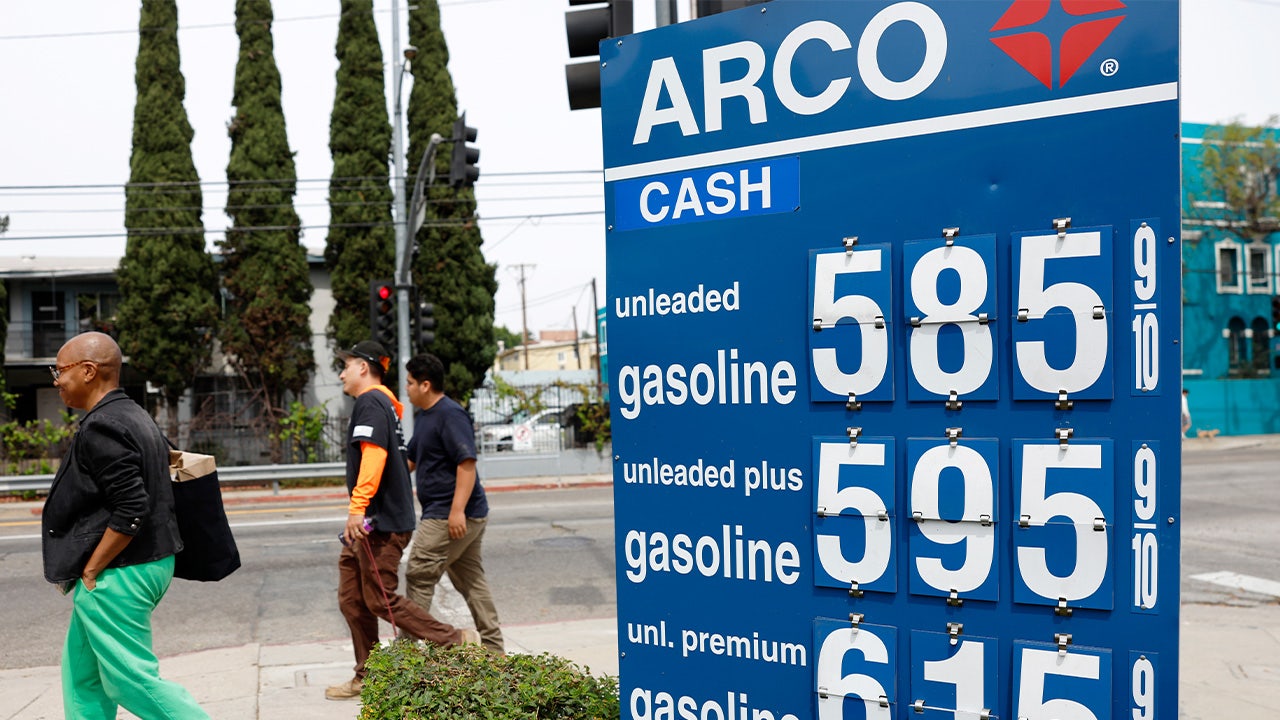
- Impact of Rising Oil Prices: With the Iran war ongoing, oil prices have surged to a four-year high, pushing the national average for regular unleaded gasoline to $3.91 per gallon, which, while below the all-time high of $5.02 in April 2022, has driven consumers to Costco for cheaper fuel, thereby increasing in-store traffic.
- Costco's Value Proposition: Costco typically offers gas prices at a 9-cent discount compared to local competitors and a 24-cent discount versus the state average, making this price advantage particularly significant as fuel costs rise, attracting more bargain-seeking consumers and enhancing its market competitiveness.
- Customer Traffic Analysis: According to Gordon Haskett's analysis, visits to Costco gas stations sharply increased in the week ending March 7, and continued to accelerate as prices rose, with data indicating that 50% of gas customers also enter Costco stores, further driving sales growth.
- Economic Impact and Outlook: While rising gas prices may exert financial pressure on consumers, leading them to cut back on non-essentials, Costco tends to perform better during economic downturns due to its stable pricing strategy, with analysts optimistic about its future stock price, setting a target of $1,100 per share, representing a 13% upside from current levels.
Trade with 70% Backtested Accuracy
Stop guessing "Should I Buy COST?" and start using high-conviction signals backed by rigorous historical data.
Sign up today to access powerful investing tools and make smarter, data-driven decisions.
Analyst Views on COST
Wall Street analysts forecast COST stock price to rise
24 Analyst Rating
19 Buy
4 Hold
1 Sell
Strong Buy
Current: 996.580

Low
769.00
Averages
1061
High
1205
Current: 996.580
Low
769.00
Averages
1061
High
1205
About COST
Costco Wholesale Corporation (Costco) operates membership warehouses and e-commerce sites that offer a selection of nationally branded and private-label products in a wide range of categories. The Company buys the majority of its merchandise directly from suppliers and route it to cross-docking consolidation points (depots) or directly to its warehouses. It operates 891 warehouses, including 614 in the United States and Puerto Rico, 108 in Canada, 40 in Mexico, 35 in Japan, 29 in the United Kingdom, 19 in Korea, 15 in Australia, 14 in Taiwan, seven in China, five in Spain, two in France, and one each in Iceland, New Zealand and Sweden. It also operates e-commerce sites in the United States, Canada, the United Kingdom, Mexico, Korea, Taiwan, Japan and Australia. The Company provides wide selection of merchandise, plus the convenience of specialty departments and exclusive member services.
About the author

Emily J. Thompson
Emily J. Thompson, a Chartered Financial Analyst (CFA) with 12 years in investment research, graduated with honors from the Wharton School. Specializing in industrial and technology stocks, she provides in-depth analysis for Intellectia’s earnings and market brief reports.
Costco's Future Investment Outlook Analysis
- Significant Historical Returns: As of March 26, Costco's stock has generated a total return of 15,480%, becoming a successful choice for investors through store expansion, membership growth, and stable profits, showcasing its strong competitive edge in the retail market.
- Recession-Proof Nature: Costco sells essential items like food and household goods, and despite challenges such as the pandemic and inflation, same-store sales grew by 7.4% in Q2 2026, demonstrating resilience amid economic fluctuations.
- Clear Scale Advantage: With net sales of $270 billion in fiscal 2025, Costco's massive scale positions it dominantly in retail, providing persistent cost advantages that lead to low prices for consumers, enhancing its market competitiveness.
- High Membership Loyalty: The company boasts a nearly 90% global membership renewal rate, and its no-frills shopping environment combined with good customer service ensures high-margin, predictable revenue streams, although future growth potential appears limited.
See More

Costco to Launch Stand-Alone Gas Stations to Alleviate Congestion
- Stand-Alone Gas Station Initiative: Costco plans to launch its first stand-alone gas station in Mission Viejo, California, in June with 40 pumps, aimed at alleviating congestion around its current store locations and enhancing customer experience.
- Exclusive Member Benefits: The new gas stations will be accessible only to members who pay an annual fee of $65 or $130, likely attracting more consumers seeking gas prices that are $0.10 to $0.30 below the U.S. average, thereby increasing membership and company revenue.
- Strategic Value Enhancement: As of the end of fiscal year 2025, Costco operated 747 gas stations worldwide, contributing 10% to the company's net revenue, and the introduction of new stations will further solidify its pricing authority and competitive edge in the market.
- Positive Market Reaction: Costco's stock has risen 15% this year, and although it trades at 48 times forward earnings, the strategy of stand-alone gas stations is viewed positively by shareholders, boosting investor confidence amid geopolitical tensions and recession concerns.
See More

Celsius Shares Rise 4.5% After Upgrade by Deutsche Bank
- Rating Upgrade Impact: Deutsche Bank upgraded Celsius from Hold to Buy, citing a recent 33% stock decline as an overreaction to new competition, with Costco expected to account for only 10% of 2025 sales, thereby boosting market confidence in the stock.
- Price Target Adjustment: Despite the upgrade, Deutsche Bank lowered its price target from $56 to $44, reflecting a cautious stance on market competition, while TD Cowen reiterated a Buy rating, viewing the recent pullback as excessive.
- Market Volatility: Celsius shares have experienced 25 moves greater than 5% over the past year, and today's rise indicates that the market considers this news significant, though it does not fundamentally alter perceptions of the business, highlighting investor caution.
- Long-term Investment Returns: Although Celsius is down 25.5% year-to-date, investors who bought $1,000 worth of shares five years ago would now see their investment worth $2,220, demonstrating potential long-term gains despite short-term challenges.
See More

Semiconductor Market Approaching Bottom

- Market Sentiment Analysis: The current market sentiment is heavily bearish, with investors adopting a cautious outlook; however, historical trends indicate that market lows often precede improvements in sentiment and fundamentals, suggesting potential rebound opportunities.
- Semiconductor ETF Performance: The VanEck Semiconductor ETF (SMH) has shown a standard A-B-C corrective pattern since its February highs, currently trading in the $360 to $370 range, which may act as a support zone, indicating that selling pressure could be nearing exhaustion.
- Relative Strength Indicator: The ratio chart of SMH to the S&P 500 indicates a more tempered performance of the semiconductor sector relative to the broader market, with a triangle consolidation pattern that typically suggests a potential upward breakout, further supporting a long-term bullish outlook.
- Nvidia Valuation Analysis: Nvidia (NVDA) is currently trading at a forward P/E ratio of 20.5 times, with expected earnings of $8.29 per share in 2027, highlighting its growth potential significantly surpassing the market average; investors face a choice between paying 46 times earnings for a slow-growing company or approximately 20 times for a company with nearly 70% growth.
See More
Costco Profits from Rising Gas Prices

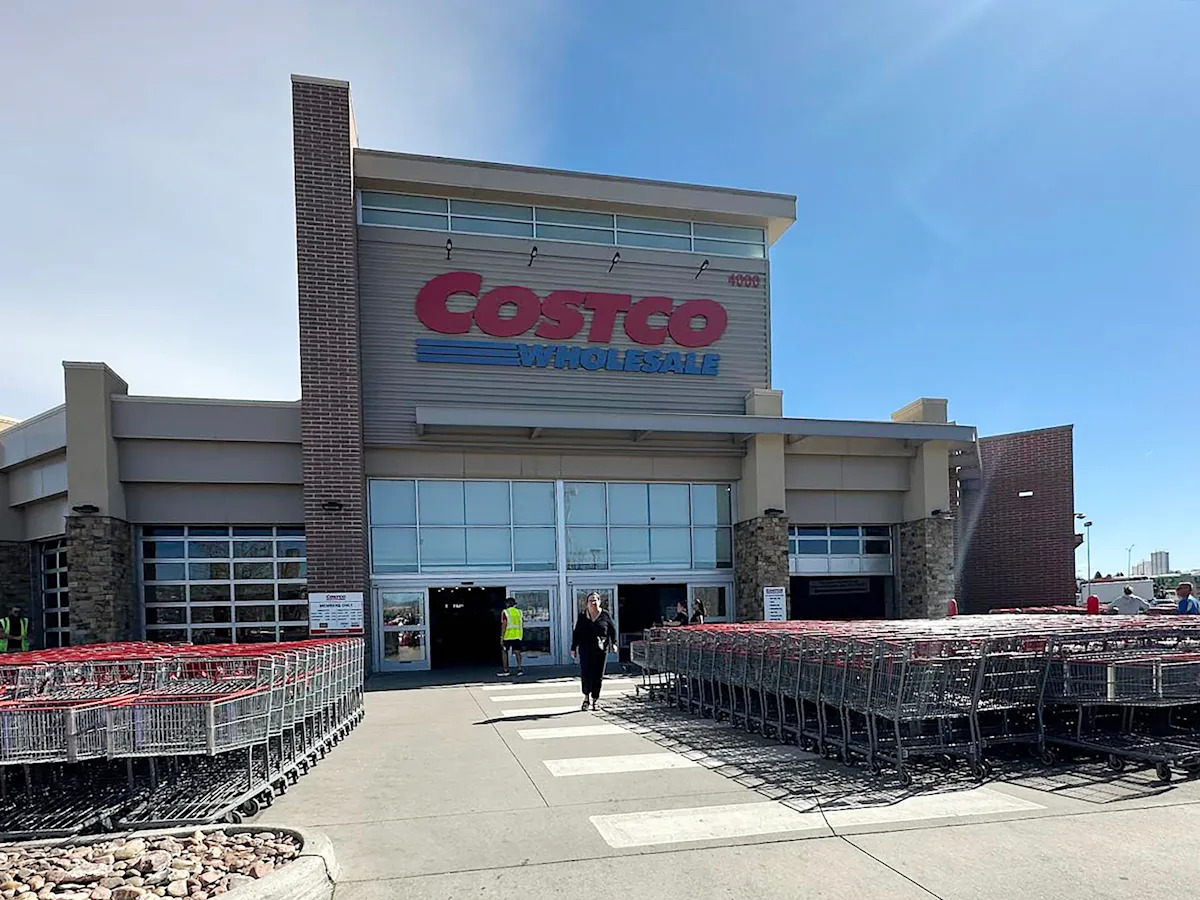
- Sales Growth Momentum: Since the launch of Operation Epic Fury on February 28, Costco's (COST) stock has risen by 1%, outperforming the S&P 500's 8.2% decline, reflecting investor confidence in its sales growth amid surging gas prices.
- California Market Impact: Approximately 26% of Costco's sales come from California, where gas prices have soared to an average of $6 per gallon, the highest in the nation, driving consumers to fill up at Costco and shop for groceries, thereby boosting overall sales.
- Future Sales Expectations: Analysts project a strong 10% sales growth for Costco in March, with even stronger results anticipated in the coming months, indicating that consumers' increased pursuit of value will further enhance performance.
- Historical Context Analysis: In spring 2022, the Ukraine conflict led to a 43% increase in retail gas prices, and despite consumer pressure, Costco's operating momentum improved, highlighting the significance of its price leadership in the market.
See More
Costco Plans to Expand Stand-Alone Gas Stations for Members
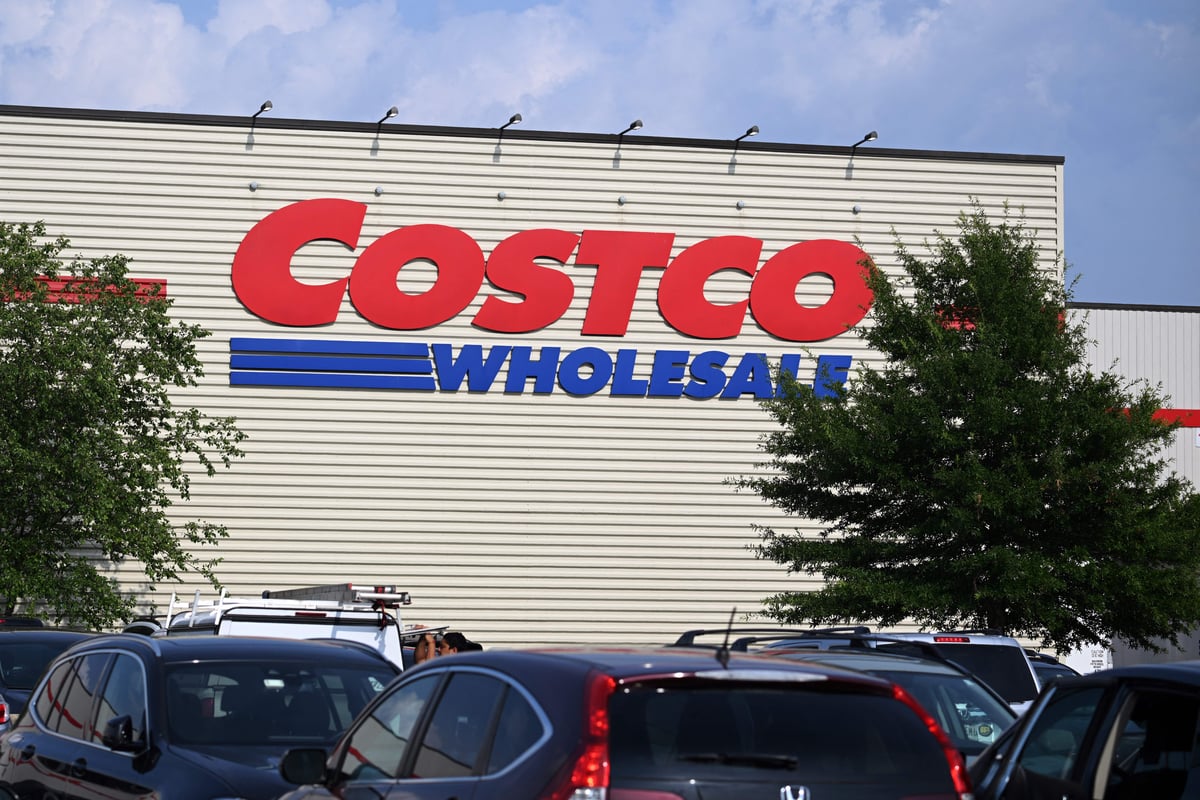
- Stand-Alone Gas Station Initiative: Costco plans to launch its first stand-alone gas station in Mission Viejo, California, featuring 40 pumps and set to open in June, aimed at alleviating congestion at existing store parking lots while attracting more members.
- Member Attraction: Costco's gas prices are typically $0.10 to $0.30 below the U.S. average, allowing members to save approximately $77 annually, making the $65 membership fee a compelling value proposition that drives membership growth.
- Strategic Impact: CFO Gary Millerchip noted that about 50% of gas station customers also shop at the warehouse, indicating that the gas stations not only attract new members but also enhance overall sales and strengthen the company's value proposition.
- Profit Structure: With 70% of Costco's profits derived from membership fees, the gas business, despite its lower margins, plays a crucial role in the company's strategy, alongside other value-added services like $1.50 hot dog combos, helping maintain competitiveness and appeal to defensive investors.
See More
Costco's Future Investment Outlook Analysis
- Significant Historical Returns: As of March 26, Costco's stock has generated a total return of 15,480%, becoming a successful choice for investors through store expansion, membership growth, and stable profits, showcasing its strong competitive edge in the retail market.
- Recession-Proof Nature: Costco sells essential items like food and household goods, and despite challenges such as the pandemic and inflation, same-store sales grew by 7.4% in Q2 2026, demonstrating resilience amid economic fluctuations.
- Clear Scale Advantage: With net sales of $270 billion in fiscal 2025, Costco's massive scale positions it dominantly in retail, providing persistent cost advantages that lead to low prices for consumers, enhancing its market competitiveness.
- High Membership Loyalty: The company boasts a nearly 90% global membership renewal rate, and its no-frills shopping environment combined with good customer service ensures high-margin, predictable revenue streams, although future growth potential appears limited.
See More
Costco to Launch Stand-Alone Gas Stations to Alleviate Congestion
- Stand-Alone Gas Station Initiative: Costco plans to launch its first stand-alone gas station in Mission Viejo, California, in June with 40 pumps, aimed at alleviating congestion around its current store locations and enhancing customer experience.
- Exclusive Member Benefits: The new gas stations will be accessible only to members who pay an annual fee of $65 or $130, likely attracting more consumers seeking gas prices that are $0.10 to $0.30 below the U.S. average, thereby increasing membership and company revenue.
- Strategic Value Enhancement: As of the end of fiscal year 2025, Costco operated 747 gas stations worldwide, contributing 10% to the company's net revenue, and the introduction of new stations will further solidify its pricing authority and competitive edge in the market.
- Positive Market Reaction: Costco's stock has risen 15% this year, and although it trades at 48 times forward earnings, the strategy of stand-alone gas stations is viewed positively by shareholders, boosting investor confidence amid geopolitical tensions and recession concerns.
See More
Celsius Shares Rise 4.5% After Upgrade by Deutsche Bank
- Rating Upgrade Impact: Deutsche Bank upgraded Celsius from Hold to Buy, citing a recent 33% stock decline as an overreaction to new competition, with Costco expected to account for only 10% of 2025 sales, thereby boosting market confidence in the stock.
- Price Target Adjustment: Despite the upgrade, Deutsche Bank lowered its price target from $56 to $44, reflecting a cautious stance on market competition, while TD Cowen reiterated a Buy rating, viewing the recent pullback as excessive.
- Market Volatility: Celsius shares have experienced 25 moves greater than 5% over the past year, and today's rise indicates that the market considers this news significant, though it does not fundamentally alter perceptions of the business, highlighting investor caution.
- Long-term Investment Returns: Although Celsius is down 25.5% year-to-date, investors who bought $1,000 worth of shares five years ago would now see their investment worth $2,220, demonstrating potential long-term gains despite short-term challenges.
See More
Semiconductor Market Approaching Bottom
- Market Sentiment Analysis: The current market sentiment is heavily bearish, with investors adopting a cautious outlook; however, historical trends indicate that market lows often precede improvements in sentiment and fundamentals, suggesting potential rebound opportunities.
- Semiconductor ETF Performance: The VanEck Semiconductor ETF (SMH) has shown a standard A-B-C corrective pattern since its February highs, currently trading in the $360 to $370 range, which may act as a support zone, indicating that selling pressure could be nearing exhaustion.
- Relative Strength Indicator: The ratio chart of SMH to the S&P 500 indicates a more tempered performance of the semiconductor sector relative to the broader market, with a triangle consolidation pattern that typically suggests a potential upward breakout, further supporting a long-term bullish outlook.
- Nvidia Valuation Analysis: Nvidia (NVDA) is currently trading at a forward P/E ratio of 20.5 times, with expected earnings of $8.29 per share in 2027, highlighting its growth potential significantly surpassing the market average; investors face a choice between paying 46 times earnings for a slow-growing company or approximately 20 times for a company with nearly 70% growth.
See More
Costco Profits from Rising Gas Prices
- Sales Growth Momentum: Since the launch of Operation Epic Fury on February 28, Costco's (COST) stock has risen by 1%, outperforming the S&P 500's 8.2% decline, reflecting investor confidence in its sales growth amid surging gas prices.
- California Market Impact: Approximately 26% of Costco's sales come from California, where gas prices have soared to an average of $6 per gallon, the highest in the nation, driving consumers to fill up at Costco and shop for groceries, thereby boosting overall sales.
- Future Sales Expectations: Analysts project a strong 10% sales growth for Costco in March, with even stronger results anticipated in the coming months, indicating that consumers' increased pursuit of value will further enhance performance.
- Historical Context Analysis: In spring 2022, the Ukraine conflict led to a 43% increase in retail gas prices, and despite consumer pressure, Costco's operating momentum improved, highlighting the significance of its price leadership in the market.
See More
Costco Plans to Expand Stand-Alone Gas Stations for Members
- Stand-Alone Gas Station Initiative: Costco plans to launch its first stand-alone gas station in Mission Viejo, California, featuring 40 pumps and set to open in June, aimed at alleviating congestion at existing store parking lots while attracting more members.
- Member Attraction: Costco's gas prices are typically $0.10 to $0.30 below the U.S. average, allowing members to save approximately $77 annually, making the $65 membership fee a compelling value proposition that drives membership growth.
- Strategic Impact: CFO Gary Millerchip noted that about 50% of gas station customers also shop at the warehouse, indicating that the gas stations not only attract new members but also enhance overall sales and strengthen the company's value proposition.
- Profit Structure: With 70% of Costco's profits derived from membership fees, the gas business, despite its lower margins, plays a crucial role in the company's strategy, alongside other value-added services like $1.50 hot dog combos, helping maintain competitiveness and appeal to defensive investors.
See More