Reasons Behind Buffett's Investment in Coca-Cola
Written by Emily J. Thompson, Senior Investment Analyst
Updated: 1 day ago
0mins
Should l Buy KO?
Source: NASDAQ.COM
- Coca-Cola's Strong Performance: As of 2026, Coca-Cola's stock has risen 10% year-to-date, showcasing its resilience and stability as a consumer staple amidst market volatility, which is crucial for investors seeking safe havens.
- Robust Financial Outlook: Coca-Cola anticipates 4% to 5% adjusted revenue growth and 7% to 8% non-GAAP EPS growth in 2026, alongside a projected free cash flow of $12.2 billion, indicating the company's strong position in an uncertain economic landscape.
- Dividend King Status: With 63 consecutive years of dividend increases, Coca-Cola currently pays a dividend of $0.53 per share, yielding 2.68%, making it one of the most attractive dividend stocks on the market for income-focused investors.
- Optimistic Analyst Ratings: Approximately 80% of Wall Street analysts rate Coca-Cola stock as a buy, with a median price target of $86 per share, about 12% higher than its current price, reflecting strong market confidence in its future performance.
Trade with 70% Backtested Accuracy
Stop guessing "Should I Buy KO?" and start using high-conviction signals backed by rigorous historical data.
Sign up today to access powerful investing tools and make smarter, data-driven decisions.
Analyst Views on KO
Wall Street analysts forecast KO stock price to rise
14 Analyst Rating
13 Buy
1 Hold
0 Sell
Strong Buy
Current: 76.720

Low
71.00
Averages
79.33
High
85.00
Current: 76.720
Low
71.00
Averages
79.33
High
85.00
About KO
The Coca-Cola Company is a beverage company. The Company's segments include Europe, Middle East and Africa (EMEA); Latin America; North America; Asia Pacific, and Bottling Investments. It sells multiple brands across several beverage categories worldwide. Its portfolio of sparkling soft drink brands includes Coca-Cola, Sprite and Fanta. Its water, sports, coffee and tea brands include Dasani, smartwater, vitaminwater, Topo Chico, BODYARMOR, Powerade, Costa, Georgia, Fuze Tea, Gold Peak and Ayataka. Its juice, value-added dairy and plant-based beverage brands include Minute Maid, Simply, innocent, Del Valle, fairlife and Santa Clara. It operates in two lines of business: concentrate operations and finished product operations. Its concentrate operations sell beverage concentrates, syrups, including fountain syrups, and certain finished beverages to authorized bottling operations. Its finished product operations sell sparkling soft drinks and a variety of other finished beverages.
About the author

Emily J. Thompson
Emily J. Thompson, a Chartered Financial Analyst (CFA) with 12 years in investment research, graduated with honors from the Wharton School. Specializing in industrial and technology stocks, she provides in-depth analysis for Intellectia’s earnings and market brief reports.

Coca-Cola Stock Investment Outlook Analysis

- Buffett's Investment Confidence: Coca-Cola is the third-largest holding in Berkshire Hathaway's portfolio, representing about 11.4%, and has been Buffett's longest-held stock since 1988, demonstrating its stability and long-term value amid market volatility.
- Strong Financial Performance: In 2025, Coca-Cola's adjusted revenue rose by 5% and adjusted earnings per share (EPS) increased by 4%, with guidance for 2026 indicating revenue growth of 4% to 5% and non-GAAP EPS growth of 7% to 8%, highlighting the company's robust profitability in uncertain economic conditions.
- Stable Dividend Returns: Coca-Cola has increased its dividend for 63 consecutive years, currently paying $0.53 per share with a yield of 2.68%, making it one of the best dividend stocks in the market and appealing to investors seeking stable returns.
- Outperforming Market: Coca-Cola's stock has risen about 10% year-to-date, significantly outperforming the S&P 500, which is down 4% in 2026, with 80% of Wall Street analysts rating it as a buy and a median price target of $86, reflecting optimistic market expectations for its future performance.
See More

Reasons Behind Buffett's Investment in Coca-Cola
- Coca-Cola's Strong Performance: As of 2026, Coca-Cola's stock has risen 10% year-to-date, showcasing its resilience and stability as a consumer staple amidst market volatility, which is crucial for investors seeking safe havens.
- Robust Financial Outlook: Coca-Cola anticipates 4% to 5% adjusted revenue growth and 7% to 8% non-GAAP EPS growth in 2026, alongside a projected free cash flow of $12.2 billion, indicating the company's strong position in an uncertain economic landscape.
- Dividend King Status: With 63 consecutive years of dividend increases, Coca-Cola currently pays a dividend of $0.53 per share, yielding 2.68%, making it one of the most attractive dividend stocks on the market for income-focused investors.
- Optimistic Analyst Ratings: Approximately 80% of Wall Street analysts rate Coca-Cola stock as a buy, with a median price target of $86 per share, about 12% higher than its current price, reflecting strong market confidence in its future performance.
See More
Analysis of Retirement Income Investment Strategies

- Yield Comparison: The JPMorgan Equity Premium Income ETF (JEPI) offers a 7.56% yield, requiring an investment of $794,000 to generate $60,000 in annual income, while the NEOS Nasdaq 100 High Income ETF (QQQI) boasts a higher yield of 14.32% but comes with significantly increased risk, necessitating careful selection by investors.
- Stability of Dividend Aristocrats: Coca-Cola (KO) and Johnson & Johnson (JNJ), as Dividend Aristocrats, provide yields of 2.76% and 2.14% respectively, requiring investments of $1 million and $1.4 million to achieve $60,000 in annual income, making them suitable for investors seeking long-term stable income.
- Diversified Portfolio Construction: By mixing dividend stocks with ETFs yielding 4-5%, investors can create a sustainable passive income stream within an investment range of $1-1.7 million, balancing safety and upside potential to adapt to market fluctuations.
- Risk-Return Trade-off: While high-yield ETFs like QQQI are appealing, their high-risk nature necessitates caution; JEPI, despite offering lower yields, provides a safer income source, making it suitable for long-term investment and retirement income planning.
See More
Buffett's Cautious Outlook on Markets


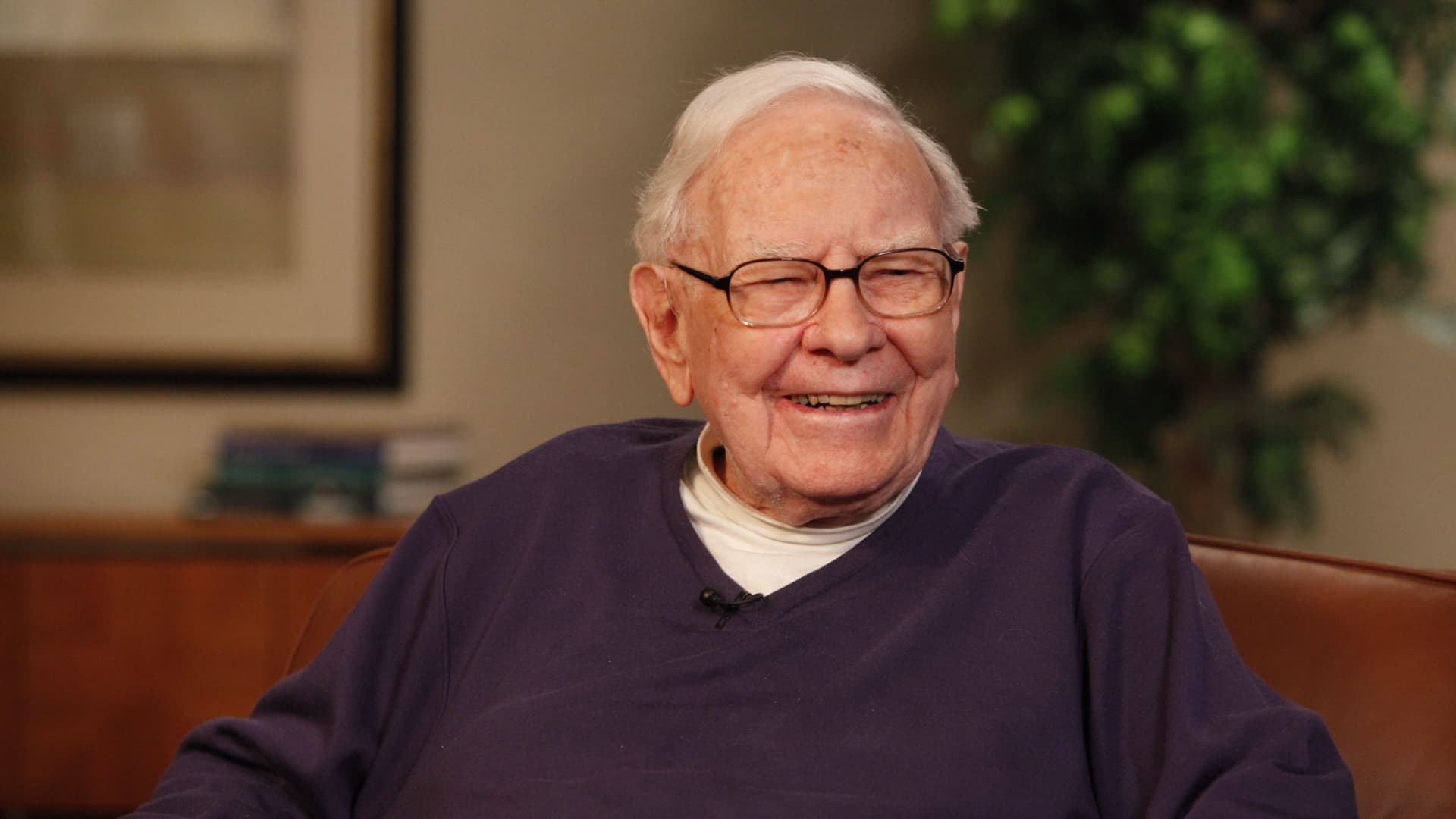
- Banking System Fragility: Buffett's first public comments since stepping back highlight ongoing fragility in the banking system, emphasizing the interconnectedness of financial institutions, where troubles in one can quickly spill over to others, potentially unsettling the market.
- Liquidity Management Pressures: He pointed out that redemption pressures have emerged in private credit markets, particularly in funds exposed to riskier borrowers like software companies, raising concerns about liquidity management in an asset class that expanded rapidly during low interest rates.
- Market Volatility Assessment: Despite recent market volatility, Buffett believes it does not approach the levels that historically created compelling investment opportunities for Berkshire, noting that there have been three instances since he took over where the market dropped more than 50%, indicating current conditions are not alarming.
- Long-Term Investment Strategy: Buffett reiterated Berkshire's long-term investment approach, stating that the firm is not focused on modest gains of 5% or 6%, and revealed he remains actively involved in investment decisions, having made a
See More
Buffett May End Donations to Gates Foundation Over Epstein Ties


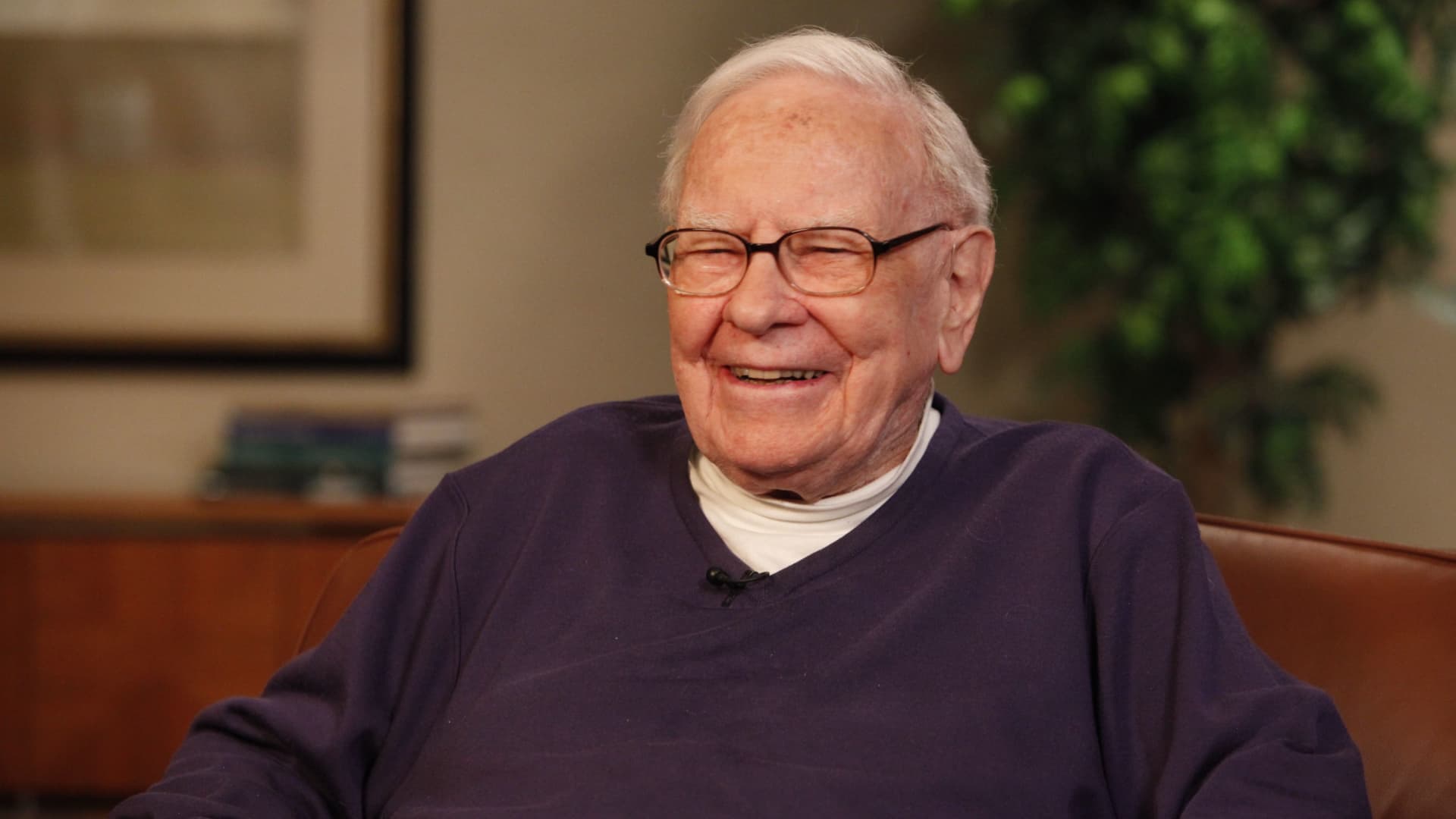
- Donation Tensions: Buffett is considering halting his annual multi-billion dollar donations to the Gates Foundation due to Gates' ties to Epstein, indicating a significant impact on the foundation's funding sources and operations.
- Friendship Breakdown: In an interview, Buffett stated he has not spoken to Gates since the Epstein revelations, suggesting their friendship may be over, which could affect the future functioning of the Gates Foundation.
- Uncertain Donation Commitment: Buffett mentioned he will “wait and see what unfolds” regarding his donations, leaving the foundation's financial future uncertain and potentially jeopardizing its charitable initiatives.
- Concerns for the Future: Buffett expressed worries about the Gates Foundation's future, emphasizing the need for clarity on the situation, which may lead to increased scrutiny and regulation of charitable organizations.
See More

Buffett's Investment Philosophy and Core Holdings

- Apple's Competitive Edge: Berkshire Hathaway holds a 1.6% stake in Apple, valued at approximately $56.4 billion, representing 18.1% of its portfolio, highlighting Apple's strong competitive advantage in customer loyalty and ecosystem; despite a current P/E ratio of 32, long-term earnings growth and buyback commitments may yield stable returns.
- American Express Market Performance: Berkshire gradually built a 22% stake in American Express between 1991 and 1995, and while the S&P 500 has recently outperformed, American Express is expected to maintain steady profit growth amid economic challenges due to its brand and customer loyalty, with a current P/E ratio of 19 and significant future dividend growth potential.
- Coca-Cola's Steady Returns: Berkshire Hathaway owns 9.3% of Coca-Cola, and since starting its investment in 1988, the total return has been 3,580%, slightly below the S&P 500's 3,700%; however, Coca-Cola's 64 consecutive years of dividend growth provides stable cash flow for Berkshire to support new investments.
- Investor Choices: Although Apple is considered a quality stock, it is not included in the Motley Fool analyst team's list of 10 best stocks, indicating a market focus on other potential high-return stocks, suggesting investors should consider diversifying their portfolios for higher yields.
See More
Coca-Cola Stock Investment Outlook Analysis
- Buffett's Investment Confidence: Coca-Cola is the third-largest holding in Berkshire Hathaway's portfolio, representing about 11.4%, and has been Buffett's longest-held stock since 1988, demonstrating its stability and long-term value amid market volatility.
- Strong Financial Performance: In 2025, Coca-Cola's adjusted revenue rose by 5% and adjusted earnings per share (EPS) increased by 4%, with guidance for 2026 indicating revenue growth of 4% to 5% and non-GAAP EPS growth of 7% to 8%, highlighting the company's robust profitability in uncertain economic conditions.
- Stable Dividend Returns: Coca-Cola has increased its dividend for 63 consecutive years, currently paying $0.53 per share with a yield of 2.68%, making it one of the best dividend stocks in the market and appealing to investors seeking stable returns.
- Outperforming Market: Coca-Cola's stock has risen about 10% year-to-date, significantly outperforming the S&P 500, which is down 4% in 2026, with 80% of Wall Street analysts rating it as a buy and a median price target of $86, reflecting optimistic market expectations for its future performance.
See More
Reasons Behind Buffett's Investment in Coca-Cola
- Coca-Cola's Strong Performance: As of 2026, Coca-Cola's stock has risen 10% year-to-date, showcasing its resilience and stability as a consumer staple amidst market volatility, which is crucial for investors seeking safe havens.
- Robust Financial Outlook: Coca-Cola anticipates 4% to 5% adjusted revenue growth and 7% to 8% non-GAAP EPS growth in 2026, alongside a projected free cash flow of $12.2 billion, indicating the company's strong position in an uncertain economic landscape.
- Dividend King Status: With 63 consecutive years of dividend increases, Coca-Cola currently pays a dividend of $0.53 per share, yielding 2.68%, making it one of the most attractive dividend stocks on the market for income-focused investors.
- Optimistic Analyst Ratings: Approximately 80% of Wall Street analysts rate Coca-Cola stock as a buy, with a median price target of $86 per share, about 12% higher than its current price, reflecting strong market confidence in its future performance.
See More
Analysis of Retirement Income Investment Strategies
- Yield Comparison: The JPMorgan Equity Premium Income ETF (JEPI) offers a 7.56% yield, requiring an investment of $794,000 to generate $60,000 in annual income, while the NEOS Nasdaq 100 High Income ETF (QQQI) boasts a higher yield of 14.32% but comes with significantly increased risk, necessitating careful selection by investors.
- Stability of Dividend Aristocrats: Coca-Cola (KO) and Johnson & Johnson (JNJ), as Dividend Aristocrats, provide yields of 2.76% and 2.14% respectively, requiring investments of $1 million and $1.4 million to achieve $60,000 in annual income, making them suitable for investors seeking long-term stable income.
- Diversified Portfolio Construction: By mixing dividend stocks with ETFs yielding 4-5%, investors can create a sustainable passive income stream within an investment range of $1-1.7 million, balancing safety and upside potential to adapt to market fluctuations.
- Risk-Return Trade-off: While high-yield ETFs like QQQI are appealing, their high-risk nature necessitates caution; JEPI, despite offering lower yields, provides a safer income source, making it suitable for long-term investment and retirement income planning.
See More
Buffett's Cautious Outlook on Markets
- Banking System Fragility: Buffett's first public comments since stepping back highlight ongoing fragility in the banking system, emphasizing the interconnectedness of financial institutions, where troubles in one can quickly spill over to others, potentially unsettling the market.
- Liquidity Management Pressures: He pointed out that redemption pressures have emerged in private credit markets, particularly in funds exposed to riskier borrowers like software companies, raising concerns about liquidity management in an asset class that expanded rapidly during low interest rates.
- Market Volatility Assessment: Despite recent market volatility, Buffett believes it does not approach the levels that historically created compelling investment opportunities for Berkshire, noting that there have been three instances since he took over where the market dropped more than 50%, indicating current conditions are not alarming.
- Long-Term Investment Strategy: Buffett reiterated Berkshire's long-term investment approach, stating that the firm is not focused on modest gains of 5% or 6%, and revealed he remains actively involved in investment decisions, having made a
See More
Buffett May End Donations to Gates Foundation Over Epstein Ties
- Donation Tensions: Buffett is considering halting his annual multi-billion dollar donations to the Gates Foundation due to Gates' ties to Epstein, indicating a significant impact on the foundation's funding sources and operations.
- Friendship Breakdown: In an interview, Buffett stated he has not spoken to Gates since the Epstein revelations, suggesting their friendship may be over, which could affect the future functioning of the Gates Foundation.
- Uncertain Donation Commitment: Buffett mentioned he will “wait and see what unfolds” regarding his donations, leaving the foundation's financial future uncertain and potentially jeopardizing its charitable initiatives.
- Concerns for the Future: Buffett expressed worries about the Gates Foundation's future, emphasizing the need for clarity on the situation, which may lead to increased scrutiny and regulation of charitable organizations.
See More
Buffett's Investment Philosophy and Core Holdings
- Apple's Competitive Edge: Berkshire Hathaway holds a 1.6% stake in Apple, valued at approximately $56.4 billion, representing 18.1% of its portfolio, highlighting Apple's strong competitive advantage in customer loyalty and ecosystem; despite a current P/E ratio of 32, long-term earnings growth and buyback commitments may yield stable returns.
- American Express Market Performance: Berkshire gradually built a 22% stake in American Express between 1991 and 1995, and while the S&P 500 has recently outperformed, American Express is expected to maintain steady profit growth amid economic challenges due to its brand and customer loyalty, with a current P/E ratio of 19 and significant future dividend growth potential.
- Coca-Cola's Steady Returns: Berkshire Hathaway owns 9.3% of Coca-Cola, and since starting its investment in 1988, the total return has been 3,580%, slightly below the S&P 500's 3,700%; however, Coca-Cola's 64 consecutive years of dividend growth provides stable cash flow for Berkshire to support new investments.
- Investor Choices: Although Apple is considered a quality stock, it is not included in the Motley Fool analyst team's list of 10 best stocks, indicating a market focus on other potential high-return stocks, suggesting investors should consider diversifying their portfolios for higher yields.
See More