Qualcomm Faces Intensified Competition in Smartphone Market
Written by Emily J. Thompson, Senior Investment Analyst
Updated: 2 days ago
0mins
Should l Buy QCOM?
Source: seekingalpha
- Intensified Market Competition: Qualcomm faces fierce competition in the smartphone market from Apple, Google, and Samsung, particularly as Apple continues to gain market share, forcing Qualcomm to pivot quickly to avoid further market share loss.
- Strategic Shift Direction: Qualcomm's management has begun transitioning into emerging fields such as automotive and edge AI, and while the success of these new ventures is not guaranteed, it demonstrates the company's proactive strategy in addressing future challenges.
- Emerging Opportunities: With the AI revolution underway, a looming PC upgrade cycle is anticipated, and the Snapdragon X2 Plus chip is well-positioned to capitalize on this wave, potentially providing Qualcomm with new revenue streams.
- Collaboration and Innovation: Qualcomm's partnership with NEURA Robotics indicates that its applications in robotics are gaining traction, showcasing the company's growth potential across multiple emerging markets.
Trade with 70% Backtested Accuracy
Stop guessing "Should I Buy QCOM?" and start using high-conviction signals backed by rigorous historical data.
Sign up today to access powerful investing tools and make smarter, data-driven decisions.
Analyst Views on QCOM
Wall Street analysts forecast QCOM stock price to rise
16 Analyst Rating
10 Buy
5 Hold
1 Sell
Moderate Buy
Current: 129.820

Low
165.00
Averages
197.14
High
225.00
Current: 129.820
Low
165.00
Averages
197.14
High
225.00
About QCOM
Qualcomm Incorporated is engaged in the development and commercialization of foundational technologies for the wireless industry, including third generation (3G), fourth generation (4G) and fifth generation (5G) wireless connectivity, and high-performance and low-power computing, including on-device artificial intelligence. Its segments include Qualcomm CDMA Technologies (QCT), Qualcomm Technology Licensing (QTL) and Qualcomm Strategic Initiatives. QCT develops and supplies integrated circuits and system software based on 3G/4G/5G and other technologies, including radio frequency front-end, digital cockpit and advanced driver assistance and automated driving, Internet of things including consumer electronic devices, industrial devices and edge networking products. QTL grants licenses or otherwise provides rights to use portions of its intellectual property portfolio that includes certain patent rights essential to and/or useful in the manufacture and sale of certain wireless products.
About the author

Emily J. Thompson
Emily J. Thompson, a Chartered Financial Analyst (CFA) with 12 years in investment research, graduated with honors from the Wharton School. Specializing in industrial and technology stocks, she provides in-depth analysis for Intellectia’s earnings and market brief reports.
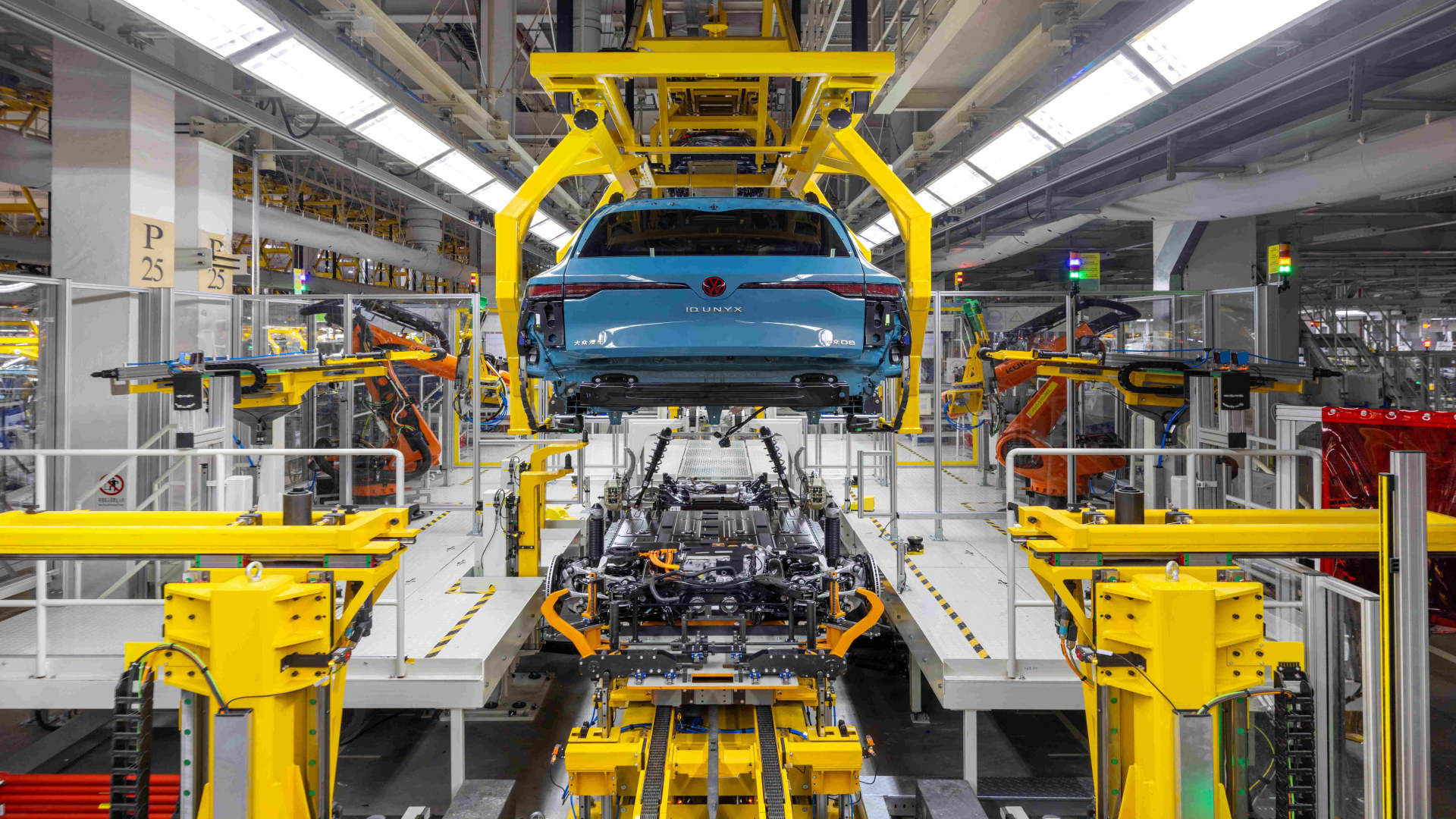
Volkswagen Begins Production of First All-Electric SUV


- Production Launch: Volkswagen commenced production of its first all-electric SUV, the ID. UNYX 08, on March 13, 2026, in Hefei, utilizing Xpeng's Turing chip, which signifies a crucial advancement in its electric vehicle strategy aimed at enhancing competitiveness in the Chinese market.
- Delivery Timeline: The ID. UNYX 08 is set to begin deliveries by the end of June, equipped with L2 advanced driver-assist technology that aids drivers in navigating highways and urban streets, thereby increasing consumer demand for smart electric vehicles.
- Future Technology Plans: Volkswagen anticipates that its vehicles in China will achieve L3 autonomous driving capabilities within two years, allowing drivers to take their hands off the wheel under specific conditions, which will shift liability for accidents from drivers to manufacturers, enhancing consumer trust.
- Market Strategy Adjustment: Following a business overhaul in 2023, Volkswagen plans to launch 20 new electric models in 2026 and aims for a total of 50 new models by 2030, demonstrating a strong commitment to the Chinese market and a focus on electrification transformation.
See More

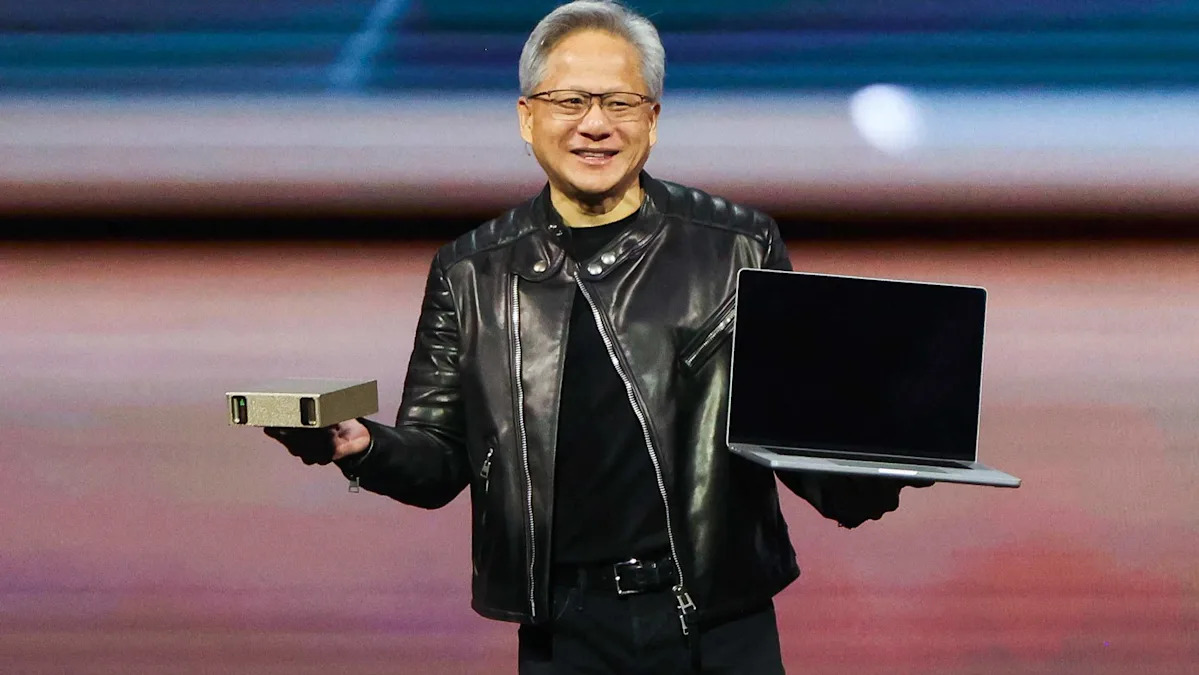
Nvidia Expands Autonomous Driving Partnerships


- Partnership Expansion: Nvidia has announced new collaborations with Hyundai, Nissan, Isuzu, and Chinese automakers BYD and Geely to advance its Drive Hyperion platform for autonomous driving, thereby strengthening its market position in the self-driving sector.
- Platform Advantages: The Drive Hyperion platform provides companies with the tools to develop and deploy Level 4 autonomous driving capabilities, enabling driverless operation in predefined areas, marking a significant advancement in Nvidia's self-driving technology and potentially revolutionizing future transportation.
- Massive Market Potential: CEO Jensen Huang stated that the 'ChatGPT moment' for self-driving cars has arrived, predicting an incredible future for robotaxi-ready vehicles, highlighting the enormous market potential that could position this sector as a multitrillion-dollar growth industry.
- Industry Impact: Nvidia's partnerships with multiple automakers further promote the proliferation of autonomous driving technology, and while no fully driverless consumer vehicles are currently available, this progress may accelerate the transformation and development of the industry.
See More
Qualcomm Downgraded Amid Shrinking Market Concerns
- Diminished Market Outlook: Seaport Research Partners downgraded Qualcomm to Sell, forecasting a 10%-15% drop in mobile phone volumes due to rising memory prices, which poses a direct threat to Qualcomm's market share.
- Memory Cost Pressures: Analysts indicate that increasing memory costs will force smartphone prices to rise or specifications to drop, particularly in the Chinese market, potentially leading to a focus on low-tier handsets that could adversely affect Qualcomm's sales performance.
- Escalating Competitive Risks: While Qualcomm has performed well in the high-end Android phone market, it faces intensified competition from Apple, with analysts believing that Apple's upcoming high-end folding phone will further increase its market share, presenting greater challenges for Qualcomm.
- Market Share Erosion: Despite Qualcomm's efforts to diversify its revenue streams, analysts warn that all five major handset vendors are developing their own processors and modems, increasing the risk to Qualcomm in its core market, with its response to these threats being deemed unconvincing.
See More

Key Wall Street Rating Updates on Monday


- Morgan Stanley Reiterates Nvidia: Morgan Stanley expresses optimism ahead of Nvidia's GTC Conference, believing the company is poised to catch up with other stocks in the supply chain, presenting a favorable entry point that could drive stock price appreciation.
- KBW Upgrades Rocket Companies: KBW upgrades Rocket Companies from market perform to outperform, projecting a total return of 50% over the next 12 months, reflecting increased confidence in mortgage industry fundamentals and earnings outlook.
- Guggenheim Initiates JFrog Buy Rating: Guggenheim highlights JFrog's strategic role in software development and enterprise risk management, forecasting accelerated cloud growth and total revenue growth in 2025, with free cash flow margin expanding to 27%.
- BTIG Upgrades Upstart Holdings: BTIG is bullish on Upstart Holdings' recent bank charter application, upgrading the stock to buy with a target price of $43, anticipating significant future earnings growth based on their financial projections.
See More
Qualcomm Partners with Wayve to Accelerate AI-Driven Autonomous Driving
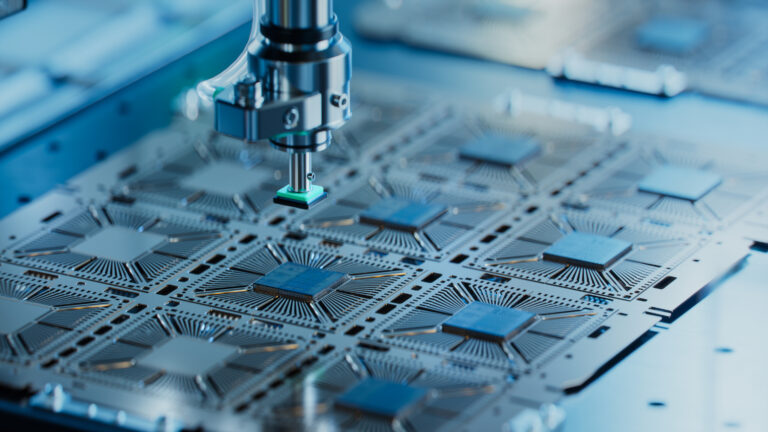
- Technical Collaboration: Qualcomm and Wayve announced a partnership on March 10 to develop an integrated AI system for rapid deployment of automated driving features, combining Wayve's AI Driver software with Qualcomm's Snapdragon Ride platform to simplify technical complexity for automakers.
- Software-Driven Model: Wayve's approach to autonomy leverages embodied AI, using real-world driving data to teach vehicles to adapt to new environments without rule-based programming or high-definition maps, enabling standardized technology across various car models and regions.
- Funding Support: Wayve's recent $1.2 billion Series D funding round, which valued the startup at $8.6 billion, provides strong financial backing for its transition to large-scale commercial deployment, enhancing the market prospects for Qualcomm's technology applications.
- Market Potential: Qualcomm's Snapdragon Ride platform offers high-performance, energy-efficient processing that meets international safety standards, indicating its technological advantage in the AI-driven autonomous driving sector, which is expected to attract more automakers' attention and collaboration.
See More
Microsoft and TSMC: Collaboration in the AI Era


- AI Code Generation Growth: Microsoft CEO Satya Nadella stated that approximately 30% of the company's code was generated by AI last year, with expectations for this figure to rise significantly, potentially reaching 95% by 2030, indicating a deepening reliance on AI technologies.
- Quality Management Appointment: Microsoft appointed former security head Charlie Bell to focus exclusively on product quality, reporting directly to Nadella, which underscores the company's commitment to maintaining high standards in AI-generated code and ensuring product reliability and customer satisfaction.
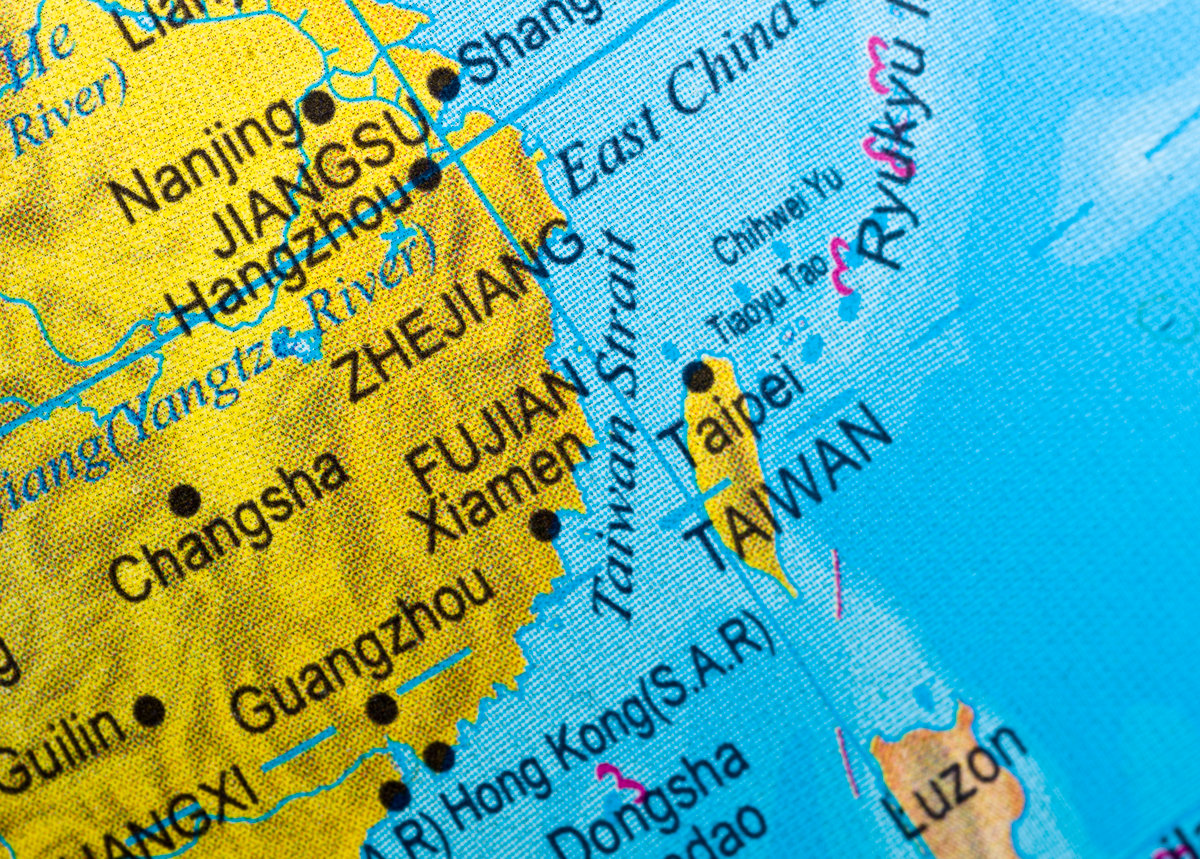
- TSMC's Market Dominance: Taiwan Semiconductor Manufacturing Company (TSMC) holds a 72% market share in the global semiconductor market, positioning itself as a critical supplier for AI hardware, with projected revenue growth of 30% in 2026 and a 25% compound annual growth rate through 2029, reflecting its substantial market influence.
- Global Expansion Plans: TSMC is expanding its factory in Arizona and plans to increase production capabilities in Japan and Germany, a strategy that will further solidify its leadership in the global semiconductor market while meeting the rising demand for AI hardware.
See More
Volkswagen Begins Production of First All-Electric SUV
- Production Launch: Volkswagen commenced production of its first all-electric SUV, the ID. UNYX 08, on March 13, 2026, in Hefei, utilizing Xpeng's Turing chip, which signifies a crucial advancement in its electric vehicle strategy aimed at enhancing competitiveness in the Chinese market.
- Delivery Timeline: The ID. UNYX 08 is set to begin deliveries by the end of June, equipped with L2 advanced driver-assist technology that aids drivers in navigating highways and urban streets, thereby increasing consumer demand for smart electric vehicles.
- Future Technology Plans: Volkswagen anticipates that its vehicles in China will achieve L3 autonomous driving capabilities within two years, allowing drivers to take their hands off the wheel under specific conditions, which will shift liability for accidents from drivers to manufacturers, enhancing consumer trust.
- Market Strategy Adjustment: Following a business overhaul in 2023, Volkswagen plans to launch 20 new electric models in 2026 and aims for a total of 50 new models by 2030, demonstrating a strong commitment to the Chinese market and a focus on electrification transformation.
See More
Nvidia Expands Autonomous Driving Partnerships
- Partnership Expansion: Nvidia has announced new collaborations with Hyundai, Nissan, Isuzu, and Chinese automakers BYD and Geely to advance its Drive Hyperion platform for autonomous driving, thereby strengthening its market position in the self-driving sector.
- Platform Advantages: The Drive Hyperion platform provides companies with the tools to develop and deploy Level 4 autonomous driving capabilities, enabling driverless operation in predefined areas, marking a significant advancement in Nvidia's self-driving technology and potentially revolutionizing future transportation.
- Massive Market Potential: CEO Jensen Huang stated that the 'ChatGPT moment' for self-driving cars has arrived, predicting an incredible future for robotaxi-ready vehicles, highlighting the enormous market potential that could position this sector as a multitrillion-dollar growth industry.
- Industry Impact: Nvidia's partnerships with multiple automakers further promote the proliferation of autonomous driving technology, and while no fully driverless consumer vehicles are currently available, this progress may accelerate the transformation and development of the industry.
See More
Qualcomm Downgraded Amid Shrinking Market Concerns
- Diminished Market Outlook: Seaport Research Partners downgraded Qualcomm to Sell, forecasting a 10%-15% drop in mobile phone volumes due to rising memory prices, which poses a direct threat to Qualcomm's market share.
- Memory Cost Pressures: Analysts indicate that increasing memory costs will force smartphone prices to rise or specifications to drop, particularly in the Chinese market, potentially leading to a focus on low-tier handsets that could adversely affect Qualcomm's sales performance.
- Escalating Competitive Risks: While Qualcomm has performed well in the high-end Android phone market, it faces intensified competition from Apple, with analysts believing that Apple's upcoming high-end folding phone will further increase its market share, presenting greater challenges for Qualcomm.
- Market Share Erosion: Despite Qualcomm's efforts to diversify its revenue streams, analysts warn that all five major handset vendors are developing their own processors and modems, increasing the risk to Qualcomm in its core market, with its response to these threats being deemed unconvincing.
See More
Key Wall Street Rating Updates on Monday
- Morgan Stanley Reiterates Nvidia: Morgan Stanley expresses optimism ahead of Nvidia's GTC Conference, believing the company is poised to catch up with other stocks in the supply chain, presenting a favorable entry point that could drive stock price appreciation.
- KBW Upgrades Rocket Companies: KBW upgrades Rocket Companies from market perform to outperform, projecting a total return of 50% over the next 12 months, reflecting increased confidence in mortgage industry fundamentals and earnings outlook.
- Guggenheim Initiates JFrog Buy Rating: Guggenheim highlights JFrog's strategic role in software development and enterprise risk management, forecasting accelerated cloud growth and total revenue growth in 2025, with free cash flow margin expanding to 27%.
- BTIG Upgrades Upstart Holdings: BTIG is bullish on Upstart Holdings' recent bank charter application, upgrading the stock to buy with a target price of $43, anticipating significant future earnings growth based on their financial projections.
See More
Qualcomm Partners with Wayve to Accelerate AI-Driven Autonomous Driving
- Technical Collaboration: Qualcomm and Wayve announced a partnership on March 10 to develop an integrated AI system for rapid deployment of automated driving features, combining Wayve's AI Driver software with Qualcomm's Snapdragon Ride platform to simplify technical complexity for automakers.
- Software-Driven Model: Wayve's approach to autonomy leverages embodied AI, using real-world driving data to teach vehicles to adapt to new environments without rule-based programming or high-definition maps, enabling standardized technology across various car models and regions.
- Funding Support: Wayve's recent $1.2 billion Series D funding round, which valued the startup at $8.6 billion, provides strong financial backing for its transition to large-scale commercial deployment, enhancing the market prospects for Qualcomm's technology applications.
- Market Potential: Qualcomm's Snapdragon Ride platform offers high-performance, energy-efficient processing that meets international safety standards, indicating its technological advantage in the AI-driven autonomous driving sector, which is expected to attract more automakers' attention and collaboration.
See More
Microsoft and TSMC: Collaboration in the AI Era
- AI Code Generation Growth: Microsoft CEO Satya Nadella stated that approximately 30% of the company's code was generated by AI last year, with expectations for this figure to rise significantly, potentially reaching 95% by 2030, indicating a deepening reliance on AI technologies.
- Quality Management Appointment: Microsoft appointed former security head Charlie Bell to focus exclusively on product quality, reporting directly to Nadella, which underscores the company's commitment to maintaining high standards in AI-generated code and ensuring product reliability and customer satisfaction.
- TSMC's Market Dominance: Taiwan Semiconductor Manufacturing Company (TSMC) holds a 72% market share in the global semiconductor market, positioning itself as a critical supplier for AI hardware, with projected revenue growth of 30% in 2026 and a 25% compound annual growth rate through 2029, reflecting its substantial market influence.
- Global Expansion Plans: TSMC is expanding its factory in Arizona and plans to increase production capabilities in Japan and Germany, a strategy that will further solidify its leadership in the global semiconductor market while meeting the rising demand for AI hardware.
See More