QSE Partners with NUSA Networks to Enter Indonesian Market
Written by Emily J. Thompson, Senior Investment Analyst
Updated: Dec 16 2025
0mins


Should l Buy BAH?
Source: Globenewswire
- Market Expansion: QSE has formed a strategic partnership with Indonesia's NUSA Networks, marking its official entry into the Indonesian market, leveraging NUSA's extensive experience and client base in cybersecurity to drive broad adoption of QSE's quantum-secure data protection solutions across government and financial services sectors.
- Technology Integration: NUSA Networks will directly offer QSE's quantum-secure Vault and QSE-Chat mobile application to its established clients, enabling rapid scaling of QSE technologies through its distribution network, thereby enhancing the company's competitive position in Southeast Asia.
- Industry Collaboration: With over 150 major projects completed in the past decade, NUSA Networks provides a robust platform for QSE, leveraging its expertise in cybersecurity and data center solutions to support QSE's growth in Indonesia.
- Product Innovation: The launch of QSE's qREK software development kit, which supports local generation of quantum-resilient encryption keys, combined with NUSA's market channels, will accelerate QSE's technology promotion in Indonesia, addressing the growing demand for cybersecurity solutions.
Trade with 70% Backtested Accuracy
Stop guessing "Should I Buy BAH?" and start using high-conviction signals backed by rigorous historical data.
Sign up today to access powerful investing tools and make smarter, data-driven decisions.
Analyst Views on BAH
Wall Street analysts forecast BAH stock price to rise
8 Analyst Rating
1 Buy
6 Hold
1 Sell
Hold
Current: 77.110

Low
90.00
Averages
101.29
High
115.00
Current: 77.110
Low
90.00
Averages
101.29
High
115.00
About BAH
Booz Allen Hamilton Holding Corporation is the parent company of management and technology consulting and engineering services firm, Booz Allen Hamilton Inc. It provides management and technology consulting, analytics, engineering, digital solutions, mission operations, and cyber services to U.S. and international governments. Its solutions include artificial intelligence, cloud, digital customer experience, elite training, enterprise DevSecOps, JADC2, mission readiness, security and workforce of the future. It supports critical missions for a range of federal government clients, including nearly all the U.S. government's cabinet-level departments, as well as for commercial clients, both domestically and internationally. It supports its federal government clients by helping them tackle challenges such as protecting soldiers in combat and supporting their families. It also provides technologies to evolve defense missions and delivers solutions to warfighters in the digital battlespace.
About the author

Emily J. Thompson
Emily J. Thompson, a Chartered Financial Analyst (CFA) with 12 years in investment research, graduated with honors from the Wharton School. Specializing in industrial and technology stocks, she provides in-depth analysis for Intellectia’s earnings and market brief reports.

Palantir CEO Claims AI Enhances U.S. Military Capabilities


- AI Military Advantage: Palantir CEO Alex Karp stated on CNBC that artificial intelligence is providing the U.S. and its allies with a unique combat edge in the escalating conflict in Iran and the Middle East, emphasizing that this revolution is a distinctly American phenomenon.
- Data Coordination Capability: Karp highlighted Palantir's platform's ability to effectively link combat data between the U.S. and Middle Eastern allies, particularly after Iranian airstrikes, underscoring its irreplaceable role in security coordination.
- Significant Commercial Growth: Palantir's commercial revenue surged 137% in the fourth quarter to $507 million, indicating rapid growth in its business beyond defense technology, further solidifying the company's market position.
- Strong Stock Performance: Palantir's shares have risen 12% this month, contrasting with a 1.6% decline in the overall Nasdaq, reflecting investor confidence in its future growth potential.
See More
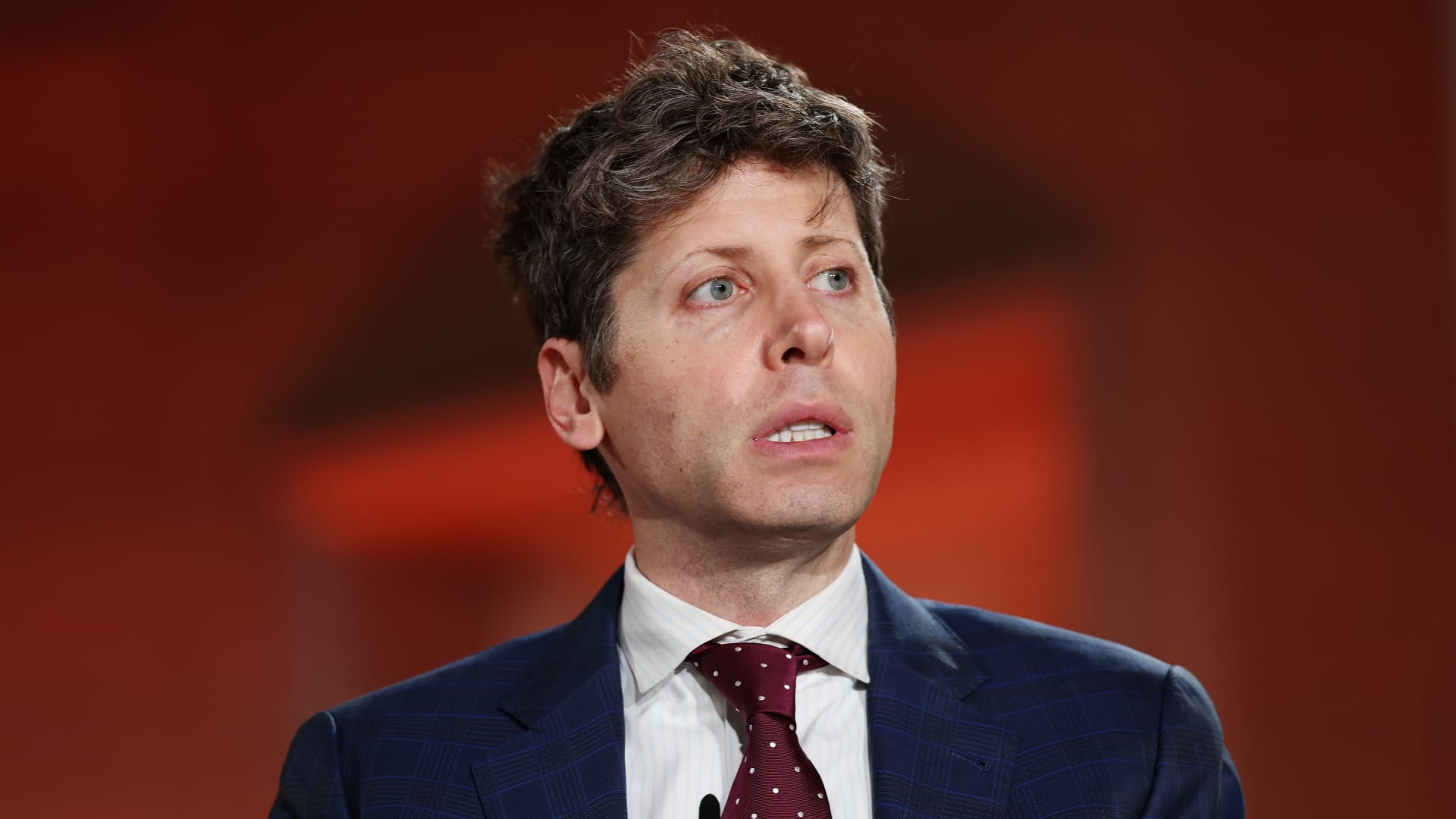
OpenAI's Defense Department Deal Sparks Controversy


- Defense Department Agreement: OpenAI's contract with the DOD allows the agency to use AI systems for all lawful purposes, with Altman stressing that the company will ensure these systems are not used for domestic mass surveillance or fully autonomous weapons, highlighting a commitment to safety principles.
- Legislative Call to Action: Senator Mark Kelly of Arizona stated after discussions with Altman that Congress needs to create legislation to set boundaries and guardrails for AI technology, reflecting concerns over the rapid pace of technological advancement.
- Competitor's Dilemma: In stark contrast, Anthropic has been designated a 'supply chain risk to national security' due to stalled negotiations with the DOD, illustrating the complexities and competitive pressures surrounding AI applications in defense.
- Debate on Technology and Ethics: Altman emphasized during the meeting that the use of AI technology must adhere to constitutional principles, ensuring human responsibility for the use of force, underscoring the importance of ethics and legality in military applications.
See More

Palantir Continues Using Anthropic's Claude Amid Pentagon Clash
- Collaboration with DOD: Palantir CEO Alex Karp stated that despite the Department of Defense's plans to phase out Anthropic, they are still using the Claude model to support operations in Iran, highlighting Palantir's ongoing influence in defense.
- Product Integration Strategy: Karp mentioned that Palantir's products are integrated with Anthropic's Claude model and may integrate with other large language models in the future, indicating the company's forward-looking approach to AI technology integration.
- Supply Chain Risk Designation: The Department of Defense officially designated Anthropic as a supply chain risk last week; however, Palantir continues to rely on the Claude model, reflecting the contradictions and challenges of technological dependencies in a complex geopolitical environment.
- Market Reaction: This news may affect investor confidence in Palantir, particularly as the intersection of defense and AI gains increasing attention, prompting investors to closely monitor future policy changes.
See More
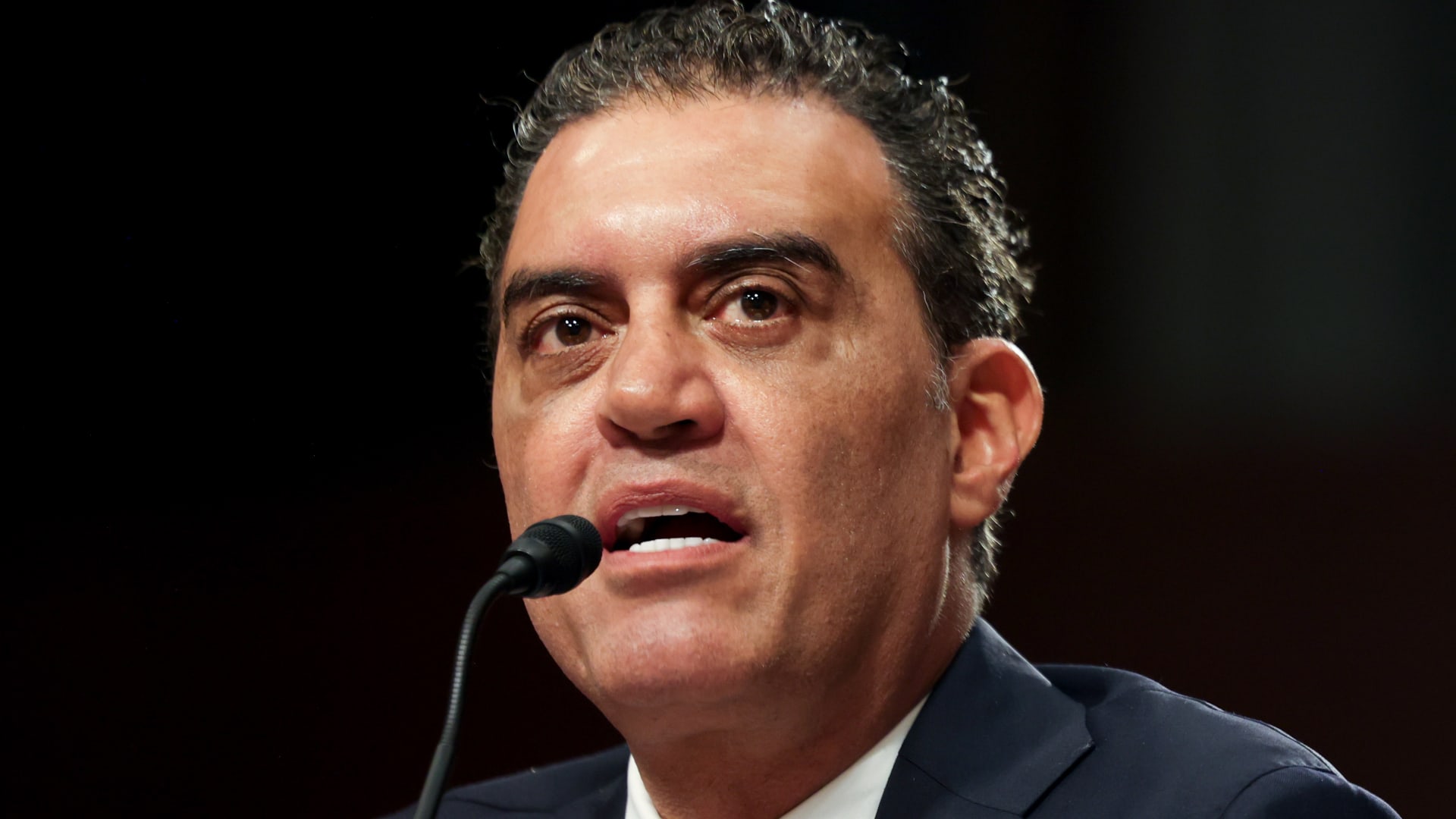
Defense Department Labels Anthropic as Supply Chain Risk


- Supply Chain Risk Designation: Defense Undersecretary Emil Michael stated that Anthropic's Claude AI models are labeled as a supply chain risk due to their embedded policy preferences, a move historically reserved for foreign adversaries, indicating strict oversight of domestic firms.
- Severe Contract Implications: The designation requires defense contractors and vendors to certify they do not use Claude in their dealings with the Pentagon, potentially jeopardizing hundreds of millions of dollars in contracts for Anthropic, impacting its business operations significantly.
- Legal Action Initiated: Anthropic has filed a lawsuit against the Trump administration, claiming the government's actions are
See More
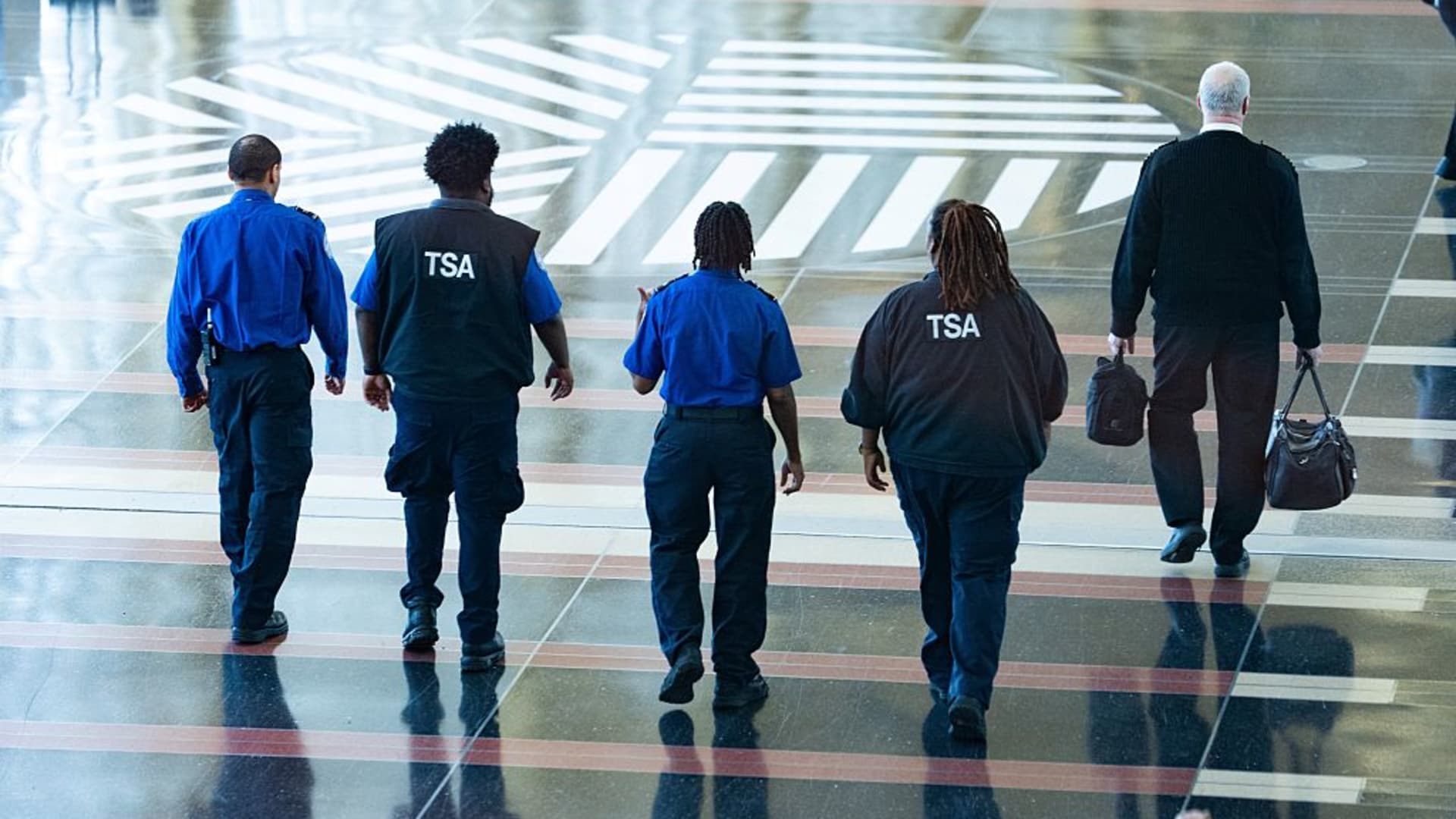
TSA Employees Miss Paychecks Amid DHS Shutdown Debate

- DHS Shutdown Impact: Since February 14, the Department of Homeland Security (DHS) has been shut down, causing TSA employees to miss their first full paychecks, affecting approximately $50,000 annual salary workers, which directly impacts airport security efficiency and traveler experience.
- Senate Debate Fails: Despite intense debates among senators on Wednesday, the Democrats and Republicans remain divided over immigration enforcement policies, failing to reach an agreement, which prolongs the funding issue for DHS and affects national security and public services.
- Long Security Wait Times: The funding gap has led to long wait times at airport security checkpoints, severely impacting traveler experience and reflecting the direct consequences of the government shutdown on citizens' lives, potentially increasing public dissatisfaction with the government.
- Uncertain Future Funding: Democrats demand policy changes on immigration enforcement, while Republicans oppose, leading to uncertainty regarding future DHS funding, which may affect the operations and morale of related agencies.
See More
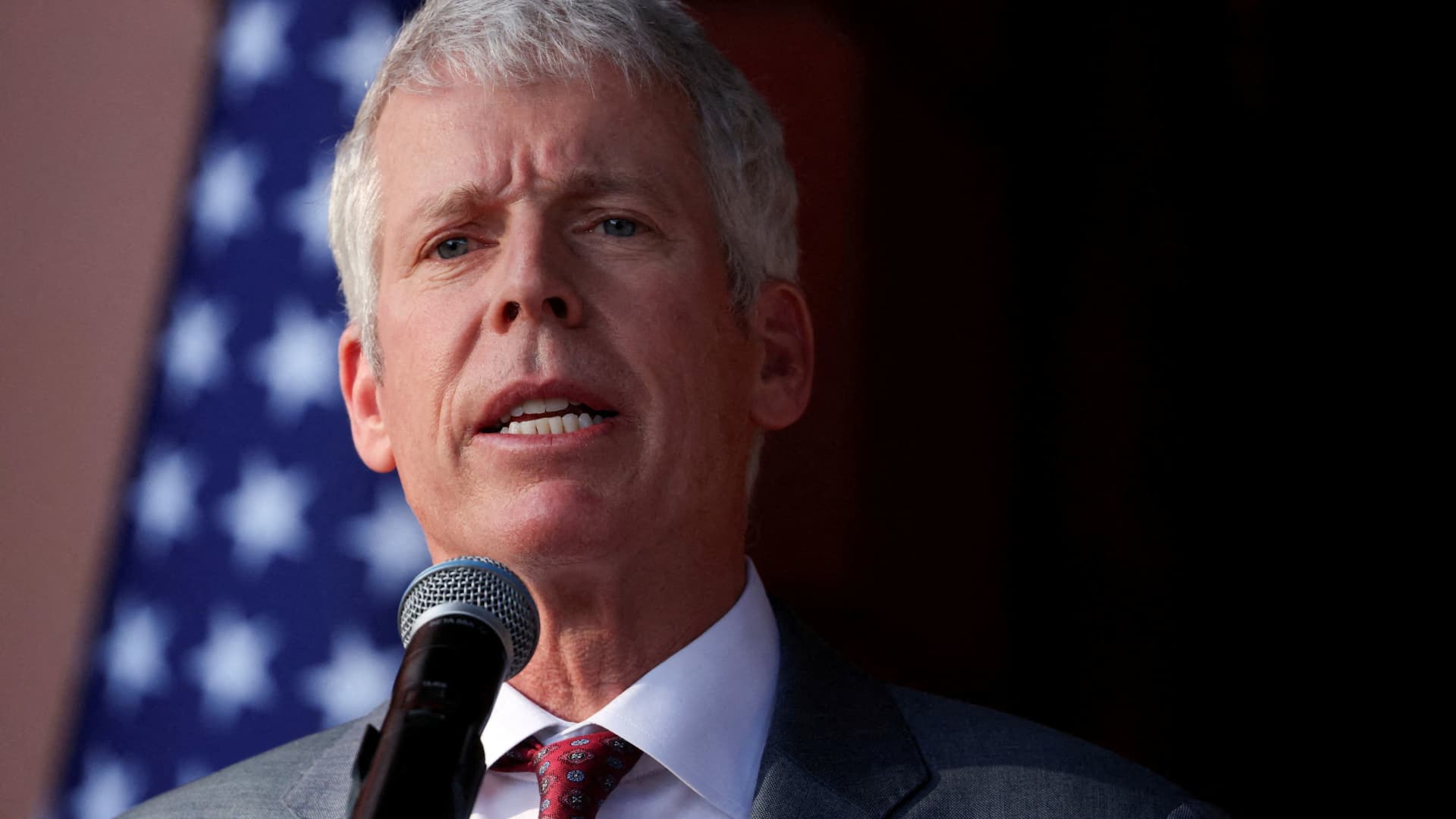
U.S. Energy Secretary Visits Venezuela Amid Oil Policy Focus


- High-Level Energy Visit: U.S. Energy Secretary Chris Wright's meeting with Venezuela's interim President Delcy Rodriguez marks the first high-level U.S. visit focused on energy policy in nearly three decades, indicating a strategic interest in rebuilding Venezuela's oil industry.
- Oil Price Volatility: Wright's deleted post about U.S. Navy escorting a tanker led to an over 11% drop in oil prices, which partially recovered after clarifications, highlighting market uncertainty regarding U.S. energy policy.
- Cloud Business Surge: Oracle's shares rose 10% after reporting a 44% increase in cloud revenue to $8.9 billion in Q3, with future performance obligations exceeding $550 billion, showcasing the company's robust growth potential in the cloud sector.
- Diverging Tech Stances: Microsoft supports Anthropic's legal battle against the Pentagon, seeking a temporary restraining order, while Alphabet aims to strengthen ties with the Defense Department by launching custom AI agent features, reflecting differing strategies among tech giants in government collaboration.
See More
Palantir CEO Claims AI Enhances U.S. Military Capabilities
- AI Military Advantage: Palantir CEO Alex Karp stated on CNBC that artificial intelligence is providing the U.S. and its allies with a unique combat edge in the escalating conflict in Iran and the Middle East, emphasizing that this revolution is a distinctly American phenomenon.
- Data Coordination Capability: Karp highlighted Palantir's platform's ability to effectively link combat data between the U.S. and Middle Eastern allies, particularly after Iranian airstrikes, underscoring its irreplaceable role in security coordination.
- Significant Commercial Growth: Palantir's commercial revenue surged 137% in the fourth quarter to $507 million, indicating rapid growth in its business beyond defense technology, further solidifying the company's market position.
- Strong Stock Performance: Palantir's shares have risen 12% this month, contrasting with a 1.6% decline in the overall Nasdaq, reflecting investor confidence in its future growth potential.
See More
OpenAI's Defense Department Deal Sparks Controversy
- Defense Department Agreement: OpenAI's contract with the DOD allows the agency to use AI systems for all lawful purposes, with Altman stressing that the company will ensure these systems are not used for domestic mass surveillance or fully autonomous weapons, highlighting a commitment to safety principles.
- Legislative Call to Action: Senator Mark Kelly of Arizona stated after discussions with Altman that Congress needs to create legislation to set boundaries and guardrails for AI technology, reflecting concerns over the rapid pace of technological advancement.
- Competitor's Dilemma: In stark contrast, Anthropic has been designated a 'supply chain risk to national security' due to stalled negotiations with the DOD, illustrating the complexities and competitive pressures surrounding AI applications in defense.
- Debate on Technology and Ethics: Altman emphasized during the meeting that the use of AI technology must adhere to constitutional principles, ensuring human responsibility for the use of force, underscoring the importance of ethics and legality in military applications.
See More
Palantir Continues Using Anthropic's Claude Amid Pentagon Clash
- Collaboration with DOD: Palantir CEO Alex Karp stated that despite the Department of Defense's plans to phase out Anthropic, they are still using the Claude model to support operations in Iran, highlighting Palantir's ongoing influence in defense.
- Product Integration Strategy: Karp mentioned that Palantir's products are integrated with Anthropic's Claude model and may integrate with other large language models in the future, indicating the company's forward-looking approach to AI technology integration.
- Supply Chain Risk Designation: The Department of Defense officially designated Anthropic as a supply chain risk last week; however, Palantir continues to rely on the Claude model, reflecting the contradictions and challenges of technological dependencies in a complex geopolitical environment.
- Market Reaction: This news may affect investor confidence in Palantir, particularly as the intersection of defense and AI gains increasing attention, prompting investors to closely monitor future policy changes.
See More
Defense Department Labels Anthropic as Supply Chain Risk
- Supply Chain Risk Designation: Defense Undersecretary Emil Michael stated that Anthropic's Claude AI models are labeled as a supply chain risk due to their embedded policy preferences, a move historically reserved for foreign adversaries, indicating strict oversight of domestic firms.
- Severe Contract Implications: The designation requires defense contractors and vendors to certify they do not use Claude in their dealings with the Pentagon, potentially jeopardizing hundreds of millions of dollars in contracts for Anthropic, impacting its business operations significantly.
- Legal Action Initiated: Anthropic has filed a lawsuit against the Trump administration, claiming the government's actions are
See More
TSA Employees Miss Paychecks Amid DHS Shutdown Debate
- DHS Shutdown Impact: Since February 14, the Department of Homeland Security (DHS) has been shut down, causing TSA employees to miss their first full paychecks, affecting approximately $50,000 annual salary workers, which directly impacts airport security efficiency and traveler experience.
- Senate Debate Fails: Despite intense debates among senators on Wednesday, the Democrats and Republicans remain divided over immigration enforcement policies, failing to reach an agreement, which prolongs the funding issue for DHS and affects national security and public services.
- Long Security Wait Times: The funding gap has led to long wait times at airport security checkpoints, severely impacting traveler experience and reflecting the direct consequences of the government shutdown on citizens' lives, potentially increasing public dissatisfaction with the government.
- Uncertain Future Funding: Democrats demand policy changes on immigration enforcement, while Republicans oppose, leading to uncertainty regarding future DHS funding, which may affect the operations and morale of related agencies.
See More
U.S. Energy Secretary Visits Venezuela Amid Oil Policy Focus
- High-Level Energy Visit: U.S. Energy Secretary Chris Wright's meeting with Venezuela's interim President Delcy Rodriguez marks the first high-level U.S. visit focused on energy policy in nearly three decades, indicating a strategic interest in rebuilding Venezuela's oil industry.
- Oil Price Volatility: Wright's deleted post about U.S. Navy escorting a tanker led to an over 11% drop in oil prices, which partially recovered after clarifications, highlighting market uncertainty regarding U.S. energy policy.
- Cloud Business Surge: Oracle's shares rose 10% after reporting a 44% increase in cloud revenue to $8.9 billion in Q3, with future performance obligations exceeding $550 billion, showcasing the company's robust growth potential in the cloud sector.
- Diverging Tech Stances: Microsoft supports Anthropic's legal battle against the Pentagon, seeking a temporary restraining order, while Alphabet aims to strengthen ties with the Defense Department by launching custom AI agent features, reflecting differing strategies among tech giants in government collaboration.
See More