Q4 Earnings Surprise May Provide Trex Stock with a Route to Recovery
Strong Earnings Report: Trex Company Inc. reported strong earnings, exceeding market expectations with a revenue of $161.13 million, which is 11.5% higher than estimates, indicating solid demand for their innovative wood-alternative decking products.
Leadership Change: The company announced the retirement of President and CEO Bryan Fairbanks, effective April 28, with Adam D. Zambanni set to replace him, which has raised investor confidence despite potential concerns over leadership transitions.
Future Growth Prospects: Trex's management remains optimistic about future growth, projecting revenues between $1.185 billion and $1.230 billion for 2026, driven by ongoing product innovation and a strong pipeline of new products.
Market Position and Consumer Demand: Trex's stock trades below its consensus price target, and analysts suggest that growth in consumer confidence and spending on outdoor living projects could positively impact the company's performance in the second half of the year.
Trade with 70% Backtested Accuracy
Analyst Views on HD

About HD
About the author


Couple's Financial Manifesto Revisited and Market Insights

- Dow Jones Milestone: On February 6, 2026, the Dow Jones Industrial Average surpassed 50,000 for the first time, marking a 25% increase from 40,000 less than two years ago, outperforming both the S&P 500 and NASDAQ, which reflects a resurgence of investor confidence and stability in turbulent economic times.
- Mixed Job Market Signals: The U.S. Bureau of Labor Statistics reported a 130,000 increase in non-farm payrolls for January, more than double the expected 60,000, with the unemployment rate dropping to 4.3%; however, most new jobs were concentrated in healthcare and social assistance, indicating an uneven economic recovery.
- Rising Government Debt: The Congressional Budget Office projects that the U.S. government will overspend by $5.8 trillion in 2026, with this figure expected to rise to $6 trillion by 2036, pushing federal debt to 120% of GDP, which poses significant challenges to fiscal sustainability and long-term economic health.
- Importance of Financial Management: Robert and Elizabeth Brokamp discussed their financial manifesto created 26 years ago, emphasizing the necessity of regular financial check-ins to prevent marital discord due to financial disagreements, highlighting the critical role of effective financial communication in maintaining family harmony.

Revisiting the Couple's Financial Manifesto
- Dow Jones Milestone: On February 6, 2026, the Dow Jones Industrial Average surpassed 50,000 for the first time, marking a 25% increase from 40,000 less than two years ago, indicating strong recent performance driven by high allocations in industrials and energy sectors.
- Job Market Signals: The U.S. Bureau of Labor Statistics reported a 130,000 increase in non-farm payrolls for January 2026, more than double the expected 60,000, with the unemployment rate dropping to 4.3%, reflecting positive economic recovery signals, although most new jobs were in healthcare and social assistance.
- Government Deficit: According to the Congressional Budget Office, the U.S. government will spend $5.8 trillion more than it collects in taxes and tariffs in 2026, with projections indicating this annual deficit could rise to $6 trillion by 2036, highlighting ongoing fiscal pressures and reliance on borrowing.
- Importance of Financial Planning: Robert and Elizabeth Brokamp discussed their financial manifesto created 26 years ago, emphasizing the need for regular check-ins on financial goals and priorities to prevent financial disagreements that can lead to marital discord.

Home Depot and Lowe's: Capitalizing on the Earnings Decline
Market Performance: Home Depot and Lowe's reported better-than-expected fourth-quarter earnings, yet their stock prices fell, indicating market concerns about future performance amid a challenging housing market and high mortgage rates.
Economic Challenges: Both companies cited a frozen housing market as a primary reason for conservative guidance in fiscal year 2026, with homeowners reluctant to move due to low interest rates on existing mortgages.
Revenue Generation: Despite current economic pressures, both retailers are generating substantial revenue and profit, with Home Depot reporting earnings per share of $2.72 and Lowe's at $1.98, both exceeding analyst expectations.
Future Outlook: The companies are adapting their business models to capture stable revenue streams from professional contractors, while also managing costs to maintain profitability in a volatile market environment.
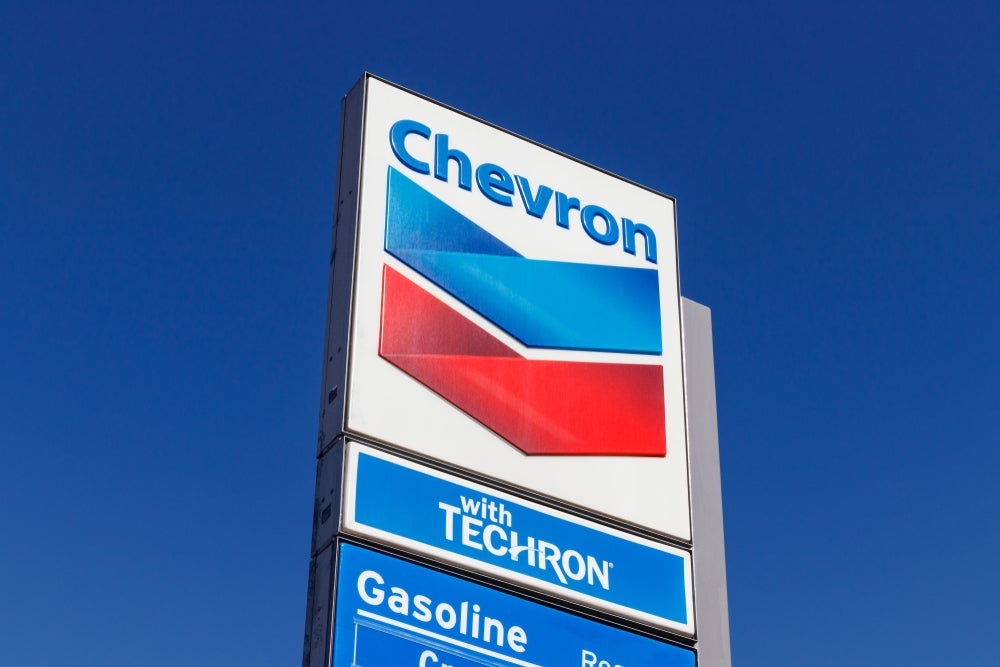
Home Depot and Chevron: Steady Dividend Stocks

- Home Depot's Profitability: As the world's largest home improvement retailer, Home Depot (HD) experienced a slight dip in earnings in its latest quarter, yet maintains a robust EBITDA margin of 15.4% and a net profit margin of 8.7%, indicating strong profitability and the potential for continued dividend increases.
- Stable Dividend Policy: Home Depot pays a quarterly dividend of $2.30 per share, totaling $9.20 annually, with a current yield of 2.4%; although its payout ratio of 62% is slightly above historical averages, it still has ample room to continue paying and potentially increasing dividends.
- Chevron's Cash Flow Advantage: Chevron (CVX) boasts the highest cash flow from operations and production growth among its peers, with both metrics projected to achieve a compound annual growth rate (CAGR) of 10% from 2024 to 2026, providing strong support for its ongoing dividend payments.
- Sustainability of Dividend Growth: Despite a high payout ratio of 95%, Chevron is expected to maintain its 38-year streak of annual dividend increases, having raised its free cash flow guidance by $12.5 billion for 2026, showcasing its strong performance and growth potential in the oil and gas sector.

Investment Outlook for Hydrogen and Nuclear Energy

- Hydrogen Infrastructure Development: Plug Power has deployed 230 megawatts of GenEco electrolyzers globally, focusing on hydrogen infrastructure, yet despite a 13% year-over-year revenue increase in Q3 2025, it faces an operating loss of $704.1 million, indicating insufficient profitability.
- Hydrogen Supply Capacity: The company supplies 45 tons of hydrogen daily to major clients like Amazon, Home Depot, and General Motors, but with $991.4 million in debt against only $165.9 million in cash, its financial health appears precarious.
- Nuclear Energy Investment Opportunity: NextEra Energy, as America's largest electric utility, reported a net income of $2.97 billion in 2025, up 29.4%, and projects an 8% compound annual growth rate in earnings per share through 2035, showcasing strong growth potential in the green energy sector.
- Comparison of Nuclear and Hydrogen: While hydrogen holds promise, nuclear energy emerges as a more attractive investment due to its profitability and stable dividend (increased for 31 consecutive years), currently yielding 2.4%, reflecting its long-term investment value.

Comparison of Hydrogen Infrastructure and Nuclear Energy Investment
- Hydrogen Market Potential: PlugPower has deployed 230 megawatts of GenEco electrolyzers globally, and while its Q3 2025 revenue grew by 13% year-over-year, its operating loss reached $704.1 million, indicating that its growth is insufficient to offset significant losses, thus increasing investment risk.
- Nuclear Revival Plan: NextEra Energy is partnering with Alphabet to restart the Duane Arnold nuclear power plant in Iowa, projected to be operational by Q1 2029, which will supply power to Alphabet for the next 25 years, showcasing its strategic positioning in the green energy sector.
- Financial Performance Comparison: NextEra reported a net income of $2.97 billion in 2025, a 29.4% increase year-over-year, with earnings per share (EPS) growing by 28.5%, while PlugPower faces a staggering $991.4 million in debt, highlighting NextEra's stronger financial health.
- Dividend Appeal: NextEra has raised its dividend for 31 consecutive years, currently yielding 2.4%, and despite a payout ratio of 70.3%, it reflects a commitment to shareholder returns, making it attractive for long-term investors.
Couple's Financial Manifesto Revisited and Market Insights
- Dow Jones Milestone: On February 6, 2026, the Dow Jones Industrial Average surpassed 50,000 for the first time, marking a 25% increase from 40,000 less than two years ago, outperforming both the S&P 500 and NASDAQ, which reflects a resurgence of investor confidence and stability in turbulent economic times.
- Mixed Job Market Signals: The U.S. Bureau of Labor Statistics reported a 130,000 increase in non-farm payrolls for January, more than double the expected 60,000, with the unemployment rate dropping to 4.3%; however, most new jobs were concentrated in healthcare and social assistance, indicating an uneven economic recovery.
- Rising Government Debt: The Congressional Budget Office projects that the U.S. government will overspend by $5.8 trillion in 2026, with this figure expected to rise to $6 trillion by 2036, pushing federal debt to 120% of GDP, which poses significant challenges to fiscal sustainability and long-term economic health.
- Importance of Financial Management: Robert and Elizabeth Brokamp discussed their financial manifesto created 26 years ago, emphasizing the necessity of regular financial check-ins to prevent marital discord due to financial disagreements, highlighting the critical role of effective financial communication in maintaining family harmony.
Revisiting the Couple's Financial Manifesto
- Dow Jones Milestone: On February 6, 2026, the Dow Jones Industrial Average surpassed 50,000 for the first time, marking a 25% increase from 40,000 less than two years ago, indicating strong recent performance driven by high allocations in industrials and energy sectors.
- Job Market Signals: The U.S. Bureau of Labor Statistics reported a 130,000 increase in non-farm payrolls for January 2026, more than double the expected 60,000, with the unemployment rate dropping to 4.3%, reflecting positive economic recovery signals, although most new jobs were in healthcare and social assistance.
- Government Deficit: According to the Congressional Budget Office, the U.S. government will spend $5.8 trillion more than it collects in taxes and tariffs in 2026, with projections indicating this annual deficit could rise to $6 trillion by 2036, highlighting ongoing fiscal pressures and reliance on borrowing.
- Importance of Financial Planning: Robert and Elizabeth Brokamp discussed their financial manifesto created 26 years ago, emphasizing the need for regular check-ins on financial goals and priorities to prevent financial disagreements that can lead to marital discord.
Home Depot and Lowe's: Capitalizing on the Earnings Decline
Market Performance: Home Depot and Lowe's reported better-than-expected fourth-quarter earnings, yet their stock prices fell, indicating market concerns about future performance amid a challenging housing market and high mortgage rates.
Economic Challenges: Both companies cited a frozen housing market as a primary reason for conservative guidance in fiscal year 2026, with homeowners reluctant to move due to low interest rates on existing mortgages.
Revenue Generation: Despite current economic pressures, both retailers are generating substantial revenue and profit, with Home Depot reporting earnings per share of $2.72 and Lowe's at $1.98, both exceeding analyst expectations.
Future Outlook: The companies are adapting their business models to capture stable revenue streams from professional contractors, while also managing costs to maintain profitability in a volatile market environment.
Home Depot and Chevron: Steady Dividend Stocks
- Home Depot's Profitability: As the world's largest home improvement retailer, Home Depot (HD) experienced a slight dip in earnings in its latest quarter, yet maintains a robust EBITDA margin of 15.4% and a net profit margin of 8.7%, indicating strong profitability and the potential for continued dividend increases.
- Stable Dividend Policy: Home Depot pays a quarterly dividend of $2.30 per share, totaling $9.20 annually, with a current yield of 2.4%; although its payout ratio of 62% is slightly above historical averages, it still has ample room to continue paying and potentially increasing dividends.
- Chevron's Cash Flow Advantage: Chevron (CVX) boasts the highest cash flow from operations and production growth among its peers, with both metrics projected to achieve a compound annual growth rate (CAGR) of 10% from 2024 to 2026, providing strong support for its ongoing dividend payments.
- Sustainability of Dividend Growth: Despite a high payout ratio of 95%, Chevron is expected to maintain its 38-year streak of annual dividend increases, having raised its free cash flow guidance by $12.5 billion for 2026, showcasing its strong performance and growth potential in the oil and gas sector.
Investment Outlook for Hydrogen and Nuclear Energy
- Hydrogen Infrastructure Development: Plug Power has deployed 230 megawatts of GenEco electrolyzers globally, focusing on hydrogen infrastructure, yet despite a 13% year-over-year revenue increase in Q3 2025, it faces an operating loss of $704.1 million, indicating insufficient profitability.
- Hydrogen Supply Capacity: The company supplies 45 tons of hydrogen daily to major clients like Amazon, Home Depot, and General Motors, but with $991.4 million in debt against only $165.9 million in cash, its financial health appears precarious.
- Nuclear Energy Investment Opportunity: NextEra Energy, as America's largest electric utility, reported a net income of $2.97 billion in 2025, up 29.4%, and projects an 8% compound annual growth rate in earnings per share through 2035, showcasing strong growth potential in the green energy sector.
- Comparison of Nuclear and Hydrogen: While hydrogen holds promise, nuclear energy emerges as a more attractive investment due to its profitability and stable dividend (increased for 31 consecutive years), currently yielding 2.4%, reflecting its long-term investment value.
Comparison of Hydrogen Infrastructure and Nuclear Energy Investment
- Hydrogen Market Potential: PlugPower has deployed 230 megawatts of GenEco electrolyzers globally, and while its Q3 2025 revenue grew by 13% year-over-year, its operating loss reached $704.1 million, indicating that its growth is insufficient to offset significant losses, thus increasing investment risk.
- Nuclear Revival Plan: NextEra Energy is partnering with Alphabet to restart the Duane Arnold nuclear power plant in Iowa, projected to be operational by Q1 2029, which will supply power to Alphabet for the next 25 years, showcasing its strategic positioning in the green energy sector.
- Financial Performance Comparison: NextEra reported a net income of $2.97 billion in 2025, a 29.4% increase year-over-year, with earnings per share (EPS) growing by 28.5%, while PlugPower faces a staggering $991.4 million in debt, highlighting NextEra's stronger financial health.
- Dividend Appeal: NextEra has raised its dividend for 31 consecutive years, currently yielding 2.4%, and despite a payout ratio of 70.3%, it reflects a commitment to shareholder returns, making it attractive for long-term investors.