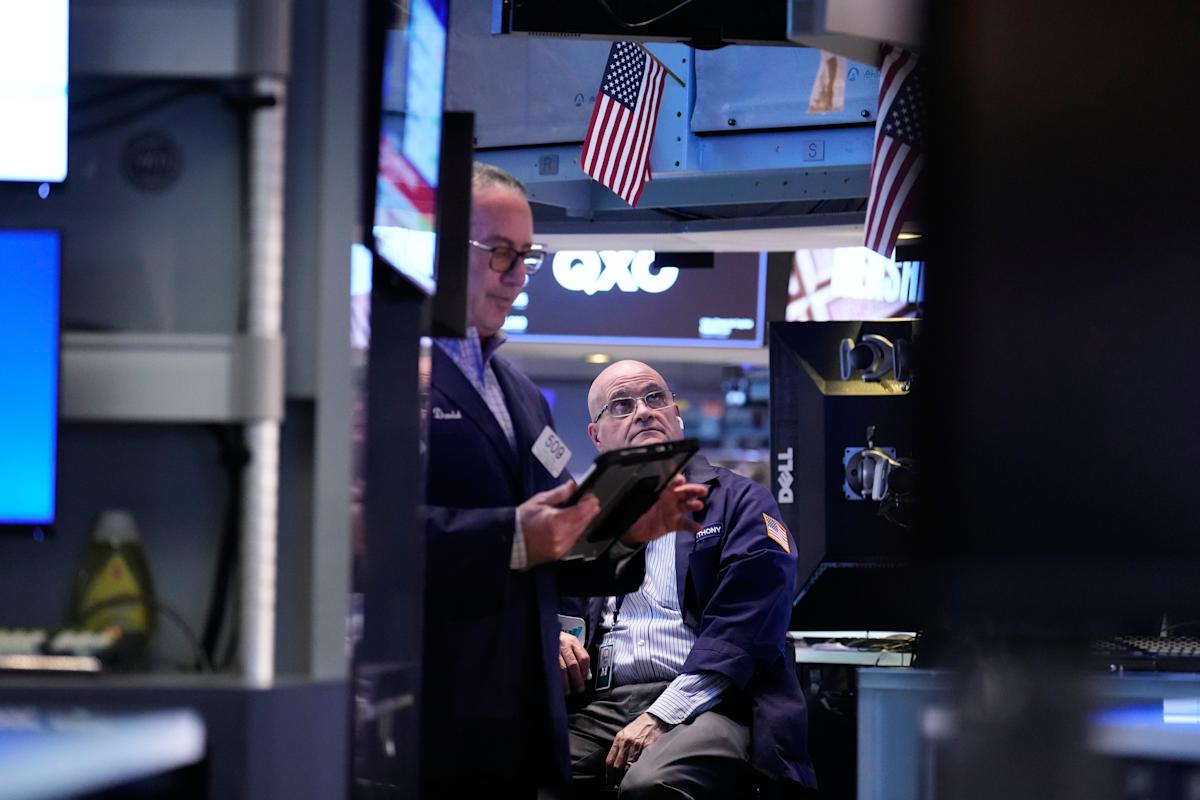
Forecast: 3 Major Stock Splits Expected to Be Announced in the Coming Year

Stock Split Euphoria: The excitement surrounding stock splits has significantly contributed to the rise of major stock indexes on Wall Street, with forward splits being particularly favored by investors as they often indicate a company's strong performance and potential for growth.
Candidates for Future Splits: Three companies—Meta Platforms, Goldman Sachs, and Netflix—are highlighted as strong candidates for upcoming stock splits due to their high share prices and meaningful retail investor ownership, which can incentivize their boards to consider such actions.
Meta Platforms: With approximately 28% of its shares held by retail investors and a strong advertising revenue model, Meta is positioned for a forward split, especially as it integrates AI into its advertising strategies.
Goldman Sachs and Netflix: Goldman Sachs, with 31% retail ownership and a high share price, may consider a split to enhance accessibility for investors, while Netflix, having a significant retail ownership and a successful ad-supported tier, could also benefit from a split to attract more investors and manage its valuation.
Trade with 70% Backtested Accuracy
Analyst Views on GS

About GS
About the author

Goldman Sachs Set to Report Q1 Earnings Amid Bullish Sentiment

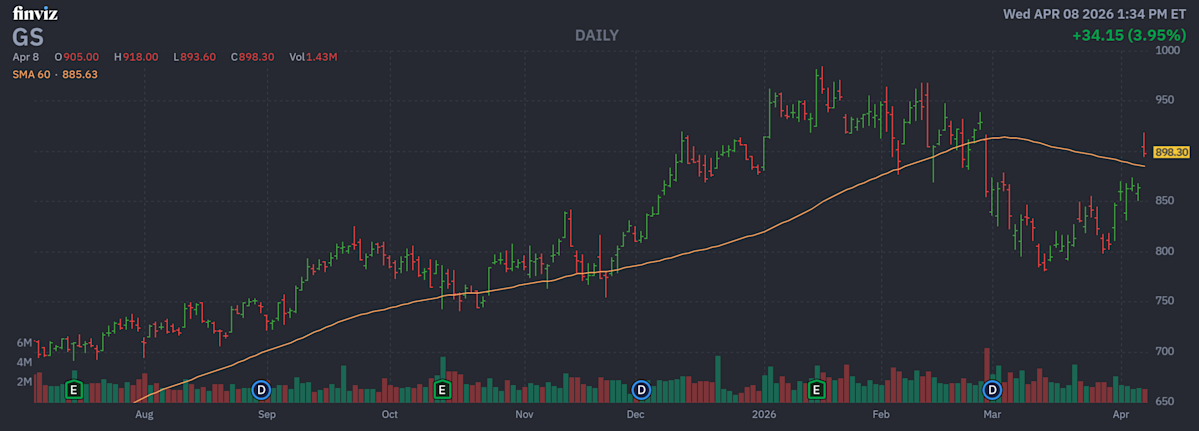
- Optimistic Earnings Outlook: Goldman Sachs is set to report its Q1 earnings before the market opens on April 13, with a bullish sentiment reflected in a 4.2% stock price increase to $900.69, as investors respond positively to easing geopolitical tensions.
- Strong Stock Performance: The stock has gained in six of the last seven trading sessions and is poised to close above its 60-day moving average for the first time since February, with a 94.8% increase over the past 12 months, indicating robust market performance despite a modest year-to-date gain.
- Post-Earnings Reaction Potential: Goldman has settled higher after six of its last eight earnings reports, including a 4.4% rise in January, and the options market is pricing in a 5.8% move, significantly higher than the 2.6% average over the past two years, suggesting strong expectations for the upcoming report.
- Analyst Rating Upside: Among the 26 analysts covering Goldman, 17 have a “hold” or worse rating, indicating potential for upgrades and price target hikes, with the current 12-month consensus target price at $934.54, only a 3.8% premium to the current stock levels.

Farther Launches Multi-Family Office for Ultra-High-Net-Worth Families
- New Family Office Launch: Farther has launched a multi-family office in New York aimed at ultra-high-net-worth families, intending to provide customized services through its unique wealth platform that meets client-specific needs.
- Strong Leadership Team: Former Goldman Sachs private wealth advisor Ben Seidenstein has been appointed as the global head, bringing extensive industry experience and client relationships from managing $1.5 billion in assets at Goldman.
- Technology-Driven Wealth Management: Farther's family office will leverage an AI-driven wealth platform, avoiding potential conflicts of interest compared to traditional institutions, thus offering investment solutions that better align with client needs.
- Market Opportunity Capture: Farther plans to capitalize on the anticipated generational wealth transfer trend, assisting families with wealth transfer and estate planning, while having no minimum asset requirements to attract more entrepreneurs and creators.
Trump Reaffirms Tough Stance on Iran Amid Fragile Ceasefire


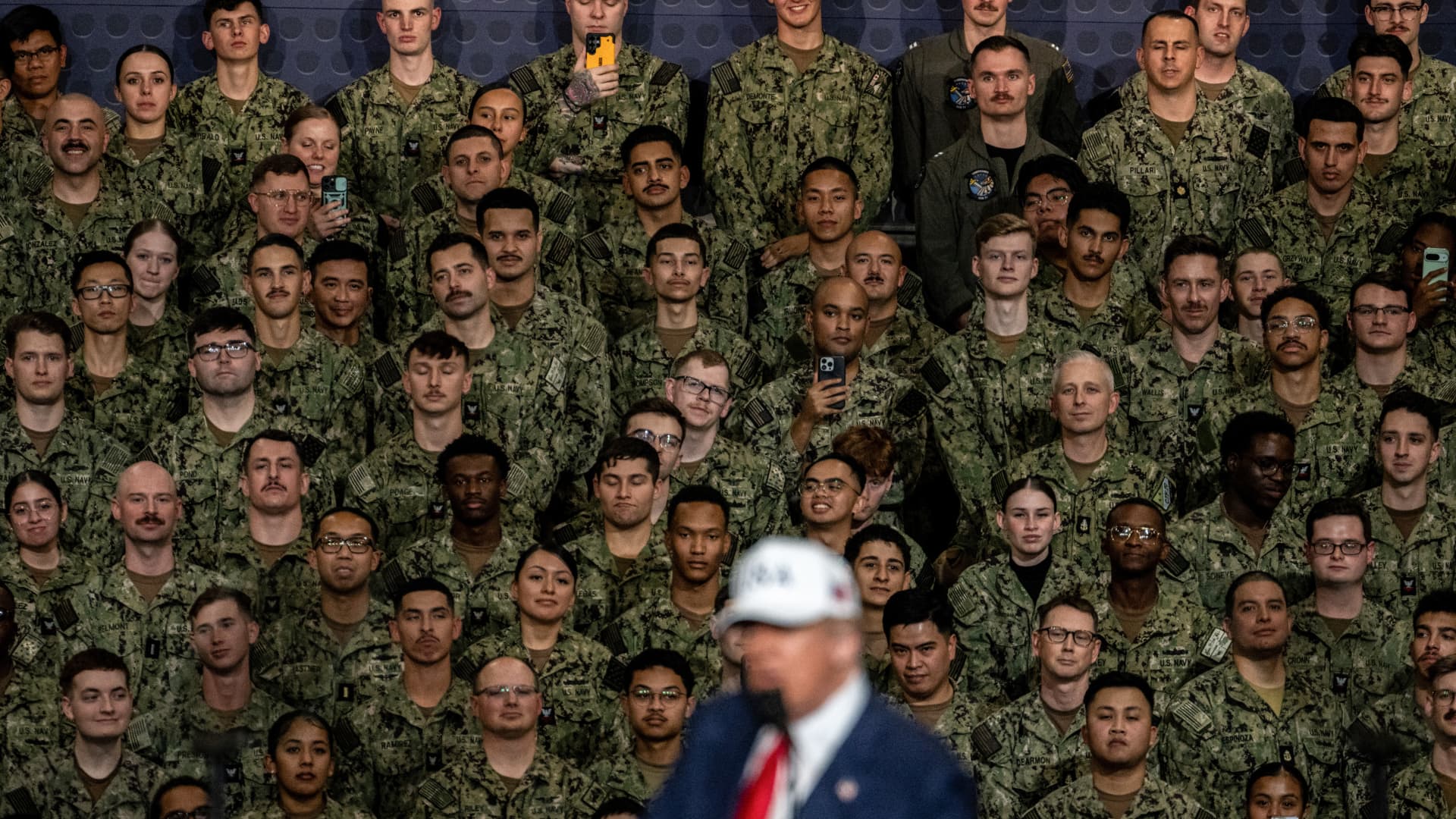
- Military Deployment Continues: Trump stated that U.S. military forces will remain deployed in and around Iran until Tehran fully complies with what he calls the 'real agreement', indicating a sustained U.S. military presence in the Middle East that may escalate regional tensions.
- Escalating Threats to Iran: Trump warned that any breach of the agreement would trigger a military response larger than ever seen before, which could raise market concerns about potential disruptions in energy supplies, thereby affecting oil price volatility.
- Strained NATO Relations: Trump criticized NATO for not supporting the U.S. when needed, highlighting a deterioration in relations with traditional allies that could impact future international cooperation and security policies.
- Iran Accuses U.S. of Violating Agreement: Iran's parliamentary speaker accused the U.S. of violating the two-week ceasefire agreement, citing actions such as Israeli attacks on Lebanon, which could further deteriorate U.S.-Iran relations and affect global market stability.
Fragile Ceasefire Agreement Between U.S. and Iran Raises Market Concerns
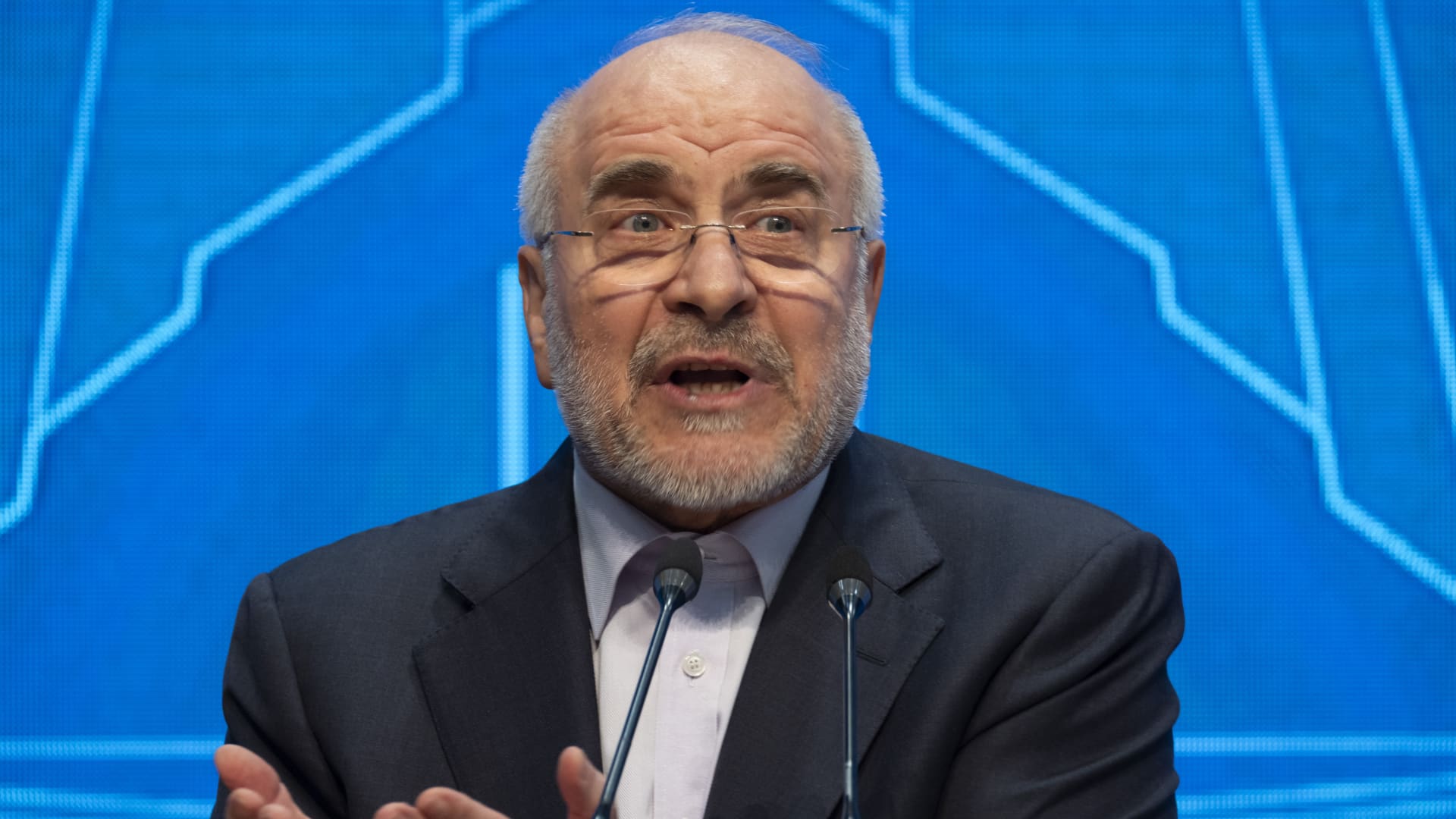
- Fragile Ceasefire: Just a day after the U.S.-Iran ceasefire was announced, Iranian parliamentary speaker Mohammad Bagher Ghalibaf accused the U.S. of violating three key terms, leading to a loss of market confidence and potential disruptions in global energy supply chains.
- Market Reaction: The ceasefire initially triggered a relief rally across global markets; however, following Iran's accusations, Brent crude and U.S. West Texas Intermediate futures rose in Asian trading, indicating market uncertainty about future developments.
- Strait of Hormuz Traffic: Although the ceasefire agreement mandates the reopening of the Strait of Hormuz to normal shipping traffic, actual vessel traffic remains low, raising concerns about energy supply and further contributing to oil price volatility.
- Fed Policy Signals: Minutes from the Federal Reserve's latest meeting indicate that officials still expect to lower interest rates this year, providing additional support for risk assets, but escalating geopolitical risks could undermine this outlook.

U.S.-Iran Tensions Ease, Market Rally Follows


- Market Rally: Following President Trump's announcement to suspend attacks on Iran, the Dow Jones Industrial Average surged 2.85%, the S&P 500 rose 2.51%, and the Nasdaq jumped 2.8%, reflecting investor optimism about market stabilization.
- Interest Rate Expectations: With a sharp decline in the 10-year treasury yield, the market anticipates lower interest rates, which are crucial for reviving the housing market, particularly benefiting companies like Home Depot that thrive in low-rate environments.
- Strong Performance from Leaders: Stocks such as Sherwin-Williams, Caterpillar, Home Depot, and Goldman Sachs led the rally, indicating investor confidence in these companies and suggesting expectations for economic recovery.
- Weakness in Oil Stocks: Despite the overall market rebound, oil companies like Chevron and Diamondback faced significant pressure, highlighting investor concerns over Middle Eastern supply disruptions and the ongoing uncertainty in the sector.

OpenAI Plans to Reserve Shares for Retail Investors in IPO


- IPO Outlook: CFO Sarah Friar announced that OpenAI will reserve a portion of shares for retail investors during its IPO, emphasizing the importance of public participation to enhance consumer trust and broaden its investor base.
- Enterprise Revenue Growth: Currently, enterprise accounts for 40% of OpenAI's revenue and is projected to reach parity with consumer revenue by the end of 2026, which will further drive overall revenue growth and market competitiveness.
- Successful Fundraising: In its recent funding round, OpenAI raised $3 billion through private placements with banks like JP Morgan, Morgan Stanley, and Goldman Sachs, tripling its initial target, reflecting strong market confidence in its business model.
- Investment in Compute Power: OpenAI plans to invest $600 billion over the next five years in semiconductors and data centers to enhance its computing capabilities, viewed as a key asset for gaining competitive advantage, expected to drive revenue and cash flow growth.
Goldman Sachs Set to Report Q1 Earnings Amid Bullish Sentiment
- Optimistic Earnings Outlook: Goldman Sachs is set to report its Q1 earnings before the market opens on April 13, with a bullish sentiment reflected in a 4.2% stock price increase to $900.69, as investors respond positively to easing geopolitical tensions.
- Strong Stock Performance: The stock has gained in six of the last seven trading sessions and is poised to close above its 60-day moving average for the first time since February, with a 94.8% increase over the past 12 months, indicating robust market performance despite a modest year-to-date gain.
- Post-Earnings Reaction Potential: Goldman has settled higher after six of its last eight earnings reports, including a 4.4% rise in January, and the options market is pricing in a 5.8% move, significantly higher than the 2.6% average over the past two years, suggesting strong expectations for the upcoming report.
- Analyst Rating Upside: Among the 26 analysts covering Goldman, 17 have a “hold” or worse rating, indicating potential for upgrades and price target hikes, with the current 12-month consensus target price at $934.54, only a 3.8% premium to the current stock levels.
Farther Launches Multi-Family Office for Ultra-High-Net-Worth Families
- New Family Office Launch: Farther has launched a multi-family office in New York aimed at ultra-high-net-worth families, intending to provide customized services through its unique wealth platform that meets client-specific needs.
- Strong Leadership Team: Former Goldman Sachs private wealth advisor Ben Seidenstein has been appointed as the global head, bringing extensive industry experience and client relationships from managing $1.5 billion in assets at Goldman.
- Technology-Driven Wealth Management: Farther's family office will leverage an AI-driven wealth platform, avoiding potential conflicts of interest compared to traditional institutions, thus offering investment solutions that better align with client needs.
- Market Opportunity Capture: Farther plans to capitalize on the anticipated generational wealth transfer trend, assisting families with wealth transfer and estate planning, while having no minimum asset requirements to attract more entrepreneurs and creators.
Trump Reaffirms Tough Stance on Iran Amid Fragile Ceasefire
- Military Deployment Continues: Trump stated that U.S. military forces will remain deployed in and around Iran until Tehran fully complies with what he calls the 'real agreement', indicating a sustained U.S. military presence in the Middle East that may escalate regional tensions.
- Escalating Threats to Iran: Trump warned that any breach of the agreement would trigger a military response larger than ever seen before, which could raise market concerns about potential disruptions in energy supplies, thereby affecting oil price volatility.
- Strained NATO Relations: Trump criticized NATO for not supporting the U.S. when needed, highlighting a deterioration in relations with traditional allies that could impact future international cooperation and security policies.
- Iran Accuses U.S. of Violating Agreement: Iran's parliamentary speaker accused the U.S. of violating the two-week ceasefire agreement, citing actions such as Israeli attacks on Lebanon, which could further deteriorate U.S.-Iran relations and affect global market stability.
Fragile Ceasefire Agreement Between U.S. and Iran Raises Market Concerns
- Fragile Ceasefire: Just a day after the U.S.-Iran ceasefire was announced, Iranian parliamentary speaker Mohammad Bagher Ghalibaf accused the U.S. of violating three key terms, leading to a loss of market confidence and potential disruptions in global energy supply chains.
- Market Reaction: The ceasefire initially triggered a relief rally across global markets; however, following Iran's accusations, Brent crude and U.S. West Texas Intermediate futures rose in Asian trading, indicating market uncertainty about future developments.
- Strait of Hormuz Traffic: Although the ceasefire agreement mandates the reopening of the Strait of Hormuz to normal shipping traffic, actual vessel traffic remains low, raising concerns about energy supply and further contributing to oil price volatility.
- Fed Policy Signals: Minutes from the Federal Reserve's latest meeting indicate that officials still expect to lower interest rates this year, providing additional support for risk assets, but escalating geopolitical risks could undermine this outlook.
U.S.-Iran Tensions Ease, Market Rally Follows
- Market Rally: Following President Trump's announcement to suspend attacks on Iran, the Dow Jones Industrial Average surged 2.85%, the S&P 500 rose 2.51%, and the Nasdaq jumped 2.8%, reflecting investor optimism about market stabilization.
- Interest Rate Expectations: With a sharp decline in the 10-year treasury yield, the market anticipates lower interest rates, which are crucial for reviving the housing market, particularly benefiting companies like Home Depot that thrive in low-rate environments.
- Strong Performance from Leaders: Stocks such as Sherwin-Williams, Caterpillar, Home Depot, and Goldman Sachs led the rally, indicating investor confidence in these companies and suggesting expectations for economic recovery.
- Weakness in Oil Stocks: Despite the overall market rebound, oil companies like Chevron and Diamondback faced significant pressure, highlighting investor concerns over Middle Eastern supply disruptions and the ongoing uncertainty in the sector.
OpenAI Plans to Reserve Shares for Retail Investors in IPO
- IPO Outlook: CFO Sarah Friar announced that OpenAI will reserve a portion of shares for retail investors during its IPO, emphasizing the importance of public participation to enhance consumer trust and broaden its investor base.
- Enterprise Revenue Growth: Currently, enterprise accounts for 40% of OpenAI's revenue and is projected to reach parity with consumer revenue by the end of 2026, which will further drive overall revenue growth and market competitiveness.
- Successful Fundraising: In its recent funding round, OpenAI raised $3 billion through private placements with banks like JP Morgan, Morgan Stanley, and Goldman Sachs, tripling its initial target, reflecting strong market confidence in its business model.
- Investment in Compute Power: OpenAI plans to invest $600 billion over the next five years in semiconductors and data centers to enhance its computing capabilities, viewed as a key asset for gaining competitive advantage, expected to drive revenue and cash flow growth.