Phillips 66 and Citgo Plan to Buy Heavy Crude Directly from Venezuela

Phillips 66 (PSX) and Citgo Petroleum are planning to start buying heavy crude directly from Venezuela's state oil company PDVSA as early as April, aiming to boost profitability by bypassing trading houses and U.S. oil major Chevron (CVX), Reuters' Nicole Jao, Arathy Somasekhar and Marianna Parraga report. This shift comes as broader U.S. authorizations expand Venezuelan oil exports, although logistical challenges remain, especially for deliveries to Gulf Coast refineries, and companies must navigate U.S. Treasury licensing and sanctions complexities, the report notes. Valero (VLO) plans to buy directly from PDVSA later in the year after it assesses the condition of Venezuela's loading infrastructure, three sources say.
Trade with 70% Backtested Accuracy
Analyst Views on PSX

About PSX
About the author


U.S. to Build First Oil Refinery in 50 Years, $300 Billion Deal


- Historic Investment: President Trump announced that the U.S. will get its first oil refinery in 50 years, funded by Indian billionaire Mukesh Ambani's Reliance Industries, with a staggering $300 billion deal marking the largest in U.S. history.
- Enhanced National Security: The new refinery, located at the port of Brownsville, Texas, is designed to process 100% American shale oil, aiming to bolster national security and significantly increase U.S. energy production capabilities.
- Significant Economic Impact: Trump stated that the project will deliver billions of dollars in economic impact, further driving the domestic energy sector's growth and creating numerous job opportunities in related industries.
- Environmental Commitment: The refinery is set to be the cleanest in the world, reflecting a commitment to environmental sustainability while showcasing the U.S.'s strategic shift towards sustainable energy production.
Upcoming U.S. Inflation Data Release


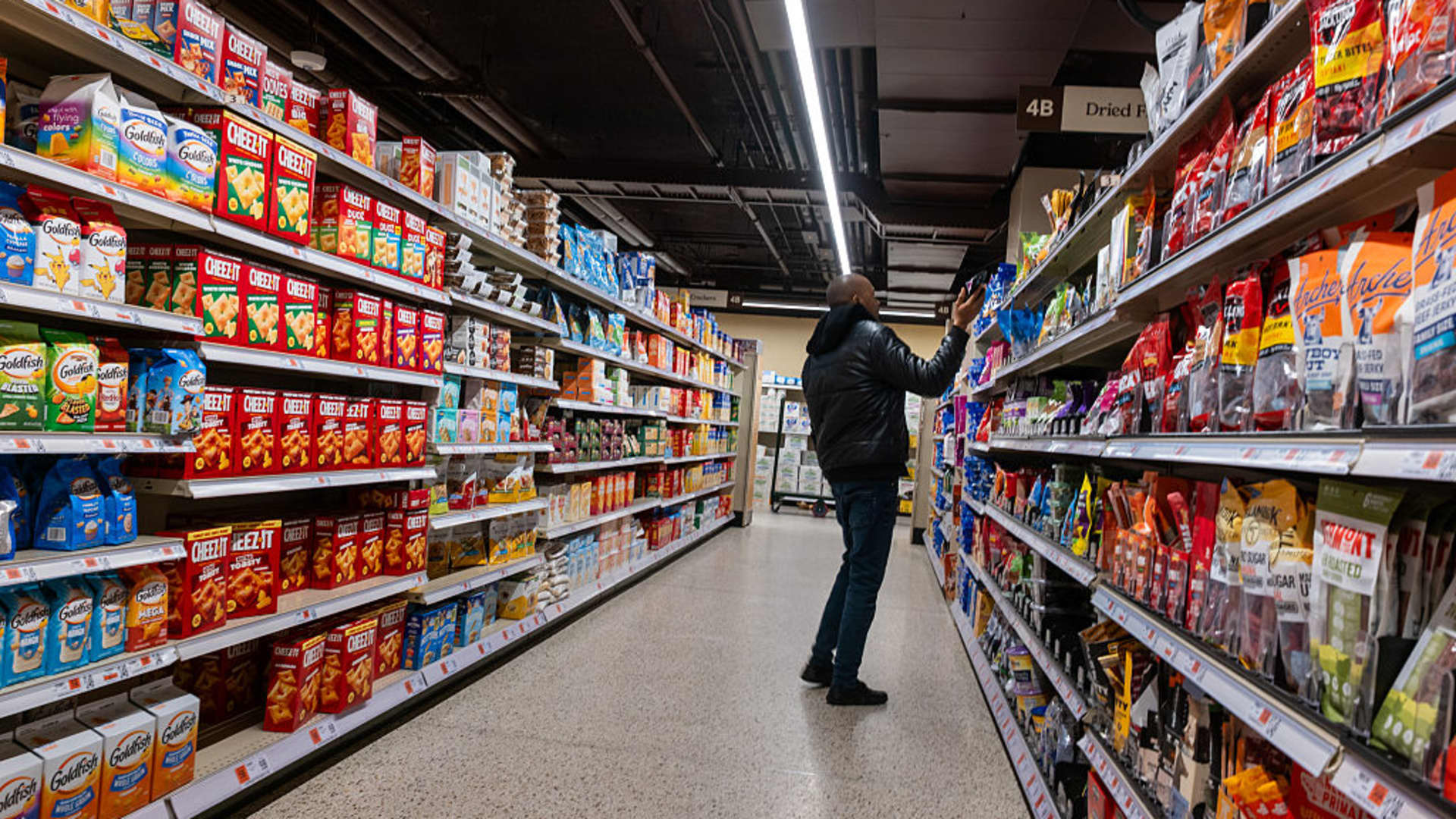
- Inflation Data Forecast: The U.S. Consumer Price Index is set to be released on Wednesday at 8:30 AM, with a month-over-month increase expected at 0.3% and a year-over-year increase at 2.4%, which will significantly impact market sentiment.
- Treasury Yield Dynamics: The current yield on the U.S. 10-year Treasury note stands at 4.156%, with the 2-year yield at 3.592% and the 3-month yield at 3.686%, indicating a cautious market outlook on future interest rate movements.
- Oil Price Fluctuations: Oil prices have risen due to reports of Iran laying anti-ship mines in the Strait of Hormuz, with West Texas Intermediate crude gaining 30% since the onset of the conflict and Brent crude up over 20%, despite overall declines in the commodity market.
- Market Focus: Campbell's is scheduled to report quarterly results on Wednesday morning, having seen its stock fall 12% over the past three months and more than 43% from its peak a year ago, making its performance a key point of interest for investors.
Iran War Triggers Extreme Oil Price Volatility
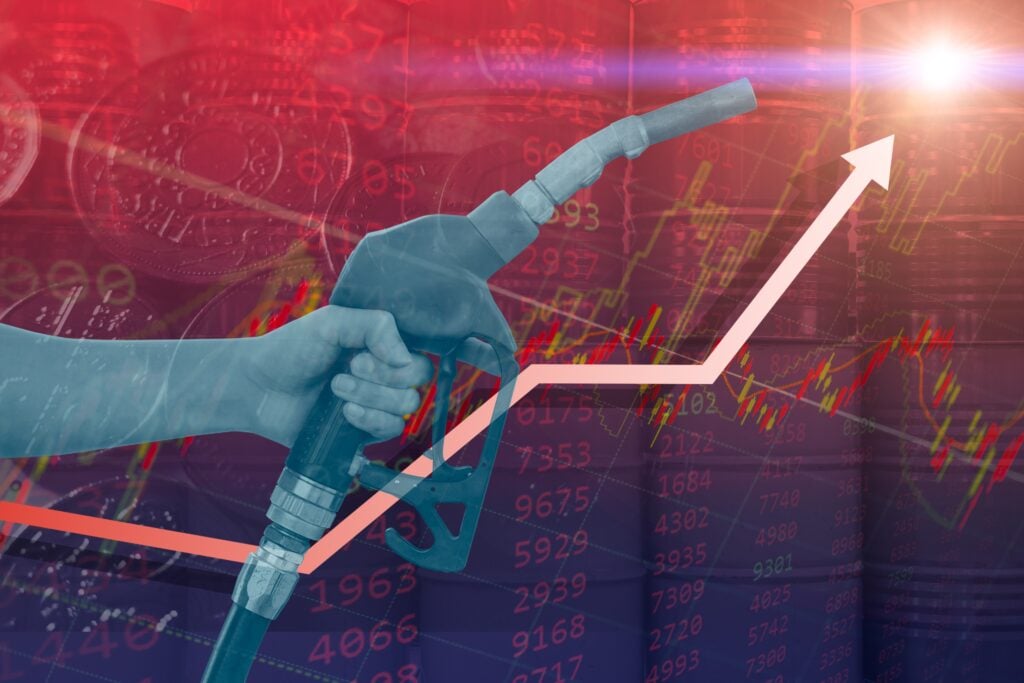
- Extreme Oil Price Volatility: WTI crude futures surged to $119 per barrel due to fears of a prolonged closure of the Strait of Hormuz, but plummeted nearly 30% within 48 hours after President Trump declared the campaign 'pretty well complete', highlighting market sensitivity to supply disruptions.
- Saudi Transport Adjustments: Saudi Aramco confirmed it has rerouted crude shipments through the East-West pipeline to the Red Sea in response to the conflict, ensuring stable supply for customers and reflecting its critical role in the global energy market amid geopolitical tensions.
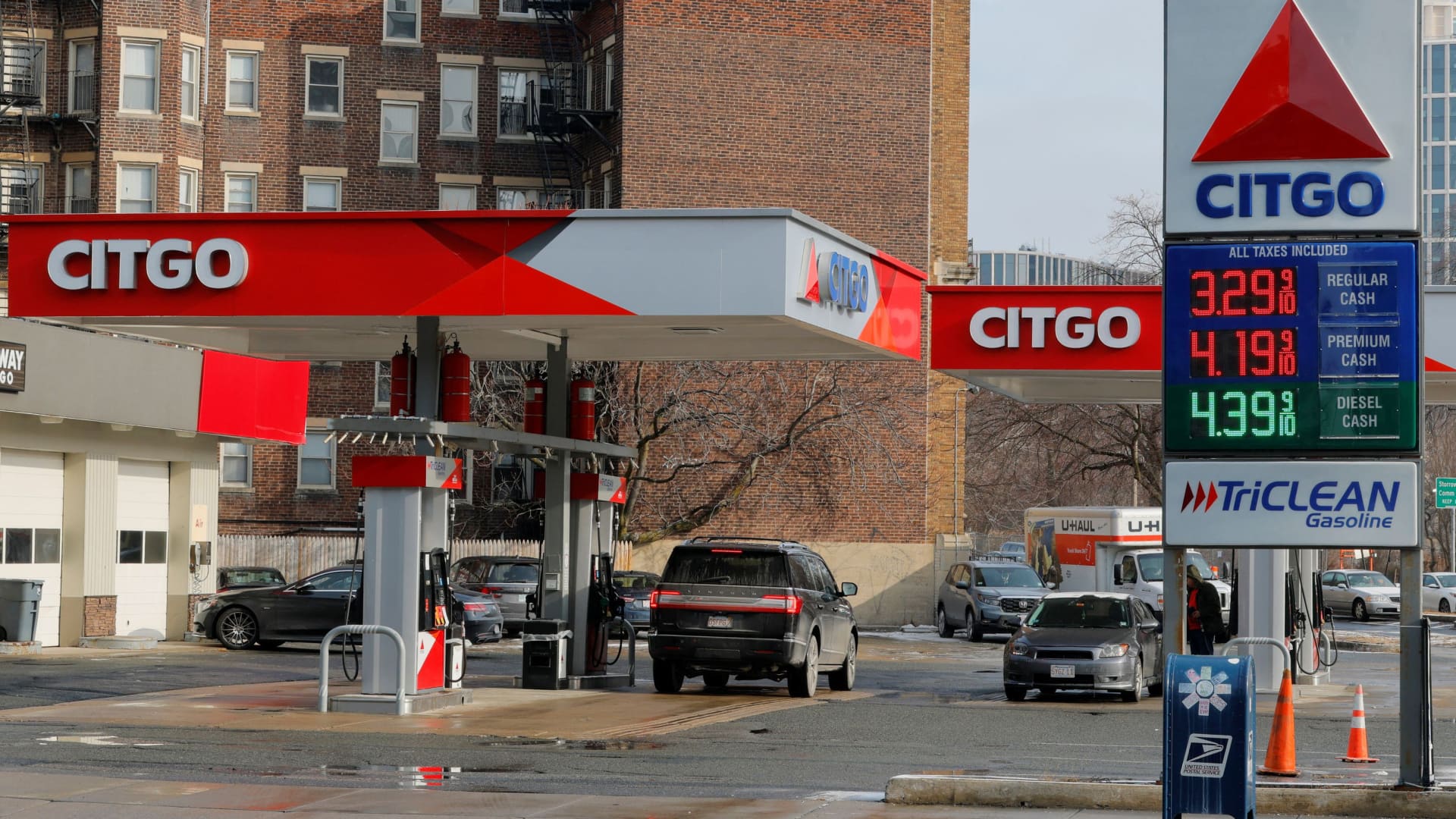
- Rising Retail Gas Prices: Despite a 30% drop in crude oil and an 18% decline in wholesale gasoline prices, U.S. retail gasoline prices continue to rise, with the AAA national average reaching $3.539 per gallon, up 43 cents from a week ago, indicating a lagging response of retail markets to wholesale price fluctuations.
- Refiners Benefit: Amid falling oil prices, shares of refiners Valero, Marathon, and Phillips rose by 1.7%, 1.9%, and 1% respectively, as elevated retail prices allow refiners to capture additional margins, demonstrating the disconnect between wholesale price drops and retail price stability.
US Gas Prices Surge to Highest Level in Over a Year and a Half

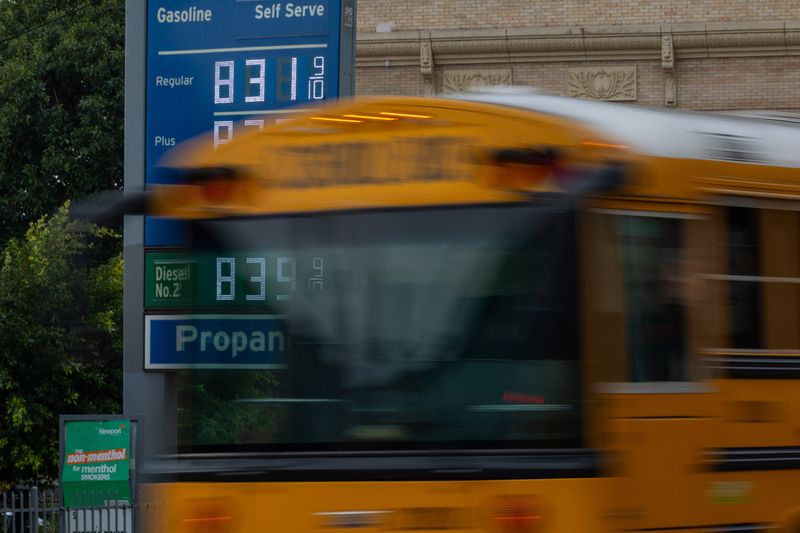
- Surge in Gas Prices: The average price of unleaded gasoline in the U.S. has risen to approximately $3.54 per gallon, marking a 21% increase from a month ago and the highest level since mid-2024, indicating severe disruptions in global oil trade due to the U.S.-Iran conflict.
- Supply Chain Crisis: The U.S.-Israeli strikes on Iran have crippled the crucial Strait of Hormuz, leading to the largest oil supply disruption in history, with gas prices experiencing their biggest three-day jump since Hurricane Katrina in 2005, further exacerbating market uncertainty.
- Political Ramifications: The rise in gas prices threatens Trump's commitment to lowering living costs, a key pillar of his reelection campaign, especially as affordability remains a top concern for voters ahead of the upcoming midterm elections.
- Market Volatility: Despite significant fluctuations, U.S. crude oil prices hover around $84 per barrel, and analysts indicate that future consumer prices will depend on the duration of market disruptions, with retailers potentially needing to raise prices to mitigate margin pressures.

U.S. Treasury Yields Decline as Oil Prices Plummet
- Treasury Yield Changes: U.S. Treasury yields fell as the 10-year yield dropped nearly 2 basis points to 4.117%, the 30-year bond yield decreased to 4.734%, and the 2-year note yield declined by almost 3 basis points to 3.563%, reflecting market uncertainty about future economic conditions.
- Oil Price Fluctuations: President Trump warned that Iran would face 'TWENTY TIMES HARDER' consequences if it attempted to halt shipments through the Strait of Hormuz, causing market panic and leading to a temporary 10% drop in oil prices.
- G7 Emergency Meeting: G7 energy ministers are set to meet virtually to discuss a potential release of emergency oil reserves to address supply disruptions caused by the Iran conflict, with previous finance ministers' discussions deemed 'positive' despite no concrete decisions made.
- Role of IEA: The International Energy Agency's Executive Director participated in the G7 finance ministers' meeting to discuss the global economic outlook and the intensifying Middle East conflict, noting that IEA member countries hold over 1.2 billion barrels of public emergency oil stocks that could be released to alleviate supply pressures.

Oil Prices Could Remain High: 4 Key Insights from the Middle East Energy Crisis

Oil Price Volatility: Oil prices have surged past $100 due to ongoing conflict in the Middle East, with analysts predicting potential further increases if production continues to be curtailed. However, prolonged conflict could harm global economic demand, leading to a possible oversupply situation.
U.S. Shale Producers: U.S. oil producers are positioned favorably as prices remain high, particularly small- and mid-cap companies that are seeing attractive free cash flow. The market has not fully priced in the potential for sustained higher oil prices, creating investment opportunities.
Refining Sector Dynamics: U.S. refiners are benefiting from high international gas prices and reduced competition, leading to significant stock price increases. However, refining margins may decline once supply chains stabilize, suggesting a potential sell-off in refiner stocks.
LNG and Petrochemical Gains: American LNG producers are experiencing a surge in demand due to global supply constraints, while U.S. petrochemical companies are benefiting from rising costs of competing producers. This situation is expected to provide a margin boost for U.S. firms in the long term.
U.S. to Build First Oil Refinery in 50 Years, $300 Billion Deal
- Historic Investment: President Trump announced that the U.S. will get its first oil refinery in 50 years, funded by Indian billionaire Mukesh Ambani's Reliance Industries, with a staggering $300 billion deal marking the largest in U.S. history.
- Enhanced National Security: The new refinery, located at the port of Brownsville, Texas, is designed to process 100% American shale oil, aiming to bolster national security and significantly increase U.S. energy production capabilities.
- Significant Economic Impact: Trump stated that the project will deliver billions of dollars in economic impact, further driving the domestic energy sector's growth and creating numerous job opportunities in related industries.
- Environmental Commitment: The refinery is set to be the cleanest in the world, reflecting a commitment to environmental sustainability while showcasing the U.S.'s strategic shift towards sustainable energy production.
Upcoming U.S. Inflation Data Release
- Inflation Data Forecast: The U.S. Consumer Price Index is set to be released on Wednesday at 8:30 AM, with a month-over-month increase expected at 0.3% and a year-over-year increase at 2.4%, which will significantly impact market sentiment.
- Treasury Yield Dynamics: The current yield on the U.S. 10-year Treasury note stands at 4.156%, with the 2-year yield at 3.592% and the 3-month yield at 3.686%, indicating a cautious market outlook on future interest rate movements.
- Oil Price Fluctuations: Oil prices have risen due to reports of Iran laying anti-ship mines in the Strait of Hormuz, with West Texas Intermediate crude gaining 30% since the onset of the conflict and Brent crude up over 20%, despite overall declines in the commodity market.
- Market Focus: Campbell's is scheduled to report quarterly results on Wednesday morning, having seen its stock fall 12% over the past three months and more than 43% from its peak a year ago, making its performance a key point of interest for investors.
Iran War Triggers Extreme Oil Price Volatility
- Extreme Oil Price Volatility: WTI crude futures surged to $119 per barrel due to fears of a prolonged closure of the Strait of Hormuz, but plummeted nearly 30% within 48 hours after President Trump declared the campaign 'pretty well complete', highlighting market sensitivity to supply disruptions.
- Saudi Transport Adjustments: Saudi Aramco confirmed it has rerouted crude shipments through the East-West pipeline to the Red Sea in response to the conflict, ensuring stable supply for customers and reflecting its critical role in the global energy market amid geopolitical tensions.
- Rising Retail Gas Prices: Despite a 30% drop in crude oil and an 18% decline in wholesale gasoline prices, U.S. retail gasoline prices continue to rise, with the AAA national average reaching $3.539 per gallon, up 43 cents from a week ago, indicating a lagging response of retail markets to wholesale price fluctuations.
- Refiners Benefit: Amid falling oil prices, shares of refiners Valero, Marathon, and Phillips rose by 1.7%, 1.9%, and 1% respectively, as elevated retail prices allow refiners to capture additional margins, demonstrating the disconnect between wholesale price drops and retail price stability.
US Gas Prices Surge to Highest Level in Over a Year and a Half
- Surge in Gas Prices: The average price of unleaded gasoline in the U.S. has risen to approximately $3.54 per gallon, marking a 21% increase from a month ago and the highest level since mid-2024, indicating severe disruptions in global oil trade due to the U.S.-Iran conflict.
- Supply Chain Crisis: The U.S.-Israeli strikes on Iran have crippled the crucial Strait of Hormuz, leading to the largest oil supply disruption in history, with gas prices experiencing their biggest three-day jump since Hurricane Katrina in 2005, further exacerbating market uncertainty.
- Political Ramifications: The rise in gas prices threatens Trump's commitment to lowering living costs, a key pillar of his reelection campaign, especially as affordability remains a top concern for voters ahead of the upcoming midterm elections.
- Market Volatility: Despite significant fluctuations, U.S. crude oil prices hover around $84 per barrel, and analysts indicate that future consumer prices will depend on the duration of market disruptions, with retailers potentially needing to raise prices to mitigate margin pressures.
U.S. Treasury Yields Decline as Oil Prices Plummet
- Treasury Yield Changes: U.S. Treasury yields fell as the 10-year yield dropped nearly 2 basis points to 4.117%, the 30-year bond yield decreased to 4.734%, and the 2-year note yield declined by almost 3 basis points to 3.563%, reflecting market uncertainty about future economic conditions.
- Oil Price Fluctuations: President Trump warned that Iran would face 'TWENTY TIMES HARDER' consequences if it attempted to halt shipments through the Strait of Hormuz, causing market panic and leading to a temporary 10% drop in oil prices.
- G7 Emergency Meeting: G7 energy ministers are set to meet virtually to discuss a potential release of emergency oil reserves to address supply disruptions caused by the Iran conflict, with previous finance ministers' discussions deemed 'positive' despite no concrete decisions made.
- Role of IEA: The International Energy Agency's Executive Director participated in the G7 finance ministers' meeting to discuss the global economic outlook and the intensifying Middle East conflict, noting that IEA member countries hold over 1.2 billion barrels of public emergency oil stocks that could be released to alleviate supply pressures.
Oil Prices Could Remain High: 4 Key Insights from the Middle East Energy Crisis
Oil Price Volatility: Oil prices have surged past $100 due to ongoing conflict in the Middle East, with analysts predicting potential further increases if production continues to be curtailed. However, prolonged conflict could harm global economic demand, leading to a possible oversupply situation.
U.S. Shale Producers: U.S. oil producers are positioned favorably as prices remain high, particularly small- and mid-cap companies that are seeing attractive free cash flow. The market has not fully priced in the potential for sustained higher oil prices, creating investment opportunities.
Refining Sector Dynamics: U.S. refiners are benefiting from high international gas prices and reduced competition, leading to significant stock price increases. However, refining margins may decline once supply chains stabilize, suggesting a potential sell-off in refiner stocks.
LNG and Petrochemical Gains: American LNG producers are experiencing a surge in demand due to global supply constraints, while U.S. petrochemical companies are benefiting from rising costs of competing producers. This situation is expected to provide a margin boost for U.S. firms in the long term.