Peter Thiel Sells Off Entire Nvidia Investment and Reduces Tesla Shares Amid Rising AI Bubble Concerns, Redirects Billions to Two of the Magnificent Seven Stocks

Thiel's Investment Moves: Billionaire Peter Thiel has sold his entire stake in Nvidia and significantly reduced his holdings in Tesla, citing concerns over a potential AI bubble. He also exited his position in Vistra Energy and increased investments in Apple and Microsoft.
SoftBank's Nvidia Exit: Thiel's actions follow SoftBank's complete exit from Nvidia, selling 32.1 million shares despite CEO Masayoshi Son's claims that Nvidia is undervalued and essential for the future of AI.
Thiel's Changing Perspective on Nvidia: Thiel's decision to divest from Nvidia is surprising given his previous support for the company, which he viewed as a leader in AI. He had earlier expressed concerns about the concentration of AI profits within Nvidia.
Market Performance Insights: Nvidia is ranked in the 98th percentile for growth but only in the 3rd percentile for value, indicating a mixed performance profile in the market.
Trade with 70% Backtested Accuracy
Analyst Views on VST

About VST
About the author

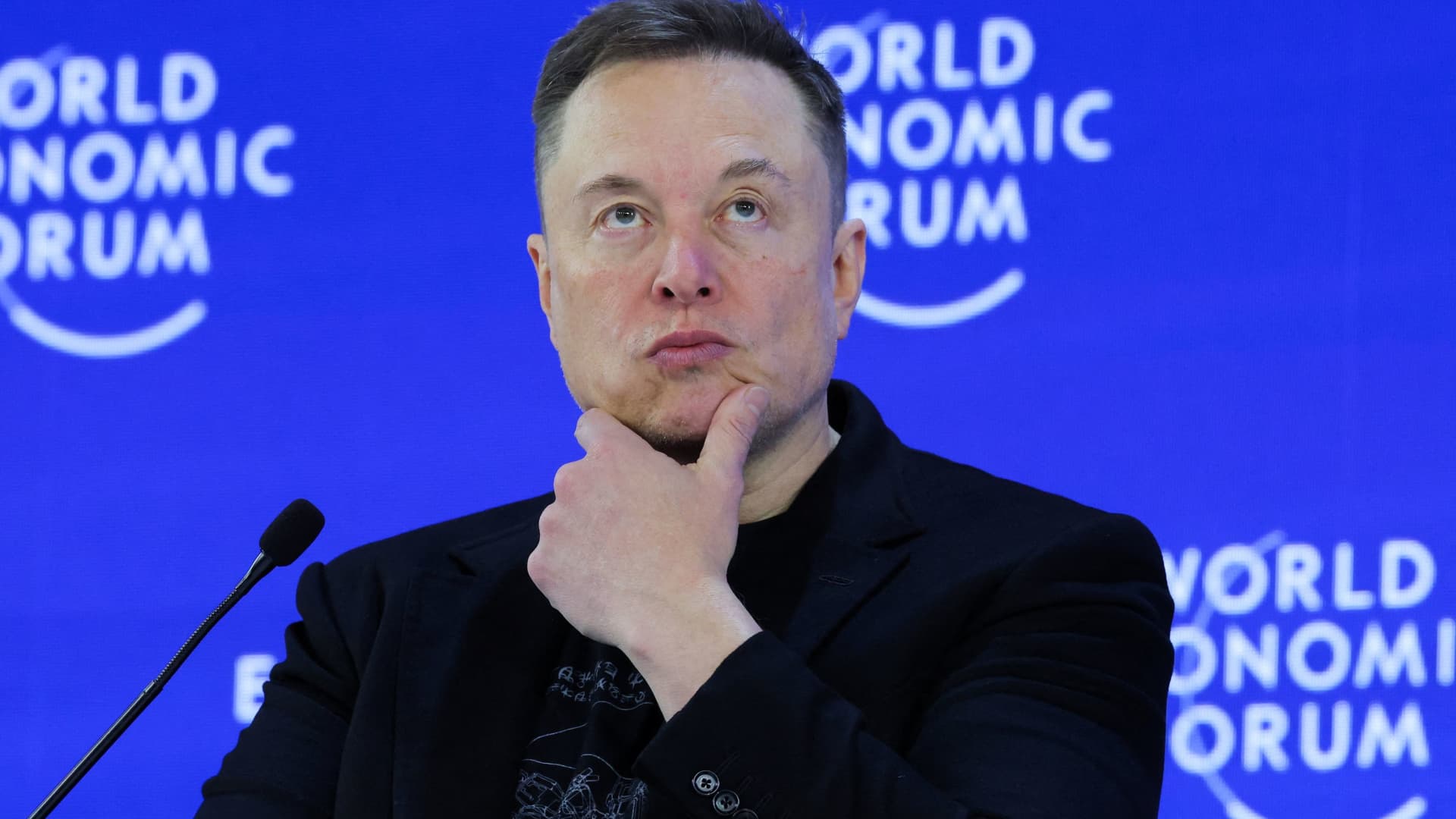
Musk Plans Natural Gas Power Plant in Southaven


- Environmental Controversy: The Mississippi Department of Environmental Quality is set to hold a meeting on Election Day 2026 to decide on key permits for Musk's xAI to build a natural gas power plant in Southaven, which has sparked strong opposition from the NAACP and other civil rights and environmental groups, arguing that the timing conflicts with residents' voting rights.
- Community Opposition: The NAACP has submitted a letter to the environmental agency requesting the meeting be postponed and moved closer to the facility to allow affected residents to participate, highlighting the community's strong discontent with xAI's plans and concerns over air quality and health issues.
- Post-Merger Investment Plans: Following its merger with SpaceX, xAI's valuation reached $1.25 trillion, with plans to invest in a power plant and large data center in Southaven, demonstrating the company's ambition in the rapidly growing generative AI market, but also raising environmental impact concerns.
- Increased Legal Risks: The NAACP has filed a notice of intent to sue xAI for alleged Clean Air Act violations, pointing out that the company has been operating multiple
OpenAI Halts Expansion Plans with Oracle


- Partnership Termination: OpenAI has decided to halt its expansion plans with Oracle at the Stargate data center in Abilene, Texas, due to a preference for newer Nvidia graphics processing units, indicating a rejection of older technology that could impact Oracle's market position.
- Lagging Technology Updates: The current Abilene site is expected to utilize Nvidia's Blackwell processors, which are projected to come online next year, while OpenAI aims to access more powerful next-generation chips elsewhere, potentially affecting its product competitiveness.
- Increased Financial Pressure: Oracle faces a daunting $100 billion debt financing challenge, compounded by its partner Blue Owl declining to fund an additional facility and planning to cut up to 30,000 jobs, which will further exacerbate Oracle's financial strain and market confidence.
- Market Risks Emerge: Oracle's stock has dropped 23% this year and has lost over half its value since peaking in September, indicating a threat to its competitiveness in the AI infrastructure sector, especially as customer demand for the latest hardware continues to rise.

Vistra Expands Virtual Power Plant Program to Enhance Texas Grid Reliability

- Battery Aggregation Expansion: Vistra announced the expansion of its battery aggregation program to include Enphase Energy's IQ® Batteries, further enhancing its residential virtual power plant (VPP) to improve grid reliability in Texas, which is crucial for addressing future electricity demand growth.
- Customer Incentive Mechanism: Through the Battery Rewards program, TXU Energy customers can export stored battery power to the grid during peak demand periods, earning financial incentives while maintaining control of their systems during outages, thereby increasing customer engagement and satisfaction.
- Smart System Coordination: The virtual power plant relies on Kraken's AI-powered platform to coordinate energy assets in real time, automatically adjusting household power consumption during high demand, which reduces grid demand and ensures flexibility and reliability in power supply.
- Growing Market Demand: As Texas experiences rapid population and industrial growth, Vistra's introduction of flexible distributed energy resources enhances grid reliability during critical times, meeting the increasing electricity demand and showcasing its leadership in the energy transition.

Vistra Expands Virtual Power Plant Program to Enhance Texas Grid Reliability
- Battery Aggregation Expansion: Vistra announced the expansion of its battery aggregation program to include Enphase Energy's IQ® Batteries, further enhancing its virtual power plant (VPP) in Texas by allowing stored power to be exported to the grid during peak demand, thereby improving grid reliability.
- Customer Incentive Mechanism: TXU Energy customers participating in the Battery Rewards program can earn financial incentives for exporting power to the grid while maintaining control of their systems during local outages, ensuring flexibility and safety in energy usage.
- Demand Response Solutions: As Texas experiences rapid energy demand growth, Vistra is leveraging flexible distributed energy resources, such as home battery systems, to manage peak demand and maximize the efficiency of existing grid infrastructure, thereby enhancing overall grid reliability.
- Smart System Coordination: The virtual power plant relies on Kraken's AI-powered platform to automatically adjust power sources for participating homes during high demand, reducing grid reliance and allowing excess stored energy to be exported, facilitating customer participation in a more flexible, affordable, and reliable energy system.
Broadcom Reports Strong Earnings, AI Revenue Doubles


- Strong Earnings from Broadcom: Broadcom reported better-than-expected earnings and revenue for Q1, with shares rising 6.5% in after-hours trading, reflecting investor confidence in the company's growth prospects.
- AI Market Potential: CEO Hock Tan indicated that AI chip revenue could exceed $100 billion by 2027, positioning Broadcom favorably in the rapidly expanding AI sector.
- Legal Proceedings Update: Billionaire Elon Musk testified in federal court, denying allegations of civil securities fraud related to his Twitter acquisition, asserting that his tweets do not always impact stock prices as expected, which may influence investor sentiment.
- Travel Industry Crisis: The global travel sector faces significant challenges with over 20,000 flights canceled due to the Middle East conflict, stranding over a million travelers, highlighting the substantial impact of geopolitical tensions on the travel industry.

Trump Pushes Tech Firms for Self-Powered AI Data Centers


- Self-Power Commitment: Trump is set to sign an agreement with major tech firms like Amazon, Google, and Meta, mandating them to supply their own power for AI data centers, addressing rising public anger over electricity prices, although the specifics of the commitment remain unclear.
- Rising Electricity Pressure: Average residential electricity prices in the U.S. increased by 6% in 2025, contrasting Trump's promise to halve prices during his term, highlighting the government's challenges in controlling energy costs, which could impact his support in the midterm elections.
- Implementation Challenges: The decentralized nature of electric grid regulations across states poses significant hurdles for the Trump administration in converting the pledge into actionable policy, with experts indicating that new federal legislation is necessary to address power supply shortages.
- Increased Political Pressure: Trump is leveraging his political influence to pressure tech companies into absorbing the costs associated with their data centers, despite the complexities arising from state-level regulation of power generation, which may complicate policy implementation.
Musk Plans Natural Gas Power Plant in Southaven
- Environmental Controversy: The Mississippi Department of Environmental Quality is set to hold a meeting on Election Day 2026 to decide on key permits for Musk's xAI to build a natural gas power plant in Southaven, which has sparked strong opposition from the NAACP and other civil rights and environmental groups, arguing that the timing conflicts with residents' voting rights.
- Community Opposition: The NAACP has submitted a letter to the environmental agency requesting the meeting be postponed and moved closer to the facility to allow affected residents to participate, highlighting the community's strong discontent with xAI's plans and concerns over air quality and health issues.
- Post-Merger Investment Plans: Following its merger with SpaceX, xAI's valuation reached $1.25 trillion, with plans to invest in a power plant and large data center in Southaven, demonstrating the company's ambition in the rapidly growing generative AI market, but also raising environmental impact concerns.
- Increased Legal Risks: The NAACP has filed a notice of intent to sue xAI for alleged Clean Air Act violations, pointing out that the company has been operating multiple
OpenAI Halts Expansion Plans with Oracle
- Partnership Termination: OpenAI has decided to halt its expansion plans with Oracle at the Stargate data center in Abilene, Texas, due to a preference for newer Nvidia graphics processing units, indicating a rejection of older technology that could impact Oracle's market position.
- Lagging Technology Updates: The current Abilene site is expected to utilize Nvidia's Blackwell processors, which are projected to come online next year, while OpenAI aims to access more powerful next-generation chips elsewhere, potentially affecting its product competitiveness.
- Increased Financial Pressure: Oracle faces a daunting $100 billion debt financing challenge, compounded by its partner Blue Owl declining to fund an additional facility and planning to cut up to 30,000 jobs, which will further exacerbate Oracle's financial strain and market confidence.
- Market Risks Emerge: Oracle's stock has dropped 23% this year and has lost over half its value since peaking in September, indicating a threat to its competitiveness in the AI infrastructure sector, especially as customer demand for the latest hardware continues to rise.
Vistra Expands Virtual Power Plant Program to Enhance Texas Grid Reliability
- Battery Aggregation Expansion: Vistra announced the expansion of its battery aggregation program to include Enphase Energy's IQ® Batteries, further enhancing its residential virtual power plant (VPP) to improve grid reliability in Texas, which is crucial for addressing future electricity demand growth.
- Customer Incentive Mechanism: Through the Battery Rewards program, TXU Energy customers can export stored battery power to the grid during peak demand periods, earning financial incentives while maintaining control of their systems during outages, thereby increasing customer engagement and satisfaction.
- Smart System Coordination: The virtual power plant relies on Kraken's AI-powered platform to coordinate energy assets in real time, automatically adjusting household power consumption during high demand, which reduces grid demand and ensures flexibility and reliability in power supply.
- Growing Market Demand: As Texas experiences rapid population and industrial growth, Vistra's introduction of flexible distributed energy resources enhances grid reliability during critical times, meeting the increasing electricity demand and showcasing its leadership in the energy transition.
Vistra Expands Virtual Power Plant Program to Enhance Texas Grid Reliability
- Battery Aggregation Expansion: Vistra announced the expansion of its battery aggregation program to include Enphase Energy's IQ® Batteries, further enhancing its virtual power plant (VPP) in Texas by allowing stored power to be exported to the grid during peak demand, thereby improving grid reliability.
- Customer Incentive Mechanism: TXU Energy customers participating in the Battery Rewards program can earn financial incentives for exporting power to the grid while maintaining control of their systems during local outages, ensuring flexibility and safety in energy usage.
- Demand Response Solutions: As Texas experiences rapid energy demand growth, Vistra is leveraging flexible distributed energy resources, such as home battery systems, to manage peak demand and maximize the efficiency of existing grid infrastructure, thereby enhancing overall grid reliability.
- Smart System Coordination: The virtual power plant relies on Kraken's AI-powered platform to automatically adjust power sources for participating homes during high demand, reducing grid reliance and allowing excess stored energy to be exported, facilitating customer participation in a more flexible, affordable, and reliable energy system.
Broadcom Reports Strong Earnings, AI Revenue Doubles
- Strong Earnings from Broadcom: Broadcom reported better-than-expected earnings and revenue for Q1, with shares rising 6.5% in after-hours trading, reflecting investor confidence in the company's growth prospects.
- AI Market Potential: CEO Hock Tan indicated that AI chip revenue could exceed $100 billion by 2027, positioning Broadcom favorably in the rapidly expanding AI sector.
- Legal Proceedings Update: Billionaire Elon Musk testified in federal court, denying allegations of civil securities fraud related to his Twitter acquisition, asserting that his tweets do not always impact stock prices as expected, which may influence investor sentiment.
- Travel Industry Crisis: The global travel sector faces significant challenges with over 20,000 flights canceled due to the Middle East conflict, stranding over a million travelers, highlighting the substantial impact of geopolitical tensions on the travel industry.
Trump Pushes Tech Firms for Self-Powered AI Data Centers
- Self-Power Commitment: Trump is set to sign an agreement with major tech firms like Amazon, Google, and Meta, mandating them to supply their own power for AI data centers, addressing rising public anger over electricity prices, although the specifics of the commitment remain unclear.
- Rising Electricity Pressure: Average residential electricity prices in the U.S. increased by 6% in 2025, contrasting Trump's promise to halve prices during his term, highlighting the government's challenges in controlling energy costs, which could impact his support in the midterm elections.
- Implementation Challenges: The decentralized nature of electric grid regulations across states poses significant hurdles for the Trump administration in converting the pledge into actionable policy, with experts indicating that new federal legislation is necessary to address power supply shortages.
- Increased Political Pressure: Trump is leveraging his political influence to pressure tech companies into absorbing the costs associated with their data centers, despite the complexities arising from state-level regulation of power generation, which may complicate policy implementation.