PENN Entertainment Expects to Open New Casino on June 24
PENN Entertainment expects to open the new land-based Hollywood Casino Aurora to the public on Wednesday, June 24, pending customary regulatory approvals. This will be the second all-new PENN property to open in the Chicagoland region following the grand opening of the land-based Hollywood Casino Joliet in August 2025. The new $360 million entertainment destination is being developed across from Chicago Premium Outlets, located near Interstate-88 in Aurora. The state-of-the-art property will feature a luxurious hotel, more than 1,200 gaming positions, a retail sportsbook, outdoor entertainment area, full-service spa, premium bars and restaurants, a 12,000 square foot event center and approximately 1,700 parking spaces. The Company expects to employ approximately 700 team members at the new casino, which nearly doubles PENN's existing employee roster in Aurora.
Trade with 70% Backtested Accuracy
Analyst Views on PENN

About PENN
About the author


PENN Entertainment to Release Q1 2026 Financial Results on April 23

- Earnings Release Schedule: PENN Entertainment will announce its Q1 2026 financial results on April 23 at 7:00 a.m. ET, followed by a conference call and webcast at 8:00 a.m., demonstrating the company's commitment to transparency and investor communication.
- Participation Details: The conference call number is 785-424-1699 (conference ID: PENN), with a recommendation for participants to call five minutes in advance to ensure connection, highlighting the company's focus on investor experience.
- Technical Support Information: Participants can access the live call at www.pennentertainment.com, allowing 15 minutes for registration, download, and installation of necessary software, reflecting the company's investment in digital communication.
- Customer Loyalty Program: PENN's PENN Play™ loyalty program boasts over 33 million members, offering unique rewards and experiences that enhance its market competitiveness and customer retention.
NFL Requests Ban on Manipulable Betting Contracts


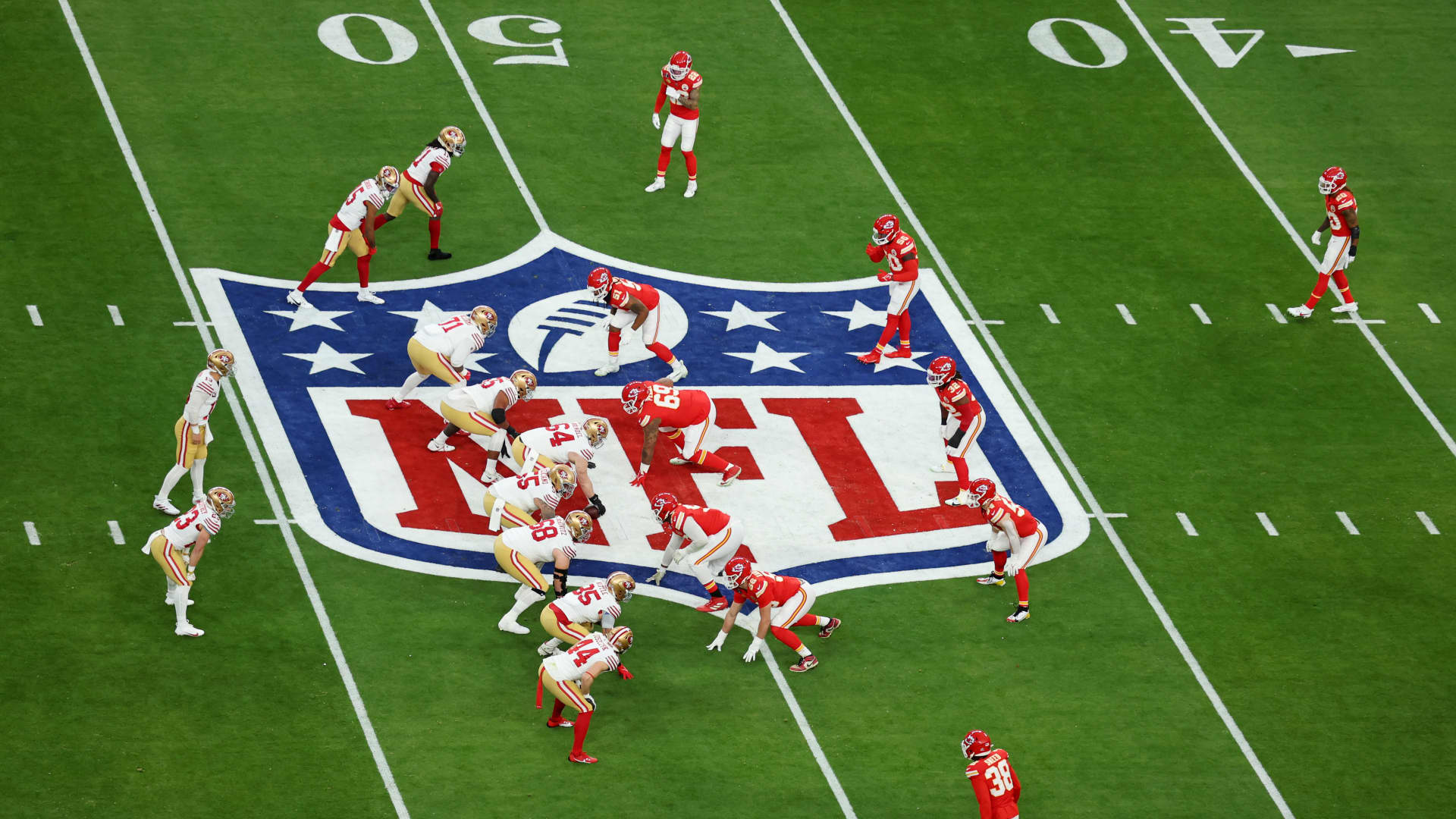
- Market Regulation: The NFL has sent a letter to prediction market operators requesting the removal of what it deems 'objectionable bets' from their platforms to safeguard the integrity of the games and the interests of participants.
- Manipulability Concerns: The letter outlines examples of event contracts that could be easily manipulated by a single individual, such as whether a kicker will miss a field goal, highlighting the NFL's vigilance regarding these types of wagers.
- Market Participant Dynamics: While the NFL remains cautious about prediction markets, platforms like Kalshi and Polymarket have rapidly emerged in this burgeoning industry, attracting interest from traditional sports betting companies like FanDuel and DraftKings.
- Regulatory Call: NFL executives have stated that the current lack of effective regulation in sports prediction markets necessitates continued engagement with the CFTC to establish essential regulatory frameworks that protect game integrity.

Consumer Sentiment Plummets, Impacting Stock Market


- Consumer Confidence Drop: The University of Michigan's survey revealed a March consumer sentiment index of 55.3, the lowest this year, primarily driven by financial concerns stemming from the Iran war, particularly among middle and higher-income households, which may lead to reduced consumer spending and impact corporate earnings and economic growth.
- Rising Inflation Expectations: Consumers now anticipate an average inflation rate of 3.8% over the next 12 months, indicating heightened concerns about the economic outlook, which could prompt more cautious spending behavior and exacerbate the risk of economic slowdown.
- Market Reaction: Stocks such as Opendoor, PENN Entertainment, and Bally's experienced significant declines, with Opendoor down 3.8%, PENN down 5.7%, and Bally's down 6.2%, reflecting the market's sensitivity to negative news and potentially providing investors with opportunities to buy quality stocks at lower prices.
- Bally's Stock Volatility: Bally's shares have seen 61 moves greater than 5% in the past year; despite today's drop, the market perceives the news as meaningful but not fundamentally altering its view of the business, especially following its partnership with Intralot to launch new lottery brands, which may support future growth.
Impact of Sports Betting on Household Finances


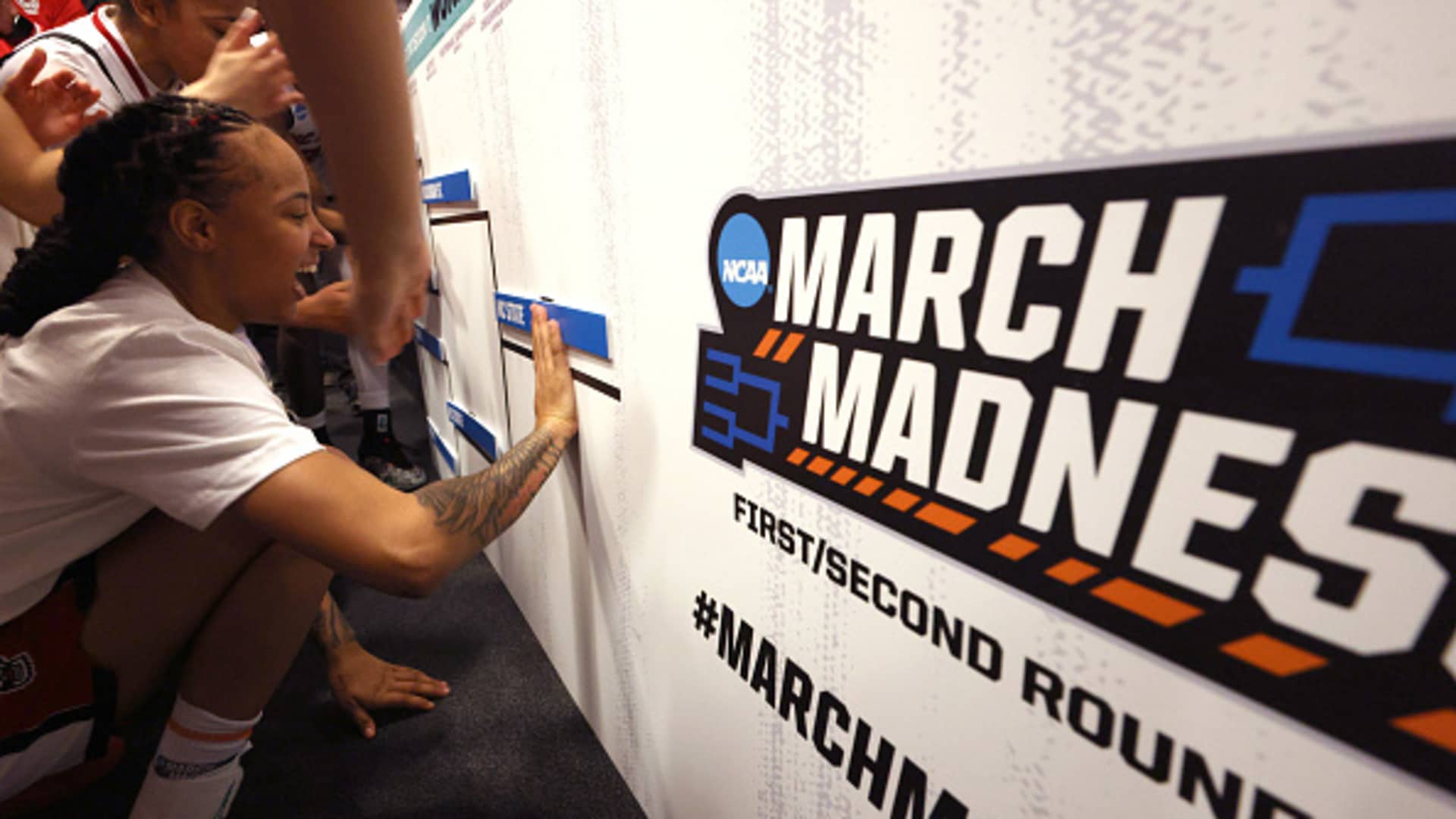
- Surge in Betting Expenditure: The American Gaming Association estimates that legal sports betting for this year's NCAA men's and women's basketball tournaments will reach $3.3 billion, marking a 54% increase over the past three years, indicating a rapid rise in sports betting participation, which may strain household financial stability.
- Deteriorating Credit Health: A report from the New York Federal Reserve highlights an increase in credit delinquencies in states with legalized betting, particularly among those under 40, suggesting that gambling may significantly impact young consumers' financial health and lead to higher bankruptcy risks.
- Declining Credit Scores: According to FICO, the national average credit score has dropped to 714, down two points from last year, primarily due to the resumption of student loan and mortgage delinquency reporting, reflecting an overall deterioration in consumer credit health.
- Economic Divergence: While some consumers face worsening credit conditions, FICO also notes a growing number of consumers exhibiting strong credit behaviors at both ends of the scoring spectrum, indicating a K-shaped recovery in the economy, where some borrowers are experiencing increased financial pressure.

Senators Push to Ban Sports Prediction Markets Amid Insider Trading Concerns


- Legislative Proposal: Senators Adam Schiff and John Curtis introduced the Prediction Markets are Gambling Act, aiming to transfer regulatory control of sports betting and casino-style games to states rather than federal agencies, which could significantly alter the existing market structure.
- Insufficient Self-Regulation: Despite Kalshi and Polymarket announcing new rules to restrict relevant individuals from betting on their platforms, Schiff argues that these measures are inadequate, emphasizing the need for stricter oversight to prevent insider trading and market manipulation.
- Market Risk Warning: Schiff cautioned that current regulations fail to effectively address the potential risks of insider trading, particularly with the application of blockchain technology, which could lead to unregulated gambling activities that undermine market fairness.
- Economic Impact Analysis: Research from the Federal Reserve Bank of New York indicates that while only about 3% of the population engages in sports betting post-legalization, overall credit delinquency rises by 0.3 percentage points, highlighting the potential negative impact of widespread gambling on household financial stability.

DraftKings and Flutter Shares Surge Following New Legislation to Prohibit Sports Betting via Prediction Markets

- Gambling Stocks Performance: Gambling stocks experienced an increase in trading on Monday morning.
- Legislative Action: U.S. senators have introduced a bill aimed at banning sports bets through prediction markets.
PENN Entertainment to Release Q1 2026 Financial Results on April 23
- Earnings Release Schedule: PENN Entertainment will announce its Q1 2026 financial results on April 23 at 7:00 a.m. ET, followed by a conference call and webcast at 8:00 a.m., demonstrating the company's commitment to transparency and investor communication.
- Participation Details: The conference call number is 785-424-1699 (conference ID: PENN), with a recommendation for participants to call five minutes in advance to ensure connection, highlighting the company's focus on investor experience.
- Technical Support Information: Participants can access the live call at www.pennentertainment.com, allowing 15 minutes for registration, download, and installation of necessary software, reflecting the company's investment in digital communication.
- Customer Loyalty Program: PENN's PENN Play™ loyalty program boasts over 33 million members, offering unique rewards and experiences that enhance its market competitiveness and customer retention.
NFL Requests Ban on Manipulable Betting Contracts
- Market Regulation: The NFL has sent a letter to prediction market operators requesting the removal of what it deems 'objectionable bets' from their platforms to safeguard the integrity of the games and the interests of participants.
- Manipulability Concerns: The letter outlines examples of event contracts that could be easily manipulated by a single individual, such as whether a kicker will miss a field goal, highlighting the NFL's vigilance regarding these types of wagers.
- Market Participant Dynamics: While the NFL remains cautious about prediction markets, platforms like Kalshi and Polymarket have rapidly emerged in this burgeoning industry, attracting interest from traditional sports betting companies like FanDuel and DraftKings.
- Regulatory Call: NFL executives have stated that the current lack of effective regulation in sports prediction markets necessitates continued engagement with the CFTC to establish essential regulatory frameworks that protect game integrity.
Consumer Sentiment Plummets, Impacting Stock Market
- Consumer Confidence Drop: The University of Michigan's survey revealed a March consumer sentiment index of 55.3, the lowest this year, primarily driven by financial concerns stemming from the Iran war, particularly among middle and higher-income households, which may lead to reduced consumer spending and impact corporate earnings and economic growth.
- Rising Inflation Expectations: Consumers now anticipate an average inflation rate of 3.8% over the next 12 months, indicating heightened concerns about the economic outlook, which could prompt more cautious spending behavior and exacerbate the risk of economic slowdown.
- Market Reaction: Stocks such as Opendoor, PENN Entertainment, and Bally's experienced significant declines, with Opendoor down 3.8%, PENN down 5.7%, and Bally's down 6.2%, reflecting the market's sensitivity to negative news and potentially providing investors with opportunities to buy quality stocks at lower prices.
- Bally's Stock Volatility: Bally's shares have seen 61 moves greater than 5% in the past year; despite today's drop, the market perceives the news as meaningful but not fundamentally altering its view of the business, especially following its partnership with Intralot to launch new lottery brands, which may support future growth.
Impact of Sports Betting on Household Finances
- Surge in Betting Expenditure: The American Gaming Association estimates that legal sports betting for this year's NCAA men's and women's basketball tournaments will reach $3.3 billion, marking a 54% increase over the past three years, indicating a rapid rise in sports betting participation, which may strain household financial stability.
- Deteriorating Credit Health: A report from the New York Federal Reserve highlights an increase in credit delinquencies in states with legalized betting, particularly among those under 40, suggesting that gambling may significantly impact young consumers' financial health and lead to higher bankruptcy risks.
- Declining Credit Scores: According to FICO, the national average credit score has dropped to 714, down two points from last year, primarily due to the resumption of student loan and mortgage delinquency reporting, reflecting an overall deterioration in consumer credit health.
- Economic Divergence: While some consumers face worsening credit conditions, FICO also notes a growing number of consumers exhibiting strong credit behaviors at both ends of the scoring spectrum, indicating a K-shaped recovery in the economy, where some borrowers are experiencing increased financial pressure.
Senators Push to Ban Sports Prediction Markets Amid Insider Trading Concerns
- Legislative Proposal: Senators Adam Schiff and John Curtis introduced the Prediction Markets are Gambling Act, aiming to transfer regulatory control of sports betting and casino-style games to states rather than federal agencies, which could significantly alter the existing market structure.
- Insufficient Self-Regulation: Despite Kalshi and Polymarket announcing new rules to restrict relevant individuals from betting on their platforms, Schiff argues that these measures are inadequate, emphasizing the need for stricter oversight to prevent insider trading and market manipulation.
- Market Risk Warning: Schiff cautioned that current regulations fail to effectively address the potential risks of insider trading, particularly with the application of blockchain technology, which could lead to unregulated gambling activities that undermine market fairness.
- Economic Impact Analysis: Research from the Federal Reserve Bank of New York indicates that while only about 3% of the population engages in sports betting post-legalization, overall credit delinquency rises by 0.3 percentage points, highlighting the potential negative impact of widespread gambling on household financial stability.
DraftKings and Flutter Shares Surge Following New Legislation to Prohibit Sports Betting via Prediction Markets
- Gambling Stocks Performance: Gambling stocks experienced an increase in trading on Monday morning.
- Legislative Action: U.S. senators have introduced a bill aimed at banning sports bets through prediction markets.