Oracle Faces Rising Credit Risk Amid Accelerated AI Spending
Written by Emily J. Thompson, Senior Investment Analyst
Updated: 1 day ago
0mins

Should l Buy ORCL?
Source: NASDAQ.COM
- Rising Credit Risk: Oracle's five-year credit default swap (CDS) spread has surged to 198 basis points, the highest on record, indicating increasing concerns among bond investors regarding the company's high leverage, which could lead to higher financing costs and impact future capital expenditures.
- Debt Surge: As of Q3 FY2026, Oracle's non-current debt has skyrocketed to approximately $124.7 billion, up sharply from $85 billion a year earlier, with net debt exceeding $95 billion, highlighting a significant gap between cash generation and funding needs that may affect the company's financial stability.
- Strong Performance Growth: Despite the high risks, Oracle's cloud infrastructure revenue surged 84% year over year, while its multi-cloud database business grew an impressive 531%, indicating that the company's investments in AI and cloud computing are yielding substantial revenue growth, with potential for sustainable cash flow in the future.
- Uncertain Future Outlook: Oracle plans to raise $45 billion to $50 billion in 2026 through a mix of equity and debt financing to support its AI infrastructure buildout; however, delays in data center deployment or slow customer ramp-ups could extend the gap between spending and returns, increasing investor risk.
Trade with 70% Backtested Accuracy
Stop guessing "Should I Buy ORCL?" and start using high-conviction signals backed by rigorous historical data.
Sign up today to access powerful investing tools and make smarter, data-driven decisions.
Analyst Views on ORCL
Wall Street analysts forecast ORCL stock price to rise
34 Analyst Rating
25 Buy
9 Hold
0 Sell
Moderate Buy
Current: 137.860

Low
180.00
Averages
309.59
High
400.00
Current: 137.860
Low
180.00
Averages
309.59
High
400.00
About ORCL
Oracle Corporation offers integrated suites of applications plus secure, autonomous infrastructure in the Oracle Cloud. The Company operates through three businesses: cloud and license, hardware and service. Its cloud and license business is engaged in the sale, marketing and delivery of its enterprise applications and infrastructure technologies through cloud and on-premise deployment models including its cloud services and license support offerings, and its cloud license and on-premise license offerings. Its hardware business provides infrastructure technologies including Oracle Engineered Systems, servers, storage, industry-specific hardware, operating systems, virtualization, management and other hardware-related software to support diverse IT environments. Its services business provides services to customers and partners to help maximize the performance of their investments in Oracle applications and infrastructure technologies.
About the author

Emily J. Thompson
Emily J. Thompson, a Chartered Financial Analyst (CFA) with 12 years in investment research, graduated with honors from the Wharton School. Specializing in industrial and technology stocks, she provides in-depth analysis for Intellectia’s earnings and market brief reports.
Oracle's Potential in the Sovereign AI Market

- Market Potential: Oracle operates over 50 public cloud regions across 28 countries, with sovereign cloud services in Germany and Spain indicating strong market demand, which is expected to generate stable long-term revenue for the company.
- Strong Financial Performance: With a market cap of approximately $420 billion and over $134 billion in debt, Oracle reported a 16% year-over-year revenue growth to $48 billion in the first nine months of fiscal 2026, with cloud-related revenue rising by 35%, showcasing robust business growth potential.
- Investor Confidence Fluctuations: Despite the $300 billion agreement with OpenAI being seen as a potential gold mine, investor skepticism about the realization of revenue commitments has intensified, leading to a 3.67% drop in stock price, currently at $137.90.
- Strategic Importance of Sovereign AI: Oracle's positioning in the sovereign AI market offers greater revenue certainty, and despite uncertainties surrounding its partnership with OpenAI, continued growth in sovereign cloud services may enable it to reach a $1 trillion market cap faster than its smaller competitors.
See More

Market Focus on AI Bubble Risks

- Equity Market Analysis: In 2026, Oracle and Microsoft's poor stock performance is largely attributed to their significant reliance on OpenAI, with Oracle's $300 billion cloud computing agreement highlighting market concerns over an AI bubble.
- Debt Market Sentiment: Analysis of credit default swaps (CDS) reveals that the debt market is not particularly worried about default risks for Alphabet and Microsoft, but shows heightened concern for Oracle, indicating doubts about its earnings potential.
- OpenAI Funding Dynamics: OpenAI's recent funding round raised $122 billion, achieving a post-money valuation of $852 billion, suggesting that while investors are still willing to back AI growth, there are ongoing concerns about the costs associated with infrastructure development.
- Strategic Investment Choices: Given the current landscape, investors are advised to focus on well-funded companies like Alphabet that lead in engine model development, rather than Oracle, which is focused on building AI infrastructure for OpenAI.
See More

Debt Markets Show Increased Default Risk Concerns for Oracle
- Debt Market Concerns: The debt market shows heightened concern for Oracle's default risk, particularly due to its $300 billion cloud computing agreement with OpenAI, which may limit future profitability and impact investor confidence.
- Equity Underperformance: Oracle and Microsoft's stock performance in 2026 has been poor, primarily due to their significant reliance on OpenAI, leading to increased market worries about their earnings potential and long-term growth prospects.
- CDS Analysis: Credit default swap (CDS) data indicates that Oracle's default risk is priced higher in the market, while Alphabet and Microsoft are viewed as having lower risk, reflecting stronger investor confidence in these companies.
- AI Investment Outlook: Despite OpenAI's recent successful funding round of $122 billion indicating investor support for AI companies, concerns about Oracle's infrastructure capabilities persist, suggesting investors should favor well-funded firms like Alphabet.
See More
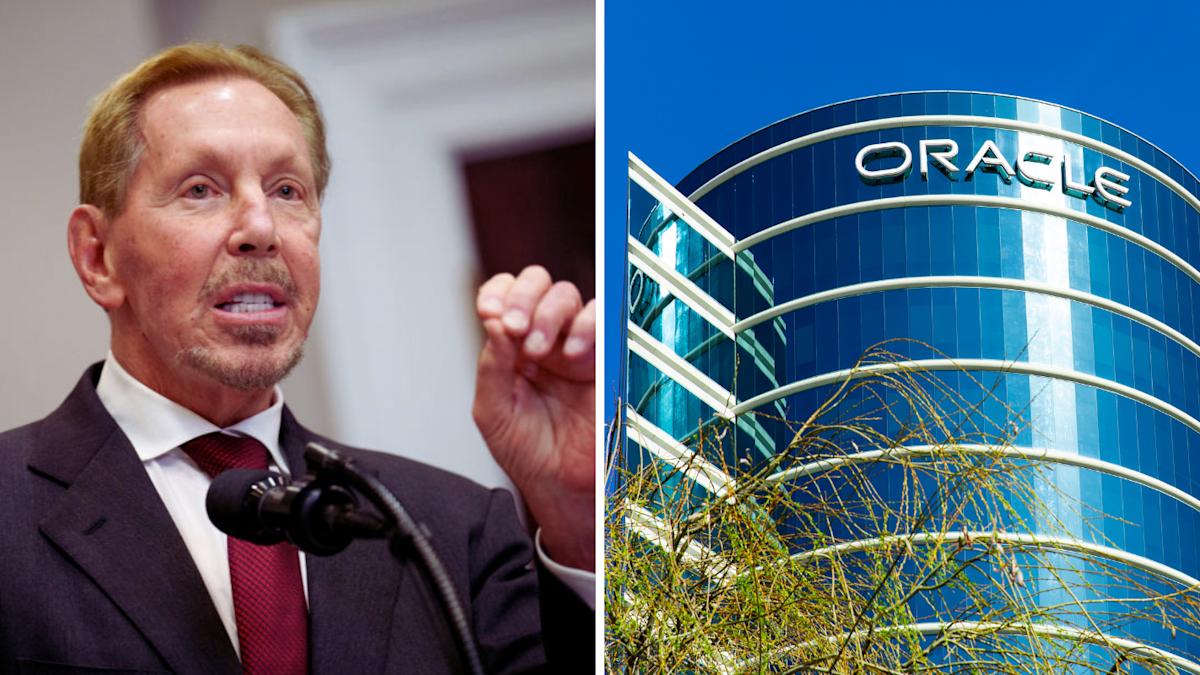
Oracle's New CFO Receives $26 Million Stock Package Amid Layoffs
- Executive Change: Oracle appointed Hilary Maxson as the new CFO with a base salary of $950,000 and a potential performance bonus of $2.5 million, indicating the company's focus on financial management post-restructuring.
- Layoff Controversy: Following the layoff of 30,000 employees, some former workers questioned the criteria for cuts, particularly targeting those with unvested stock options, suggesting potential algorithmic bias in the decision-making process.
- Financial Performance: Oracle reported a 95% increase in net income to $6.13 billion last quarter, with future contracted revenue reaching $130 billion, showcasing strong revenue growth, yet facing over $100 billion in debt pressure.
- AI Investment Plans: Oracle plans to invest $50 billion in AI infrastructure this fiscal year, with layoffs expected to free up $8 to $10 billion in cash flow to support its strategic transformation.
See More

Software Stocks Record Worst Performance in History


- Software Stock Plunge: The iShares Expanded Tech-Software Sector ETF (IGV) plummeted over 24% in Q1 2026, marking the steepest quarterly decline since Q4 2008, reflecting investor fears that AI could replace traditional software platforms, leading to a dramatic drop in market confidence.
- Surge in Short Selling: Goldman Sachs reports that short-selling volume across individual stocks has reached its highest level since 2016, indicating heightened panic among investors, as the software sector's relative performance has exceeded declines seen during the dot-com bust and the financial crisis.
- Goldman's Strategic Response: Goldman Sachs introduced an
See More

Oracle Shares Drop 25% Amid AI Investment Concerns

- Rising Debt Risks: Oracle's five-year credit default swap (CDS) spread has surged to 198 basis points, the highest on record, indicating that bond investors are demanding higher compensation due to concerns over the company's high leverage levels, reflecting market apprehension about its financial stability.
- Significant Growth in RPO: As of Q3 FY2026, Oracle's remaining performance obligations (RPO) reached approximately $553 billion, a staggering 325% year-over-year increase, providing strong multi-year revenue visibility despite the associated risks of high debt levels.
- Surge in Cloud Infrastructure Revenue: Oracle's cloud infrastructure (OCI) revenue soared by 84% year-over-year, while total cloud revenues rose 44% in Q3, demonstrating robust growth in its multi-cloud database business as enterprises increasingly adopt Oracle databases across major platforms.
- Cash Flow Pressure: By the end of Q3, Oracle's non-current debt surged to about $124.7 billion, with net debt exceeding $95 billion, while operating cash flow was only $17.3 billion, highlighting a significant gap between funding needs and cash generation, which will critically influence future stock price movements.
See More
Oracle's Potential in the Sovereign AI Market
- Market Potential: Oracle operates over 50 public cloud regions across 28 countries, with sovereign cloud services in Germany and Spain indicating strong market demand, which is expected to generate stable long-term revenue for the company.
- Strong Financial Performance: With a market cap of approximately $420 billion and over $134 billion in debt, Oracle reported a 16% year-over-year revenue growth to $48 billion in the first nine months of fiscal 2026, with cloud-related revenue rising by 35%, showcasing robust business growth potential.
- Investor Confidence Fluctuations: Despite the $300 billion agreement with OpenAI being seen as a potential gold mine, investor skepticism about the realization of revenue commitments has intensified, leading to a 3.67% drop in stock price, currently at $137.90.
- Strategic Importance of Sovereign AI: Oracle's positioning in the sovereign AI market offers greater revenue certainty, and despite uncertainties surrounding its partnership with OpenAI, continued growth in sovereign cloud services may enable it to reach a $1 trillion market cap faster than its smaller competitors.
See More
Market Focus on AI Bubble Risks
- Equity Market Analysis: In 2026, Oracle and Microsoft's poor stock performance is largely attributed to their significant reliance on OpenAI, with Oracle's $300 billion cloud computing agreement highlighting market concerns over an AI bubble.
- Debt Market Sentiment: Analysis of credit default swaps (CDS) reveals that the debt market is not particularly worried about default risks for Alphabet and Microsoft, but shows heightened concern for Oracle, indicating doubts about its earnings potential.
- OpenAI Funding Dynamics: OpenAI's recent funding round raised $122 billion, achieving a post-money valuation of $852 billion, suggesting that while investors are still willing to back AI growth, there are ongoing concerns about the costs associated with infrastructure development.
- Strategic Investment Choices: Given the current landscape, investors are advised to focus on well-funded companies like Alphabet that lead in engine model development, rather than Oracle, which is focused on building AI infrastructure for OpenAI.
See More
Debt Markets Show Increased Default Risk Concerns for Oracle
- Debt Market Concerns: The debt market shows heightened concern for Oracle's default risk, particularly due to its $300 billion cloud computing agreement with OpenAI, which may limit future profitability and impact investor confidence.
- Equity Underperformance: Oracle and Microsoft's stock performance in 2026 has been poor, primarily due to their significant reliance on OpenAI, leading to increased market worries about their earnings potential and long-term growth prospects.
- CDS Analysis: Credit default swap (CDS) data indicates that Oracle's default risk is priced higher in the market, while Alphabet and Microsoft are viewed as having lower risk, reflecting stronger investor confidence in these companies.
- AI Investment Outlook: Despite OpenAI's recent successful funding round of $122 billion indicating investor support for AI companies, concerns about Oracle's infrastructure capabilities persist, suggesting investors should favor well-funded firms like Alphabet.
See More
Oracle's New CFO Receives $26 Million Stock Package Amid Layoffs
- Executive Change: Oracle appointed Hilary Maxson as the new CFO with a base salary of $950,000 and a potential performance bonus of $2.5 million, indicating the company's focus on financial management post-restructuring.
- Layoff Controversy: Following the layoff of 30,000 employees, some former workers questioned the criteria for cuts, particularly targeting those with unvested stock options, suggesting potential algorithmic bias in the decision-making process.
- Financial Performance: Oracle reported a 95% increase in net income to $6.13 billion last quarter, with future contracted revenue reaching $130 billion, showcasing strong revenue growth, yet facing over $100 billion in debt pressure.
- AI Investment Plans: Oracle plans to invest $50 billion in AI infrastructure this fiscal year, with layoffs expected to free up $8 to $10 billion in cash flow to support its strategic transformation.
See More
Software Stocks Record Worst Performance in History
- Software Stock Plunge: The iShares Expanded Tech-Software Sector ETF (IGV) plummeted over 24% in Q1 2026, marking the steepest quarterly decline since Q4 2008, reflecting investor fears that AI could replace traditional software platforms, leading to a dramatic drop in market confidence.
- Surge in Short Selling: Goldman Sachs reports that short-selling volume across individual stocks has reached its highest level since 2016, indicating heightened panic among investors, as the software sector's relative performance has exceeded declines seen during the dot-com bust and the financial crisis.
- Goldman's Strategic Response: Goldman Sachs introduced an
See More
Oracle Shares Drop 25% Amid AI Investment Concerns
- Rising Debt Risks: Oracle's five-year credit default swap (CDS) spread has surged to 198 basis points, the highest on record, indicating that bond investors are demanding higher compensation due to concerns over the company's high leverage levels, reflecting market apprehension about its financial stability.
- Significant Growth in RPO: As of Q3 FY2026, Oracle's remaining performance obligations (RPO) reached approximately $553 billion, a staggering 325% year-over-year increase, providing strong multi-year revenue visibility despite the associated risks of high debt levels.
- Surge in Cloud Infrastructure Revenue: Oracle's cloud infrastructure (OCI) revenue soared by 84% year-over-year, while total cloud revenues rose 44% in Q3, demonstrating robust growth in its multi-cloud database business as enterprises increasingly adopt Oracle databases across major platforms.
- Cash Flow Pressure: By the end of Q3, Oracle's non-current debt surged to about $124.7 billion, with net debt exceeding $95 billion, while operating cash flow was only $17.3 billion, highlighting a significant gap between funding needs and cash generation, which will critically influence future stock price movements.
See More