SpaceX IPO Set to Raise $75 Billion at Up to $2 Trillion Valuation
Written by Emily J. Thompson, Senior Investment Analyst
Updated: 1 hour ago
0mins
Should l Buy TSLA?
Source: Fool
- Massive IPO Size: SpaceX has confidentially filed for an IPO aiming to raise up to $75 billion, with a valuation estimated between $1.75 trillion and $2 trillion, which would make it the largest IPO in history and place it among stocks with market caps exceeding $1 trillion.
- Significant Profitability: According to Reuters, SpaceX reported an $8 billion profit in 2025 on revenues of approximately $16 billion, yet at a valuation of $1.75 trillion, the stock would trade at nearly 219 times earnings and over 109 times revenue, making this valuation seem astonishing.
- Retail Investor Opportunities: SpaceX plans to allocate as much as 30% of its raise to retail investors, three times the typical amount, creating substantial trading opportunities for retail investors while complicating the environment for short sellers.
- Market Risk Warning: While SpaceX could dominate the emerging sector, investors should exercise caution as the stock may face price corrections post-IPO, particularly after lock-up periods expire, as historically many large IPOs initially surge before experiencing declines due to fading hype.
Trade with 70% Backtested Accuracy
Stop guessing "Should I Buy TSLA?" and start using high-conviction signals backed by rigorous historical data.
Sign up today to access powerful investing tools and make smarter, data-driven decisions.
Analyst Views on TSLA
Wall Street analysts forecast TSLA stock price to rise
30 Analyst Rating
12 Buy
11 Hold
7 Sell
Hold
Current: 345.620

Low
25.28
Averages
401.93
High
600.00
Current: 345.620
Low
25.28
Averages
401.93
High
600.00
About TSLA
Tesla, Inc. designs, develops, manufactures, sells and leases high-performance fully electric vehicles and energy generation and storage systems, and offers services related to its products. Its segments include automotive, and energy generation and storage. The automotive segment includes the design, development, manufacturing, sales and leasing of high-performance fully electric vehicles, and sales of automotive regulatory credits. It also includes sales of used vehicles, non-warranty maintenance services and collisions, part sales, paid supercharging, insurance services revenue and retail merchandise sales. The energy generation and storage segment include the design, manufacture, installation, sales and leasing of solar energy generation and energy storage products and related services and sales of solar energy systems incentives. Its consumer vehicles include the Model 3, Y, S, X and Cybertruck. Its lithium-ion battery energy storage products include Powerwall and Megapack.
About the author

Emily J. Thompson
Emily J. Thompson, a Chartered Financial Analyst (CFA) with 12 years in investment research, graduated with honors from the Wharton School. Specializing in industrial and technology stocks, she provides in-depth analysis for Intellectia’s earnings and market brief reports.

SpaceX Valuation May Exceed Tesla

- Massive Market Potential: SpaceX is targeting a valuation exceeding $2 trillion for its upcoming IPO, which would make it the highest-valued IPO ever, highlighting its significant market potential in commercial space, especially with Starlink's 3 million subscribers and $8 billion in earnings last year amid global internet access challenges.
- Diverse Business Model: SpaceX's three core businesses—Starlink, commercial launches, and space colonization—each have strong growth potential, particularly Starlink's profitability and recurring revenue model, which could enhance its market valuation multiples and attract long-term investors.
- Tesla's Competitive Edge: While SpaceX's valuation is compelling, Tesla continues to generate robust free cash flow ($6.2 billion last year) and has significant potential in the robotaxi market, demonstrating its ongoing competitiveness in the EV sector despite market challenges.
- Uncertainty and Risk: SpaceX's high valuation comes with greater uncertainty, whereas Tesla benefits from a mature financial foundation and a successful track record; despite facing intense competition, its advantages in autonomous driving and robotics may allow it to maintain a higher market value in the future.
See More
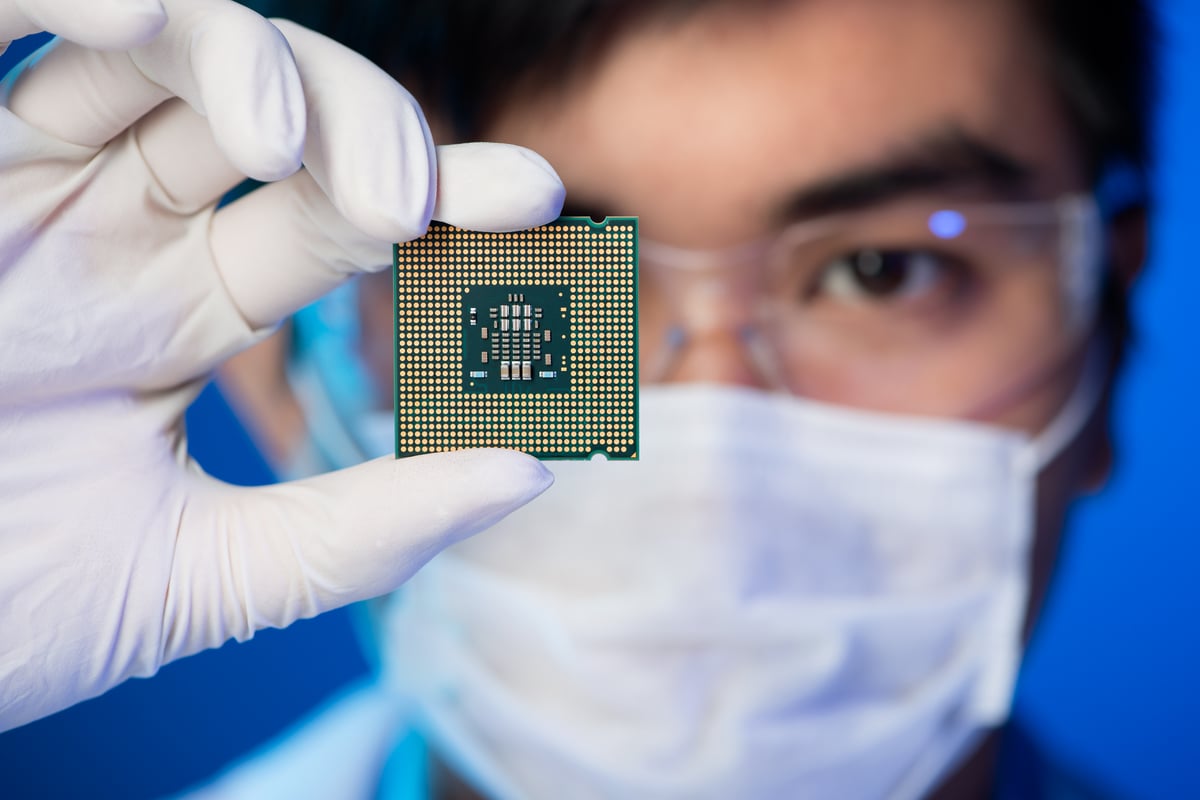
Musk Launches Terafab Initiative, Intel Joins Partnership

- Terafab Initiative: Musk's introduction of Terafab aims to produce 1 terawatt of semiconductors annually, vastly exceeding the current output of 20 GW from all leading-edge AI chips, indicating a monumental shift in chip demand that could redefine Tesla and SpaceX's technological foundations.
- Intel's Involvement: Intel's announcement to join the Terafab project aims to leverage its ultra-high-performance chip design and manufacturing capabilities to help achieve Terafab's ambitious goals, although its own expansion of foundry services raises questions about the partnership's specifics.
- GaN Chip Breakthrough: Intel unveiled a new ultra-thin gallium nitride (GaN) chiplet, measuring just 19 microns thick, capable of integrating high-voltage power electronics and logic circuits on the same chip, enhancing compactness and high-voltage resilience, making it suitable for space applications.
- Space Application Potential: Given GaN's superior radiation tolerance compared to silicon, SpaceX is particularly interested in this technology, as it can significantly reduce rocket weight and lower launch costs, although the financial impact of this partnership may take years to materialize.
See More
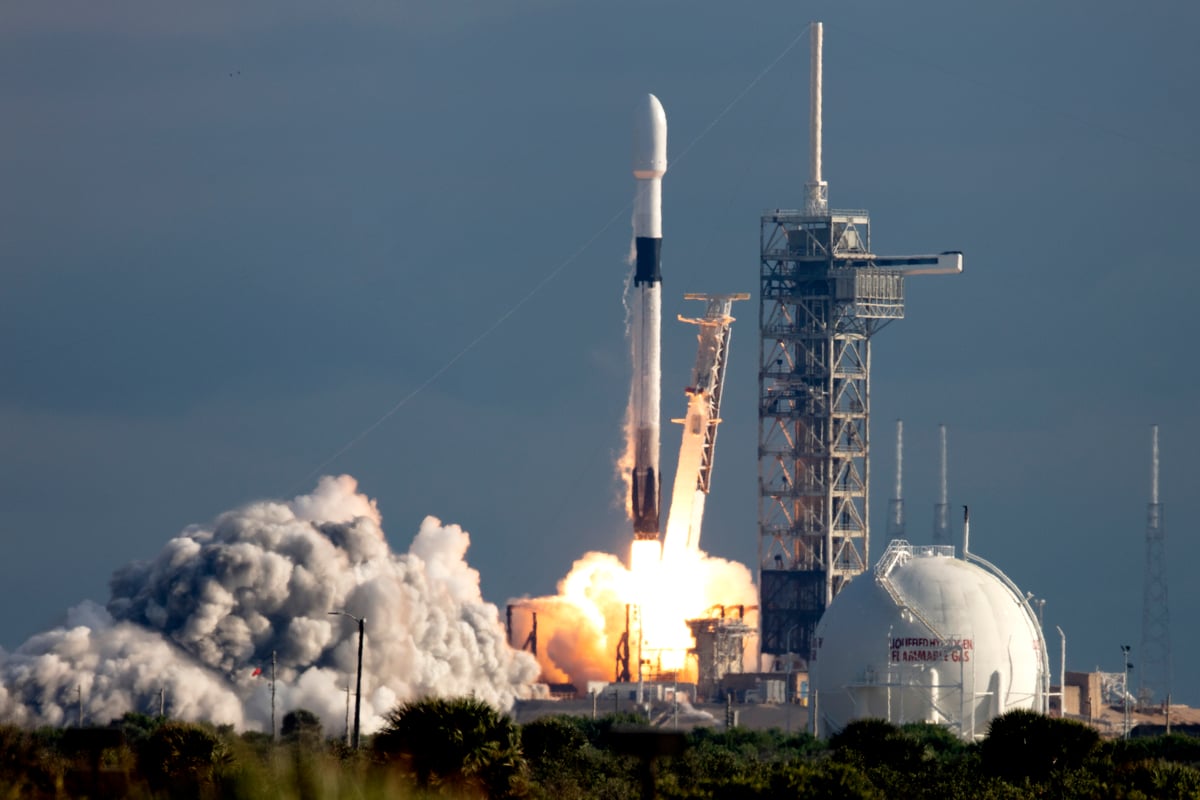
SpaceX IPO Set to Raise $75 Billion at Up to $2 Trillion Valuation

- Massive IPO Size: SpaceX has confidentially filed for an IPO aiming to raise up to $75 billion, with a valuation estimated between $1.75 trillion and $2 trillion, which would make it the largest IPO in history and place it among stocks with market caps exceeding $1 trillion.
- Significant Profitability: According to Reuters, SpaceX reported an $8 billion profit in 2025 on revenues of approximately $16 billion, yet at a valuation of $1.75 trillion, the stock would trade at nearly 219 times earnings and over 109 times revenue, making this valuation seem astonishing.
- Retail Investor Opportunities: SpaceX plans to allocate as much as 30% of its raise to retail investors, three times the typical amount, creating substantial trading opportunities for retail investors while complicating the environment for short sellers.
- Market Risk Warning: While SpaceX could dominate the emerging sector, investors should exercise caution as the stock may face price corrections post-IPO, particularly after lock-up periods expire, as historically many large IPOs initially surge before experiencing declines due to fading hype.
See More

SpaceX IPO Could Raise $75 Billion, Valuation Up to $2 Trillion
- IPO Fundraising Scale: SpaceX plans to raise up to $75 billion through its initial public offering (IPO), with a valuation potentially reaching between $1.75 trillion and $2 trillion, which would make it the largest IPO in history and significantly enhance its market position.
- Profit and Valuation: Reports indicate that SpaceX achieved a profit of $8 billion in 2025 on revenue of approximately $16 billion, and if it goes public at a $1.75 trillion valuation, its price-to-earnings ratio would be nearly 219 times, and price-to-sales ratio over 109 times, highlighting the extremity of its valuation.
- Retail Investor Opportunities: SpaceX plans to allocate as much as 30% of its raise to retail investors, three times the typical amount, providing more opportunities for retail investors to participate while also increasing challenges for short sellers.
- Market Expectations and Risks: Despite SpaceX's potential in emerging markets, investors should approach the IPO with caution, as it may face lock-up period pressures; historically, many large IPOs experience price declines in the months following their debut, and SpaceX could face similar circumstances.
See More
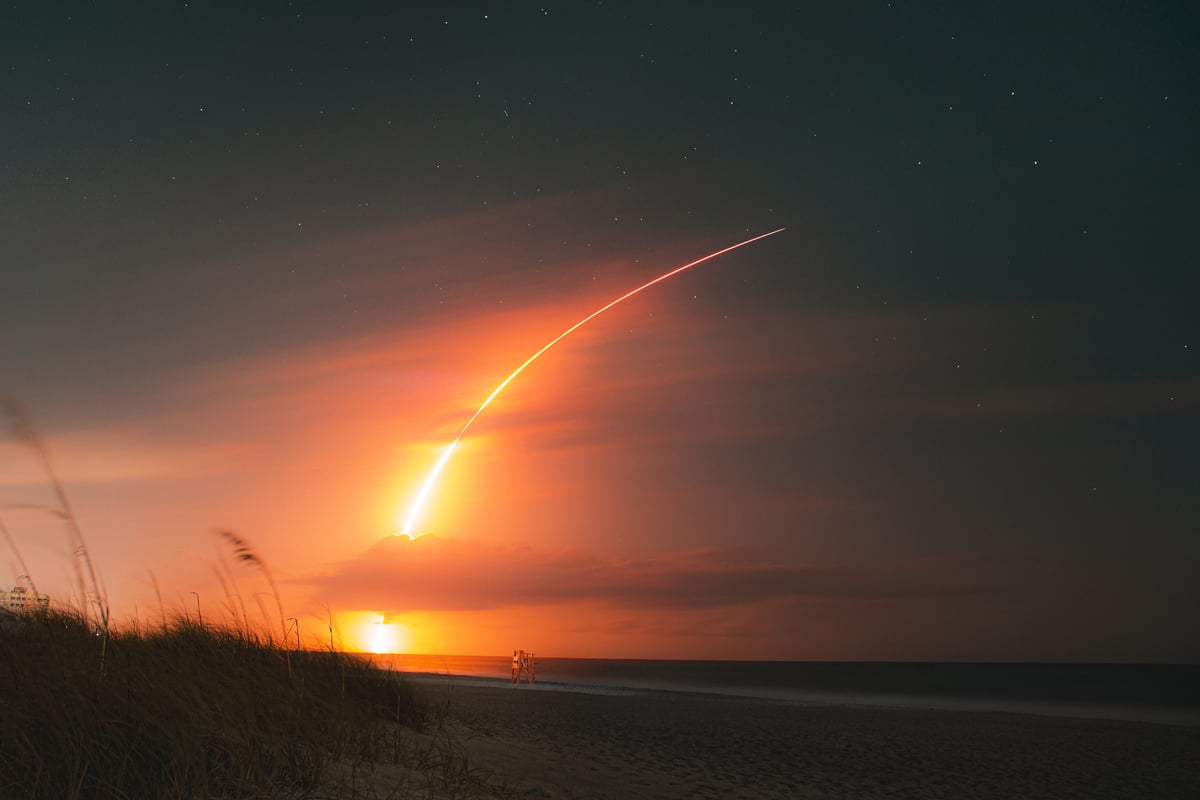
SpaceX Dominates Rocket Launches with Record Numbers


- Launch Volume Leadership: In 2025, SpaceX launched 165 Falcon 9 rockets, surpassing the combined total of all other nations by 34%, highlighting its dominant position in the global space market.
- Significant Price Advantage: SpaceX raised the price of Falcon 9 launches by 6.1% to $74 million, still undercutting competitors who charge over $100 million, further solidifying its market share.
- High Profit Margin Potential: Analysts estimate that SpaceX's cost per launch could be as low as $17 million, suggesting an operating margin of up to 77%, indicating the sustainability of its business model.
- Diversified Revenue Sources: While SpaceX's rocket launch business is profitable, its Starlink and xAI ventures may incur losses, with projected total revenue of $18.5 billion but losses of $5 billion in 2025, prompting investors to monitor overall financial health.
See More

SpaceX Achieves Record Rocket Launch Volume
- Launch Volume Leadership: SpaceX launched 165 Falcon 9 rockets last year, surpassing the combined total of all other nations by 34%, which underscores its dominant position in the global space market and further solidifies its market share.
- Price Strategy Adjustment: SpaceX raised the launch price of its Falcon 9 rocket by 6.1% to $74 million, leveraging its unique reusability technology to significantly undercut competitors' launch costs, thereby attracting more customers.
- Profitability Analysis: Analysts estimate that SpaceX's cost per Falcon 9 launch could be as low as $17 million, which, if accurate, would yield an operating margin as high as 77%, giving SpaceX a strong competitive edge in profitability within the aerospace industry.
- IPO Outlook: Despite reports suggesting that SpaceX's overall profitability may be lower than its rocket launch business, its dominant position in space launches and high profit margins still make its IPO highly anticipated, drawing significant investor interest.
See More
SpaceX Valuation May Exceed Tesla
- Massive Market Potential: SpaceX is targeting a valuation exceeding $2 trillion for its upcoming IPO, which would make it the highest-valued IPO ever, highlighting its significant market potential in commercial space, especially with Starlink's 3 million subscribers and $8 billion in earnings last year amid global internet access challenges.
- Diverse Business Model: SpaceX's three core businesses—Starlink, commercial launches, and space colonization—each have strong growth potential, particularly Starlink's profitability and recurring revenue model, which could enhance its market valuation multiples and attract long-term investors.
- Tesla's Competitive Edge: While SpaceX's valuation is compelling, Tesla continues to generate robust free cash flow ($6.2 billion last year) and has significant potential in the robotaxi market, demonstrating its ongoing competitiveness in the EV sector despite market challenges.
- Uncertainty and Risk: SpaceX's high valuation comes with greater uncertainty, whereas Tesla benefits from a mature financial foundation and a successful track record; despite facing intense competition, its advantages in autonomous driving and robotics may allow it to maintain a higher market value in the future.
See More
Musk Launches Terafab Initiative, Intel Joins Partnership
- Terafab Initiative: Musk's introduction of Terafab aims to produce 1 terawatt of semiconductors annually, vastly exceeding the current output of 20 GW from all leading-edge AI chips, indicating a monumental shift in chip demand that could redefine Tesla and SpaceX's technological foundations.
- Intel's Involvement: Intel's announcement to join the Terafab project aims to leverage its ultra-high-performance chip design and manufacturing capabilities to help achieve Terafab's ambitious goals, although its own expansion of foundry services raises questions about the partnership's specifics.
- GaN Chip Breakthrough: Intel unveiled a new ultra-thin gallium nitride (GaN) chiplet, measuring just 19 microns thick, capable of integrating high-voltage power electronics and logic circuits on the same chip, enhancing compactness and high-voltage resilience, making it suitable for space applications.
- Space Application Potential: Given GaN's superior radiation tolerance compared to silicon, SpaceX is particularly interested in this technology, as it can significantly reduce rocket weight and lower launch costs, although the financial impact of this partnership may take years to materialize.
See More
SpaceX IPO Set to Raise $75 Billion at Up to $2 Trillion Valuation
- Massive IPO Size: SpaceX has confidentially filed for an IPO aiming to raise up to $75 billion, with a valuation estimated between $1.75 trillion and $2 trillion, which would make it the largest IPO in history and place it among stocks with market caps exceeding $1 trillion.
- Significant Profitability: According to Reuters, SpaceX reported an $8 billion profit in 2025 on revenues of approximately $16 billion, yet at a valuation of $1.75 trillion, the stock would trade at nearly 219 times earnings and over 109 times revenue, making this valuation seem astonishing.
- Retail Investor Opportunities: SpaceX plans to allocate as much as 30% of its raise to retail investors, three times the typical amount, creating substantial trading opportunities for retail investors while complicating the environment for short sellers.
- Market Risk Warning: While SpaceX could dominate the emerging sector, investors should exercise caution as the stock may face price corrections post-IPO, particularly after lock-up periods expire, as historically many large IPOs initially surge before experiencing declines due to fading hype.
See More
SpaceX IPO Could Raise $75 Billion, Valuation Up to $2 Trillion
- IPO Fundraising Scale: SpaceX plans to raise up to $75 billion through its initial public offering (IPO), with a valuation potentially reaching between $1.75 trillion and $2 trillion, which would make it the largest IPO in history and significantly enhance its market position.
- Profit and Valuation: Reports indicate that SpaceX achieved a profit of $8 billion in 2025 on revenue of approximately $16 billion, and if it goes public at a $1.75 trillion valuation, its price-to-earnings ratio would be nearly 219 times, and price-to-sales ratio over 109 times, highlighting the extremity of its valuation.
- Retail Investor Opportunities: SpaceX plans to allocate as much as 30% of its raise to retail investors, three times the typical amount, providing more opportunities for retail investors to participate while also increasing challenges for short sellers.
- Market Expectations and Risks: Despite SpaceX's potential in emerging markets, investors should approach the IPO with caution, as it may face lock-up period pressures; historically, many large IPOs experience price declines in the months following their debut, and SpaceX could face similar circumstances.
See More
SpaceX Dominates Rocket Launches with Record Numbers
- Launch Volume Leadership: In 2025, SpaceX launched 165 Falcon 9 rockets, surpassing the combined total of all other nations by 34%, highlighting its dominant position in the global space market.
- Significant Price Advantage: SpaceX raised the price of Falcon 9 launches by 6.1% to $74 million, still undercutting competitors who charge over $100 million, further solidifying its market share.
- High Profit Margin Potential: Analysts estimate that SpaceX's cost per launch could be as low as $17 million, suggesting an operating margin of up to 77%, indicating the sustainability of its business model.
- Diversified Revenue Sources: While SpaceX's rocket launch business is profitable, its Starlink and xAI ventures may incur losses, with projected total revenue of $18.5 billion but losses of $5 billion in 2025, prompting investors to monitor overall financial health.
See More
SpaceX Achieves Record Rocket Launch Volume
- Launch Volume Leadership: SpaceX launched 165 Falcon 9 rockets last year, surpassing the combined total of all other nations by 34%, which underscores its dominant position in the global space market and further solidifies its market share.
- Price Strategy Adjustment: SpaceX raised the launch price of its Falcon 9 rocket by 6.1% to $74 million, leveraging its unique reusability technology to significantly undercut competitors' launch costs, thereby attracting more customers.
- Profitability Analysis: Analysts estimate that SpaceX's cost per Falcon 9 launch could be as low as $17 million, which, if accurate, would yield an operating margin as high as 77%, giving SpaceX a strong competitive edge in profitability within the aerospace industry.
- IPO Outlook: Despite reports suggesting that SpaceX's overall profitability may be lower than its rocket launch business, its dominant position in space launches and high profit margins still make its IPO highly anticipated, drawing significant investor interest.
See More