OpenAI Rehires Former Executive Zoph Amid Challenges for Murati's AI Startup
Written by Emily J. Thompson, Senior Investment Analyst
Updated: Jan 15 2026
0mins
Should l Buy META?
Source: Benzinga
- Executive Rehire: OpenAI swiftly rehires former executive Barret Zoph, aiming to reclaim talent lost after his dismissal from Thinking Machines Lab, highlighting the company's commitment to retaining key technical personnel.
- Controversial Departure: Zoph's exit was reportedly due to accusations of 'unethical conduct', although OpenAI's applications CEO Fidji Simo noted that the company does not share these concerns, reflecting differing views on talent management within the organization.
- Startup Challenges: Thinking Machines Lab faces increased challenges, as Zoph's departure follows the exit of co-founder Andrew Tulloch to Meta, resulting in a loss of critical leadership in a highly competitive AI market.
- Funding Prospects: Despite Thinking Machines Lab's valuation of $12 billion and plans to raise over $4 billion at a $50 billion valuation, the frequent executive turnover may undermine investor confidence and future growth potential.
Trade with 70% Backtested Accuracy
Stop guessing "Should I Buy META?" and start using high-conviction signals backed by rigorous historical data.
Sign up today to access powerful investing tools and make smarter, data-driven decisions.
Analyst Views on META
Wall Street analysts forecast META stock price to rise
44 Analyst Rating
37 Buy
6 Hold
1 Sell
Strong Buy
Current: 670.910

Low
655.15
Averages
824.71
High
1117
Current: 670.910
Low
655.15
Averages
824.71
High
1117
About META
Meta Platforms, Inc. is building human connections, powered by artificial intelligence and immersive technologies. The Company's products enable people to connect and share with friends and family through mobile devices, personal computers, virtual reality (VR) and mixed reality (MR) headsets, augmented reality (AR), and wearables. It also helps people discover and learn about what is going on in the world around them, enabling people to share their experiences, ideas, photos, videos, and other content with audiences ranging from their closest family members and friends to the public at large. The Company's segments include Family of Apps (FoA) and Reality Labs (RL). FoA segment includes Facebook, Instagram, Messenger, WhatsApp and Threads. RL segment includes its virtual, augmented, and mixed reality related consumer hardware, software and content. Its product offerings in VR include its Meta Quest devices, as well as software and content available through the Meta Horizon Store.
About the author

Emily J. Thompson
Emily J. Thompson, a Chartered Financial Analyst (CFA) with 12 years in investment research, graduated with honors from the Wharton School. Specializing in industrial and technology stocks, she provides in-depth analysis for Intellectia’s earnings and market brief reports.

WhatsApp Tests Subscription Service for Custom Features

- Subscription Service Testing: Meta's WhatsApp is testing a subscription service that allows users to pay for cosmetic customizations such as ringtones, themes, and icons, similar to features offered on Instagram Plus and Snapchat+, aimed at enhancing user experience and diversifying revenue streams.
- Premium Features: The premium features include expanded pinned chats, custom lists, and new chat themes, with a Meta spokesperson stating that the initial phase will involve a small test to gather feedback and ensure the developed features genuinely meet user needs.
- Revenue Growth Potential: The paid messaging service on WhatsApp has proven lucrative for parent company Meta, with a reported 54% increase in revenue from its family of apps in Q4, indicating strong growth potential, and the WhatsApp Business API is expected to generate approximately $2 billion in annual revenue this year.
- Fast-Growing Segment: As one of Meta's fastest-growing segments, WhatsApp is further solidifying its market position by launching new features and services, reflecting the company's strategic focus on enhancing user engagement and increasing revenue.
See More
JPMorgan: AI to Propel S&P 500 to New Heights


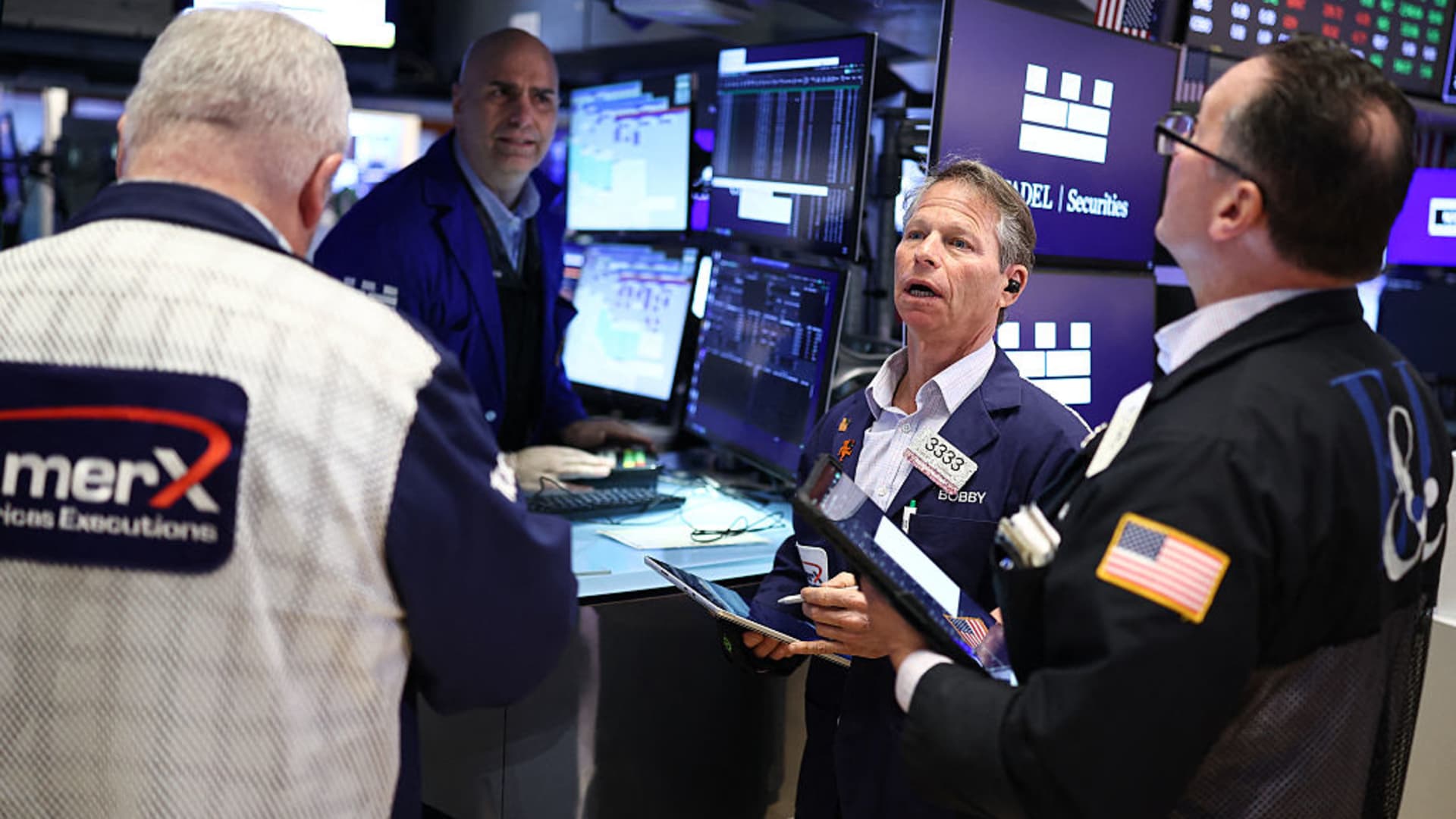
- S&P 500 Year-End Target Raised: JPMorgan strategist Dubravko Lakos-Bujas increased the year-end target for the S&P 500 from 7,200 to 7,600, implying a potential upside of about 7% from Monday's close, reflecting optimistic market sentiment towards AI-related stocks.
- AI Stock Recovery: Despite experiencing over a 6% decline during the initial phase of the U.S.-Iran war, Nvidia's stock has surged 22% since then, with other AI-linked companies like Alphabet, Amazon, and Meta Platforms also seeing gains of over 20%, indicating a recovery in market sentiment.
- Anthropic Mythos Model Launch: Lakos-Bujas highlighted the unveiling of the Anthropic Mythos AI model as a pivotal market catalyst, with 66% of S&P 500 AI stocks outperforming since April 7, showcasing rapid improvements in AI models and services.
- Hiring Market Resurgence: While concerns about AI-induced job displacement in sensitive areas like software engineering persist, Lakos-Bujas noted a resumption in hiring, suggesting increased confidence in AI and anticipating a more favorable earnings season in Q1 compared to the previous quarter.
See More
Apple's New CEO Takes Over Amid Optimistic Market Outlook


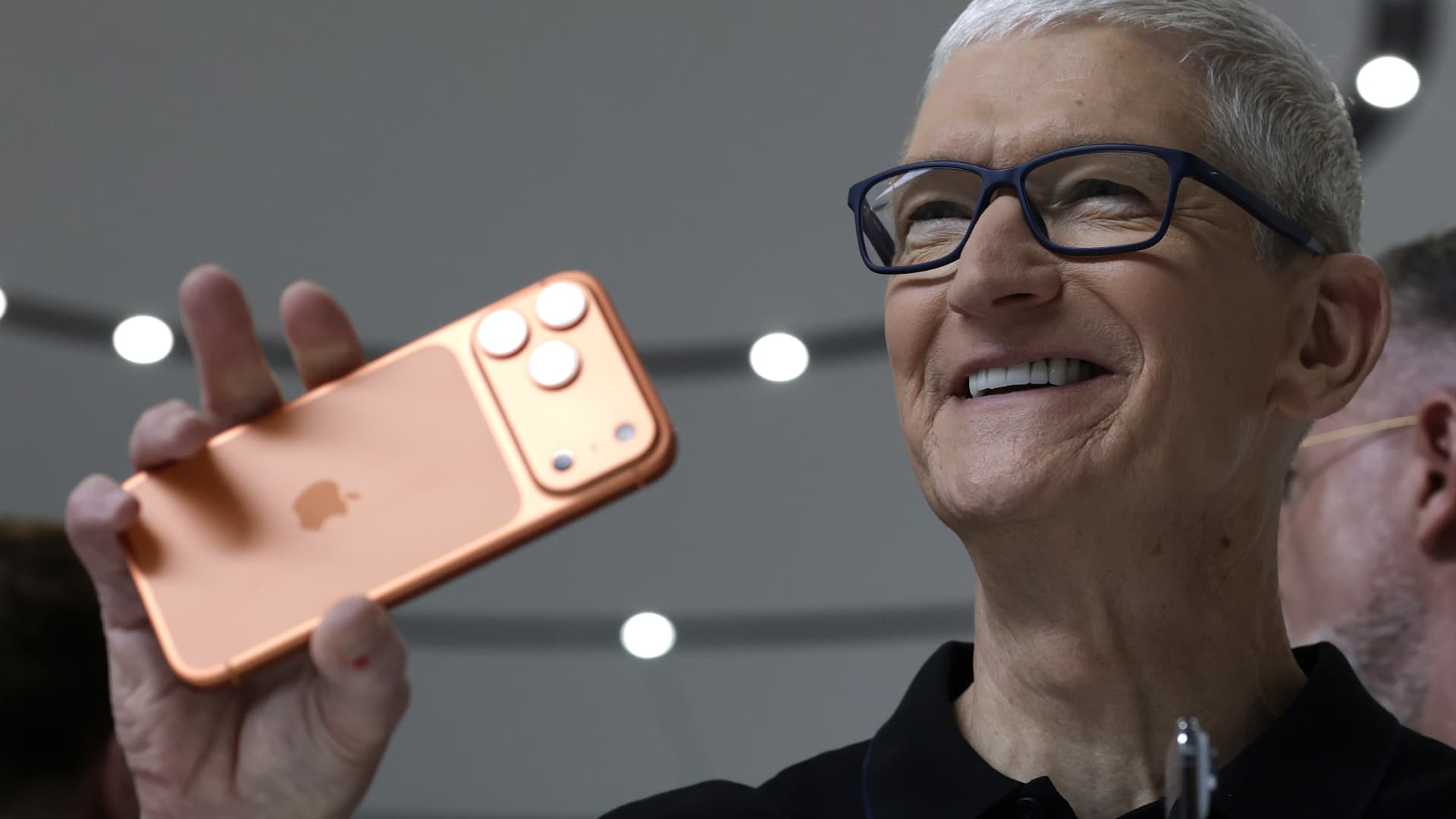
- Apple Leadership Change: Apple announced that Senior Vice President of Hardware Engineering John Ternus will take over as CEO on September 1, succeeding Tim Cook, who has led the company to a market cap increase of over 20 times to $4 trillion since 2011, presenting Ternus with significant leadership challenges.
- UnitedHealth Earnings Beat: UnitedHealth reported strong quarterly results with a medical benefit ratio of 83.9%, better than the 85.5% consensus, leading to a more than 7% increase in shares, alongside a plan to buy back at least $2 billion in stock by Q2, indicating robust financial health.
- GE Aerospace Performance: GE Aerospace's quarterly results exceeded expectations with orders rising 87% to $23 billion and revenue increasing 25% to $12.39 billion, and despite travel issues in Asia and the U.S., management maintained prior guidance, reflecting ongoing improvements in the defense sector.
- Amazon's Increased Investment: Amazon is boosting its investment in AI company Anthropic by an additional $5 billion, with an option for $20 billion more upon achieving commercial milestones, aiming to reduce reliance on Nvidia and address the growing demand for computing power, showcasing Amazon's strategic positioning in the AI landscape.
See More

Nvidia Faces Emerging AI Chip Competition
- Market Leadership: Nvidia continues to lead in the AI chip sector, reporting a 65% revenue increase to over $215 billion last year, with a forecasted 72% growth this year, reflecting strong demand and innovation in the AI market.
- Emerging Competitors: Cerebras has recently filed for an IPO, with chips 58 times larger than Nvidia's, offering higher memory bandwidth and faster inference speeds, potentially posing a threat to Nvidia's dominance.
- Major Partnership Deals: Cerebras has secured a deal worth over $20 billion with OpenAI and a global distribution agreement with Amazon Web Services, enhancing its competitive position and challenging Nvidia's market share.
- Ongoing Innovation Investment: Nvidia invests over $18 billion annually in R&D, focusing on technology updates and system integration, ensuring customers can seamlessly upgrade, thereby solidifying its market leadership.
See More

Nvidia's Dominance in the AI Chip Market
- Market Leadership: Nvidia's dominance in the AI chip market is attributed to its ongoing focus on innovation, with a 65% revenue increase last year to over $215 billion, and a projected 72% growth this year, indicating strong market demand and technological superiority.
- Rising Competition: Emerging player Cerebras has announced plans to go public, boasting chips 58 times larger than Nvidia's, with higher memory bandwidth, and has secured a partnership with OpenAI worth over $20 billion, posing a potential threat to Nvidia.
- Funding Dynamics: European AI chip companies Euclyd and Optalysys are actively seeking funding, with Euclyd discussing approximately $118 million and Optalysys aiming for at least $100 million, highlighting intensifying competition as more players enter the field.
- Innovation and Acquisitions: Nvidia invests over $18 billion annually in R&D and enhances its inference capabilities through acquisitions like Groq, ensuring its continued advantage in technological innovation and market leadership.
See More

EssilorLuxottica Faces Investor Pressure on Smart Glasses Strategy

- Investor Pressure Intensifies: EssilorLuxottica is under increasing scrutiny from investors regarding its smart glasses strategy, particularly as the profitability of its Ray-Ban smart glasses lags behind core products, resulting in a more than 30% drop in share price since last November.
- Rising Market Competition: With U.S. competitors like Google and Apple entering the smart glasses market, EssilorLuxottica's market capitalization has fallen from €149 billion to €100 billion, highlighting intensified industry competition and investor concerns over future profitability.
- Weak Revenue Growth: Although EssilorLuxottica expects first-quarter revenue of €7.132 billion, a 4% increase year-over-year, its adjusted operating margin stands at only 16%, below the 19-20% target for 2022-2026, indicating challenges in profitability.
- Strategic Technological Shift: EssilorLuxottica is expanding into the medical technology sector with products like Nuance Audio glasses, which feature built-in hearing aids, demonstrating the company's strategy to enhance competitiveness through technology-intensive products to mitigate future competition from China.
See More
WhatsApp Tests Subscription Service for Custom Features
- Subscription Service Testing: Meta's WhatsApp is testing a subscription service that allows users to pay for cosmetic customizations such as ringtones, themes, and icons, similar to features offered on Instagram Plus and Snapchat+, aimed at enhancing user experience and diversifying revenue streams.
- Premium Features: The premium features include expanded pinned chats, custom lists, and new chat themes, with a Meta spokesperson stating that the initial phase will involve a small test to gather feedback and ensure the developed features genuinely meet user needs.
- Revenue Growth Potential: The paid messaging service on WhatsApp has proven lucrative for parent company Meta, with a reported 54% increase in revenue from its family of apps in Q4, indicating strong growth potential, and the WhatsApp Business API is expected to generate approximately $2 billion in annual revenue this year.
- Fast-Growing Segment: As one of Meta's fastest-growing segments, WhatsApp is further solidifying its market position by launching new features and services, reflecting the company's strategic focus on enhancing user engagement and increasing revenue.
See More
JPMorgan: AI to Propel S&P 500 to New Heights
- S&P 500 Year-End Target Raised: JPMorgan strategist Dubravko Lakos-Bujas increased the year-end target for the S&P 500 from 7,200 to 7,600, implying a potential upside of about 7% from Monday's close, reflecting optimistic market sentiment towards AI-related stocks.
- AI Stock Recovery: Despite experiencing over a 6% decline during the initial phase of the U.S.-Iran war, Nvidia's stock has surged 22% since then, with other AI-linked companies like Alphabet, Amazon, and Meta Platforms also seeing gains of over 20%, indicating a recovery in market sentiment.
- Anthropic Mythos Model Launch: Lakos-Bujas highlighted the unveiling of the Anthropic Mythos AI model as a pivotal market catalyst, with 66% of S&P 500 AI stocks outperforming since April 7, showcasing rapid improvements in AI models and services.
- Hiring Market Resurgence: While concerns about AI-induced job displacement in sensitive areas like software engineering persist, Lakos-Bujas noted a resumption in hiring, suggesting increased confidence in AI and anticipating a more favorable earnings season in Q1 compared to the previous quarter.
See More
Apple's New CEO Takes Over Amid Optimistic Market Outlook
- Apple Leadership Change: Apple announced that Senior Vice President of Hardware Engineering John Ternus will take over as CEO on September 1, succeeding Tim Cook, who has led the company to a market cap increase of over 20 times to $4 trillion since 2011, presenting Ternus with significant leadership challenges.
- UnitedHealth Earnings Beat: UnitedHealth reported strong quarterly results with a medical benefit ratio of 83.9%, better than the 85.5% consensus, leading to a more than 7% increase in shares, alongside a plan to buy back at least $2 billion in stock by Q2, indicating robust financial health.
- GE Aerospace Performance: GE Aerospace's quarterly results exceeded expectations with orders rising 87% to $23 billion and revenue increasing 25% to $12.39 billion, and despite travel issues in Asia and the U.S., management maintained prior guidance, reflecting ongoing improvements in the defense sector.
- Amazon's Increased Investment: Amazon is boosting its investment in AI company Anthropic by an additional $5 billion, with an option for $20 billion more upon achieving commercial milestones, aiming to reduce reliance on Nvidia and address the growing demand for computing power, showcasing Amazon's strategic positioning in the AI landscape.
See More
Nvidia Faces Emerging AI Chip Competition
- Market Leadership: Nvidia continues to lead in the AI chip sector, reporting a 65% revenue increase to over $215 billion last year, with a forecasted 72% growth this year, reflecting strong demand and innovation in the AI market.
- Emerging Competitors: Cerebras has recently filed for an IPO, with chips 58 times larger than Nvidia's, offering higher memory bandwidth and faster inference speeds, potentially posing a threat to Nvidia's dominance.
- Major Partnership Deals: Cerebras has secured a deal worth over $20 billion with OpenAI and a global distribution agreement with Amazon Web Services, enhancing its competitive position and challenging Nvidia's market share.
- Ongoing Innovation Investment: Nvidia invests over $18 billion annually in R&D, focusing on technology updates and system integration, ensuring customers can seamlessly upgrade, thereby solidifying its market leadership.
See More
Nvidia's Dominance in the AI Chip Market
- Market Leadership: Nvidia's dominance in the AI chip market is attributed to its ongoing focus on innovation, with a 65% revenue increase last year to over $215 billion, and a projected 72% growth this year, indicating strong market demand and technological superiority.
- Rising Competition: Emerging player Cerebras has announced plans to go public, boasting chips 58 times larger than Nvidia's, with higher memory bandwidth, and has secured a partnership with OpenAI worth over $20 billion, posing a potential threat to Nvidia.
- Funding Dynamics: European AI chip companies Euclyd and Optalysys are actively seeking funding, with Euclyd discussing approximately $118 million and Optalysys aiming for at least $100 million, highlighting intensifying competition as more players enter the field.
- Innovation and Acquisitions: Nvidia invests over $18 billion annually in R&D and enhances its inference capabilities through acquisitions like Groq, ensuring its continued advantage in technological innovation and market leadership.
See More
EssilorLuxottica Faces Investor Pressure on Smart Glasses Strategy
- Investor Pressure Intensifies: EssilorLuxottica is under increasing scrutiny from investors regarding its smart glasses strategy, particularly as the profitability of its Ray-Ban smart glasses lags behind core products, resulting in a more than 30% drop in share price since last November.
- Rising Market Competition: With U.S. competitors like Google and Apple entering the smart glasses market, EssilorLuxottica's market capitalization has fallen from €149 billion to €100 billion, highlighting intensified industry competition and investor concerns over future profitability.
- Weak Revenue Growth: Although EssilorLuxottica expects first-quarter revenue of €7.132 billion, a 4% increase year-over-year, its adjusted operating margin stands at only 16%, below the 19-20% target for 2022-2026, indicating challenges in profitability.
- Strategic Technological Shift: EssilorLuxottica is expanding into the medical technology sector with products like Nuance Audio glasses, which feature built-in hearing aids, demonstrating the company's strategy to enhance competitiveness through technology-intensive products to mitigate future competition from China.
See More