Oil Prices Rise Amid Iranian Export Blockade
Written by Emily J. Thompson, Senior Investment Analyst
Updated: 1 hour ago
0mins
Should l Buy GS?
Source: CNBC
- Supply Tightening: Brent crude futures rose 1.96% to $120 per barrel as the U.S. blockade on Iranian exports continues, reflecting market concerns over supply shortages.
- Geopolitical Impact: Trump's rejection of Iran's proposal to reopen the Strait of Hormuz indicates that the naval blockade will persist, further exacerbating market expectations for tight oil supplies.
- Demand Downside Risks: Goldman Sachs estimates that global oil consumption in April may be 3.6 million barrels per day lower than February levels, primarily in jet fuel and petrochemical feedstocks, which could influence future oil price trends.
- OPEC Dynamics: The UAE's impending exit from OPEC may lead to gradual output increases, but in the short term, it is unlikely to alleviate market supply tightness, raising the potential for oil price volatility.
Trade with 70% Backtested Accuracy
Stop guessing "Should I Buy GS?" and start using high-conviction signals backed by rigorous historical data.
Sign up today to access powerful investing tools and make smarter, data-driven decisions.
Analyst Views on GS
Wall Street analysts forecast GS stock price to rise
12 Analyst Rating
5 Buy
7 Hold
0 Sell
Moderate Buy
Current: 926.550

Low
604.00
Averages
951.45
High
1100
Current: 926.550
Low
604.00
Averages
951.45
High
1100
About GS
The Goldman Sachs Group, Inc. is a global financial institution that delivers a range of financial services to a large and diversified client base that includes corporations, financial institutions, governments and individuals. Its segments include Global Banking & Markets, Asset & Wealth Management and Platform Solutions. The Global Banking & Markets segment offers a range of services, including financing, advisory services, risk distribution, and hedging for its institutional and corporate clients. It facilitates client transactions and makes markets in fixed income, equity, currency and commodity products. The Asset & Wealth Management segment manages assets and offers investment products across all asset classes to a diverse set of clients. It also provides investing and wealth advisory solutions. The Platform Solutions segment includes consumer platforms, such as partnerships offering credit cards and point-of-sale financing, and transaction banking and other platform businesses.
About the author

Emily J. Thompson
Emily J. Thompson, a Chartered Financial Analyst (CFA) with 12 years in investment research, graduated with honors from the Wharton School. Specializing in industrial and technology stocks, she provides in-depth analysis for Intellectia’s earnings and market brief reports.

CD Rates Decline but Remain Competitive

- Current Rate Overview: Short-term CDs (6 to 12 months) currently offer rates between 4% and 4.5% APY, with the highest rate at 4.05% APY from Marcus by Goldman Sachs, indicating that despite the overall decline, CDs remain more attractive than traditional savings accounts.
- Historical Rate Review: Since 2009, average CD rates have significantly decreased, particularly after the 2008 financial crisis when five-year CDs fell below 2% APY, reflecting the economic slowdown's impact on interest rates.
- Economic Policy Impact: Following 11 rate hikes by the Fed between 2022 and 2023, CD rates saw a rebound, and although rates are now declining, they remain high by historical standards, suggesting potential for economic recovery.
- Factors in Choosing CDs: When selecting a CD, it’s essential to consider not only the high APY but also the term length, type of financial institution, and account terms to ensure alignment with personal financial goals and liquidity needs.
See More
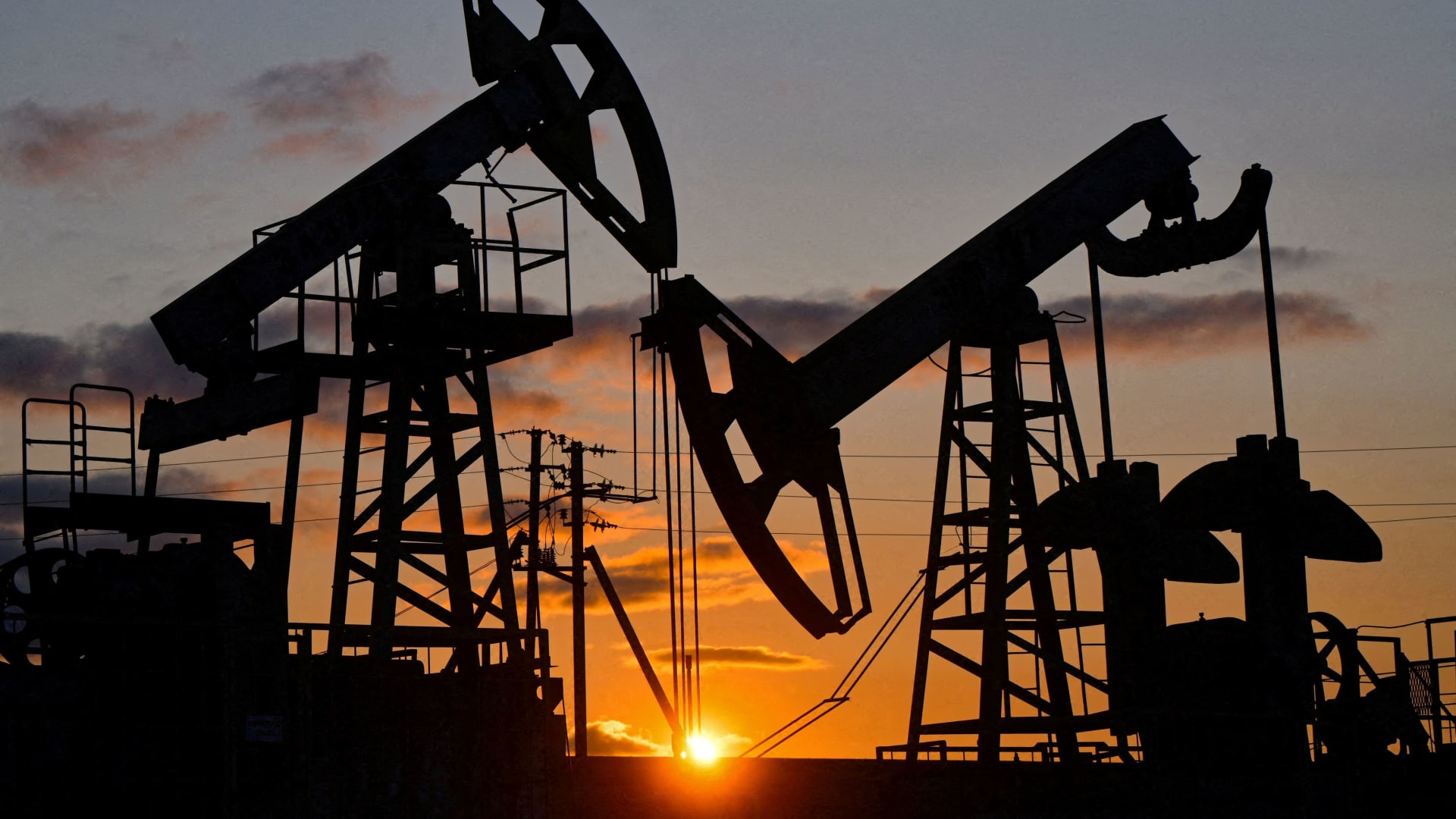
Oil Prices Rise Amid Iranian Export Blockade
- Supply Tightening: Brent crude futures rose 1.96% to $120 per barrel as the U.S. blockade on Iranian exports continues, reflecting market concerns over supply shortages.
- Geopolitical Impact: Trump's rejection of Iran's proposal to reopen the Strait of Hormuz indicates that the naval blockade will persist, further exacerbating market expectations for tight oil supplies.
- Demand Downside Risks: Goldman Sachs estimates that global oil consumption in April may be 3.6 million barrels per day lower than February levels, primarily in jet fuel and petrochemical feedstocks, which could influence future oil price trends.
- OPEC Dynamics: The UAE's impending exit from OPEC may lead to gradual output increases, but in the short term, it is unlikely to alleviate market supply tightness, raising the potential for oil price volatility.
See More

Federal Reserve Holds Rates Steady, Some Banks Cut Yields


- Stable Rate Policy: The Federal Reserve's decision to maintain the federal funds rate between 3.5%-3.75% is generally positive for savers; however, some banks have still lowered their high-yield savings account rates, indicating competitive pressures in the market.
- Yield Cuts by Banks: According to a BTIG report, three major banks—Capital One, Synchrony, and Marcus by Goldman Sachs—have recently reduced their annual percentage yields, following a cut by Ally Financial, reflecting adjustments in banking strategies under yield pressure.
- Shifting Market Expectations: While analysts believe the Fed will not cut rates, bank earnings reports indicate robust consumer spending and lending in the U.S., suggesting that growth expectations remain intact, which could influence future rate decisions.
- Deposit Product Yield Comparison: Despite some banks lowering rates, Bread Financial and LendingClub maintain a 4% yield, but they are expected to follow suit with cuts, highlighting the ongoing competition for high-yield deposit products in the market.
See More

Closure of Strait of Hormuz Causes Oil Market Turmoil

- Significant Oil Production Decline: The closure of the Strait of Hormuz by Iran has led to a 57% drop in global oil production, resulting in a shortfall of 900 million barrels, forcing the market to rely on emergency stockpiles, thereby impacting global oil prices and supply chain stability.
- Sustained High Oil Price Expectations: Goldman Sachs forecasts that oil prices will reach $90 by year-end, with a potential rise to $100 in adverse scenarios, reflecting a consensus that prices will remain elevated for the coming months, impacting oil companies' profitability.
- Increased Company Cash Flows: With oil prices expected to stay above $90, companies like ConocoPhillips will see additional cash flows, with every $1 increase in oil price boosting annualized cash flows by over $200 million, which is likely to be returned to shareholders through buybacks and dividends.
- Slow Market Recovery: The prolonged closure of the Strait of Hormuz will delay the normalization of the oil market, with prices potentially remaining high until 2027, providing oil companies with sustained cash flows that attract investor interest in oil stocks and related ETFs.
See More
Goldman Sachs Bars Hong Kong Bankers from Using Anthropic AI Models
- AI Model Ban: Goldman Sachs has barred its Hong Kong employees from using Anthropic's Claude AI models, reflecting a strict interpretation of its contract with Anthropic aimed at ensuring compliance and mitigating potential risks.
- Access Restrictions Implemented: Reports indicate that Goldman employees have been unable to access the Claude models for several weeks, a move that could hinder the progress of internal automation projects, especially as AI technology becomes increasingly critical.
- Market Environment Consideration: While mainland China imposes strict restrictions on AI model usage, Hong Kong's relatively free market environment makes Goldman's decision particularly significant, potentially impacting its business operations in the region.
- Vendor Relationship Management: This decision does not extend to contracts with other AI vendors like OpenAI, indicating Goldman Sachs' selective and cautious approach to AI technology application, which may affect the pace of its technological innovation.
See More
Goldman Sachs Prohibits Bankers from Utilizing Anthropic's Claude in Hong Kong - FT
Goldman Sachs' Strategy: The bank is focusing on enhancing its operations in Hong Kong, leveraging the expertise of its bankers to navigate the Asian market effectively.
Antropic's Role: Goldman Sachs is utilizing Antropic's AI capabilities to improve its banking services and decision-making processes in the competitive financial landscape.
See More
CD Rates Decline but Remain Competitive
- Current Rate Overview: Short-term CDs (6 to 12 months) currently offer rates between 4% and 4.5% APY, with the highest rate at 4.05% APY from Marcus by Goldman Sachs, indicating that despite the overall decline, CDs remain more attractive than traditional savings accounts.
- Historical Rate Review: Since 2009, average CD rates have significantly decreased, particularly after the 2008 financial crisis when five-year CDs fell below 2% APY, reflecting the economic slowdown's impact on interest rates.
- Economic Policy Impact: Following 11 rate hikes by the Fed between 2022 and 2023, CD rates saw a rebound, and although rates are now declining, they remain high by historical standards, suggesting potential for economic recovery.
- Factors in Choosing CDs: When selecting a CD, it’s essential to consider not only the high APY but also the term length, type of financial institution, and account terms to ensure alignment with personal financial goals and liquidity needs.
See More
Oil Prices Rise Amid Iranian Export Blockade
- Supply Tightening: Brent crude futures rose 1.96% to $120 per barrel as the U.S. blockade on Iranian exports continues, reflecting market concerns over supply shortages.
- Geopolitical Impact: Trump's rejection of Iran's proposal to reopen the Strait of Hormuz indicates that the naval blockade will persist, further exacerbating market expectations for tight oil supplies.
- Demand Downside Risks: Goldman Sachs estimates that global oil consumption in April may be 3.6 million barrels per day lower than February levels, primarily in jet fuel and petrochemical feedstocks, which could influence future oil price trends.
- OPEC Dynamics: The UAE's impending exit from OPEC may lead to gradual output increases, but in the short term, it is unlikely to alleviate market supply tightness, raising the potential for oil price volatility.
See More
Federal Reserve Holds Rates Steady, Some Banks Cut Yields
- Stable Rate Policy: The Federal Reserve's decision to maintain the federal funds rate between 3.5%-3.75% is generally positive for savers; however, some banks have still lowered their high-yield savings account rates, indicating competitive pressures in the market.
- Yield Cuts by Banks: According to a BTIG report, three major banks—Capital One, Synchrony, and Marcus by Goldman Sachs—have recently reduced their annual percentage yields, following a cut by Ally Financial, reflecting adjustments in banking strategies under yield pressure.
- Shifting Market Expectations: While analysts believe the Fed will not cut rates, bank earnings reports indicate robust consumer spending and lending in the U.S., suggesting that growth expectations remain intact, which could influence future rate decisions.
- Deposit Product Yield Comparison: Despite some banks lowering rates, Bread Financial and LendingClub maintain a 4% yield, but they are expected to follow suit with cuts, highlighting the ongoing competition for high-yield deposit products in the market.
See More
Closure of Strait of Hormuz Causes Oil Market Turmoil
- Significant Oil Production Decline: The closure of the Strait of Hormuz by Iran has led to a 57% drop in global oil production, resulting in a shortfall of 900 million barrels, forcing the market to rely on emergency stockpiles, thereby impacting global oil prices and supply chain stability.
- Sustained High Oil Price Expectations: Goldman Sachs forecasts that oil prices will reach $90 by year-end, with a potential rise to $100 in adverse scenarios, reflecting a consensus that prices will remain elevated for the coming months, impacting oil companies' profitability.
- Increased Company Cash Flows: With oil prices expected to stay above $90, companies like ConocoPhillips will see additional cash flows, with every $1 increase in oil price boosting annualized cash flows by over $200 million, which is likely to be returned to shareholders through buybacks and dividends.
- Slow Market Recovery: The prolonged closure of the Strait of Hormuz will delay the normalization of the oil market, with prices potentially remaining high until 2027, providing oil companies with sustained cash flows that attract investor interest in oil stocks and related ETFs.
See More
Goldman Sachs Bars Hong Kong Bankers from Using Anthropic AI Models
- AI Model Ban: Goldman Sachs has barred its Hong Kong employees from using Anthropic's Claude AI models, reflecting a strict interpretation of its contract with Anthropic aimed at ensuring compliance and mitigating potential risks.
- Access Restrictions Implemented: Reports indicate that Goldman employees have been unable to access the Claude models for several weeks, a move that could hinder the progress of internal automation projects, especially as AI technology becomes increasingly critical.
- Market Environment Consideration: While mainland China imposes strict restrictions on AI model usage, Hong Kong's relatively free market environment makes Goldman's decision particularly significant, potentially impacting its business operations in the region.
- Vendor Relationship Management: This decision does not extend to contracts with other AI vendors like OpenAI, indicating Goldman Sachs' selective and cautious approach to AI technology application, which may affect the pace of its technological innovation.
See More
Goldman Sachs Prohibits Bankers from Utilizing Anthropic's Claude in Hong Kong - FT
Goldman Sachs' Strategy: The bank is focusing on enhancing its operations in Hong Kong, leveraging the expertise of its bankers to navigate the Asian market effectively.
Antropic's Role: Goldman Sachs is utilizing Antropic's AI capabilities to improve its banking services and decision-making processes in the competitive financial landscape.
See More