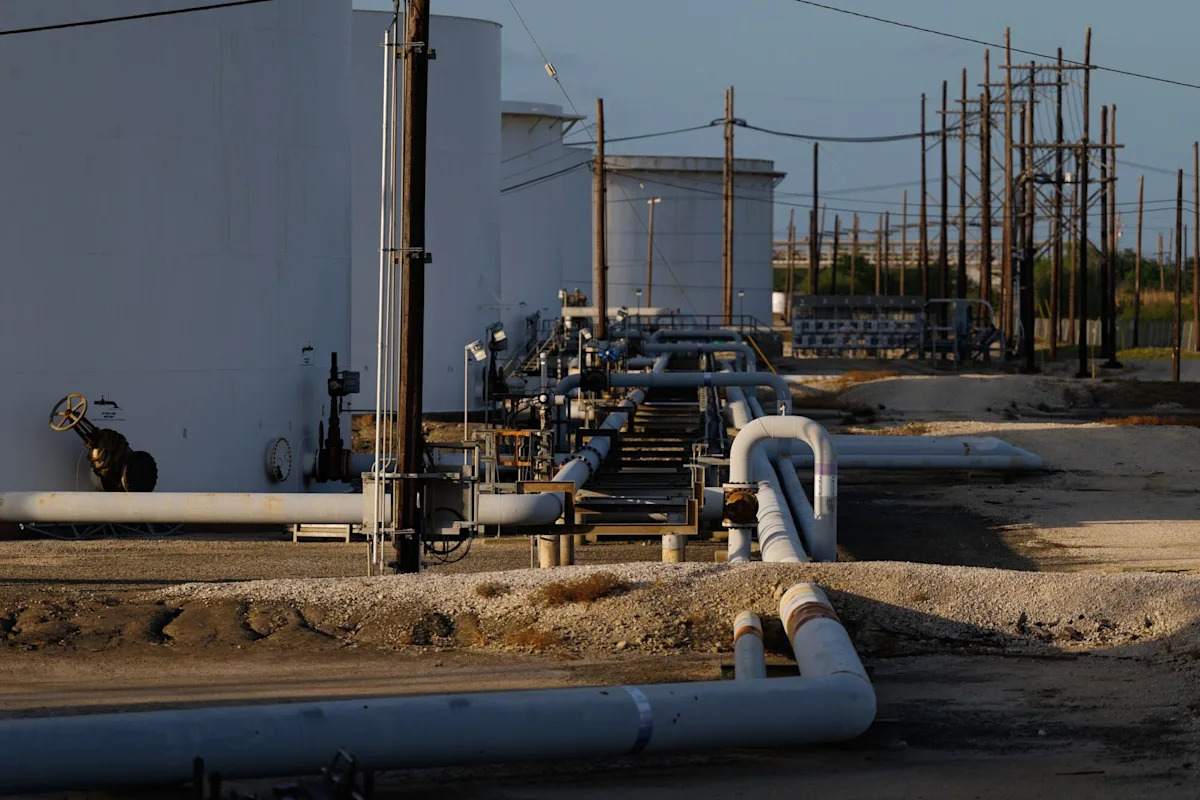
Oil Price Fluctuations and Infrastructure Damage Impact
Written by Emily J. Thompson, Senior Investment Analyst
Updated: 1 hour ago
0mins

Source: NASDAQ.COM
- Infrastructure Repair Costs: Energy consultancy Rystad Energy estimates that repairing damaged oil infrastructure will cost between $34 billion and $58 billion and take many months, which will have a long-term impact on global oil supply.
- Oil Price Fluctuation Analysis: Since the outbreak of the Iran war on February 28, Brent crude prices have fluctuated between $90 and $112 per barrel, with an average price of $103 in March, indicating the direct impact of the war on the market.
- Market Response and Investment Opportunities: Although energy stocks surged at the onset of the war, major energy stocks like ExxonMobil and Chevron have recently returned to near prewar levels, reflecting cautious market expectations regarding future oil prices.
- Economic Impact Assessment: While the U.S. economy is less reliant on oil than in the past, the rise in oil prices could still significantly affect the energy sector, especially given the slow recovery in production, prompting investors to carefully evaluate market opportunities.
Trade with 70% Backtested Accuracy
Stop guessing "Should I Buy XOM?" and start using high-conviction signals backed by rigorous historical data.
Sign up today to access powerful investing tools and make smarter, data-driven decisions.
Analyst Views on XOM
Wall Street analysts forecast XOM stock price to fall
19 Analyst Rating
12 Buy
7 Hold
0 Sell
Moderate Buy
Current: 149.500

Low
114.00
Averages
132.17
High
158.00
Current: 149.500
Low
114.00
Averages
132.17
High
158.00
About XOM
Exxon Mobil Corporation is an energy provider and chemical manufacturer. The Company’s principal business involves exploration for, and production of, crude oil and natural gas; the manufacture, trade, transport and sale of crude oil, natural gas, petroleum products, petrochemicals and a wide variety of specialty products; and pursuit of lower-emission and other new business opportunities, including carbon capture and storage, hydrogen, lower-emission fuels, Proxxima systems, carbon materials, and lithium. Its Upstream segment explores for and produces crude oil and natural gas. The Energy Products, Chemical Products, and Specialty Products segments manufacture and sell petroleum products and petrochemicals. Energy Products segment includes fuels, aromatics, and catalysts and licensing. Chemical Products segment consists of olefins, polyolefins, and intermediates. Specialty Products segment includes finished lubricants, basestocks and waxes, synthetics, and elastomers and resins.
About the author

Emily J. Thompson
Emily J. Thompson, a Chartered Financial Analyst (CFA) with 12 years in investment research, graduated with honors from the Wharton School. Specializing in industrial and technology stocks, she provides in-depth analysis for Intellectia’s earnings and market brief reports.
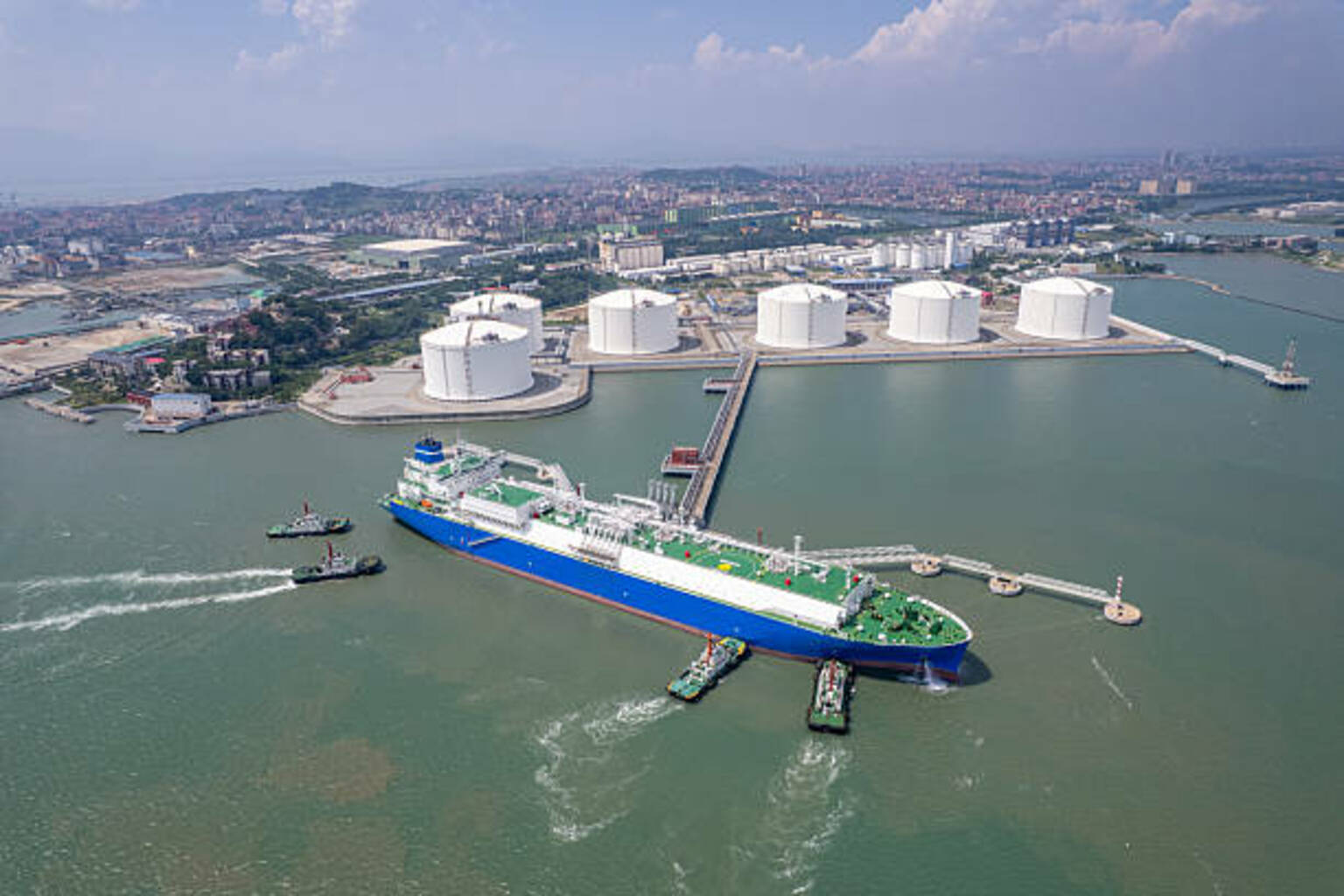
Golden Pass LNG Ships First Export Cargo from Texas Terminal

- First Export Success: Golden Pass LNG successfully loaded and shipped its first liquefied natural gas cargo from the Sabine Pass terminal in Texas, marking a significant step towards full commercial operation for one of the largest U.S. export projects.
- Operational Progress: Currently, Train 1 is operational, while construction and commissioning of Trains 2 and 3 are ongoing, with expectations to come online sequentially after Train 1 stabilizes, ultimately achieving an export capacity of approximately 18 million tons per year.
- Market Demand Response: The destination of the first shipment remains unclear, but it is anticipated to head to Italy to compensate for contracted LNG that QatarEnergy has been unable to deliver due to the Middle East conflict, highlighting the urgent market demand for this project.
- Strategic Importance: The launch of this project is crucial for QatarEnergy's growth strategy, particularly as its entire 77 million metric tons per year LNG production capacity in Qatar is currently offline due to the war, making Golden Pass LNG a key pillar for future growth.
See More
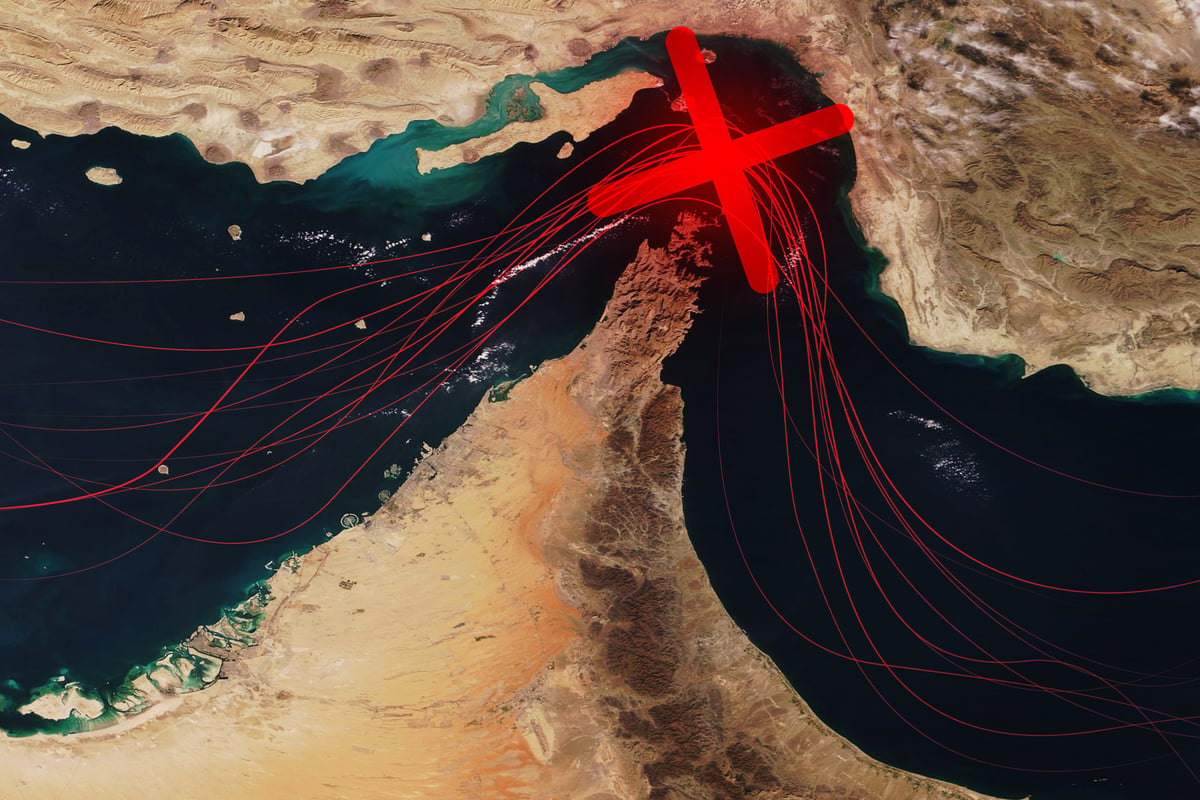
Iran War Causes Surge in Oil Prices

- Price Fluctuations: Since the onset of the Iran war on February 28, Brent crude prices have fluctuated between $90 and $112 per barrel, with an average price of $103 in March, indicating the war's direct impact on the global oil market.
- Supply Disruption: Iran's ability to halt oil flow through the Strait of Hormuz has severely limited global supply, with experts predicting that even after the war ends, oil prices may stabilize between $75 and $95 per barrel, significantly above prewar levels.
- Infrastructure Damage: The war has inflicted substantial damage on oil and gas infrastructure in the Middle East, with repair costs estimated between $34 billion and $58 billion, and it will take months to restore production to prewar levels, exacerbating supply constraints.
- Economic Impact: While the U.S. economy is less reliant on oil than in the past, and most stocks remain unaffected, energy sector stocks have shown significant volatility, highlighting potential investment opportunities as oil prices are likely to remain elevated for some time.
See More

Oil Price Fluctuations and Infrastructure Damage Impact
- Infrastructure Repair Costs: Energy consultancy Rystad Energy estimates that repairing damaged oil infrastructure will cost between $34 billion and $58 billion and take many months, which will have a long-term impact on global oil supply.
- Oil Price Fluctuation Analysis: Since the outbreak of the Iran war on February 28, Brent crude prices have fluctuated between $90 and $112 per barrel, with an average price of $103 in March, indicating the direct impact of the war on the market.
- Market Response and Investment Opportunities: Although energy stocks surged at the onset of the war, major energy stocks like ExxonMobil and Chevron have recently returned to near prewar levels, reflecting cautious market expectations regarding future oil prices.
- Economic Impact Assessment: While the U.S. economy is less reliant on oil than in the past, the rise in oil prices could still significantly affect the energy sector, especially given the slow recovery in production, prompting investors to carefully evaluate market opportunities.
See More

Strait of Hormuz Reopening Could Take Six Months

- Sustained High Oil Prices: The closure of the Strait of Hormuz results in a daily global economic loss of 10 to 15 million barrels of oil, leading to expectations that oil prices will remain above $90, significantly boosting oil company profitability, with ExxonMobil estimating an additional $700 million in annual earnings for every $1 increase in oil prices.
- Increased Capital Budgets: U.S. oil companies are expected to raise their capital budgets to drill more wells, as Halliburton has noted signs of a recovery in North American drilling activity, with customers seeking to complete more wells, which will enhance revenue and margins for oilfield service companies.
- Production Recovery Challenges: Even if the Strait of Hormuz reopens following a peace deal, it could take months for the Navy to clear mines and for oil companies to restore production from shut-in wells, indicating that oil prices will remain high long after the war ends, further enhancing oil company profitability.
- Emerging Investment Opportunities: Given the high oil prices, investors can capitalize on this opportunity by investing in oil giants like ExxonMobil, oilfield service leaders such as Halliburton, or oil ETFs, as these companies are likely to benefit from high prices and increase investments in new wells.
See More
BP Faces Shareholder Revolt at AGM Over Governance and Climate Issues

- AGM Voting Results: At BP's annual general meeting, while 81.8% of shareholders supported the election of Albert Manifold as chair, the company failed to secure the 75% needed to pass two significant resolutions, reflecting shareholder dissatisfaction with governance and climate transparency.
- Proposals Blocked: The board's decision to block a proposal from Follow This, which sought to require BP to disclose plans for creating shareholder value amid declining oil and gas demand, raised eyebrows among investors, particularly given the recommendations against BP from proxy advisors like Glass Lewis and ISS.
- Investor Backlash: Nick Mazan from climate group ACCR remarked that the AGM results were unprecedented, indicating that investors are fed up with BP's lack of capital discipline and shareholder rights, and stressing that the new leadership must demonstrate the value of its planned upstream investments.
- Market Performance Comparison: In stark contrast to BP's struggles, shares of Woodside Energy have surged over 33% year-to-date, highlighting its success in capital management and shareholder returns, thereby increasing the pressure on BP to improve its performance.
See More
ISS Recommends ConocoPhillips Shareholders Support Independent Chair Proposal

- Independent Chair Proposal: Proxy advisor ISS recommends that ConocoPhillips shareholders vote in favor of a proposal for an independent board chair, emphasizing the need for stronger oversight to protect shareholder interests.
- Governance Structure Concerns: ISS highlights that the current board structure may hinder investors from providing candid feedback to independent directors regarding sensitive issues such as CEO performance and succession planning, potentially affecting governance effectiveness.
- Underperformance Issues: The advisor notes that ConocoPhillips' total shareholder returns have lagged behind the S&P 500 over the past three years, underscoring the necessity for an independent chair proposal to address performance shortcomings.
- Company's Response: A ConocoPhillips spokesperson stated that the board believes maintaining the combined role of chairman and CEO along with an independent lead director is in the best interests of shareholders, indicating the company's commitment to its existing governance structure.
See More
Golden Pass LNG Ships First Export Cargo from Texas Terminal
- First Export Success: Golden Pass LNG successfully loaded and shipped its first liquefied natural gas cargo from the Sabine Pass terminal in Texas, marking a significant step towards full commercial operation for one of the largest U.S. export projects.
- Operational Progress: Currently, Train 1 is operational, while construction and commissioning of Trains 2 and 3 are ongoing, with expectations to come online sequentially after Train 1 stabilizes, ultimately achieving an export capacity of approximately 18 million tons per year.
- Market Demand Response: The destination of the first shipment remains unclear, but it is anticipated to head to Italy to compensate for contracted LNG that QatarEnergy has been unable to deliver due to the Middle East conflict, highlighting the urgent market demand for this project.
- Strategic Importance: The launch of this project is crucial for QatarEnergy's growth strategy, particularly as its entire 77 million metric tons per year LNG production capacity in Qatar is currently offline due to the war, making Golden Pass LNG a key pillar for future growth.
See More
Iran War Causes Surge in Oil Prices
- Price Fluctuations: Since the onset of the Iran war on February 28, Brent crude prices have fluctuated between $90 and $112 per barrel, with an average price of $103 in March, indicating the war's direct impact on the global oil market.
- Supply Disruption: Iran's ability to halt oil flow through the Strait of Hormuz has severely limited global supply, with experts predicting that even after the war ends, oil prices may stabilize between $75 and $95 per barrel, significantly above prewar levels.
- Infrastructure Damage: The war has inflicted substantial damage on oil and gas infrastructure in the Middle East, with repair costs estimated between $34 billion and $58 billion, and it will take months to restore production to prewar levels, exacerbating supply constraints.
- Economic Impact: While the U.S. economy is less reliant on oil than in the past, and most stocks remain unaffected, energy sector stocks have shown significant volatility, highlighting potential investment opportunities as oil prices are likely to remain elevated for some time.
See More
Oil Price Fluctuations and Infrastructure Damage Impact
- Infrastructure Repair Costs: Energy consultancy Rystad Energy estimates that repairing damaged oil infrastructure will cost between $34 billion and $58 billion and take many months, which will have a long-term impact on global oil supply.
- Oil Price Fluctuation Analysis: Since the outbreak of the Iran war on February 28, Brent crude prices have fluctuated between $90 and $112 per barrel, with an average price of $103 in March, indicating the direct impact of the war on the market.
- Market Response and Investment Opportunities: Although energy stocks surged at the onset of the war, major energy stocks like ExxonMobil and Chevron have recently returned to near prewar levels, reflecting cautious market expectations regarding future oil prices.
- Economic Impact Assessment: While the U.S. economy is less reliant on oil than in the past, the rise in oil prices could still significantly affect the energy sector, especially given the slow recovery in production, prompting investors to carefully evaluate market opportunities.
See More
Strait of Hormuz Reopening Could Take Six Months
- Sustained High Oil Prices: The closure of the Strait of Hormuz results in a daily global economic loss of 10 to 15 million barrels of oil, leading to expectations that oil prices will remain above $90, significantly boosting oil company profitability, with ExxonMobil estimating an additional $700 million in annual earnings for every $1 increase in oil prices.
- Increased Capital Budgets: U.S. oil companies are expected to raise their capital budgets to drill more wells, as Halliburton has noted signs of a recovery in North American drilling activity, with customers seeking to complete more wells, which will enhance revenue and margins for oilfield service companies.
- Production Recovery Challenges: Even if the Strait of Hormuz reopens following a peace deal, it could take months for the Navy to clear mines and for oil companies to restore production from shut-in wells, indicating that oil prices will remain high long after the war ends, further enhancing oil company profitability.
- Emerging Investment Opportunities: Given the high oil prices, investors can capitalize on this opportunity by investing in oil giants like ExxonMobil, oilfield service leaders such as Halliburton, or oil ETFs, as these companies are likely to benefit from high prices and increase investments in new wells.
See More
BP Faces Shareholder Revolt at AGM Over Governance and Climate Issues
- AGM Voting Results: At BP's annual general meeting, while 81.8% of shareholders supported the election of Albert Manifold as chair, the company failed to secure the 75% needed to pass two significant resolutions, reflecting shareholder dissatisfaction with governance and climate transparency.
- Proposals Blocked: The board's decision to block a proposal from Follow This, which sought to require BP to disclose plans for creating shareholder value amid declining oil and gas demand, raised eyebrows among investors, particularly given the recommendations against BP from proxy advisors like Glass Lewis and ISS.
- Investor Backlash: Nick Mazan from climate group ACCR remarked that the AGM results were unprecedented, indicating that investors are fed up with BP's lack of capital discipline and shareholder rights, and stressing that the new leadership must demonstrate the value of its planned upstream investments.
- Market Performance Comparison: In stark contrast to BP's struggles, shares of Woodside Energy have surged over 33% year-to-date, highlighting its success in capital management and shareholder returns, thereby increasing the pressure on BP to improve its performance.
See More
ISS Recommends ConocoPhillips Shareholders Support Independent Chair Proposal
- Independent Chair Proposal: Proxy advisor ISS recommends that ConocoPhillips shareholders vote in favor of a proposal for an independent board chair, emphasizing the need for stronger oversight to protect shareholder interests.
- Governance Structure Concerns: ISS highlights that the current board structure may hinder investors from providing candid feedback to independent directors regarding sensitive issues such as CEO performance and succession planning, potentially affecting governance effectiveness.
- Underperformance Issues: The advisor notes that ConocoPhillips' total shareholder returns have lagged behind the S&P 500 over the past three years, underscoring the necessity for an independent chair proposal to address performance shortcomings.
- Company's Response: A ConocoPhillips spokesperson stated that the board believes maintaining the combined role of chairman and CEO along with an independent lead director is in the best interests of shareholders, indicating the company's commitment to its existing governance structure.
See More