Nvidia Unveils Major GTC Updates
Written by Emily J. Thompson, Senior Investment Analyst
Updated: Mar 17 2026
0mins


Should l Buy NVDA?
Source: Fool
- Self-Driving Project Progress: Nvidia announced at the GTC conference that its joint self-driving car project with Uber is set to launch in 2027, with Los Angeles and San Francisco as testing cities, expanding to 28 cities, showcasing the company's strategic positioning and market potential in autonomous driving.
- AI Software Security Enhancement: The launch of the NemoClaw platform provides enhanced privacy and security controls for OpenClaw software, allowing self-evolving AI agents to be more scalable and trusted, further solidifying Nvidia's leadership in the AI sector.
- Alphabet Seeks Chinese Supply Chain: Alphabet is in discussions with Chinese suppliers for liquid cooling hardware to address tight supply in AI data center construction, with the liquid cooling market expected to grow from $8.9 billion in 2025 to $17 billion, highlighting the urgent demand for efficient cooling systems.
- Defense Stocks Rally: Defense stocks like AeroVironment and L3Harris Technologies rose over 2% following reports on low-cost weapon systems, indicating the market's growing interest in cost-effective technologies and increased investor confidence in the defense sector.
Trade with 70% Backtested Accuracy
Stop guessing "Should I Buy NVDA?" and start using high-conviction signals backed by rigorous historical data.
Sign up today to access powerful investing tools and make smarter, data-driven decisions.
Analyst Views on NVDA
Wall Street analysts forecast NVDA stock price to rise
41 Analyst Rating
39 Buy
1 Hold
1 Sell
Strong Buy
Current: 165.170

Low
200.00
Averages
264.97
High
352.00
Current: 165.170
Low
200.00
Averages
264.97
High
352.00
About NVDA
NVIDIA Corporation is an artificial intelligence (AI) infrastructure company. The Company is engaged in accelerated computing to help solve the challenging computational problems. Its segments include Compute & Networking and Graphics. The Compute & Networking segment includes its Data Center accelerated computing and networking platforms and AI solutions and software, and automotive platforms and autonomous and electric vehicle solutions, including software. The Graphics segment includes GeForce GPUs for gaming and personal computers (PCs), and Quadro/NVIDIA RTX GPUs for enterprise workstation graphics. Its technology stack includes the foundational NVIDIA CUDA development platform that runs on all NVIDIA GPUs, as well as hundreds of domain-specific software libraries, frameworks, algorithms, software development kits (SDKs), and application programming interfaces (APIs). Its platforms address four markets, which include Data Center, Gaming, Professional Visualization, and Automotive.
About the author

Emily J. Thompson
Emily J. Thompson, a Chartered Financial Analyst (CFA) with 12 years in investment research, graduated with honors from the Wharton School. Specializing in industrial and technology stocks, she provides in-depth analysis for Intellectia’s earnings and market brief reports.

Nvidia Reports 65% Revenue Growth in Fiscal 2026

- Significant Revenue Growth: Nvidia reported a revenue of $215.9 billion for fiscal 2026, reflecting a 65% year-over-year increase, despite a 10.2% decline in stock price so far in 2026, indicating market concerns about the sustainability of AI infrastructure spending.
- Robust AI Demand Outlook: CEO Jensen Huang announced at the GTC AI Conference that demand for AI systems is projected to reach at least $1 trillion in 2026 and 2027, a substantial increase from the previous estimate of $500 billion, highlighting the long-term trend in AI infrastructure development.
- Diversified Customer Base: Nvidia's business is composed of 60% from hyperscalers and 40% from enterprises, sovereign AI projects, startups, and emerging applications, ensuring that the company is not overly reliant on any single industry, thereby mitigating market risks.
- Continuous Product Innovation: Nvidia is actively launching new products, with ongoing deployments of Hopper systems and ramping up Blackwell systems, while future platforms like Rubin and Feynman are already in development, enhancing the company's competitive edge in the market.
See More

Harbor Capital's Strategic Buy and Sell Moves in Q1 2026
- New Stock Additions: In Q1 2026, Harbor Capital added three stocks, with Merck & Co (MRK) being the largest at 2,020,767 shares, accounting for 0.86% of the portfolio and valued at $222.83 million, indicating confidence in the pharmaceutical sector.
- Key Position Increases: The fund increased its stake in Amphenol Corp (APH) by 818,193 shares, representing a significant 58.39% increase, bringing total holdings to 2,219,459 shares with an overall investment value of $319.78 million, reflecting optimism about its growth potential.
- Complete Exits: Harbor Capital fully exited four holdings in Q1, including Nike (NKE) and Boston Scientific (BSX), impacting the portfolio by -0.74% and -0.45% respectively, indicating a cautious outlook on these companies.
- Position Reductions: The fund reduced stakes in 34 stocks, notably cutting NVIDIA (NVDA) by 3,792,310 shares, resulting in a 20.42% decrease and a -2.61% portfolio impact, showcasing a strategic response to market volatility.
See More

OpenAI Closes Record Funding Round at $852 Billion Valuation


- Record Funding Size: OpenAI announced the closure of a $122 billion funding round, increasing from the $110 billion commitment disclosed in February, reflecting strong investor confidence in its future growth and solidifying its leadership in the AI sector.
- User Base Expansion: As of March, ChatGPT supports over 900 million weekly active users, with more than 50 million being paid subscribers, indicating widespread market acceptance and commercial potential, driving continued growth for the company.
- Significant Revenue Growth: OpenAI generates $2 billion in monthly revenue, with total revenue reaching $13.1 billion last year; although still unprofitable, this robust revenue stream lays the groundwork for future profitability, especially in light of a potential IPO.
- Strategic Investor Support: Strategic investors like Amazon, Nvidia, and SoftBank have committed $50 billion, $30 billion, and $30 billion respectively, demonstrating market trust in OpenAI's long-term prospects while providing ample funding for future expansion.
See More
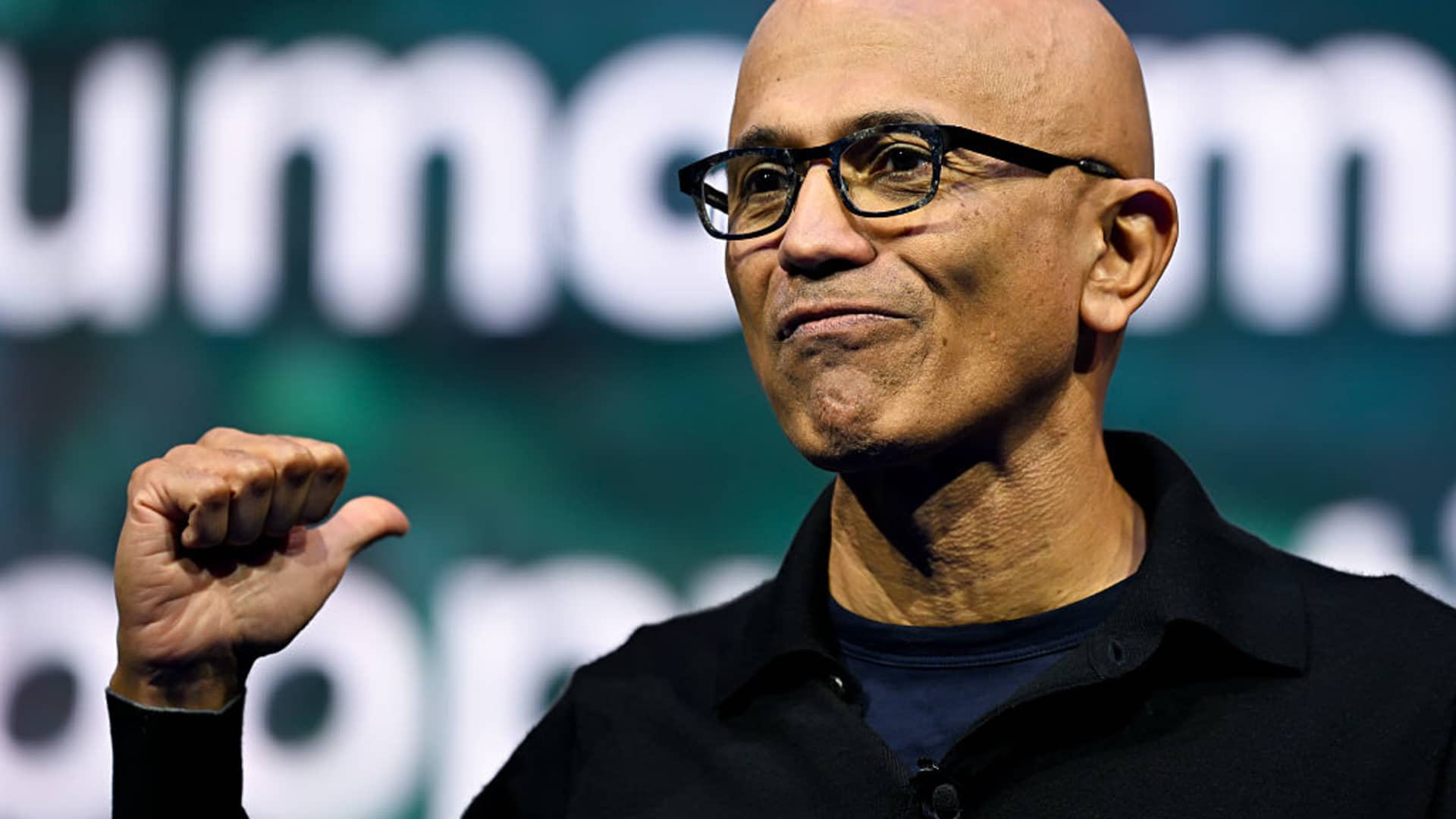
Microsoft Faces AI Growth Pressure as Stock Plummets

- Stock Plunge: Microsoft experienced a 23% drop in stock price during Q1, marking its worst quarterly performance since the 2008 financial crisis, significantly outpacing the Nasdaq's 7% decline, indicating investor concerns over its AI growth prospects that could impact future financing capabilities.
- AI Assistant Challenges: Microsoft's Copilot AI assistant has seen low user adoption, with only 3% of commercial Office customers holding licenses, forcing the company to allocate Azure cloud resources for improvements to maintain market share amid fierce competition.
- Executive Shake-up: Microsoft reassigned Copilot development head Mustafa Suleyman and appointed former Snap executive Jacob Andreou to lead the Copilot experience for consumers and commercial clients, raising market concerns about the company's strategic direction and potentially affecting team morale.
- Cloud Business Growth: Despite challenges, Microsoft's Azure cloud service achieved a 39% revenue growth in the December quarter, with commercial remaining performance obligations exceeding $625 billion, reflecting strong demand in the cloud infrastructure market that may support the company's future.
See More

Nvidia Partners with Marvell to Strengthen AI Market Position


- Strategic Partnership: Nvidia's collaboration with Marvell Technology aims to integrate Marvell's custom AI chips with Nvidia's AI computing ecosystem, which is expected to enhance Nvidia's market share in the custom AI chip sector, further solidifying its leadership in AI computing.
- Investment Strategy: Nvidia's $2 billion investment for a 2.5% stake in Marvell not only provides financial support for Marvell's future growth but also allows Nvidia to benefit from any potential Marvell deals, thereby increasing its competitiveness in the AI data center market.
- Technological Interconnectivity: By extending its NVLink technology to Marvell's custom processors, Nvidia is expected to improve product compatibility, attracting more enterprises to invest in AI data centers and expanding its total addressable market.
- Market Reaction: Following the announcement of the partnership, Nvidia's stock surged by 5.6%, indicating a positive market response to the collaboration, and despite a challenging overall market environment, this move could provide new momentum for Nvidia's future earnings growth.
See More

OpenAI Closes Record Funding Round Valued at $852 Billion
- Record Funding Size: OpenAI announced its latest funding round totaled $122 billion, an increase from the previously reported $110 billion, reflecting strong market confidence in its future and further solidifying its leadership in the AI sector.
- Diverse Investor Participation: This funding round opened participation to investors through bank channels for the first time, attracting notable firms such as SoftBank, Andreessen Horowitz, and D.E. Shaw Ventures, indicating OpenAI's growing appeal in the capital markets.
- Significant Revenue Growth: OpenAI is currently generating $2 billion in monthly revenue, with total revenue reaching $13.1 billion last year; although still unprofitable, this rapid revenue growth lays a foundation for future profitability, showcasing the potential of its business model.
- Strategic Investor Involvement: Amazon committed to invest up to $50 billion, while Nvidia and SoftBank each invested $30 billion, with Microsoft also participating without disclosing the amount, providing strong backing for OpenAI's long-term growth trajectory.
See More
Nvidia Reports 65% Revenue Growth in Fiscal 2026
- Significant Revenue Growth: Nvidia reported a revenue of $215.9 billion for fiscal 2026, reflecting a 65% year-over-year increase, despite a 10.2% decline in stock price so far in 2026, indicating market concerns about the sustainability of AI infrastructure spending.
- Robust AI Demand Outlook: CEO Jensen Huang announced at the GTC AI Conference that demand for AI systems is projected to reach at least $1 trillion in 2026 and 2027, a substantial increase from the previous estimate of $500 billion, highlighting the long-term trend in AI infrastructure development.
- Diversified Customer Base: Nvidia's business is composed of 60% from hyperscalers and 40% from enterprises, sovereign AI projects, startups, and emerging applications, ensuring that the company is not overly reliant on any single industry, thereby mitigating market risks.
- Continuous Product Innovation: Nvidia is actively launching new products, with ongoing deployments of Hopper systems and ramping up Blackwell systems, while future platforms like Rubin and Feynman are already in development, enhancing the company's competitive edge in the market.
See More
Harbor Capital's Strategic Buy and Sell Moves in Q1 2026
- New Stock Additions: In Q1 2026, Harbor Capital added three stocks, with Merck & Co (MRK) being the largest at 2,020,767 shares, accounting for 0.86% of the portfolio and valued at $222.83 million, indicating confidence in the pharmaceutical sector.
- Key Position Increases: The fund increased its stake in Amphenol Corp (APH) by 818,193 shares, representing a significant 58.39% increase, bringing total holdings to 2,219,459 shares with an overall investment value of $319.78 million, reflecting optimism about its growth potential.
- Complete Exits: Harbor Capital fully exited four holdings in Q1, including Nike (NKE) and Boston Scientific (BSX), impacting the portfolio by -0.74% and -0.45% respectively, indicating a cautious outlook on these companies.
- Position Reductions: The fund reduced stakes in 34 stocks, notably cutting NVIDIA (NVDA) by 3,792,310 shares, resulting in a 20.42% decrease and a -2.61% portfolio impact, showcasing a strategic response to market volatility.
See More
OpenAI Closes Record Funding Round at $852 Billion Valuation
- Record Funding Size: OpenAI announced the closure of a $122 billion funding round, increasing from the $110 billion commitment disclosed in February, reflecting strong investor confidence in its future growth and solidifying its leadership in the AI sector.
- User Base Expansion: As of March, ChatGPT supports over 900 million weekly active users, with more than 50 million being paid subscribers, indicating widespread market acceptance and commercial potential, driving continued growth for the company.
- Significant Revenue Growth: OpenAI generates $2 billion in monthly revenue, with total revenue reaching $13.1 billion last year; although still unprofitable, this robust revenue stream lays the groundwork for future profitability, especially in light of a potential IPO.
- Strategic Investor Support: Strategic investors like Amazon, Nvidia, and SoftBank have committed $50 billion, $30 billion, and $30 billion respectively, demonstrating market trust in OpenAI's long-term prospects while providing ample funding for future expansion.
See More
Microsoft Faces AI Growth Pressure as Stock Plummets
- Stock Plunge: Microsoft experienced a 23% drop in stock price during Q1, marking its worst quarterly performance since the 2008 financial crisis, significantly outpacing the Nasdaq's 7% decline, indicating investor concerns over its AI growth prospects that could impact future financing capabilities.
- AI Assistant Challenges: Microsoft's Copilot AI assistant has seen low user adoption, with only 3% of commercial Office customers holding licenses, forcing the company to allocate Azure cloud resources for improvements to maintain market share amid fierce competition.
- Executive Shake-up: Microsoft reassigned Copilot development head Mustafa Suleyman and appointed former Snap executive Jacob Andreou to lead the Copilot experience for consumers and commercial clients, raising market concerns about the company's strategic direction and potentially affecting team morale.
- Cloud Business Growth: Despite challenges, Microsoft's Azure cloud service achieved a 39% revenue growth in the December quarter, with commercial remaining performance obligations exceeding $625 billion, reflecting strong demand in the cloud infrastructure market that may support the company's future.
See More
Nvidia Partners with Marvell to Strengthen AI Market Position
- Strategic Partnership: Nvidia's collaboration with Marvell Technology aims to integrate Marvell's custom AI chips with Nvidia's AI computing ecosystem, which is expected to enhance Nvidia's market share in the custom AI chip sector, further solidifying its leadership in AI computing.
- Investment Strategy: Nvidia's $2 billion investment for a 2.5% stake in Marvell not only provides financial support for Marvell's future growth but also allows Nvidia to benefit from any potential Marvell deals, thereby increasing its competitiveness in the AI data center market.
- Technological Interconnectivity: By extending its NVLink technology to Marvell's custom processors, Nvidia is expected to improve product compatibility, attracting more enterprises to invest in AI data centers and expanding its total addressable market.
- Market Reaction: Following the announcement of the partnership, Nvidia's stock surged by 5.6%, indicating a positive market response to the collaboration, and despite a challenging overall market environment, this move could provide new momentum for Nvidia's future earnings growth.
See More
OpenAI Closes Record Funding Round Valued at $852 Billion
- Record Funding Size: OpenAI announced its latest funding round totaled $122 billion, an increase from the previously reported $110 billion, reflecting strong market confidence in its future and further solidifying its leadership in the AI sector.
- Diverse Investor Participation: This funding round opened participation to investors through bank channels for the first time, attracting notable firms such as SoftBank, Andreessen Horowitz, and D.E. Shaw Ventures, indicating OpenAI's growing appeal in the capital markets.
- Significant Revenue Growth: OpenAI is currently generating $2 billion in monthly revenue, with total revenue reaching $13.1 billion last year; although still unprofitable, this rapid revenue growth lays a foundation for future profitability, showcasing the potential of its business model.
- Strategic Investor Involvement: Amazon committed to invest up to $50 billion, while Nvidia and SoftBank each invested $30 billion, with Microsoft also participating without disclosing the amount, providing strong backing for OpenAI's long-term growth trajectory.
See More