Norwegian Cruise Line's 2026 Guidance Faces Headwinds
Written by Emily J. Thompson, Senior Investment Analyst
Updated: 6 days ago
0mins
Should l Buy NCLH?
Source: NASDAQ.COM
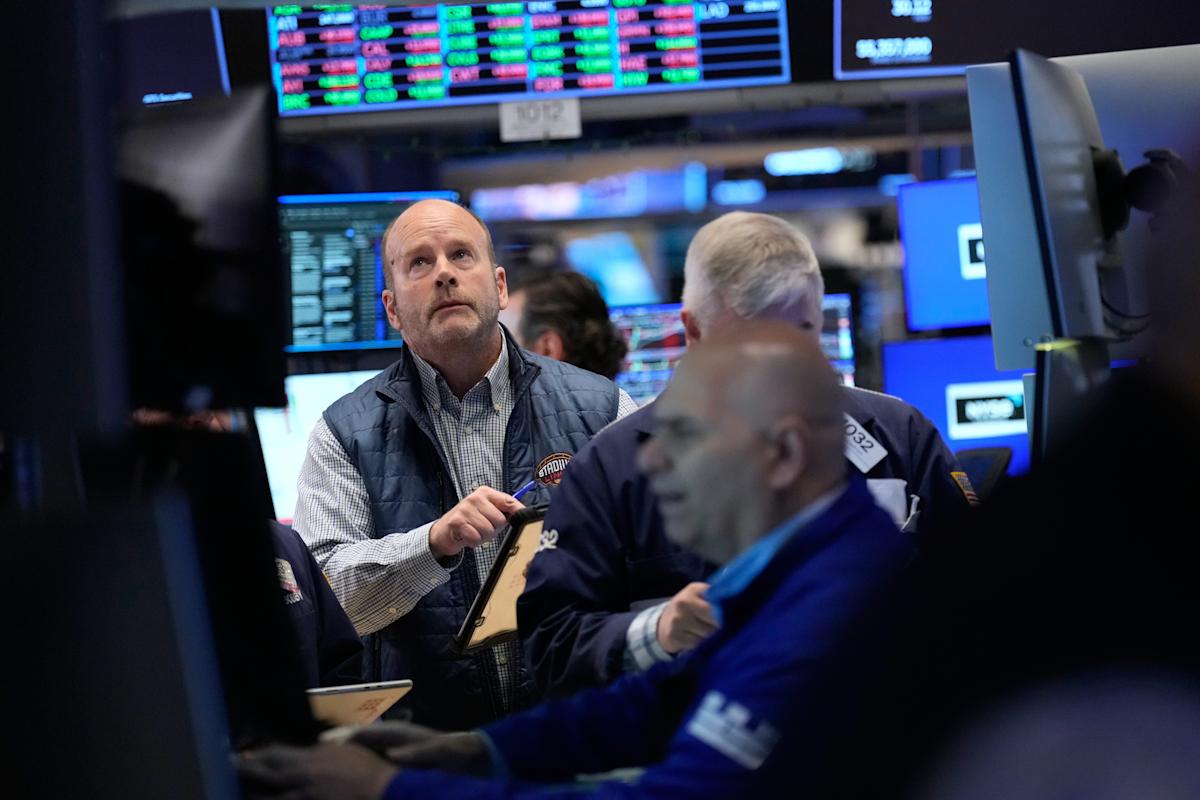
- Fuel Cost Volatility Impact: Norwegian Cruise Line faces pressure on operational costs due to fluctuating oil prices stemming from geopolitical conflicts in the Middle East, leading to a roughly 30% decline in stock price from its 52-week high as investors express concerns about future performance.
- 2026 Earnings Outlook Flat: The company anticipates that its net yield for 2026 will remain flat on a constant currency basis compared to 2025, indicating challenges in executing its commercial strategy, although earnings per share are expected to rise from $2.11 in 2025 to $2.38.
- Overconcentration in the Caribbean: The rapid increase in the number of ships in the Caribbean has led to uneven resource allocation, compounded by slow progress in building amenities on its private island, Great Stirrup Cay, which negatively impacts overall operational efficiency.
- Market Sentiment Remains Low: Due to specific execution issues, Wall Street's outlook on Norwegian Cruise Line is more negative compared to its peers, despite the overall cruise industry not being affected, prompting investors to carefully assess future investment risks.
Trade with 70% Backtested Accuracy
Stop guessing "Should I Buy NCLH?" and start using high-conviction signals backed by rigorous historical data.
Sign up today to access powerful investing tools and make smarter, data-driven decisions.
Analyst Views on NCLH
Wall Street analysts forecast NCLH stock price to rise
13 Analyst Rating
8 Buy
5 Hold
0 Sell
Moderate Buy
Current: 21.090

Low
20.00
Averages
26.77
High
40.00
Current: 21.090
Low
20.00
Averages
26.77
High
40.00
About NCLH
Norwegian Cruise Line Holdings Ltd. is a global cruise company. The Company operates Norwegian Cruise Line, Oceania Cruises and Regent Seven Seas Cruises. With a combined fleet of 32 ships and over 66,500 berths, it offers itineraries to over 700 destinations worldwide. Its brands offer itineraries to worldwide destinations, including Europe, Asia, Australia, New Zealand, South America, Africa, Canada, Bermuda, Caribbean, Alaska and Hawaii. All its brands offer an assortment of features, amenities and activities, including a variety of accommodations, multiple dining venues, bars and lounges, spa, casino and retail shopping areas and numerous entertainment choices. All brands also offer a selection of shore excursions at each port of call, as well as air transportation and hotel packages for stays before or after a voyage. Norwegian’s ships cater to a variety of travelers with up to 20 dining options. Oceania Cruises offers onboard dining, with multiple open-seating dining venues.
About the author

Emily J. Thompson
Emily J. Thompson, a Chartered Financial Analyst (CFA) with 12 years in investment research, graduated with honors from the Wharton School. Specializing in industrial and technology stocks, she provides in-depth analysis for Intellectia’s earnings and market brief reports.
Global Cruise Industry Sees Record Demand Amid Challenges


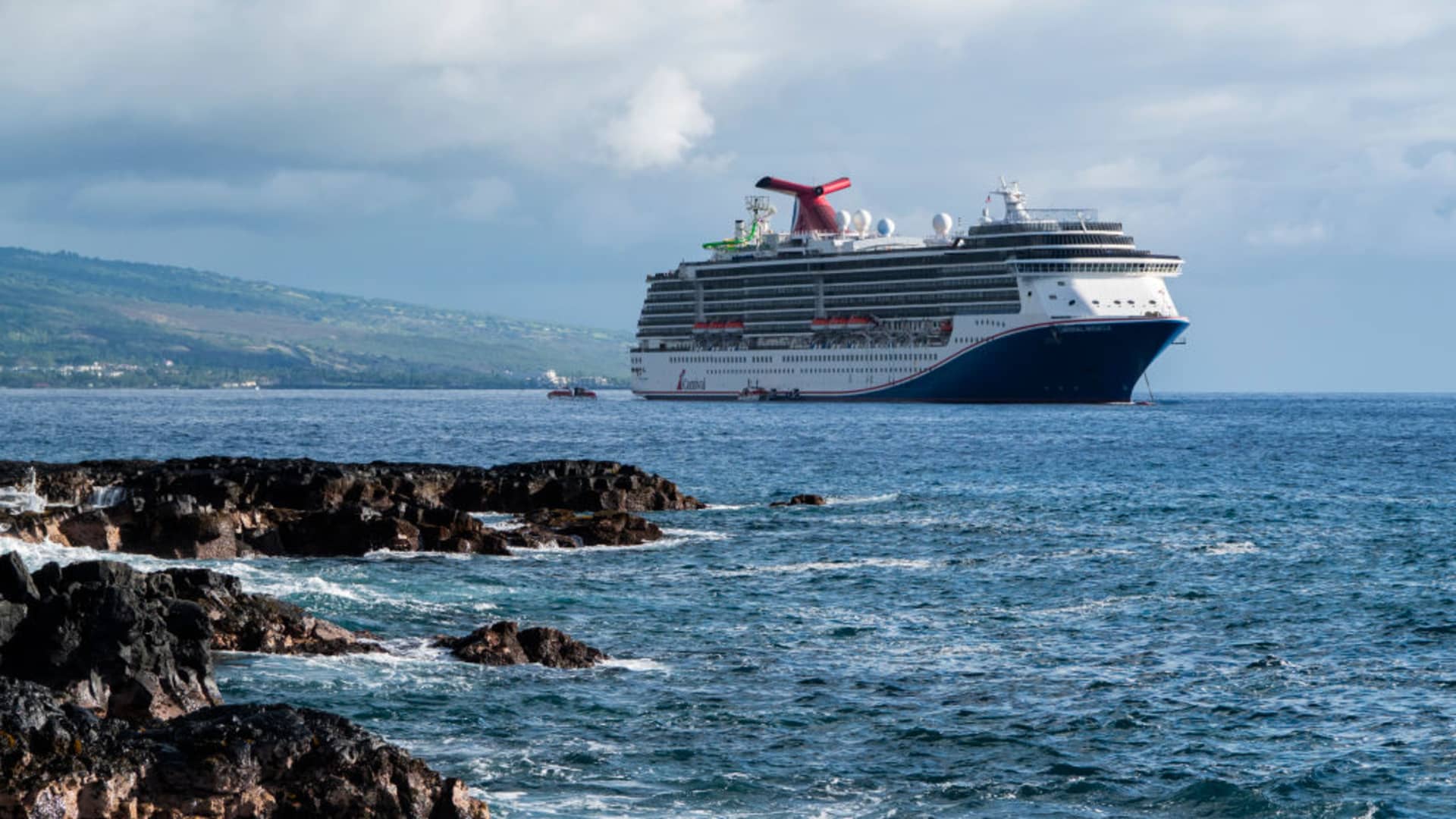
- Rising Industry Demand: The Cruise Lines International Association reports that global cruise passengers reached 37 million in 2023, with projections to rise to 42 million by 2029, indicating strong consumer interest in cruise vacations, particularly among younger travelers, who now make up one-third of the market.
- Complex Challenges Ahead: Despite rising demand, cruise companies face geopolitical challenges, such as the blockade at the Strait of Hormuz, which has stranded at least six ships and disrupted itineraries in the Middle East and Southern Europe, forcing companies to adapt to a fluid situation.
- Sustainability Strategy: The cruise industry aims for net-zero emissions by 2050, with leaders investing hundreds of millions in technology and energy innovation, although the availability of alternative fuels remains a bottleneck, necessitating a balance between environmental goals and cost management.
- Leadership Changes: Norwegian Cruise Line's new CEO John Chidsey acknowledged multiple challenges during his first earnings call, emphasizing the need for enhanced team collaboration and accountability to turn the company around, reflecting a commitment to future growth and operational efficiency.
See More

Latest Rating Changes on Wall Street


- Infleqtion Coverage Initiation: Citigroup initiates coverage of quantum computing firm Infleqtion with a Buy/High Risk rating and a $20 price target, highlighting its uniqueness in the quantum computing sector, which may attract investor interest.
- SAP Downgrade: Piper Sandler downgrades SAP from Overweight to Neutral, citing challenges in the macroeconomic environment and anticipating lower valuation multiples as the software industry transitions from SaaS to AI.
- Positive Catalysts for Alphabet: Citigroup adds a 90-day Catalyst Watch on Alphabet, expecting upcoming product updates during events like Google Cloud Next and YouTube Brandcast to drive stock price appreciation.
- Biogen Upgrade: Piper Sandler upgrades Biogen from Neutral to Overweight, raising the price target from $177 to $214, reflecting confidence in its growth potential moving forward.
See More

Mixed US Stock Performance Amid Soaring Oil Prices


- Oil Price Surge Impacts Market: Following President Trump's order to blockade the Strait of Hormuz, crude oil prices surged over 5%, putting pressure on the stock market, particularly affecting airline and cruise line stocks, indicating potential threats to corporate profits from oil price volatility.
- Software Stocks Rebound: Oracle's stock jumped over 8%, leading a rebound in software stocks, suggesting a positive market response to its newly launched utilities industry solutions, which may enhance the company's position in a competitive market.
- Weak Economic Data: March existing home sales in the US fell 3.6% month-over-month to a nine-month low of 3.98 million, below the expected 4.05 million, indicating weakness in the housing market that could negatively impact overall economic growth.
- Earnings Season Outlook: Q1 earnings for the S&P 500 are projected to rise 12% year-over-year, but excluding the technology sector, the increase is only 3%, the lowest in two years, reflecting cautious market sentiment regarding future profitability.
See More

Oil Price Surge Triggers Market Volatility

- Oil Price Surge: Following President Trump's order for a full naval blockade of the Strait of Hormuz, WTI crude oil prices have surged over 7%, which could exacerbate global oil and fuel shortages, impacting market supply-demand dynamics.
- Mixed Market Performance: While the S&P 500 index is up 0.05%, the Dow Jones Industrial Average has fallen by 0.39%, indicating market sensitivity to oil price fluctuations that may lead to investor sentiment instability.
- Earnings Expectations: According to Bloomberg Intelligence, Q1 earnings for the S&P 500 are projected to rise by 12% year-over-year, but excluding the technology sector, the increase is only 3%, highlighting overall earnings growth weakness.
- Airline Stocks Decline: Due to rising oil prices, airline and cruise line stocks have generally fallen, with Carnival and Norwegian Cruise Line both down over 3%, reflecting the potential threat of high oil prices on corporate profits.
See More

Stock Price Movements of Various Companies


- Oracle AI Capabilities Boost: At the Customer Edge Summit, Oracle announced that its AI platform helped residential utility customers save $369 million in 2025, leading to a more than 9% increase in shares, indicating enhanced competitiveness in the cloud computing sector.
- Conagra CEO Transition: Conagra announced that John Brase will take over as CEO on June 1, resulting in a more than 5% drop in shares, reflecting market unease over leadership changes, with shares down over 17% in 2026.
- Allogene Therapeutics Clinical Success: The biotech company saw its shares soar nearly 30% after positive phase 2 data showed its CAR T treatment significantly improved cancer cell eradication in lymphoma patients, laying a strong foundation for future product line expansion.
- Goldman Sachs Earnings Beat: Despite its fixed income trading falling short of expectations, Goldman Sachs posted an earnings and revenue beat in its first-quarter report, with shares down over 2%, indicating market caution regarding its future performance.
See More
Goldman Sachs Earnings Beat Expectations Yet Shares Decline


- Goldman Sachs Earnings: Goldman Sachs reported Q1 earnings of $17.55 per share and $17.23 billion in revenue, exceeding expectations, yet shares fell over 2%, indicating market disappointment over fixed income, currencies, and commodities trading performance.
- Williams-Sonoma Upgrade: Williams-Sonoma shares rose more than 2% after Goldman Sachs upgraded the stock to buy, with analysts highlighting the company's strong brand portfolio in retail, reflecting market confidence in its growth potential.
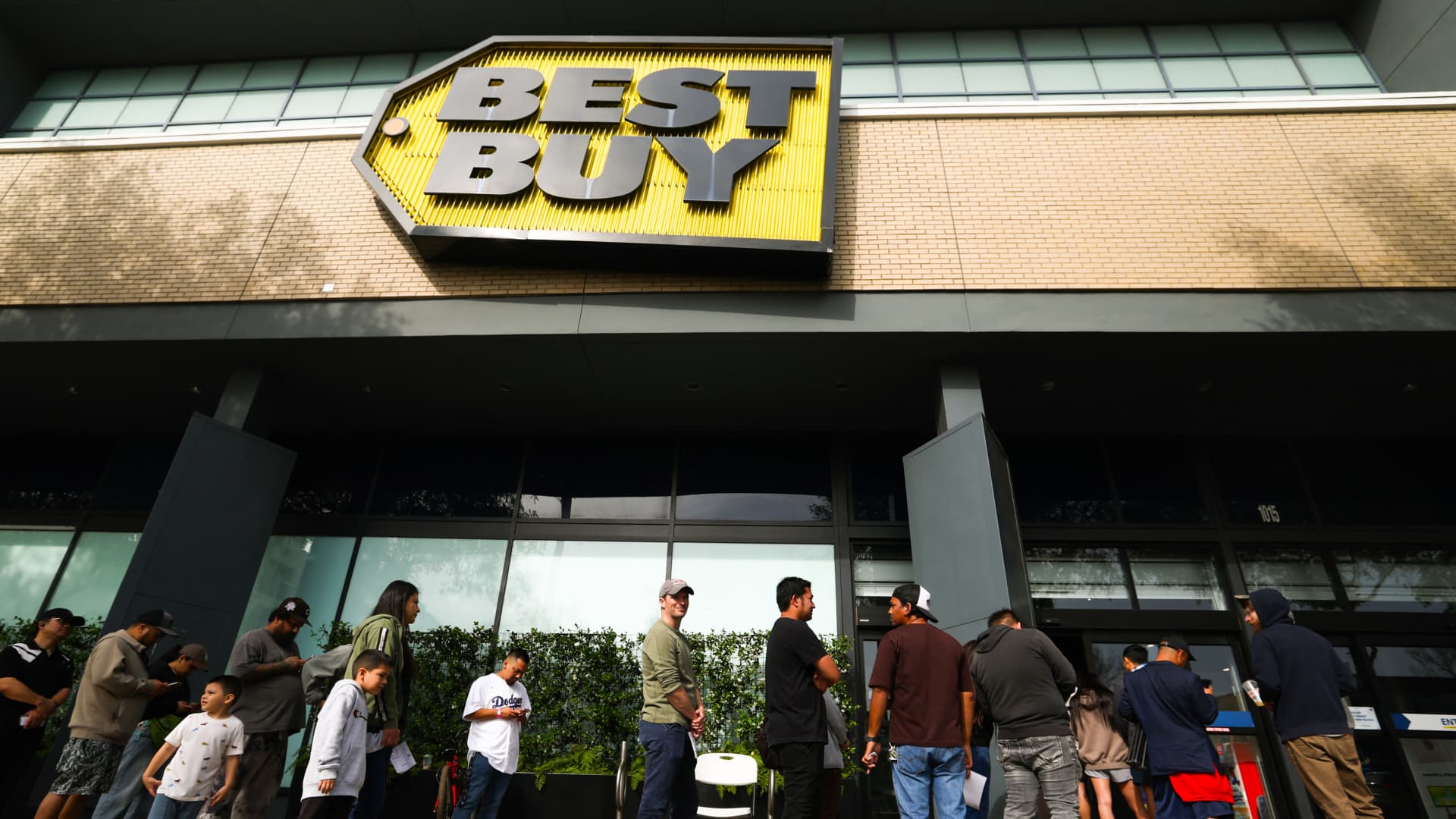
- Best Buy Downgrade: Goldman Sachs downgraded Best Buy to sell, resulting in a 4% drop in shares, as analysts warned that while Q1 may benefit from a pull-forward in PC demand, sales risks loom due to rising memory costs impacting future pricing.
- Energy Stocks Surge: Energy stocks rallied as oil prices climbed above $103 following the U.S. Navy's blockade announcement on the Strait of Hormuz, showcasing market optimism regarding energy demand amidst geopolitical tensions.
See More
Global Cruise Industry Sees Record Demand Amid Challenges
- Rising Industry Demand: The Cruise Lines International Association reports that global cruise passengers reached 37 million in 2023, with projections to rise to 42 million by 2029, indicating strong consumer interest in cruise vacations, particularly among younger travelers, who now make up one-third of the market.
- Complex Challenges Ahead: Despite rising demand, cruise companies face geopolitical challenges, such as the blockade at the Strait of Hormuz, which has stranded at least six ships and disrupted itineraries in the Middle East and Southern Europe, forcing companies to adapt to a fluid situation.
- Sustainability Strategy: The cruise industry aims for net-zero emissions by 2050, with leaders investing hundreds of millions in technology and energy innovation, although the availability of alternative fuels remains a bottleneck, necessitating a balance between environmental goals and cost management.
- Leadership Changes: Norwegian Cruise Line's new CEO John Chidsey acknowledged multiple challenges during his first earnings call, emphasizing the need for enhanced team collaboration and accountability to turn the company around, reflecting a commitment to future growth and operational efficiency.
See More
Latest Rating Changes on Wall Street
- Infleqtion Coverage Initiation: Citigroup initiates coverage of quantum computing firm Infleqtion with a Buy/High Risk rating and a $20 price target, highlighting its uniqueness in the quantum computing sector, which may attract investor interest.
- SAP Downgrade: Piper Sandler downgrades SAP from Overweight to Neutral, citing challenges in the macroeconomic environment and anticipating lower valuation multiples as the software industry transitions from SaaS to AI.
- Positive Catalysts for Alphabet: Citigroup adds a 90-day Catalyst Watch on Alphabet, expecting upcoming product updates during events like Google Cloud Next and YouTube Brandcast to drive stock price appreciation.
- Biogen Upgrade: Piper Sandler upgrades Biogen from Neutral to Overweight, raising the price target from $177 to $214, reflecting confidence in its growth potential moving forward.
See More
Mixed US Stock Performance Amid Soaring Oil Prices
- Oil Price Surge Impacts Market: Following President Trump's order to blockade the Strait of Hormuz, crude oil prices surged over 5%, putting pressure on the stock market, particularly affecting airline and cruise line stocks, indicating potential threats to corporate profits from oil price volatility.
- Software Stocks Rebound: Oracle's stock jumped over 8%, leading a rebound in software stocks, suggesting a positive market response to its newly launched utilities industry solutions, which may enhance the company's position in a competitive market.
- Weak Economic Data: March existing home sales in the US fell 3.6% month-over-month to a nine-month low of 3.98 million, below the expected 4.05 million, indicating weakness in the housing market that could negatively impact overall economic growth.
- Earnings Season Outlook: Q1 earnings for the S&P 500 are projected to rise 12% year-over-year, but excluding the technology sector, the increase is only 3%, the lowest in two years, reflecting cautious market sentiment regarding future profitability.
See More
Oil Price Surge Triggers Market Volatility
- Oil Price Surge: Following President Trump's order for a full naval blockade of the Strait of Hormuz, WTI crude oil prices have surged over 7%, which could exacerbate global oil and fuel shortages, impacting market supply-demand dynamics.
- Mixed Market Performance: While the S&P 500 index is up 0.05%, the Dow Jones Industrial Average has fallen by 0.39%, indicating market sensitivity to oil price fluctuations that may lead to investor sentiment instability.
- Earnings Expectations: According to Bloomberg Intelligence, Q1 earnings for the S&P 500 are projected to rise by 12% year-over-year, but excluding the technology sector, the increase is only 3%, highlighting overall earnings growth weakness.
- Airline Stocks Decline: Due to rising oil prices, airline and cruise line stocks have generally fallen, with Carnival and Norwegian Cruise Line both down over 3%, reflecting the potential threat of high oil prices on corporate profits.
See More
Stock Price Movements of Various Companies
- Oracle AI Capabilities Boost: At the Customer Edge Summit, Oracle announced that its AI platform helped residential utility customers save $369 million in 2025, leading to a more than 9% increase in shares, indicating enhanced competitiveness in the cloud computing sector.
- Conagra CEO Transition: Conagra announced that John Brase will take over as CEO on June 1, resulting in a more than 5% drop in shares, reflecting market unease over leadership changes, with shares down over 17% in 2026.
- Allogene Therapeutics Clinical Success: The biotech company saw its shares soar nearly 30% after positive phase 2 data showed its CAR T treatment significantly improved cancer cell eradication in lymphoma patients, laying a strong foundation for future product line expansion.
- Goldman Sachs Earnings Beat: Despite its fixed income trading falling short of expectations, Goldman Sachs posted an earnings and revenue beat in its first-quarter report, with shares down over 2%, indicating market caution regarding its future performance.
See More
Goldman Sachs Earnings Beat Expectations Yet Shares Decline
- Goldman Sachs Earnings: Goldman Sachs reported Q1 earnings of $17.55 per share and $17.23 billion in revenue, exceeding expectations, yet shares fell over 2%, indicating market disappointment over fixed income, currencies, and commodities trading performance.
- Williams-Sonoma Upgrade: Williams-Sonoma shares rose more than 2% after Goldman Sachs upgraded the stock to buy, with analysts highlighting the company's strong brand portfolio in retail, reflecting market confidence in its growth potential.
- Best Buy Downgrade: Goldman Sachs downgraded Best Buy to sell, resulting in a 4% drop in shares, as analysts warned that while Q1 may benefit from a pull-forward in PC demand, sales risks loom due to rising memory costs impacting future pricing.
- Energy Stocks Surge: Energy stocks rallied as oil prices climbed above $103 following the U.S. Navy's blockade announcement on the Strait of Hormuz, showcasing market optimism regarding energy demand amidst geopolitical tensions.
See More