Nintendo Cuts Switch 2 Production to 4 Million Units


"Game On" is The Fly's weekly recap of the stories powering up or beating down video game stocks.NEW RELEASES:Among this week's new releases is Nintendo's"Super Mario Bros. Wonder Nintendo Switch 2 Edition + Meetup in Bellabel Park," the Switch 2 upgrade for 2023's "Super Mario Bros. Wonder." The game releases March 26 exclusively for Switch 2. Also out this week is Square Enix'sadventure game "Life Is Strange: Reunion," which releases for PC, PlayStation 5, and Xbox Serieson March 26.CIRCANA FEBRUARY:Circana analyst Mat Piscatella said that Capcom's"Resident Evil Requiem" debuted as the best-selling video game of 2026 as overall spending in February grew slightly when compared to a year ago, reaching $4.6B. The new "Resident Evil" game's blockbuster debut and a 27% boost in subscription services helped video game content spending stay flat when compared to February 2025. In hardware, Nintendo Switch 2 drove 22% year-on-year spending growth. Hardware spending increased 22% when compared to a year ago, to $326M. Spending on Nintendo Switch 2 hardware offset year-on-year declines across PlayStation 5, Switch and Xbox Series consoles. PlayStation 5 again led the hardware market in both unit and dollar sales. Nintendo Switch 2 repeated its January performance ranking 2nd across both measures. With nine months in market, the life-to-date installed base of Nintendo Switch 2 is trending 45% ahead of the original Nintendo Switch.February video game content spending was flat when compared to February 2025, at $4.0B. Non-mobile subscription content spending increased by 27% compared to a year ago, offsetting the declines experienced across other content segments, Piscatella said. "Resident Evil Requiem" debuted as the best-selling video game of the year. It also ranked 1st in February across the PlayStation, Xbox and the aggregated PC storefront charts. Launch week dollar sales of "Resident Evil Requiem" were more than 60% higher than the launch week total of "Resident Evil Village," which came out in 2021, with unit sales increasing by more than 40%. Square Enix's "Dragon Quest VII Reimagined" debuted as the 7th best-selling game in February while ranking 14th year-to-date. Other top-selling games for the month in the U.S. were Take-Two's"NBA 2K26," Microsoft's "Call of Duty: Black Ops 7" and "Minecraft," Sony's "Helldivers II," EA's"EA Sports FC 26," "Battlefield 6," and "Madden NFL 26," and Nintendo's "Mario Tennis Fever."EPIC GAMES LAYOFFS:On Tuesday, Epic Games sent a letter to staff, which read, "Today we're laying off over 1000 Epic employees. I'm sorry we're here again. The downturn in Fortnite engagement that started in 2025 means we're spending significantly more than we're making, and we have to make major cuts to keep the company funded. This layoff, together with over $500M of identified cost savings in contracting, marketing, and closing some open roles puts us in a more stable place. Some of the challenges we're facing are industry-wide challenges: slower growth, weaker spending, and tougher cost economics; current consoles selling less than last generation's; and games competing for time against other increasingly-engaging forms of entertainment. And some of our challenges are unique to Epic. Despite Fortnite remaining one of the most successful games in the world, we've had challenges delivering consistent Fortnite magic with every season; we're only in the early stages of returning to mobile and optimizing Fortnite for the world's billions of smartphones; and in being the industry's vanguard we have taken a lot of bullets in a battle which is only in the early days of paying off for ourselves and all developers. Since it's a thing now, I should note that the layoffs aren't related to AI. To the extent it improves productivity, we want to have as many awesome developers developing great content and tech as we can." Investors in Epic Games include Tencent, KKR, Disney, and Sony.SWITCH 2 OUTPUT:Nintendo has cut back on the production of the Switch 2 after lower-than-expected demand for the $450 gaming console during the year-end holiday season, Takashi Mochizuki of Bloomberg. The company now intends to make 4 million units this quarter, less than the 6 million originally planned, people familiar with the matter told Bloomberg.EA DEBT PACKAGE:Electronic Arts is courting buyers for a $15B debt package to fund its acquisition by a group of investors, with the pitch centered on nearly $700M in projected annual cost savings its new owners argue should be counted as earnings, Aaron Weinman, Paula Seligson, and Michelle Cheng of BloombergTuesday. EA has told investors that the $263M spent on research and development for the worlds of "Battlefield 6" and "Skate" can be added back to earnings, as this was a one-time cost and both games are now live, people familiar with the matter told Bloomberg.MORE VIDEO GAME NEWS:Ubisofthas ended game development at its Red Storm studio,Multiplayer game 'Pokemon Champions' toApril 8PlayStation plans to drop the "PlayStation Network" and "PSN" brandidng by September 2026,Roblox, including adding restrictions to advertising standards
Trade with 70% Backtested Accuracy
Analyst Views on SONY

About SONY
About the author

Sony and Honda Plan Continued Collaboration Despite JV Cancellation


- Joint Venture Cancellation: Although the 50-50 joint mobility venture between Sony and Honda has been called off, both companies plan to continue their collaboration, indicating a long-term strategic intent in the electric vehicle sector.
- Employee Transition: The joint venture currently employs 400 staff members, with some expected to be absorbed by the parent companies, which will impact resource integration and operational efficiency for both firms.
- Technological Synergy: The venture combined Sony's strengths in imaging, sensing, software, and entertainment with Honda's automotive engineering and manufacturing expertise, aiming to elevate mobility experiences to new heights.
- Market Outlook: Sony's Vision-S concept cars showcased in 2020 and 2022 signal its interest in entering the mobility space, and despite the dissolution of the joint venture, both companies are likely to seek new collaborative opportunities in the electric vehicle market.
Japanese Government Subsidizes Sony's Image Sensor Facility
- Government Support: The Japanese government will provide up to 60 billion yen (approximately $380 million) in subsidies for Sony's image sensor facility in Kumamoto, aiming to ensure a stable supply of image sensors crucial for autonomous driving and physical AI development.
- Industry Significance: Industry Minister Ryosei Akazawa emphasized that image sensors will be indispensable for future autonomous driving and physical AI, highlighting the technology's critical role in advancing related industries.
- Sony's Market Position: As a leading manufacturer of image sensors for smartphones, Sony holds a significant position in this sector while also maintaining a diverse product portfolio in entertainment, including games, movies, music, and anime, further solidifying its competitive edge.
- Future Prospects: This subsidy will not only enhance Sony's supply capabilities in the image sensor market but may also drive technological innovations in autonomous driving and AI, potentially providing the company with long-term growth opportunities.

Pictet North America Advisors Increases Stake in MercadoLibre


- Share Increase: On April 14, 2026, Pictet North America Advisors SA disclosed an increase of 3,529 shares in MercadoLibre, with an estimated transaction value of $6.81 million, indicating confidence in the company's future growth prospects.
- Stake Growth: Following this purchase, Pictet's stake in MercadoLibre rose to 2.21%, reflecting its emphasis on the company within its portfolio, particularly as MercadoLibre's market capitalization reached $92.87 billion.
- Financial Performance: Despite achieving a 44% revenue growth in 2025, MercadoLibre's net income only increased by 5% due to heightened competition and rising non-performing loans, indicating some profitability pressures.
- Market Outlook: Although facing short-term challenges, MercadoLibre is expected to maintain long-term growth potential due to its market leadership in Latin America and robust revenue growth, suggesting that Pictet's decision to increase its holdings may be based on confidence in this outlook.

Ackman Bids $64.3 Billion for Universal Music Group

- Acquisition Proposal: Ackman's Pershing Square has made a $64.3 billion bid for Universal Music Group, marking a significant step towards his vision of creating a 'modern-day Berkshire Hathaway', which would greatly enhance his investment portfolio if successful.
- Shareholder Returns: Under the proposal, Universal Music shareholders would receive a total of €9.4 billion (approximately $10.9 billion) and 0.77 shares of newly issued stock for each share they own, translating to about €30.40 ($35.25) per share, representing a 78% premium over the April 2 closing price, which is likely to garner shareholder support.
- Market Share and Performance: Universal Music holds about 30% of the global market share, and despite a 36% decline in stock price since its public debut, Ackman believes that a merger transaction can address financial and communication issues, thereby enhancing the company's value.
- Long-term Strategy: Acquiring Universal Music would provide Ackman with a steady cash flow, aiding Pershing Square's transformation into a conglomerate akin to Buffett's, thereby increasing its appeal among investors and enhancing its competitive position in the market.

Sony Pictures to Cut Hundreds of Jobs Globally
- Job Cuts: Sony Pictures is set to cut several hundred jobs globally, affecting its film, television, and corporate divisions, with the layoffs expected to roll out over the coming months, impacting around 12,000 employees.
- Restructuring Goals: The restructuring aims to better align the organization with evolving business priorities, emphasizing that it is not primarily cost-driven but focused on improving efficiency, speed, and strategic focus.
- Resource Reallocation: The company plans to redirect resources toward key growth areas, including franchise development, brand extensions such as game shows, expanding anime content, and investing in content tailored to younger audiences.
- Platform Content Focus: Sony is also increasing its focus on platform-native content, including YouTube, and leveraging synergies within the broader Sony ecosystem, particularly through video game adaptations.
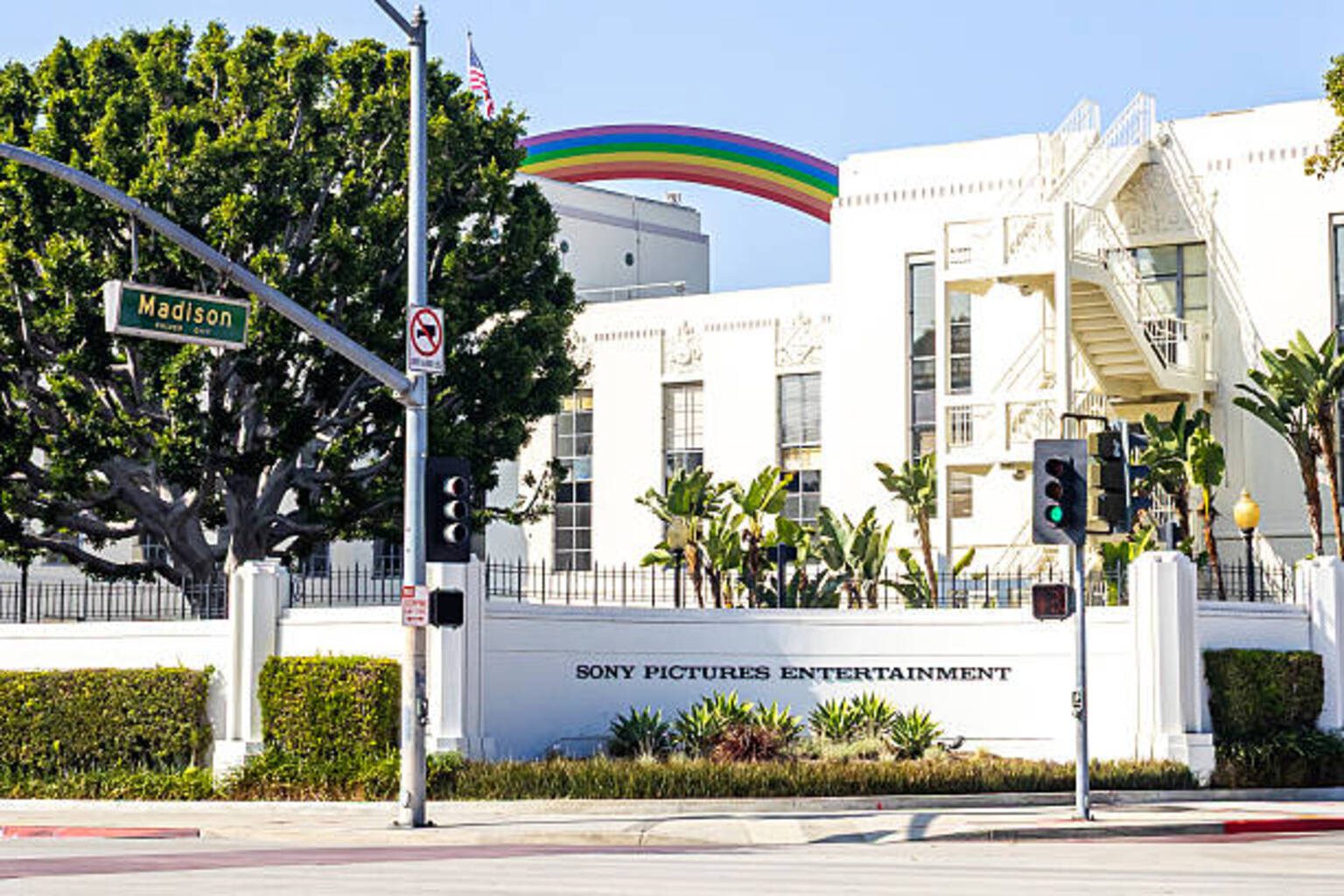
Sony Pictures Restructures with Job Cuts to Drive Strategic Growth
- Layoff Announcement: Sony Pictures, as per CEO Ravi Ahuja's internal memo, is laying off hundreds of employees, with Ahuja clarifying that this is not a cost-cutting measure but a targeted and strategic decision aimed at driving growth in key areas.
- Departmental Restructuring: The Game Show Group will merge with the Game Show Network under President Suzanne Prete, while the nonfiction division will be reassigned to TV Studios President Katherine Pope, indicating a strategic refocus on core business areas during the reorganization.
- Closure of VFX Firm: As part of the restructuring, Sony has decided to shut down the visual effects company Pixomondo, reflecting the company's commitment to optimizing resource allocation and focusing on future growth sectors.
- Strategic Investment Realignment: Ahuja emphasized in the memo that the organizational changes are intended to align with the direction of the business, suggesting that while roles in certain areas will be reduced, there will be increased investment and focus in critical areas to support the company's long-term growth strategy.
Sony and Honda Plan Continued Collaboration Despite JV Cancellation
- Joint Venture Cancellation: Although the 50-50 joint mobility venture between Sony and Honda has been called off, both companies plan to continue their collaboration, indicating a long-term strategic intent in the electric vehicle sector.
- Employee Transition: The joint venture currently employs 400 staff members, with some expected to be absorbed by the parent companies, which will impact resource integration and operational efficiency for both firms.
- Technological Synergy: The venture combined Sony's strengths in imaging, sensing, software, and entertainment with Honda's automotive engineering and manufacturing expertise, aiming to elevate mobility experiences to new heights.
- Market Outlook: Sony's Vision-S concept cars showcased in 2020 and 2022 signal its interest in entering the mobility space, and despite the dissolution of the joint venture, both companies are likely to seek new collaborative opportunities in the electric vehicle market.
Japanese Government Subsidizes Sony's Image Sensor Facility
- Government Support: The Japanese government will provide up to 60 billion yen (approximately $380 million) in subsidies for Sony's image sensor facility in Kumamoto, aiming to ensure a stable supply of image sensors crucial for autonomous driving and physical AI development.
- Industry Significance: Industry Minister Ryosei Akazawa emphasized that image sensors will be indispensable for future autonomous driving and physical AI, highlighting the technology's critical role in advancing related industries.
- Sony's Market Position: As a leading manufacturer of image sensors for smartphones, Sony holds a significant position in this sector while also maintaining a diverse product portfolio in entertainment, including games, movies, music, and anime, further solidifying its competitive edge.
- Future Prospects: This subsidy will not only enhance Sony's supply capabilities in the image sensor market but may also drive technological innovations in autonomous driving and AI, potentially providing the company with long-term growth opportunities.
Pictet North America Advisors Increases Stake in MercadoLibre
- Share Increase: On April 14, 2026, Pictet North America Advisors SA disclosed an increase of 3,529 shares in MercadoLibre, with an estimated transaction value of $6.81 million, indicating confidence in the company's future growth prospects.
- Stake Growth: Following this purchase, Pictet's stake in MercadoLibre rose to 2.21%, reflecting its emphasis on the company within its portfolio, particularly as MercadoLibre's market capitalization reached $92.87 billion.
- Financial Performance: Despite achieving a 44% revenue growth in 2025, MercadoLibre's net income only increased by 5% due to heightened competition and rising non-performing loans, indicating some profitability pressures.
- Market Outlook: Although facing short-term challenges, MercadoLibre is expected to maintain long-term growth potential due to its market leadership in Latin America and robust revenue growth, suggesting that Pictet's decision to increase its holdings may be based on confidence in this outlook.
Ackman Bids $64.3 Billion for Universal Music Group
- Acquisition Proposal: Ackman's Pershing Square has made a $64.3 billion bid for Universal Music Group, marking a significant step towards his vision of creating a 'modern-day Berkshire Hathaway', which would greatly enhance his investment portfolio if successful.
- Shareholder Returns: Under the proposal, Universal Music shareholders would receive a total of €9.4 billion (approximately $10.9 billion) and 0.77 shares of newly issued stock for each share they own, translating to about €30.40 ($35.25) per share, representing a 78% premium over the April 2 closing price, which is likely to garner shareholder support.
- Market Share and Performance: Universal Music holds about 30% of the global market share, and despite a 36% decline in stock price since its public debut, Ackman believes that a merger transaction can address financial and communication issues, thereby enhancing the company's value.
- Long-term Strategy: Acquiring Universal Music would provide Ackman with a steady cash flow, aiding Pershing Square's transformation into a conglomerate akin to Buffett's, thereby increasing its appeal among investors and enhancing its competitive position in the market.
Sony Pictures to Cut Hundreds of Jobs Globally
- Job Cuts: Sony Pictures is set to cut several hundred jobs globally, affecting its film, television, and corporate divisions, with the layoffs expected to roll out over the coming months, impacting around 12,000 employees.
- Restructuring Goals: The restructuring aims to better align the organization with evolving business priorities, emphasizing that it is not primarily cost-driven but focused on improving efficiency, speed, and strategic focus.
- Resource Reallocation: The company plans to redirect resources toward key growth areas, including franchise development, brand extensions such as game shows, expanding anime content, and investing in content tailored to younger audiences.
- Platform Content Focus: Sony is also increasing its focus on platform-native content, including YouTube, and leveraging synergies within the broader Sony ecosystem, particularly through video game adaptations.
Sony Pictures Restructures with Job Cuts to Drive Strategic Growth
- Layoff Announcement: Sony Pictures, as per CEO Ravi Ahuja's internal memo, is laying off hundreds of employees, with Ahuja clarifying that this is not a cost-cutting measure but a targeted and strategic decision aimed at driving growth in key areas.
- Departmental Restructuring: The Game Show Group will merge with the Game Show Network under President Suzanne Prete, while the nonfiction division will be reassigned to TV Studios President Katherine Pope, indicating a strategic refocus on core business areas during the reorganization.
- Closure of VFX Firm: As part of the restructuring, Sony has decided to shut down the visual effects company Pixomondo, reflecting the company's commitment to optimizing resource allocation and focusing on future growth sectors.
- Strategic Investment Realignment: Ahuja emphasized in the memo that the organizational changes are intended to align with the direction of the business, suggesting that while roles in certain areas will be reduced, there will be increased investment and focus in critical areas to support the company's long-term growth strategy.