Nike's Turnaround Journey Faces Challenges
Written by Emily J. Thompson, Senior Investment Analyst
Updated: Apr 14 2026
0mins
Should l Buy NKE?
Source: Fool
- Management Change: Elliott Hill took over as CEO of Nike in late 2024, aiming to revitalize the iconic sneaker retailer, and despite numerous challenges, shareholders remain optimistic about its future.
- Inventory Issues: Nike's reliance on its iconic status rather than innovation has led to aging inventory that requires significant discounts to sell, impacting overall profitability and market competitiveness.
- Financial Outlook: While the third quarter showed progress in running and global football divisions, Nike expects total revenue to decline by 4% year-over-year in Q4 2026, with a projected 20% drop in revenue from China.
- North America Recovery: Management emphasized that North America is crucial for the company's comeback; if Nike can continue to innovate and drive new sales, it may achieve a successful turnaround, although this will require time and patience from investors.
Trade with 70% Backtested Accuracy
Stop guessing "Should I Buy NKE?" and start using high-conviction signals backed by rigorous historical data.
Sign up today to access powerful investing tools and make smarter, data-driven decisions.
Analyst Views on NKE
Wall Street analysts forecast NKE stock price to rise
21 Analyst Rating
14 Buy
7 Hold
0 Sell
Moderate Buy
Current: 46.390

Low
62.00
Averages
76.11
High
110.00
Current: 46.390
Low
62.00
Averages
76.11
High
110.00
About NKE
NIKE, Inc. is engaged in the designing, marketing and distributing of athletic footwear, apparel, equipment and accessories and services for sports and fitness activities. The Company's operating segments include North America; Europe, Middle East & Africa (EMEA); Greater China; and Asia Pacific & Latin America (APLA). It sells a line of equipment and accessories under the NIKE Brand name, including bags, socks, sport balls, eyewear, timepieces, digital devices, bats, gloves, protective equipment and other equipment designed for sports activities. It also designs products specifically for the Jordan Brand and Converse. The Jordan Brand designs, distributes and licenses athletic and casual footwear, apparel and accessories predominantly focused on basketball performance and culture using the Jumpman trademark. The Company also designs, distributes and licenses casual sneakers, apparel and accessories under the Chuck Taylor, All Star, One Star, Star Chevron and Jack Purcell trademarks.
About the author

Emily J. Thompson
Emily J. Thompson, a Chartered Financial Analyst (CFA) with 12 years in investment research, graduated with honors from the Wharton School. Specializing in industrial and technology stocks, she provides in-depth analysis for Intellectia’s earnings and market brief reports.

Nike Stabilizes Revenue but Faces Margin Decline
- Signs of Revenue Stabilization: In its fiscal Q3 2026, Nike reported flat revenue with a 5% increase in wholesale sales, indicating a successful turnaround after a 10% revenue decline in fiscal 2025, despite a 4% drop in Nike Direct sales.
- Declining Gross Margin: Nike's gross margin fell from 41.5% in Q3 2025 to 40.2% in Q3 2026, a 130 basis point drop, highlighting significant challenges in enhancing pricing power and brand influence, potentially necessitating cost cuts to maintain long-term profitability.
- Sharp Net Income Decline: While revenue stabilization is evident, Nike's net income plummeted by 86% year-over-year, reflecting increased spending by 1% to protect its brand, which complicates the path to restoring profitability.
- Future Profitability Challenges: Nike must strengthen full-price sell-through, improve gross margins, control operating expenses, and align inventory with demand to regain profitability, making it crucial for investors to monitor Nike's performance in these areas to gauge future stock price movements.
See More
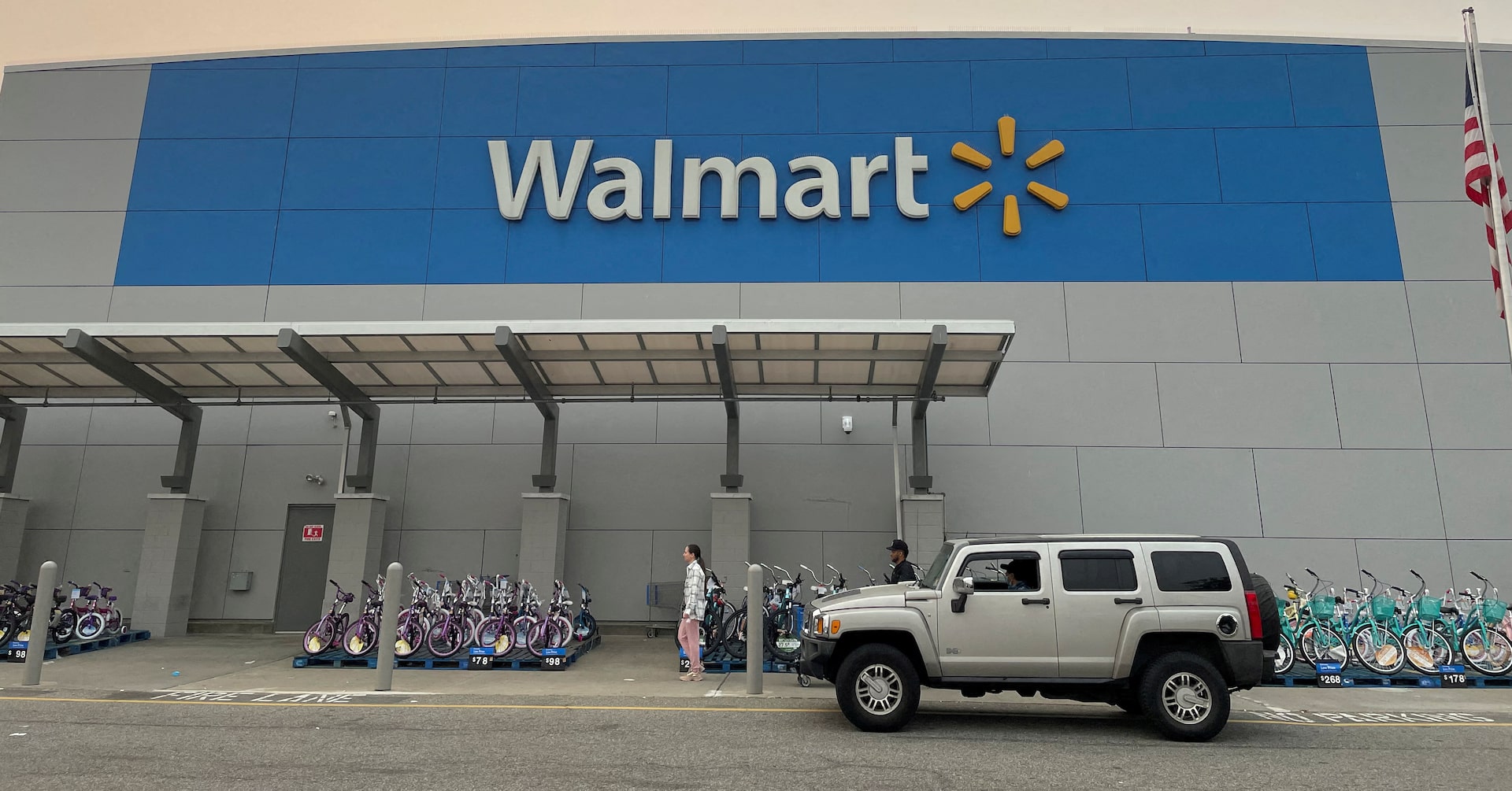
Major Refunds for U.S. Importers Following Supreme Court Ruling

- Massive Refunds: The Supreme Court's ruling mandates the federal government to refund approximately $166 billion in tariffs, which will significantly enhance the financial positions of blue-chip retailers heavily reliant on imports, potentially boosting their stock prices.
- Walmart's Major Benefit: Walmart is set to receive about $10.2 billion in refunds, a substantial amount that, while modest compared to its $713 billion revenue, will have a significant impact on its adjusted operating income of approximately $8.7 billion.
- Refunds for Other Retailers: Target is expected to receive $2.2 billion, Nike around $1 billion, and Kohl's and Home Depot are projected to get $550 million and $540 million respectively, providing these companies with a financial cushion for future growth.
- Legal Risks Ahead: While the refunds are positive news for retailers and their shareholders, the fact that many passed tariff costs onto consumers may lead to lawsuits, posing risks to their brand reputation and future profitability.
See More
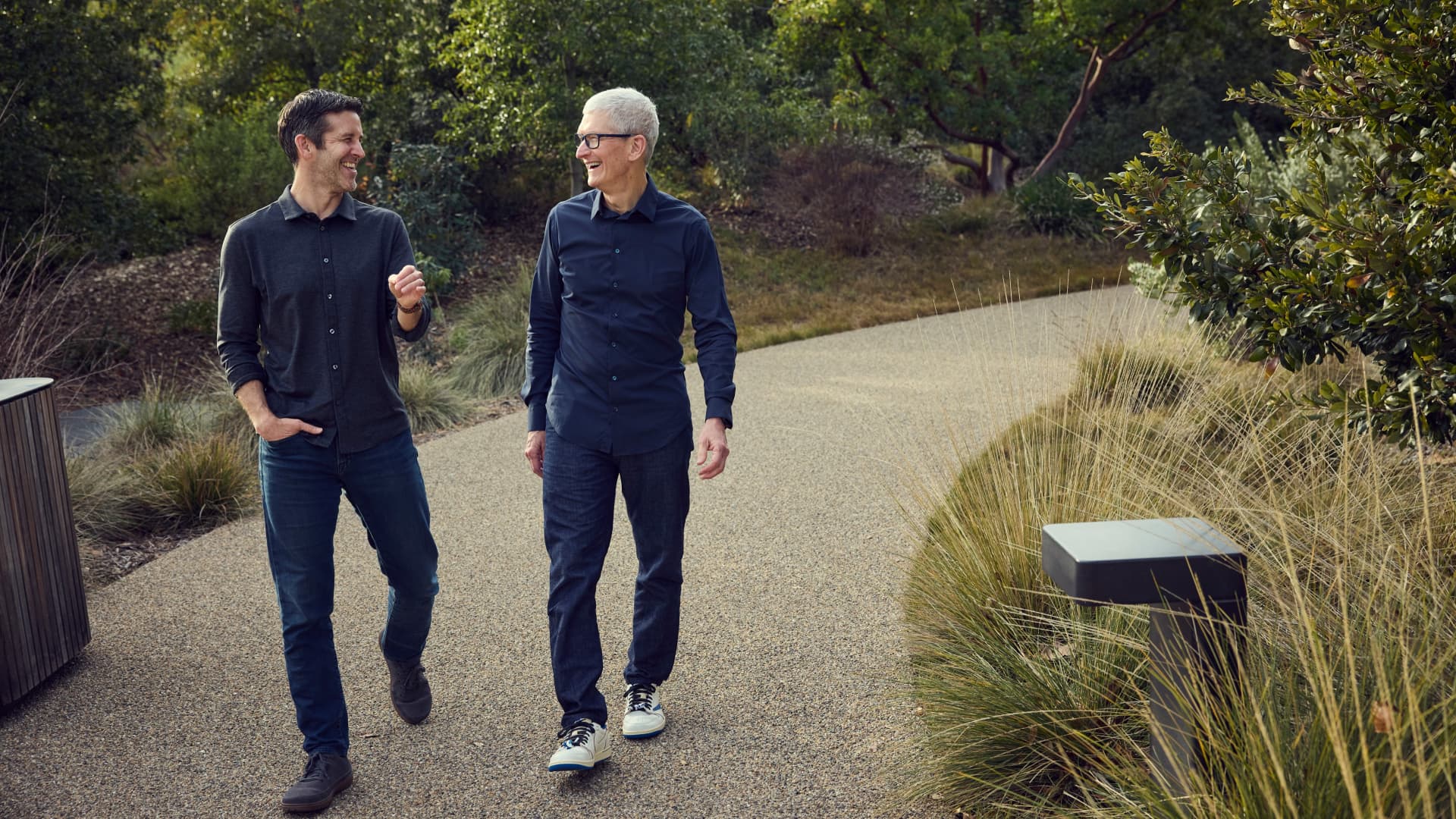
Apple CEO Transition Sparks Market Reactions


- Apple CEO Change: Apple announced that hardware chief John Ternus will replace Tim Cook as CEO in September, with Cook transitioning to executive chairman; this surprising move shocked investors but is seen positively, as Ternus must address Apple's lag in artificial intelligence, impacting the company's strategic direction.
- Fed Nomination Hearing: Trump's nominee for Federal Reserve chair, Kevin Warsh, will face the Senate Banking Committee for confirmation, emphasizing the need for Fed independence from political influence, a stance that may affect his confirmation prospects amid Trump's push for lower interest rates.
- Market Volatility: The Nasdaq Composite ended its longest winning streak since 1992, while the S&P 500 also retreated, as market uncertainty grew due to Trump's military threats against Iran; however, small-cap stocks showed resilience, with the Russell 2000 reaching new highs.
- UnitedHealth Group Strong Performance: UnitedHealth Group's first-quarter results exceeded expectations, leading to a more than 7% stock price increase, driven by improved management of medical costs and a favorable medical benefit ratio, with optimistic earnings outlook for 2026 further boosting investor confidence.
See More

Apple's CEO Transition Sparks Market Reactions


- CEO Transition Impact: Apple announced that hardware chief John Ternus will replace Tim Cook as CEO in September, with Cook moving to executive chairman; this shocking news is viewed positively as Ternus faces the challenge of bridging the AI gap with competitors.
- Fed Nomination Hearing: Kevin Warsh, Trump's nominee for Federal Reserve chair, will face the Senate Banking Committee for confirmation, emphasizing the need for Fed independence from political influence, a stance that may affect his confirmation process.
- Market Volatility: The Nasdaq Composite ended its longest winning streak since 1992, while the S&P 500 also retreated, as market uncertainty grew due to Trump's military threats against Iran, although small-cap stocks showed strong performance.
- UnitedHealth Group's Strong Performance: UnitedHealth Group's first-quarter results exceeded expectations, leading to a more than 7% stock price increase and an upgraded earnings outlook for 2026, driven by improved management of medical costs, which is crucial for its profitability.
See More

Nike Faces Multiple Challenges as Stock Drops 27.8%
- Short-Term Impact: Nike's gross margin contracted by 2.5 percentage points in the first nine months of the fiscal year ending February 28 due to rising tariffs in North America, leading to higher product costs that negatively affect consumer spending and stock performance.
- Revenue Decline: The company's total revenue dropped by 1% in the first three quarters of the year, despite a 5% increase in wholesale revenue, while direct sales fell by 7%, indicating significant pressure in the competitive market landscape.
- Intensifying Competition: Nike-branded footwear, which constitutes 63% of the company's revenue, saw a 1% decline after adjusting for foreign currency effects, reflecting increased competition and lower selling prices impacting revenue, particularly in the Greater China region.
- Strategic Shift: Nike launched its
See More

Nike Faces Revenue Decline Challenges Amid Market Volatility
- Market Volatility Impact: The U.S. stock market has experienced significant volatility due to economic and geopolitical events, which has adversely affected Nike's (NKE) performance, particularly as high tariffs and rising oil prices have suppressed consumer spending, leading to increased sales pressure on the company.
- Margin Contraction: Nike's gross margin contracted by 2.5 percentage points in the first nine months of the fiscal year ending February 28, primarily due to rising product costs from increased tariffs in North America, directly impacting the company's profitability and market competitiveness.
- Revenue Decline: Adjusted for foreign exchange effects, Nike's total revenue dropped by 1% in the first three quarters of the year, reflecting not only short-term economic factors but also exacerbated internal issues, particularly intensified competition in the Greater China region.
- Strategic Shift: Nike's management has launched the
See More
Nike Stabilizes Revenue but Faces Margin Decline
- Signs of Revenue Stabilization: In its fiscal Q3 2026, Nike reported flat revenue with a 5% increase in wholesale sales, indicating a successful turnaround after a 10% revenue decline in fiscal 2025, despite a 4% drop in Nike Direct sales.
- Declining Gross Margin: Nike's gross margin fell from 41.5% in Q3 2025 to 40.2% in Q3 2026, a 130 basis point drop, highlighting significant challenges in enhancing pricing power and brand influence, potentially necessitating cost cuts to maintain long-term profitability.
- Sharp Net Income Decline: While revenue stabilization is evident, Nike's net income plummeted by 86% year-over-year, reflecting increased spending by 1% to protect its brand, which complicates the path to restoring profitability.
- Future Profitability Challenges: Nike must strengthen full-price sell-through, improve gross margins, control operating expenses, and align inventory with demand to regain profitability, making it crucial for investors to monitor Nike's performance in these areas to gauge future stock price movements.
See More
Major Refunds for U.S. Importers Following Supreme Court Ruling
- Massive Refunds: The Supreme Court's ruling mandates the federal government to refund approximately $166 billion in tariffs, which will significantly enhance the financial positions of blue-chip retailers heavily reliant on imports, potentially boosting their stock prices.
- Walmart's Major Benefit: Walmart is set to receive about $10.2 billion in refunds, a substantial amount that, while modest compared to its $713 billion revenue, will have a significant impact on its adjusted operating income of approximately $8.7 billion.
- Refunds for Other Retailers: Target is expected to receive $2.2 billion, Nike around $1 billion, and Kohl's and Home Depot are projected to get $550 million and $540 million respectively, providing these companies with a financial cushion for future growth.
- Legal Risks Ahead: While the refunds are positive news for retailers and their shareholders, the fact that many passed tariff costs onto consumers may lead to lawsuits, posing risks to their brand reputation and future profitability.
See More
Apple CEO Transition Sparks Market Reactions
- Apple CEO Change: Apple announced that hardware chief John Ternus will replace Tim Cook as CEO in September, with Cook transitioning to executive chairman; this surprising move shocked investors but is seen positively, as Ternus must address Apple's lag in artificial intelligence, impacting the company's strategic direction.
- Fed Nomination Hearing: Trump's nominee for Federal Reserve chair, Kevin Warsh, will face the Senate Banking Committee for confirmation, emphasizing the need for Fed independence from political influence, a stance that may affect his confirmation prospects amid Trump's push for lower interest rates.
- Market Volatility: The Nasdaq Composite ended its longest winning streak since 1992, while the S&P 500 also retreated, as market uncertainty grew due to Trump's military threats against Iran; however, small-cap stocks showed resilience, with the Russell 2000 reaching new highs.
- UnitedHealth Group Strong Performance: UnitedHealth Group's first-quarter results exceeded expectations, leading to a more than 7% stock price increase, driven by improved management of medical costs and a favorable medical benefit ratio, with optimistic earnings outlook for 2026 further boosting investor confidence.
See More
Apple's CEO Transition Sparks Market Reactions
- CEO Transition Impact: Apple announced that hardware chief John Ternus will replace Tim Cook as CEO in September, with Cook moving to executive chairman; this shocking news is viewed positively as Ternus faces the challenge of bridging the AI gap with competitors.
- Fed Nomination Hearing: Kevin Warsh, Trump's nominee for Federal Reserve chair, will face the Senate Banking Committee for confirmation, emphasizing the need for Fed independence from political influence, a stance that may affect his confirmation process.
- Market Volatility: The Nasdaq Composite ended its longest winning streak since 1992, while the S&P 500 also retreated, as market uncertainty grew due to Trump's military threats against Iran, although small-cap stocks showed strong performance.
- UnitedHealth Group's Strong Performance: UnitedHealth Group's first-quarter results exceeded expectations, leading to a more than 7% stock price increase and an upgraded earnings outlook for 2026, driven by improved management of medical costs, which is crucial for its profitability.
See More
Nike Faces Multiple Challenges as Stock Drops 27.8%
- Short-Term Impact: Nike's gross margin contracted by 2.5 percentage points in the first nine months of the fiscal year ending February 28 due to rising tariffs in North America, leading to higher product costs that negatively affect consumer spending and stock performance.
- Revenue Decline: The company's total revenue dropped by 1% in the first three quarters of the year, despite a 5% increase in wholesale revenue, while direct sales fell by 7%, indicating significant pressure in the competitive market landscape.
- Intensifying Competition: Nike-branded footwear, which constitutes 63% of the company's revenue, saw a 1% decline after adjusting for foreign currency effects, reflecting increased competition and lower selling prices impacting revenue, particularly in the Greater China region.
- Strategic Shift: Nike launched its
See More
Nike Faces Revenue Decline Challenges Amid Market Volatility
- Market Volatility Impact: The U.S. stock market has experienced significant volatility due to economic and geopolitical events, which has adversely affected Nike's (NKE) performance, particularly as high tariffs and rising oil prices have suppressed consumer spending, leading to increased sales pressure on the company.
- Margin Contraction: Nike's gross margin contracted by 2.5 percentage points in the first nine months of the fiscal year ending February 28, primarily due to rising product costs from increased tariffs in North America, directly impacting the company's profitability and market competitiveness.
- Revenue Decline: Adjusted for foreign exchange effects, Nike's total revenue dropped by 1% in the first three quarters of the year, reflecting not only short-term economic factors but also exacerbated internal issues, particularly intensified competition in the Greater China region.
- Strategic Shift: Nike's management has launched the
See More