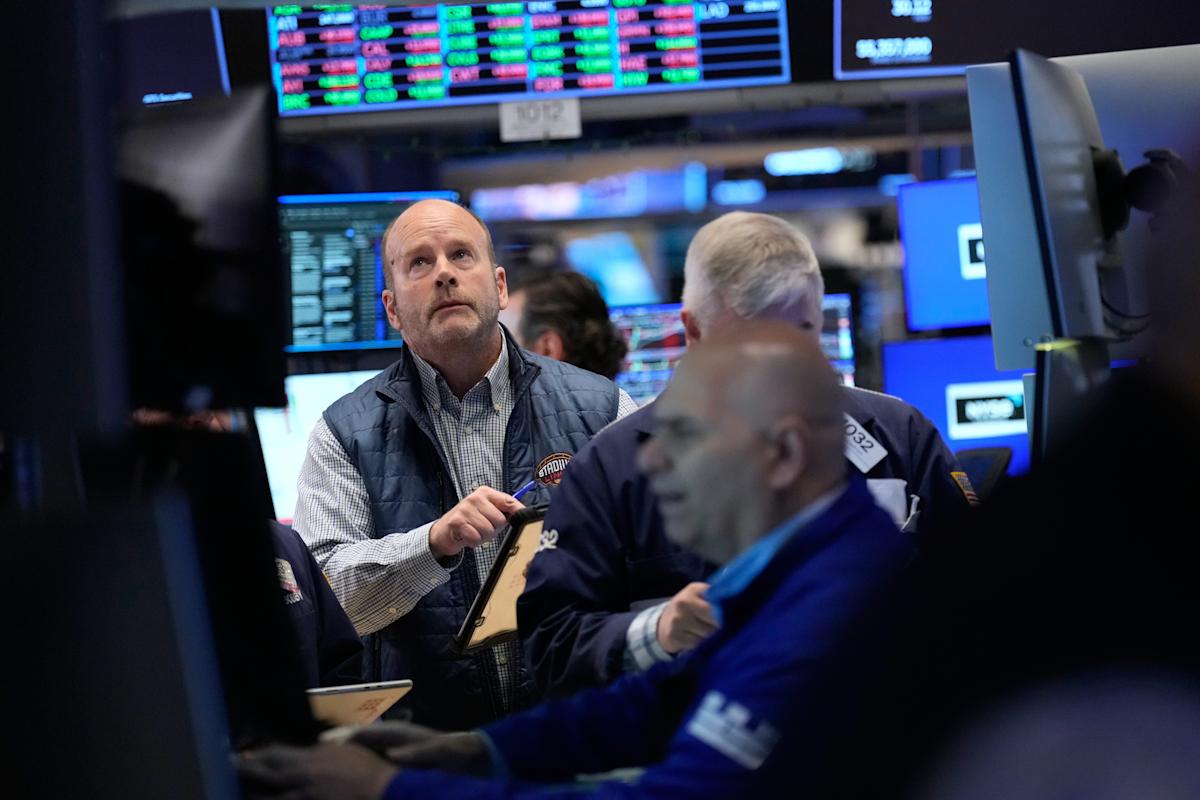
Nike Stock Down 76% Faces Challenges Amid Recovery Efforts
Written by Emily J. Thompson, Senior Investment Analyst
Updated: 1 hour ago
0mins

Should l Buy NKE?
Source: Fool
- Significant Stock Decline: Nike's stock has plummeted 76% since its all-time high in 2021, indicating substantial challenges as the company attempts to rectify strategic missteps, prompting investors to carefully assess potential buying opportunities.
- Direct Sales Strategy Missteps: While Nike's shift to a direct-to-consumer model initially yielded higher margins, the lack of timely innovation allowed competitors like On and Brooks to gain market share, highlighting the risks of relying solely on branding.
- Challenges in China: Management forecasts a 20% year-over-year decline in sales in China for the fourth quarter, indicating serious difficulties in clearing inventory and revitalizing the business, suggesting that growth recovery will be slow.
- Dividend Appeal: Despite facing numerous challenges, Nike offers a dividend yield of 3.8%, providing investors with a source of passive income; however, it may not be the right time to buy as the company continues to recover from its past mistakes.
Trade with 70% Backtested Accuracy
Stop guessing "Should I Buy NKE?" and start using high-conviction signals backed by rigorous historical data.
Sign up today to access powerful investing tools and make smarter, data-driven decisions.
Analyst Views on NKE
Wall Street analysts forecast NKE stock price to rise
21 Analyst Rating
14 Buy
7 Hold
0 Sell
Moderate Buy
Current: 42.910

Low
62.00
Averages
76.11
High
110.00
Current: 42.910
Low
62.00
Averages
76.11
High
110.00
About NKE
NIKE, Inc. is engaged in the designing, marketing and distributing of athletic footwear, apparel, equipment and accessories and services for sports and fitness activities. The Company's operating segments include North America; Europe, Middle East & Africa (EMEA); Greater China; and Asia Pacific & Latin America (APLA). It sells a line of equipment and accessories under the NIKE Brand name, including bags, socks, sport balls, eyewear, timepieces, digital devices, bats, gloves, protective equipment and other equipment designed for sports activities. It also designs products specifically for the Jordan Brand and Converse. The Jordan Brand designs, distributes and licenses athletic and casual footwear, apparel and accessories predominantly focused on basketball performance and culture using the Jumpman trademark. The Company also designs, distributes and licenses casual sneakers, apparel and accessories under the Chuck Taylor, All Star, One Star, Star Chevron and Jack Purcell trademarks.
About the author

Emily J. Thompson
Emily J. Thompson, a Chartered Financial Analyst (CFA) with 12 years in investment research, graduated with honors from the Wharton School. Specializing in industrial and technology stocks, she provides in-depth analysis for Intellectia’s earnings and market brief reports.

Nike Faces Sales Slump in China Amid Turnaround Efforts
- Sales Outlook Decline: Nike anticipates a total revenue drop of up to 4% year-over-year for Q4 2026, with a significant 20% decline expected from China, indicating substantial challenges in regaining market share.
- Management Changes: Since Elliott Hill took over as CEO in late 2024, Nike has been striving to revitalize its brand, facing issues with aging inventory that necessitates heavy discounts, yet management remains committed to driving sales growth through innovation.
- North America as Key: Management has highlighted North America as the leading driver of the company's comeback, being the largest revenue source in 2025, and future success will depend on sustained innovation and sales growth in this region.
- Investment Risk Warning: While Nike's turnaround narrative has attracted new investors, caution is advised as the turnaround may take longer than expected or may not succeed at all, particularly in light of the significant downturn in the Chinese market.
See More

Nike Stock Down 76% Faces Challenges Amid Recovery Efforts

- Significant Stock Decline: Nike's stock has plummeted 76% since its all-time high in 2021, indicating substantial challenges as the company attempts to rectify strategic missteps, prompting investors to carefully assess potential buying opportunities.
- Direct Sales Strategy Missteps: While Nike's shift to a direct-to-consumer model initially yielded higher margins, the lack of timely innovation allowed competitors like On and Brooks to gain market share, highlighting the risks of relying solely on branding.
- Challenges in China: Management forecasts a 20% year-over-year decline in sales in China for the fourth quarter, indicating serious difficulties in clearing inventory and revitalizing the business, suggesting that growth recovery will be slow.
- Dividend Appeal: Despite facing numerous challenges, Nike offers a dividend yield of 3.8%, providing investors with a source of passive income; however, it may not be the right time to buy as the company continues to recover from its past mistakes.
See More

Nike Faces Challenges in Chinese Market
- Market Share Decline: Nike is facing serious issues in the Chinese market, with management guiding for a 20% year-over-year sales decline in the fourth quarter, indicating that the company will struggle to revitalize sales after clearing out inventory, which impacts its global competitiveness.
- Stagnant Revenue Growth: In the fiscal third quarter of 2026, Nike reported flat revenue, although wholesale revenue increased by 5% year-over-year; however, its gross margin fell to 40.2%, significantly lower than competitors On and Lululemon's margins of 63.9% and 54.9%, respectively, highlighting pressure on profitability.
- Strategic Adjustments: New CEO Elliott Hill has crafted a strategy to regain market presence by reinstating wholesale partnerships and accelerating product innovation, but it may take time for Nike to achieve strong growth, prompting investors to proceed with caution.
- Dividend Appeal: Despite the significant drop in Nike's stock price, the company offers a high dividend yield of 3.8%, providing some appeal for investors seeking passive income, although it may not be the right time to buy currently.
See More
Nike Faces Challenges in Reviving Growth Amid Analyst Doubts
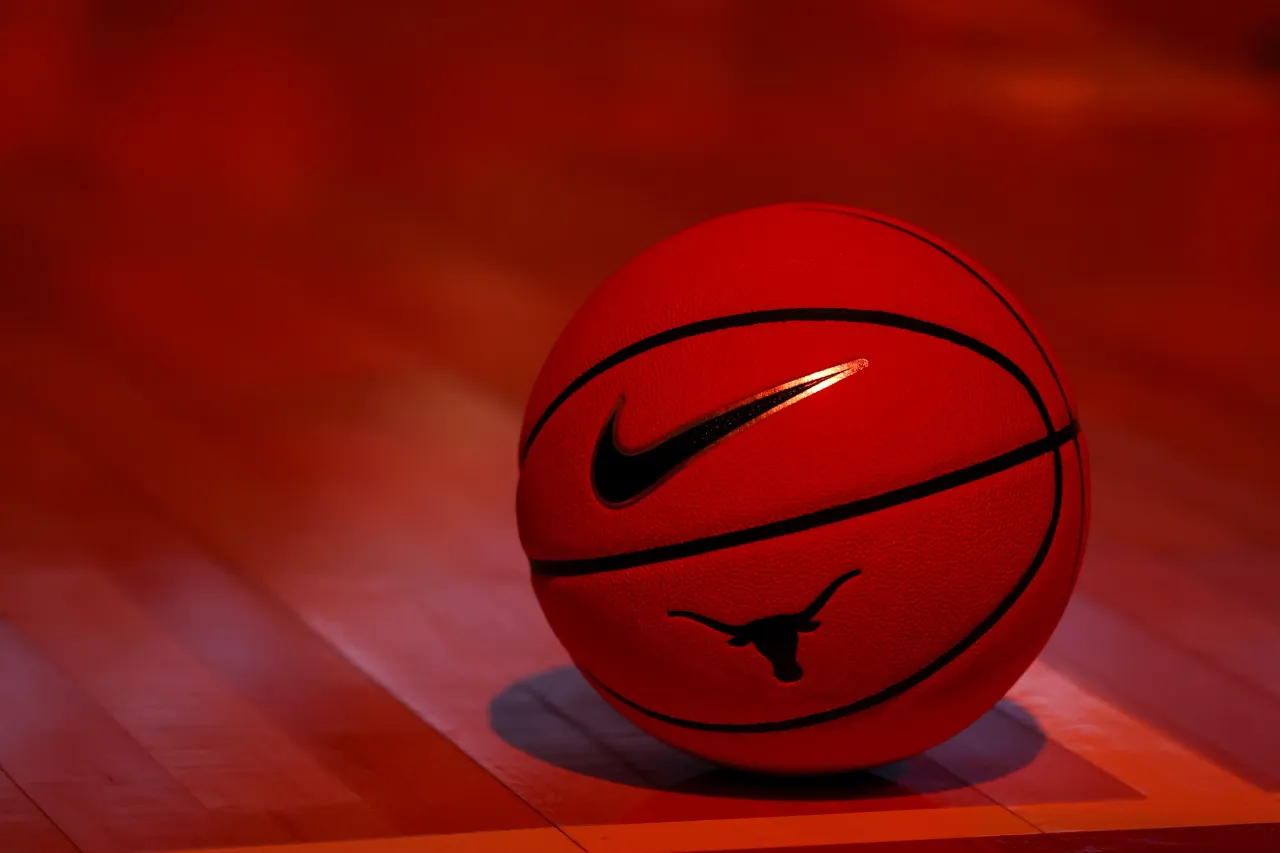
- Analyst Confidence Wanes: As doubts grow about CEO Elliott Hill's ability to revive growth, UBS warns that basketball may no longer serve as Nike's cultural engine, leading to multiple analyst downgrades amid concerns over weak demand in China and Europe, resulting in a roughly 30% drop in Nike's stock this year, on track for its worst annual performance since 1997.
- Insider Purchases Fail to Boost Stock: Despite Hill and Apple CEO Tim Cook recently purchasing over $2 million in Nike shares, the stock remains near decade-lows, weighed down by inflation, tariff pressures, and struggles in China, indicating a highly selective purchasing behavior among consumers.
- Declining Brand Appeal: UBS highlights that Nike may be losing its cross-demographic appeal, with a growing share of sales coming from lower-end channels, raising questions about the erosion of its premium positioning, particularly as the influence of basketball culture diminishes.
- Innovation Leadership Turmoil: The departure of Chief Innovation Officer Tony Bignell after less than a year marks the third innovation chief to leave Nike in under three years, reflecting ongoing challenges in the company's innovation strategy and raising concerns among analysts about Nike's future innovation capabilities.
See More

Wall Street Major Averages Rise on Optimism for U.S.-Iran Peace Talks

- Market Performance: Major Wall Street averages closed higher on Tuesday, with the S&P 500 up 1.2%, the Nasdaq Composite rising 2%, and the Dow Jones Industrial Average increasing by 0.7%, reflecting investor optimism regarding potential U.S.-Iran peace talks that could ease regional tensions.
- GitLab Collaboration Expansion: GitLab Inc. (GTLB) shares surged over 7% in after-hours trading following the announcement of an expanded collaboration with Google Cloud, allowing Google Cloud customers to utilize the GitLab Duo Agent Platform with Google’s Vertex AI models, which is expected to drive customer engagement and enhance competitive positioning.
- Nike Insider Purchases: Nike Inc. (NKE) saw a modest uptick in after-hours trading due to substantial insider purchases by two executives, with Apple CEO Tim Cook buying 25,000 shares at an average price of $42.43, and Nike CEO Elliott Hill purchasing approximately 24,000 shares at $42.265, indicating strong executive confidence in the company's future prospects.
- HeartBeam Stock Decline: HeartBeam Inc. (BEAT) experienced an approximate 18.33% drop to $0.98 in after-hours trading after announcing an underwritten public offering, with net proceeds aimed at launching and growing its FDA-approved ECG system, highlighting financial pressures faced by the company.
See More
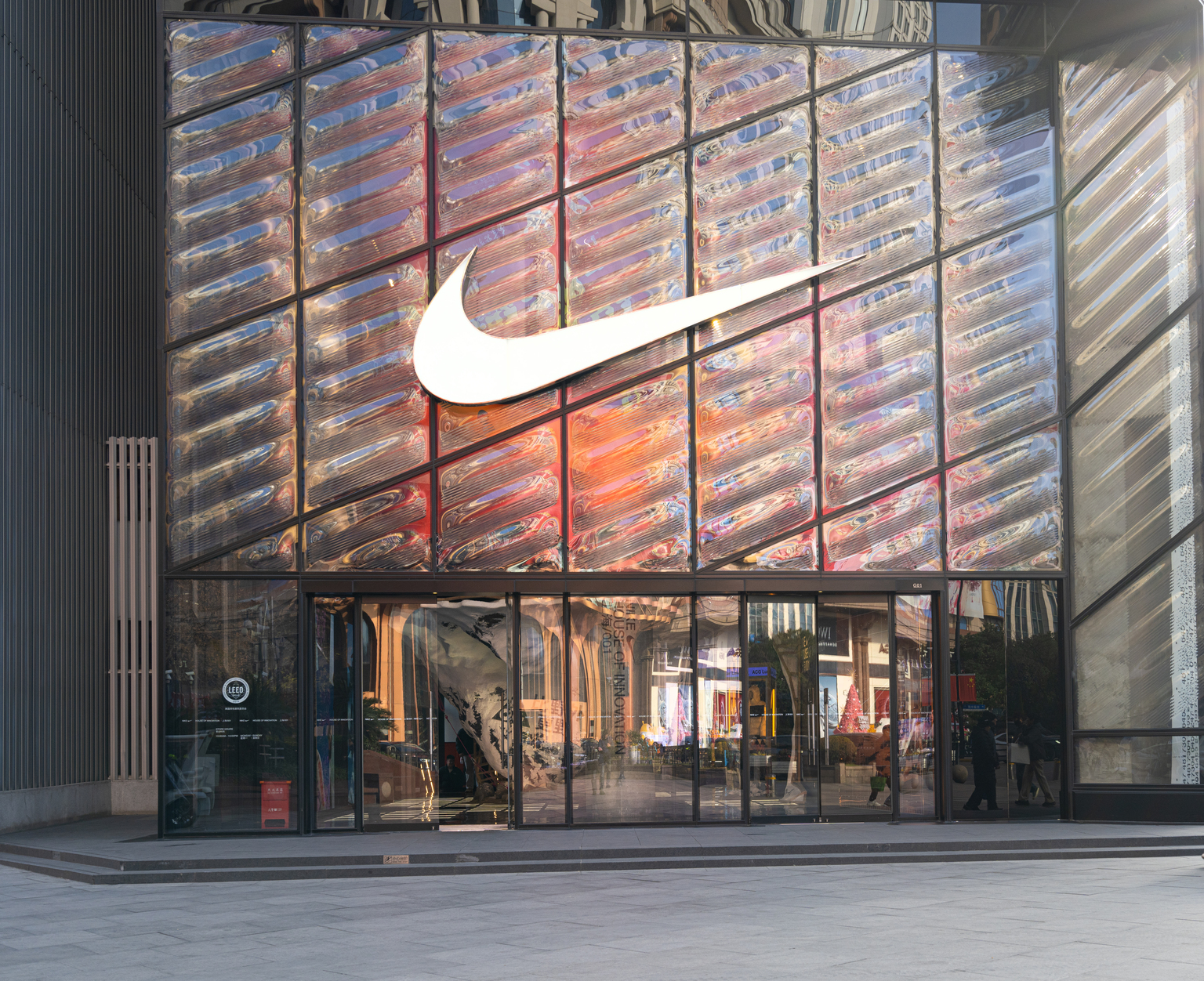
Nike Executives Increase Stakes, Boosting Stock Slightly
- Executive Share Purchases: Nike CEO Elliott Hill bought approximately 24,000 shares last week at an average price of $42.265, increasing his total holdings to 265,248 shares, demonstrating confidence in the company's future prospects.
- Cook's Stake Increase: Apple CEO Tim Cook, who has been on Nike's board since November 2005, recently purchased 25,000 shares at an average price of $42.43, raising his total holdings to 130,480 shares, further solidifying his strategic relationship with Nike.
- Positive Market Reaction: Following the share purchases by both executives, Nike's stock saw a modest increase in after-hours trading on Tuesday, reflecting investor optimism about the company's outlook and potentially attracting more investor interest.
- Signal of Financial Health: Executive share purchases are often viewed as a positive indicator of a company's financial health, which may bolster market confidence in Nike's future performance, despite ongoing concerns about a lack of revenue growth.
See More
Nike Faces Sales Slump in China Amid Turnaround Efforts
- Sales Outlook Decline: Nike anticipates a total revenue drop of up to 4% year-over-year for Q4 2026, with a significant 20% decline expected from China, indicating substantial challenges in regaining market share.
- Management Changes: Since Elliott Hill took over as CEO in late 2024, Nike has been striving to revitalize its brand, facing issues with aging inventory that necessitates heavy discounts, yet management remains committed to driving sales growth through innovation.
- North America as Key: Management has highlighted North America as the leading driver of the company's comeback, being the largest revenue source in 2025, and future success will depend on sustained innovation and sales growth in this region.
- Investment Risk Warning: While Nike's turnaround narrative has attracted new investors, caution is advised as the turnaround may take longer than expected or may not succeed at all, particularly in light of the significant downturn in the Chinese market.
See More
Nike Stock Down 76% Faces Challenges Amid Recovery Efforts
- Significant Stock Decline: Nike's stock has plummeted 76% since its all-time high in 2021, indicating substantial challenges as the company attempts to rectify strategic missteps, prompting investors to carefully assess potential buying opportunities.
- Direct Sales Strategy Missteps: While Nike's shift to a direct-to-consumer model initially yielded higher margins, the lack of timely innovation allowed competitors like On and Brooks to gain market share, highlighting the risks of relying solely on branding.
- Challenges in China: Management forecasts a 20% year-over-year decline in sales in China for the fourth quarter, indicating serious difficulties in clearing inventory and revitalizing the business, suggesting that growth recovery will be slow.
- Dividend Appeal: Despite facing numerous challenges, Nike offers a dividend yield of 3.8%, providing investors with a source of passive income; however, it may not be the right time to buy as the company continues to recover from its past mistakes.
See More
Nike Faces Challenges in Chinese Market
- Market Share Decline: Nike is facing serious issues in the Chinese market, with management guiding for a 20% year-over-year sales decline in the fourth quarter, indicating that the company will struggle to revitalize sales after clearing out inventory, which impacts its global competitiveness.
- Stagnant Revenue Growth: In the fiscal third quarter of 2026, Nike reported flat revenue, although wholesale revenue increased by 5% year-over-year; however, its gross margin fell to 40.2%, significantly lower than competitors On and Lululemon's margins of 63.9% and 54.9%, respectively, highlighting pressure on profitability.
- Strategic Adjustments: New CEO Elliott Hill has crafted a strategy to regain market presence by reinstating wholesale partnerships and accelerating product innovation, but it may take time for Nike to achieve strong growth, prompting investors to proceed with caution.
- Dividend Appeal: Despite the significant drop in Nike's stock price, the company offers a high dividend yield of 3.8%, providing some appeal for investors seeking passive income, although it may not be the right time to buy currently.
See More
Nike Faces Challenges in Reviving Growth Amid Analyst Doubts
- Analyst Confidence Wanes: As doubts grow about CEO Elliott Hill's ability to revive growth, UBS warns that basketball may no longer serve as Nike's cultural engine, leading to multiple analyst downgrades amid concerns over weak demand in China and Europe, resulting in a roughly 30% drop in Nike's stock this year, on track for its worst annual performance since 1997.
- Insider Purchases Fail to Boost Stock: Despite Hill and Apple CEO Tim Cook recently purchasing over $2 million in Nike shares, the stock remains near decade-lows, weighed down by inflation, tariff pressures, and struggles in China, indicating a highly selective purchasing behavior among consumers.
- Declining Brand Appeal: UBS highlights that Nike may be losing its cross-demographic appeal, with a growing share of sales coming from lower-end channels, raising questions about the erosion of its premium positioning, particularly as the influence of basketball culture diminishes.
- Innovation Leadership Turmoil: The departure of Chief Innovation Officer Tony Bignell after less than a year marks the third innovation chief to leave Nike in under three years, reflecting ongoing challenges in the company's innovation strategy and raising concerns among analysts about Nike's future innovation capabilities.
See More
Wall Street Major Averages Rise on Optimism for U.S.-Iran Peace Talks
- Market Performance: Major Wall Street averages closed higher on Tuesday, with the S&P 500 up 1.2%, the Nasdaq Composite rising 2%, and the Dow Jones Industrial Average increasing by 0.7%, reflecting investor optimism regarding potential U.S.-Iran peace talks that could ease regional tensions.
- GitLab Collaboration Expansion: GitLab Inc. (GTLB) shares surged over 7% in after-hours trading following the announcement of an expanded collaboration with Google Cloud, allowing Google Cloud customers to utilize the GitLab Duo Agent Platform with Google’s Vertex AI models, which is expected to drive customer engagement and enhance competitive positioning.
- Nike Insider Purchases: Nike Inc. (NKE) saw a modest uptick in after-hours trading due to substantial insider purchases by two executives, with Apple CEO Tim Cook buying 25,000 shares at an average price of $42.43, and Nike CEO Elliott Hill purchasing approximately 24,000 shares at $42.265, indicating strong executive confidence in the company's future prospects.
- HeartBeam Stock Decline: HeartBeam Inc. (BEAT) experienced an approximate 18.33% drop to $0.98 in after-hours trading after announcing an underwritten public offering, with net proceeds aimed at launching and growing its FDA-approved ECG system, highlighting financial pressures faced by the company.
See More
Nike Executives Increase Stakes, Boosting Stock Slightly
- Executive Share Purchases: Nike CEO Elliott Hill bought approximately 24,000 shares last week at an average price of $42.265, increasing his total holdings to 265,248 shares, demonstrating confidence in the company's future prospects.
- Cook's Stake Increase: Apple CEO Tim Cook, who has been on Nike's board since November 2005, recently purchased 25,000 shares at an average price of $42.43, raising his total holdings to 130,480 shares, further solidifying his strategic relationship with Nike.
- Positive Market Reaction: Following the share purchases by both executives, Nike's stock saw a modest increase in after-hours trading on Tuesday, reflecting investor optimism about the company's outlook and potentially attracting more investor interest.
- Signal of Financial Health: Executive share purchases are often viewed as a positive indicator of a company's financial health, which may bolster market confidence in Nike's future performance, despite ongoing concerns about a lack of revenue growth.
See More