Nike Stock Decline Offers Dividend Opportunities Amid Market Turmoil
Written by Emily J. Thompson, Senior Investment Analyst
Updated: 1 hour ago
0mins
Should l Buy NKE?
Source: Fool
- Stock Price Impact: Nike (NKE) has seen its stock price plummet 71% from its all-time high in 2021, with its dividend yield rising to 3.2% primarily due to this decline rather than dividend increases, which poses potential risks for investors amid market volatility.
- Management Changes: CEO Elliott Hill has been working to rectify the mistakes of former CEO John Donahoe for the past year and a half, particularly by rebuilding relationships with key retail partners after an overemphasis on digital and direct-to-consumer strategies.
- Financial Outlook Challenges: While Nike has returned to growth in its running category and achieved modest revenue growth over the last two quarters, profits are expected to continue declining due to pressures from inventory clearance and investments in innovation.
- Market Reaction Expectations: Nike is set to report its third-quarter earnings on March 31, with analysts forecasting a 0.4% revenue decline to $11.2 billion; despite these disappointing figures, they provide a low bar for the company, and investor focus will likely be on future guidance and commentary.
Trade with 70% Backtested Accuracy
Stop guessing "Should I Buy NKE?" and start using high-conviction signals backed by rigorous historical data.
Sign up today to access powerful investing tools and make smarter, data-driven decisions.
Analyst Views on NKE
Wall Street analysts forecast NKE stock price to rise
21 Analyst Rating
14 Buy
7 Hold
0 Sell
Moderate Buy
Current: 52.070

Low
62.00
Averages
76.11
High
110.00
Current: 52.070
Low
62.00
Averages
76.11
High
110.00
About NKE
NIKE, Inc. is engaged in the designing, marketing and distributing of athletic footwear, apparel, equipment and accessories and services for sports and fitness activities. The Company's operating segments include North America; Europe, Middle East & Africa (EMEA); Greater China; and Asia Pacific & Latin America (APLA). It sells a line of equipment and accessories under the NIKE Brand name, including bags, socks, sport balls, eyewear, timepieces, digital devices, bats, gloves, protective equipment and other equipment designed for sports activities. It also designs products specifically for the Jordan Brand and Converse. The Jordan Brand designs, distributes and licenses athletic and casual footwear, apparel and accessories predominantly focused on basketball performance and culture using the Jumpman trademark. The Company also designs, distributes and licenses casual sneakers, apparel and accessories under the Chuck Taylor, All Star, One Star, Star Chevron and Jack Purcell trademarks.
About the author

Emily J. Thompson
Emily J. Thompson, a Chartered Financial Analyst (CFA) with 12 years in investment research, graduated with honors from the Wharton School. Specializing in industrial and technology stocks, she provides in-depth analysis for Intellectia’s earnings and market brief reports.

Nike's Dividend Yield Surpasses 3%, Attracting Attention


- Dividend Yield Increase: Nike's current dividend yield stands at 3.2%, primarily driven by a decline in stock price post-pandemic rather than dividend hikes, indicating the company's resilience in adversity.
- Profit Decline Pressure: Nike's stock has plummeted 71% from its all-time high in 2021 and continues to slide due to global economic turmoil and rising oil prices, with profits expected to fall further, impacting investor confidence.
- Management Change and Strategic Shift: New CEO Elliott Hill has been working to rectify the missteps of former CEO John Donahoe for the past 18 months, and despite macroeconomic challenges, Nike has achieved modest growth in its running category, suggesting potential recovery.
- Future Outlook and Market Reaction: Analysts expect Nike's Q3 revenue to decline by 0.4% to $11.2 billion, with earnings per share dropping from $0.54 to $0.28; however, this low bar may provide an opportunity for rebound, with investor focus on future guidance and commentary.
See More

Nike Stock Decline Offers Dividend Opportunities Amid Market Turmoil
- Stock Price Impact: Nike (NKE) has seen its stock price plummet 71% from its all-time high in 2021, with its dividend yield rising to 3.2% primarily due to this decline rather than dividend increases, which poses potential risks for investors amid market volatility.
- Management Changes: CEO Elliott Hill has been working to rectify the mistakes of former CEO John Donahoe for the past year and a half, particularly by rebuilding relationships with key retail partners after an overemphasis on digital and direct-to-consumer strategies.
- Financial Outlook Challenges: While Nike has returned to growth in its running category and achieved modest revenue growth over the last two quarters, profits are expected to continue declining due to pressures from inventory clearance and investments in innovation.
- Market Reaction Expectations: Nike is set to report its third-quarter earnings on March 31, with analysts forecasting a 0.4% revenue decline to $11.2 billion; despite these disappointing figures, they provide a low bar for the company, and investor focus will likely be on future guidance and commentary.
See More

Rising Oil Prices Pressure Stock Market Performance


- Oil Prices Surge: The ongoing rise in oil prices due to the Iran war has pressured the stock market, with the Nasdaq down 2.15%, the Dow Jones Industrial Average falling 1.73%, and the S&P 500 declining 1.67%, marking the fifth consecutive week of losses and reflecting a pessimistic outlook among investors.
- Shift in Investor Preference: As tech stocks struggle, investors are increasingly favoring oil and consumer goods stocks; Cramer noted that despite the poor performance of tech stocks like Nvidia, oil stocks remain strong, indicating sustained confidence in the energy sector.
- Market Outlook Ahead: Cramer highlighted that the upcoming week will be driven by developments in the Iran war, particularly the tense situation in the Strait of Hormuz, which could lead to further increases in oil prices and exacerbate downward pressure on stocks.
- Economic Data Impact: The forthcoming jobs report and earnings from Conagra Brands will provide crucial signals about economic health, with Cramer suggesting that weak economic data could prompt the Federal Reserve to consider rate cuts, thereby influencing market sentiment.
See More

Nike Faces Challenges as Stock Drops Nearly 60%

- Stagnant Sales Growth: Nike's revenue growth flatlined in fiscal 2024 as declining sales in North America and a strong dollar offset gains in China and other overseas markets, leading to increased market pressure on the company.
- Declining Gross Margin: The gross margin dropped from 43.5% in fiscal 2023 to 42.7% in fiscal 2025, as Nike relied on markdowns to boost sales and reduce inventory, resulting in a significant drop in EPS from $3.23 to $2.16, reflecting a decline in profitability.
- Intensified Market Competition: Nike is at a disadvantage against competitors like Adidas, On Holding, and Lululemon, particularly as the latter began selling its own branded shoes in 2022, further eroding Nike's market share.
- Strategic Adjustments: Nike is attempting to stabilize its business by increasing the sales mix of full-price and premium products, launching new marketing campaigns, and rebuilding relationships with wholesale retailers, although it still relies on markdowns for short-term sales boosts.
See More
S&P 500 Faces Correction Risk as Iran War Escalates
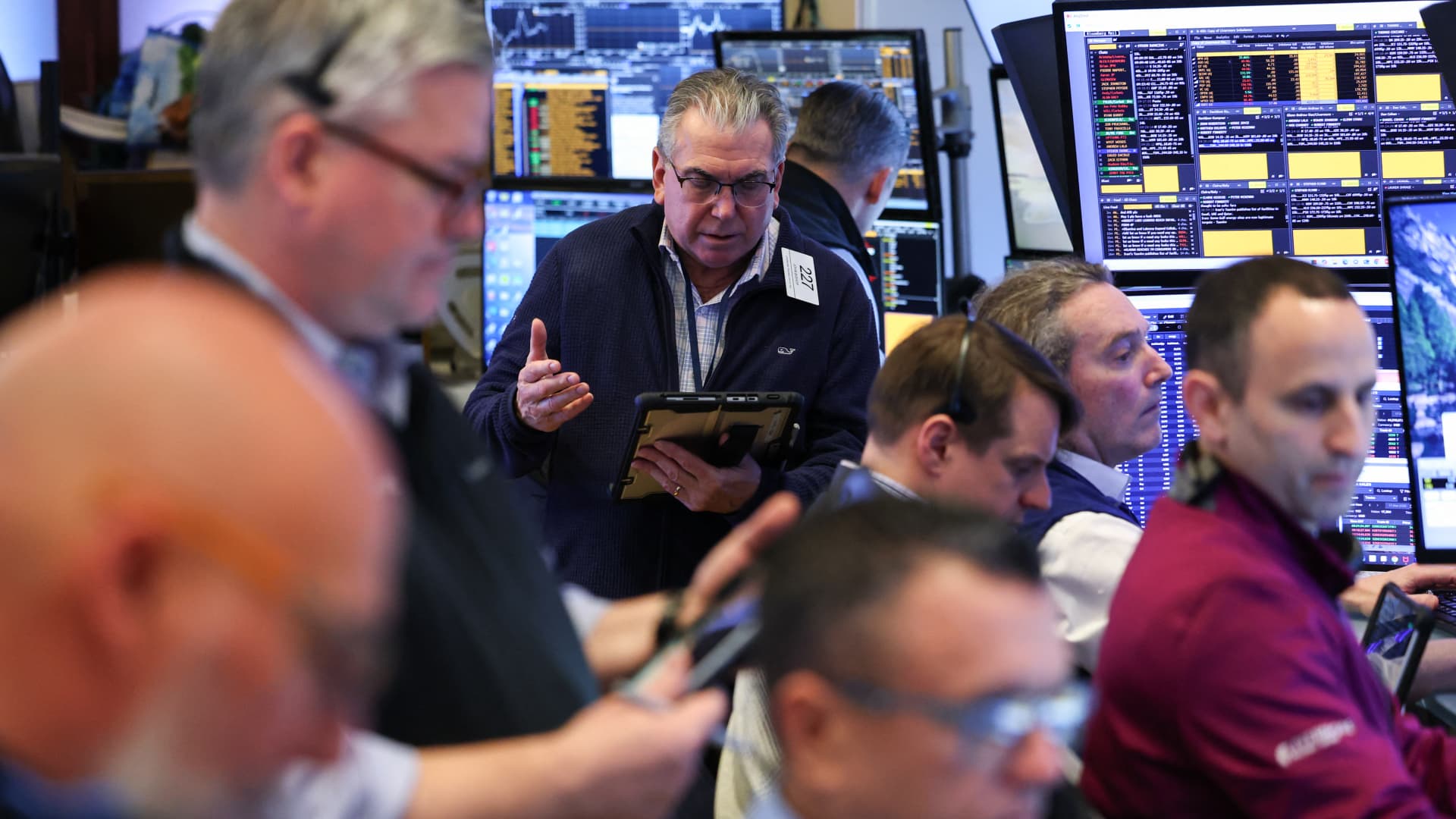
- Correction Risk Intensifies: As the Iran war stretches into its fifth week, the S&P 500 is just over 8% from its all-time high, facing a correction risk of more than 10%, indicating a sharp deterioration in market sentiment that could further undermine investor confidence.
- Increased Volatility: The S&P 500's breakdown below its 200-day moving average suggests further downside ahead, with the VIX averaging 26 when below that support, indicating that the market will experience heightened volatility, impacting investment strategies.
- Shifting Earnings Expectations: While strong corporate earnings growth and easier fiscal policy still support a market recovery, investor concerns over the prolonged Iran conflict have made the stock market outlook more uncertain, prompting some strategists to turn bearish.
- Employment Data Impact: The upcoming March nonfarm payroll report is expected to show an increase of 57,000 jobs, yet the market must remain vigilant regarding the resilience of the labor market to address potential economic slowdown risks.
See More
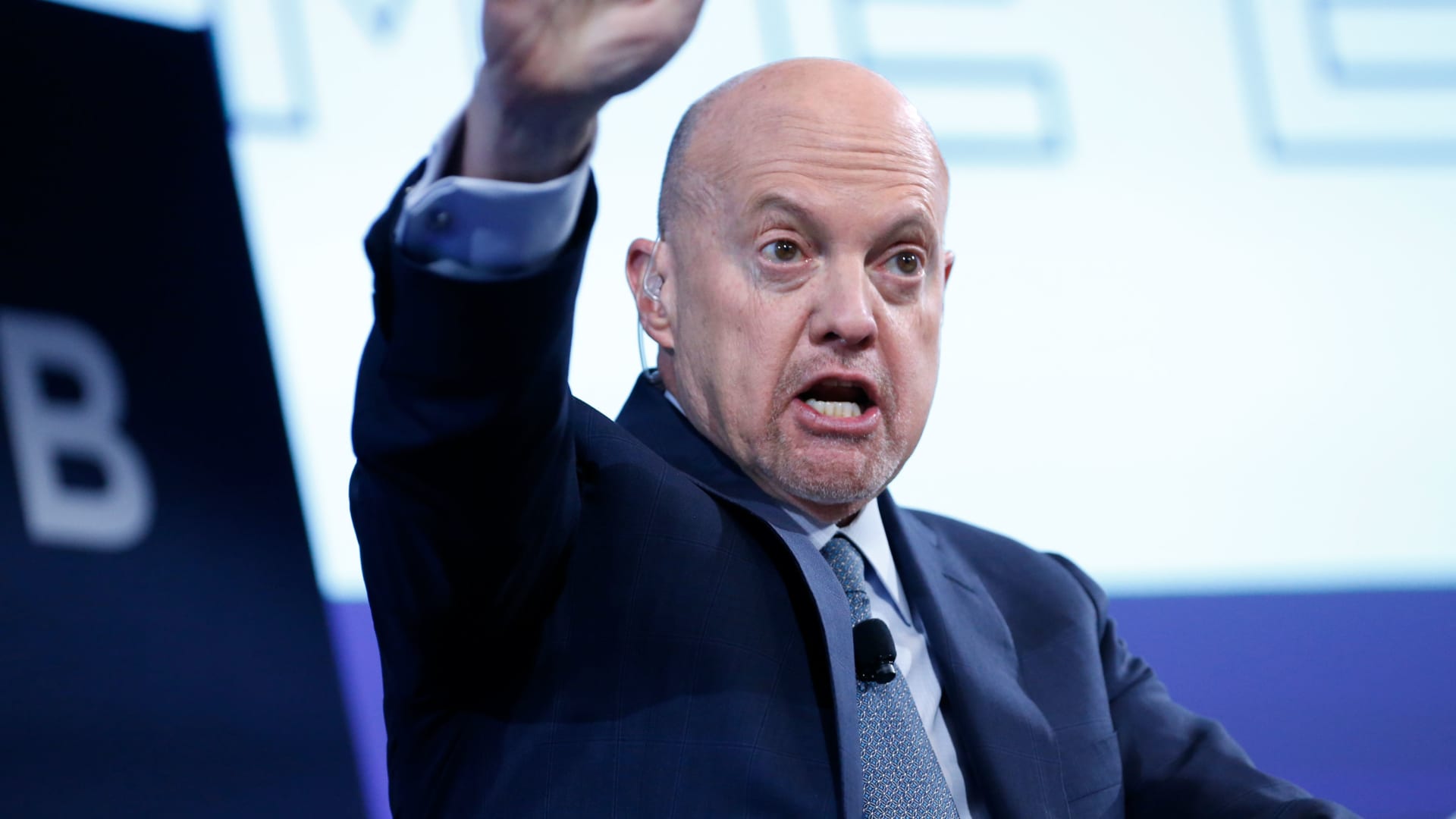
CNBC Investing Club March Meeting Overview


- Energy Stocks Surge: Following the outbreak of war in Iran, energy stocks, particularly fertilizer manufacturers, have shown strong performance, indicating robust market demand that could drive profitability for related companies.
- AWS Growth Acceleration: Amazon's cloud unit AWS is no longer lagging behind Microsoft Azure, thanks to its partnership with Anthropic, with expectations for next quarter's margins to exceed market forecasts, boosting investor confidence.
- Cybersecurity Challenges: CrowdStrike has been affected by turmoil in the software market, but the CEO highlighted the positive impact of AI on cyberattacks, indicating long-term growth potential in the security sector, despite high stock prices.
- Healthcare Sector Risks: Eli Lilly faces pricing pressure from competitor Novo Nordisk, but the company is prepared to counter this by increasing volume, with the upcoming launch of its GLP-1 obesity drug expected to drive growth.
See More
Nike's Dividend Yield Surpasses 3%, Attracting Attention
- Dividend Yield Increase: Nike's current dividend yield stands at 3.2%, primarily driven by a decline in stock price post-pandemic rather than dividend hikes, indicating the company's resilience in adversity.
- Profit Decline Pressure: Nike's stock has plummeted 71% from its all-time high in 2021 and continues to slide due to global economic turmoil and rising oil prices, with profits expected to fall further, impacting investor confidence.
- Management Change and Strategic Shift: New CEO Elliott Hill has been working to rectify the missteps of former CEO John Donahoe for the past 18 months, and despite macroeconomic challenges, Nike has achieved modest growth in its running category, suggesting potential recovery.
- Future Outlook and Market Reaction: Analysts expect Nike's Q3 revenue to decline by 0.4% to $11.2 billion, with earnings per share dropping from $0.54 to $0.28; however, this low bar may provide an opportunity for rebound, with investor focus on future guidance and commentary.
See More
Nike Stock Decline Offers Dividend Opportunities Amid Market Turmoil
- Stock Price Impact: Nike (NKE) has seen its stock price plummet 71% from its all-time high in 2021, with its dividend yield rising to 3.2% primarily due to this decline rather than dividend increases, which poses potential risks for investors amid market volatility.
- Management Changes: CEO Elliott Hill has been working to rectify the mistakes of former CEO John Donahoe for the past year and a half, particularly by rebuilding relationships with key retail partners after an overemphasis on digital and direct-to-consumer strategies.
- Financial Outlook Challenges: While Nike has returned to growth in its running category and achieved modest revenue growth over the last two quarters, profits are expected to continue declining due to pressures from inventory clearance and investments in innovation.
- Market Reaction Expectations: Nike is set to report its third-quarter earnings on March 31, with analysts forecasting a 0.4% revenue decline to $11.2 billion; despite these disappointing figures, they provide a low bar for the company, and investor focus will likely be on future guidance and commentary.
See More
Rising Oil Prices Pressure Stock Market Performance
- Oil Prices Surge: The ongoing rise in oil prices due to the Iran war has pressured the stock market, with the Nasdaq down 2.15%, the Dow Jones Industrial Average falling 1.73%, and the S&P 500 declining 1.67%, marking the fifth consecutive week of losses and reflecting a pessimistic outlook among investors.
- Shift in Investor Preference: As tech stocks struggle, investors are increasingly favoring oil and consumer goods stocks; Cramer noted that despite the poor performance of tech stocks like Nvidia, oil stocks remain strong, indicating sustained confidence in the energy sector.
- Market Outlook Ahead: Cramer highlighted that the upcoming week will be driven by developments in the Iran war, particularly the tense situation in the Strait of Hormuz, which could lead to further increases in oil prices and exacerbate downward pressure on stocks.
- Economic Data Impact: The forthcoming jobs report and earnings from Conagra Brands will provide crucial signals about economic health, with Cramer suggesting that weak economic data could prompt the Federal Reserve to consider rate cuts, thereby influencing market sentiment.
See More
Nike Faces Challenges as Stock Drops Nearly 60%
- Stagnant Sales Growth: Nike's revenue growth flatlined in fiscal 2024 as declining sales in North America and a strong dollar offset gains in China and other overseas markets, leading to increased market pressure on the company.
- Declining Gross Margin: The gross margin dropped from 43.5% in fiscal 2023 to 42.7% in fiscal 2025, as Nike relied on markdowns to boost sales and reduce inventory, resulting in a significant drop in EPS from $3.23 to $2.16, reflecting a decline in profitability.
- Intensified Market Competition: Nike is at a disadvantage against competitors like Adidas, On Holding, and Lululemon, particularly as the latter began selling its own branded shoes in 2022, further eroding Nike's market share.
- Strategic Adjustments: Nike is attempting to stabilize its business by increasing the sales mix of full-price and premium products, launching new marketing campaigns, and rebuilding relationships with wholesale retailers, although it still relies on markdowns for short-term sales boosts.
See More
S&P 500 Faces Correction Risk as Iran War Escalates
- Correction Risk Intensifies: As the Iran war stretches into its fifth week, the S&P 500 is just over 8% from its all-time high, facing a correction risk of more than 10%, indicating a sharp deterioration in market sentiment that could further undermine investor confidence.
- Increased Volatility: The S&P 500's breakdown below its 200-day moving average suggests further downside ahead, with the VIX averaging 26 when below that support, indicating that the market will experience heightened volatility, impacting investment strategies.
- Shifting Earnings Expectations: While strong corporate earnings growth and easier fiscal policy still support a market recovery, investor concerns over the prolonged Iran conflict have made the stock market outlook more uncertain, prompting some strategists to turn bearish.
- Employment Data Impact: The upcoming March nonfarm payroll report is expected to show an increase of 57,000 jobs, yet the market must remain vigilant regarding the resilience of the labor market to address potential economic slowdown risks.
See More
CNBC Investing Club March Meeting Overview
- Energy Stocks Surge: Following the outbreak of war in Iran, energy stocks, particularly fertilizer manufacturers, have shown strong performance, indicating robust market demand that could drive profitability for related companies.
- AWS Growth Acceleration: Amazon's cloud unit AWS is no longer lagging behind Microsoft Azure, thanks to its partnership with Anthropic, with expectations for next quarter's margins to exceed market forecasts, boosting investor confidence.
- Cybersecurity Challenges: CrowdStrike has been affected by turmoil in the software market, but the CEO highlighted the positive impact of AI on cyberattacks, indicating long-term growth potential in the security sector, despite high stock prices.
- Healthcare Sector Risks: Eli Lilly faces pricing pressure from competitor Novo Nordisk, but the company is prepared to counter this by increasing volume, with the upcoming launch of its GLP-1 obesity drug expected to drive growth.
See More